1. Introduction to the Integration of Artificial Intelligence and Barcode Technology in Logistics Management |
1.1 Logistics management has evolved into a highly data-driven operational discipline. Barcode technology provides an efficient mechanism for automated data capture, while artificial intelligence provides analytical, predictive, and autonomous control capabilities. Their convergence reshapes logistics processes such as warehousing, transportation, distribution center operations, asset tracking, traceability, and customer fulfillment. |
1.2 Barcode technology converts physical objects into digital identities, enabling accurate and efficient monitoring of material movements. Artificial intelligence processes the collected barcode data with machine-learning models, computer vision algorithms, and intelligent decision systems to optimize key performance metrics that include delivery time, routing efficiency, inventory accuracy, cost reduction, error rate reduction, and resource utilization. |
1.3 The combinatorial deployment enhances visibility across the supply chain. Operational data capture through barcodes becomes an input stream for AI. AI transforms the captured data into actionable intelligence. This symbiosis supports real-time situational awareness, proactive control, and predictive automation within all logistic operations. |
1.4 The success of AI-barcode technologies resides in continuous feedback loops. Barcode scanning generates empirical data. AI analyzes data and identifies patterns. The generated insights inform process adjustments, which then generate new data to be analyzed. Performance continually improves through recursive knowledge accumulation. |
1.5 The integration addresses labor shortages, rising consumer demand for rapid delivery, and the intensifying need for transparency in global supply chains. Logistics enterprises increasingly recognize that enhanced automation supported by barcode and AI technologies yields competitive advantages through improved speed, precision, flexibility, and cost-efficiency. |
1.6 This document provides a comprehensive exploration of the applications, architectures, technical mechanisms, operational benefits, and strategic impacts of AI-barcode combined systems across logistics ecosystems. The analysis covers the full lifecycle from inbound processing to final delivery, including cross-border operations and reverse logistics. |

|
2. Historical Evolution Toward Intelligent Barcode-Enabled Logistics |
2.1 Traditional logistics operations relied heavily on manual handling and manual recording of product information. The introduction of linear one-dimensional barcodes enabled structured data capture, yet operational intelligence remained limited due to insufficient computational sophistication. |
2.2 The evolution from 1D to 2D barcodes dramatically expanded the amount of data that can be encoded per unit surface area. QR Code, Data Matrix, and PDF417 supports item-level identification with robust error correction and high scan accuracy. |
2.3 Digital transformation accelerated the use of barcode systems in warehouse management systems (WMS), transportation management systems (TMS), and enterprise resource planning (ERP) systems. Operational processes increasingly relied on real-time data streams. |
2.4 Artificial intelligence integration occurred once logistics data volume reached thresholds appropriate for high-performance analytics. Machine learning enabled anomaly detection, demand forecasting, automated decision-making, and intelligent route optimization. |
2.5 AI-barcode convergence represents the third major revolution in logistics automation: |
The first revolution: mechanized handling |
The second revolution: digital data capture through barcodes |
The third revolution: intelligent automation through AI |
2.6 Modern logistics companies increasingly adopt AI as a core operational mechanism rather than supplementary enhancement, while barcode technology continues to serve as the principal bridge linking physical logistics assets and digital intelligence platforms. |

|
3. The Role of Barcode Technology as a Foundational Identification Architecture |
3.1 Barcodes represent data symbols that encode identifiers for logistics units such as SKUs, pallets, containers, assets, orders, personnel, and documentation records. |
3.2 Barcode readability ensures rapid object recognition during all contact points in the logistics network. Barcode scanners extract standardized digital identifiers with accuracy that typically exceeds 99.9 percent under suitable conditions. |
3.3 Integration with global identification standards such as GS1 ensures universal interoperability across supply chain participants, which include suppliers, carriers, third-party logistics providers, and retail endpoints. |
3.4 Barcodes have minimal printing cost, high durability, and compatibility with multiple surfaces including packaging, containers, shelving labels, RFID-barcoded hybrids, and digital screens for mobile scanning. |
3.5 Barcodes provide fine-grained traceability. Each scanned identifier produces historical log entries that document time, location, operator identity, equipment identity, and operational status. This structured dataset serves as a rich input for AI algorithms. |
3.6 Although barcodes do not inherently process information, their ability to capture real-world events in machine-readable format allows AI systems to utilize them as data acquisition infrastructure. The barcode acts as a sensor for physical object identity over the logistics lifecycle. |

|
4. Artificial Intelligence as the Analytical and Decision Engine in Logistics |
4.1 Artificial intelligence enhances logistics operations through several categories of algorithms: |
Supervised machine learning for demand and cost prediction |
Unsupervised learning for inventory clustering and anomaly detection |
Reinforcement learning for dynamic routing and robotics operations |
Computer vision for automated barcode detection and validation |
Natural language processing for shipment documentation |
4.2 AI transforms raw barcode scan events into structured intelligence products including predictive insights, automated control signals, and real-time optimization recommendations. |
4.3 Deep learning models utilize historical data and contextual features such as weather, road traffic, operational workloads, and customer behavior trends to dynamically adapt process execution. |
4.4 AI increases process automation maturity by reducing dependence on manual decision-making. The result is reduced cycle time, error mitigation, and improved responsiveness. |
4.5 Human-in-the-loop AI systems ensure supervisory visibility. Operators validate decisions in exceptional cases to ensure compliance and safety. |
4.6 AI in logistics must maintain strong data governance to ensure correctness, fairness, and auditability in automated decision pipelines. |
|
5. Merging AI with Barcode Technology: Core Architecture |
5.1 The combined architecture includes: |
Barcode label application at manufacturing and receiving |
Mobile scanners or fixed scanning gateways capturing object identity |
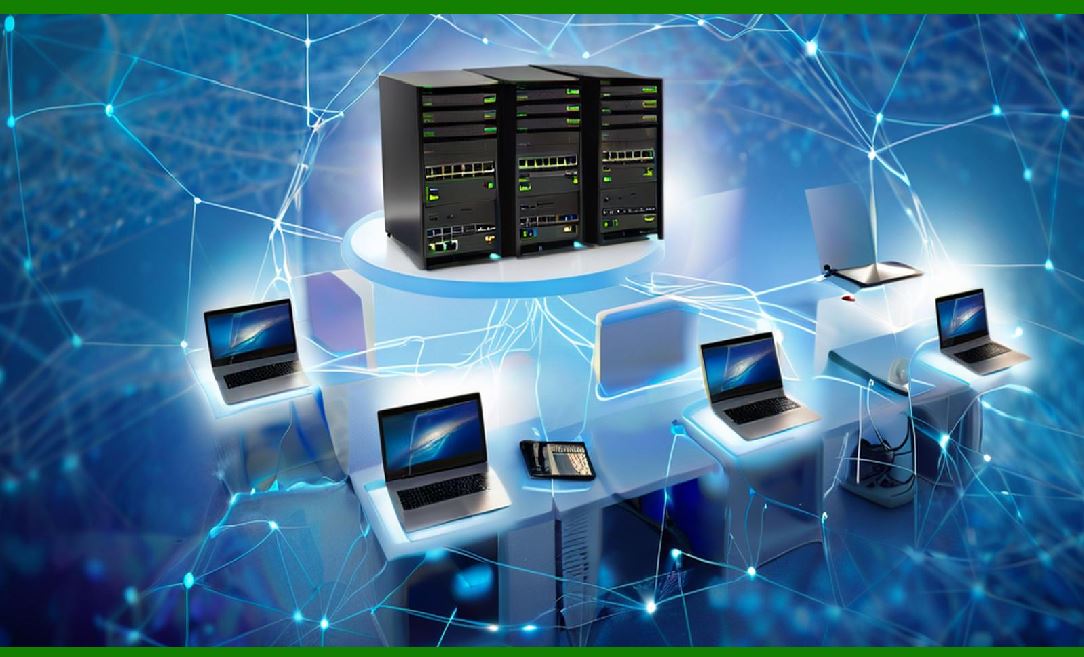
Data ingestion to centralized or distributed cloud platforms |
AI engines processing multi-dimensional logistics data |
Intelligent systems issuing operational adjustments |
5.2 Data flows from physical processes into digital decision-making environments in near real-time. |
5.3 AI models provide situational awareness by correlating barcode scans with additional data sources such as IoT sensors, GPS location, fleet telematics, and enterprise databases. |
5.4 Decision feedback loops return optimized directives to warehouse robots, picking systems, dispatching centers, and delivery personnel. |
5.5 The architecture supports automation at multiple layers: |
Operational execution |
Tactical resource allocation |
Strategic planning |
5.6 System efficiency depends on synchronization between barcode scanning frequency, system latency, and AI inference time. Poor synchronization diminishes the benefits of real-time intelligence. |

|
6. AI-Barcode Use Cases in Logistics Management: Overview |
6.1 Use cases include: |
Receiving automation |
Intelligent inventory positioning |
Predictive stock replenishment |
Robotic picking and autonomous vehicle navigation |
Carrier load balancing |
Real-time shipment tracking and ETA forecasting |
Cold chain compliance verification |
Theft, diversion, and fraud detection |
Automated documentation generation |
Customer fulfillment personalization |
6.2 Each use case converts barcode data into actionable AI-generated outcomes through specific algorithmic mechanisms, operational workflows, and performance metrics. |
6.3 The benefits include increased throughput, reduced operational costs, improved order accuracy, minimized shrinkage, enhanced traceability, and stronger compliance governance. |
6.4 Use case implementation depends on the technological maturity of the logistics organization. Scalability evolves from basic tracking to real-time optimization and then to fully autonomous operations. |
6.5 Cross-functional impacts extend to procurement, manufacturing, retail fulfillment, customer service, and sustainability performance management. |
6.6 The remainder of this document will thoroughly expand each identified use case across warehousing, transportation, distribution, and final delivery processes. |

|
7. Intelligent Receiving and Inbound Processing |
7.1 Inbound processing establishes the integrity of downstream logistics operations. AI combined with barcode scanning ensures that product verification occurs at high throughput while preventing receiving defects. |
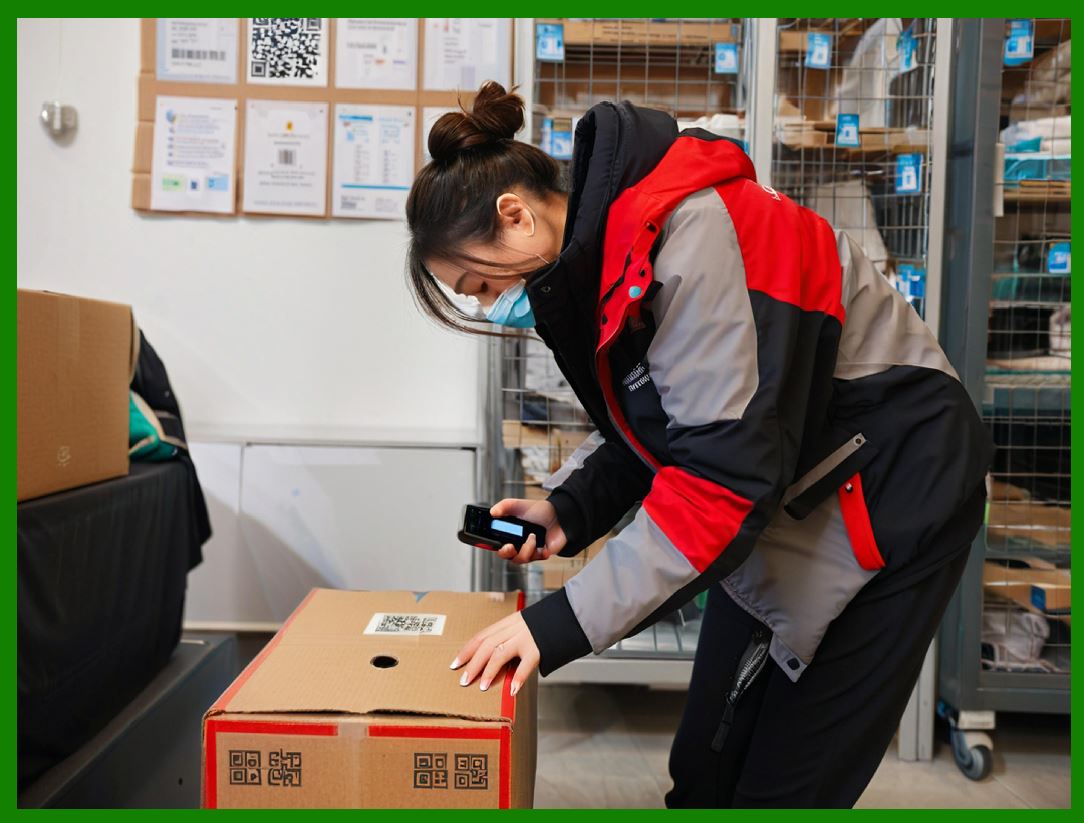
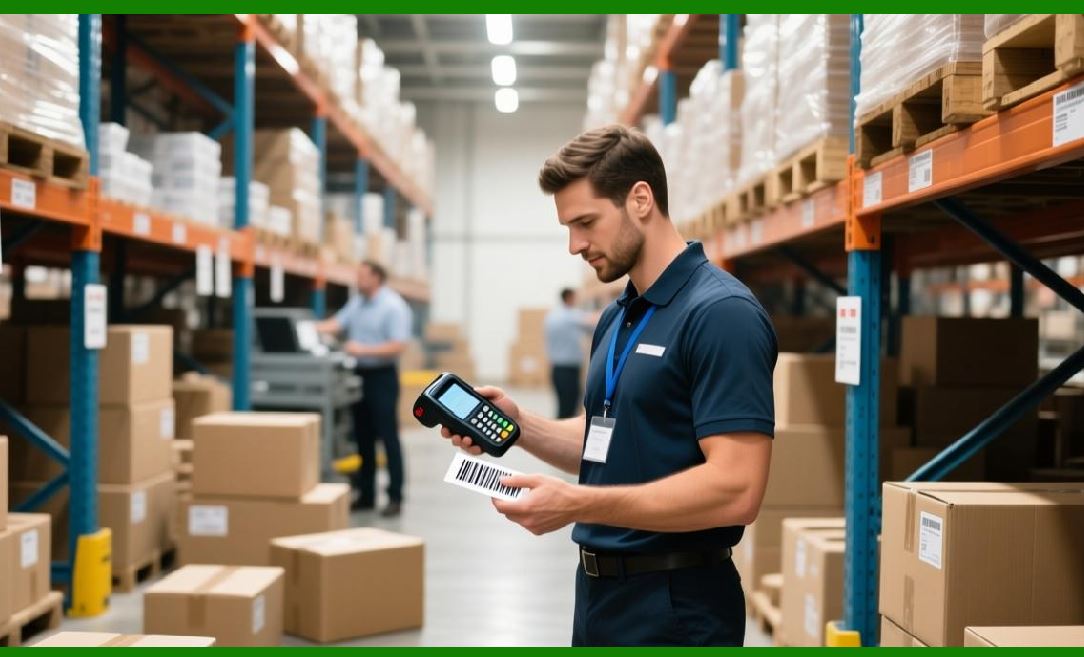
7.2 Automated dock-door scanning systems capture barcode information from pallets, cartons, and item-level units as they arrive. AI performs automated verification against purchase orders, shipment documentation, and ASN (Advance Shipping Notice) data. |
7.3 Computer vision algorithms improve scan accuracy by detecting barcode rotation, curvature, occlusion, and motion blur. AI classification identifies packaging anomalies such as damage or incorrect labeling. |
7.4 Automatic mis-shipment detection eliminates manual discrepancy identification. Detection models compare barcode identity and expected goods attributes such as weight, SKU classification, or hazardous material designation. |
7.5 Expected shortage analysis uses predictive modeling to identify recurring supplier compliance issues and recommend preventive corrective actions. |
7.6 AI-barcode systems automatically route inbound goods to designated storage locations based on predictive demand, stock turnover velocity, and compatibility factors such as temperature or hazardous segregation requirements. |
7.7 AI increases receiving capacity without requiring proportional increases in labor or floor space. |
7.8 Receiving becomes a fully digital event, creating a traceability foundation from the very first scan. |
|
8. AI-Enhanced Warehouse Management and Intelligent Storage Operations |
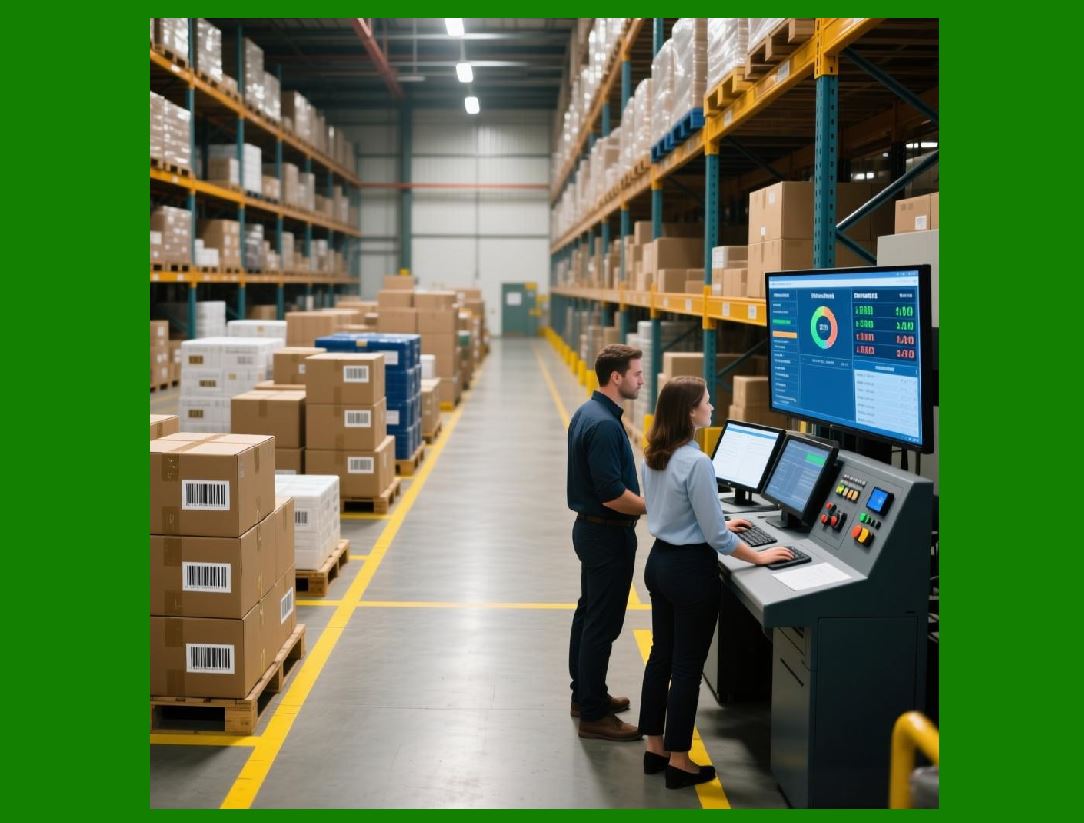
8.1 The warehouse is the primary node where barcode data are generated through repeated scanning interactions. Artificial intelligence enhances warehouse workflows by processing this data to optimize material flow, space utilization, and labor efficiency. |
8.2 Barcode-based item identification provides ground truth on inventory location accuracy. AI models analyze scan discrepancies to detect misplaced items, unrecorded stock movements, and potential inventory shrinkage. |
8.3 Optimal slotting relies on prediction models that evaluate SKU velocity, replenishment frequency, dimensional fit, and product affinity. AI recommends ideal bin or pallet rack positions to minimize travel distance and improve picking productivity. |
8.4 Dynamic space reallocation algorithms reorganize inventory when demand patterns shift seasonally or in promotional campaigns. Barcode scans during relocation cycles ensure uninterrupted data integrity. |
8.5 AI-controlled autonomous mobile robots (AMRs) navigate warehouse aisles guided by barcode floor markers or mobile scanning systems that ensure real-time operational precision. AI path planning reduces congestion and prevents collisions. |
8.6 Cycle counting powered by barcode scanning becomes intelligent through AI-driven prioritization. High-risk locations identified by anomaly detection are audited more frequently to eliminate reconciliation delays. |
8.7 Visual analytics systems observe worker scanning patterns to detect inefficient picking behavior and propose workflow improvements. Operational coaching insights increase employee productivity without micromanagement. |
8.8 When fully deployed, AI and barcodes eliminate major traditional warehouse inefficiencies including search time, misplaced goods, overstocking, understocking, and redundant handling operations. |
|
9. Intelligent Picking and Order Fulfillment Optimization |
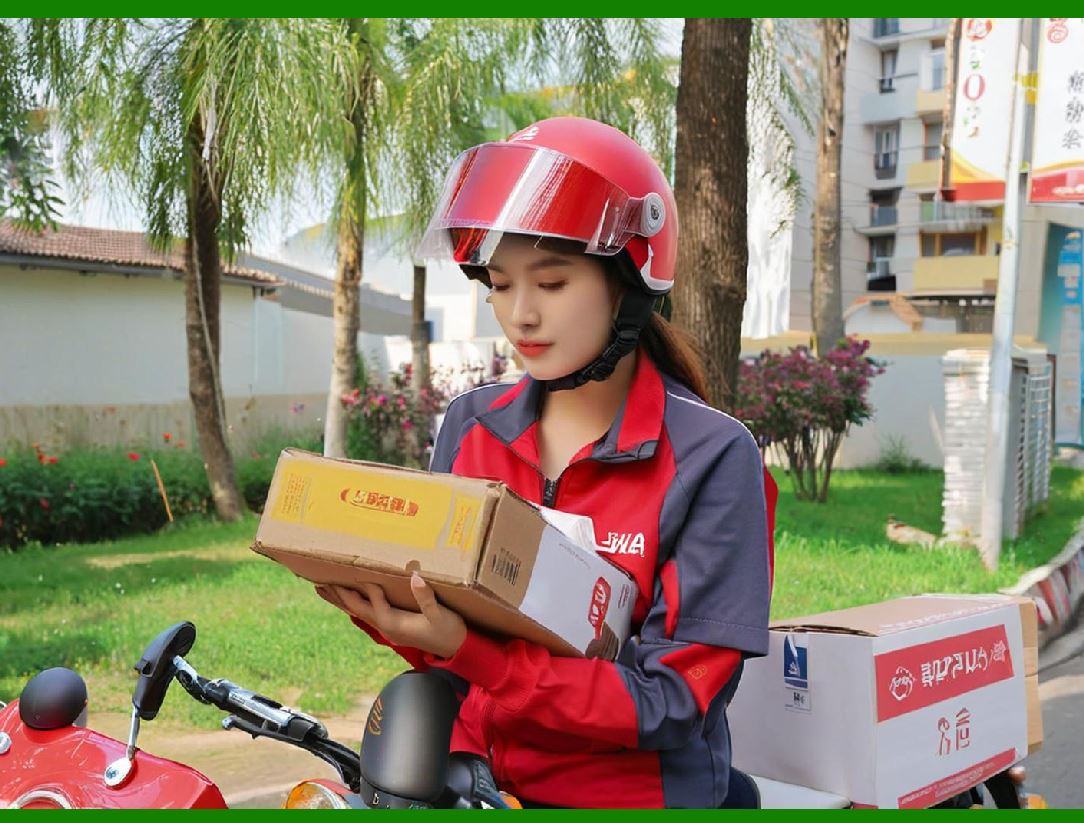
9.1 Order fulfillment is one of the most labor-intensive logistics processes. Barcode scanning ensures SKU accuracy during picking, while AI orchestrates the workflow for maximum efficiency. |
9.2 AI algorithms create optimized picking routes that reduce walking distance by grouping orders, leveraging batch picking, cluster picking, or zone-based assignments. |
9.3 Real-time workload balancing distributes orders across workers and robots based on capacity, performance history, and travel path predictions. |
9.4 AI identifies high-value customers or urgent orders and prioritizes their fulfilment queues to ensure service-level compliance. Barcode verification ensures that priority orders maintain accuracy despite increased speed. |
9.5 Voice-picking and AR-assisted systems overlay pick instructions while the barcode scan serves as a confirmation trigger. This multimodal guidance reduces cognitive load on workers. |
9.6 Reinforcement learning improves picking algorithm performance by learning from operational data such as route conflicts or congestion hotspots detected through aggregate barcode scan timestamps. |
9.7 AI-powered item assurance identifies likely mis-picks before they occur by analyzing SKU similarity, worker fatigue prediction, and historical error trends. Workers receive proactive alerts requiring additional barcode validation before finalization. |
9.8 Integrating robotics the picking task can shift from human-travel to robot-travel, increasing throughput and lowering ergonomic safety risks. |
|
10. Automated Packaging, Sorting, and Labeling |
10.1 Packaging and sorting operations transform picked goods into labeled shipments ready for transportation. Barcodes applied at this stage serve as the primary tracking identifiers during transportation. |
10.2 AI-based cartonization models recommend optimal carton or pallet configurations to minimize dimensional weight and maximize carrier cost efficiency. |
10.3 Barcode-driven sorting allows automatic mechanical diverters to route packages across conveyor networks. AI planning systems adjust routing dynamically during throughput fluctuations. |
10.4 Automated inspection cameras verify barcode print quality and label placement accuracy. AI flags unreadable or damaged barcodes prior to shipment to prevent downstream tracking failures. |
10.5 AI accelerates compliance with customs documentation or dangerous goods labeling requirements since barcode identifiers automatically retrieve regulatory data from centralized systems. |
10.6 AI assesses packaging materials against sustainability objectives and suggests eco-optimized alternatives while ensuring compatibility with barcode scanning standards. |
10.7 Package consolidation uses predictive analysis to group multiple orders going to the same region, thereby improving transportation density and reducing carbon emissions. |

|
11. Intelligent Inventory and Stock Replenishment |
11.1 Real-time barcode-driven visibility ensures organizations always know what exists in storage, where it is located, and its operational status. |
11.2 AI models use historical barcode scan patterns and demand forecasting to predict when SKUs will require replenishment. |
11.3 Reorder point calculations become adaptive rather than static. AI considers seasonality, promotions, supply disruptions, lead time variability, and consumer behavior changes. |
11.4 Inventory segmentation clusters products into multiple priority tiers, enabling differentiated replenishment strategies that balance cost and service. |
11.5 Shrinkage analytics detect theft, misplacement, or inventory corruption by analyzing anomalies in scan sequences, missing scan events, or stock depths inconsistent with transactional logs. |
11.6 Warehouse waste reduction initiatives track expiry dates using interpreted barcode data. AI schedules proactive replenishment rotations, especially in perishable goods or pharmaceuticals. |
11.7 Dynamic supplier scheduling automates inbound flow synchronization, ensuring replenishments arrive only when storage capacity is available and demand signals justify receipt. |
11.8 Real-time inventory precision provides confidence to offer omnichannel services like ship-from-store or click-and-collect with lower risk of stockouts. |

|
12. AI-Barcode Integration in Distribution Centers (DCs) |
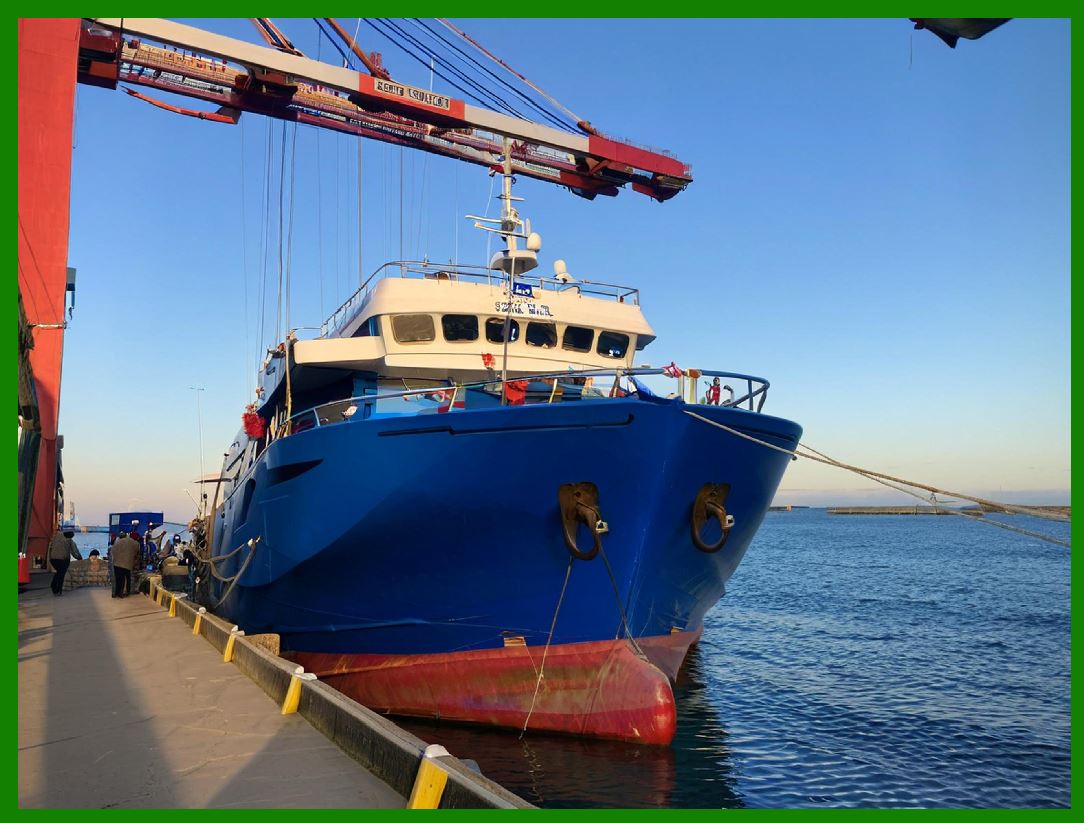
12.1 DCs handle high-volume throughput and require intense automation to maintain operational resilience. Barcode systems scale efficiently in these environments due to their high read performance and low cost. |
12.2 Conveyor-based barcode scanning gateways collect high velocity data streams. AI converts scan traffic into performance intelligence such as throughput monitoring and queue length prediction. |
12.3 Labor scheduling optimization assigns workers based on skill, certifications, fatigue models, and anticipated demand spikes. |
12.4 AI-driven dock appointments reduce truck wait times by synchronizing vehicle arrivals with real warehouse capacity. |
12.5 Exceptions such as misrouted or missing items are instantly detected by correlating scan paths with expected logistics execution plans. |
12.6 Robotic palletizing systems verify pallet integrity by scanning each carton and confirming correct stacking order. AI flags deviation from load instructions. |
12.7 Integration with autonomous forklifts improves lifting and transport safety because barcode scans identify load stability and ensure the correct load is moved. |
12.8 Overall, AI effects a shift in DC operations from reactive to predictive mode, strengthening reliability even under peak volumes. |
|
13. AI in Transportation and Fleet Management Powered by Barcode Data |
13.1 Once goods exit warehouses, barcode data continue to deliver critical tracking and accountability benefits across transportation networks. |
13.2 Every scan event along the journey updates shipment status visibility for internal planners and customers. AI ingests these status updates to forecast ETA with high precision. |
13.3 Barcode checkpoints such as logistics hubs, linehaul handover points, and carrier depots represent auditable milestones. AI ensures these sequences follow correct transit topology. |
13.4 Transport route optimization uses reinforcement learning integrated with telematics and real-time traffic data. Barcode events validate that planned routing is faithfully executed. |
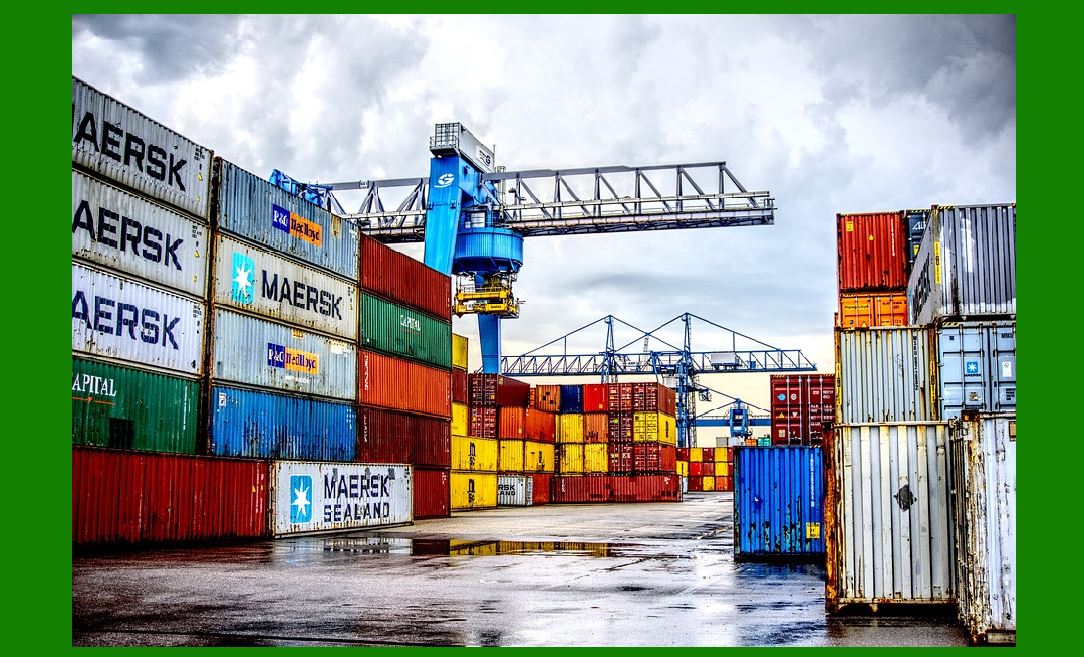
13.5 Transportation assets such as trailers, containers, pallets, and parcels receive barcode identifiers. AI monitors asset utilization efficiency and guides repositioning of empty equipment to reduce deadheading. |
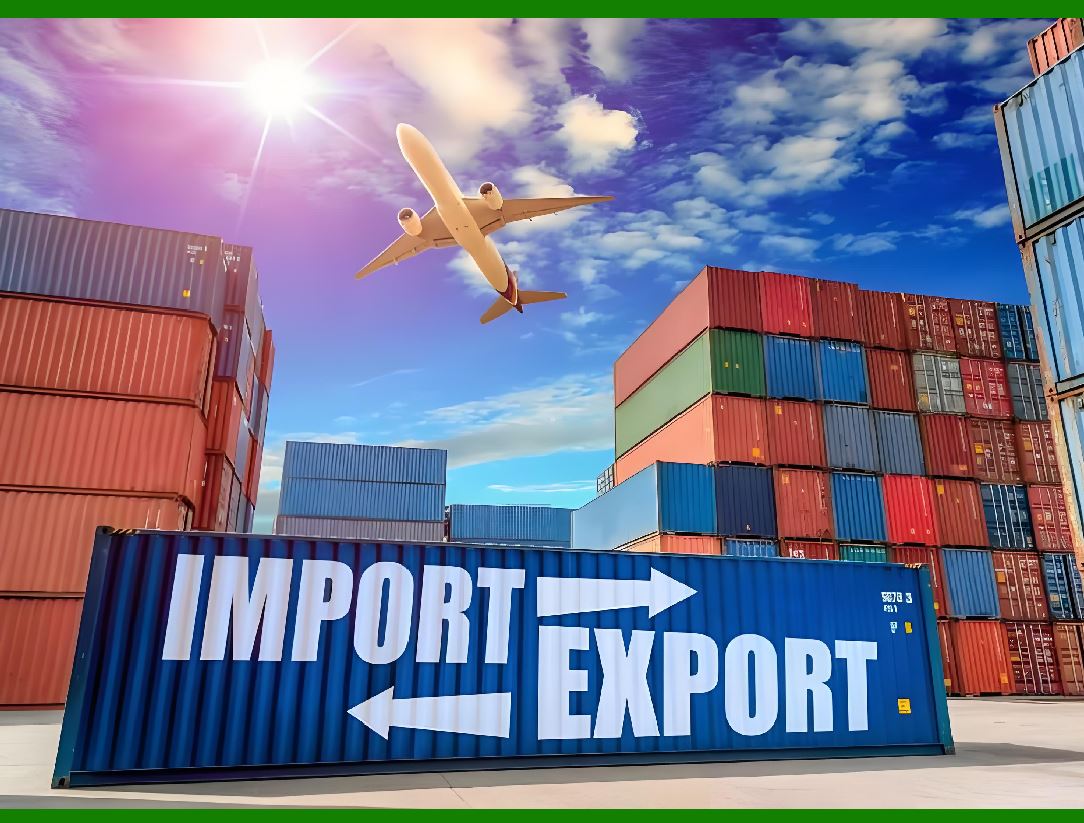
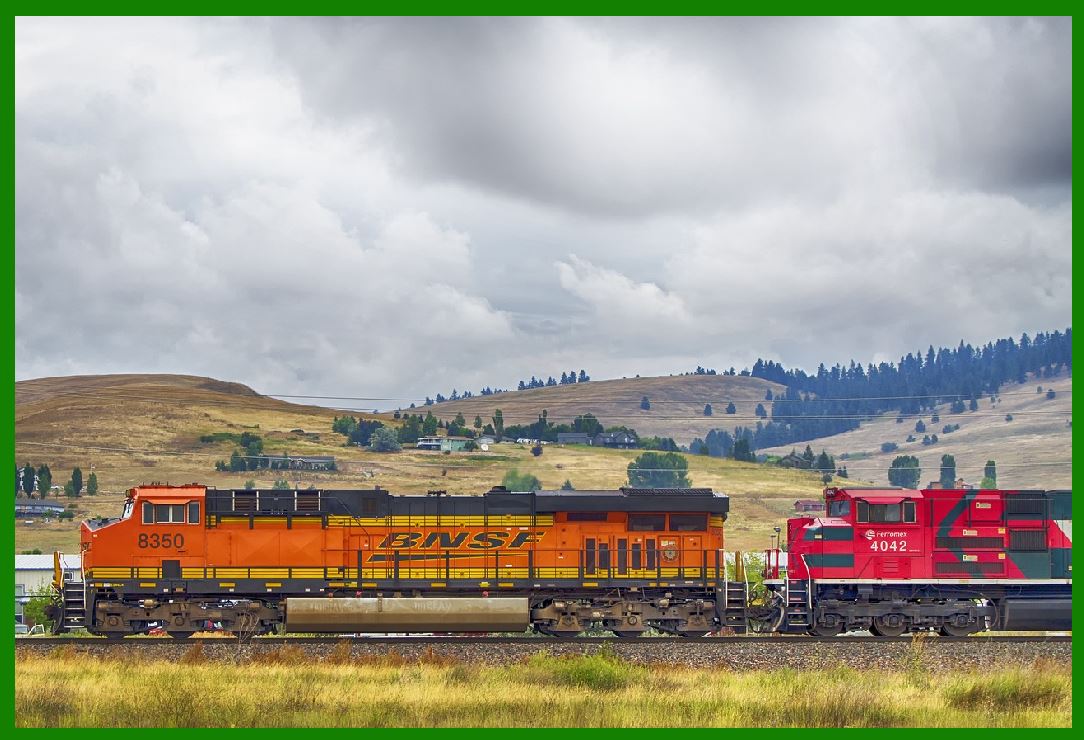
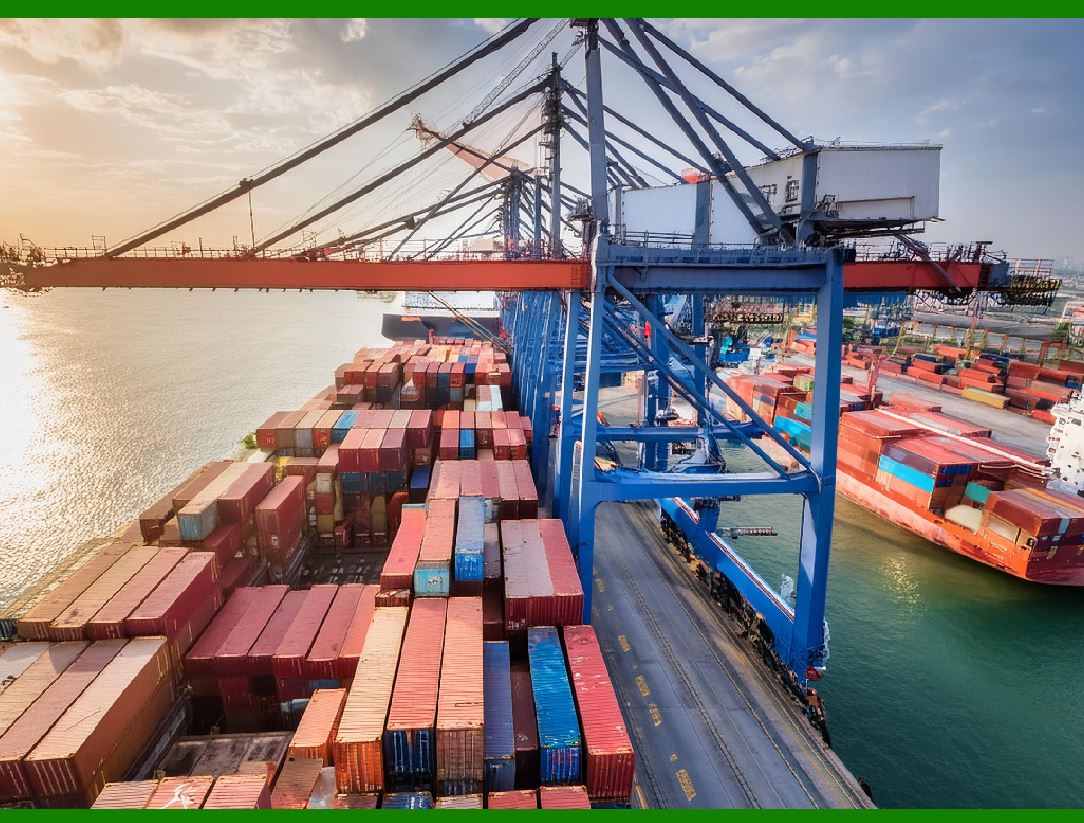
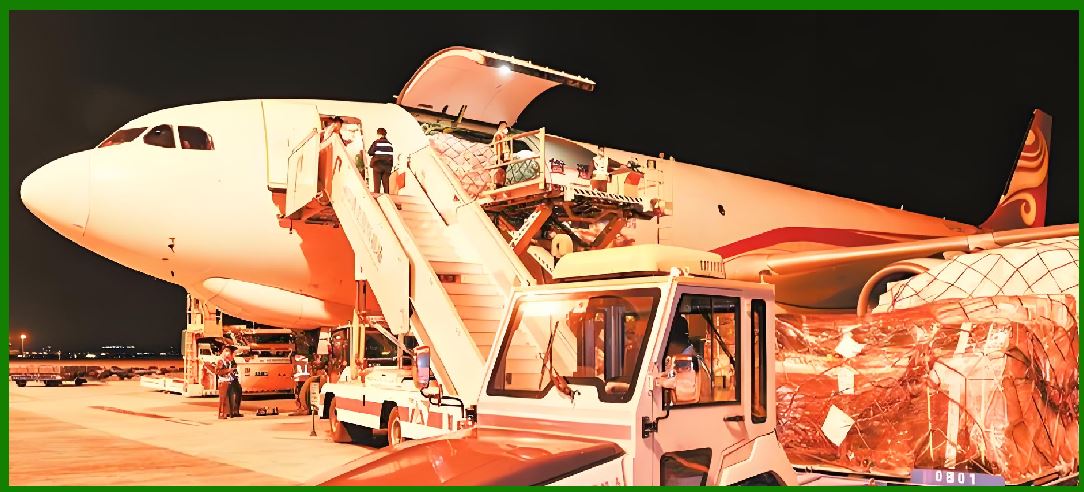
13.6 In multimodal logistics, AI correlates barcode scan time gaps with delayed handoffs to pinpoint bottlenecks in rail, sea, and air freight coordination. |
13.7 Predictive maintenance schedules depend on scan histories that track equipment mileage, usage frequency, load stress profiles, and operational anomalies. |
13.8 Barcode data supply the location timestamp precision that AI requires to properly contextualize transportation performance analytics. |
|
14. Real-Time Shipment Tracking and Customer Visibility |
14.1 Real-time status transparency is a key competitive factor across e-commerce and B2B delivery sectors. |
14.2 Barcode scanning during last-mile delivery events provides status such as out-for-delivery, attempted delivery, or successful delivery with proof-of-service. |
14.3 AI transforms status updates into personalized digital notifications that anticipate delivery windows rather than merely reporting transactional milestones. |
14.4 Sub-journey delay predictions are derived from multi-modal scan patterns supplemented with environmental parameters such as weather and holidays. |
14.5 Consumer experience improves because delivery uncertainty and anxiety are eliminated. |
14.6 Barcode-based proof-of-delivery integrates with electronic signature and facial recognition systems. AI verifies authenticity while supporting fraud prevention and loss control. |
14.7 Returns processing benefits from AI-scheduled pickup requests and barcode-enabled reverse logistics traceability. |
14.8 The resulting fully transparent customer service loop increases brand trust, reduces call center workload, and strengthens consumer loyalty. |
|
15. Fraud Prevention, Theft Reduction, and Security Assurance |
15.1 Shrinkage in logistics often manifests through theft, diversion, counterfeiting, and documentation fraud. AI-powered barcode traceability suppresses these risks by enabling real-time anomaly surveillance. |
15.2 AI mines scan behaviors to detect suspicious chain-of-custody anomalies such as skipped scan checkpoints, duplicate identifiers, or unexpected routing deviations. |
15.3 Authentication workflows validate goods through serialized barcodes and AI verification against digital twins stored in secure databases. |
15.4 Goods contamination, particularly in pharmaceuticals and food industries, becomes easier to trace and isolate through barcode-verified lot lineage. AI calculates risk propagation and containment strategies. |
15.5 Access control systems use worker barcode badges integrated with AI for continuous identity assurance, reducing internal theft opportunities. |
15.6 Cyber-physical security improves when AI monitors label tampering attempts, mistrusted mobile scanners, or unauthorized data manipulation. |
15.7 AI reduces insurance claims fraud by ensuring shipment histories remain accurate and immutable. |
15.8 High-risk industries including tobacco, alcohol, electronics, and luxury goods derive especially strong security gains from intelligent barcode systems. |
|
16. Cold Chain Monitoring and Compliance Assurance |
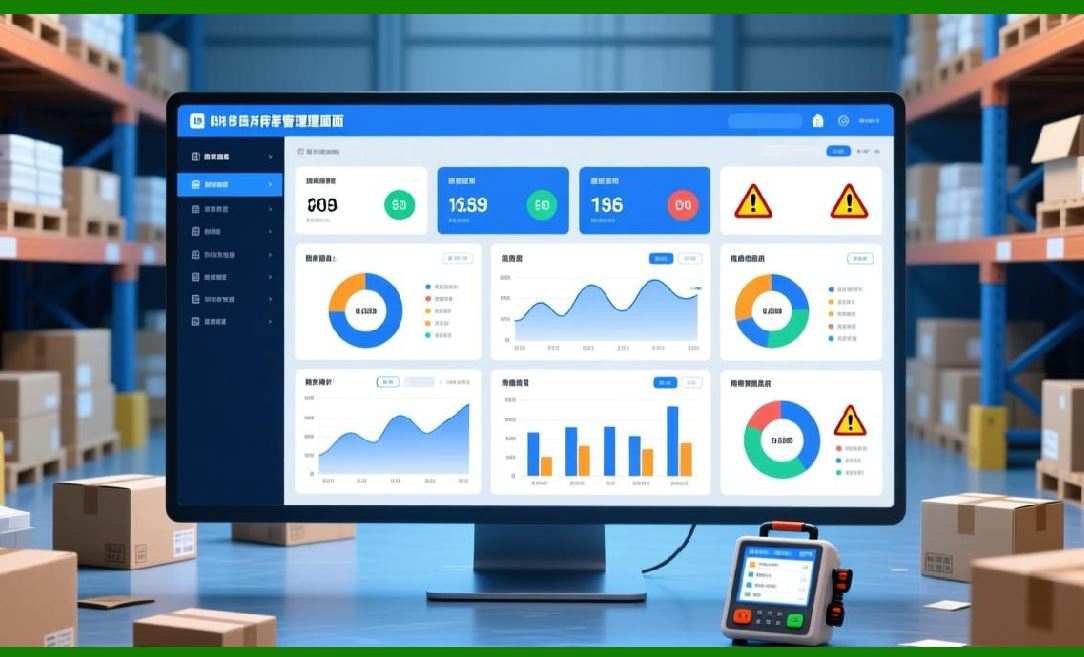
16.1 Cold chain logistics maintain temperature-sensitive products such as pharmaceuticals, food, and biotech materials. Barcode identifiers create traceable connections between goods and environmental monitoring systems. |
16.2 AI analyzes temperature sensor readings correlated with each barcode scan to detect thermal exposure risk throughout the chain of custody. |
16.3 Dynamic routing reroutes cold chain orders when environmental conditions threaten quality. |
16.4 Regulatory compliance improves because AI automatically documents any temperature excursions, providing evidence for recall or insurance purposes. |
16.5 Barcode validation ensures that refrigerated vehicles, parcels, and warehouse zones match the required conditions before goods enter them. |
16.6 Predictive analytics reduce spoilage risk by anticipating deviations that may arise due to infrastructure failures or delays. |
16.7 Cold chain visibility is essential for consumer safety and brand protection in sensitive commodity sectors. |
16.8 Combined AI-barcode traceability supports more sustainable cold chain energy consumption by reducing buffer-based overcooling practices. |
|
17. Multi-Entity Logistics Collaboration Powered by AI and Barcode Data |
17.1 Logistics ecosystems frequently involve multiple stakeholders, such as suppliers, carriers, customs authorities, third-party logistics firms, and retail recipients. |
17.2 Standardized barcodes provide shared object identity across all participants in a supply chain, while AI synthesizes incoming data into collaborative planning intelligence. |
17.3 Dynamic inventory pooling across partners reduces safety stock excess by enabling multi-enterprise visibility. |
17.4 AI assesses partner performance in lead times, accuracy, and service reliability to support contract optimization and risk mitigation. |
17.5 Compliance monitoring helps detect non-standard procedures or fraudulent partner behavior. |
17.6 AI supports international logistics by optimizing customs declarations, tariff classification validation, and cross-border documentation error reduction. |
17.7 Partnership health indexes predict supply chain resilience and identify vulnerabilities early. |
17.8 Collaboration intelligence strengthens operational stability while reducing total supply network cost. |
|
18. Sustainability Optimization Through AI and Barcode Data |
18.1 Environmental responsibility has become a strategic requirement in logistics planning and execution. Barcode technology supplies detailed operational data to support sustainability metrics. Artificial intelligence converts these data into actionable insights that improve resource efficiency. |
18.2 Carbon footprint models estimate emissions based on transportation networks, handling events, and packaging decisions linked to barcode identifiers. AI suggests greener modal shifts where feasible. |
18.3 Packaging waste reduction is strengthened through barcode-driven traceability of packaging inventory and reuse cycles. AI identifies opportunities for packaging right-sizing and sustainable material adoption. |
18.4 Reverse logistics processes use barcode scanning to classify returns by refurbishment or recycling potential. AI directs items into the most economically and environmentally beneficial pathways. |
18.5 Waste heat from cold chain operations is minimized by AI-controlled refrigeration dynamic settings guided by real-time product identification and environmental thresholds. |
18.6 AI determines whether carbon offset purchases are required to achieve sustainability targets, based on aggregated shipment-level accountability. |
18.7 Lifecycle environmental reporting becomes more credible when supported by granular barcode-based proof of product journeys and volumes. |
18.8 Sustainability optimization strengthens corporate social responsibility performance, which improves compliance, brand reputation, and customer trust. |
|
19. Integration with Robotics and Autonomous Systems |
19.1 The rapid introduction of robotics into logistics operations requires precise item localization, which barcode systems reliably deliver. Artificial intelligence provides the perception and reasoning required for safe autonomous operations. |
19.2 Mobile robots leverage barcode floor markers to achieve consistent localization even in environments where GPS cannot function. AI motion algorithms reduce navigation path deviations. |
19.3 Automated storage and retrieval systems scan pallet or tote barcodes to verify that robotic grippers manipulate the correct loads. AI evaluates gripper alignment and lift stability to prevent product damage. |
19.4 Robotic sortation requires rapid scanning of high-speed barcodes combined with computer vision recognition. AI ensures correct pathing decisions while minimizing mechanical stress. |
19.5 Machine learning improves robot allocation by predicting demand surges and workload imbalances throughout the facility. |
19.6 Safety compliance is reinforced by associating workers with barcode-based wearable IDs. AI monitors spacing between humans and robots to enforce safe operating zones. |
19.7 Robots and humans collaborate through barcode-enabled task handoff verification. AI ensures accountability and seamless continuity of multi-part operations. |
19.8 Robotics adoption powered by AI-barcode intelligence reduces labor fatigue, improves throughput, and stabilizes service performance during seasonal peaks. |
|
20. Workforce Augmentation and Computer-Assisted Task Execution |
20.1 AI combined with barcode technology does not eliminate labor in logistics. Instead, it augments human productivity by reducing effort and minimizing error. |
20.2 Real-time barcode verification acts as a safeguard against incorrect product handling, lowering worker stress associated with high accuracy expectations. |
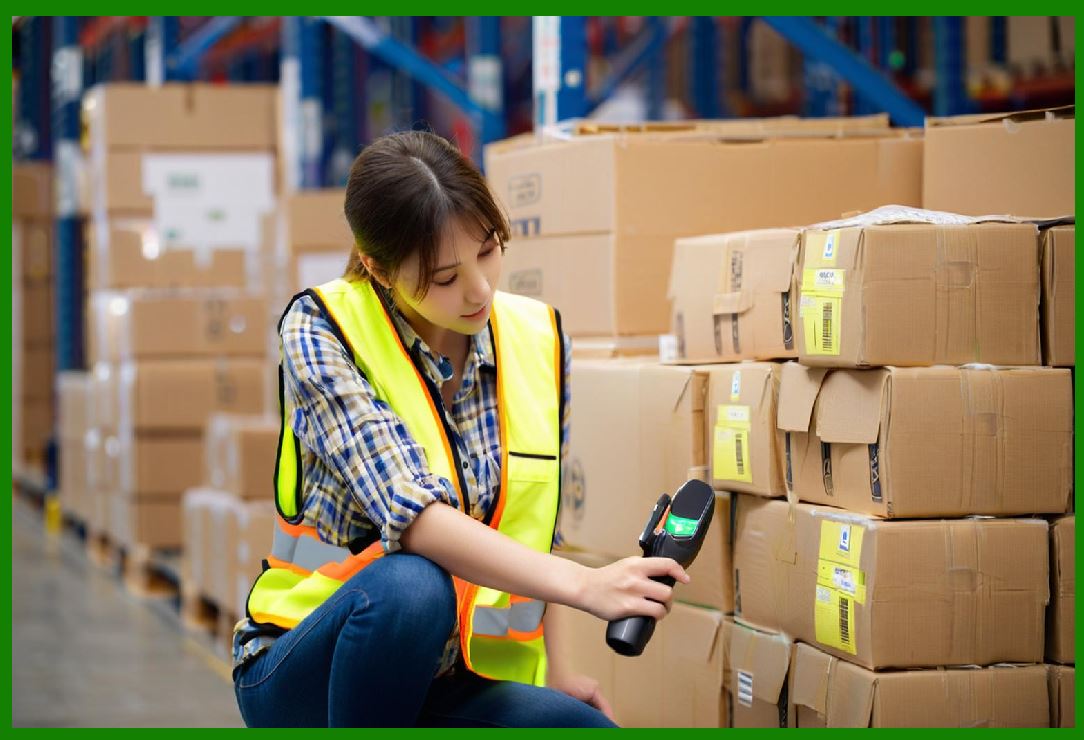
20.3 Wearable scanning devices decrease ergonomic strain and improve scan responsiveness. AI optimizes gesture recognition, further improving comfort. |
20.4 Augmented reality systems display pick locations, aisle directions, and task instructions while barcode confirmation ensures execution accuracy. Workers complete tasks faster with fewer cognitive interruptions. |
20.5 Gamification elements driven by AI enhance labor motivation through achievement tracking and positive performance feedback validated via scan events. |
20.6 Labor training accelerates through AI analysis of exam scan patterns that identify proficiency gaps. Training modules are automatically customized to individual learning needs. |
20.7 Workforce safety analytics detect dangerous repetitive motions or risky scan locations. AI recommends equipment adjustments to prevent injuries. |
20.8 Logistics organizations achieve higher employee satisfaction and lower turnover because task complexity becomes manageable and rewarding through intelligent automation support. |

|
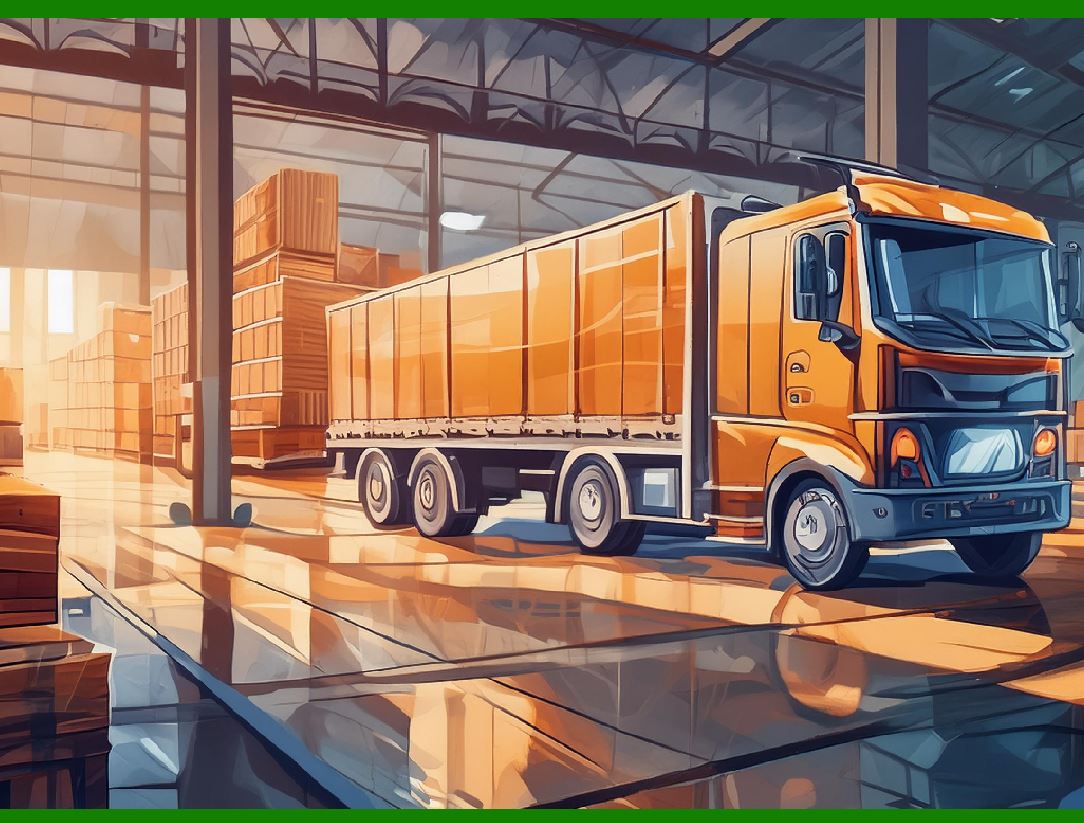
21. Predictive Analytics and Intelligent Auditing |
21.1 Traditional auditing relies on periodic manual inspections. With barcode scanning embedded throughout logistics, data are continuously generated. AI transforms this data into an autonomous verification system. |
21.2 Statistical anomaly detection identifies inventory errors and suspicious workflows. AI alerts supervisors early, preventing escalation into major failures. |
21.3 Accounting audit trails derived from barcode events support end-to-end chain-of-custody clarity. |
21.4 Intelligent sampling focuses audits on high-risk items such as high-value electronics, pharmaceuticals, or tax-controlled goods. |
21.5 AI ensures compliance with contractual service level agreements by monitoring milestone achievement through scan timestamps. |
21.6 Predictive analytics determine which future events might jeopardize operational continuity. Preventive measures replace reactive crisis management. |
21.7 Deviations from standard operating procedures are automatically documented through interpreted scan flows. |
21.8 Intelligent auditing supports governance excellence and strengthens confidence among regulators and trading partners. |
|
22. Advanced Data-Driven Decision Support and Control Towers |
22.1 Logistics control towers function as centralized management environments that coordinate complex operations across multiple regions. Barcode scan data feed these platforms in real time. |
22.2 AI synthesizes data from warehouses, carriers, customs, and customers to generate unified situational intelligence. |
22.3 Decision support systems evaluate multiple possible logistical responses when disruptions arise, such as rerouting, alternate sourcing, or expedited transport. |
22.4 Continuous optimization uses machine learning upgrades as new data refine models over time. |
22.5 Automated exception resolution tasks are triggered by AI based on barcode alerts, minimizing supervisory workload. |
22.6 Strategic KPIs measured include cost per shipment, inventory turnover, fulfillment latency, and accuracy ratio. |
22.7 Visual cognitive dashboards designed around AI insights inform human decision makers with clarity and precision. |
22.8 Control towers powered by AI-barcode synergy create resilient logistics management infrastructures capable of adapting to uncertainty. |
|
23. Digital Twin Representation of Logistics Assets and Operations |
23.1 A digital twin is a virtual replica of physical logistics objects, processes, and environments. Barcode identifiers ensure accurate synchronization between digital models and real-world entities. |
23.2 Each scan event feeds digital twin state variables, updating real-time location, performance, and usage parameters. |
23.3 AI simulations evaluate operational strategies using digital twins before real deployment, eliminating implementation risk. |
23.4 Scenario planning supports contingencies such as labor shortages, facility outages, or demand spikes. |
23.5 Predictive performance monitoring identifies systemic inefficiencies such as layout constraints or mode imbalances. |
23.6 The digital twin supports robotics deployment planning by testing navigation adjustments prior to physical execution. |
23.7 Asset lifecycle management improves through accurate load history tracking and maintenance alerts triggered by scan patterns. |
23.8 Digital twin intelligence enhances strategic planning and minimizes operational risk at enterprise scale. |
|
24. Intelligent Barcode Labeling and Printing Innovations |
24.1 The label is a physical carrier of identity. AI technologies are modernizing labeling lifecycle management. |
24.2 Print quality monitoring is improved using vision systems trained to detect faint printing, incorrect label content, or structural damage such as wrinkles. |
24.3 Dynamic label content adapts in real-time to routing changes, updated compliance requirements, and personalized delivery preferences. |
24.4 AI selects label formats that optimize scanning performance under the ambient lighting, environmental exposure, or print substrate conditions. |
24.5 Automatic localization ensures barcodes follow regional encoding standards applicable to destination markets. |
24.6 Fraud-resistant labels incorporate serialization, encryption, and tamper evidence, with AI verifying tamper indicators through image recognition. |
24.7 Label waste is reduced by AI allocation logic that aligns printing with confirmed order statuses. |
24.8 Intelligent labeling reduces reprints, prevents mistakes, and improves operational continuity. |

|
25. Omnichannel Logistics and Unified Commerce Enablement |
25.1 The rise of omnichannel business models mandates real-time stock visibility and seamless cross-platform order fulfillment. Barcode systems remain foundational to this capability. |
25.2 AI consolidates barcode scan inputs from physical stores, dark stores, fulfillment centers, and convenience delivery points into a unified inventory topology. |
25.3 Store-based fulfillment uses computer vision barcode scanning to eliminate checkout processes in cashierless retail concepts. AI reconciles transactions in the cloud instantly. |
25.4 Micro-fulfillment centers located within urban areas leverage AI optimization to support rapid fulfillment of e-commerce orders. |
25.5 Intelligent last-mile delivery dynamically balances shipments between carriers, crowdsourced couriers, and future autonomous options. |
25.6 Reverse logistics integration ensures that customer returns are scanned upon receipt and rapidly reintegrated into the inventory system to maximize resale opportunities. |
25.7 Barcode-tagging of loyalty program benefits allows targeted service upgrades based on customer segmentation. AI further refines personalization. |
25.8 Omnichannel success becomes fundamentally reliant on data integrity from barcode traceability and AI forecasting precision. |
|
26. Industry-Specific Applications and Strategic Extensions |
26.1 Each logistics-dependent industry possesses unique operational constraints and service quality demands. The capabilities of AI and barcode technology adapt to these differences. |
26.2 In retail distribution, high SKU variety requires meticulous tracking and intelligent assortment management. AI ensures store shelves maintain desired stock depth and freshness. |
26.3 In pharmaceutical logistics, barcode serialization supports regulatory compliance. AI enhances anti-counterfeit surveillance and temperature-controlled asset protection. |
26.4 In food distribution, AI tracks harvest dates, expiration cycles, and food safety risks using scan histories. |
26.5 In automotive logistics, complex BOM traceability benefits from AI-based root cause analysis that links defects to supply origin. |
26.6 In construction and industrial sectors, barcoded heavy equipment enables intelligent maintenance scheduling and asset deployment. |
26.7 The aviation industry reduces baggage misrouting by integrating AI routing assurance with barcode specimen data from automated sortation. |
26.8 Every industry benefits from reliability, traceability, and cost savings created by AI-barcode operational intelligence. |
 cs@easiersoft.com