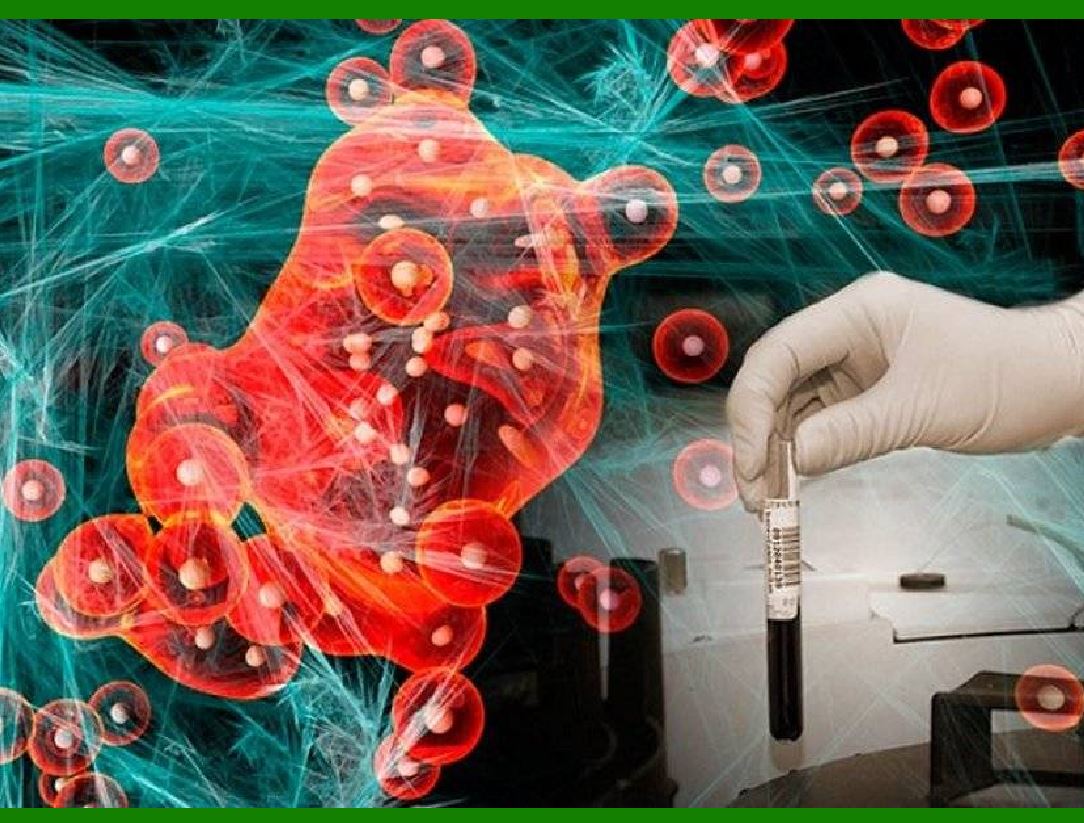
Artificial intelligence (AI) has made impressive progress in the field of cancer, providing strong support for cancer diagnosis, prognosis, and treatment. |
|
Let's take a look at some key aspects: |
1. Application of machine learning in cancer diagnosis and prognosis: |
Machine learning (ML) has been widely used in oncology to diagnose tumors, predict patient conditions, and inform treatment planning. |
ML models have received regulatory approval in some countries and are used in cancer diagnosis, cancer development prediction, cancer treatment and tumor detection. |
|
2. Medical Imaging and Machine Learning: |
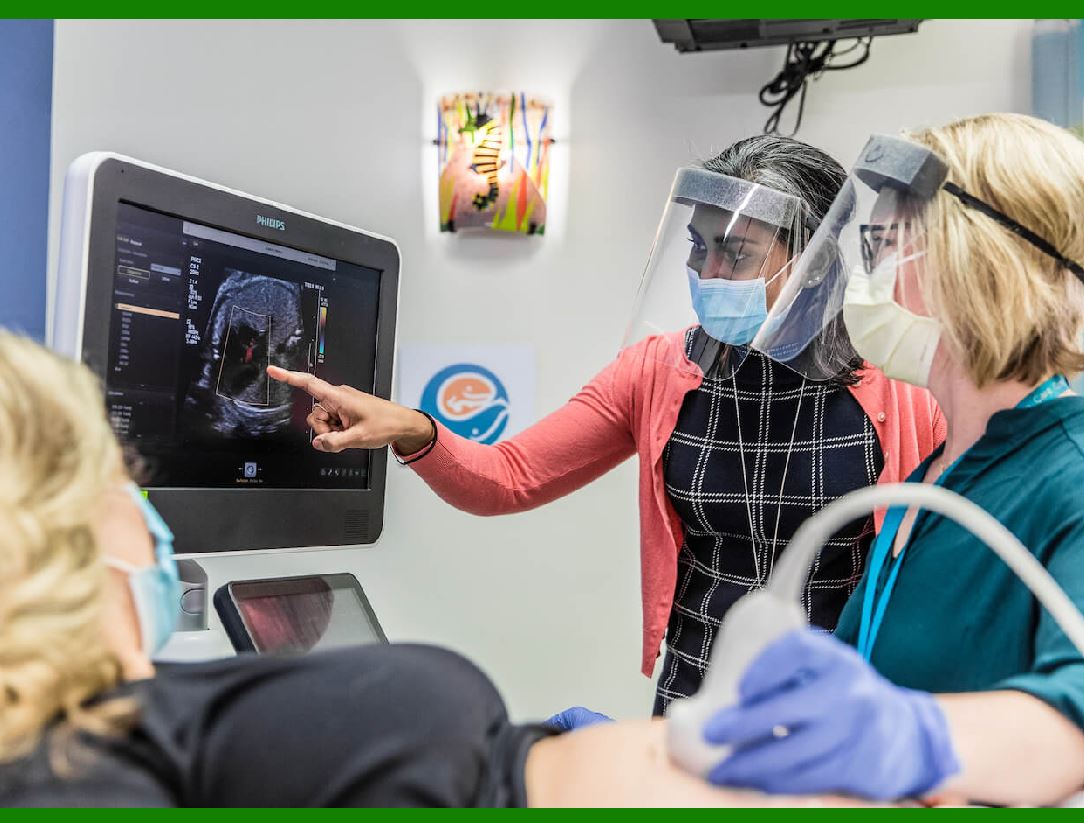
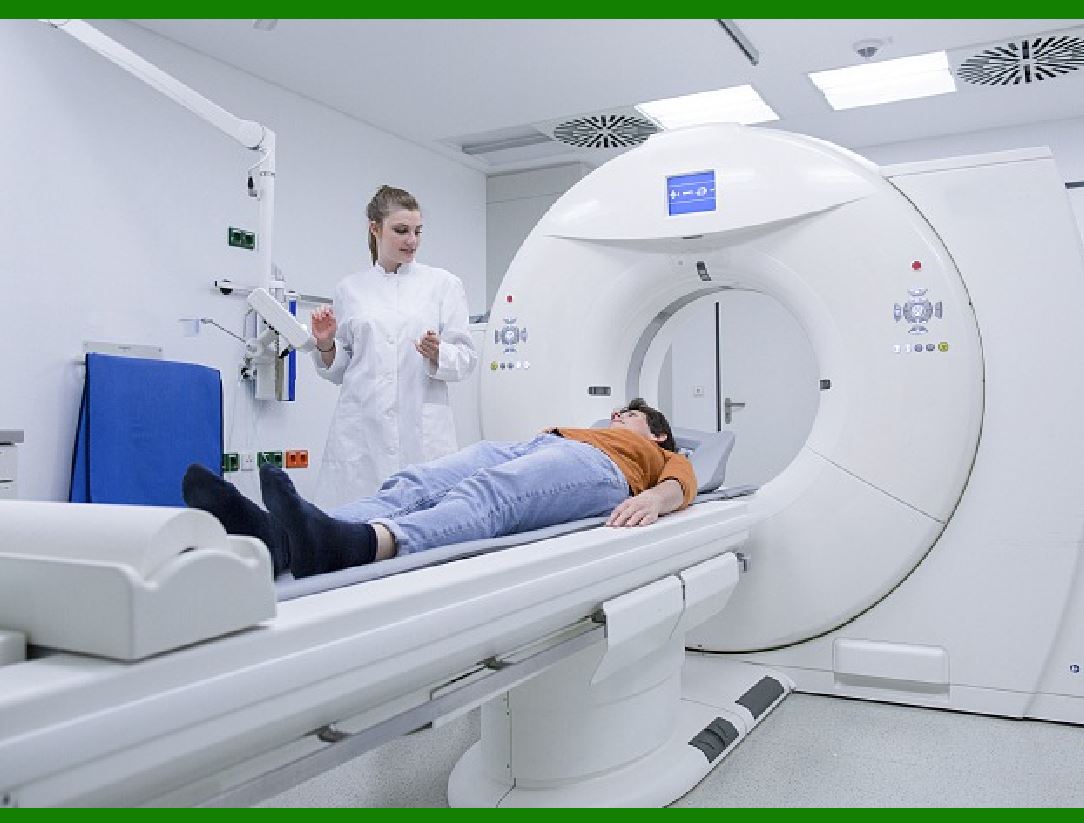
Medical imaging has become a powerful tool for machine learning-assisted cancer diagnosis. |
Radiology images and other image modalities, such as superficial images or colonoscopies, can be used to screen and diagnose pathology in tissue samples and assist in the development of chemotherapy or immunotherapy regimens. |
|
3. Establishment of machine learning model: |
Common machine learning models include random trees, regression models, neural networks, and convolutional neural networks. |
These models are used in cancer diagnosis, prognosis, and treatment by learning patterns and structures in data sets. |
|
4. Molecular data and machine learning: |
The development of machine learning algorithms requires rigorous clinical trials and validation to obtain regulatory approval. |
Although machine learning has made significant progress in the cancer field, several challenges still need to be addressed, such as imbalanced datasets and assessment of clinical outcomes. In the future, as biomedical data and machine learning methods develop, the predictive power and clinical utility of these models will continue to improve. |
|
The application of machine learning (ML) in oncology is growing rapidly. As a complex, heterogeneous, and ubiquitous disease, cancer poses both challenging diagnostic problems and a wealth of relevant data, making clinical oncology an emerging field for machine learning. |
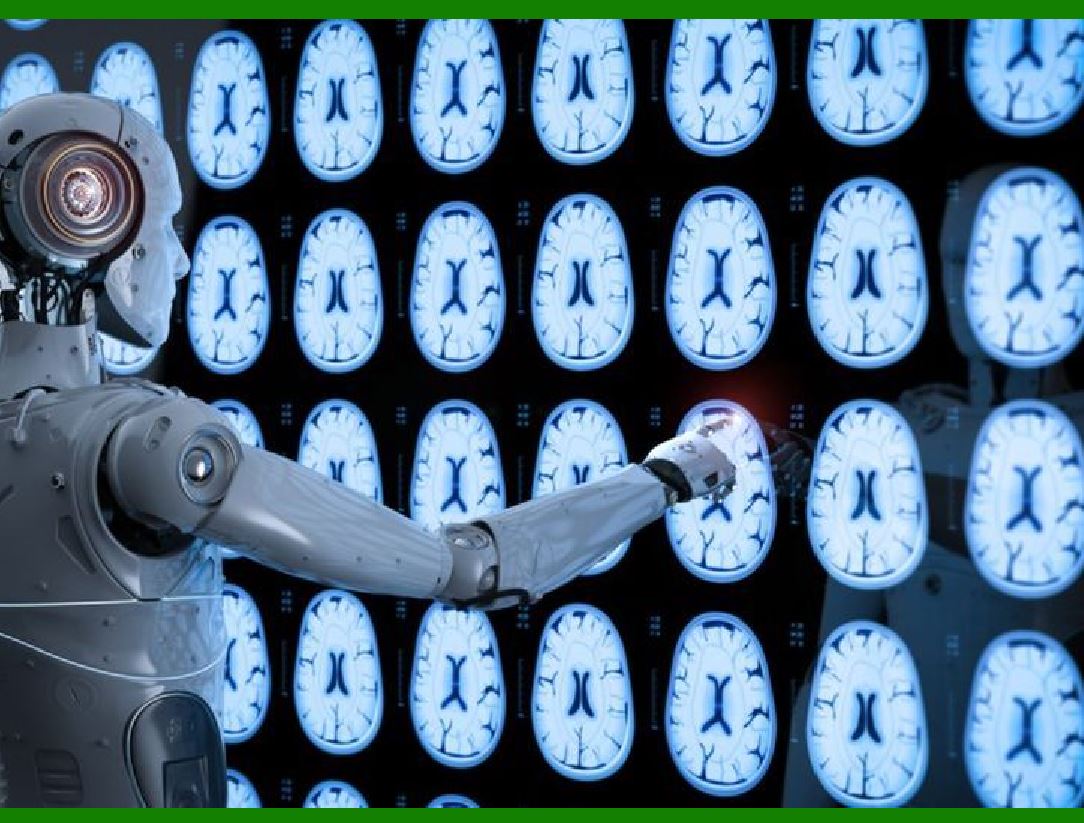
Machine learning has potential in tumor detection, quantification, and histopathological characterization. Cancer diagnosis, localization and surveillance can be aided by analyzing medical imaging data, such as radiology images and other image modalities such as superficial images or colonoscopies. Technologies such as computer vision and convolutional neural networks have shown considerable promise in rapidly and accurately analyzing a variety of imaging in clinical oncology. |
Machine learning models leverage large-scale clinical data and molecular datasets such as circulating cell-free DNA (cfDNA), methylation levels, and fragmentomics to predict patient cancer prognosis. This helps develop a personalized treatment plan and provide patients with treatment recommendations. |
|
Some machine learning algorithms have received regulatory approval in some countries and are used in cancer diagnosis, cancer development prediction, cancer treatment and tumor detection. However, limitations remain in the development of machine learning, and a lack of high-quality, diverse evaluations hinders the ability to assess the true performance of algorithms in patient populations. |
While machine learning has made significant progress in the cancer field, rigorous clinical trials and validation testing are needed to ensure its effectiveness and reliability in real-world applications. In the future, as biomedical data, integrated imaging, and omics develop, machine learning will continue to change the way cancer is diagnosed and improve the predictive power and clinical utility of these models. |
|
 cs@easiersoft.com