1. Introduction: The Role of AI in Inventory Management |
Inventory management is a critical aspect of business operations, particularly in industries like retail, manufacturing, and logistics. Traditionally, it has been driven by manual processes, often prone to human error and inefficiencies. However, the introduction of Artificial Intelligence (AI) in inventory management has revolutionized the way businesses handle their stock, leading to greater accuracy, cost savings, and operational efficiency. |
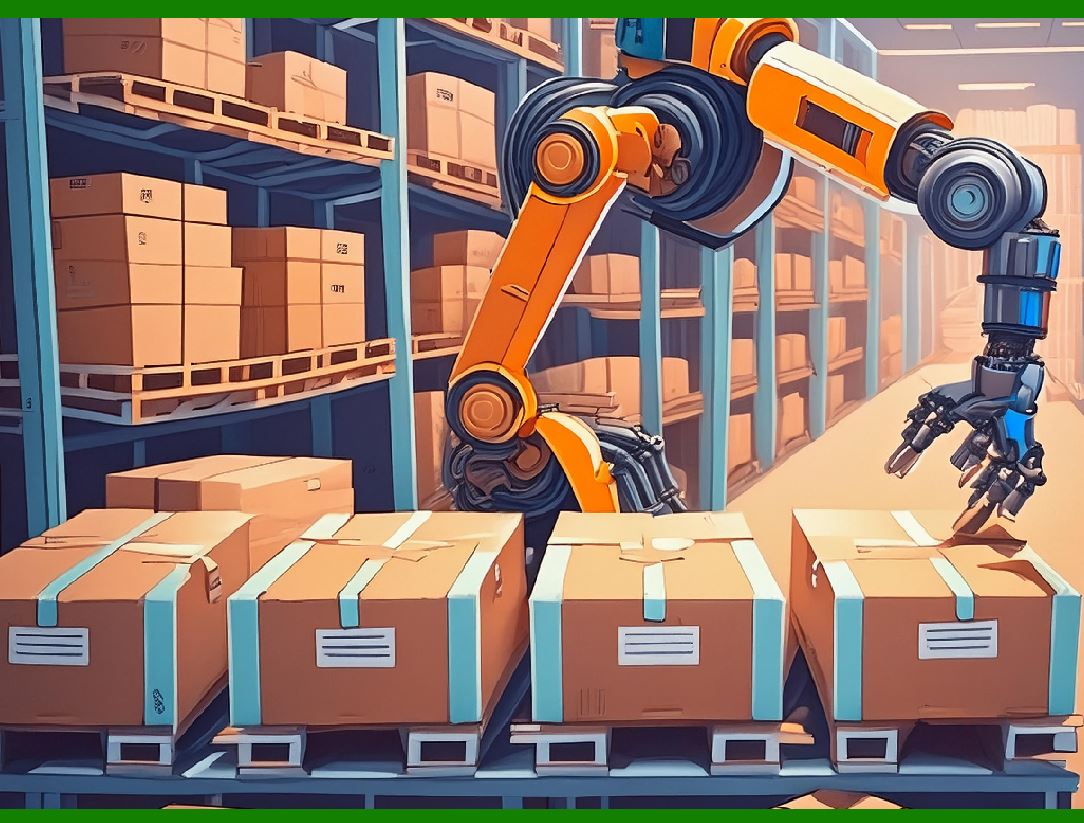
AI, in this context, refers to the application of machine learning algorithms, predictive analytics, and real-time data processing to optimize inventory practices. By leveraging AI, businesses can move from reactive to proactive inventory management, where systems automatically adjust to changes in demand, stock levels, and market conditions. AI's ability to process vast amounts of data rapidly, recognize patterns, and make data-driven predictions makes it a valuable tool for modernizing inventory management systems. |
|
2. Understanding Traditional Inventory Management Systems |
Before diving into how AI enhances inventory systems, it is essential to understand traditional inventory management. In the past, businesses relied on manual tracking systems or basic software solutions. This approach involved entering stock quantities, sales orders, and purchase details manually into a system, and managers often used spreadsheets or paper logs to track items. |
Challenges with traditional systems included: |
Human error: Manual tracking often resulted in incorrect inventory counts, which could lead to stockouts or overstocking. |
Lack of real-time data: Most traditional systems didn't provide real-time data, meaning decisions were often made with outdated information. |
Inefficiency in demand forecasting: Without predictive capabilities, businesses struggled to forecast demand accurately, leading to overstocking of slow-moving items or understocking of high-demand products. |
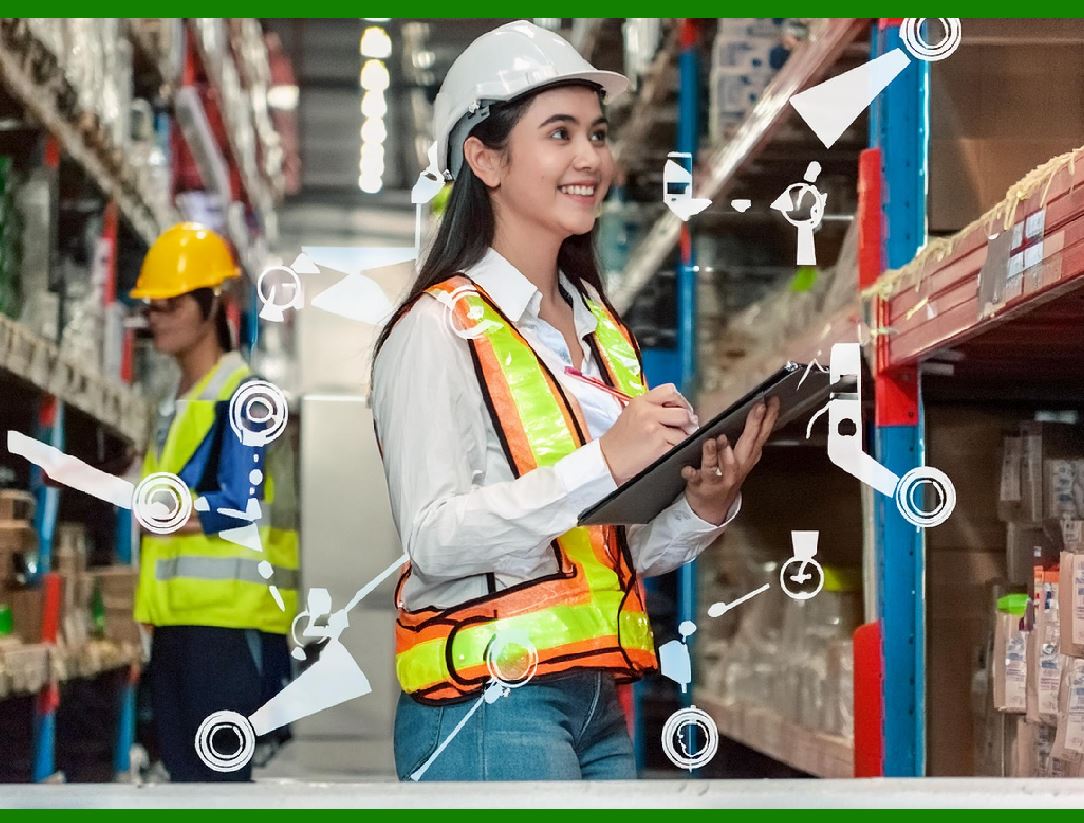
These limitations drove the need for more sophisticated and automated solutions, which is where AI-driven systems come into play. |
|
3. The Core Functions of AI in Inventory Management |
AI in inventory management touches several key areas: |
3.1. Demand Forecasting |
One of the most significant benefits of AI is its ability to accurately forecast demand. By analyzing historical data, current market trends, seasonality, and external factors (such as economic conditions or holidays), AI algorithms can predict future demand with high precision. |
Machine Learning Models: AI models, particularly time-series forecasting models, can analyze past sales data to predict future trends. |
Dynamic Adjustments: These models can adjust forecasts in real-time as new data becomes available. For instance, if a new product becomes a sudden hit, AI can quickly revise its demand predictions to reflect this change. |
3.2. Stock Optimization |
AI helps businesses maintain optimal stock levels by ensuring that inventory is neither too high nor too low. It considers factors like: |
Lead time variability: AI accounts for fluctuations in delivery time, helping companies ensure they have enough stock to meet demand without overstocking. |
Replenishment algorithms: AI automatically triggers reorder points and quantities, minimizing stockouts and reducing the cost of holding excess inventory. |
3.3. Automated Replenishment |
AI-based systems can handle stock replenishment by integrating with suppliers and inventory management systems. Once an item reaches its reorder point, AI triggers a restock order to the supplier, taking into account the lead time, sales trends, and upcoming demand forecasts. |
Supplier Integration: AI systems can even evaluate supplier performance, considering factors like delivery accuracy, cost, and lead times to select the best suppliers for each order. |
3.4. Real-time Inventory Tracking |
AI provides real-time inventory updates by integrating with RFID, barcode scanning, and IoT devices. This allows businesses to monitor stock movement continuously, reducing human error and ensuring that inventory data is always up to date. |
IoT Integration: With IoT devices, AI systems can track products from the warehouse to the point of sale, enabling businesses to know exactly where each item is at any given time. |
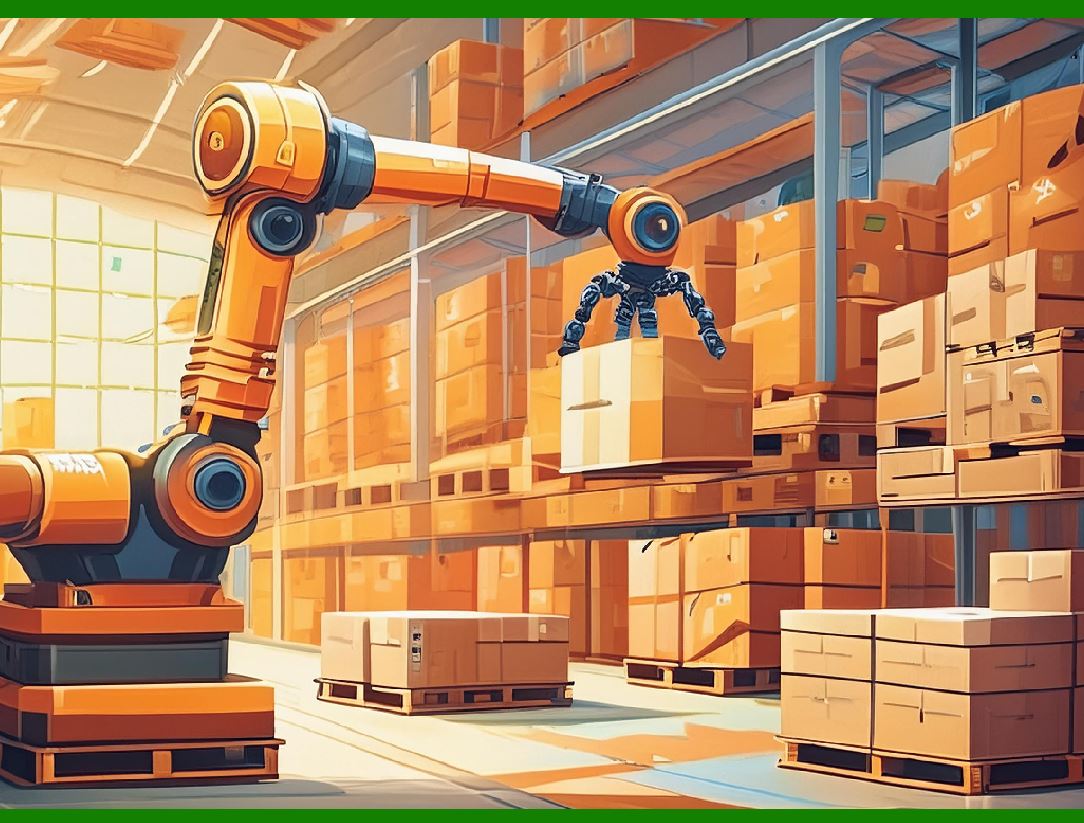
Warehouse Automation: Robots and drones equipped with AI can automate the physical counting and tracking of items, ensuring accurate stock levels without human intervention. |
|
4. Practical Case Study 1: AI in Retail Inventory Management |
A major retailer implemented an AI-powered inventory management system to tackle challenges related to stockouts and overstocking. Prior to AI adoption, the company experienced frequent stockouts of high-demand products, resulting in lost sales, and overstocking of less popular items, leading to excess inventory costs. |
AI Implementation: |
The company used machine learning models to analyze customer purchase behavior, seasonal demand variations, and market trends. |
The AI system provided daily demand forecasts for every product in every store, adjusting automatically based on real-time sales data. |
Automated replenishment algorithms were used to reorder stock just in time, with precise quantities and delivery schedules. |
Results: |
Reduced Stockouts: Stockout incidents decreased by 30%, as the AI system more accurately predicted demand and adjusted orders accordingly. |
Reduced Overstocking: Overstocking was minimized by ensuring that the AI only ordered stock when there was a real need, saving on storage costs. |
Faster Restocking: Replenishment cycles became faster, with AI enabling more frequent and smaller deliveries that matched actual demand patterns. |
|
5. Practical Case Study 2: AI in Manufacturing and Supply Chain |
In a manufacturing company, AI was integrated into the production and inventory system to optimize raw material management. The company was struggling with inconsistent raw material supplies, which often led to production delays and inefficiencies. |
AI Implementation: |
AI was used to predict the raw material needs based on the production schedule and historical consumption patterns. |
The system integrated with suppliers to automatically trigger orders when material levels dropped below a certain threshold, adjusting the order volume based on predicted production requirements. |
The AI system also factored in lead times, supplier reliability, and fluctuating prices to optimize order placement. |
Results: |
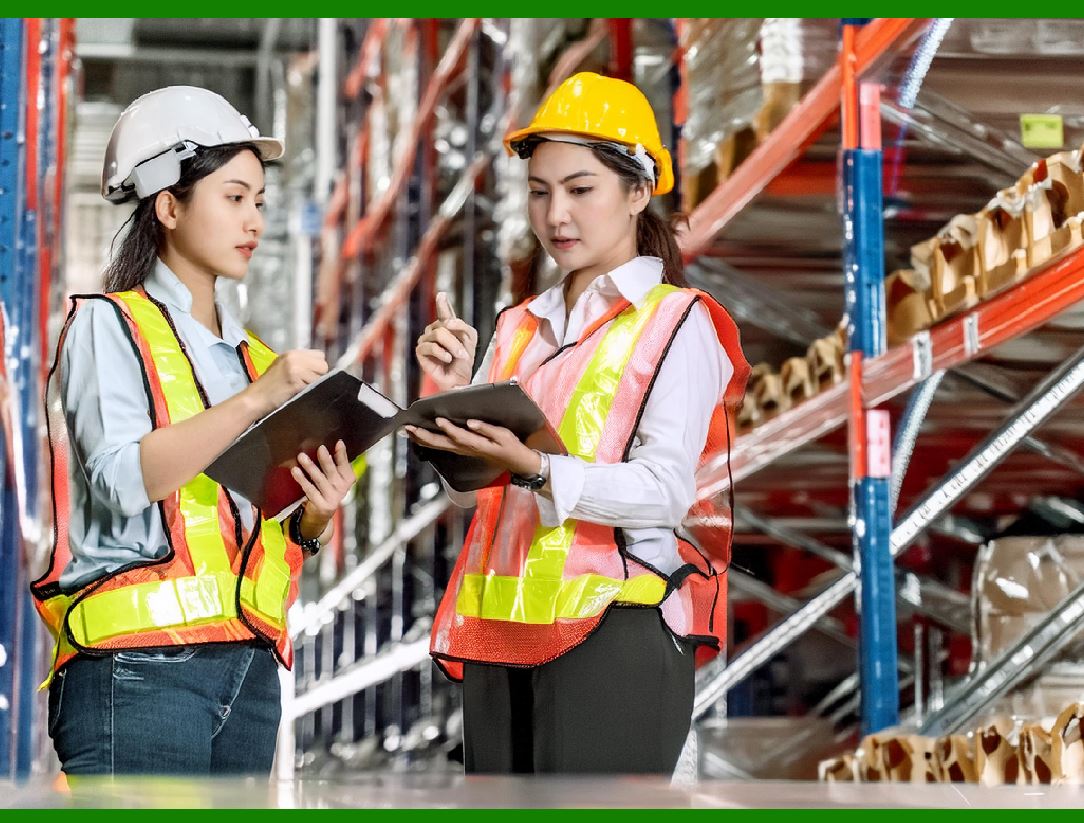
Decreased Production Downtime: The company saw a 25% reduction in downtime due to material shortages. |
Better Supplier Coordination: By automating order placements and considering supplier performance, the system ensured more timely deliveries. |
Cost Savings: By ordering raw materials based on actual needs, rather than overstocking, the company reduced its raw material costs by 18%. |
|
6. AI and Machine Vision in Inventory Management |
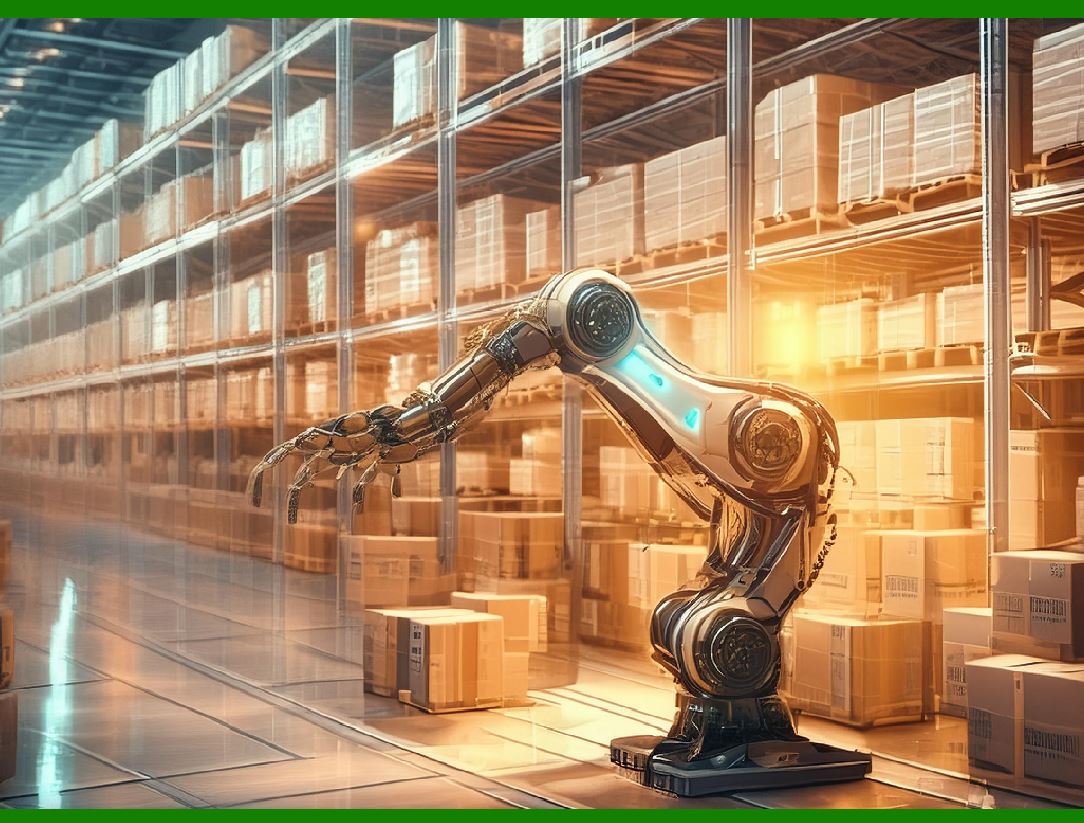
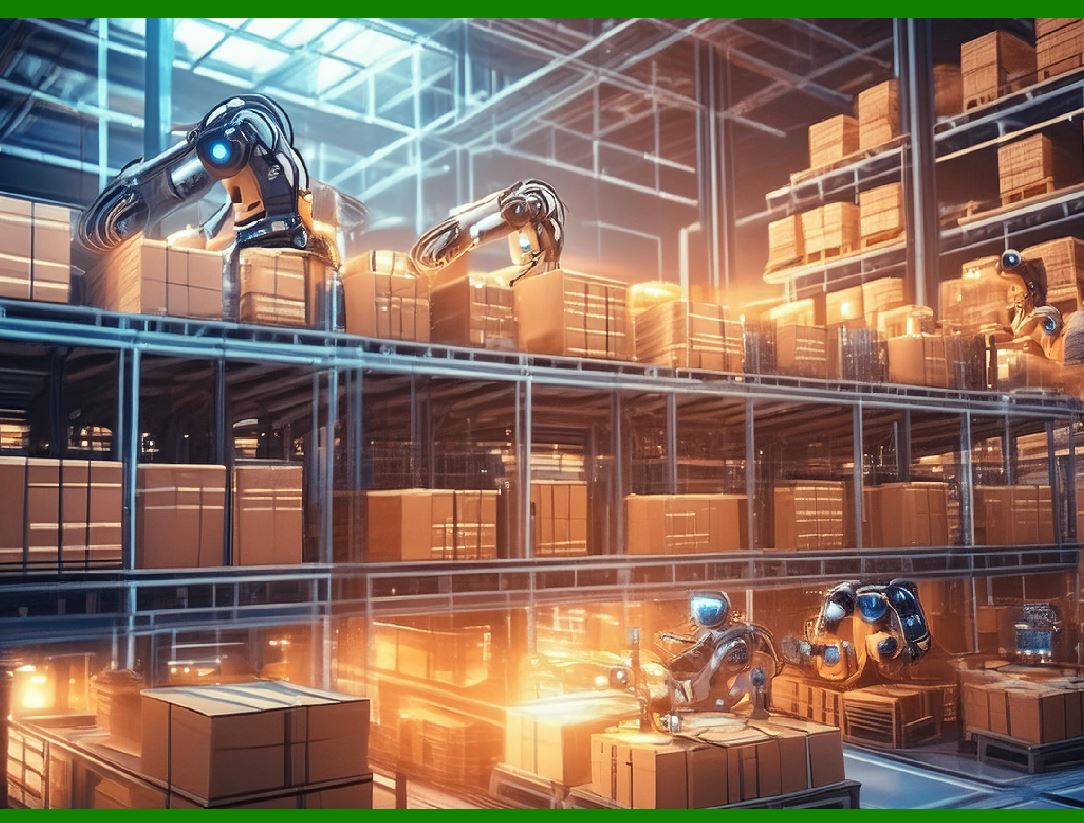
Another innovative application of AI in inventory management is the use of machine vision for stock monitoring. Machine vision systems use cameras, computer vision algorithms, and AI to automatically track and monitor inventory levels on shelves, in warehouses, and during transit. |
How It Works: |
Shelf Scanning: Cameras scan shelves and use AI to identify stock levels and alert staff when items need restocking. |
Automated Counting: AI-powered vision systems can count items in a warehouse, ensuring that the digital inventory count matches the physical stock. |
Quality Control: AI also helps with quality control by identifying damaged or expired products, which can then be removed from inventory before they are shipped to customers. |
|
7. Benefits of AI in Inventory Management |
The implementation of AI in inventory management leads to numerous benefits, including: |
7.1. Increased Efficiency |
AI automates many manual tasks, freeing up employees to focus on higher-value work. This results in faster decision-making, quicker order fulfillment, and reduced manual effort. |
7.2. Reduced Operational Costs |
By improving demand forecasting, stock optimization, and replenishment, AI helps reduce excess stock, prevent stockouts, and minimize storage costs, leading to significant operational savings. |
7.3. Enhanced Customer Experience |
AI helps businesses maintain optimal stock levels, which improves product availability and leads to better customer satisfaction. Real-time inventory data also allows for faster order processing and fewer delivery delays. |
7.4. Scalability |
As businesses grow, AI systems can easily scale to accommodate more products, more locations, and higher volumes of transactions. This flexibility is crucial for businesses looking to expand their operations. |
|
8. Conclusion: The Future of AI in Inventory Management |
The integration of AI into inventory management systems is no longer just a trend but a necessity for businesses seeking to stay competitive in today's fast-paced market. As AI technology continues to evolve, businesses can expect even greater levels of automation, predictive accuracy, and cost savings. |
Looking ahead, AI will likely expand into areas like autonomous warehousing, fully integrated supply chains, and AI-powered predictive analytics that can foresee market shifts. As AI becomes more sophisticated, the line between human oversight and machine-driven decision-making will continue to blur, leading to even more optimized and efficient inventory systems. |

|
Let’s delve deeper into each section to give a more comprehensive analysis of how AI is transforming inventory management systems. Below is an expanded exploration of each section. |
1. Introduction: The Role of AI in Inventory Management |
AI has become an indispensable tool in modernizing inventory management practices. By leveraging powerful technologies like machine learning (ML), predictive analytics, and the Internet of Things (IoT), AI enables businesses to streamline operations, enhance decision-making, and improve accuracy across the entire inventory lifecycle. |
Traditionally, inventory management relied heavily on manual processes, such as stocktaking, order tracking, and demand forecasting, which were often error-prone and inefficient. These limitations led to the rise of AI as a solution to not only automate but also optimize these processes. With AI, businesses can eliminate human error, minimize excess inventory, reduce stockouts, and provide real-time updates, all of which contribute to significant cost savings. |
1.1. AI Technologies in Inventory Management |
AI in inventory management typically involves several core technologies: |
Machine Learning: ML algorithms enable predictive analytics for demand forecasting and inventory optimization. These systems continuously improve their predictions over time as they learn from historical data. |
Natural Language Processing (NLP): NLP is used to extract insights from unstructured data, such as customer feedback, to help improve demand forecasting and inventory decisions. |
Computer Vision: AI-powered vision systems are capable of scanning items in a warehouse, automatically tracking their movement, and ensuring accurate stock counts without human intervention. |
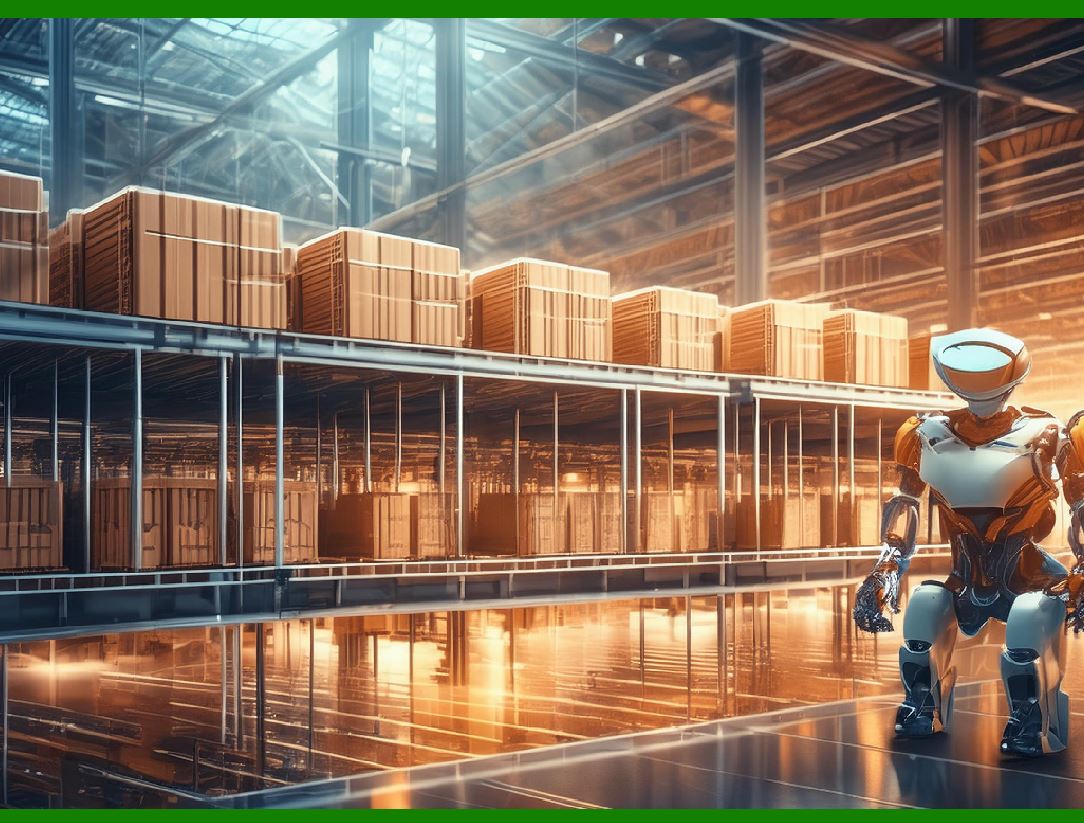
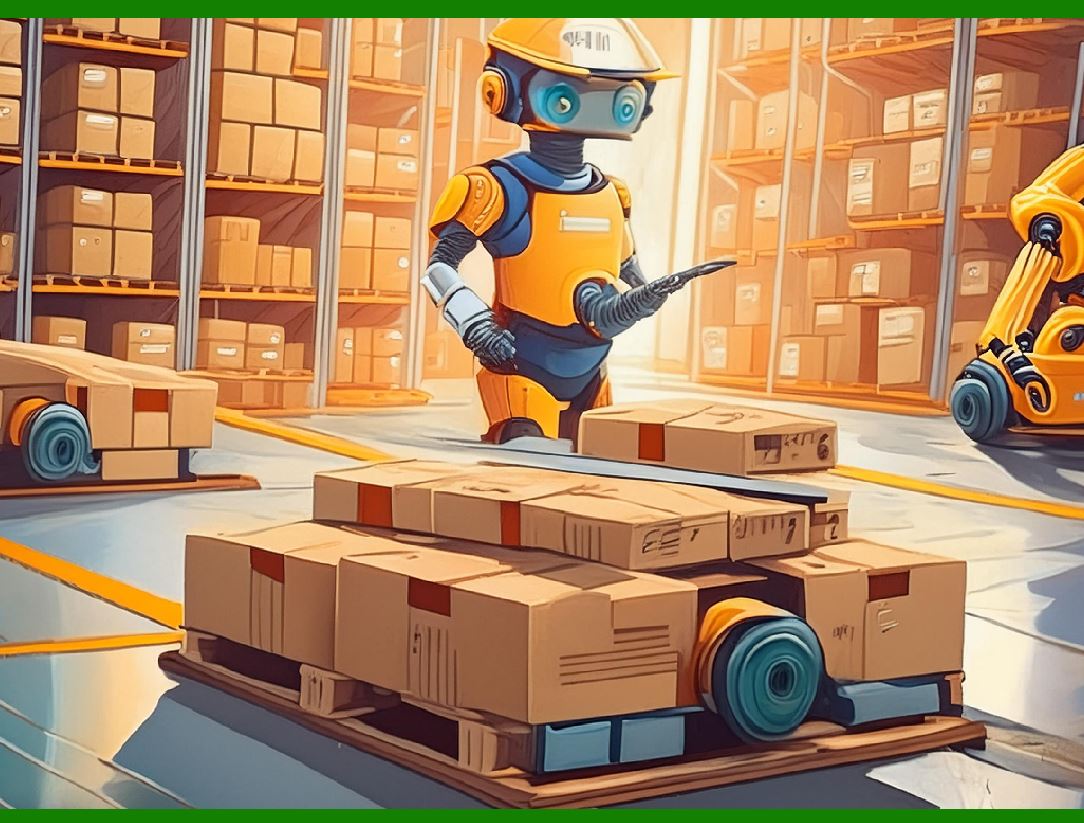
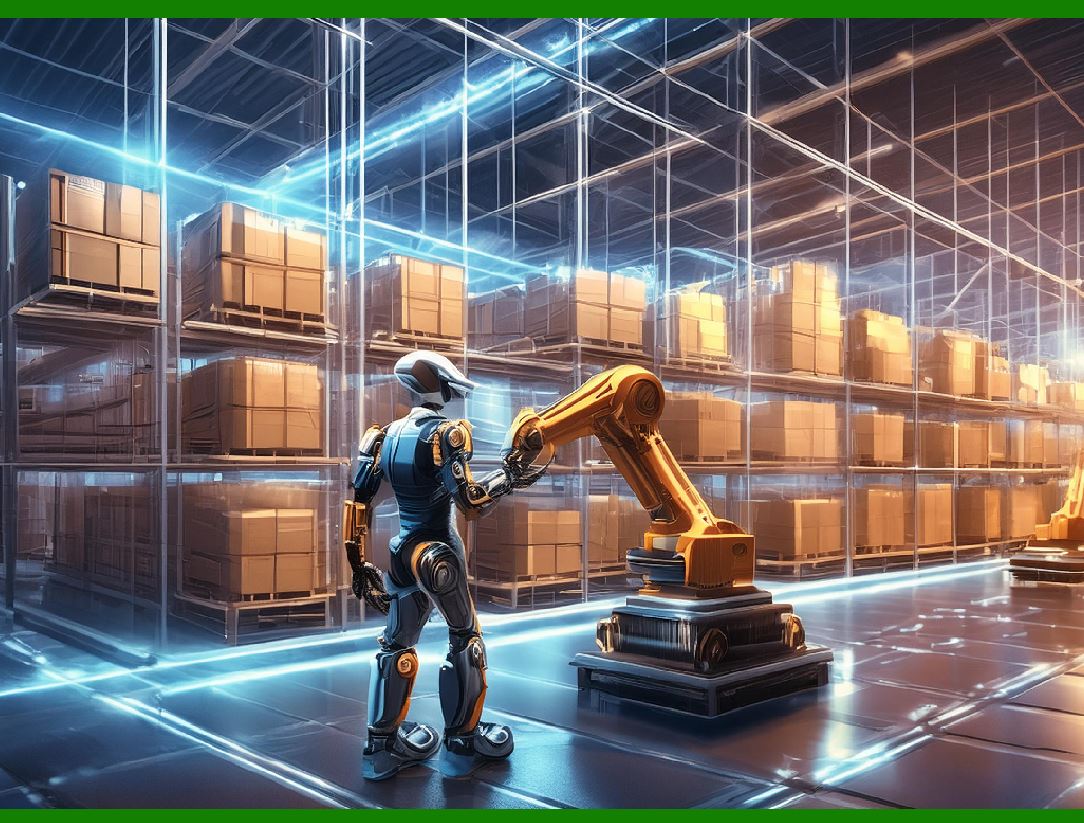
Robotics and Automation: Robots equipped with AI are used for sorting, packing, and moving inventory, further reducing manual errors and improving operational efficiency. |
|
2. Understanding Traditional Inventory Management Systems |
Before AI, traditional inventory management systems were reliant on human input and less sophisticated technology. Businesses used basic tools like spreadsheets, manual logs, and simple inventory tracking software. While these systems worked to an extent, they were limited by their inability to analyze large datasets, automate processes, or predict trends. |
2.1. Challenges of Traditional Inventory Systems |
Human Error: The reliance on manual processes often led to mistakes in counting, categorizing, or recording stock, causing discrepancies in inventory data. |
Time-Consuming: With the increasing volume of transactions and complexity of inventory levels, traditional systems required a significant amount of manual intervention to maintain accurate records, which was both time-consuming and resource-intensive. |
Limited Visibility: Traditional systems lacked real-time visibility into stock levels and movements, making it difficult for businesses to make timely decisions or respond to supply chain disruptions effectively. |
Inefficient Replenishment: The lack of sophisticated demand forecasting meant that inventory replenishment was based on outdated information, leading to overstocking or understocking. |
Costly Overstocking: Overstocking, driven by inaccurate demand forecasting or slow-moving inventory, increased storage costs and reduced the overall profitability of businesses. |
With these limitations, AI technology emerged as a way to address these challenges by automating many of the functions traditionally done by human employees, reducing errors, and improving efficiency. |
|
3. The Core Functions of AI in Inventory Management |
AI transforms inventory management by addressing several critical functions in the system. These AI-powered capabilities enable businesses to make smarter decisions in real-time and maintain an optimized inventory at all times. |
3.1. Demand Forecasting |
Demand forecasting is one of the most vital functions of inventory management. Accurate forecasting ensures that businesses stock enough inventory to meet customer demand without overstocking or understocking. AI improves forecasting by analyzing a combination of historical sales data, external market trends, and real-time customer behavior. |
Key Components of AI-driven Demand Forecasting: |
Historical Sales Data: Machine learning models analyze past sales patterns to predict future demand. These models take into account seasonality, product lifecycle, and trends that have been observed in the market. |
Market and Economic Factors: AI systems integrate external data, such as economic indicators, social media sentiment, and competitor actions, to refine forecasts. |
Event-based Adjustments: AI can adjust forecasts based on specific events or promotions that might influence demand, such as holiday seasons, marketing campaigns, or product launches. |
Real-World Impact: |
Increased Forecast Accuracy: AI-powered demand forecasting improves the accuracy of sales predictions, helping businesses minimize the risk of stockouts and excess inventory. |
Adaptive Learning: Machine learning models can adapt to new trends, learning from new data to continuously improve the accuracy of their forecasts over time. |
3.2. Stock Optimization |
Stock optimization refers to the practice of maintaining the right balance of inventory—enough to meet demand without holding excess stock. AI optimizes stock levels by continuously analyzing demand forecasts, lead times, and product turnover rates. |
Stock Optimization Techniques Using AI: |
Just-in-Time Inventory: AI ensures that businesses only order inventory when it is needed, preventing overstocking and reducing warehouse space costs. |
Dynamic Replenishment: AI systems adjust inventory levels dynamically by constantly monitoring sales trends and restocking items only when required. This is particularly beneficial for businesses with fast-moving or perishable goods. |
Stock Turnover Prediction: By using historical sales data and demand forecasting, AI can predict stock turnover rates and identify slow-moving items, allowing businesses to act before the products become obsolete or lose value. |
Benefits: |
Reduced Holding Costs: By keeping only the necessary stock on hand, businesses reduce costs associated with storage, insurance, and inventory management labor. |
Improved Cash Flow: AI ensures that businesses don’t over-invest in inventory, freeing up cash for other operations or investments. |
3.3. Automated Replenishment |
Automated replenishment refers to AI systems automatically placing orders with suppliers when stock reaches predetermined levels. This process is highly beneficial for businesses with large inventories or complex supply chains. |
How AI Enhances Replenishment: |
Real-time Stock Monitoring: AI continuously monitors stock levels and generates alerts when items approach reorder points, ensuring timely stock replenishment. |
Predictive Ordering: AI systems predict when orders should be placed, based on demand forecasts and lead times, optimizing the timing and quantity of replenishment. |
Supplier Performance Evaluation: AI evaluates supplier reliability, using data on delivery times, order accuracy, and pricing trends to make smarter decisions on when and from whom to order. |
Real-World Impact: |
Reduced Stockouts: Automated replenishment ensures that stockouts are avoided, preventing lost sales and customer dissatisfaction. |
Optimized Supplier Relationships: AI helps businesses select the best suppliers based on performance metrics, ensuring reliable and cost-effective sourcing. |
3.4. Real-time Inventory Tracking |
Real-time inventory tracking is a crucial element for businesses to ensure accurate, up-to-date stock levels. AI enables businesses to track inventory in real-time through the use of IoT devices, RFID, and barcode scanning technologies. |
AI in Real-time Tracking: |
RFID and IoT Integration: AI integrates with RFID tags and IoT sensors to track products across the supply chain. This enables continuous visibility into inventory movements, both within warehouses and across transportation networks. |
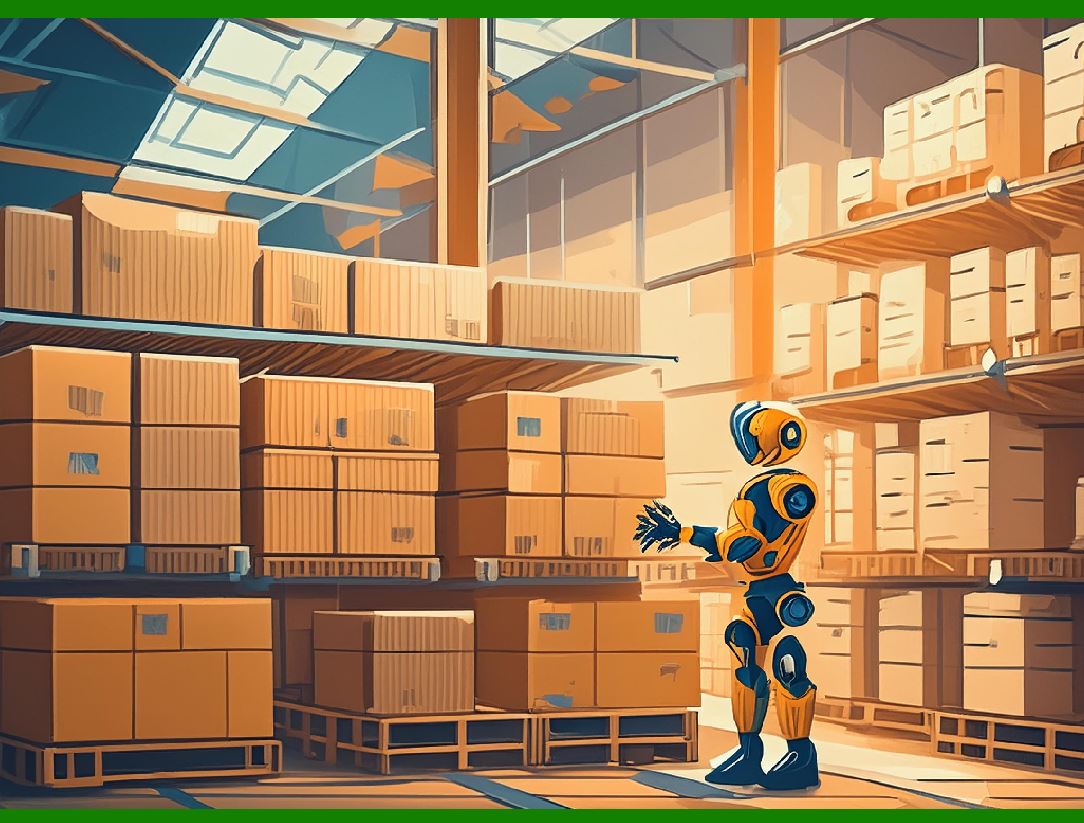
Automated Stocktaking: AI-powered machines and drones can autonomously scan and count items in warehouses, providing real-time updates and eliminating manual inventory checks. |
Benefits: |
Accurate Inventory Data: Real-time tracking reduces the chances of discrepancies between physical stock and recorded data. |
Improved Decision-Making: With up-to-date information, businesses can make more informed decisions about stock levels, order placement, and stock movement. |
|
4. Practical Case Study 1: AI in Retail Inventory Management |
Let’s dive deeper into a practical example of a major retailer using AI to enhance its inventory management. This case study illustrates the tangible benefits AI can bring to retail businesses. |
4.1. Background |
The company was struggling with frequent stockouts of high-demand products, which led to lost sales. Additionally, they were overstocking less popular items, leading to increased storage costs and waste. The company decided to implement an AI-powered inventory system to address these challenges. |
4.2. AI Implementation |
Demand Forecasting: The company implemented an AI system that analyzed customer purchase data, market trends, and seasonality to predict product demand. |
Replenishment Algorithms: The system automatically triggered orders based on predicted demand, adjusting the quantities according to real-time sales data. |
Real-time Tracking: The company integrated RFID tags and sensors to track inventory levels in real-time across its stores. |
4.3. Results |
Reduced Stockouts by 30%: By predicting demand more accurately and adjusting replenishment schedules, the retailer reduced stockouts by 30%, leading to improved customer satisfaction and sales. |
Reduced Overstocking: Overstocking was minimized as the AI system automatically adjusted orders based on actual demand, reducing storage costs and waste. |
Faster Restocking: The AI system improved restocking efficiency by automating the reorder process and ensuring that products arrived just in time. |

|
5. Practical Case Study 2: AI in Manufacturing and Supply Chain |
In the manufacturing sector, AI plays a crucial role in managing raw materials and optimizing production schedules. Let’s explore how AI is used in a manufacturing company to improve inventory management. |
5.1. Background |
The company faced challenges in managing raw materials, resulting in production delays due to stockouts and excess inventory of certain materials. |
5.2. AI Implementation |
Predictive Analytics for Material Needs: AI systems were used to forecast raw material requirements based on production schedules, historical data, and sales projections. |
Supplier Integration: The AI system automatically placed orders with suppliers when stock levels dropped below a predetermined threshold, taking lead time and supplier performance into account. |
Stock Visibility: The system integrated with RFID and IoT sensors to provide real-time visibility into the location and status of raw materials within the warehouse. |
5.3. Results |
Reduced Downtime by 25%: By predicting material needs more accurately, production downtime due to raw material shortages was reduced by 25%. |
Improved Supplier Coordination: Automated ordering and supplier performance evaluation ensured that raw materials were delivered on time, minimizing delays. |
Cost Savings of 18%: By optimizing stock levels and ordering materials only when necessary, the company reduced raw material costs by 18%. |
|
6. AI and Machine Vision in Inventory Management |
Machine vision systems represent another innovative use of AI in inventory management. These systems utilize cameras and AI algorithms to automatically track inventory and ensure stock levels are accurate. |
6.1. How Machine Vision Works |
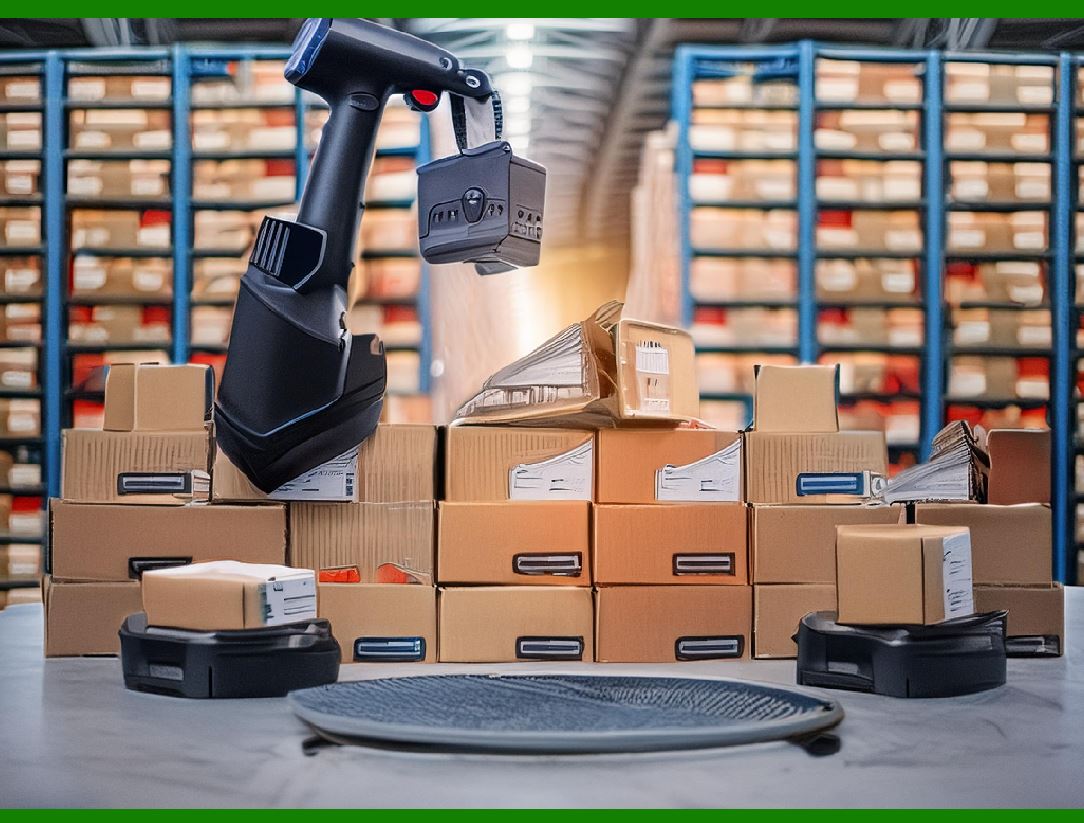
Shelf Scanning: Cameras scan store shelves and warehouses to detect product levels, using AI to identify and track inventory items. |
Automated Counting: AI systems process images from cameras to count items, compare them with inventory data, and provide real-time updates to inventory systems. |
Quality Control: AI vision systems can identify damaged or expired products, which can be removed from inventory before shipment. |
6.2. Benefits |
Improved Inventory Accuracy: Machine vision systems eliminate human error and improve stock accuracy, reducing discrepancies between actual stock and recorded levels. |
Faster Stocktaking: AI-driven vision systems can scan inventory much faster than manual counting, saving time and improving operational efficiency. |
Better Product Quality: Machine vision systems can automatically detect defects or damages in products, improving product quality and reducing waste. |
|
7. Benefits of AI in Inventory Management |
AI delivers substantial benefits across multiple facets of inventory management. Some of the key advantages include: |
7.1. Increased Efficiency |
By automating repetitive tasks and improving decision-making, AI reduces the time spent on manual inventory tracking, order placement, and stocktaking. |
7.2. Reduced Operational Costs |
AI-driven demand forecasting, automated replenishment, and stock optimization directly contribute to cost savings by reducing overstocking, waste, and storage costs. |
7.3. Enhanced Customer Experience |
With AI ensuring the right inventory levels are maintained, customers experience fewer stockouts, faster deliveries, and better overall service. |
7.4. Scalability |
AI solutions can scale effortlessly to accommodate increasing product lines, larger store networks, and more complex supply chains, making it suitable for businesses of all sizes. |
|
8. Conclusion: The Future of AI in Inventory Management |
Looking to the future, AI will continue to evolve, bringing more advanced technologies into the inventory management space. As AI capabilities expand, we can expect further advancements in predictive analytics, autonomous warehousing, and AI-driven supply chain optimization. The continuous improvement in AI algorithms will allow businesses to achieve even greater operational efficiency, reduced costs, and enhanced customer satisfaction. AI’s role in inventory management is only set to grow, helping companies stay competitive in an increasingly dynamic and data-driven world. |

|
9. AI in Warehouse Operations |
Warehouse operations are at the heart of inventory management. With AI’s ability to analyze vast amounts of data and make quick decisions, businesses can automate and optimize various aspects of warehouse management, such as sorting, packing, and product storage. |
9.1. AI-Driven Warehouse Automation |
AI-powered robots and automated systems are becoming more common in warehouses. These systems use machine learning to continuously improve their efficiency, providing better operational workflows. |
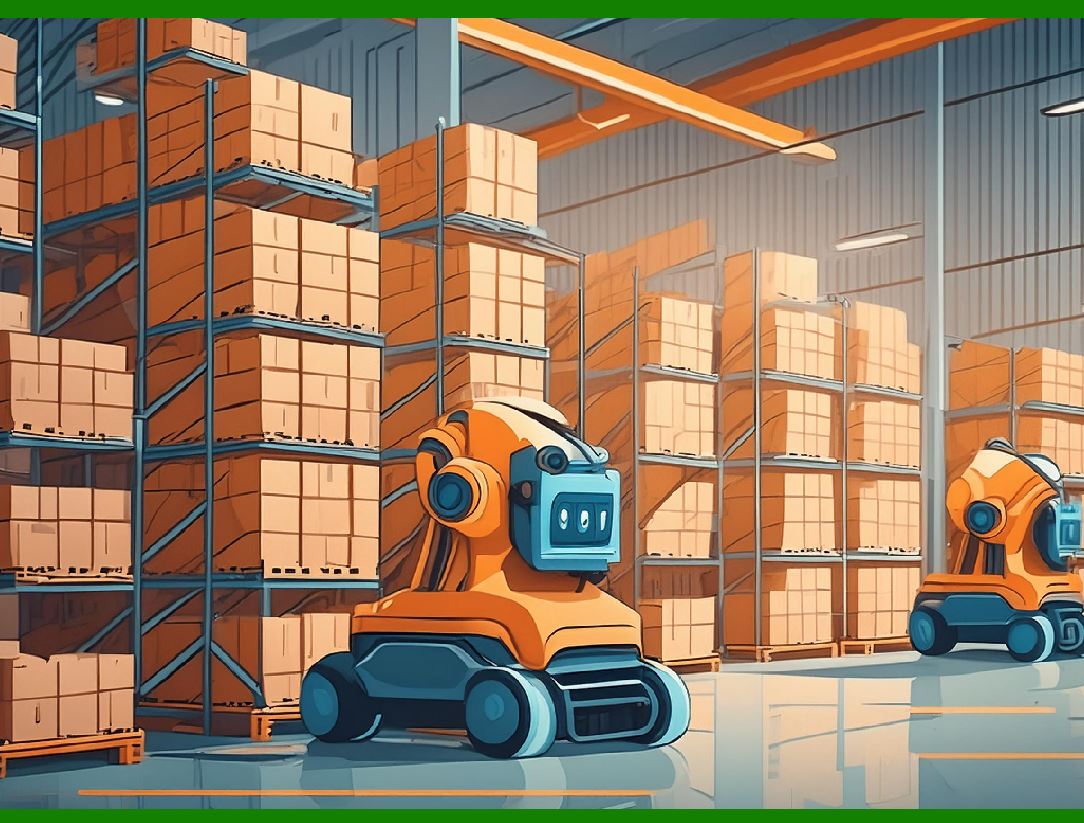
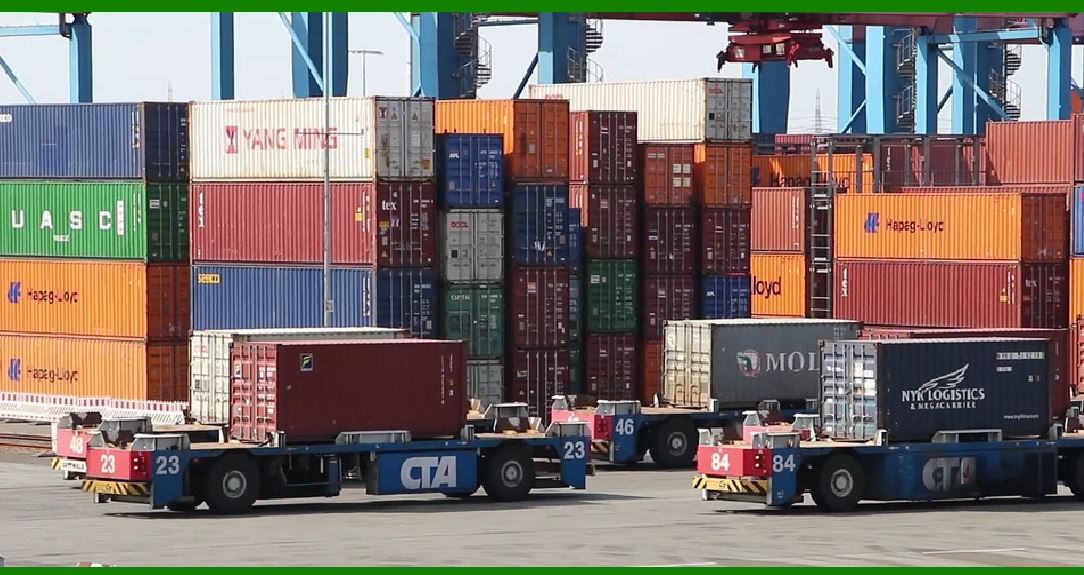
Automated Guided Vehicles (AGVs): AI-guided vehicles are used for material handling, automatically navigating the warehouse to pick and transport items. These systems are often integrated with inventory management systems to ensure that stock is moved precisely where it’s needed. |
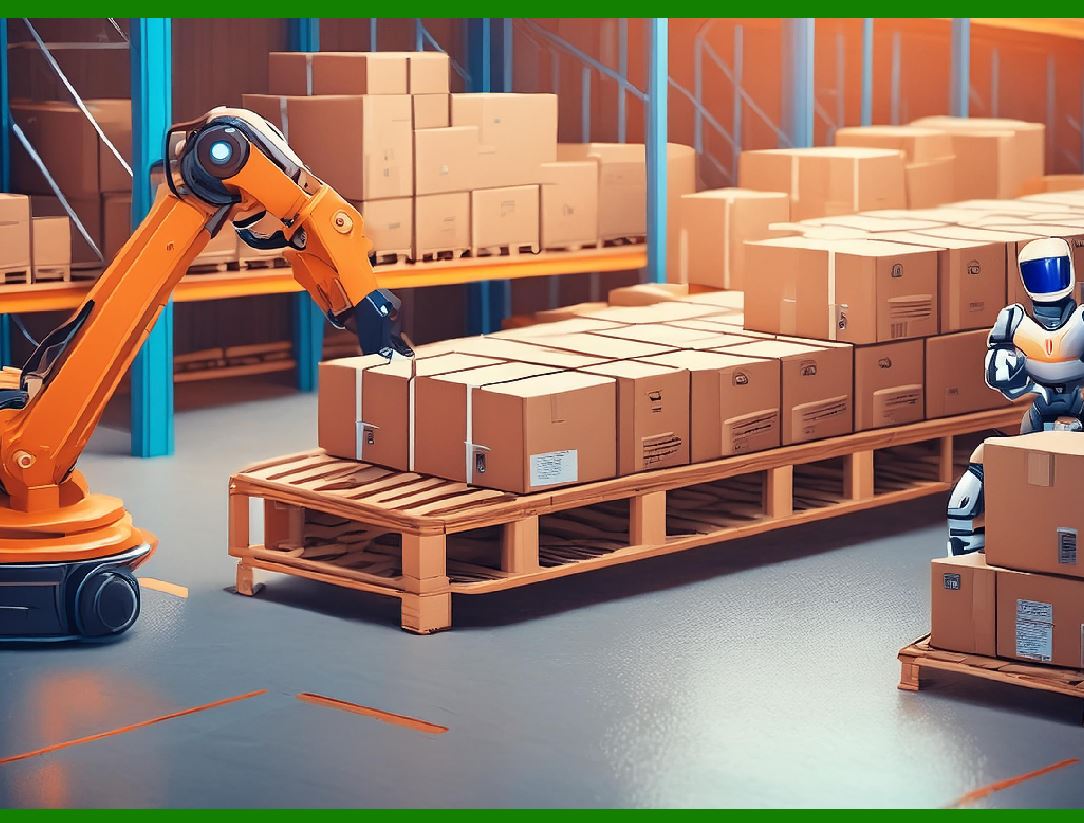
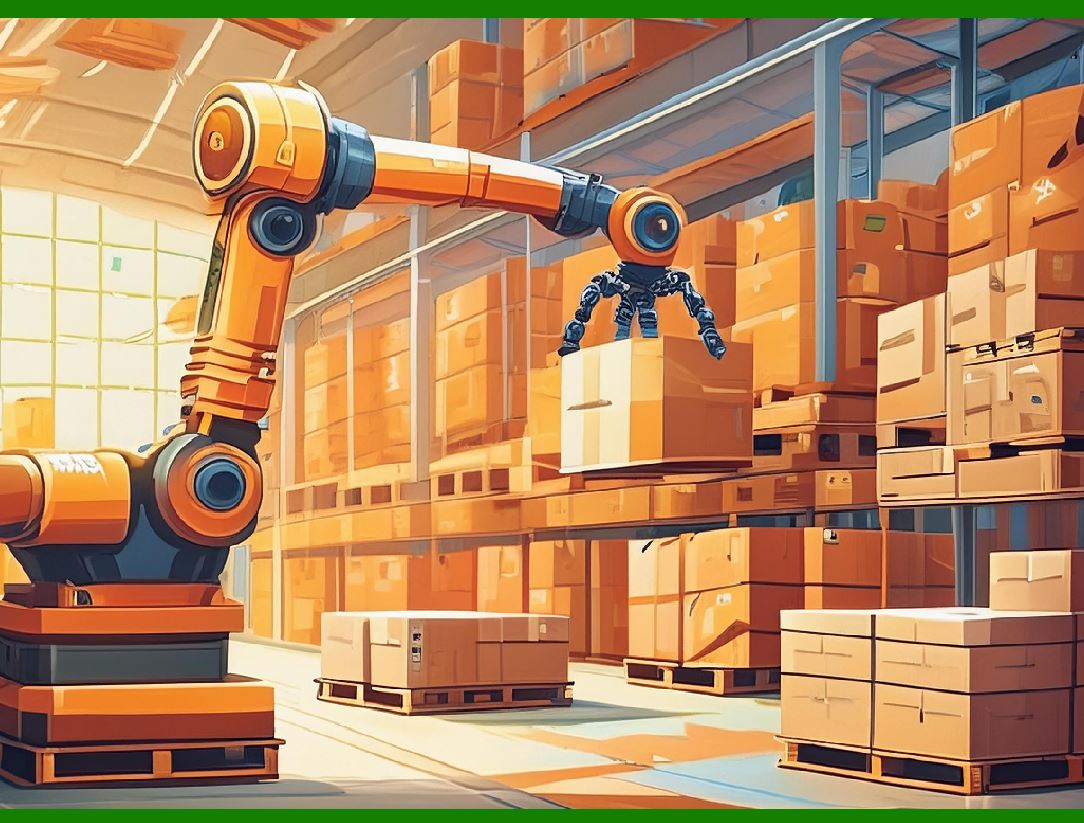
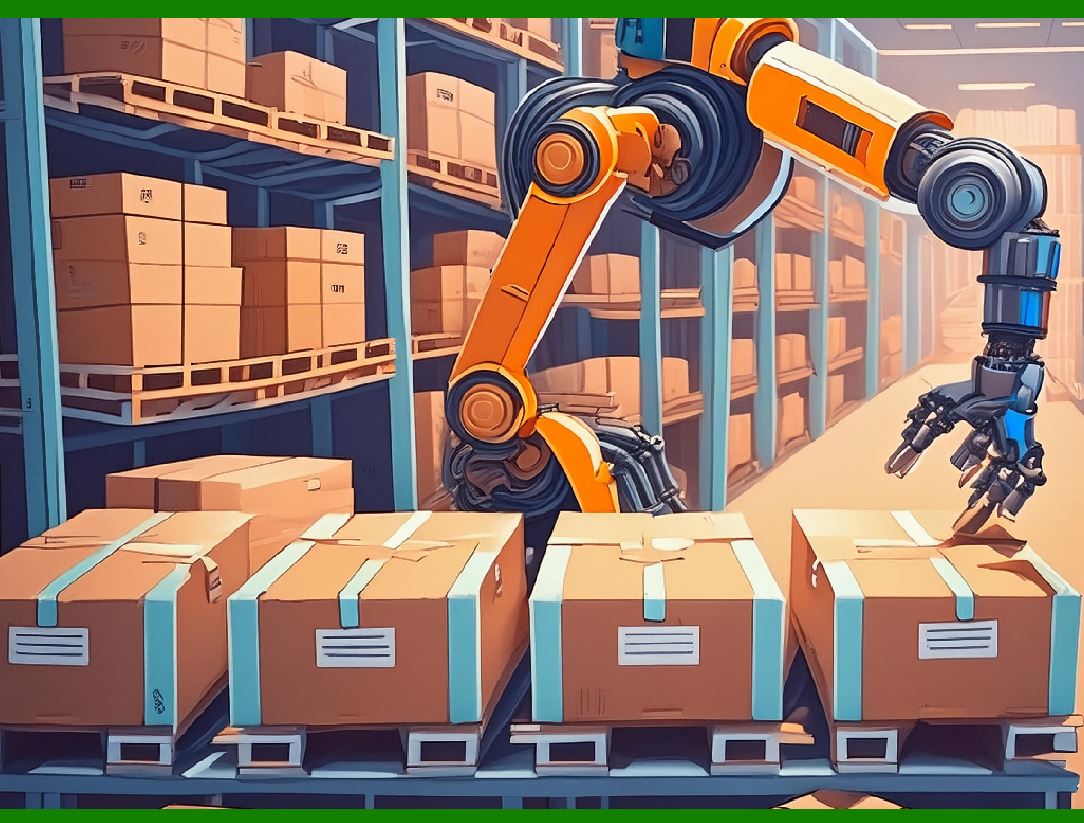
Robotic Picking Systems: AI-powered robots, such as collaborative robots (cobots), work alongside human operators to pick items faster and with greater accuracy. By using computer vision and machine learning, these robots identify, pick, and pack items from shelves autonomously. |
Predictive Maintenance: AI systems are used to predict when warehouse equipment, such as conveyor belts, forklifts, and robotic arms, is likely to fail based on historical data and real-time performance metrics. This proactive approach reduces downtime, increases productivity, and lowers repair costs. |
Benefits of AI in Warehouse Operations: |
Increased Speed and Efficiency: Automated picking and transportation systems reduce the time spent on manual tasks, speeding up order fulfillment. |
Reduced Human Error: AI-powered systems ensure that items are picked and packed correctly, reducing human errors in the warehouse. |
Improved Space Utilization: By dynamically analyzing inventory levels and product movement, AI can optimize the arrangement of goods in the warehouse, maximizing space and improving throughput. |
|
10. AI in Supply Chain Management |
AI doesn't just optimize inventory within a warehouse; it can extend to the entire supply chain. The supply chain involves sourcing raw materials, manufacturing products, and distributing goods to retailers or customers. With AI, each step can be optimized to minimize costs, improve efficiency, and mitigate risk. |
10.1. Predictive Analytics for Supply Chain Optimization |
AI excels in predictive analytics, which is vital for supply chain management. AI systems analyze historical data, trends, external factors, and real-time information to forecast supply chain disruptions and demand fluctuations. |
Supplier Risk Management: AI systems assess the risk posed by individual suppliers, considering factors like geopolitical conditions, financial stability, delivery times, and compliance issues. This allows businesses to make informed decisions about sourcing, ensuring the reliability of their supply chains. |
Route Optimization: AI is used to optimize transportation routes, reducing fuel consumption, improving delivery times, and minimizing transportation costs. |
Supply Chain Resilience: In the face of disruptions like natural disasters, strikes, or sudden demand spikes, AI systems provide businesses with contingency plans to minimize the impact. They can automatically adjust orders, identify alternative suppliers, and optimize routes to keep operations running smoothly. |
Real-World Impact: |
Proactive Decision-Making: AI-powered predictive analytics enable businesses to anticipate problems before they occur, reducing costly delays and disruptions. |
Reduced Lead Times: By optimizing transportation routes and improving supplier coordination, AI reduces lead times, ensuring that products reach their destinations faster. |
10.2. AI in Demand-Supply Matching |
Matching demand with supply is a key challenge in inventory management. AI can automatically adjust supply based on real-time demand signals, ensuring businesses don’t overstock or understock products. |
Dynamic Inventory Allocation: AI can help businesses allocate inventory to the right locations based on real-time demand signals. For example, if a particular item is selling well in one region, AI can automatically redirect stock from lower-demand regions to where it’s needed most. |
Automated Stock Transfers: AI systems track stock levels in real time and can transfer stock between warehouses and distribution centers automatically, ensuring that the right amount of inventory is in the right location. |
|
11. AI for Perishable Goods and Expiry Date Management |
One of the most complex challenges in inventory management is the handling of perishable goods, such as food and pharmaceuticals. These products have a limited shelf life, and failing to track expiry dates can lead to waste and stockouts. AI provides effective solutions for managing perishable goods more efficiently. |
11.1. Expiry Date Monitoring |
AI systems can be integrated with IoT sensors that track the storage conditions of perishable items (e.g., temperature, humidity, and shelf life). These sensors send real-time data to AI systems, which analyze the data and provide insights about stock freshness. |
Automated Expiry Alerts: AI systems automatically alert managers about items nearing their expiry date, prompting them to take action (e.g., sell at a discount, donate, or remove from shelves). |
Demand Prediction for Perishables: AI uses past sales data, external factors (such as weather and holidays), and real-time consumer behavior to predict demand for perishable goods. This helps companies adjust stock levels dynamically, ensuring that they don’t overstock items that will expire. |
Impact: |
Reduced Waste: By efficiently managing stock and expiry dates, AI helps businesses reduce food or pharmaceutical waste, improving sustainability and reducing costs. |
Increased Profit Margins: AI-driven demand prediction for perishables ensures that businesses meet customer demand without overstocking, leading to better profit margins. |
11.2. Dynamic Pricing for Expiring Goods |
AI can also help businesses implement dynamic pricing strategies for items approaching their expiration date. This allows companies to adjust the price of products in real-time based on demand, time-to-expiry, and consumer sentiment. |
Example: |
Discount Automation: AI systems automatically reduce the price of perishable items as they approach their expiry date, encouraging customers to buy them before they spoil. |
|
12. Industry-Specific Applications of AI in Inventory Management |
Different industries have unique challenges and requirements when it comes to inventory management. AI can be tailored to meet these specific needs, offering distinct advantages across various sectors. |
12.1. AI in Retail |
In retail, AI plays a crucial role in maintaining stock levels, enhancing customer satisfaction, and improving the overall shopping experience. |
Personalized Shopping Experiences: AI analyzes customer purchasing behavior to offer personalized recommendations, which can also inform inventory management decisions. This ensures that high-demand items are stocked appropriately. |
Omnichannel Inventory Management: AI integrates inventory data from physical stores and e-commerce platforms, providing a seamless experience for customers and businesses alike. It ensures that stock levels are accurately reflected across all sales channels. |
12.2. AI in Manufacturing |
In manufacturing, inventory management involves not only raw materials but also finished goods, spare parts, and production components. |
Production Schedule Optimization: AI optimizes production schedules by considering inventory levels, machine capacity, and labor availability. It ensures that production aligns with inventory needs without overburdening the system. |
Supply Chain Visibility: AI provides end-to-end visibility into the supply chain, helping manufacturers track raw materials, production progress, and product shipments in real-time. |
12.3. AI in Pharmaceuticals |
For the pharmaceutical industry, inventory management is particularly sensitive due to regulatory compliance and the critical nature of the products. |
Regulatory Compliance: AI ensures that pharmaceutical inventory management adheres to strict regulatory guidelines by tracking product expiry dates, storage conditions, and batch numbers. |
Cold Chain Monitoring: AI-powered IoT sensors are used to monitor the temperature of sensitive pharmaceutical products throughout the supply chain, ensuring that they are stored and transported within the required conditions. |
12.4. AI in E-commerce |
For e-commerce businesses, inventory management is closely tied to customer demand and order fulfillment. |
Real-Time Stock Syncing: AI ensures that inventory data is updated in real-time across all sales platforms, including web stores and marketplaces. |
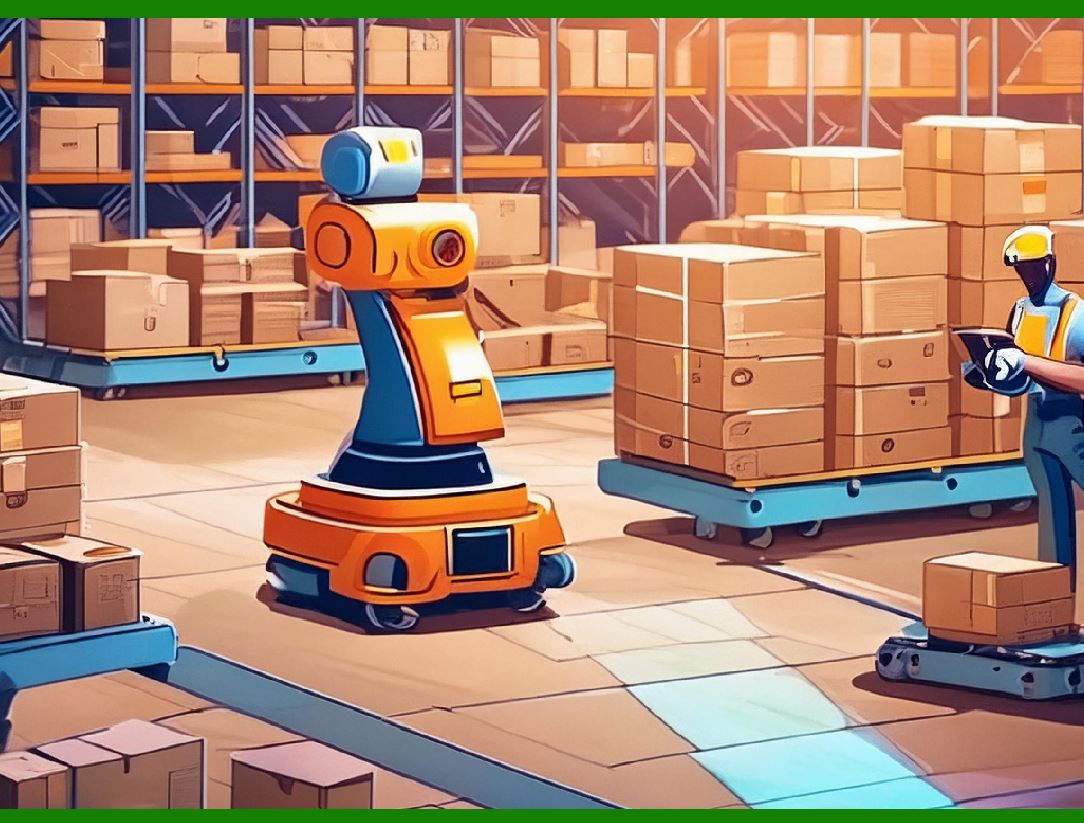
Warehouse and Distribution Optimization: AI-powered robots and automated systems streamline the picking and packing process, improving order accuracy and reducing delivery times. |
|
13. The Future of AI in Inventory Management |
As AI continues to advance, its applications in inventory management will only grow more sophisticated. Some emerging trends include: |
13.1. Autonomous Warehouses |
In the future, we can expect fully autonomous warehouses powered by AI. These warehouses will rely on robotic systems, AI-powered sorting algorithms, and machine learning to operate without human intervention. |
13.2. Predictive AI for Entire Supply Chains |
AI will become more predictive, not only managing inventory but also foreseeing potential disruptions in the entire supply chain. This will allow businesses to be more proactive and agile in their operations. |
13.3. Enhanced Human-AI Collaboration |
AI will increasingly work alongside human employees in a collaborative manner, with AI handling routine tasks like inventory tracking and demand forecasting, while humans focus on high-level strategy and customer relationships. |
13.4. Ethical AI and Sustainability |
As AI continues to grow, it will also play a role in ensuring that businesses adopt sustainable practices. AI can help reduce waste, optimize energy usage, and promote responsible sourcing, contributing to more ethical and environmentally-friendly business practices. |
|
14. Conclusion |
AI’s role in inventory management is rapidly evolving, enabling businesses to achieve higher efficiency, accuracy, and cost savings. From demand forecasting to real-time tracking, automated replenishment, and enhanced supply chain management, AI offers powerful tools for optimizing inventory. By integrating AI into their operations, businesses not only improve their inventory management but also gain a competitive edge in an increasingly data-driven world. |
The future holds exciting possibilities as AI technologies continue to advance, making inventory management more autonomous, predictive, and sustainable. Businesses that embrace these technologies today will be better positioned to adapt to the demands of tomorrow's marketplace. |
|
What are the weaknesses and deficiencies of AI in inventory management? How can we improve them? |
While AI has revolutionized inventory management, providing numerous benefits like automation, efficiency, and cost savings, it is not without its weaknesses and deficiencies. Some of these limitations stem from the technology itself, while others arise from its implementation or the specific context in which it is used. Below are some of the key challenges and potential solutions for overcoming them. |
1. Data Quality and Integrity Issues |
Weaknesses: |
Inaccurate or Incomplete Data: AI algorithms rely heavily on high-quality, accurate, and consistent data for training and decision-making. If the data used is incomplete, outdated, or erroneous, the AI system will produce unreliable forecasts and predictions. Inaccurate inventory data, incorrect demand forecasting, and faulty stock tracking can lead to issues like stockouts, overstocking, and unnecessary operational costs. |
Data Silos: In many organizations, data exists in different systems or departments (e.g., sales, warehouse, finance), which can lead to inconsistencies when AI algorithms attempt to integrate data from various sources. |
Improvements: |
Data Cleaning and Preprocessing: Ensuring the data is cleaned and preprocessed before being fed into the AI system is critical. This involves correcting inconsistencies, filling missing values, and removing erroneous data. |
Centralized Data Management: Organizations can overcome data silos by integrating all data sources into a centralized data management system. AI models should be designed to pull information from these unified data sources, ensuring consistency and real-time data updates across all departments. |
Automated Data Monitoring: Implementing AI-powered systems that can constantly monitor the data quality (e.g., through anomaly detection) helps identify and resolve issues before they affect inventory management decisions. |
|
2. Dependency on Historical Data for Forecasting |
Weaknesses: |
Overreliance on Past Data: AI models, especially those for demand forecasting, are often heavily dependent on historical data to make predictions. This becomes problematic when there is a sudden change in the market, consumer behavior, or external factors that do not align with past trends, such as a global crisis (e.g., the COVID-19 pandemic). |
Inability to Predict Unforeseen Events: While AI can predict future demand based on historical patterns, it struggles with extreme or unpredictable events, such as natural disasters, geopolitical shifts, or consumer behavior changes. |
Improvements: |
Incorporating Real-Time Data and External Factors: AI systems should integrate real-time data feeds (e.g., news, social media, and economic indicators) and adjust forecasts accordingly. This helps the system account for unforeseen events and adapt to changing market conditions more quickly. |
Hybrid Forecasting Models: Combining traditional machine learning models with statistical or rule-based models can help AI systems adapt better to new or rare events. For example, combining predictive models with expert systems can account for sudden disruptions or market anomalies. |
|
3. Complexity and High Implementation Costs |
Weaknesses: |
High Initial Costs: Implementing AI in inventory management can be expensive. The costs include purchasing software, upgrading infrastructure, and hiring skilled professionals to set up, maintain, and operate the system. For small and medium-sized enterprises (SMEs), these upfront costs can be a significant barrier to adoption. |
Long Implementation Time: AI systems require time to be properly trained, calibrated, and integrated into existing operations. During this time, businesses may face operational disruptions, and the return on investment (ROI) may take a while to materialize. |
Improvements: |
Cloud-Based Solutions: Cloud-based AI solutions can reduce initial investment costs and provide scalable, pay-as-you-go models. This is particularly beneficial for SMEs that may not have the budget for on-premise infrastructure. |
Modular AI Systems: Instead of deploying a full-scale AI system immediately, businesses can adopt modular or phased implementations. They can start with simpler AI tools (e.g., demand forecasting) and gradually integrate more advanced capabilities (e.g., autonomous stock replenishment) over time. |
Training and Upskilling: Investing in employee training programs to upskill existing staff in AI operations can reduce the need for hiring new specialists, making the technology more accessible. |

|
4. Lack of Transparency and Interpretability |
Weaknesses: |
Black Box Problem: Many AI models, particularly deep learning models, operate as “black boxes,” where the decision-making process is not transparent or easily understood. This lack of interpretability can be a significant issue for businesses that need to explain AI decisions to stakeholders or regulators. |
Lack of Trust in AI Systems: If employees, managers, or customers do not understand how AI systems make decisions, they may lack trust in the system. This can result in reluctance to rely on AI-generated insights or recommendations. |
Improvements: |
Explainable AI (XAI): Emphasizing the development and use of explainable AI models that can provide clear justifications for their decisions would increase transparency. Tools that visualize how the AI system arrived at a specific conclusion or recommendation can build trust among users and stakeholders. |
Human-AI Collaboration: Instead of fully automating all decisions, AI systems should be designed to assist human decision-making, providing insights and recommendations while leaving the final decisions to experienced personnel who can evaluate and adjust the output. |
|
5. Data Privacy and Security Concerns |
Weaknesses: |
Sensitive Data Handling: AI in inventory management often involves handling sensitive data, such as customer purchase history, financial information, or proprietary business strategies. If not properly secured, this data is vulnerable to cyberattacks, data breaches, or misuse. |
Compliance Issues: Many businesses are required to comply with data protection regulations (e.g., GDPR in Europe, CCPA in California). Using AI to process large volumes of data increases the risk of non-compliance or unintentional data breaches. |
Improvements: |
Stronger Data Encryption: Ensuring that all data used by AI systems is encrypted and secured both in transit and at rest reduces the likelihood of data breaches. |
Regular Audits and Compliance Checks: Organizations should regularly audit their AI systems for compliance with data protection regulations. Using privacy-preserving machine learning techniques, like federated learning, can help maintain data security by processing data locally without sending sensitive information to central servers. |
AI Bias Mitigation: Ensuring that the AI models used do not inadvertently introduce biases, such as racial, gender, or demographic biases, is crucial for fairness. This can be done by continuously auditing models for fairness and applying fairness algorithms that eliminate any biased decisions made by AI. |
|
6. Resistance to Change and Lack of AI Expertise |
Weaknesses: |
Employee Resistance: Employees may resist the adoption of AI-powered systems due to fears of job displacement or a lack of understanding about how AI can complement their roles. This resistance can slow down the integration process and reduce the effectiveness of the technology. |
Skill Gaps: Implementing AI requires expertise in data science, machine learning, and AI infrastructure. A shortage of skilled professionals can make it difficult for organizations to adopt AI effectively. |
Improvements: |
Employee Training and Awareness: To overcome resistance, businesses should invest in educating employees about the benefits of AI. Providing training on how AI will complement their work, rather than replace them, can reduce resistance and foster collaboration. |
Building In-House Expertise: Organizations can build a strong in-house team by training existing employees in AI and machine learning. This reduces the reliance on external consultants and ensures that the AI implementation is tailored to the company's unique needs. |
|
7. Limited Adaptability in Dynamic Environments |
Weaknesses: |
Inability to Adapt Quickly to Fast-Moving Markets: AI models can struggle to adapt to sudden market shifts, such as rapid changes in customer preferences, supply chain disruptions, or economic downturns. While AI can analyze trends and patterns, it may not always respond fast enough to emerging market dynamics. |
Overfitting: AI models that are too finely tuned to historical data may fail to generalize well to new or unseen data, resulting in overfitting. This means the system might perform well with past trends but poorly with new circumstances. |
Improvements: |
Continuous Model Retraining: AI models should be designed to continually learn from new data, ensuring that they can adapt to changing market conditions in real-time. This includes incorporating feedback loops that allow the system to adjust its algorithms as new trends or disruptions arise. |
Simulations and Scenario Testing: Running AI systems through various 'what-if' scenarios can help prepare them for unexpected changes. This proactive approach ensures that the system is equipped to handle dynamic environments. |
Conclusion: Overcoming AI's Weaknesses in Inventory Management |
Despite its immense potential, AI in inventory management faces several challenges that can limit its effectiveness. By focusing on improving data quality, enhancing transparency, integrating explainable AI, and ensuring robust data security, businesses can address these weaknesses and enhance the value that AI brings to inventory management. Overcoming these challenges will require a combination of technological improvements, employee buy-in, and continuous monitoring of AI systems to ensure they remain responsive, adaptable, and reliable. |
By understanding and addressing the deficiencies, businesses can unlock the full potential of AI in inventory management, leading to more efficient operations, reduced costs, and improved customer satisfaction. |
|
What is the current application status of fully intelligent, automated and unmanned warehouses? |
The concept of fully intelligent, automated, and unmanned warehouses, often referred to as smart warehouses or autonomous warehouses, has rapidly evolved over the past few years. These advanced systems leverage Artificial Intelligence (AI), Robotics, Internet of Things (IoT), machine learning (ML), and automation technologies to operate without human intervention or with minimal human oversight. Below is an analysis of the current application status of these systems, focusing on their capabilities, implementation, challenges, and future trends. |
1. Current Capabilities of Fully Intelligent, Automated, and Unmanned Warehouses |
1.1. Autonomous Robots and Automated Guided Vehicles (AGVs) |
Autonomous Robots: Autonomous robots are responsible for performing a wide range of tasks, including picking, sorting, packing, and stowing. These robots use advanced AI algorithms, machine vision, and sensors to navigate warehouse aisles and perform tasks with little to no human supervision. Major players such as Amazon Robotics, GreyOrange, and Geek+ have developed robots capable of autonomous operation, significantly reducing human labor costs and increasing efficiency. |
Automated Guided Vehicles (AGVs): These are robotic vehicles that transport goods throughout the warehouse. They follow pre-defined paths or use AI to navigate dynamically in unstructured environments. AGVs typically integrate with warehouse management systems (WMS) to optimize routes and schedules for material handling. Leading companies in this area include Kiva Systems (Amazon Robotics) and Swisslog. |
Drone Technology: Drones are increasingly being used in warehouse settings for inventory management and stocktaking. These drones can fly autonomously through warehouses, scanning barcodes or RFID tags on shelves to keep real-time inventory records up-to-date. Companies like Intel and Paltalk have developed drones for warehouse use. |
1.2. AI-Powered Warehouse Management Systems (WMS) |
AI-Driven WMS: The heart of a fully intelligent warehouse lies in its Warehouse Management System (WMS), which orchestrates the movements and actions of all automation and robotics systems. AI enhances WMS by enabling predictive analytics to forecast demand, optimize storage, and streamline operations. |
Self-Learning Algorithms: Modern WMS use self-learning algorithms that analyze vast amounts of data from warehouse operations to improve efficiency and predict potential disruptions. For example, AI can optimize storage patterns based on real-time inventory and demand forecasts, ensuring faster retrieval times. |
Dynamic Slotting: AI algorithms continuously adjust storage locations for products based on factors such as demand, product popularity, handling requirements, and storage space optimization. This ensures that the most popular or time-sensitive items are easily accessible. |
1.3. Advanced Inventory Control and Smart Shelving |
RFID & IoT Integration: Fully automated warehouses make extensive use of IoT sensors and RFID technology to track and monitor inventory in real time. These sensors continuously transmit data regarding product movement, stock levels, and environmental conditions (e.g., temperature, humidity), enabling businesses to make data-driven decisions on stock management. |
Smart Shelves and Shelving Systems: These shelves use IoT-enabled technology to track inventory levels and automatically reorder items when stock is low. This is particularly important in environments like food or pharmaceutical warehouses where shelf life is critical. |
1.4. Autonomous Sorting and Packing |
Sorting Systems: AI-powered automated sorting systems in warehouses use cameras, machine vision, and robotic arms to sort products based on size, shape, barcode information, and other attributes. These systems ensure that products are packaged and sorted according to their destination, increasing speed and reducing errors. |
Automated Packing Solutions: Packing robots equipped with AI-driven perception systems can autonomously pick products and pack them according to specific shipping requirements (e.g., size, weight). For instance, Locus Robotics and Cleveron have developed solutions for dynamic packing, significantly reducing the need for manual intervention. |
|
2. Real-World Applications and Leading Companies |
The adoption of fully automated warehouses is accelerating across various industries, from e-commerce and retail to pharmaceuticals, automotive, and logistics. Here are some of the leading companies and their applications: |
2.1. Amazon |
Amazon is perhaps the most well-known example of a company that has implemented intelligent, automated, and largely unmanned warehouses. Amazon Robotics (formerly Kiva Systems) has revolutionized warehousing by using fleets of mobile robots to transport shelves of inventory to human workers or to automated stations for packing and shipping. Amazon’s fulfillment centers, especially those for Prime Day and Black Friday events, feature: |
Robotic Picking: Using AI and machine vision, robots autonomously pick products from shelves. |
Automated Sorting: Items are automatically sorted into different shipments for specific locations. |
Real-time Inventory: The company utilizes IoT, RFID, and AI-based WMS to maintain real-time inventory tracking and order management. |
In some of Amazon's highly automated facilities, the physical presence of human workers is minimal, with robots and AI systems handling the bulk of the operations. |
2.2. Alibaba (Cainiao) |
Alibaba’s logistics arm, Cainiao, has also pioneered fully automated warehouses in China. Cainiao’s smart warehouses use AI and IoT technologies to automate inventory tracking, sorting, and packing. Some key features include: |
Robotic Sorting: Automated sorting machines can process thousands of packages per hour, automatically routing them to the correct shipping channels. |
Unmanned Delivery: Cainiao is experimenting with drone delivery systems and autonomous vehicles for last-mile logistics, moving goods from warehouses to customers with little human involvement. |
2.3. Ocado |
UK-based Ocado, an online grocery retailer, has fully automated distribution centers that employ robotics and AI for order fulfillment. Their Ocado Smart Platform (OSP) integrates AI-driven inventory management, automated picking systems, and robotic fulfillment to handle a large volume of grocery orders. Features include: |
Automated Picking and Packing: Using a system known as the 'Alpine' grid, robots autonomously pick groceries from storage bins and pack them into customer orders. |
AI-Powered Optimization: The AI-driven system dynamically adjusts based on demand, optimizing the picking and sorting processes. |
2.4. XPO Logistics |
XPO Logistics has invested heavily in AI-powered warehouse automation. The company uses robotic arms, autonomous vehicles, and AI-powered software to optimize inventory handling. In addition to robotic picking and sorting, XPO has implemented: |
Autonomous Material Handling: XPO's automated guided vehicles (AGVs) are used for the transportation of materials across warehouses and distribution centers. |
AI for Demand Forecasting: AI algorithms analyze inventory data to predict demand spikes, ensuring that stock is efficiently managed. |
|
3. Benefits of Fully Intelligent, Automated, and Unmanned Warehouses |
3.1. Efficiency and Speed |
Increased Throughput: Automated warehouses can operate 24/7 without the need for breaks, significantly increasing the throughput and efficiency of the operations. |
Reduced Lead Times: Faster picking, sorting, and packing lead to quicker order fulfillment, especially for time-sensitive shipments. |
3.2. Cost Savings |
Labor Reduction: AI and robotics reduce the need for human labor, leading to long-term cost savings, particularly in large-scale warehouses. |
Space Optimization: Automated systems can pack more goods into less space through dynamic slotting and robotic inventory handling. |
3.3. Accuracy and Error Reduction |
Fewer Errors: By automating repetitive tasks, robots and AI systems eliminate common human errors such as incorrect picking, packing, and sorting. |
Improved Inventory Management: Real-time tracking and automated stock replenishment ensure more accurate inventory levels, preventing stockouts and overstocking. |
3.4. Safety and Risk Reduction |
Minimized Human Interaction: Automated systems reduce the need for human workers to interact with heavy machinery, lowering the risk of accidents and injuries. |
Safer Work Environments: AI can predict maintenance needs and detect malfunctions in equipment before they lead to safety hazards. |
|
4. Challenges of Fully Intelligent, Automated, and Unmanned Warehouses |
4.1. High Initial Investment |
Setting up fully automated, unmanned warehouses requires a significant upfront investment in robotics, AI systems, and infrastructure. For smaller businesses or startups, this high cost can be prohibitive. However, cloud-based AI solutions are slowly reducing costs and making automation more accessible. |
4.2. Complexity and Integration Issues |
Integrating automated systems with existing warehouse management systems (WMS) and supply chain infrastructures can be complex. Many companies are investing in modular solutions to ease the transition, but seamless integration remains a challenge. |
4.3. Workforce Impact |
While automation brings efficiency, it can also lead to job displacement, particularly for warehouse workers. Companies adopting these technologies must balance automation with human resources and upskill their workforce to handle higher-value tasks. |
4.4. Maintenance and Downtime |
AI and robotic systems require regular maintenance to ensure smooth operations. Even a minor malfunction in an autonomous robot or WMS system can cause significant disruptions. Businesses must invest in training, spare parts, and emergency protocols to minimize downtime. |
|
5. The Future of Fully Intelligent, Automated, and Unmanned Warehouses |
The future of warehouse automation is promising, with innovations such as: |
Advanced Robotics and AI: Future systems will feature more advanced AI algorithms, deep learning, and swarm robotics (where multiple robots work together seamlessly to perform tasks). |
Fully Autonomous Supply Chains: Integration of AI with other logistics technologies, such as autonomous trucks, drones, and smart packaging, will lead to fully automated supply chains, minimizing human intervention. |
Sustainability: Smart warehouses will be increasingly optimized for sustainability, with AI managing energy usage, waste reduction, and carbon emissions. |
|
Conclusion |
The trend toward fully intelligent, automated, and unmanned warehouses is transforming industries by improving operational efficiency, reducing costs, and enhancing accuracy. However, the journey toward full automation still faces challenges related to cost, integration, and workforce displacement. As technology advances and costs decrease, we can expect to see more widespread adoption of these systems across various industries, enabling businesses to operate at a level of efficiency and precision previously unimaginable. |
 cs@easiersoft.com