Will artificial intelligence increase unemployment? How should we respond? | As technology advances, AI is increasingly integrated into every aspect of our daily lives, from healthcare and finance to transportation and entertainment. | AI algorithms can analyze large amounts of data, make predictions and perform actions faster and more accurately than humans. This not only saves time but also reduces the risk of human error. However, the impact of AI on jobs is a complex and multifaceted issue. | 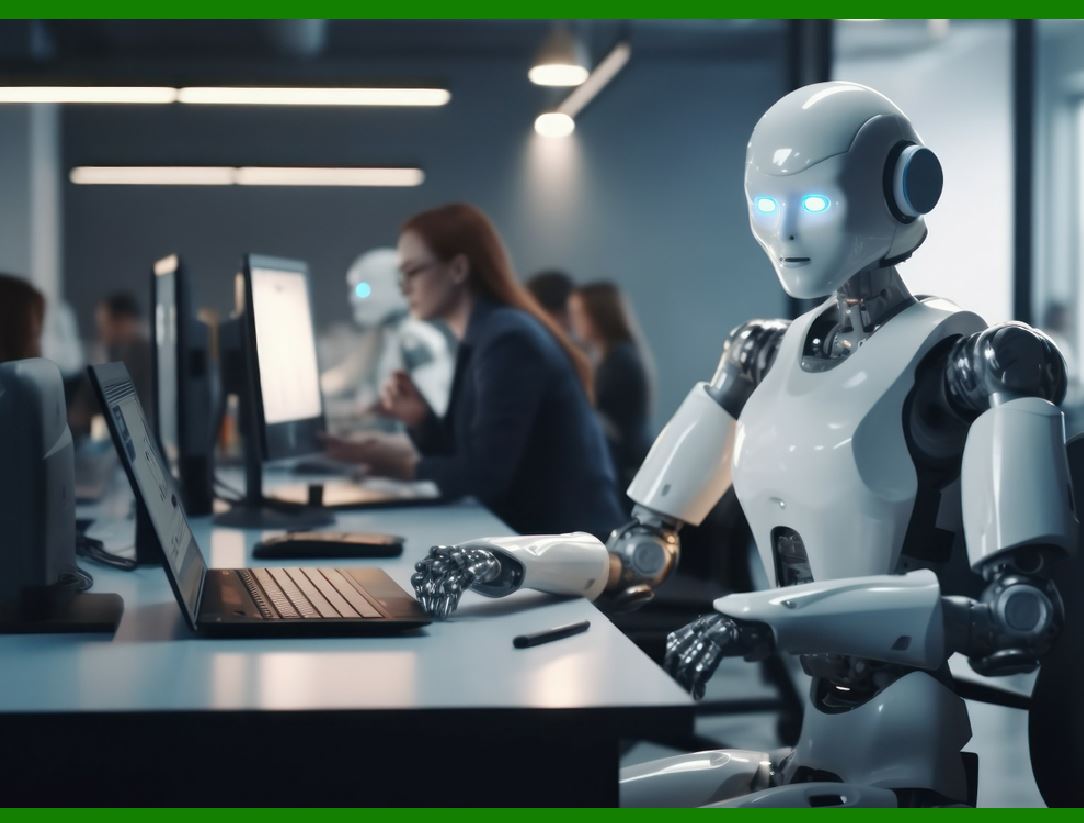
| One of the main challenges posed by artificial intelligence is the potential impact it may have on the job market and employment opportunities. While AI has the potential to automate many manual and repetitive tasks, it also has the potential to disrupt traditional jobs and careers. | 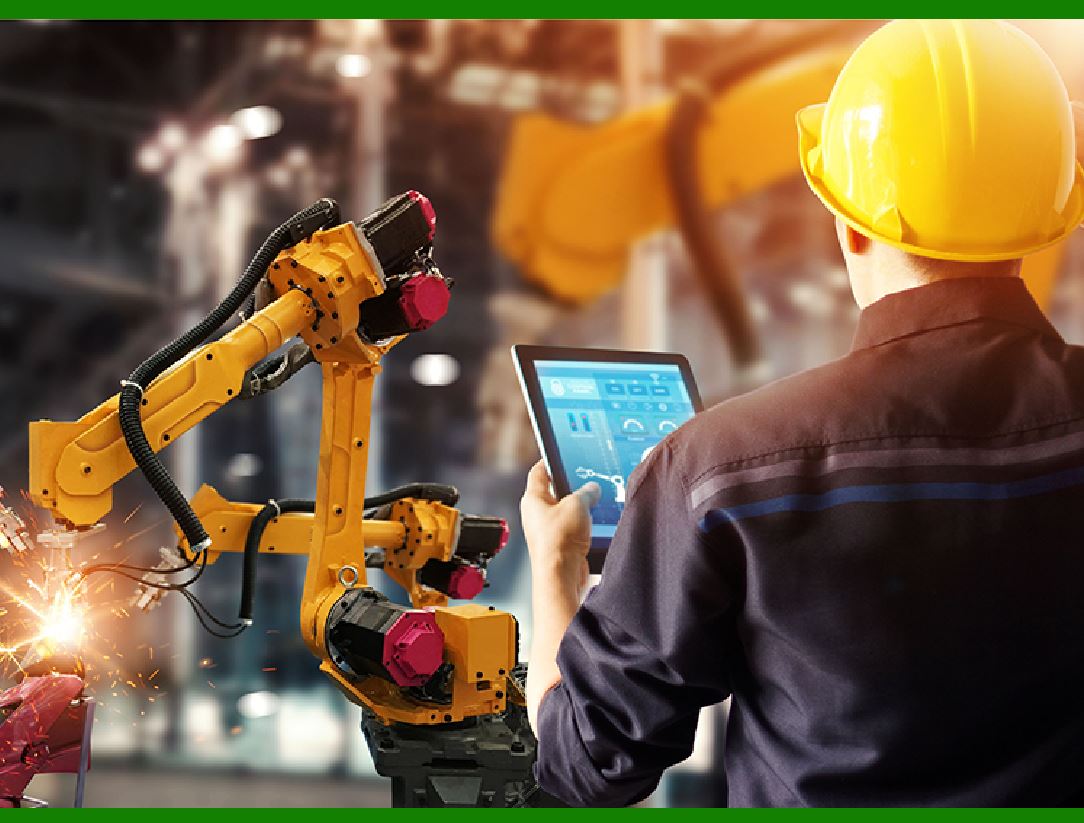
| On the one hand, artificial intelligence is transforming the workforce and automating certain tasks. This could lead to job losses and stagnant wages for some workers. AI is usually used to automate repetitive and tedious tasks, such as factory manufacturing, logistics and transportation, banking and finance, etc. These tasks are usually highly repetitive and labor-intensive tasks. AI can replace humans in these tasks. | 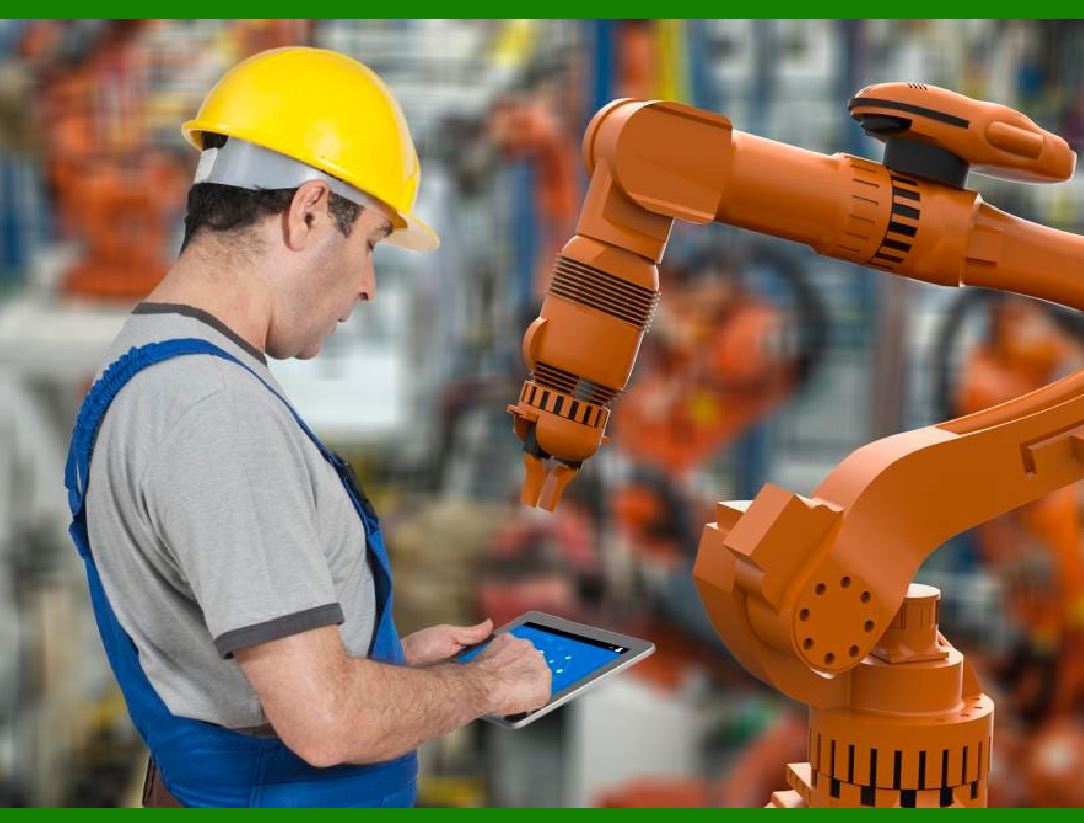
| On the other hand, the development and application of AI will also create new job opportunities, such as AI algorithm engineers, AI data analysts, AI application researchers, etc. These positions require employees to have highly specialized skills and knowledge, which also provides people with more development and employment opportunities. | 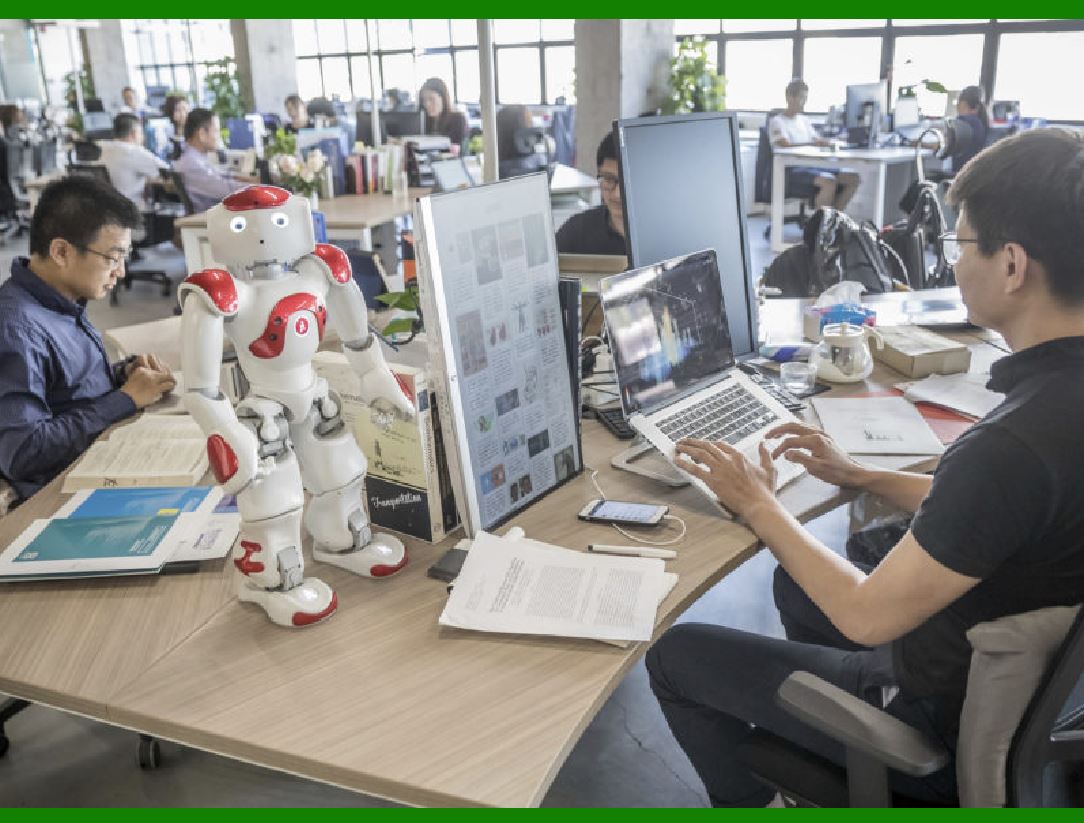
| Therefore, the development and application of AI will have a complex impact on the job market, but it does not mean that many people will lose their jobs. The key is that people need to continuously learn and improve their skills to adapt to the changing job market and technological developments. | 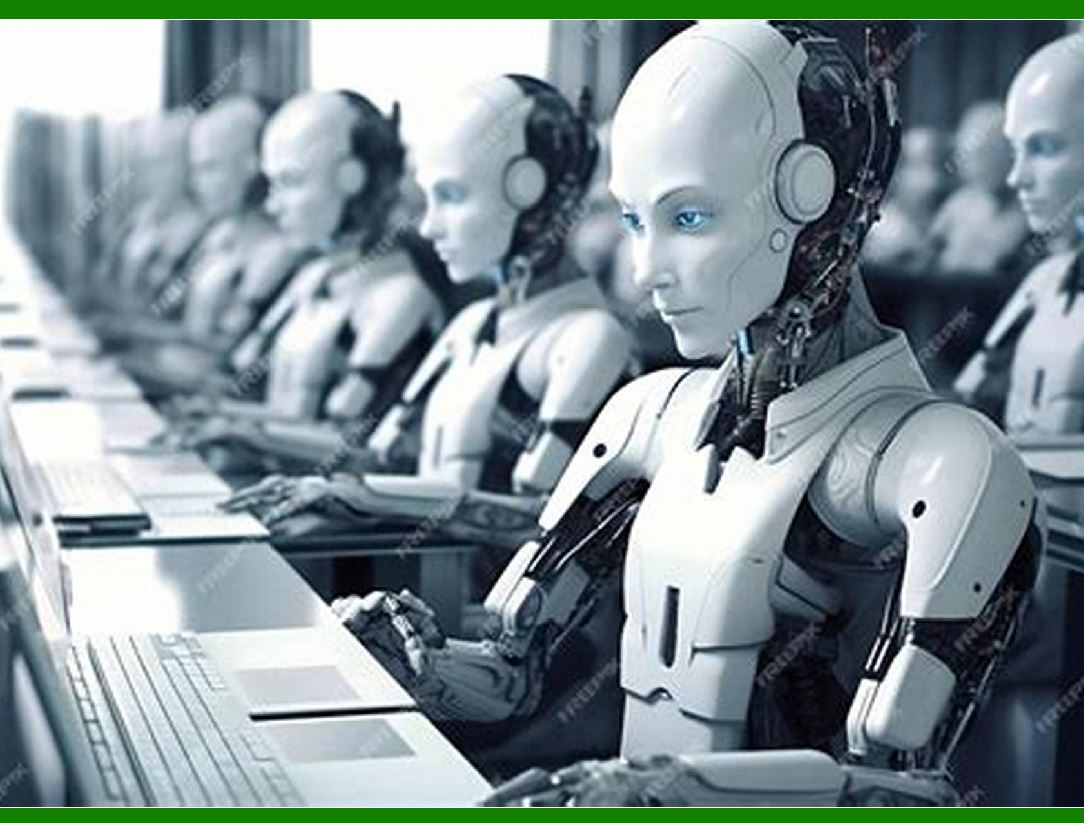
| In the AI era, the skills we need to master: Data analysis and machine learning; software development and programming; creative thinking and problem-solving skills; communication and collaboration skills; other professional knowledge and skills. | 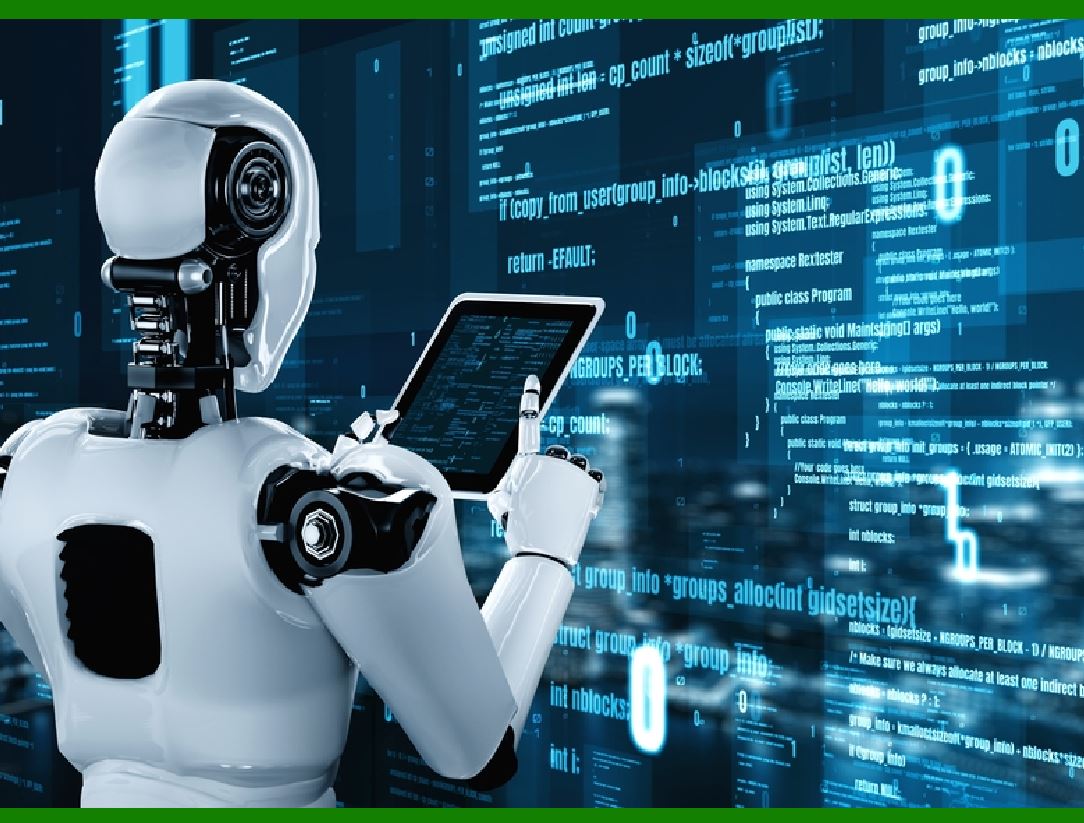
| What abilities do you need to be successful in your career using artificial intelligence? | 1. Programming skills: Master at least one commonly used programming language, such as Python, Java, JavaScript, etc., and be able to use artificial intelligence-related tools and libraries, such as TensorFlow, PyTorch, scikit-learn, etc. | 2. Machine learning theoretical knowledge: Understand the basic concepts, algorithms and applications of machine learning, such as linear regression, logistic regression, decision trees, support vector machines, neural networks, deep learning, natural language processing, computer vision, etc. | 3. Practical application ability: Able to apply machine learning theoretical knowledge to practical problems, such as data analysis, data mining, data visualization, model training, model evaluation, model optimization, etc. | 4. Continuous learning ability: keep up with the latest developments and trends in the field of artificial intelligence and persist in learning, such as reading papers, taking courses, participating in projects, participating in competitions, etc. | 5. Professional knowledge: In-depth study and research in a certain sub-field of artificial intelligence, such as natural language processing, computer vision, speech recognition, recommendation systems, etc., and become an expert in this field. |
|
 cs@easiersoft.com