Chapter 29: Comparative Analysis of Manufacturing AI |
1. A Short Summary at the Start |
Traditional manufacturing dashboards and visualizations often fail to solve root problems. They show what happened, but they rarely explain why it happened or what to do next. Agentic AI platforms, such as Via Co-Pilot, move beyond monitoring to action. They provide explainable recommendations and can trigger automated work orders. The main challenge is integration with existing MES, ERP, and cloud platforms, but out-of-the-box connectors are steadily reducing this barrier. This chapter compares how different industries adopt manufacturing AI, what works, what fails, and where the field is heading. The emphasis is on practical examples from automotive, electronics, food and beverage, pharmaceuticals, chemicals, metals, textiles, aerospace, consumer goods, and heavy equipment. By the end, you will see a detailed summary of patterns, trade-offs, and future trajectories. |
|
2. Why Traditional Dashboards Hit a Wall |
For decades, manufacturing dashboards have been the default window into operations. They display metrics such as overall equipment effectiveness, throughput, downtime, scrap rate, and energy use. They are useful for situational awareness. But they suffer from three limitations. |
First, they are descriptive, not prescriptive. A red light on a dashboard tells you a machine is down. It does not tell you the root cause, the best fix, or the cost of waiting. |
Second, they are siloed. A dashboard for a production line rarely talks to a dashboard for maintenance, quality, or supply chain. The data may be present, but the context is missing. |
Third, they are passive. Someone must notice the problem, interpret it, and decide what to do. In fast-moving plants, that delay costs money. |
Agentic AI changes this. An agentic system can observe, reason, recommend, and act. It can open a work order, reroute a batch, adjust a schedule, or order a spare part. It can also explain its reasoning in plain language, which builds trust with operators and engineers. |
|
3. What Makes an AI Agentic in Manufacturing |
An agentic AI platform has four capabilities that distinguish it from a standard analytics tool. |
3.1 Perception. It ingests data from machines, sensors, cameras, MES, ERP, quality systems, and maintenance logs. |
3.2 Reasoning. It builds a causal model of the plant. It can answer questions like: Why did this batch failWhat happens if I speed up line 3What is the cheapest way to recover |
3.3 Action. It can trigger workflows. This includes creating work orders, sending alerts, adjusting setpoints, or placing purchase requests. |
3.4 Explanation. It can tell a human why it made a recommendation. This is critical for adoption, auditing, and continuous improvement. |
Via Co-Pilot is an example of this class. It connects to existing systems, learns normal behavior, and then acts when anomalies appear. The goal is not to replace people but to give them a co-pilot that handles routine decisions and escalates the unusual ones. |
|
4. The Integration Challenge and How Connectors Help |
The biggest barrier to agentic AI in manufacturing is not the AI itself. It is integration. Plants run on a patchwork of systems: MES, ERP, SCADA, historians, quality management systems, and custom spreadsheets. Each has its own data model, protocol, and vendor lock-in. |
Out-of-the-box connectors are changing the economics. Instead of a six-month integration project, a plant can connect to common platforms in days or weeks. Connectors for SAP, Oracle, Siemens, Rockwell, Ignition, and major cloud IoT platforms are becoming standard. They handle authentication, data mapping, and API limits. They also provide pre-built templates for common use cases, such as downtime analysis, quality root cause, and energy optimization. |
That said, connectors are not magic. Legacy systems may lack APIs. Data quality may be poor. Security and governance must be addressed. But the direction is clear: integration is getting easier, and that is accelerating adoption. |

|
5. Automotive: From Line Stoppage to Predictive Work Orders |
Automotive manufacturing is a leading adopter of agentic AI. The stakes are high. A minute of downtime on a final assembly line can cost tens of thousands of dollars. |
In one case, a global automaker used an agentic platform to monitor a welding robot cell. The system learned the normal vibration and current signature of each weld. When a robot began to drift, the agent did not just alert. It explained that the electrode tip was wearing unevenly, recommended a replacement, and automatically created a work order in the maintenance system. The work order included the part number, the estimated time, and the required skill level. The line avoided a two-hour unplanned stoppage. |
In another case, an automaker used agentic AI to optimize paint shop scheduling. The agent analyzed color changeover costs, oven capacity, and customer due dates. It recommended a new sequence that reduced paint waste by 12 percent and increased throughput by 4 percent. The recommendation was explainable, so schedulers trusted it. |
Integration with MES and ERP was key. The agent pulled order data from ERP, line status from MES, and quality data from the paint shop. It pushed work orders back to the maintenance system and schedule changes to the MES. Out-of-the-box connectors made this possible without a custom data lake project. |

|
6. Electronics: Yield, Defect, and Supply Chain in One Loop |
Electronics manufacturing is fast, complex, and global. A single smartphone contains hundreds of components from dozens of suppliers. Yield is measured in parts per million, and a small defect can cascade. |
Agentic AI is used in three ways. |
First, yield improvement. In semiconductor fabs, agents monitor etch, deposition, and lithography tools. They correlate process drift with defect patterns. When a chamber shows a subtle shift, the agent recommends a clean or a recipe adjustment. It can also trigger a calibration work order. The explanation includes the specific sensor traces and the expected impact on yield. |
Second, defect root cause. In printed circuit board assembly, agents use vision and sensor data to identify solder defects. Instead of just flagging a board, the agent traces the defect to a specific nozzle, temperature profile, or material batch. It then recommends a corrective action and opens a work order for the reflow oven. |
Third, supply chain resilience. Agents monitor supplier quality and lead times. When a supplier's on-time delivery slips, the agent can suggest alternate suppliers, adjust safety stock, or reroute orders. It can even trigger a purchase order if the ERP allows it. |
The integration challenge is significant because electronics plants often use a mix of custom MES and legacy ERP. But connectors for major platforms are improving. The result is a closed loop from defect detection to corrective action to supply chain adjustment. |
|
7. Food and Beverage: Safety, Spoilage, and Changeover |
Food and beverage manufacturing has unique constraints. Products are perishable. Safety is non-negotiable. Changeovers are frequent. Demand is volatile. |
Agentic AI helps in several ways. |
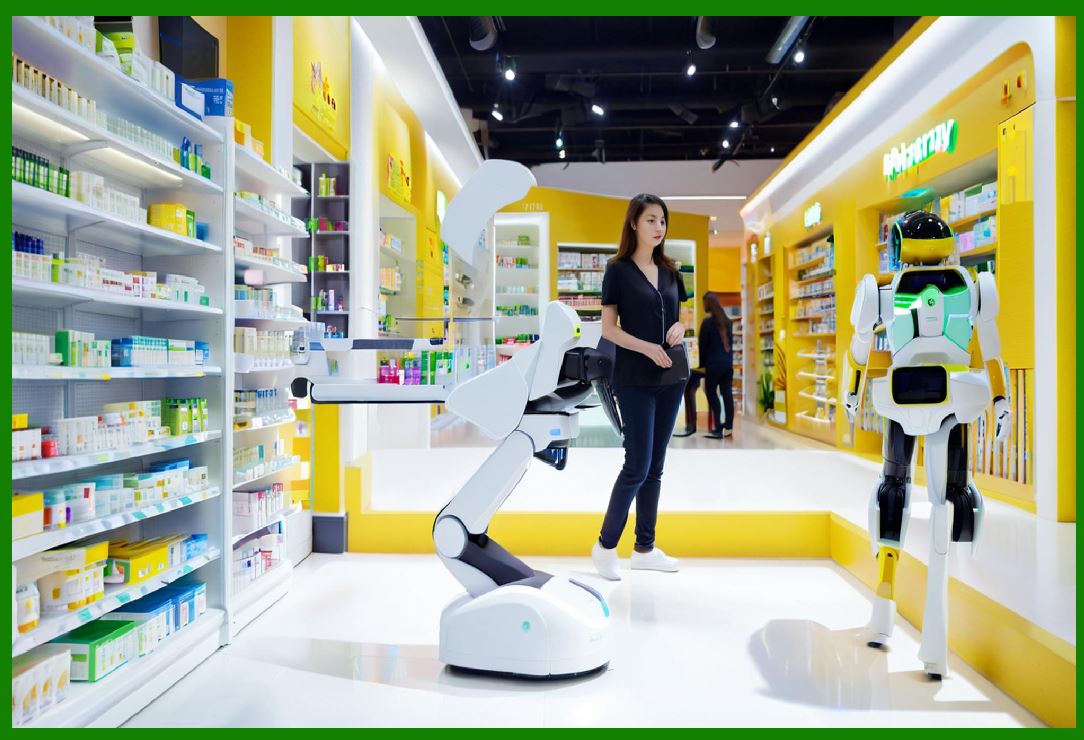
7.1 Spoilage reduction. Agents monitor temperature, humidity, and time-in-transit for cold chain products. When a refrigerated truck deviates from its setpoint, the agent calculates the remaining shelf life. It recommends whether to expedite, reroute, or discount the product. It can also trigger a quality hold in the ERP. |
7.2 Allergen changeover. In a plant that makes both nut and nut-free products, changeover cleaning is critical. Agents use sensor data and cleaning records to verify that a line is safe. If a step is missed, the agent blocks the start of the next batch and creates a work order for re-cleaning. The explanation is audit-ready, which helps with regulatory compliance. |
7.3 Demand-driven scheduling. Agents analyze point-of-sale data, weather, and promotions. They recommend production schedules that reduce waste while maintaining service levels. In one dairy, an agent reduced expired product by 18 percent by adjusting batch sizes and run times. |
Integration with MES and ERP is essential for these use cases. The agent must know what is in the tank, what is on the line, and what is in the warehouse. Connectors to common food and beverage ERP systems are making this easier. |
|
8. Pharmaceuticals: Compliance, Batch Release, and Deviation Management |
Pharmaceutical manufacturing is highly regulated. Every batch must be traceable. Every deviation must be investigated. Every change must be validated. |
Agentic AI is used carefully here. The goal is not to replace the quality management system but to augment it. |
8.1 Deviation triage. When a batch deviation occurs, an agent gathers data from the batch record, the equipment log, and the environmental monitoring system. It proposes a root cause and a corrective action. It also drafts the deviation report. A human reviews and approves. This reduces the time to close a deviation from days to hours. |
8.2 Batch release. Agents check that all critical process parameters are within range. They verify that all signatures are present. They flag missing data. If everything is in order, they recommend release. If not, they route the batch to a human expert. The explanation includes a checklist with links to the source data. |
8.3 Predictive maintenance for cleanrooms. Agents monitor HVAC, water systems, and filling lines. They predict filter failures and schedule replacements during planned downtime. This avoids costly environmental excursions. |
Integration with MES, ERP, and quality management systems is mandatory. Connectors must respect data integrity rules and audit trails. Out-of-the-box connectors for major pharma platforms are emerging, but validation is still a burden. Companies often validate the connector once and then reuse it across sites. |

|
9. Chemicals: Process Optimization and Safety |
Chemical plants are continuous, complex, and hazardous. Small changes in temperature, pressure, or flow can have large effects. |
Agentic AI is used for: |
9.1 Process optimization. Agents build models of reactors, distillation columns, and heat exchangers. They recommend setpoint changes that improve yield or reduce energy. They can also implement changes directly if the control system allows it. The explanation shows the expected gain and the risk. |
9.2 Safety monitoring. Agents analyze sensor data, maintenance logs, and permit-to-work records. They identify unsafe conditions, such as a blocked relief valve or a corroded pipe. They recommend immediate action and create a work order. In one case, an agent detected a slow pressure rise in a storage tank and recommended an inspection. The inspection found a failing gasket that could have caused a leak. |
9.3 Emissions reduction. Agents optimize combustion and flare systems. They reduce nitrogen oxide and carbon dioxide emissions while maintaining production. |
Integration with distributed control systems and historians is critical. Connectors for major DCS and historian platforms are available. Security is a top concern, so agents are often deployed on-premise or in a private cloud. |
|
10. Metals and Mining: Throughput, Energy, and Equipment Health |
Metals and mining are heavy industries with thin margins. Throughput and energy efficiency are everything. |
10.1 Throughput optimization. Agents monitor crushers, mills, and conveyors. They adjust feed rates and speeds to maximize throughput without overloading equipment. In one copper mine, an agent increased throughput by 6 percent by smoothing the feed to the mill. |
10.2 Energy management. Agents forecast electricity prices and adjust production schedules. They shift energy-intensive tasks to low-cost periods. They also detect idle equipment and recommend shutdowns. |
10.3 Equipment health. Agents predict bearing failures, gearbox wear, and motor faults. They schedule maintenance before a breakdown. They also order spare parts automatically. |
Integration with SCADA, historians, and ERP is common. Connectors for major mining systems are improving. The harsh environment requires rugged edge devices, but the AI itself can run in the cloud or on-premise. |

|
11. Textiles and Apparel: Demand Forecasting and Custom Production |
Textiles and apparel face fast fashion, short product lifecycles, and global competition. |
11.1 Demand forecasting. Agents analyze social media, sales data, and weather. They predict which styles will sell. They recommend production quantities and markdown timing. In one case, an agent reduced leftover inventory by 25 percent. |
11.2 Custom production. Agents coordinate knitting, dyeing, and finishing for made-to-order products. They optimize dye batches to reduce waste. They schedule production to meet delivery dates. |
11.3 Quality control. Agents use vision to detect fabric defects. They trace defects to specific yarn lots or machines. They recommend corrective action and create work orders. |
Integration with ERP and MES is essential. Connectors for apparel-specific ERP systems are available. The main challenge is data quality, as many suppliers still use paper or spreadsheets. |

|
12. Aerospace and Defense: Traceability and Supply Chain Complexity |
Aerospace and defense have zero tolerance for defects. Traceability is required for every part. |
12.1 Traceability. Agents track parts from supplier to installation. They verify certificates and test results. They flag missing or inconsistent data. They create work orders for re-inspection. |
12.2 Supply chain complexity. Agents monitor thousands of suppliers. They predict delays and recommend alternate sources. They can trigger expedited shipping or adjust production schedules. |
12.3 Maintenance, repair, and overhaul. Agents analyze sensor data from engines and airframes. They predict maintenance needs and order parts. They also optimize maintenance schedules to reduce aircraft downtime. |
Integration with PLM, ERP, and MES is complex. Connectors for major aerospace platforms are emerging. Security and export control rules add another layer of difficulty. |

|
13. Consumer Goods: Flexibility and Speed |
Consumer goods manufacturing must respond quickly to trends. Lines change frequently. Margins are tight. |
13.1 Changeover optimization. Agents analyze changeover times and recommend improvements. They sequence products to minimize cleaning and setup. In one plant, an agent reduced changeover time by 20 percent. |
13.2 Quality and recall prevention. Agents monitor production and detect anomalies. They trace defects to specific batches. If a recall is needed, they identify the affected products and notify the supply chain. |
13.3 Energy and waste. Agents optimize compressed air, steam, and water use. They reduce waste and energy costs. |
Integration with MES and ERP is standard. Connectors for major consumer goods platforms are widely available. The main challenge is change management, as operators must trust the agent's recommendations. |
|
14. Heavy Equipment: Service, Uptime, and Remote Diagnostics |
Heavy equipment manufacturers increasingly offer service contracts. Uptime is a selling point. |
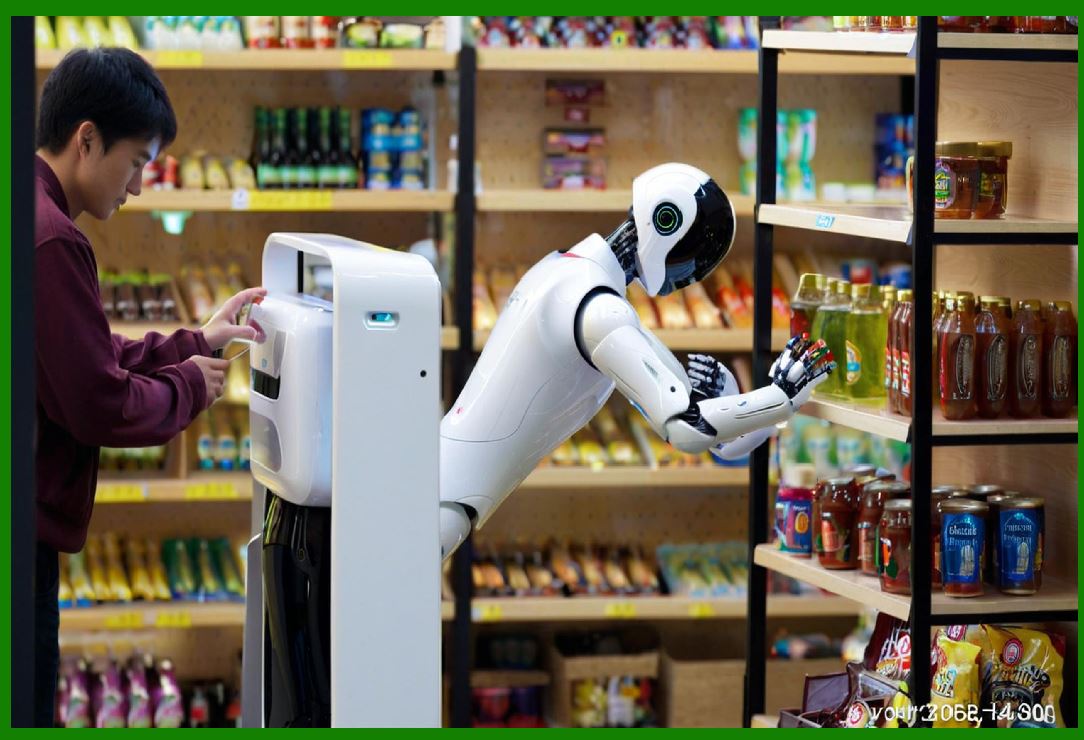
14.1 Remote diagnostics. Agents analyze telematics from machines in the field. They predict failures and schedule service. They order parts and dispatch technicians. |
14.2 Production optimization. In the factory, agents monitor assembly and test stands. They detect bottlenecks and recommend line balancing. They also predict tool wear and schedule replacements. |
14.3 Customer service. Agents provide technicians with step-by-step repair instructions. They explain the root cause and the best fix. They also order parts automatically. |
Integration with IoT platforms, ERP, and CRM is key. Connectors for major platforms are available. Security and connectivity in remote areas can be a challenge. |
|
15. Cross-Industry Patterns: What Works and What Does Not |
After looking at many industries, several patterns emerge. |
15.1 What works. Agentic AI works best when data is digital, processes are repeatable, and the cost of downtime is high. It works when recommendations are explainable and when humans are in the loop. It works when integration is handled by connectors rather than custom code. |
15.2 What does not work. Agentic AI fails when data is siloed, when processes are chaotic, and when trust is low. It fails when the agent is a black box. It fails when integration is an afterthought. |
15.3 The role of explainability. Explainability is not a nice-to-have. It is a requirement. Operators and engineers need to understand why the agent made a recommendation. They also need to be able to override it. This builds trust and improves the model over time. |
15.4 The role of connectors. Connectors reduce time to value. They also reduce risk. Instead of a custom integration that breaks with every upgrade, a connector is maintained by the vendor. This is a major reason why adoption is accelerating. |
|
16. Comparing Agentic AI Platforms |
There are many platforms in the market. They differ in several ways. |
16.1 Scope. Some focus on a single domain, such as quality or maintenance. Others cover the entire plant. |
16.2 Integration. Some have a wide range of connectors. Others require custom work. |
16.3 Explainability. Some provide detailed explanations. Others provide simple alerts. |
16.4 Actionability. Some can trigger work orders and adjust setpoints. Others only recommend. |
16.5 Deployment. Some are cloud-only. Others can run on-premise or at the edge. |
Via Co-Pilot is an example of a platform that aims for broad scope, strong integration, explainability, and actionability. It is not the only option, but it illustrates the direction of the market. |
|
17. The Human Side: Trust, Skills, and Change Management |
Technology is only part of the story. People are the rest. |
17.1 Trust. Operators trust agents that are transparent and reliable. They distrust agents that are opaque or that make frequent mistakes. Start with low-risk use cases and expand as trust grows. |
17.2 Skills. Engineers need to understand how to train, tune, and monitor agents. Operators need to understand how to interpret recommendations and when to override them. Training is essential. |
17.3 Change management. Agents change workflows. Some roles shift from doing to supervising. This can be threatening. Communicate early and often. Involve operators in design and testing. |

|
18. Security, Governance, and Data Integrity |
Agentic AI in manufacturing touches critical systems. Security and governance are paramount. |
18.1 Security. Agents must be protected from cyberattacks. They must also not become a vector for attacks. Use strong authentication, encryption, and network segmentation. |
18.2 Governance. Agents must follow rules. They must not violate safety, quality, or regulatory requirements. Define clear policies and audit trails. |
18.3 Data integrity. Agents depend on data. If data is wrong, the agent will be wrong. Invest in data quality and data governance. |

|
19. The Future Trajectory: From Co-Pilot to Autonomy |
The future of manufacturing AI is a spectrum from assistance to autonomy. |
19.1 Assisted. The agent recommends, and a human decides. This is where most plants are today. |
19.2 Supervised. The agent acts, but a human monitors and can intervene. This is emerging in low-risk areas. |
19.3 Autonomous. The agent acts without human intervention. This is rare and limited to well-understood, low-risk tasks. |
As trust grows and technology improves, more tasks will move from assisted to supervised to autonomous. The pace will vary by industry and by risk level. |
|
20. Detailed Summary at the End |
This chapter compared manufacturing AI across industries. The central theme is that traditional dashboards are not enough. They show what happened, but they do not solve root problems. Agentic AI platforms, such as Via Co-Pilot, move from monitoring to action. They provide explainable recommendations and trigger automated work orders. The main challenge is integration with existing MES, ERP, and cloud platforms. Out-of-the-box connectors are reducing this barrier, which is accelerating adoption. |
In automotive, agentic AI prevents line stoppages, optimizes paint shops, and creates predictive work orders. In electronics, it improves yield, traces defects, and strengthens supply chain resilience. In food and beverage, it reduces spoilage, manages allergen changeovers, and aligns production with demand. In pharmaceuticals, it triages deviations, supports batch release, and predicts cleanroom maintenance. In chemicals, it optimizes processes, monitors safety, and reduces emissions. In metals and mining, it boosts throughput, manages energy, and predicts equipment health. In textiles and apparel, it forecasts demand, enables custom production, and improves quality. In aerospace and defense, it ensures traceability, manages complex supply chains, and optimizes maintenance. In consumer goods, it speeds changeovers, prevents recalls, and reduces waste. In heavy equipment, it enables remote diagnostics, optimizes production, and supports service. |
Across industries, several patterns stand out. Agentic AI works best when data is digital, processes are repeatable, and downtime is costly. It requires explainability, human oversight, and strong integration. Connectors are essential because they reduce time to value and risk. Security, governance, and data integrity are non-negotiable. The human side, including trust, skills, and change management, determines success. |
Looking forward, the trajectory is from assisted to supervised to autonomous. The pace will vary by industry and risk. But the direction is clear. Manufacturing AI is moving from dashboards to agents. The plants that embrace this shift will be more resilient, more efficient, and more competitive. The ones that do not will be left monitoring problems they cannot solve. |
In the next chapter, we will look at how these lessons apply to the energy sector, where similar challenges and opportunities exist. |
 cs@easiersoft.com