Chapter 44: Embodied Intelligence and Humanoid Robotics |
Summary |
Embodied intelligence refers to artificial intelligence that does not just think in software but acts in the physical world through a body. A humanoid robot is the most visible example: a machine with a head, arms, hands, torso, and legs that can walk, grasp, balance, and work alongside people. For decades, humanoid robots were confined to laboratories and stage demonstrations. They could walk slowly, wave, or recover from a gentle push, but they could not reliably do useful work. That era is ending. The combination of large AI models, advanced motion control, synthetic training data, and closed-loop learning from real-world interaction is pushing humanoid robots toward practical deployment. The year 2026 is widely expected to be the turning point when humanoid robots break out of demo status and enter real industrial and service scenarios. This chapter explains the technologies behind this shift, surveys applications across many industries, compares leading approaches, and looks at the future trajectory. The central argument is simple: the companies that can build a closed loop of real-world learning, where every hour of work makes the robot smarter, will lead the transition. This chapter is part of Part IX, Future Trajectories, and it follows the earlier chapters on AI in manufacturing, logistics, healthcare, and services. It looks ahead to a world where embodied intelligence becomes a general-purpose tool, much like electricity or the internet. |
|
1. Introduction: What Is Embodied Intelligence |
For most of the history of artificial intelligence, intelligence was treated as something that happens in the mind. A computer played chess, translated text, or recognized images. The body was irrelevant. This view is now changing. Researchers have come to understand that much of human intelligence is shaped by having a body that moves, touches, and interacts with the world. A baby learns about gravity by dropping things. A chef learns about heat by feeling a pan. A surgeon learns about tissue by holding an instrument. Intelligence and physical experience are deeply connected. |
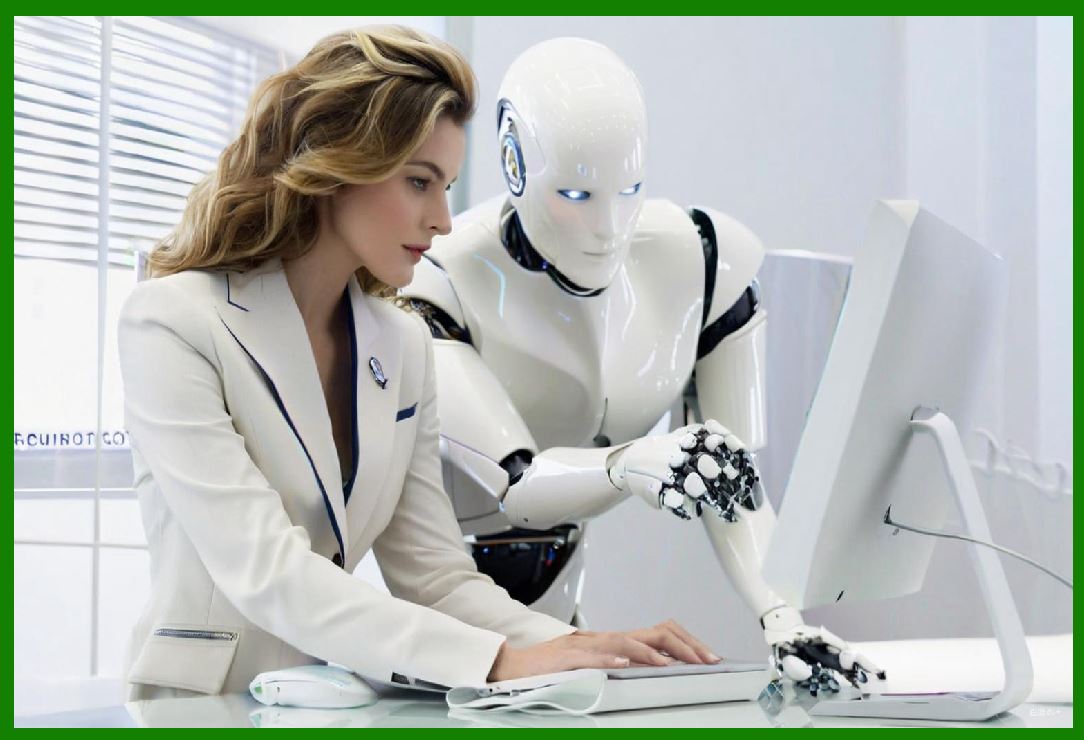
Embodied intelligence is the idea that a mind needs a body to fully understand and act in the world. In robotics, this means building machines that can perceive their environment, make decisions, and carry out physical actions in real time. A humanoid robot is the most ambitious form of embodied intelligence because it must handle the same messy, unstructured world that humans do. It must walk on uneven floors, open doors, pick up objects it has never seen, and work safely near people. |
The shift from laboratory to real world is being driven by several forces at once. First, large models trained on vast amounts of text, images, and video can now understand commands in natural language and reason about tasks. Second, motion control has improved dramatically, allowing robots to balance, walk, and manipulate objects with human-like grace. Third, synthetic data generated in simulation lets robots practice millions of scenarios without wearing out real hardware. Fourth, and most important, closed-loop evolution lets robots learn from every real-world interaction, turning each hour of work into better performance. |
|
2. Why 2026 Is the Turning Point |
Experts often point to 2026 as the year humanoid robots break out of demo status. This is not a random guess. Several trends are converging. The cost of sensors, motors, and batteries has fallen. The performance of AI models has risen. The software tools for simulation and training have matured. Early customers in manufacturing and logistics have shown willingness to pay for pilots. And investors have poured billions into humanoid robotics companies. |
In the past, a humanoid robot demo was a carefully scripted performance. The robot walked on a flat floor, picked up a known object, and bowed to applause. If anything went wrong, the robot froze. Today, robots are being tested in real factories and warehouses. They work shifts. They handle unexpected situations. They improve over time. The difference is not just better hardware. It is the arrival of a learning loop that connects real-world experience to model improvement. |
The year 2026 is also important because of scale. When a few robots are deployed, they generate a little data. When thousands are deployed, they generate a flood of data. That data can be used to train better models, which make the robots more capable, which leads to more deployments. This is a flywheel. Once it starts spinning, it is hard to stop. Companies that build this flywheel first will have a large advantage. |
|
3. The Technology Stack Behind Embodied Intelligence |
To understand how humanoid robots work, it helps to break the technology into layers. Each layer has its own challenges and its own recent breakthroughs. |
3.1 Perception |
Perception is how a robot senses the world. Cameras, depth sensors, microphones, and touch sensors feed data into AI models. Vision models can recognize objects, estimate their position, and track movement. Touch sensors can tell how hard a robot is gripping an object. Microphones can pick up speech and environmental sounds. The challenge is combining all these senses into a single, reliable picture of the world. Recent large multimodal models can process vision, language, and touch together, which makes perception much more robust. |
3.2 Cognition and Planning |
Cognition is how a robot decides what to do. Large language models and vision-language models can understand a command like 'put the red box on the top shelf' and break it into steps. The robot must plan a sequence of actions, avoid obstacles, and adapt if something changes. For example, if the red box is too heavy, the robot must choose a different grip or ask for help. Planning in the real world is hard because the world is unpredictable. AI models trained on diverse data can handle more of this unpredictability than older rule-based systems. |
3.3 Motion Control |
Motion control is how a robot moves its body. This includes walking, balancing, reaching, and grasping. Humanoid robots are especially hard to control because they are tall and top-heavy. A small push can make them fall. Recent advances in model-based control and reinforcement learning have made robots much more stable. They can walk on rough terrain, climb stairs, and recover from slips. Hands are also improving. A modern robot hand can grip a delicate egg or a heavy tool, using touch feedback to adjust force. |
3.4 Synthetic Data and Simulation |
Training a robot in the real world is slow and expensive. A robot can only practice so many hours before it breaks. Simulation solves this problem. In a virtual environment, a robot can practice millions of times. It can try dangerous tasks without risk. It can experience rare events, like a slippery floor or a falling object. Synthetic data from simulation is then combined with real-world data to train models. This approach, often called sim-to-real transfer, has become a cornerstone of modern robotics. |
3.5 Closed-Loop Evolution |
Closed-loop evolution is the most important idea in this chapter. It means that a robot learns from its own real-world experience and feeds that learning back into its models. When a robot fails to pick up an object, that failure is recorded. When it finds a better way to walk, that success is recorded. The data is used to improve the model, which is then deployed back to the robot. This creates a cycle of continuous improvement. Companies with closed-loop evolution capabilities will lead the transition because their robots get better every day, while competitors' robots stay the same. |
|
4. Industry Applications: A Broad Survey |
Humanoid robots and embodied intelligence are not limited to one industry. They are general-purpose tools, like computers or smartphones. This section surveys applications across many industries, with concrete examples. The goal is to show how broad the impact will be. |
4.1 Manufacturing and Assembly |
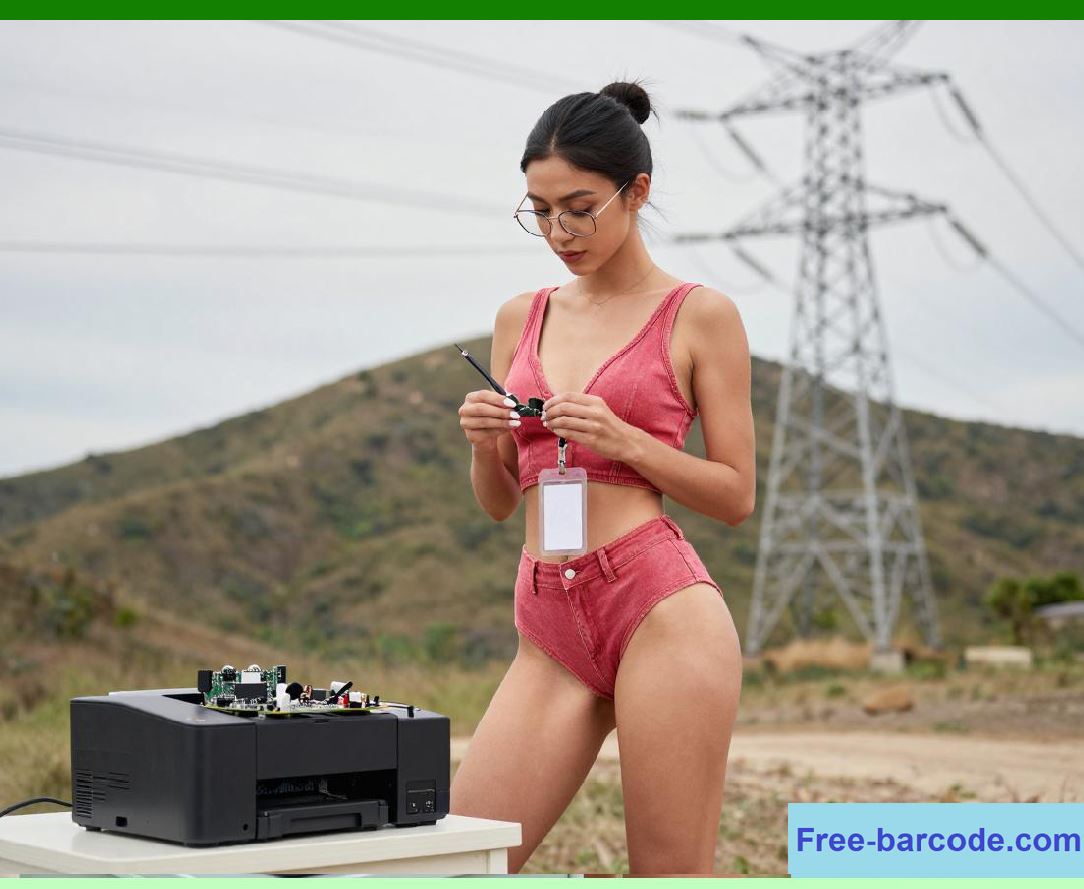
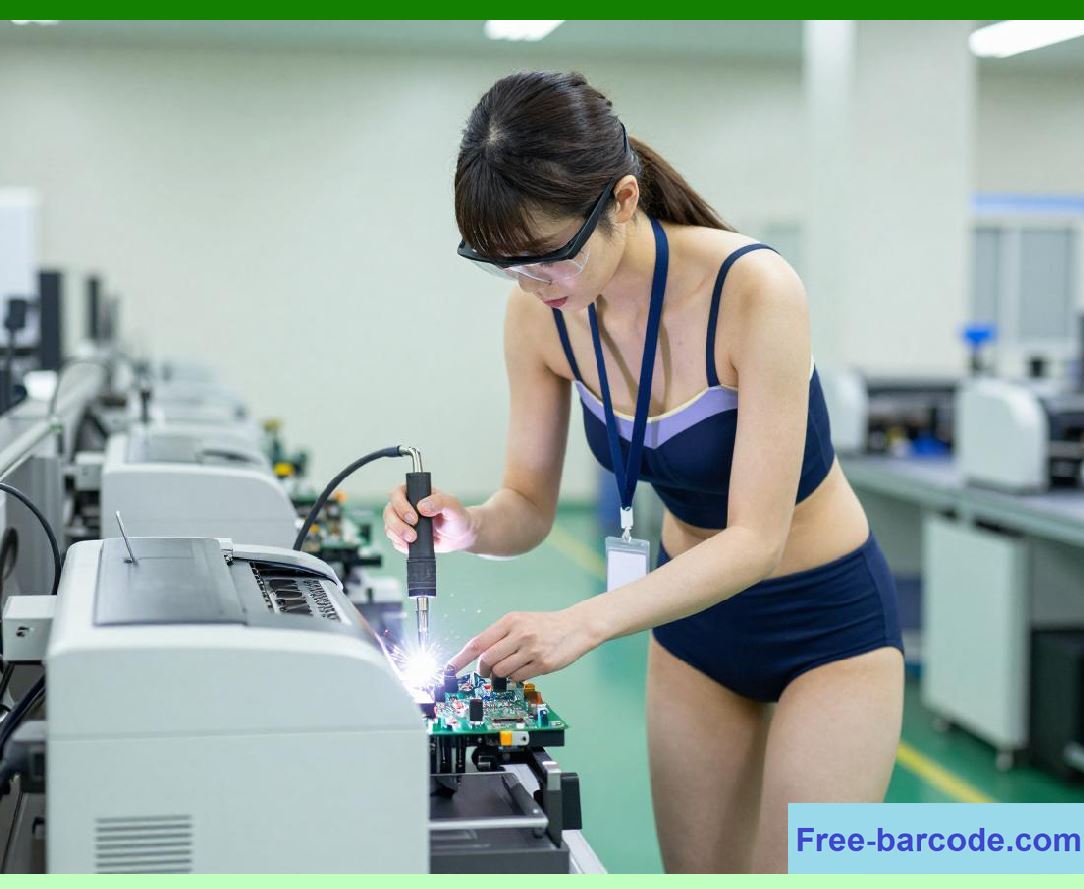
Manufacturing is the first major market for humanoid robots. Factories are structured environments, but they still have many tasks that are hard to automate with traditional robots. Traditional industrial arms are fixed in place and do one thing. A humanoid robot can move around, use different tools, and adapt to changes. In electronics assembly, humanoid robots can handle delicate components, insert screws, and inspect quality. In automotive plants, they can pick parts from bins, move them to the line, and assist human workers. Companies like Tesla, Figure, and Agility Robotics are testing humanoid robots in manufacturing settings. The key advantage is flexibility. A factory that makes many products in small batches needs robots that can switch tasks quickly. A humanoid robot can be reprogrammed with a new command, not rebuilt. |
4.2 Logistics and Warehousing |
Logistics is another early adopter. Warehouses are full of repetitive tasks: moving boxes, sorting packages, loading trucks. Traditional robots can do some of this, but they struggle with unstructured items and unpredictable layouts. A humanoid robot can walk down an aisle, pick up a box of any shape, and place it on a pallet. It can also work in spaces designed for humans, which means no expensive redesign of the warehouse. In 2026, we expect to see humanoid robots in pilot programs at major logistics companies. They will start with simple tasks like moving empty pallets and gradually take on more complex ones. The closed-loop advantage is huge here because every package is slightly different, and the robot learns from each one. |
4.3 Healthcare and Elderly Care |
Healthcare is a sector with severe labor shortages and high demand. Humanoid robots can assist nurses by fetching supplies, moving patients, and monitoring vital signs. In elderly care, they can help with daily tasks like bringing meals, reminding patients to take medicine, and providing companionship. Japan has been a pioneer in this area because of its aging population. Robots like Toyota's HSR and RIBA have been tested in care homes. The challenge is safety and trust. A robot that lifts a patient must be extremely reliable. But with better touch sensors and closed-loop learning, robots can learn to handle fragile humans gently. By 2026, we expect humanoid robots to be deployed in limited roles in hospitals and care facilities, such as night shift monitoring and supply delivery. |
4.4 Construction and Dangerous Work |
Construction sites are messy, unpredictable, and dangerous. Humanoid robots can take on tasks that are risky for humans, such as working at heights, handling heavy materials, and operating in extreme weather. They can also work at night, when human workers need rest. In Japan, construction companies are already testing humanoid robots for tasks like welding and carrying materials. In the oil and gas industry, robots can inspect pipelines and handle hazardous materials. The key benefit is safety. Every year, thousands of workers are injured or killed in dangerous jobs. Embodied intelligence can reduce those numbers. Closed-loop learning is essential here because every construction site is different, and the robot must adapt to new conditions. |
4.5 Agriculture and Food Processing |
Agriculture is increasingly automated, but many tasks still require human hands. Picking fruit, pruning plants, and sorting vegetables are delicate tasks that require touch and vision. Humanoid robots can work in greenhouses and fields, using their hands to pick ripe fruit without bruising it. In food processing, they can cut, pack, and inspect food. The challenge is that food is variable. No two apples are the same. A robot must learn to handle each one differently. Closed-loop learning allows the robot to improve its grip and timing with every piece of fruit. By 2026, we expect to see humanoid robots in high-value agriculture, such as strawberry picking and wine grape harvesting. |
|
4.6 Retail and Customer Service |
Retail stores are full of tasks that humanoid robots can do: stocking shelves, cleaning floors, answering questions, and finding products. In Japan, robot clerks have been tested in convenience stores. In the United States, Walmart and Amazon have tested robots for inventory management. A humanoid robot can work at night, restocking shelves and preparing online orders. It can also assist customers during the day, using natural language to answer questions. The key advantage is that stores are designed for humans, so a humanoid robot can fit right in. Closed-loop learning helps the robot understand customer behavior and improve its service over time. |
4.7 Hospitality and Food Service |
Hotels, restaurants, and cafes are experimenting with humanoid robots. A robot can greet guests, carry luggage, serve food, and clean tables. In some hotels in Japan, robot staff are already a reality. In restaurants, robots can flip burgers, make coffee, and deliver orders. The challenge is social interaction. People expect a certain level of politeness and warmth. Large language models can help robots speak naturally and respond to emotions. Closed-loop learning can help robots remember regular customers and their preferences. By 2026, we expect to see more humanoid robots in hospitality, especially in roles that are repetitive or physically demanding. |
4.8 Education and Research |
In education, humanoid robots can serve as teaching assistants, helping students with science, technology, engineering, and math. They can also be used in research to study human-robot interaction. In universities, robots like Pepper and NAO have been used to teach programming. A more advanced humanoid robot can demonstrate experiments, answer questions, and provide personalized tutoring. The key is engagement. A robot that moves and gestures can capture students' attention better than a screen. Closed-loop learning can help the robot adapt to each student's learning style. By 2026, we expect to see humanoid robots in classrooms as assistants, not replacements for teachers. |
4.9 Space and Extreme Environments |
Space is the ultimate extreme environment. Humanoid robots can work outside spacecraft, on the Moon, or on Mars. They can perform maintenance, collect samples, and build structures. NASA's Robonaut and Valkyrie are examples of humanoid robots designed for space. In deep-sea exploration, humanoid robots can work in underwater environments where humans cannot go. In nuclear power plants, they can handle radioactive materials. The common thread is that these environments are dangerous or inaccessible for humans. Embodied intelligence allows robots to operate autonomously, making decisions without constant human control. Closed-loop learning is critical because communication delays make remote control impractical. |
4.10 Home and Personal Assistance |
The home is the hardest environment for a robot because it is completely unstructured. Every home is different. Every family has different habits. A humanoid robot in the home could do laundry, wash dishes, clean floors, and cook meals. It could also assist people with disabilities, helping them move around and perform daily tasks. Companies like 1X and Samsung are working on home humanoid robots. The challenge is safety and cost. A home robot must be safe around children and pets. It must also be affordable. By 2026, we expect to see early home robots in limited roles, such as vacuuming and fetching items. Closed-loop learning will help these robots adapt to each home over time. |
|
5. Comparisons: Different Approaches to Embodied Intelligence |
There is no single way to build a humanoid robot. Companies are taking different approaches, and each has trade-offs. This section compares the main approaches. |
5.1 Whole-Body Humanoids vs. Specialized Robots |
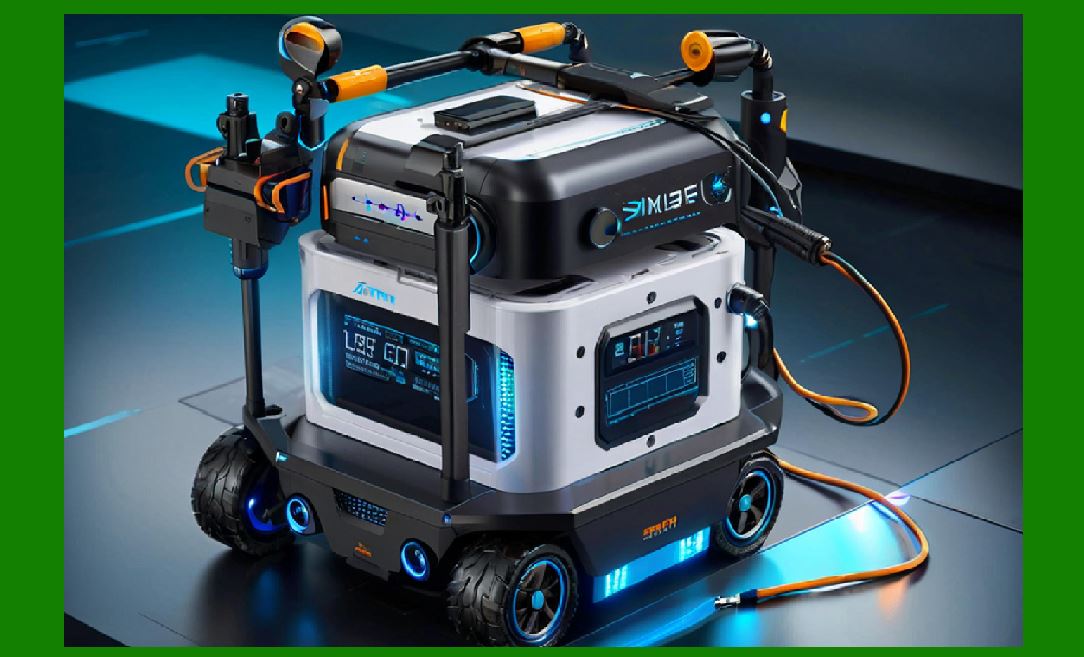
Some companies build full humanoid robots with legs, arms, and a head. Others build specialized robots that do one task well. For example, a robot that only moves boxes in a warehouse might not need legs. It could roll on wheels. The advantage of a full humanoid is versatility. It can work in any environment designed for humans. The disadvantage is complexity and cost. Legs are hard to build and control. Wheels are simpler and more stable. In the near term, we expect to see both approaches succeed in different niches. In the long term, full humanoids may become more common as costs fall. |
5.2 Model-Based Control vs. Learning-Based Control |
Model-based control uses physics and mathematics to plan movements. It is predictable and safe. Learning-based control uses AI to learn movements from data. It is flexible and can handle unexpected situations. Most modern robots use a hybrid approach. They use model-based control for basic stability and learning-based control for complex tasks. The trend is toward more learning-based control as AI models improve. Closed-loop learning is a learning-based approach that continuously improves the model from real-world data. |
5.3 Cloud vs. On-Device Intelligence |
Some robots rely on cloud computing for heavy AI processing. Others do everything on the device. Cloud computing allows for larger models and more frequent updates. On-device computing is faster and more private. It also works without an internet connection. In practice, most robots use a mix. Simple tasks are handled on-device, while complex reasoning is done in the cloud. The trend is toward more on-device intelligence as chips become more powerful. This is important for safety and reliability. |
5.4 Open vs. Closed Ecosystems |
Some companies build open platforms that allow third-party developers to create applications. Others build closed systems that are tightly integrated. Open ecosystems can grow faster because many people contribute. Closed systems can be more reliable and secure. In the early days of humanoid robots, closed systems are more common because the technology is still maturing. As the industry grows, we expect to see more open platforms, similar to what happened with smartphones. |
5.5 Synthetic Data vs. Real-World Data |
Synthetic data from simulation is cheap and fast. Real-world data is expensive and slow but more accurate. The best approach is to combine both. Simulation is used for initial training and rare scenarios. Real-world data is used for fine-tuning and closed-loop learning. Companies that can efficiently combine synthetic and real data will have an advantage. This is a key differentiator among humanoid robot companies. |
|
6. The Role of Closed-Loop Evolution |
Closed-loop evolution is the ability to learn from real-world interactions and improve over time. It is the most important factor in determining which companies will lead the transition. This section explains why. |
6.1 The Data Flywheel |
When a robot works, it generates data. That data is used to train a better model. The better model is deployed to the robot. The robot works better and generates more data. This is a flywheel. Once it starts, it accelerates. Companies with more robots generate more data, which makes their robots better, which helps them sell more robots. This is a winner-take-most dynamic. The company that deploys the most robots first will have a large advantage. |
6.2 Learning from Failure |
Failure is the best teacher. When a robot drops an object or falls down, that is valuable data. It shows what went wrong and how to fix it. A closed-loop system captures these failures and uses them to improve. A system without closed-loop learning repeats the same mistakes. In the real world, failures are common because the world is unpredictable. A robot that learns from failure will quickly outperform one that does not. |
6.3 Continuous Improvement vs. Static Performance |
A robot without closed-loop learning has static performance. It does what it was programmed to do, no more. A robot with closed-loop learning improves every day. It learns new objects, new tasks, and new environments. This is the difference between a tool and a partner. Over time, the gap between static and learning robots becomes enormous. This is why closed-loop evolution is the key to leadership. |
6.4 Safety and Reliability |
Closed-loop learning also improves safety. When a robot encounters a near-miss, it can learn to avoid it in the future. When a robot handles a fragile object, it can learn the right amount of force. Over time, the robot becomes safer and more reliable. This is essential for deployment in human environments. A robot that cannot learn from its mistakes is a liability. A robot that learns is an asset. |
|
7. Challenges and Risks |
The path to 2026 and beyond is not without obstacles. This section discusses the main challenges. |
7.1 Technical Challenges |
Balance and locomotion are still hard. Walking on two legs is inherently unstable. Hands are also difficult. A human hand has many degrees of freedom and rich touch sensing. Replicating that in a robot is expensive and complex. Power is another challenge. Humanoid robots need a lot of energy to move. Batteries are heavy and limited. Cooling is also a problem. AI chips generate heat, and robots have limited space for cooling. These technical challenges will take years to fully solve. |
7.2 Safety and Regulation |
Safety is the top concern. A humanoid robot is a heavy, powerful machine. If it falls or malfunctions, it can hurt people. Regulators are still figuring out how to certify humanoid robots. There are no universal standards yet. Companies must work with regulators to develop safety rules. This will take time. In the meantime, robots will be deployed in controlled environments with human supervision. |
7.3 Economic Challenges |
Humanoid robots are expensive. A single robot can cost hundreds of thousands of dollars. For many tasks, human labor is still cheaper. The economics only work when the robot is productive enough to justify the cost. This is why early deployments are in high-wage industries like manufacturing and healthcare. As costs fall, more industries will adopt robots. The closed-loop advantage helps here too, because a robot that learns becomes more productive over time, improving the return on investment. |
7.4 Social and Ethical Challenges |
People have mixed feelings about humanoid robots. Some are excited. Others are worried about job losses. There are also concerns about privacy, autonomy, and bias. If a robot is making decisions about people, it must be fair and transparent. These are not just technical problems. They are social and ethical problems. Companies must engage with the public and policymakers to build trust. The future of embodied intelligence depends on public acceptance. |
|
8. The Future Trajectory: 2026 and Beyond |
What will the world look like as embodied intelligence maturesThis section looks ahead. |
8.1 2026 to 2030: Early Adoption |
In this period, humanoid robots will be deployed in factories, warehouses, and hospitals. They will do simple, repetitive tasks. They will work alongside humans, not replace them. The number of robots will grow from thousands to millions. Closed-loop learning will make them better every year. Early leaders will emerge. The cost of robots will fall as production scales up. |
8.2 2030 to 2040: Mainstream Integration |
In this period, humanoid robots will become common in many industries. They will do complex tasks that require dexterity and judgment. They will work in homes, schools, and stores. They will be connected to the cloud and to each other, sharing knowledge. The line between robots and AI assistants will blur. Robots will be seen as colleagues and helpers, not just tools. |
8.3 2040 and Beyond: General-Purpose Embodied Intelligence |
In the long term, embodied intelligence may become general-purpose. A single robot could learn any task by watching or reading instructions. It could adapt to any environment. It could work in space, underwater, and in disaster zones. This is the ultimate goal. It will take decades to achieve, but the foundation is being built today. Companies with closed-loop evolution will be the ones that get there first. |
|
9. Case Studies: Early Leaders and Their Approaches |
This section looks at some of the companies and projects leading the way. The goal is to illustrate different strategies. |
9.1 Tesla Optimus |
Tesla is developing a humanoid robot called Optimus. It is designed to do repetitive tasks in factories. Tesla's advantage is its experience with AI, batteries, and manufacturing at scale. The robot uses cameras and AI models for perception and control. Tesla plans to use closed-loop learning from its own factories to improve the robot. |
9.2 Figure AI |
Figure is a startup building a general-purpose humanoid robot. It has partnered with OpenAI to use large language models for cognition. The robot is designed to work in warehouses and manufacturing. Figure's approach emphasizes learning from real-world data and continuous improvement. |
9.3 Agility Robotics |
Agility Robotics makes a robot called Digit. It is a bipedal robot designed for logistics. It can walk, climb stairs, and carry boxes. Agility's focus is on practical deployment in warehouses. The company has partnered with Amazon for testing. |
9.4 Boston Dynamics Atlas |
Boston Dynamics is famous for its agile robots. Atlas can run, jump, and do backflips. While Atlas is not yet a commercial product, it demonstrates the state of the art in motion control. Boston Dynamics is now part of Hyundai and is working on commercial applications. |
9.5 Unitree and Chinese Robotics |
Chinese companies like Unitree are making humanoid robots at lower costs. They are targeting research and education first, then moving to industrial applications. China has a strong supply chain for motors, sensors, and batteries. This gives Chinese companies a cost advantage. The global competition in humanoid robotics will be intense. |
|
10. Conclusion: The Closed-Loop Leaders |
Embodied intelligence is moving from laboratory demonstrations into industrial and service applications. With large models combined with motion control and synthetic data, humanoid robots are expected to break through demo status in 2026 and enter real-world scenarios. Companies with closed-loop evolution capabilities will lead this transition. |
This chapter has surveyed the technology, the applications, the comparisons, and the future trajectory. The key message is that embodied intelligence is not just about building a robot. It is about building a learning system that improves through real-world interaction. The companies that master this loop will have robots that get better every day. Their competitors will have robots that stay the same. Over time, the gap will become insurmountable. |
The applications are vast. Manufacturing, logistics, healthcare, construction, agriculture, retail, hospitality, education, space, and home assistance are all being transformed. Each industry has its own challenges and its own opportunities. But the underlying pattern is the same: a robot that can perceive, think, act, and learn will outperform a robot that can only follow a script. |
The year 2026 is a milestone, not a destination. It marks the point when humanoid robots stop being a demo and start being a tool. From there, the trajectory is clear. Robots will become more capable, more affordable, and more common. They will work alongside humans, taking on dangerous, repetitive, and difficult tasks. They will free people to focus on creativity, care, and connection. |
This is the future of embodied intelligence. It is a future where the boundary between the digital and the physical blur. It is a future where intelligence has a body. And it is a future that is being built right now, by companies with closed-loop evolution capabilities. The leaders of this transition will be the ones who understand that the real world is the best teacher, and that every interaction is a chance to learn. |
|
Detailed Summary |
This chapter has explored embodied intelligence and humanoid robotics as a key future trajectory in the book 'AI Tools Across Industries: Applications, Comparisons, and Future Trajectories.' It began by defining embodied intelligence as AI that acts in the physical world through a body, with humanoid robots as the most ambitious example. It explained why 2026 is seen as the turning point when robots break out of demo status and enter real-world scenarios. It described the technology stack: perception, cognition, motion control, synthetic data, and closed-loop evolution. It then surveyed ten industries where humanoid robots will have impact: manufacturing, logistics, healthcare, construction, agriculture, retail, hospitality, education, space, and home assistance. For each, it gave concrete examples and explained how closed-loop learning applies. It compared different approaches: whole-body vs. specialized, model-based vs. learning-based, cloud vs. on-device, open vs. closed, and synthetic vs. real data. It explained why closed-loop evolution is the key to leadership, describing the data flywheel, learning from failure, continuous improvement, and safety benefits. It discussed challenges: technical, safety, economic, and social. It looked at the future trajectory from 2026 to 2030, 2030 to 2040, and beyond. It provided case studies of early leaders like Tesla, Figure, Agility Robotics, Boston Dynamics, and Unitree. The conclusion restated the central argument: companies with closed-loop evolution capabilities will lead the transition because their robots learn from real-world interactions and improve continuously. The chapter ended with a vision of a future where intelligence has a body and where robots work alongside humans to make the world safer, more productive, and more humane. This chapter serves as a bridge from the earlier parts of the book, which covered AI applications in specific industries, to the later parts, which will explore other future trajectories such as artificial general intelligence and human-AI collaboration. |
 cs@easiersoft.com