Chapter 62: The Continuous Feedback Loop |
1. Introduction: Why the Loop Matters |
The most sophisticated AI deployments create continuous feedback loops where human corrections improve model performance and model outputs inform human decisions. Via Co-Pilot's feedback loops improve model accuracy over time and adapt to new operating conditions. Retail intelligence loops connect product data, store operations, and mobile engagement. Static AI deployments degrade; learning systems improve. |
This chapter is about that simple but profound idea. An artificial intelligence system that is installed once and left alone is like a clock that is never wound. It may run well for a while, but eventually it drifts. The world changes. Customer behavior changes. Supply chains change. Regulations change. Even the meaning of words changes. A static model trained on last year's data will slowly become less accurate, less relevant, and less useful. A learning system, by contrast, is designed to be corrected. It is designed to notice when it is wrong, to absorb new information, and to adjust. That adjustment is not magic. It is a loop. |
A continuous feedback loop has three basic parts. First, the model produces an output: a prediction, a recommendation, a classification, a generated piece of text, a route, a price, a diagnosis, a translation. Second, a human or an automated system evaluates that output. Third, the evaluation is fed back into the model or into the surrounding system so that future outputs are better. In some cases the feedback is explicit, such as a doctor correcting a diagnosis or a driver taking over from an autonomous system. In other cases the feedback is implicit, such as a customer clicking on a recommendation or ignoring it. In still other cases the feedback is structural, such as a retail system noticing that a product is out of stock and adjusting its recommendations. |
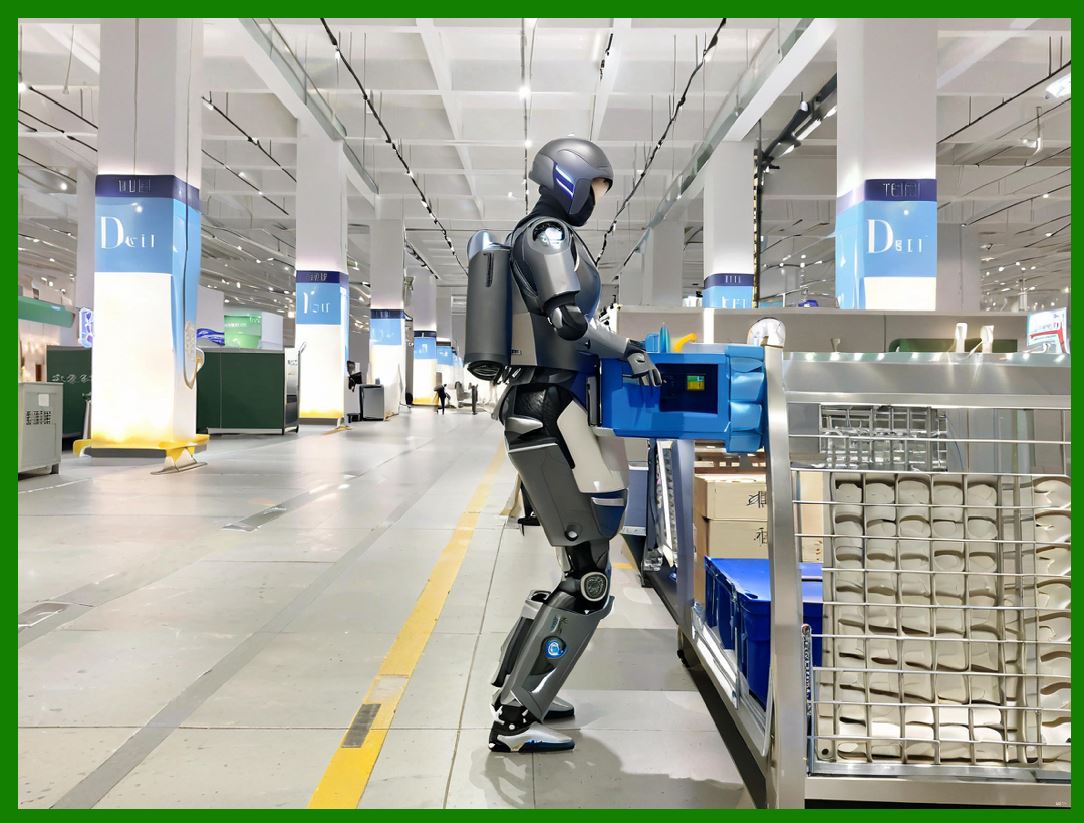
The key insight is that feedback is not a one-time event. It is a loop. The output of one cycle becomes the input of the next. Over time, a well-designed loop produces compounding improvement. A poorly designed loop, or no loop at all, produces compounding error. This chapter explores how continuous feedback loops work across many industries, what makes them succeed, what makes them fail, and what the future holds. It is written for a general audience, so it avoids formulas and tables. Instead, it uses stories, examples, and plain language. The goal is to show that the feedback loop is not a technical detail. It is the difference between an AI system that is a toy and an AI system that is a tool. |
|
2. The Anatomy of a Feedback Loop |
Before looking at specific industries, it helps to understand the general anatomy of a feedback loop. Every loop has four elements: a signal, a collector, an interpreter, and an actuator. The signal is the raw information that something happened. The collector is the mechanism that gathers the signal. The interpreter is the part that decides what the signal means. The actuator is the part that changes the system. |
Consider a simple example from customer service. A chatbot answers a customer question. The customer replies, 'That is not what I asked.' That reply is a signal. The chat log is the collector. A natural language processing system interprets the reply as a sign that the answer was off-topic. The actuator then adjusts the chatbot's response strategy, perhaps by asking a clarifying question or by routing the conversation to a human. Over many such interactions, the chatbot learns which phrasings lead to confusion and which lead to resolution. |
The same anatomy applies in healthcare. A radiologist uses an AI tool to flag a suspicious area on a scan. The radiologist agrees or disagrees. That agreement or disagreement is the signal. The hospital's imaging system is the collector. A quality assurance process interprets the signal as a data point about the model's accuracy. The actuator updates the model's parameters or its decision threshold. Over time, the model becomes better at flagging the kinds of lesions that the radiologist cares about. |
The same anatomy applies in manufacturing. A machine vision system inspects a product on an assembly line. It marks a defect. A human inspector confirms or rejects the mark. The confirmation is the signal. The production line's data system is the collector. A statistical process control system interprets the signal as evidence about the model's precision. The actuator adjusts the camera settings or the model's sensitivity. Over time, the system reduces false positives and false negatives. |
The important point is that the loop is not just about the model. It is about the entire socio-technical system. The human is not outside the loop. The human is part of the loop. The human's corrections are not a nuisance. They are the fuel. A system that ignores human corrections is a system that is designed to fail. A system that incorporates human corrections is a system that is designed to learn. |

|
3. Why Static AI Degrades |
To appreciate the value of a feedback loop, it is worth understanding why static AI degrades. There are at least five reasons. |
The first reason is distribution shift. The world changes. A model trained on data from one year may not work well on data from the next year. For example, a fraud detection model trained before a new payment technology became popular may not recognize fraud patterns that use that technology. A recommendation model trained before a pandemic may not understand why customers are suddenly buying different things. A speech recognition model trained on one accent may fail on another. Distribution shift is not a rare event. It is the normal state of the world. |
The second reason is concept drift. Even if the world does not change, the meaning of the target variable can change. In credit scoring, what counts as a good risk may change as economic conditions change. In medical diagnosis, what counts as a positive case may change as new research emerges. In spam filtering, what counts as spam may change as spammers adapt. Concept drift means that the relationship between inputs and outputs is not stable. |
The third reason is data quality decay. Data pipelines break. Sensors drift. Labels become outdated. A model that was trained on clean data may be deployed on dirty data. Without a feedback loop, no one notices until the damage is done. |
The fourth reason is adversarial adaptation. In some domains, people actively try to fool the model. Fraudsters change their tactics. Spammers change their messages. Hackers change their attacks. A static model is a sitting target. A learning model can adapt. |
The fifth reason is changing human preferences. Even if the world is stable, what people want may change. A music recommendation system that was great in one era may be terrible in another. A fashion recommendation system that was great last season may be terrible this season. Human preferences are not static. |
For all these reasons, a static AI deployment is not a finished product. It is a snapshot. It may be useful for a while, but it will decay. The only way to slow the decay is to build a feedback loop. |

|
4. The Co-Pilot Model: Human-in-the-Loop |
One of the most influential examples of a continuous feedback loop is the co-pilot model. In this model, an AI system acts as a assistant to a human expert. The human remains in control. The AI suggests, and the human decides. The human's decisions become training data for the AI. Over time, the AI becomes a better assistant. |
Consider GitHub Copilot, a tool that suggests code to programmers. The programmer types a comment or a function name. The tool suggests a block of code. The programmer accepts, rejects, or edits the suggestion. Every acceptance, rejection, and edit is a signal. Over time, the tool learns which suggestions are useful and which are not. It also learns the programmer's style. A programmer who prefers a certain library will see more suggestions that use that library. A programmer who writes in a certain style will see more suggestions in that style. The tool is not static. It is constantly learning from the programmer's feedback. |
The same model applies in medicine. An AI system suggests a diagnosis. The doctor agrees or disagrees. The doctor's decision is recorded. Over time, the system learns which suggestions are helpful and which are not. It also learns the doctor's preferences. A doctor who is cautious about a certain condition will see more evidence for that condition. A doctor who is aggressive about another condition will see more evidence for that condition. The system is not replacing the doctor. It is learning from the doctor. |
The same model applies in law. An AI system suggests a clause for a contract. The lawyer accepts, rejects, or edits the clause. Every decision is a signal. Over time, the system learns which clauses are standard and which are not. It also learns the lawyer's style. A lawyer who prefers a certain tone will see more clauses in that tone. A lawyer who prefers a certain structure will see more clauses in that structure. The system is not practicing law. It is assisting the lawyer. |
The co-pilot model is powerful because it solves the cold start problem. A new AI system does not need to be perfect from day one. It needs to be useful enough that a human is willing to use it. The human's corrections then make it better. This is a virtuous cycle. The better the system, the more the human uses it. The more the human uses it, the better the system becomes. |
The co-pilot model also solves the trust problem. People are more willing to use an AI system if they know they can override it. They are more willing to accept a suggestion if they know they can reject it. The co-pilot model puts the human in charge. The AI is a tool, not a boss. |

|
5. Retail Intelligence Loops: Connecting Product Data, Store Operations, and Mobile Engagement |
Retail is one of the richest domains for continuous feedback loops because it connects so many different kinds of data. Product data, store operations, and mobile engagement are three streams that can be woven together into a single loop. |
Consider a large grocery chain. The chain has data about what products are on the shelves. It has data about what products are selling. It has data about what products are in the warehouse. It has data about what customers are searching for on the mobile app. It has data about what customers are clicking on. It has data about what customers are buying. It has data about what customers are returning. All of these streams can be connected. |
A simple loop works like this. A customer searches for a product on the mobile app. The app suggests a substitute if the product is out of stock. The customer buys the substitute. The system records the substitution. Over time, the system learns which substitutions are acceptable and which are not. It also learns which products are frequently out of stock. It can then adjust the store's inventory. It can also adjust the app's suggestions. The loop connects the mobile engagement to the store operations to the product data. |
A more sophisticated loop works like this. The system notices that a particular product is selling quickly in one store but slowly in another. It investigates. It finds that the store with slow sales has the product in a different location. It also finds that the store with fast sales has a mobile promotion for the product. The system then recommends moving the product in the slow store and running a mobile promotion. The store manager tries the recommendation. The system records the result. Over time, the system learns which interventions work in which contexts. |
The retail loop is not just about selling more. It is also about reducing waste. A grocery chain that can predict demand more accurately can order less and throw away less. A fashion retailer that can predict trends more accurately can mark down less. A electronics retailer that can predict returns more accurately can design better products. The feedback loop is a tool for efficiency as well as for growth. |
The retail loop is also about personalization. A customer who buys a certain brand of coffee may be interested in a certain brand of tea. A customer who buys a certain size of shirt may be interested in a certain size of pants. A customer who buys a certain type of book may be interested in a certain type of movie. The loop connects the customer's behavior to the product catalog to the mobile app. Over time, the system learns the customer's preferences. It can then make recommendations that are more likely to be accepted. |
The key to a successful retail loop is to close the loop quickly. If the feedback takes weeks to reach the model, the model will be slow to adapt. If the feedback takes seconds, the model can adapt in real time. A customer who searches for a product and does not find it should see a better suggestion immediately. A store manager who tries an intervention should see the result immediately. The faster the loop, the more valuable it is. |

|
6. Healthcare Loops: From Diagnosis to Treatment to Outcome |
Healthcare is another domain where continuous feedback loops are transforming practice. The loop in healthcare is longer and more complex than in retail because the outcomes are more serious and the data is more sensitive. But the same principles apply. |
Consider a hospital that uses an AI system to detect sepsis, a life-threatening condition. The system monitors vital signs, lab results, and nursing notes. It alerts the clinical team when a patient may be developing sepsis. The clinical team evaluates the alert. They may order more tests. They may start antibiotics. They may do nothing. Every decision is a signal. The system records whether the alert was followed by a diagnosis of sepsis. It also records whether the patient improved. Over time, the system learns which alerts are useful and which are not. It also learns which interventions work best for which patients. |
The loop does not stop at the hospital. The patient may be discharged and then readmitted. The readmission is a signal. The system can learn from it. The patient may be seen by a primary care physician. The physician's notes are a signal. The system can learn from them. The patient may fill a prescription. The pharmacy's records are a signal. The system can learn from them. The loop is long, but it is a loop. |
The same model applies in radiology. An AI system flags a suspicious area on a mammogram. The radiologist reviews the flag. The radiologist may agree or disagree. The radiologist may order a biopsy. The biopsy result is the ground truth. The system learns from the biopsy result. Over time, the system becomes better at distinguishing benign from malignant lesions. It also becomes better at identifying the kinds of lesions that the radiologist cares about. |
The same model applies in drug discovery. An AI system suggests a molecule that might be effective against a disease. Chemists synthesize the molecule. Biologists test it. The test result is the signal. The system learns from the result. Over time, the system becomes better at suggesting molecules that are likely to work. It also becomes better at suggesting molecules that are likely to be safe. |
The healthcare loop is not just about improving the model. It is also about improving the process. A hospital that uses a feedback loop can identify bottlenecks. It can identify patterns of error. It can identify opportunities for training. The loop is a tool for quality improvement. |
The healthcare loop also raises important ethical questions. Who owns the dataWho has access to itHow is privacy protectedHow are biases detected and correctedThese questions are not unique to healthcare, but they are especially urgent in healthcare because the stakes are so high. A feedback loop that is not designed with ethics in mind can do harm. A feedback loop that is designed with ethics in mind can do a great deal of good. |

|
7. Manufacturing and Supply Chain Loops: From Defect Detection to Process Optimization |
Manufacturing and supply chains are natural homes for continuous feedback loops because they are already full of sensors and controls. The loop in manufacturing is often faster than in healthcare because the cycle time is shorter. A defect can be detected in milliseconds. A process can be adjusted in seconds. The loop can be very tight. |
Consider a semiconductor factory. The factory uses an AI system to inspect wafers for defects. The system flags a defect. A human inspector confirms or rejects the flag. The confirmation is a signal. The system learns from it. Over time, the system becomes better at detecting the kinds of defects that matter. It also becomes better at ignoring the kinds of patterns that are not defects. |
The loop does not stop at inspection. The factory also uses an AI system to control the process. The system adjusts temperature, pressure, and gas flow. The quality of the output is a signal. The system learns from it. Over time, the system becomes better at producing wafers that meet specifications. It also becomes better at predicting when a tool will fail. It can then schedule maintenance before the tool breaks. The loop connects the process control to the quality inspection to the maintenance schedule. |
The same model applies in automotive manufacturing. A robot welds a car body. A vision system inspects the weld. The system flags a potential defect. A human inspector confirms or rejects the flag. The confirmation is a signal. The system learns from it. Over time, the system becomes better at detecting weld defects. It also becomes better at adjusting the welding parameters. The loop connects the welding to the inspection to the process control. |
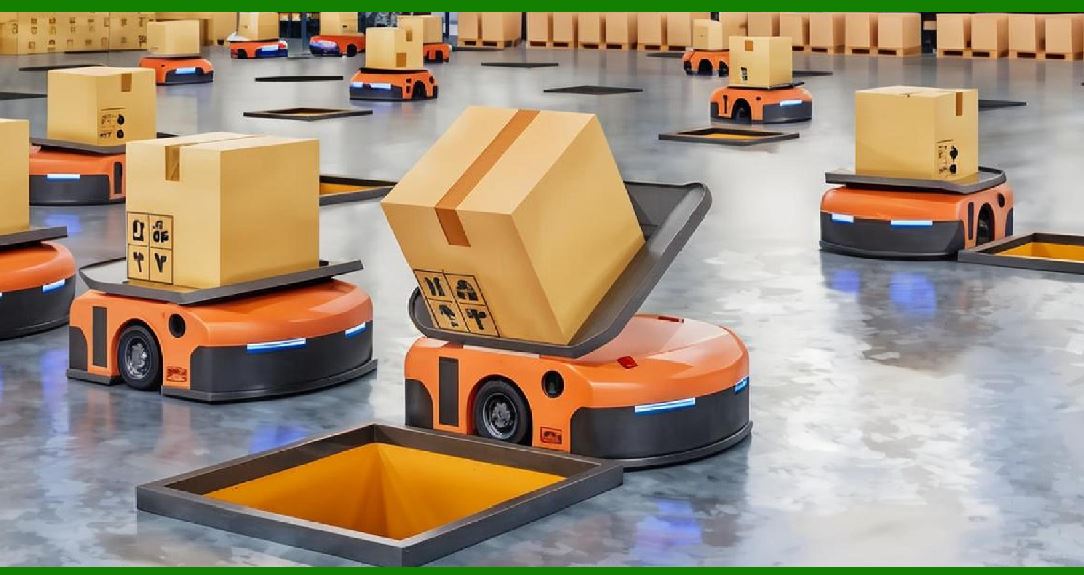
The same model applies in supply chains. A retailer orders a product from a supplier. The product is shipped. The shipment is tracked. The product arrives. The quality is checked. The check is a signal. The system learns from it. Over time, the system becomes better at predicting which suppliers are reliable and which are not. It also becomes better at predicting which routes are fast and which are slow. The loop connects the ordering to the shipping to the receiving to the quality check. |
The manufacturing and supply chain loop is not just about reducing defects. It is also about reducing waste. A factory that can detect defects earlier can scrap less material. A supply chain that can predict delays earlier can reroute shipments. A retailer that can predict demand earlier can order less safety stock. The loop is a tool for efficiency. |
The manufacturing and supply chain loop is also about resilience. A factory that can detect a problem in one machine can isolate it before it spreads. A supply chain that can detect a disruption in one region can shift to another. A retailer that can detect a change in customer behavior can adjust its orders. The loop is a tool for surviving shocks. |
|
8. Finance and Insurance Loops: From Fraud Detection to Risk Assessment |
Finance and insurance are domains where continuous feedback loops are essential because the cost of error is high and the adversaries are active. A static fraud detection model is a sitting target. A learning fraud detection model can adapt. |
Consider a credit card company. The company uses an AI system to detect fraudulent transactions. The system flags a transaction. A human analyst reviews the flag. The analyst may confirm the fraud or clear the transaction. The confirmation is a signal. The system learns from it. Over time, the system becomes better at detecting fraud. It also becomes better at avoiding false positives. The loop connects the transaction to the analyst to the model. |
The loop does not stop at fraud detection. The company also uses an AI system to decide credit limits. The system recommends a limit. The analyst approves or adjusts it. The adjustment is a signal. The system learns from it. Over time, the system becomes better at predicting which customers will default. It also becomes better at predicting which customers will be profitable. The loop connects the credit decision to the repayment behavior to the model. |
The same model applies in insurance. An insurance company uses an AI system to assess risk. The system recommends a premium. The underwriter approves or adjusts it. The adjustment is a signal. The system learns from it. Over time, the system becomes better at predicting which policies will be profitable. It also becomes better at predicting which claims are legitimate. The loop connects the underwriting to the claims to the model. |
The same model applies in investment management. A fund uses an AI system to recommend trades. The trader executes or ignores the recommendation. The execution is a signal. The system learns from it. Over time, the system becomes better at predicting which trades will be profitable. It also becomes better at predicting which trades will be risky. The loop connects the recommendation to the execution to the market outcome to the model. |
The finance and insurance loop is not just about improving the model. It is also about managing risk. A company that uses a feedback loop can detect when a model is drifting. It can detect when a model is being gamed. It can detect when a model is producing biased results. The loop is a tool for governance. |
The finance and insurance loop also raises important questions about fairness. A model that is trained on historical data may reproduce historical biases. A feedback loop can either amplify those biases or correct them. It depends on how the loop is designed. A well-designed loop includes fairness constraints. A poorly designed loop does not. The difference matters. |
|
9. Education Loops: From Personalized Learning to Curriculum Design |
Education is a domain where continuous feedback loops are especially promising because learning is inherently a loop. A student tries something. The student gets feedback. The student tries again. The same is true for AI systems in education. |
Consider an adaptive learning platform. The platform presents a problem to a student. The student answers. The platform evaluates the answer. The evaluation is a signal. The platform learns from it. Over time, the platform becomes better at predicting which problems are appropriate for which students. It also becomes better at predicting which explanations are helpful. The loop connects the student to the problem to the platform. |
The loop does not stop at the individual student. The platform also collects data across students. It can see which problems are too easy and which are too hard. It can see which explanations are clear and which are confusing. It can see which sequences of problems lead to mastery and which lead to frustration. The loop connects the individual student to the class to the curriculum. |
The same model applies in tutoring. An AI tutor helps a student with a writing assignment. The tutor suggests a revision. The student accepts, rejects, or edits the suggestion. Every decision is a signal. The tutor learns from it. Over time, the tutor becomes better at suggesting revisions that the student will accept. It also becomes better at suggesting revisions that improve the writing. The loop connects the student to the tutor to the assignment. |
The same model applies in assessment. An AI system grades an essay. The teacher reviews the grade. The teacher may agree or disagree. The disagreement is a signal. The system learns from it. Over time, the system becomes better at grading essays. It also becomes better at identifying the kinds of essays that the teacher cares about. The loop connects the student to the system to the teacher. |
The education loop is not just about improving the model. It is also about improving the learning experience. A platform that uses a feedback loop can identify when a student is struggling. It can identify when a student is bored. It can identify when a student is ready for more challenge. The loop is a tool for personalization. |
The education loop also raises important questions about privacy and equity. A platform that collects data about students must protect that data. A platform that makes recommendations must ensure that those recommendations are fair. A platform that uses a feedback loop must ensure that the loop does not reinforce existing inequalities. These questions are not unique to education, but they are especially important in education because the stakes are so high. |
|
10. Transportation and Mobility Loops: From Route Optimization to Autonomous Driving |
Transportation and mobility are domains where continuous feedback loops are already pervasive. A navigation app that does not learn from traffic is a navigation app that will soon be useless. A ride-hailing app that does not learn from rider behavior is a ride-hailing app that will soon be outcompeted. |
Consider a navigation app. The app recommends a route. The driver follows the route or ignores it. The driver's choice is a signal. The app also collects data about the actual travel time. The actual travel time is a signal. The app learns from both. Over time, the app becomes better at predicting traffic. It also becomes better at predicting which routes drivers prefer. The loop connects the recommendation to the driver to the road to the app. |
The loop does not stop at navigation. The app also collects data about the driver's behavior. It can see when the driver brakes hard. It can see when the driver accelerates quickly. It can see when the driver takes a break. This data is a signal. The app can use it to suggest safer routes. It can also use it to suggest rest stops. The loop connects the driving to the safety to the app. |
The same model applies in ride-hailing. A rider requests a ride. The app matches the rider with a driver. The rider rates the driver. The driver rates the rider. The ratings are signals. The app learns from them. Over time, the app becomes better at matching riders with drivers. It also becomes better at predicting which riders will tip and which drivers will accept certain trips. The loop connects the request to the match to the rating to the app. |
The same model applies in autonomous driving. A self-driving car perceives the world. It plans a path. It executes the path. A human safety driver may take over. The takeover is a signal. The system learns from it. Over time, the system becomes better at handling edge cases. It also becomes better at predicting when a human would take over. The loop connects the perception to the planning to the execution to the human. |
The transportation loop is not just about improving the model. It is also about improving safety. A system that uses a feedback loop can identify near misses. It can identify patterns of error. It can identify opportunities for training. The loop is a tool for safety. |
The transportation loop also raises important questions about liability. If a self-driving car causes an accident, who is responsibleThe manufacturerThe software developerThe ownerThe feedback loop can help answer these questions by providing a record of what happened. But the loop also creates new questions. If the system learns from a takeover, does that mean the human's action becomes training dataIf so, who owns that dataThese questions are not unique to transportation, but they are especially urgent in transportation because the stakes are so high. |

|
11. Agriculture Loops: From Precision Farming to Supply Chain Resilience |
Agriculture is a domain where continuous feedback loops are increasingly important because farmers face unpredictable weather, changing markets, and growing demand. An AI system that can learn from each season is more valuable than one that cannot. |
Consider a precision farming system. The system uses sensors to monitor soil moisture, nutrient levels, and pest pressure. It recommends irrigation, fertilization, and pest control. The farmer follows the recommendation or ignores it. The farmer's choice is a signal. The system also collects data about the yield. The yield is a signal. The system learns from both. Over time, the system becomes better at predicting which interventions are needed and when. It also becomes better at predicting which interventions are profitable. The loop connects the recommendation to the farmer to the field to the system. |
The loop does not stop at the field. The system also collects data about the weather. It can see when a storm is coming. It can see when a drought is developing. This data is a signal. The system can use it to adjust its recommendations. It can also use it to warn the farmer. The loop connects the weather to the field to the farmer to the system. |
The same model applies in livestock management. A system uses sensors to monitor the health of a herd. It flags a cow that may be sick. The farmer checks the cow. The farmer's diagnosis is a signal. The system learns from it. Over time, the system becomes better at detecting illness early. It also becomes better at predicting which cows will need treatment. The loop connects the sensor to the farmer to the herd to the system. |
The same model applies in agricultural supply chains. A retailer orders produce from a farm. The produce is shipped. The produce arrives. The quality is checked. The check is a signal. The system learns from it. Over time, the system becomes better at predicting which farms are reliable and which are not. It also becomes better at predicting which routes are fast and which are slow. The loop connects the order to the shipment to the quality check to the system. |
The agriculture loop is not just about improving the model. It is also about improving resilience. A farm that uses a feedback loop can adapt to a drought. A supply chain that uses a feedback loop can adapt to a disruption. A retailer that uses a feedback loop can adapt to a change in consumer demand. The loop is a tool for survival. |
The agriculture loop also raises important questions about data ownership. Who owns the data from a farmer's fieldThe farmerThe equipment manufacturerThe seed companyThe feedback loop can create value, but it can also create conflicts. These questions are not unique to agriculture, but they are especially important in agriculture because the data is so valuable. |

|
12. Energy and Utilities Loops: From Demand Forecasting to Grid Stability |
Energy and utilities are domains where continuous feedback loops are essential because supply and demand must be balanced in real time. A static model is not just inefficient. It is dangerous. |
Consider a utility company. The company uses an AI system to forecast demand. The forecast is used to schedule generation. The actual demand is a signal. The system learns from it. Over time, the system becomes better at predicting demand. It also becomes better at predicting when demand will spike. The loop connects the forecast to the generation to the demand to the system. |
The loop does not stop at demand forecasting. The company also uses an AI system to manage the grid. The system monitors voltage, frequency, and flow. It adjusts the grid to keep it stable. The actual stability is a signal. The system learns from it. Over time, the system becomes better at preventing blackouts. It also becomes better at integrating renewable energy. The loop connects the monitoring to the adjustment to the stability to the system. |
The same model applies in renewable energy. A solar farm uses an AI system to predict how much power it will produce. The actual production is a signal. The system learns from it. Over time, the system becomes better at predicting production. It also becomes better at predicting when clouds will reduce output. The loop connects the prediction to the production to the weather to the system. |
The same model applies in energy trading. A trader uses an AI system to recommend trades. The trader executes or ignores the recommendation. The execution is a signal. The system learns from it. Over time, the system becomes better at predicting prices. It also becomes better at predicting which trades will be profitable. The loop connects the recommendation to the execution to the market to the system. |
The energy loop is not just about improving the model. It is also about improving reliability. A utility that uses a feedback loop can detect a problem before it becomes a blackout. It can isolate a fault before it spreads. It can restore power faster. The loop is a tool for resilience. |
The energy loop also raises important questions about security. A grid that is controlled by AI is a grid that can be hacked. A feedback loop that is not secure is a vulnerability. A feedback loop that is secure is a strength. The difference matters. |
|
13. Public Sector Loops: From Service Delivery to Policy Evaluation |
The public sector is a domain where continuous feedback loops are increasingly important because governments face complex problems and limited resources. An AI system that can learn from its mistakes is more valuable than one that cannot. |
Consider a city government. The city uses an AI system to prioritize pothole repairs. The system recommends a list of potholes to fix. The crew fixes them or ignores them. The crew's choice is a signal. The system also collects data about the condition of the roads. The condition is a signal. The system learns from both. Over time, the system becomes better at predicting which potholes are most urgent. It also becomes better at predicting which repairs will last. The loop connects the recommendation to the crew to the road to the system. |
The loop does not stop at potholes. The city also uses an AI system to allocate social services. The system recommends a family for a housing voucher. The caseworker approves or denies the recommendation. The decision is a signal. The system learns from it. Over time, the system becomes better at predicting which families will succeed with a voucher. It also becomes better at predicting which families need additional support. The loop connects the recommendation to the caseworker to the family to the system. |
The same model applies in public health. A health department uses an AI system to detect an outbreak. The system flags a cluster of cases. An epidemiologist investigates. The investigation is a signal. The system learns from it. Over time, the system becomes better at detecting outbreaks early. It also becomes better at predicting which outbreaks will spread. The loop connects the flag to the investigation to the outbreak to the system. |
The same model applies in policing. A police department uses an AI system to allocate patrols. The system recommends a location. The commander approves or adjusts the recommendation. The adjustment is a signal. The system learns from it. Over time, the system becomes better at predicting where crime will occur. It also becomes better at predicting which interventions will reduce crime. The loop connects the recommendation to the commander to the crime to the system. |
The public sector loop is not just about improving the model. It is also about improving accountability. A government that uses a feedback loop can show citizens how decisions are made. It can show citizens how the system is learning. It can show citizens how to appeal. The loop is a tool for transparency. |
The public sector loop also raises important questions about bias. A system that is trained on historical data may reproduce historical biases. A feedback loop can either amplify those biases or correct them. It depends on how the loop is designed. A well-designed loop includes fairness constraints. A poorly designed loop does not. The difference matters. |
|
14. Cross-Industry Patterns: What Makes a Loop Work |
After looking at so many industries, it is worth stepping back and asking: what makes a loop workThere are several patterns that appear again and again. |
The first pattern is speed. The faster the loop, the more valuable it is. A loop that takes seconds is more valuable than a loop that takes days. A loop that takes days is more valuable than a loop that takes months. Speed matters because the world changes quickly. A slow loop is always behind. |
The second pattern is specificity. The more specific the feedback, the more useful it is. A signal that says 'this was wrong' is less useful than a signal that says 'this was wrong because of X.' A signal that says 'this was right' is less useful than a signal that says 'this was right because of Y.' Specificity helps the model learn faster. |
The third pattern is volume. The more feedback, the better. A loop that collects a few signals per day is less useful than a loop that collects thousands. Volume helps the model learn more robustly. But volume alone is not enough. The feedback must also be relevant. |
The fourth pattern is diversity. The more diverse the feedback, the better. A loop that only collects feedback from one type of user is less useful than a loop that collects feedback from many types. Diversity helps the model avoid overfitting to one group. |
The fifth pattern is closedness. A loop that is closed is more useful than a loop that is open. An open loop collects feedback but does not act on it. A closed loop collects feedback and acts on it. Closedness is what makes the loop a loop. |
The sixth pattern is governance. A loop that is governed well is more useful than a loop that is governed poorly. Governance includes questions of privacy, security, fairness, and accountability. A loop that ignores these questions is a loop that will eventually fail. |
The seventh pattern is human involvement. A loop that involves humans is more useful than a loop that does not. Humans provide context. Humans provide judgment. Humans provide creativity. A loop that tries to remove humans entirely is a loop that will miss important signals. |
|
15. Common Pitfalls: What Makes a Loop Fail |
Just as there are patterns that make a loop work, there are patterns that make a loop fail. It is worth listing them. |
The first pitfall is feedback bias. If the feedback is biased, the model will learn the bias. For example, if only the most vocal users provide feedback, the model will learn to please the most vocal users. If only the most extreme cases are reviewed, the model will learn to focus on extreme cases. Bias in feedback leads to bias in the model. |
The second pitfall is feedback delay. If the feedback takes too long to reach the model, the model will be slow to adapt. A model that learns about a problem a month after it occurs is a model that will repeat the problem for a month. Delay is the enemy of learning. |
The third pitfall is feedback noise. If the feedback is noisy, the model will learn noise. For example, if users click on recommendations for reasons unrelated to interest, the model will learn the wrong lesson. Noise in feedback leads to noise in the model. |
The fourth pitfall is feedback manipulation. If users can manipulate the feedback, they will. For example, if users can downvote content they disagree with, they will downvote content they disagree with. Manipulation in feedback leads to manipulation in the model. |
The fifth pitfall is overfitting. If the model learns too much from recent feedback, it may forget what it learned earlier. Overfitting leads to a model that is good at recent cases but bad at old ones. A well-designed loop balances recent and historical feedback. |
The sixth pitfall is feedback loops that reinforce themselves. If the model recommends something, and users click on it, and the model learns that users like it, the model may recommend it more, and users may click on it more, and so on. This is a feedback loop that amplifies itself. It can lead to a filter bubble. It can lead to a winner-take-all dynamic. It can lead to a loss of diversity. A well-designed loop includes safeguards against self-reinforcement. |
The seventh pitfall is a lack of governance. If no one is responsible for the loop, the loop will drift. If no one is monitoring the loop, the loop will fail. Governance is not optional. It is essential. |
|
16. The Future of Feedback Loops: Trends and Trajectories |
Looking forward, several trends are likely to shape the future of continuous feedback loops. |
The first trend is real-time loops. As computing becomes faster and networks become more capable, loops will become faster. A loop that takes seconds today will take milliseconds tomorrow. Real-time loops will enable new applications. A self-driving car will learn from every mile. A trading system will learn from every trade. A medical device will learn from every heartbeat. |
The second trend is federated loops. As privacy concerns grow, loops will become more federated. Instead of sending all data to a central server, models will learn from data that stays on the device. Federated learning will enable loops that respect privacy. It will also enable loops that are more robust. |
The third trend is multi-modal loops. As sensors become more diverse, loops will become more multi-modal. A loop will combine text, images, audio, and sensor data. Multi-modal loops will enable new applications. A robot will learn from what it sees, what it hears, and what it feels. A doctor will learn from images, notes, and lab results. |
The fourth trend is human-AI loops. As AI becomes more capable, loops will become more collaborative. Instead of humans correcting AI, humans and AI will correct each other. A human will learn from AI. AI will learn from humans. The loop will be a partnership. |
The fifth trend is meta-loops. As loops become more common, loops will learn from other loops. A loop that works in one domain will be adapted to another. A loop that works in one company will be adapted to another. Meta-loops will accelerate the spread of best practices. |
The sixth trend is ethical loops. As AI becomes more powerful, loops will become more ethical. Loops will include fairness constraints. Loops will include privacy constraints. Loops will include accountability constraints. Ethical loops will be a competitive advantage. |
The seventh trend is regulatory loops. As governments become more involved in AI, loops will become more regulated. Governments will require that loops be transparent. Governments will require that loops be auditable. Governments will require that loops be safe. Regulatory loops will shape the future of AI. |

|
17. Detailed Summary: The Continuous Feedback Loop Across Industries |
This chapter has explored the continuous feedback loop as a central concept in the deployment of AI across industries. The core idea is simple: AI systems that learn from feedback improve over time, while AI systems that do not learn degrade. The chapter has shown how this idea plays out in many domains. |
In customer service, feedback loops help chatbots learn from customer corrections. In healthcare, feedback loops help diagnostic systems learn from clinician decisions. In retail, feedback loops connect product data, store operations, and mobile engagement. In manufacturing, feedback loops connect defect detection to process optimization. In finance, feedback loops connect fraud detection to risk assessment. In education, feedback loops connect personalized learning to curriculum design. In transportation, feedback loops connect route optimization to autonomous driving. In agriculture, feedback loops connect precision farming to supply chain resilience. In energy, feedback loops connect demand forecasting to grid stability. In the public sector, feedback loops connect service delivery to policy evaluation. |
Across these domains, several patterns emerge. Speed matters. Specificity matters. Volume matters. Diversity matters. Closedness matters. Governance matters. Human involvement matters. These patterns are not guarantees of success, but they are strong predictors. |
The chapter has also identified common pitfalls. Feedback bias, delay, noise, manipulation, overfitting, self-reinforcement, and lack of governance can all cause a loop to fail. These pitfalls are not inevitable, but they are common. A well-designed loop anticipates them and mitigates them. |
Looking forward, several trends are likely to shape the future of feedback loops. Real-time loops, federated loops, multi-modal loops, human-AI loops, meta-loops, ethical loops, and regulatory loops will all play a role. These trends will create new opportunities and new challenges. They will require new skills and new institutions. They will change how we work and how we live. |
The most important conclusion is that the continuous feedback loop is not a technical detail. It is a strategic choice. A company that builds a feedback loop is a company that is committed to learning. A company that does not is a company that is committed to stagnation. The same is true for governments, hospitals, schools, and farms. The loop is the difference between an AI system that is a toy and an AI system that is a tool. The loop is the difference between an AI system that is a snapshot and an AI system that is a journey. The loop is the difference between an AI system that is static and an AI system that is alive. |
As we move into the next part of this book, we will build on this foundation. We will look at how feedback loops interact with other trends, such as explainability, fairness, and human-AI collaboration. We will look at how feedback loops can be designed to be robust, secure, and trustworthy. We will look at how feedback loops can be used to address some of the biggest challenges of our time, from climate change to inequality to healthcare access. The journey is just beginning. The loop is just beginning. But the direction is clear. The future belongs to systems that learn. |
 cs@easiersoft.com