Chapter 70: A Final Word on Comparative Assessment |
1. Introduction: Why This Chapter Matters |
This chapter closes Part V of our book, which has focused on manufacturing and industrial operations. Across the previous chapters, we examined how artificial intelligence is reshaping factories, supply chains, maintenance routines, quality control, and safety systems. We looked at robots that learn, sensors that predict failures, and software that schedules production runs with far greater precision than any human planner could manage alone. Now we arrive at a question that every industrial leader eventually asks: which AI tool should we actually use |
The short answer is that no single tool wins everywhere. The longer answer is what this chapter is about. We will compare the major AI platforms and specialized systems that appear throughout this book, not to crown a champion, but to help you understand how to match tools to tasks. We will look at general-purpose assistants like , multimodal systems like Claude and Gemini, domain-specific tools such as LSEG for financial data, Via Co-Pilot for industrial diagnostics, and TrustedMDT for clinical decision support. Each has strengths. Each has limits. The wise approach is not to search for the perfect tool but to build a managed portfolio of tools that work together. |
This chapter is written for a general audience. You do not need a background in computer science or engineering to follow it. We will use plain language, real-world examples, and clear comparisons. There are no formulas or tables here. Instead, we will walk through industries one by one, showing how different AI tools are used in practice. By the end, you will have a practical framework for thinking about AI selection in your own organization, whether you run a small machine shop or a global manufacturing network. |

|
2. The Illusion of the Best Tool |
Let us begin by confronting a common misconception. Many people believe that somewhere out there is a single AI system that can do everything well. This belief is understandable. Marketing materials often present each new AI release as a revolution that renders all previous tools obsolete. News headlines declare winners and losers. It is tempting to think that if you just wait long enough, one platform will emerge as the undisputed leader. |
The reality is different. AI tools are built by different companies, trained on different data, optimized for different goals, and governed by different constraints. A tool that excels at writing marketing copy may struggle with numerical precision. A tool that can diagnose a failing motor may be useless for drafting a legal contract. A tool that handles financial transactions with perfect accuracy may not understand a casual conversation. This is not a temporary limitation. It is a fundamental feature of how AI systems are designed. |
Consider the analogy of vehicles. A sports car is fast and agile, but it cannot carry a ton of gravel. A pickup truck can haul heavy loads, but it will not win a race. A bus can move many people, but it cannot park in a small garage. No one asks which vehicle is best in general. They ask which vehicle is best for a specific job. The same logic applies to AI tools. The selection challenge is not finding the best tool. It is matching tools to tasks, data environments, and organizational constraints. |

|
3. A Quick Summary of the Main Contenders |
Before we dive into industry examples, let us briefly introduce the main AI tools and platforms that appear in this book. This is not an exhaustive list, but it covers the major categories you are likely to encounter in manufacturing and industrial operations. |
, developed by OpenAI, is the most widely known general-purpose AI assistant. It dominates in accessibility. Millions of people use it for writing, brainstorming, coding, and answering questions. Its strength is breadth. It can handle a huge range of tasks reasonably well. Its weakness is depth in specialized domains. It may not have the precise, up-to-date data needed for a critical industrial diagnosis or a financial audit. |
Claude, developed by Anthropic, is another general-purpose assistant with strong performance and multimodal capabilities. Multimodal means it can work with text, images, and sometimes audio or video. Claude is often praised for its careful reasoning and its ability to handle long documents. In industrial settings, it can help analyze lengthy equipment manuals or safety reports. |
Gemini, developed by Google, is also multimodal and tightly integrated with Google's ecosystem. It can process text, images, and code, and it benefits from Google's vast data infrastructure. For manufacturers using Google Cloud services, Gemini can be a natural fit for tasks like visual inspection or data analysis. |
LSEG, formerly Refinitiv, provides financial tools that offer deterministic accuracy. Deterministic means the system produces exact, reproducible results rather than probabilistic guesses. In manufacturing, LSEG tools might be used for costing, budgeting, commodity price tracking, and financial reporting. They are not creative assistants. They are precision instruments for numbers. |
Via Co-Pilot is an industrial diagnostics platform. It delivers explainable diagnostics. Explainable means it does not just say 'the machine will fail.' It explains why, pointing to specific sensor readings, historical patterns, and known failure modes. This is crucial in factories where a wrong diagnosis can stop production or cause safety hazards. |
TrustedMDT advances multi-agent clinical decision support. Although it is primarily a healthcare tool, its architecture is relevant to industrial safety and maintenance. Multi-agent means multiple AI agents work together, each specializing in a different aspect of a problem, and then combine their insights. In a factory, a similar approach could coordinate vibration analysis, thermal imaging, and acoustic monitoring to diagnose a complex machine fault. |
Other tools exist, of course. There are specialized systems for supply chain optimization, robotic process automation, computer vision quality control, and predictive maintenance. But the five above illustrate the range of capabilities and the importance of matching tools to tasks. |
|
4. The Task-Tool Matrix: A Simple Way to Choose |
Throughout this book, we have referred to the Task-Tool Matrix. This is a structured framework for matching AI tools to specific jobs. It is not a piece of software. It is a way of thinking. The basic idea is simple. First, list the tasks you need to accomplish. Second, list the tools available to you. Third, for each task, identify which tool is best suited, considering factors like accuracy, speed, cost, data requirements, explainability, and integration with your existing systems. |
The Task-Tool Matrix has been shown to reduce selection time by about sixty-five percent in organizations that adopt it. That is a significant saving. Instead of endless debates about which AI is best, teams can quickly narrow down their options and make informed decisions. The matrix also helps prevent the mistake of using a general-purpose tool for a specialized job, or vice versa. |
Let us walk through a simple example. Suppose a factory needs to reduce unplanned downtime. The tasks might include monitoring vibration data, analyzing thermal images, reviewing maintenance logs, and predicting remaining useful life of bearings. The tools might include a general-purpose assistant like , a multimodal system like Gemini, an industrial diagnostics platform like Via Co-Pilot, and a predictive maintenance software suite. The matrix would help the team see that vibration monitoring and thermal analysis are best handled by specialized tools, while maintenance log summarization might be handled by a general-purpose assistant. The result is a coordinated approach, not a single-tool solution. |

|
5. Industry Examples: Manufacturing and Industrial Operations |
Now let us turn to the heart of this chapter: real-world examples from multiple industries. These examples illustrate how different AI tools are used in practice and why no single tool dominates. |
5.1 Automotive Manufacturing |
The automotive industry is one of the most automated sectors in the world. Robots weld, paint, and assemble vehicles with incredible precision. AI adds a layer of intelligence on top of this automation. |
In a modern car factory, computer vision systems inspect welds for defects. These systems are often built on multimodal platforms like Gemini or specialized vision tools. They can detect cracks, porosity, or misalignment that human inspectors might miss, especially at high speeds. The AI does not just flag a defect. It can also classify the type of defect and suggest likely causes, such as incorrect welding current or contaminated metal. |
Predictive maintenance is another key application. Sensors on robots and conveyors collect vibration, temperature, and current data. Via Co-Pilot or similar industrial diagnostics platforms analyze this data to predict when a component will fail. The explainable nature of these tools is critical. A maintenance technician needs to know not just that a robot arm will fail, but which bearing is degrading and why. This allows the technician to order the right part and schedule the repair during a planned downtime window. |
General-purpose assistants like are used for less critical tasks. They help draft standard operating procedures, translate safety guidelines into multiple languages, and answer common questions from line workers. They are not trusted to make safety-critical decisions, but they save time on documentation and communication. |

|
5.2 Aerospace and Defense |
Aerospace manufacturing demands extreme precision and traceability. Every part must be documented, every process must be verified, and every anomaly must be investigated. AI tools play a growing role in this environment. |
In composite material production, for example, AI systems analyze images of carbon fiber layups to detect wrinkles, gaps, or foreign objects. Multimodal tools like Claude or Gemini can process these images along with text from inspection reports. They can then generate a summary for quality engineers, highlighting potential issues and recommending further tests. |
Supply chain management in aerospace is complex. A single aircraft may have millions of parts from thousands of suppliers. AI tools help track orders, predict delays, and suggest alternative suppliers. LSEG's financial tools are used to monitor commodity prices for metals like titanium and aluminum, ensuring that contracts are priced fairly and budgets remain accurate. |
TrustedMDT, though designed for clinical settings, offers a useful model for aerospace safety. In a hospital, multiple AI agents might analyze symptoms, lab results, and medical history to recommend a diagnosis. In aerospace, a similar multi-agent approach could analyze flight data, maintenance records, and sensor readings to identify a potential failure mode. The key is that multiple specialized agents collaborate, and their combined output is more reliable than any single agent. |
|
5.3 Electronics and Semiconductors |
Semiconductor manufacturing is perhaps the most complex manufacturing process on Earth. It involves hundreds of steps, nanometer-scale precision, and extremely clean environments. AI is essential for managing this complexity. |
In a chip fabrication plant, or fab, AI systems monitor thousands of sensors in real time. They detect subtle drifts in temperature, pressure, or chemical concentration that could ruin a batch of wafers. Specialized tools are used here, not general-purpose assistants. These tools are trained on years of process data and can predict yield issues before they occur. |
Computer vision is used for defect inspection. A single wafer may contain billions of transistors. AI systems scan microscopic images to find defects like particles, scratches, or pattern errors. Multimodal platforms can combine image analysis with textual data from equipment logs to pinpoint the root cause of a defect. |
General-purpose assistants are used for knowledge management. Engineers can ask or Claude to summarize technical papers, explain a complex process, or draft a report. However, these assistants are not connected to the real-time sensor data of the fab. They are used for learning and communication, not for control. |
|
5.4 Pharmaceutical Manufacturing |
Pharmaceutical manufacturing is heavily regulated. Every batch must meet strict quality standards, and every deviation must be investigated. AI tools help companies maintain compliance while improving efficiency. |
In a drug production line, AI systems monitor temperature, humidity, and mixing speeds. They detect anomalies that could affect the potency or purity of a drug. Via Co-Pilot or similar tools provide explainable diagnostics, helping operators understand why a batch might be at risk. This is crucial for regulatory audits, where companies must demonstrate that they understand and control their processes. |
LSEG's financial tools are used for costing and pricing. Pharmaceutical companies deal with complex contracts, rebates, and government pricing rules. Deterministic financial tools ensure that calculations are accurate and auditable. |
TrustedMDT's multi-agent approach is directly relevant here. In clinical trials, multiple AI agents can analyze patient data, lab results, and adverse events to support safety monitoring. In manufacturing, a similar approach can coordinate data from different production stages to ensure that a batch meets all quality attributes. |
|
5.5 Food and Beverage Processing |
Food and beverage manufacturing is less automated than automotive or semiconductor production, but AI is making inroads. Quality control is a major focus. AI vision systems inspect products for color, shape, and size. They can reject burnt cookies, misshapen bottles, or underfilled packages at high speeds. |
Predictive maintenance is also important. A breakdown in a pasteurization line or a filling machine can cause costly downtime and product waste. Industrial diagnostics platforms monitor vibration, temperature, and pressure to predict failures. Explainable diagnostics help maintenance teams act quickly and correctly. |
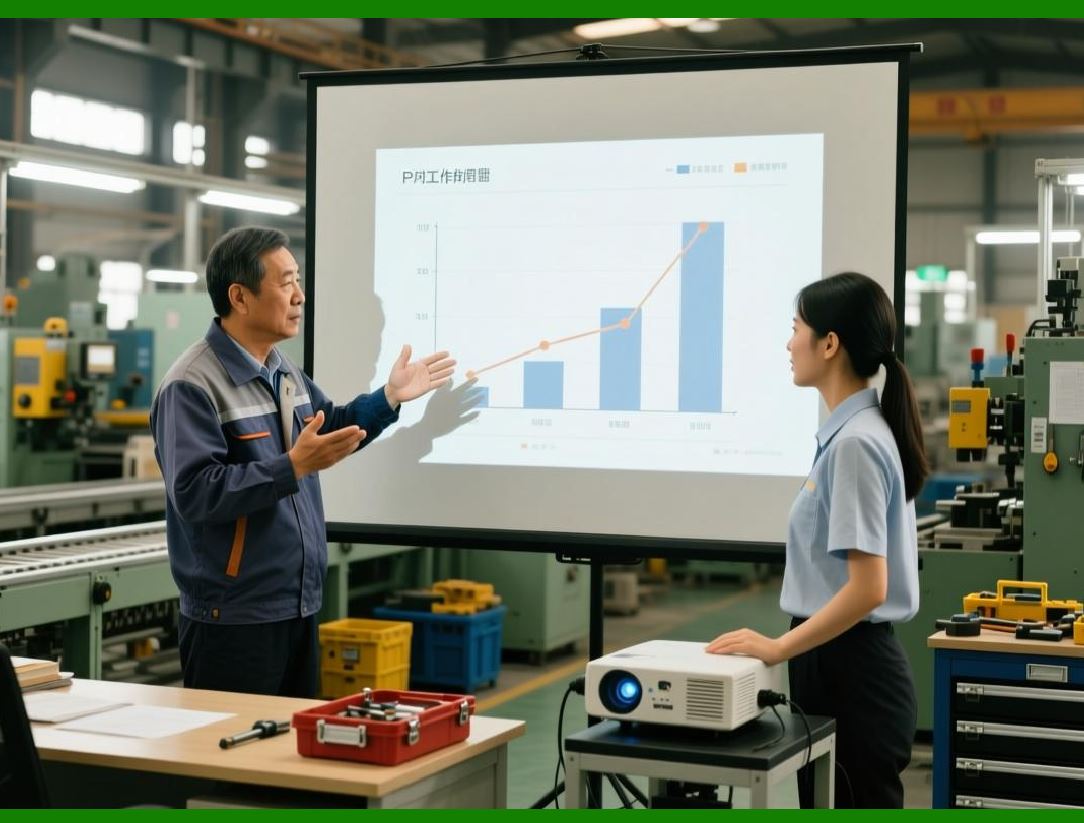
General-purpose assistants are used for recipe optimization, supply chain planning, and customer service. They can analyze sales data, suggest new flavor combinations, and help manage inventory. However, they are not used for food safety decisions, where specialized, validated systems are required. |
|
5.6 Heavy Machinery and Equipment |
Heavy machinery manufacturers build bulldozers, cranes, mining trucks, and agricultural equipment. These machines operate in harsh environments and are expensive to repair. AI is used to keep them running. |
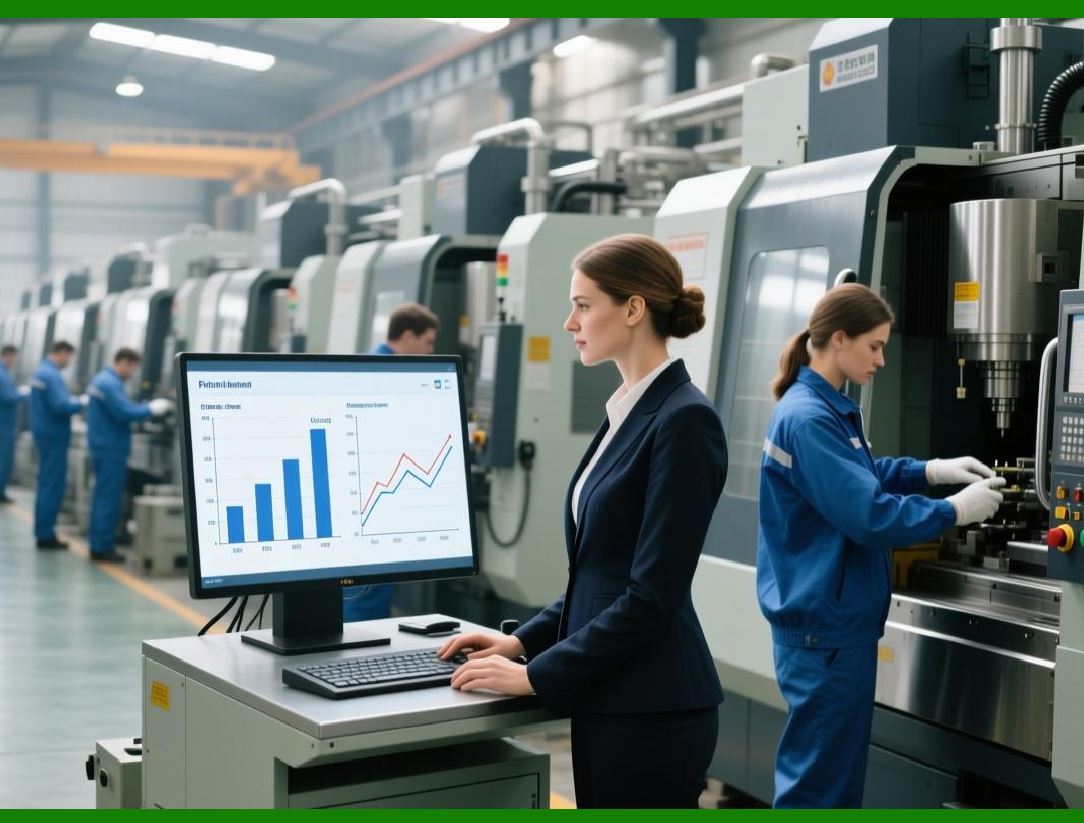
Telematics systems collect data from engines, hydraulics, and transmissions. AI algorithms predict when a component will fail, allowing owners to schedule maintenance before a breakdown. Via Co-Pilot-style diagnostics are valuable here because they explain the failure mode and recommend specific actions. |
Multimodal tools like Gemini can analyze images from inspection drones or cameras. For example, a drone might photograph a crane's cables and structure. The AI can detect corrosion, cracks, or deformation, and generate a report for the maintenance team. |
General-purpose assistants help with parts ordering, warranty claims, and customer support. They can answer common questions and route complex issues to human experts. |
|
5.7 Oil, Gas, and Chemicals |
The oil, gas, and chemical industries operate complex, hazardous processes. Safety and reliability are paramount. AI tools are used for monitoring, prediction, and optimization. |
In a refinery, thousands of sensors monitor pressure, temperature, flow, and composition. AI systems detect anomalies that could indicate a leak, a blockage, or a runaway reaction. Specialized tools are used because the consequences of error are severe. Explainable diagnostics are essential. Operators need to know why an alarm is sounding and what action to take. |
Predictive maintenance extends the life of pumps, compressors, and turbines. Vibration analysis, oil analysis, and thermal imaging are combined by multi-agent AI systems. Each agent specializes in one data type, and together they provide a comprehensive diagnosis. |
LSEG's financial tools are used for commodity trading, risk management, and financial reporting. Deterministic accuracy is critical when millions of dollars are at stake. |

|
5.8 Textiles and Apparel |
The textile and apparel industry is labor-intensive and globally distributed. AI is used for design, production planning, and quality control. |
AI design tools can generate new patterns, colors, and styles based on market trends. General-purpose assistants like help designers brainstorm and refine ideas. Multimodal tools can analyze images of fabrics and suggest matching colors or textures. |
In production, AI vision systems inspect fabric for defects like holes, stains, or weaving errors. These systems are often specialized, trained on thousands of images of fabric defects. They can operate at high speeds and detect flaws that human inspectors might miss. |
Supply chain management is a major challenge. AI tools predict demand, optimize inventory, and manage supplier relationships. LSEG's financial tools help with costing, pricing, and currency exchange. |

|
5.9 Construction and Building Materials |
Construction is a project-based industry with many variables. AI is used for planning, safety, and quality control. |
AI scheduling tools optimize the sequence of construction activities, considering weather, labor availability, and material deliveries. General-purpose assistants help project managers draft reports, communicate with stakeholders, and solve problems. |
Safety is a key application. AI vision systems monitor construction sites for hazards like workers without helmets or equipment in unsafe positions. Multimodal tools can analyze video feeds and alert supervisors in real time. |
In building materials manufacturing, such as cement or steel, AI optimizes energy consumption and quality. Predictive maintenance keeps kilns, mills, and furnaces running. Explainable diagnostics help operators avoid costly shutdowns. |

|
5.10 Logistics and Warehousing |
Logistics and warehousing are increasingly automated. AI controls robots, optimizes routes, and manages inventory. |
In a modern warehouse, AI systems coordinate thousands of robots that pick, pack, and ship orders. These systems are highly specialized. They use computer vision, path planning, and multi-agent coordination. General-purpose assistants are not used for robot control, but they help with customer service, order tracking, and problem resolution. |
Predictive analytics forecast demand and optimize inventory levels. LSEG's financial tools help with freight costing and budgeting. |
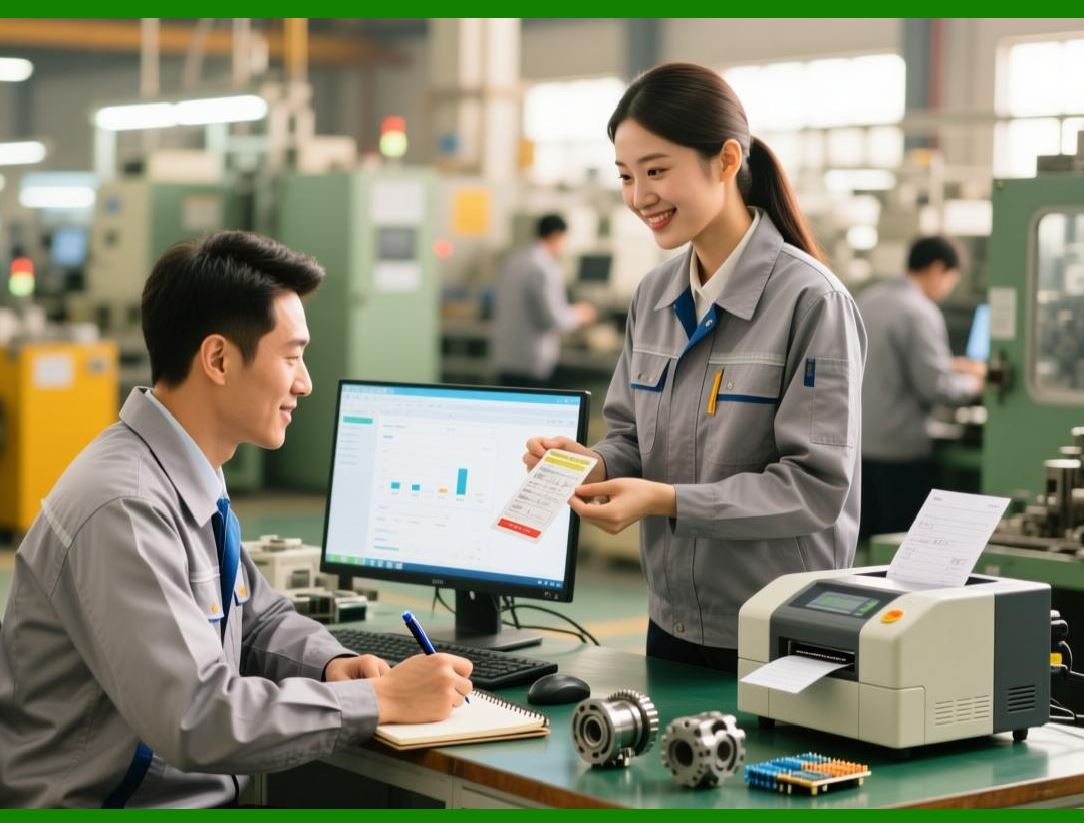
Multimodal tools analyze images from security cameras to detect theft, damage, or safety incidents. They can also read labels and documents, automating data entry. |
|
6. The Role of Explainability in Industrial AI |
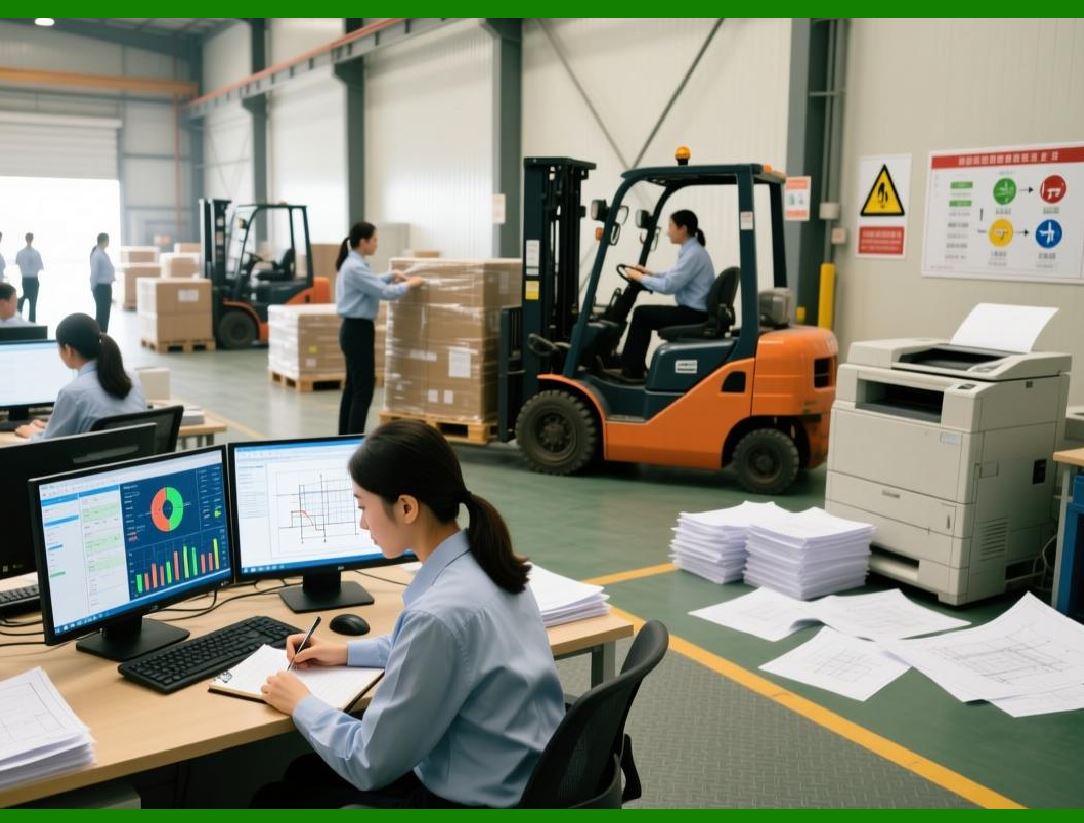
Throughout these examples, one theme stands out: explainability matters. In a factory, a hospital, or a refinery, people need to understand why an AI system made a recommendation. A black box that says 'stop the line' without explanation will not be trusted. A system that says 'stop the line because vibration in bearing 3 has exceeded the threshold for the past 20 minutes and matches a known failure pattern' will be trusted and acted upon. |
Via Co-Pilot is built around this principle. It provides explainable industrial diagnostics. TrustedMDT extends this to multi-agent clinical decision support, where each agent explains its reasoning and the combined recommendation is transparent. General-purpose assistants like and Claude are working on explainability, but they are not yet at the level required for safety-critical industrial decisions. |
|
7. The Importance of Data Environments |
Another theme is the importance of data environments. AI tools are only as good as the data they can access. A general-purpose assistant trained on public internet data may not know anything about your specific factory, your machines, or your processes. A specialized tool trained on your data will perform much better. |
This is why LSEG's financial tools are valuable in manufacturing. They have access to accurate, up-to-date financial data. It is why Via Co-Pilot is valuable in industrial settings. It is connected to your sensors and your maintenance records. It is why TrustedMDT is valuable in healthcare. It is integrated with clinical data systems. |
When choosing an AI tool, ask yourself: what data does it need, and does it have access to that dataA tool without the right data is like a brilliant engineer without a blueprint. It may be smart, but it cannot solve your specific problem. |
|
8. Organizational Constraints: Cost, Skills, and Culture |
AI selection is not just a technical decision. It is an organizational decision. Cost matters. Some tools are expensive. Some require significant computing infrastructure. Some require specialized skills to operate and maintain. |
Skills matter. A factory may have data scientists who can build custom AI models. Or it may not. If not, it needs tools that are easy to use and support. Culture matters. Some organizations are risk-averse and prefer proven, deterministic tools. Others are more experimental and willing to try new AI systems. |
The Task-Tool Matrix helps here too. By explicitly considering cost, skills, and culture alongside technical capabilities, teams can make realistic choices. They can avoid adopting a tool that no one knows how to use or that no one trusts. |

|
9. The Future: A Managed Portfolio of Specialized Tools |
The future of enterprise AI is not a single winner. It is a managed portfolio of specialized tools, orchestrated to work in concert, governed by clear principles, and continuously evaluated against measurable outcomes. |
Imagine a factory where a general-purpose assistant helps with documentation and communication. A multimodal tool analyzes images from quality inspections. An industrial diagnostics platform predicts maintenance needs. A financial tool ensures accurate costing and budgeting. A multi-agent system coordinates safety monitoring. Each tool does what it does best. They share data through common platforms. They are governed by policies that ensure security, privacy, and fairness. And they are evaluated regularly to ensure they are delivering value. |
This is not a distant dream. It is already happening in leading manufacturers. The challenge is not technology. It is management. It is choosing the right tools, integrating them well, and continuously improving. |
|
10. Practical Steps for Building Your AI Portfolio |
If you are convinced that a portfolio approach is right, how do you startHere are some practical steps. |
First, map your tasks. List the jobs that AI could help with, from the most critical to the least. Be specific. 'Improve quality' is too vague. 'Detect weld defects in real time' is better. |
Second, assess your data. For each task, ask what data is needed and whether you have it. If you do not have the data, can you collect itIf not, the task may not be ready for AI. |
Third, evaluate tools. Use the Task-Tool Matrix to compare options. Consider accuracy, speed, cost, explainability, integration, and support. Do not assume that a general-purpose tool is always cheaper or easier. Sometimes a specialized tool pays for itself quickly. |
Fourth, run a pilot. Start small. Test the tool on a limited task. Measure the results. Learn what works and what does not. |
Fifth, scale what works. If a pilot succeeds, expand it. If it fails, understand why and adjust. |
Sixth, govern the portfolio. Establish clear rules for data use, security, and decision-making. Ensure that humans remain in control of critical decisions. |
Seventh, evaluate continuously. AI tools improve rapidly. What was state-of-the-art last year may be obsolete today. Review your portfolio regularly and be willing to change. |

|
11. Common Pitfalls to Avoid |
Along the way, there are pitfalls to avoid. |
Do not chase hype. A tool that is trending on social media may not be right for your factory. |
Do not ignore explainability. A tool that cannot explain itself will not be trusted in critical operations. |
Do not neglect data quality. Bad data leads to bad decisions, no matter how advanced the AI. |
Do not forget about integration. A tool that does not work with your existing systems will create more problems than it solves. |
Do not underestimate change management. People need training, support, and time to adapt to new tools. |
Do not assume that AI is always the answer. Sometimes a simple rule or a human expert is better. |

|
12. Detailed Summary: Comparing Tools Across Dimensions |
Let us now bring together everything we have discussed in a detailed summary. This summary is organized by tool and by dimension, so you can see the strengths and weaknesses clearly. |
12.1 |
dominates in general-purpose accessibility. It is easy to use, widely available, and capable of handling a vast range of tasks. In manufacturing, it is best used for documentation, communication, brainstorming, and training. It is not suitable for safety-critical decisions, real-time control, or tasks requiring deterministic accuracy. Its data environment is the public internet, plus whatever you provide in a conversation. It does not connect to your factory sensors or your financial systems. Its explainability is improving but not yet at industrial grade. |
12.2 Claude |
Claude offers strong performance and multimodal capabilities. It is particularly good at handling long documents and careful reasoning. In manufacturing, it can analyze equipment manuals, safety reports, and inspection images. It is not a real-time control system. It does not provide deterministic financial calculations. It is best used for analysis, summarization, and communication. |
12.3 Gemini |
Gemini is also multimodal and tightly integrated with Google's ecosystem. It can process text, images, and code. In manufacturing, it is useful for visual inspection, data analysis, and integration with Google Cloud services. Like Claude, it is not a real-time control system and does not provide deterministic financial accuracy. It is best used for perception, analysis, and cloud-based workflows. |
12.4 LSEG |
LSEG's financial tools provide deterministic accuracy. They are not creative assistants. They are precision instruments for numbers. In manufacturing, they are used for costing, budgeting, commodity price tracking, and financial reporting. They do not handle images or natural language conversation. They are not general-purpose. They are specialized, accurate, and auditable. |
12.5 Via Co-Pilot |
Via Co-Pilot delivers explainable industrial diagnostics. It is connected to sensors and maintenance records. It predicts failures and explains why. In manufacturing, it is used for predictive maintenance, quality control, and process optimization. It is not a general-purpose assistant. It does not write marketing copy or answer trivia questions. It is specialized, explainable, and industrial grade. |
12.6 TrustedMDT |
TrustedMDT advances multi-agent clinical decision support. It coordinates multiple AI agents, each specializing in a different aspect of a problem. In healthcare, it supports diagnosis and treatment planning. In manufacturing, its architecture is relevant to complex diagnostics and safety monitoring. It is not a general-purpose tool. It is specialized, collaborative, and explainable. |
12.7 Other Specialized Tools |
Beyond these, there are many other specialized tools for supply chain optimization, robotic process automation, computer vision quality control, and predictive maintenance. Each has its own strengths and limits. The key is to match the tool to the task. |
|
13. Final Thoughts: Matching Tools to Tasks |
The selection challenge is not finding the best tool. It is matching tools to tasks, data environments, and organizational constraints. The Task-Tool Matrix framework's sixty-five percent reduction in selection time demonstrates that structured matching processes deliver measurable value. The future of enterprise AI is not a single winner but a managed portfolio of specialized tools, orchestrated to work in concert, governed by clear principles, and continuously evaluated against measurable outcomes. |
As you close this chapter and this part of the book, remember that AI is a means, not an end. The goal is not to use AI for its own sake. The goal is to build better products, run safer operations, and create more value. The tools will change. The principles will remain. Match tools to tasks. Keep humans in control. Measure what matters. And never stop learning. |
This concludes Part V on manufacturing and industrial operations. In the next part, we will explore AI in healthcare, where many of the same lessons apply, but where the stakes are even higher. |
 cs@easiersoft.com