7. Psychological and Social Adaptation |
7.1 Introduction to Human Adaptation in the AI Era |
Technological advancement creates not only economic challenges but profound psychological and social pressures. Workers face uncertainty, identity redefinition, and evolving social norms. Effective adaptation requires deliberate development of mental resilience, emotional intelligence, and social capital. |
Human adaptation strategies complement technical and career strategies. Failure to address these dimensions undermines employability, even if skills and opportunities are abundant. |
7.2 Cultivating a Growth Mindset |
A growth mindset, as opposed to a fixed mindset, emphasizes: |
Learning from challenges rather than fearing failure |
Persistence through setbacks rather than discouragement |
Embracing complexity rather than seeking simplified tasks |
Viewing skill acquisition as ongoing rather than finite |
Valuing feedback as a tool for improvement |
Workers with a growth mindset respond proactively to AI-induced change, approaching uncertainty as an opportunity to differentiate themselves. |
7.3 Building Cognitive Flexibility |
Cognitive flexibility is the ability to: |
Switch between tasks, perspectives, and knowledge domains |
Apply learned skills to new contexts |
Generate multiple approaches to a single problem |
Modify strategies in response to emerging information |
High cognitive flexibility is a protective factor against obsolescence. AI automates repetitive patterns; humans must excel at adaptation, abstraction, and creative problem framing. |
7.4 Emotional Resilience and Stress Management |
AI-driven labor transformation can induce: |
Anxiety over redundancy |
Identity stress from shifting roles |
Fatigue from continuous learning requirements |
Resilience strategies include: |
Mindfulness and cognitive reframing |
Structured routines for skill acquisition and rest |
Peer support networks for reinforcement |
Professional counseling when needed |
Engagement in meaningful non-work activities |
Resilience ensures individuals maintain productivity and mental clarity under disruption. |
7.5 Social Capital and Network Cultivation |
Human connections remain indispensable. AI cannot replace relationships that create trust, opportunity, and influence. Social adaptation strategies include: |
Professional networking ¨C leveraging both physical and digital platforms |
Mentorship and sponsorship ¨C receiving guidance and advocacy |
Reciprocal knowledge exchange ¨C offering expertise while learning from others |
Participation in communities of practice ¨C staying aware of trends, opportunities, and collaborative projects |
Building visibility through thought leadership ¨C creating content or speaking engagements that establish credibility |
Robust networks reduce the risk of unemployment by connecting individuals to emerging opportunities. |
7.6 Identity Adaptation and Role Fluidity |
AI-era workers must redefine professional identity: |
Shift from role-based identity to skill- and value-based identity |
Embrace portfolio careers spanning multiple industries or functions |
Prioritize adaptation competency over static credentialing |
Align personal purpose with human-AI collaborative value creation |
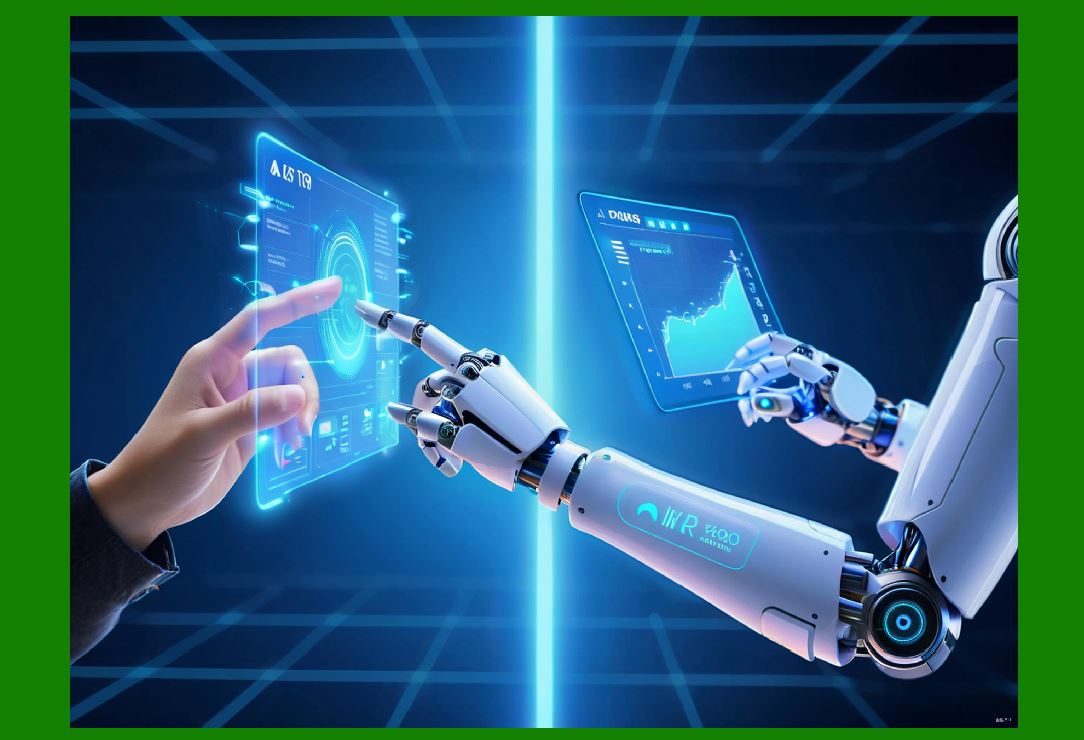
Flexibility in identity supports psychological comfort, reduces resistance to change, and enables rapid career pivoting. |
|
7.7 Developing a Continuous Learning Ethos |
Continuous learning is both cognitive and social: |
Cognitive: Acquiring knowledge incrementally through structured and unstructured methods |
Social: Sharing knowledge with peers and contributing to collaborative learning communities |
The ethos encourages self-directed, lifelong engagement with skill evolution, fostering confidence and relevance. |
7.8 Navigating Change Through Emotional Intelligence |
Emotional intelligence (EQ) is critical for AI-era employability: |
Self-awareness ¨C understanding one¡¯s own responses to change |
Self-regulation ¨C managing reactions to automation-related stress |
Motivation ¨C sustaining engagement with long-term learning |
Empathy ¨C understanding colleagues¡¯ adaptation challenges |
Social skills ¨C fostering cooperation and influence in human-AI teams |
EQ strengthens leadership potential and supports collaborative work with AI-driven systems. |
7.9 Psychological Safety in the Workplace |
Organizations must create environments that support adaptation: |
Encourage experimentation without punitive consequences for learning errors |
Promote open dialogue about AI-induced changes |
Recognize achievements in AI integration and human collaboration |
Provide accessible support systems for mental health and skill development |
Psychological safety amplifies workforce resilience, reducing anxiety and improving engagement with AI-enhanced work. |
7.10 Societal Integration and Cultural Adaptation |
AI alters societal norms regarding employment: |
Redefining career trajectories ¨C multiple career shifts over a lifetime |
Accepting skill obsolescence as normal |
Valuing collaboration over hierarchy |
Participating in AI governance and ethics discussions |
Societal adaptation strategies involve creating cultural narratives that normalize transition and emphasize collective human value alongside automation. |
7.11 Peer Collaboration and Community Learning |
Individuals gain resilience through peer engagement: |
Collaborative learning accelerates skill acquisition |
Community feedback highlights practical challenges and solutions |
Shared projects provide evidence for portfolios |
Peer mentoring reinforces confidence and retention of knowledge |
Humans retain advantage where social coordination and collective intelligence are leveraged. |
7.12 Maintaining Motivation in Long-Term Transition |
Sustained motivation requires: |
Setting clear, achievable milestones |
Tracking skill progress quantitatively |
Rewarding incremental learning and adaptation |
Seeking meaningful alignment between work and personal purpose |
Reinforcing autonomy in skill choice and career direction |
Motivation sustains performance despite uncertainty, directly reducing unemployment risk. |
7.13 Conclusion of Part 7 |
Psychological and social adaptation is as crucial as technical skill acquisition. Employability in the AI era depends on: |
Growth mindset and cognitive flexibility |
Emotional resilience and stress management |
Strong social capital and network engagement |
Dynamic professional identity |
Continuous learning ethos and motivation |
Humans who cultivate these traits remain adaptive, employable, and capable of thriving alongside AI, ensuring long-term stability and relevance in evolving labor markets. |

|
8. AI-Augmented Entrepreneurship and Self-Employment |
8.1 Introduction to AI-Driven Independent Work |
The AI era shifts the employment landscape by creating opportunities for self-employment and entrepreneurship. Individuals can leverage AI tools to: |
Automate routine business processes |
Rapidly scale services without proportional human labor |
Offer specialized, high-value solutions |
Access global markets with minimal overhead |
Differentiate offerings through AI-enabled innovation |
AI reduces barriers to entry, allowing individuals to convert expertise into income-generating ventures while minimizing risk and upfront investment. |
8.2 Identifying AI-Enhanced Business Opportunities |
Entrepreneurs must focus on areas where AI enables unique value creation: |
Service augmentation ¨C using AI to enhance traditional consulting, design, or professional services |
Niche automation solutions ¨C creating tools that automate repetitive tasks for small businesses |
Data-driven insights and analytics ¨C offering predictive or prescriptive analytics as a service |
Digital content creation ¨C producing high-quality AI-assisted media, marketing materials, or educational resources |
Hybrid human-AI products ¨C combining human judgment with AI capabilities to solve complex problems |
A systematic opportunity scan ensures alignment between market demand and AI-enhanced capabilities. |
8.3 Building an AI-Augmented Skill Set for Entrepreneurship |
Entrepreneurial success depends on integrating technical, operational, and strategic capabilities: |
AI literacy ¨C understanding tool functionality and limitations |
Domain expertise ¨C applying knowledge to solve real-world problems |
Operational competence ¨C managing projects, finances, and digital platforms |
Marketing and customer engagement ¨C communicating AI-enabled value effectively |
Continuous learning ¨C adapting to evolving AI tools and industry trends |
An integrated skill set enables agile adaptation and increases competitive differentiation. |
8.4 Lean Business Models Enabled by AI |
AI enables lean, capital-efficient enterprises: |
Automation of repetitive processes ¨C finance, administration, and customer support |
Rapid prototyping and iteration ¨C using AI tools for design, testing, and content creation |
Scalable distribution channels ¨C digital marketing, e-commerce platforms, and automated fulfillment |
Data-driven decision-making ¨C using AI analytics to inform pricing, product strategy, and customer targeting |
Minimal fixed overhead ¨C reducing physical infrastructure dependence |
Lean models allow self-employed individuals to operate competitively against larger organizations. |
8.5 AI-Enhanced Productivity and Efficiency |
Entrepreneurs gain time leverage by: |
Automating content creation, document generation, and reporting |
Using AI chatbots and virtual assistants for customer interactions |
Integrating predictive analytics into workflow planning |
Streamlining project management with AI-driven scheduling and prioritization |
Maintaining quality control through AI-assisted monitoring |
Increased efficiency expands output without proportional increases in labor cost, reducing exposure to financial instability. |
8.6 Monetizing AI-Augmented Expertise |
Individuals can transform skills into marketable services: |
Freelance consulting in AI integration for businesses |
AI-powered research and analysis services |
Online courses, webinars, and workshops using AI tools |
Creative content production ¨C articles, videos, graphics, or music |
Software tools or micro-applications that solve niche problems |
The combination of AI leverage and domain knowledge multiplies income potential and reduces dependence on traditional employment. |

|
8.7 Personal Branding and Digital Presence |
Success in self-employment relies on credibility and visibility: |
Professional portfolio demonstrating AI-enhanced achievements |
Active digital presence through social media, blogs, and professional networks |
Thought leadership ¨C publishing insights on AI application in specific domains |
Customer testimonials showcasing results delivered with AI support |
Networking ¨C connecting with peers, clients, and collaborators |
A strong personal brand attracts clients, collaborators, and investors, mitigating the risk of income instability. |
8.8 Risk Management in AI-Driven Entrepreneurship |
Independent work carries inherent risk, compounded by AI reliance. Risk mitigation strategies include: |
Diversifying client base and revenue streams |
Continuous skill upgrading to remain competitive |
Legal safeguards ¨C contracts, intellectual property protections |
Data security and privacy compliance |
Financial planning ¨C maintaining cash reserves for periods of low demand |
Robust risk management ensures that AI-augmented ventures remain sustainable and resilient. |
8.9 Collaboration and Co-Creation with AI |
Entrepreneurs can exploit collaboration: |
Co-develop products or services with AI-enhanced teams |
Partner with other human experts for complementary skill sets |
Utilize open-source AI tools to reduce development costs |
Engage communities for feedback and validation |
Adopt modular workflows to integrate new AI capabilities rapidly |
Collaborative frameworks enhance innovation while reducing dependency on individual labor alone. |
8.10 Long-Term Scaling Strategies |
AI enables growth beyond local markets: |
Leveraging automation to serve global clients |
Expanding offerings without linear staffing increases |
Implementing AI-driven analytics for product-market fit optimization |
Establishing brand recognition through digital reputation and performance |
Reinvesting profits into advanced AI tools or skill development |
Long-term scaling secures income stability and mitigates unemployment risk by creating independent revenue streams. |
8.11 Ethical Considerations in AI Entrepreneurship |
Responsible entrepreneurship protects reputation and sustainability: |
Avoid deceptive AI outputs or misrepresentation |
Ensure data privacy and security for clients |
Maintain transparency about AI capabilities and limitations |
Respect copyright, intellectual property, and regulatory compliance |
Prioritize human oversight in consequential decision-making |
Ethical practice reduces the likelihood of legal challenges and fosters client trust, which is essential for long-term survival. |
8.12 Conclusion of Part 8 |
AI-augmented entrepreneurship offers a viable pathway to independence and security in a changing employment landscape. By combining domain expertise, AI leverage, lean operational models, and ethical practices, individuals can: |
Generate stable income outside traditional employment |
Scale operations with minimal labor dependency |
Protect against automation-driven unemployment |
Build long-term resilience and adaptability |
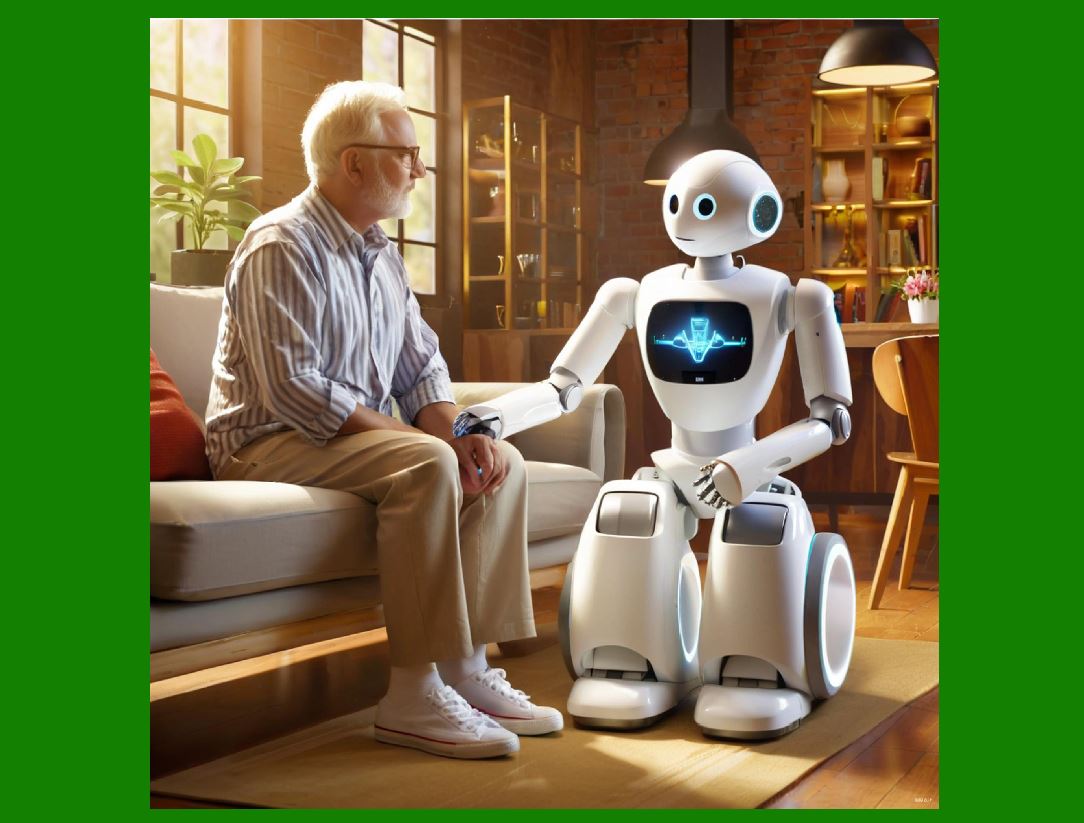
Self-employment becomes both a strategic choice and a safeguard against labor market volatility. |
|
9. Leveraging AI for Lifelong Learning and Skills Maintenance |
9.1 Introduction to AI-Powered Lifelong Learning |
The AI era demands continuous skill adaptation. Traditional education and static credentials are insufficient to maintain long-term employability. AI-powered lifelong learning systems provide: |
Personalized learning pathways tailored to individual needs and pace |
Real-time skill assessment and gap analysis |
Contextual recommendations for upskilling and reskilling |
Integration of human feedback and machine analytics |
Proactive identification of emerging skill requirements |
Lifelong learning transforms employability into an ongoing process rather than a one-time achievement. |
9.2 AI-Driven Skills Gap Analysis |
AI enables precise identification of skill deficiencies: |
Continuous monitoring of job market trends and emerging roles |
Automatic comparison between current capabilities and market requirements |
Dynamic prioritization of skills to acquire based on value and urgency |
Predictive modeling of which skills will become critical in the next 3¨C5 years |
Integration with learning platforms to automatically generate training suggestions |
Individuals can proactively adapt before their skills become obsolete, minimizing unemployment risk. |
9.3 Personalized Learning Pathways |
AI can generate highly customized curricula: |
Assessing prior knowledge and learning style |
Adjusting difficulty and pace dynamically |
Recommending targeted micro-courses and exercises |
Integrating real-world projects to reinforce application |
Tracking progression with quantifiable metrics |
Personalized learning ensures efficient acquisition of relevant skills while avoiding wasted effort on redundant knowledge. |
9.4 AI-Assisted Knowledge Retention |
Learning effectiveness depends on memory consolidation and practical application. AI tools enhance retention through: |
Spaced repetition systems optimized for individual performance |
Contextual reminders and skill drills integrated into daily tasks |
Simulation-based learning replicating real-world challenges |
Adaptive testing to reinforce weak areas |
Performance analytics to track improvement and suggest remediation |
Such tools accelerate mastery and reduce the risk of skills atrophy over time. |
9.5 Integration with Workflows |
Lifelong learning is most effective when embedded in professional workflows: |
On-the-job learning ¨C applying new skills in real-time projects |
AI-guided task augmentation ¨C learning through AI-driven collaboration |
Project-based learning cycles ¨C completing assignments that simultaneously train and contribute to work outcomes |
Feedback loops ¨C receiving performance data from both AI systems and human supervisors |
Continuous portfolio updates ¨C documenting skill acquisition and contribution |
This integration transforms training from abstract theory into measurable value. |
9.6 Adaptive Learning Tools |
Adaptive learning platforms leverage AI to continuously optimize content delivery: |
Content selection based on skill gaps and learning velocity |
Difficulty adjustment in response to performance |
Scenario personalization to reflect individual work contexts |
Peer comparison and collaborative learning opportunities |
Motivation tracking to maintain engagement over time |
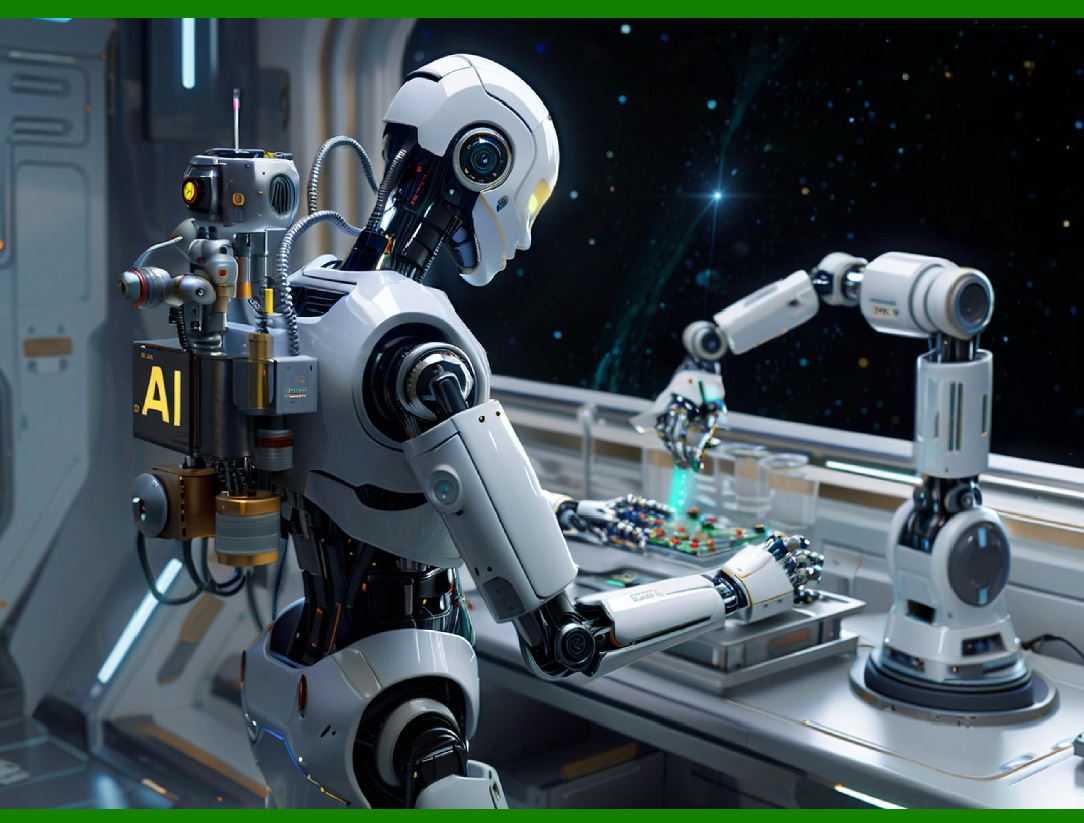
Adaptive tools ensure that learners maximize outcomes with minimal time investment. |
|
9.7 Forecasting Future Skills Requirements |
AI enables proactive anticipation of emerging skills: |
Mining labor market data and job postings |
Analyzing industry trends, patents, and publications |
Modeling technological adoption and task automation rates |
Recommending preemptive upskilling pathways |
Integrating forecasts into personal and organizational learning strategies |
Individuals prepared for future demand gain a competitive edge in an AI-driven economy. |
9.8 Collaborative Learning and Knowledge Sharing |
AI systems facilitate collaborative lifelong learning: |
Peer learning networks enhanced by AI-matching of complementary skill sets |
Collective problem-solving platforms |
Mentorship pairing using AI analytics |
Real-time knowledge sharing and documentation |
Gamification and social reinforcement for engagement |
Collaboration amplifies knowledge acquisition while strengthening professional networks. |
9.9 Motivation and Engagement in Lifelong Learning |
Sustaining long-term learning requires motivation strategies: |
Goal-setting aligned with career objectives |
Visual dashboards showing skill progression and gaps |
Incentives tied to performance and milestones |
Peer competition and recognition |
Integration with tangible professional outcomes |
Motivated learners maintain relevance, preventing skill obsolescence. |
9.10 Ethical and Responsible Learning |
AI-powered lifelong learning must maintain integrity: |
Ensure accuracy and bias mitigation in learning content |
Protect personal data and learning records |
Avoid over-reliance on AI for skill validation without human judgment |
Promote equitable access to AI learning tools |
Encourage responsible application of acquired skills |
Ethical learning practices reinforce trust and ensure sustainable employability. |
9.11 Continuous Assessment and Certification |
AI facilitates real-time evaluation of skill proficiency: |
Automatic performance scoring on practical exercises |
Skill verification through simulation and applied projects |
Integration with digital credentialing platforms |
Micro-certifications that document incremental mastery |
Portfolio updates demonstrating capability to employers and collaborators |
Continuous certification validates readiness for evolving labor markets. |
9.12 Conclusion of Part 9 |
AI-powered lifelong learning transforms employability from a static state into a dynamic capability. Workers who leverage AI for continuous skill acquisition and maintenance: |
Anticipate and adapt to market shifts |
Maintain relevance across industries and roles |
Reduce risk of unemployment due to obsolescence |
Increase long-term career resilience and earning potential |
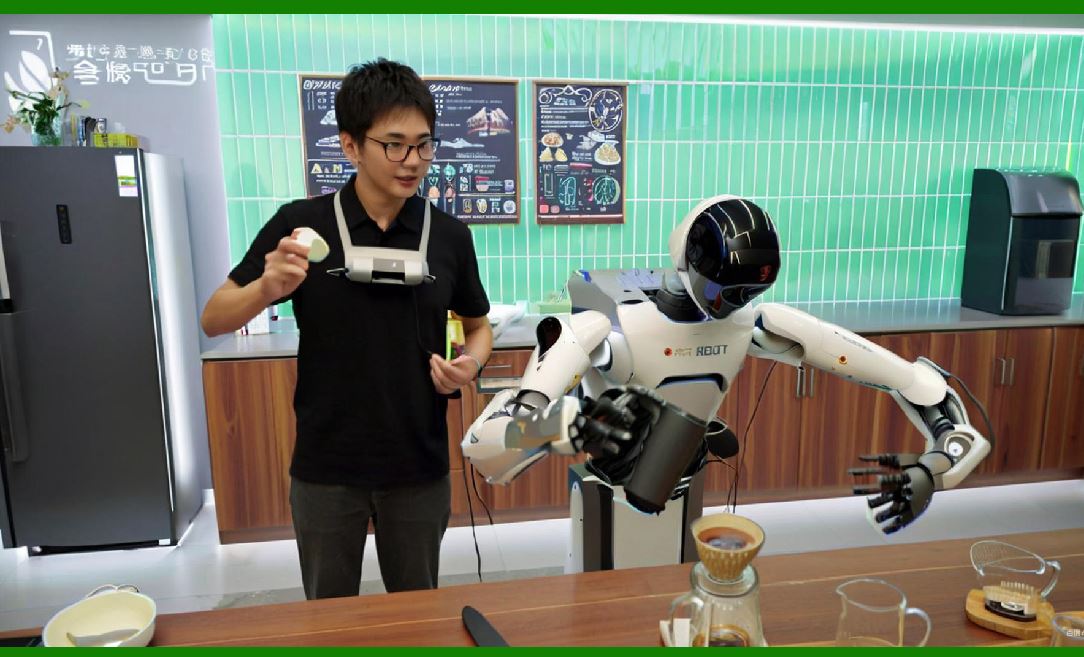
Integration of AI into learning, workflow, and portfolio development ensures that human skills remain competitive in a rapidly evolving technological landscape. |
|
10. Industry-Specific Adaptation Strategies |
10.1 Introduction |
The impact of AI on employment varies across industries. Workers must align adaptation strategies with sector-specific realities, technology adoption rates, and automation risk levels. Proactive, targeted approaches ensure maximum employability and relevance. |
10.2 Healthcare Industry |
AI transforms diagnostics, patient care, and administrative processes. |
Clinical roles: Upskill in AI-assisted diagnostics, predictive analytics, and personalized medicine |
Administrative roles: Learn AI-driven scheduling, patient record management, and insurance processing tools |
Telemedicine: Acquire competencies in remote care platforms, digital patient engagement, and cybersecurity |
Interdisciplinary integration: Combine medical knowledge with AI literacy to participate in research and clinical trials |
Ethics and patient communication: Develop skills in human-centered care, maintaining empathy and trust despite AI interfaces |
Healthcare workers who blend human judgment, patient interaction, and AI collaboration remain indispensable. |
10.3 Finance and Banking |
AI automates data analysis, fraud detection, and financial advising. |
Financial analysts: Transition toward AI oversight, scenario modeling, and interpretive decision-making |
Risk and compliance roles: Upskill in regulatory technology (RegTech) and AI-assisted monitoring |
Customer service: Integrate AI tools for client advisory while emphasizing personalized consultation |
Product innovation: Develop AI-enhanced financial products and investment strategies |
Ethical finance: Ensure transparency, fairness, and security in algorithmic decision-making |
Finance professionals who combine quantitative expertise with strategic and ethical judgment preserve relevance. |
10.4 Manufacturing and Industrial Sectors |
Automation, robotics, and predictive maintenance reshape roles. |
Operators and technicians: Upskill in robotics coordination, AI-driven maintenance, and process optimization |
Design and R&D: Integrate AI for product simulation, prototyping, and quality control |
Supply chain management: Leverage AI analytics for inventory, logistics, and demand forecasting |
Safety and compliance: Monitor AI systems for safety adherence and regulatory compliance |
Lean manufacturing leadership: Guide hybrid human-AI teams to maximize efficiency and innovation |
Industrial workers capable of overseeing AI-integrated systems maintain critical operational authority. |
10.5 Education and Training |
AI enables adaptive learning, automated assessment, and personalized content delivery. |
Teachers: Focus on mentorship, critical thinking facilitation, and personalized guidance |
Curriculum developers: Integrate AI-enhanced learning tools and analytics into content design |
Educational technology specialists: Manage AI platforms, monitor student outcomes, and adjust algorithms responsibly |
Training coordinators: Deliver upskilling programs for AI literacy across other industries |
Soft skill integration: Emphasize creativity, ethics, and human-centered learning experiences |
Educators who combine AI literacy with human mentorship roles maintain irreplaceable influence in learning outcomes. |

|
10.6 Logistics and Supply Chain |
AI optimizes routing, inventory, and demand forecasting. |
Operations managers: Implement AI for warehouse automation, fleet optimization, and real-time analytics |
Data analysts: Develop predictive models for demand, stock levels, and supply chain disruptions |
Customer experience roles: Use AI to provide proactive updates and personalized service |
Process innovation: Design hybrid human-AI workflows for efficiency and resilience |
Compliance and regulation: Monitor AI-driven supply chains for safety, environmental, and regulatory adherence |
Workers who integrate operational knowledge with AI oversight remain essential for effective logistics. |
10.7 Creative Industries |
AI generates content, design, and music, changing traditional creative workflows. |
Designers and artists: Collaborate with AI for concept generation, rapid prototyping, and iterative refinement |
Content creators: Use AI tools for multimedia production, copywriting, and interactive experiences |
Creative directors: Oversee human-AI collaboration, ensuring quality and originality |
Marketing and branding professionals: Employ AI for consumer insights, personalized campaigns, and trend forecasting |
Ethical creativity: Ensure AI-generated content respects intellectual property and cultural norms |
Creatives who embrace AI as a collaborative partner enhance productivity while preserving originality and cultural value. |
10.8 Technology and IT |
AI automates coding, system monitoring, and analytics but increases demand for advanced technical skills. |
Software engineers: Focus on AI architecture, model validation, and hybrid system development |
IT administrators: Upskill in AI-assisted cybersecurity, cloud management, and infrastructure optimization |
Data scientists: Combine domain expertise with AI-driven analysis to generate actionable insights |
AI ethics and governance: Implement responsible AI deployment and monitoring strategies |
Innovation and R&D: Continuously experiment with emerging AI frameworks and tools |
Tech professionals who specialize in AI integration, governance, and advanced problem-solving maintain high employability. |
10.9 Public Sector and Government |
AI enhances administrative efficiency, citizen services, and policy modeling. |
Policy analysts: Employ AI for data-driven decision-making and predictive modeling |
Public service administrators: Integrate AI for workflow automation and citizen engagement |
Regulatory compliance officers: Monitor AI use, ensuring ethical and legal standards |
Urban planners and infrastructure managers: Apply AI for predictive maintenance, traffic management, and resource allocation |
Social programs: Utilize AI to identify at-risk populations and optimize interventions |
Public sector employees who combine domain knowledge with AI literacy ensure efficient governance and social stability. |
10.10 Cross-Industry Skills |
Some skills are universally valuable across sectors: |
AI literacy and tool mastery |
Problem-solving and creativity |
Leadership and team coordination |
Ethics, compliance, and governance |
Communication and collaboration in human-AI teams |
Workers possessing these cross-industry competencies maintain adaptability, allowing movement between sectors if specific roles are automated. |
10.11 Conclusion of Part 10 |
Industry-specific adaptation ensures relevance by combining: |
AI literacy with domain expertise |
Technical and human-centered skills |
Ethical oversight and compliance |
Leadership in hybrid human-AI teams |
Targeted strategies for each sector minimize the risk of unemployment while maximizing opportunities created by automation. |

|
11. Human-AI Collaboration Best Practices |
11.1 Introduction |
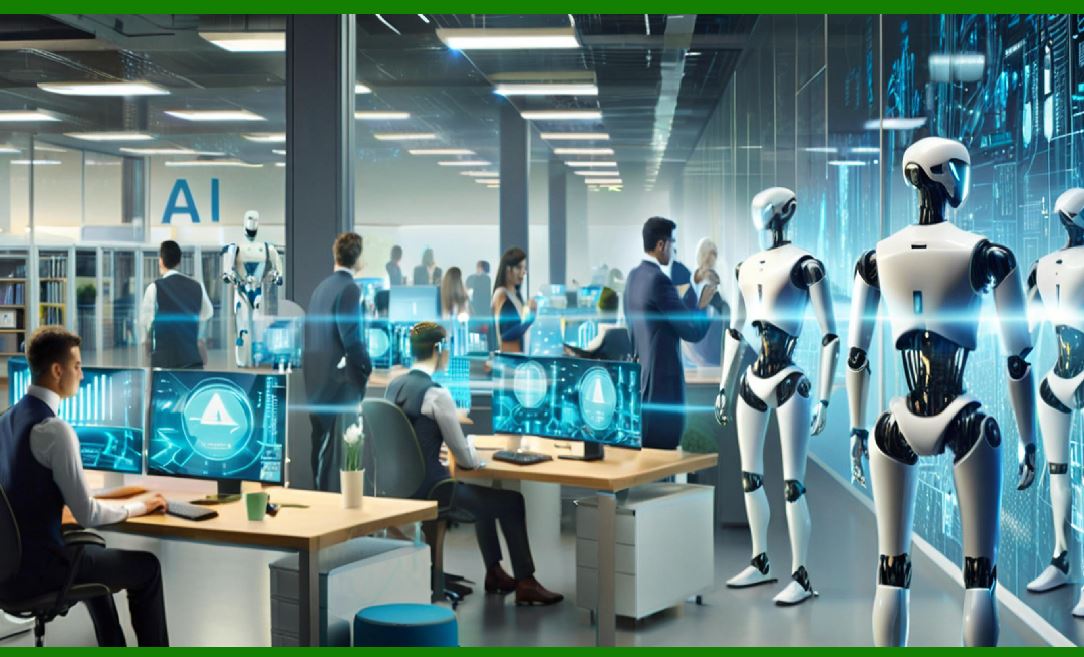
As AI automates routine tasks, human roles shift toward oversight, decision-making, and creative problem-solving. Effective human-AI collaboration ensures individuals remain relevant, enhances productivity, and minimizes the risk of unemployment. Collaboration emphasizes complementarity rather than replacement. |
11.2 Understanding AI Capabilities and Limitations |
Before effective collaboration is possible, humans must understand AI systems: |
Scope of automation: Identify tasks AI can fully automate versus those requiring human judgment |
Strengths and weaknesses: Recognize areas where AI excels (data processing, pattern recognition) and fails (contextual understanding, empathy) |
Error detection: Monitor AI outputs to correct misclassifications or biases |
Data quality management: Ensure inputs are accurate to maintain AI performance |
Transparency: Understand AI decision pathways when available for accountability |
Knowledge of capabilities and limitations prevents over-reliance and ensures productive engagement. |
11.3 Designing Effective Human-AI Workflows |
Hybrid workflows maximize complementary strengths: |
Task segmentation: Allocate repetitive, high-volume tasks to AI; assign strategic, creative, or relational tasks to humans |
Feedback loops: Humans provide feedback to refine AI predictions and performance |
Decision checkpoints: Retain human authority over critical, high-stakes decisions |
Collaboration interfaces: Use dashboards and visualization tools to integrate AI outputs into human workflows |
Continuous monitoring: Track performance metrics to optimize interaction efficiency |
Structured workflows allow humans to supervise AI effectively while leveraging its speed and scale. |
11.4 Communication and Transparency |
Successful collaboration requires clarity: |
Interpret AI outputs: Translate complex results into actionable insights for decision-making |
Explain reasoning: Document AI contributions to justify outcomes to stakeholders |
Avoid automation bias: Maintain critical evaluation rather than blind acceptance of AI suggestions |
Cross-team communication: Ensure that AI insights are comprehensible to colleagues without technical expertise |
Documentation: Maintain detailed records for auditing and knowledge transfer |
Clear communication strengthens trust and enables coordinated human-AI action. |
|
11.5 Continuous Learning and Adjustment |
Collaboration is iterative and requires adaptability: |
Monitor evolving AI capabilities to identify new collaborative opportunities |
Adjust workflows as AI performance improves or shifts |
Upskill in AI-related tools to maintain effective interaction |
Analyze outcomes to identify improvement areas in both human and AI performance |
Incorporate lessons learned into ongoing process refinement |
Ongoing adjustment ensures sustainable productivity gains and relevance. |
11.6 Ethical Collaboration Practices |
Human oversight preserves responsibility: |
Ensure AI does not perpetuate bias or discrimination |
Protect data privacy and comply with regulations |
Maintain accountability for AI-driven decisions |
Avoid delegating ethically sensitive tasks entirely to AI |
Promote fairness and transparency in human-AI outputs |
Ethical adherence safeguards reputations, reduces legal risk, and maintains societal trust. |
11.7 Enhancing Creativity and Innovation |
Humans can use AI to expand creative potential: |
Use AI for rapid idea generation or scenario modeling |
Apply AI to analyze trends, consumer behavior, or competitor data |
Leverage AI simulations to test hypotheses quickly |
Focus human effort on synthesis, interpretation, and unique value creation |
Encourage cross-functional collaboration to integrate AI insights across teams |
AI frees humans from repetitive tasks, enabling focus on innovation that machines cannot replicate. |
11.8 Risk Management in Human-AI Collaboration |
Effective collaboration includes proactive risk control: |
Validate AI outputs to prevent operational errors |
Monitor AI for system failures or cybersecurity breaches |
Establish fallback processes if AI fails or produces unreliable results |
Maintain human readiness to intervene in critical situations |
Regularly review and update risk mitigation strategies |
Controlled collaboration ensures AI augments rather than disrupts operations. |
11.9 Building Trust in AI Systems |
Trust is essential for adoption and effective collaboration: |
Demonstrate consistent and accurate AI performance |
Maintain transparency in decision-making processes |
Provide clear explanations of AI logic to human collaborators |
Encourage a culture of experimentation with oversight |
Reinforce accountability mechanisms for both AI and human participants |
Trust reduces friction and increases acceptance of AI as a collaborative partner. |
11.10 Cross-Functional Collaboration |
Humans and AI often operate in multi-disciplinary contexts: |
Combine domain expertise with AI outputs for holistic solutions |
Encourage communication between technical and non-technical teams |
Integrate AI insights across operational, strategic, and creative functions |
Promote collaborative problem-solving that leverages diverse perspectives |
Document processes to maintain knowledge continuity across teams |
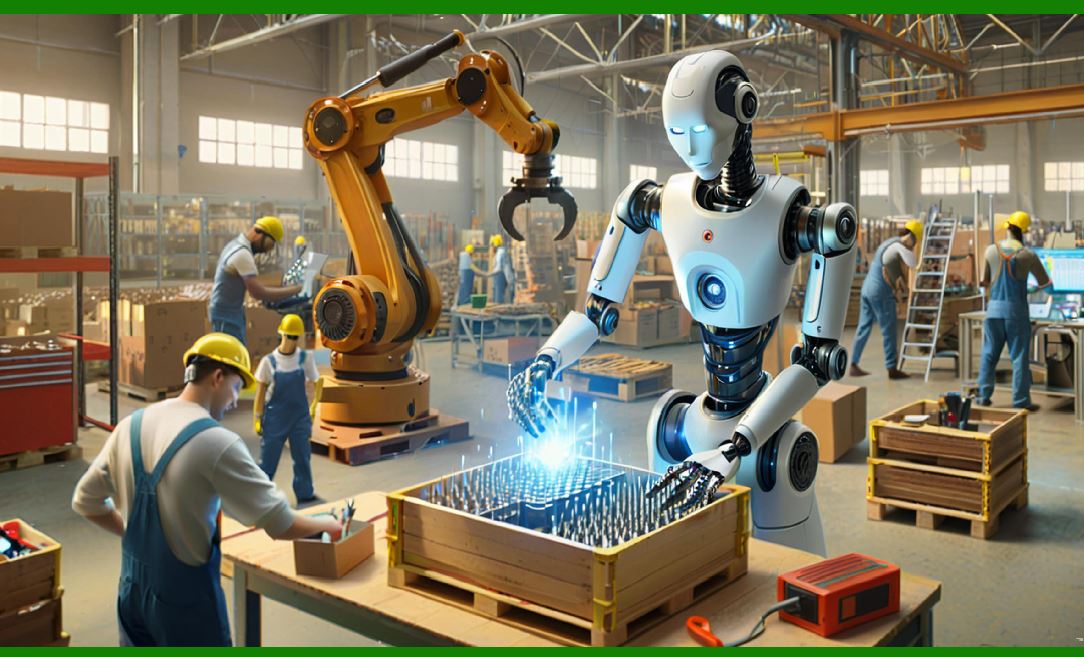
Cross-functional collaboration maximizes human-AI synergy and strengthens organizational adaptability. |
|
11.11 Continuous Evaluation of Collaboration Outcomes |
Performance monitoring ensures effectiveness: |
Establish key metrics for productivity, accuracy, and innovation |
Compare AI-assisted workflows with human-only benchmarks |
Solicit feedback from stakeholders and team members |
Adjust roles, responsibilities, and task allocation based on results |
Iterate continuously to refine and optimize collaborative models |
Regular evaluation identifies gaps and opportunities, keeping human-AI collaboration efficient and relevant. |
11.12 Conclusion of Part 11 |
Human-AI collaboration is essential for sustained employability and organizational effectiveness. Best practices include: |
Understanding AI capabilities and limitations |
Designing hybrid workflows with human oversight |
Maintaining clear communication, transparency, and ethical standards |
Leveraging AI for creativity and innovation |
Monitoring outcomes and adjusting strategies |
Workers who master human-AI collaboration create value that AI cannot independently generate, securing relevance and minimizing unemployment risk. |
 cs@easiersoft.com