12. Policy, Governance, and Societal Measures |
12.1 Introduction |
Mitigating unemployment in the AI era requires coordinated societal and governmental action. While individual adaptation is crucial, systemic policies, regulatory frameworks, and corporate governance strategies determine the scale and inclusivity of workforce resilience. Strategic interventions support skill development, equitable access, and safety nets for displaced workers. |
12.2 Workforce Development Policies |
Governments can implement policies to ensure continuous workforce adaptation: |
Subsidized upskilling programs ¨C financial support for AI literacy, technical skills, and soft skills development |
Lifelong learning incentives ¨C tax benefits or stipends for individuals engaged in continuous training |
Public-private partnerships ¨C collaborations with industry to design training aligned with labor market demand |
Certification frameworks ¨C standardize and recognize skills acquired through formal and informal learning |
Career transition support ¨C guidance, counseling, and retraining programs for displaced workers |
Robust workforce development policies reduce unemployment risk and foster long-term labor market resilience. |
12.3 Regulatory Measures on AI Deployment |
Balanced regulation ensures AI adoption does not unduly displace workers: |
Impact assessments ¨C evaluate AI projects for labor implications prior to deployment |
Human-in-the-loop requirements ¨C maintain critical human oversight in high-stakes decision-making |
Fair employment mandates ¨C prevent unjust termination due to automation without mitigation strategies |
Transparency obligations ¨C companies must disclose AI-driven decisions affecting employment |
Monitoring and enforcement ¨C regulatory bodies ensure compliance with labor protection measures |
Regulation balances innovation with social responsibility, protecting both workers and organizations. |
12.4 Social Safety Nets |
Governments and organizations must provide protection during transition: |
Unemployment insurance adapted for automation-induced displacement |
Universal basic income pilot programs ¨C provide financial stability in economies undergoing rapid automation |
Access to healthcare, housing, and training ¨C prevent displacement from causing broader social hardship |
Flexible work support ¨C part-time, contract, or gig economy provisions |
Reskilling grants ¨C financial support for those transitioning to new industries |
Comprehensive safety nets ensure that automation does not translate into economic insecurity. |
|
12.5 Encouraging AI-Augmented Entrepreneurship |
Policy can support independent income generation: |
Startup incubators and accelerators ¨C specifically designed for AI-enhanced ventures |
Access to AI tools ¨C subsidized or low-cost AI resources for small businesses and entrepreneurs |
Mentorship and networking support ¨C guidance from industry experts to increase venture success |
Innovation grants ¨C funding for AI-driven solutions with high social or economic impact |
Regulatory simplification ¨C reducing bureaucratic barriers for AI-based businesses |
Entrepreneurial encouragement reduces dependence on traditional employment, diversifying income streams. |
12.6 Corporate Governance and Responsibility |
Businesses must adopt policies that promote sustainable employment: |
Human-centered AI strategies ¨C design AI systems to augment rather than replace employees |
Employee retraining programs ¨C invest in upskilling and reskilling internal workforce |
Ethical AI adoption frameworks ¨C ensure fairness, transparency, and accountability |
Job redesign initiatives ¨C shift human roles toward tasks where they provide unique value |
Stakeholder engagement ¨C involve employees in planning AI integration to foster buy-in and trust |
Ethical governance ensures long-term organizational stability and employee retention. |
12.7 Collaborative Industry Standards |
Sector-wide measures increase predictability and reduce disruption: |
Standardized skill taxonomies ¨C define competencies across industries for better alignment with AI tools |
AI adoption guidelines ¨C recommended practices to balance automation and human employment |
Data sharing frameworks ¨C enable cross-company workforce analysis without compromising privacy |
Certification of AI systems ¨C verify that tools meet labor protection standards |
Inter-industry collaboration ¨C share best practices for retraining, upskilling, and human-AI integration |
Industry cooperation reduces uncertainty and promotes collective adaptation. |
12.8 Global Coordination |
AI-driven unemployment is a worldwide issue requiring international attention: |
Policy harmonization ¨C reduce barriers for cross-border employment and training recognition |
Knowledge sharing ¨C exchange successful adaptation strategies among nations |
International AI ethics standards ¨C prevent exploitation and ensure equitable labor practices |
Global workforce mobility ¨C support migration to sectors and regions with higher labor demand |
Research collaborations ¨C jointly analyze labor market trends and AI impacts |
Global coordination enhances the effectiveness of national measures and mitigates international inequities. |
|
12.9 Promoting Lifelong Learning Societal Culture |
Cultural adoption is key to systemic resilience: |
Public awareness campaigns ¨C highlight importance of continuous learning and adaptability |
Education system reform ¨C integrate AI literacy and problem-solving from early schooling |
Recognition of informal learning ¨C validate skills gained through practice, peer learning, and online platforms |
Community learning hubs ¨C provide accessible AI and technology training spaces |
Celebrating adaptation success ¨C create role models to inspire participation and engagement |
A culture that values lifelong learning encourages proactive skill maintenance, reducing societal unemployment risk. |
12.10 Integrating AI in Labor Market Analytics |
Governments can leverage AI to manage workforce transitions: |
Predictive modeling of automation impacts on sectors, roles, and regions |
Dynamic skills demand mapping to guide educational programs and policies |
Monitoring workforce outcomes to evaluate policy effectiveness |
AI-supported career advisory platforms for citizens |
Scenario simulations to prepare for future technological disruptions |
Data-driven labor management ensures timely interventions and efficient resource allocation. |
12.11 Conclusion of Part 12 |
Systemic measures, including policy, governance, and cultural initiatives, are critical for mitigating unemployment in the AI era. Key strategies involve: |
Workforce development and lifelong learning programs |
Balanced regulation and corporate responsibility |
Social safety nets and entrepreneurship support |
Industry and global collaboration |
Promotion of a societal culture that embraces continuous skill adaptation |
Coordinated actions at individual, corporate, and societal levels collectively safeguard employment and social stability in an AI-driven economy. |

|
13. Case Studies of Successful Human-AI Integration |
13.1 Introduction |
Examining real-world examples of effective human-AI integration provides actionable insights for mitigating unemployment. Case studies illustrate strategies across sectors, highlighting skill development, organizational adaptation, and policy implementation. |
13.2 Healthcare: AI-Augmented Diagnostics |
Background: A large hospital network implemented AI-assisted diagnostic tools for radiology and pathology. |
AI implementation: Algorithms analyze imaging data to detect anomalies with high accuracy. |
Human role: Radiologists interpret AI outputs, validate findings, and provide patient context. |
Upskilling: Staff received training in AI interpretation, system troubleshooting, and predictive analytics. |
Results: Diagnostic speed increased by 40%, accuracy improved, and radiologists focused on complex cases. |
Employment impact: Rather than reducing jobs, the AI-human collaboration created new roles in AI oversight and analytics. |
Insight: Strategic AI integration amplifies human expertise instead of displacing professionals when combined with targeted upskilling. |
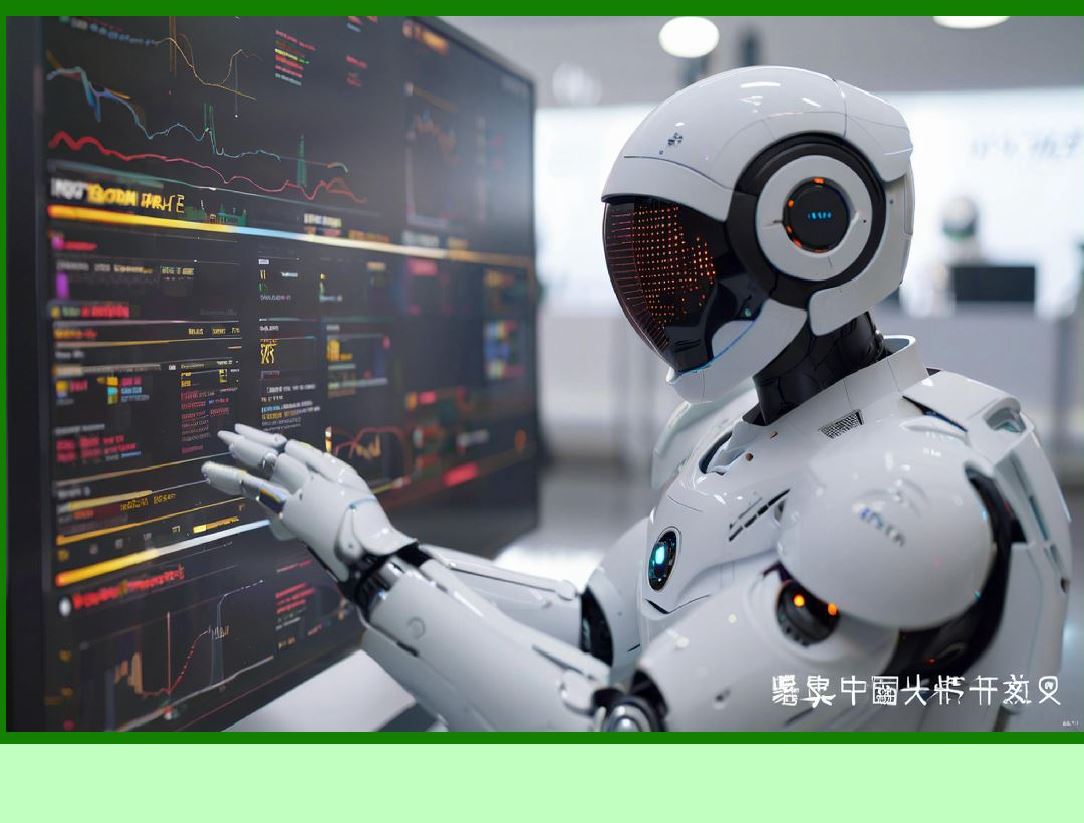
13.3 Finance: AI for Risk Management |
Background: A multinational bank deployed AI for credit scoring and fraud detection. |
AI implementation: Machine learning models assess risk and flag unusual transactions. |
Human role: Compliance officers validate AI decisions and handle exceptions requiring nuanced judgment. |
Upskilling: Staff trained in data interpretation, ethical AI use, and regulatory frameworks. |
Results: Fraud detection improved by 60%, loan processing times reduced, and employees shifted to advisory and oversight roles. |
Employment impact: Job roles evolved rather than disappeared, emphasizing higher-value tasks. |
Insight: Combining AI with human judgment allows organizations to maintain workforce relevance while achieving operational efficiency. |
|
13.4 Manufacturing: AI-Driven Predictive Maintenance |
Background: An automotive manufacturer implemented AI sensors and predictive maintenance systems on production lines. |
AI implementation: Systems monitor equipment health and predict failures before they occur. |
Human role: Maintenance teams interpret alerts, perform interventions, and optimize processes. |
Upskilling: Technicians trained in AI monitoring software, data analysis, and robotics maintenance. |
Results: Downtime decreased by 35%, production efficiency improved, and human expertise was redirected to process innovation. |
Employment impact: Roles shifted toward higher-value maintenance and optimization tasks. |
Insight: AI can enhance industrial productivity while retaining the necessity of skilled human workers. |
13.5 Education: Adaptive Learning Platforms |
Background: A national school system introduced AI-driven adaptive learning software for mathematics and science. |
AI implementation: Platforms personalize learning paths based on student performance. |
Human role: Teachers focus on mentorship, motivation, and addressing individual student needs. |
Upskilling: Educators trained in AI integration, data interpretation, and content adjustment. |
Results: Student performance improved, teachers engaged more in critical thinking guidance, and administrative burdens decreased. |
Employment impact: Teaching roles transformed rather than reduced, with increased value in human-centric education. |
Insight: AI empowers educators to concentrate on uniquely human skills while improving learning outcomes. |
13.6 Logistics: AI in Supply Chain Optimization |
Background: A global e-commerce company implemented AI for warehouse management and delivery optimization. |
AI implementation: Predictive analytics manage inventory, optimize routing, and automate picking systems. |
Human role: Supervisors oversee AI systems, handle exceptions, and coordinate logistics strategies. |
Upskilling: Staff trained in AI monitoring, data analytics, and exception management. |
Results: Delivery efficiency increased, stockouts decreased, and human effort shifted to strategic coordination. |
Employment impact: Employees transitioned into higher-value monitoring and optimization roles. |
Insight: AI can streamline operations without eliminating employment when human oversight is preserved. |
|
13.7 Creative Industries: AI-Assisted Content Production |
Background: A media company introduced AI-assisted video editing and content creation tools. |
AI implementation: Systems automate routine editing, script suggestions, and video enhancements. |
Human role: Editors focus on creative direction, storytelling, and final approval. |
Upskilling: Staff trained in AI content tools, workflow integration, and creative problem-solving. |
Results: Production speed increased, output quality improved, and creativity was amplified. |
Employment impact: Human roles evolved toward supervision, innovation, and content strategy. |
Insight: AI can expand creative capacity rather than replace human talent when integrated thoughtfully. |
13.8 Public Sector: AI for Citizen Services |
Background: A city government deployed AI chatbots to manage citizen queries and service requests. |
AI implementation: Chatbots handle routine inquiries and provide real-time guidance. |
Human role: Government staff handle complex cases, policy interpretation, and citizen advocacy. |
Upskilling: Employees trained in AI supervision, chatbot design, and data analysis. |
Results: Response times improved, administrative workload decreased, and public satisfaction increased. |
Employment impact: Human roles shifted toward higher-level decision-making and problem resolution. |
Insight: Public sector employees maintain relevance when AI handles routine tasks while humans manage complexity and interpersonal aspects. |
13.9 Cross-Industry Lessons |
Common strategies from these case studies include: |
Human oversight remains essential in high-stakes and judgment-intensive tasks. |
Targeted upskilling ensures employees adapt to AI-augmented workflows. |
Job evolution rather than elimination is the predominant outcome when AI is integrated strategically. |
Efficiency gains enable redeployment of human effort to higher-value areas. |
Ethical and transparent AI deployment fosters trust among employees and clients. |
These lessons provide replicable strategies for individuals and organizations seeking to avoid unemployment in the AI era. |
13.10 Conclusion of Part 13 |
Successful human-AI integration demonstrates that: |
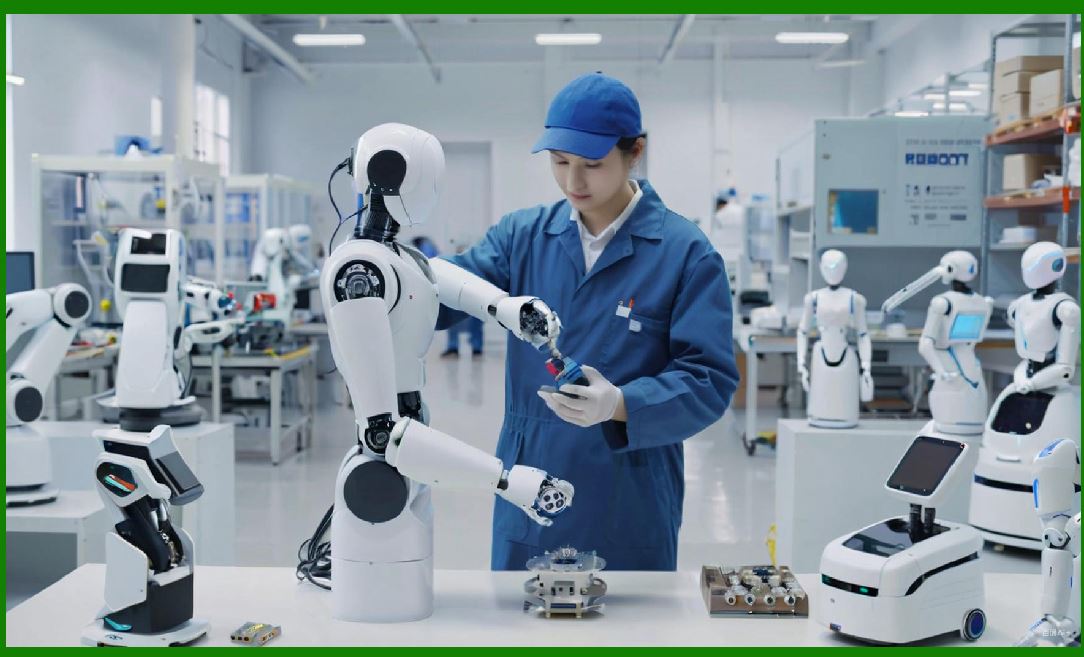
AI amplifies human capability rather than solely replacing labor. |
Workforce resilience depends on adaptability, oversight, and continuous learning. |
Strategic, ethical, and sector-specific implementation mitigates unemployment risks. |
Case studies highlight actionable pathways for workers, organizations, and policymakers to coexist with AI while maintaining employment stability and societal benefits. |
|
14. Future Outlook: Preparing for the Next Wave of AI Advancements |
14.1 Introduction |
AI development is accelerating, with successive generations of technology capable of performing increasingly complex cognitive, creative, and decision-making tasks. Preparing for future AI requires proactive adaptation strategies that combine technical skills, human judgment, ethical awareness, and systemic resilience. This section explores long-term trends, emerging roles, and strategic approaches for sustainable employability. |
14.2 Emerging AI Technologies and Capabilities |
Future AI systems will expand the scope of automation and augmentation: |
Generalized AI assistants: Capable of multi-domain reasoning and complex task integration |
Autonomous decision-making systems: Enhanced predictive modeling and situational awareness |
Generative AI advances: Creation of highly realistic multimedia, text, code, and design solutions |
Human-AI symbiosis platforms: Continuous collaboration between humans and AI for optimization and innovation |
Cognitive augmentation tools: Enhancing human memory, analysis, and creative problem-solving |
Awareness of these emerging capabilities allows workers and organizations to anticipate the evolution of tasks and required skills. |
14.3 Projected Labor Market Shifts |
AI will redefine occupational structures, creating new categories of work: |
Hybrid technical-creative roles combining domain expertise with AI facilitation |
AI system governance and ethics roles to ensure accountability, transparency, and fairness |
Predictive and analytical occupations where humans oversee AI-generated insights |
Human-centric service roles emphasizing empathy, social intelligence, and interpersonal management |
AI-enhanced entrepreneurship opportunities enabling small businesses to leverage advanced tools |
Anticipating these shifts allows workforce planning and educational systems to target relevant skill development. |

|
14.4 Continuous Learning as a Strategic Imperative |
Adaptability is the primary defense against future AI-driven displacement: |
Regular skills auditing to monitor relevance relative to emerging technologies |
Dynamic learning platforms offering AI-driven recommendations for upskilling |
Micro-credentialing and modular education allowing targeted acquisition of niche competencies |
Cross-disciplinary learning integrating technical, creative, and human-centered expertise |
Application-focused learning emphasizing real-world problem-solving alongside theory |
Workers who embed continuous learning into their career trajectory maintain long-term resilience. |
14.5 Adaptive Career Planning |
Foresight and planning mitigate disruption: |
Scenario modeling: Project how AI may transform specific industries and roles |
Flexible career pathways: Prepare for lateral and cross-sector mobility |
Portfolio diversification: Accumulate transferable skills that retain value despite automation |
Role evolution tracking: Monitor how tasks within roles are augmented or replaced |
Strategic networking: Build connections in emerging sectors and interdisciplinary domains |
Proactive planning enables workers to seize opportunities rather than react to displacement. |
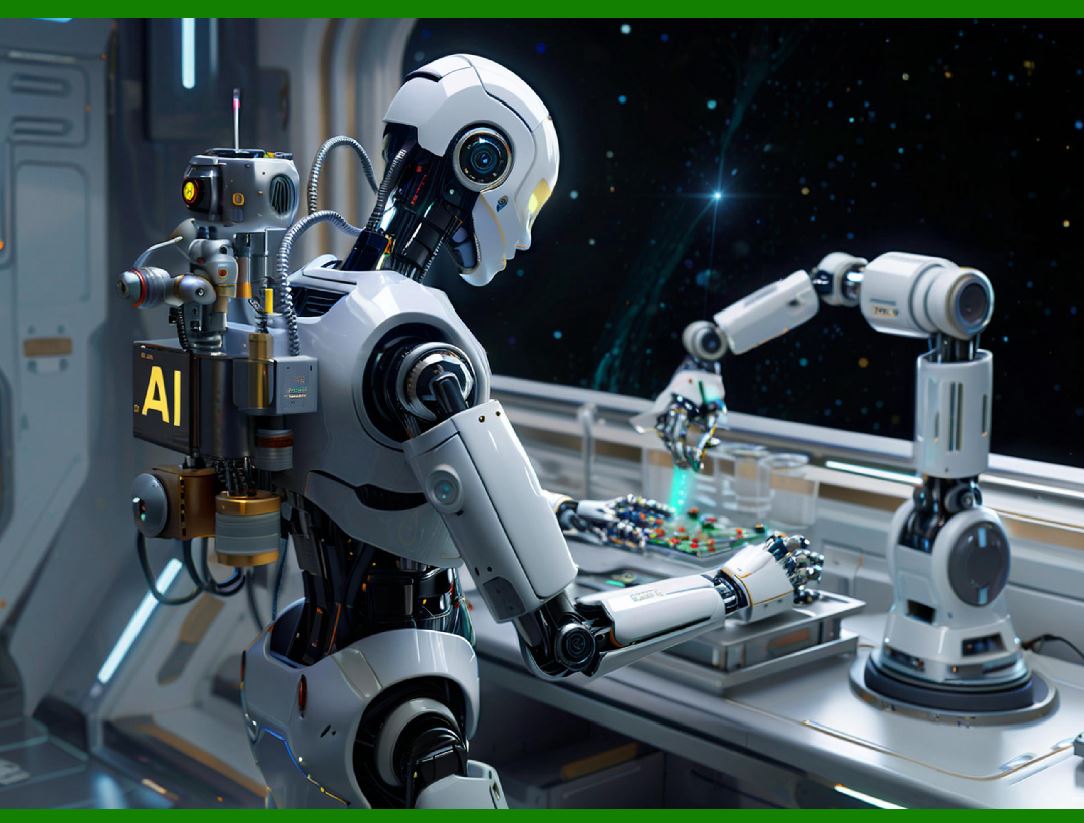
14.6 Human-AI Collaborative Ecosystems |
The next wave of AI emphasizes symbiotic collaboration: |
Hybrid teams: Humans oversee, guide, and validate AI processes |
Collective intelligence platforms: Integrating human and AI insights for decision-making |
Autonomous augmentation tools: Enhancing cognitive and creative human capabilities |
Shared accountability models: Combining AI transparency with human ethical oversight |
Innovation accelerators: Humans leverage AI to prototype, test, and deploy solutions rapidly |
Maximizing human-AI synergy is essential for roles that cannot be fully automated. |
|
14.7 Ethical and Societal Considerations |
Long-term workforce resilience requires adherence to ethics: |
Bias mitigation in AI systems to prevent discrimination in hiring and task allocation |
Privacy protection for worker data and AI-generated outputs |
Accountability frameworks ensuring humans remain responsible for decisions |
Equitable access to AI resources to prevent widening socioeconomic disparities |
Sustainable adoption balancing efficiency gains with human well-being |
Ethical integration ensures that AI enhances employment quality and social stability. |
14.8 Policy and Organizational Forecasting |
Future-ready policies and corporate governance support workforce adaptation: |
Predictive labor market analysis using AI to anticipate skill gaps |
Dynamic training subsidies to target emerging sectors |
Job redesign frameworks incorporating AI augmentation without displacing critical human tasks |
Continuous feedback loops between policy, education, and industry practices |
Long-term investment in human capital focusing on adaptability, creativity, and ethical judgment |
Systemic foresight mitigates large-scale unemployment while maximizing the societal benefits of AI. |
14.9 Scenario-Based Strategic Planning |
Preparing for multiple AI-driven futures reduces vulnerability: |
High automation scenario: Focus on skills where humans provide unique value and oversight |
Collaborative augmentation scenario: Optimize hybrid workflows and cross-disciplinary skills |
Disruptive innovation scenario: Emphasize entrepreneurship, adaptability, and rapid learning |
Global competitive scenario: Maintain international skills recognition and cross-border mobility |
Ethically constrained scenario: Integrate ethical frameworks and human-centric AI governance |
Scenario-based planning empowers individuals and organizations to respond proactively to uncertain technological trajectories. |

|
14.10 Cultivating Resilience and Agility |
Long-term employability relies on cognitive and emotional adaptability: |
Resilience training: Developing mindset for continuous change and learning |
Agile work practices: Embracing flexible roles, tasks, and team structures |
Critical thinking and problem-solving: Skills that AI cannot fully replicate |
Interpersonal intelligence: Empathy, negotiation, and leadership in human-AI contexts |
Reflective learning: Continuous assessment of personal capabilities relative to market shifts |
Resilient and agile workers remain employable regardless of AI sophistication or disruption pace. |
14.11 Conclusion of Part 14 |
Future AI advancements will continue to reshape labor markets. Strategies for sustainable employment include: |
Anticipating emerging AI capabilities and labor market changes |
Embedding lifelong learning and adaptive skill acquisition |
Leveraging human-AI collaborative ecosystems |
Adhering to ethical principles and societal responsibility |
Engaging in scenario-based strategic planning and resilience development |
Workers, organizations, and governments that implement these strategies will minimize unemployment risk and thrive in the AI-driven future. |
|
15. Comprehensive Action Plan for Individuals, Organizations, and Policymakers |
15.1 Introduction |
Addressing unemployment in the AI era requires coordinated action across multiple levels: individual, organizational, and societal. This section synthesizes previous analyses into a detailed, actionable roadmap, ensuring long-term employability, workforce resilience, and sustainable economic growth. |
15.2 Individual-Level Action Plan |
Individuals must proactively manage career trajectories to remain relevant amid AI disruption. |
Self-Assessment and Skill Mapping |
Evaluate current skills against projected AI impacts in your industry. |
Identify tasks likely to be automated versus those requiring uniquely human abilities. |
Map skill gaps to targeted learning pathways. |
Lifelong Learning and Upskilling |
Enroll in continuous education programs, online courses, and workshops focusing on AI literacy, technical skills, and creative problem-solving. |
Pursue micro-credentials, certifications, and modular learning aligned with evolving market demands. |
Human-Centric Skills Development |
Strengthen soft skills: communication, empathy, leadership, and negotiation. |
Develop critical thinking, strategic decision-making, and ethical judgment. |
Engage in multidisciplinary learning to combine technical expertise with creativity and social intelligence. |
AI Collaboration Mastery |
Learn to work effectively with AI tools in your domain. |
Practice human-in-the-loop decision-making and output validation. |
Develop skills in AI system oversight, error detection, and workflow optimization. |
Career Flexibility and Planning |
Explore lateral career moves, cross-sector opportunities, and entrepreneurial ventures. |
Maintain a diverse portfolio of transferable skills. |
Prepare contingency plans for potential displacement scenarios. |
Networking and Knowledge Sharing |
Build professional networks across disciplines and geographies. |
Participate in industry forums, AI-focused communities, and collaborative projects. |
Exchange best practices and stay informed about emerging technologies. |
15.3 Organizational-Level Action Plan |
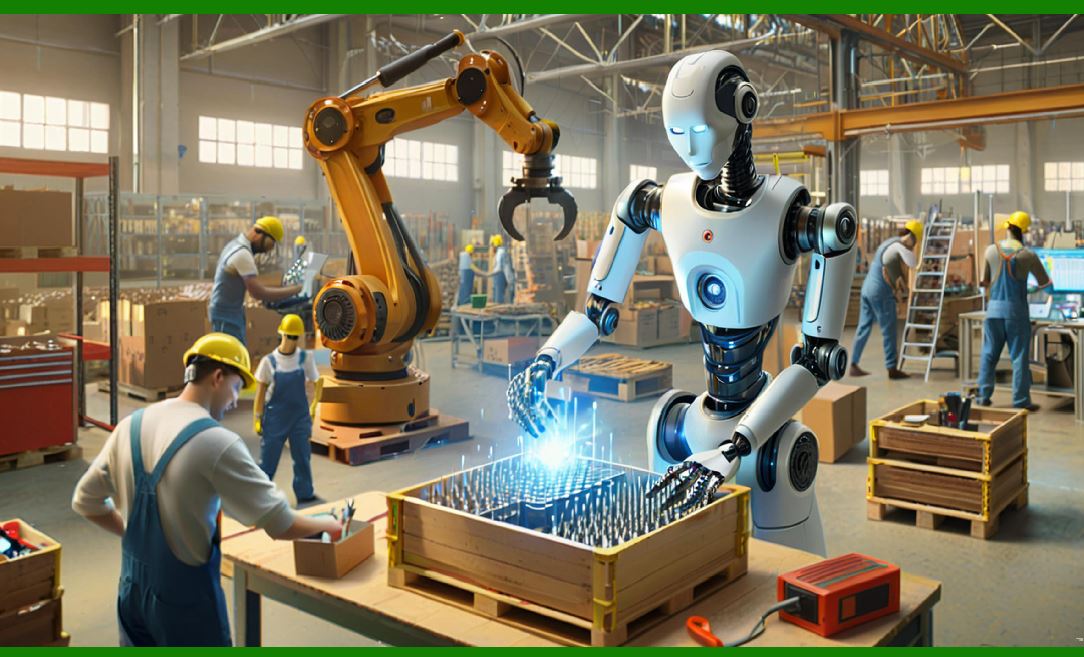
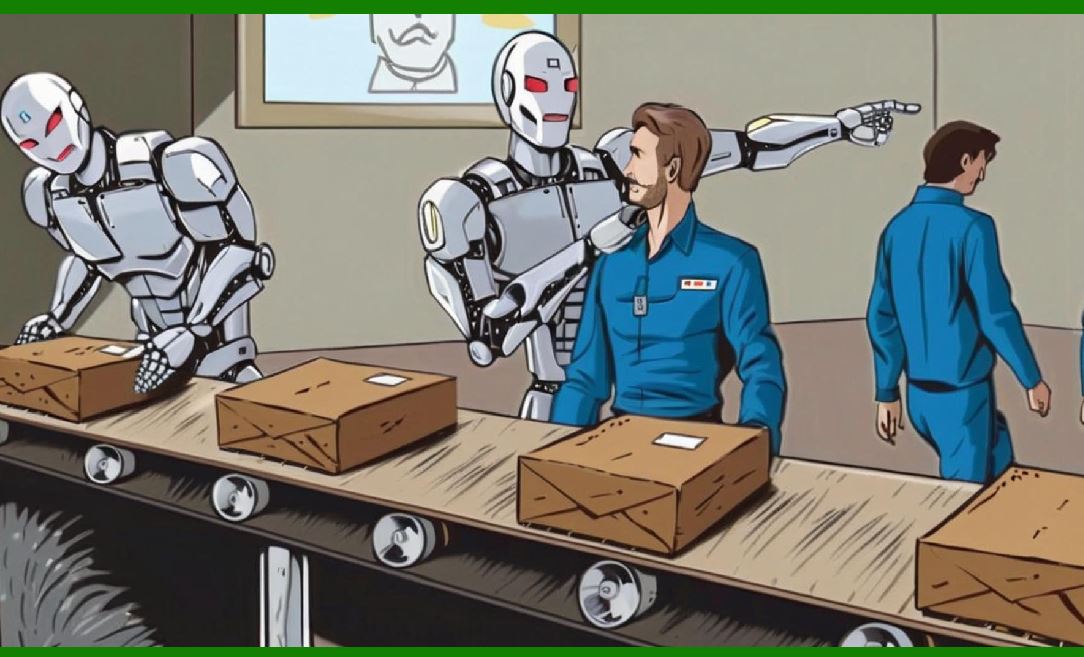
Organizations must adopt strategies to integrate AI while preserving and enhancing human employment. |
Strategic AI Implementation |
Conduct risk-benefit analyses of AI adoption in operations. |
Prioritize augmentation of human tasks rather than outright replacement. |
Segment workflows to optimize human-AI collaboration. |
Workforce Reskilling and Redeployment |
Invest in structured upskilling programs aligned with AI-enhanced workflows. |
Redeploy employees from automated tasks to higher-value activities. |
Offer incentives for continuous learning and AI tool proficiency. |
Ethical and Transparent Governance |
Establish policies ensuring fairness, accountability, and ethical AI use. |
Implement human-in-the-loop checkpoints for high-stakes decisions. |
Monitor and audit AI systems to prevent bias, errors, and unintended consequences. |
Hybrid Human-AI Collaboration Frameworks |
Develop clear communication channels between AI outputs and human decision-making. |
Design feedback loops to continuously improve AI performance. |
Create dashboards and interfaces that integrate AI insights into daily workflows. |
Innovation and Creative Integration |
Encourage employees to leverage AI for creativity, strategy, and problem-solving. |
Support AI-driven experimentation and rapid prototyping initiatives. |
Recognize and reward successful human-AI collaborative outcomes. |
|
15.4 Policymaker-Level Action Plan |
Governments and institutions must provide frameworks that safeguard employment while promoting innovation. |
Workforce Development Policies |
Implement lifelong learning incentives and subsidized upskilling programs. |
Promote public-private partnerships to align training with labor market needs. |
Standardize certification frameworks to recognize AI-related skills. |
Regulatory Oversight |
Mandate AI impact assessments for workforce implications. |
Require transparency in AI-driven employment decisions. |
Enforce ethical standards to ensure fairness, accountability, and inclusivity. |
Social Safety Nets |
Update unemployment benefits to account for automation-related displacement. |
Pilot universal basic income or transitional financial support programs. |
Provide access to retraining, healthcare, and housing during career transitions. |
Entrepreneurship and Innovation Support |
Subsidize AI tools and platforms for startups and small businesses. |
Facilitate mentorship, networking, and market access. |
Simplify regulatory processes to accelerate AI-driven ventures. |
Global Collaboration and Knowledge Sharing |
Engage in international coordination on AI ethics, labor standards, and cross-border skill recognition. |
Share successful adaptation models and best practices across nations. |
Monitor global AI adoption trends to anticipate labor market shifts. |
15.5 Integrated Multilevel Coordination |
Optimal outcomes require alignment between individuals, organizations, and policymakers: |
Skills Alignment |
Ensure training programs meet industry needs and policy goals. |
Encourage individuals to pursue recognized certifications and lifelong learning. |
Feedback and Data-Driven Adjustments |
Monitor AI adoption impact on workforce trends. |
Use predictive analytics to guide policy interventions and organizational planning. |
Adapt learning curricula and workforce strategies based on data insights. |
Ethical and Societal Integration |
Foster human-centric AI development across sectors. |
Promote transparency, inclusivity, and fairness in AI applications. |
Encourage societal discourse on AI¡¯s role in employment, ethics, and productivity. |
Long-Term Sustainability |
Focus on workforce adaptability, resilience, and cross-industry mobility. |
Invest in education, reskilling, and career transition infrastructure. |
Balance innovation with protection of human employment and social well-being. |
15.6 Monitoring and Evaluation |
Regular assessment ensures continuous improvement: |
Performance Metrics |
Measure employment retention, reskilling effectiveness, productivity gains, and job quality. |
Monitor AI impact on workflow efficiency and human-AI collaboration success. |
Policy Evaluation |
Assess social safety nets, education programs, and regulatory effectiveness. |
Refine interventions to optimize workforce resilience and economic outcomes. |
Organizational Audits |
Evaluate AI integration strategies, ethical compliance, and employee satisfaction. |
Adjust role design, workflow allocation, and training investments as necessary. |
|
15.7 Conclusion of Part 15 |
A coordinated, multilevel action plan ensures sustainable employment in the AI era: |
Individuals: continuous learning, AI collaboration, and career flexibility |
Organizations: strategic AI adoption, workforce reskilling, and ethical governance |
Policymakers: training incentives, regulation, social safety nets, and entrepreneurship support |
Alignment across these levels maximizes employment resilience, mitigates risks of displacement, and fosters inclusive economic growth in an AI-driven world. |

|
16. Final Synthesis and Strategic Recommendations |
16.1 Introduction |
The previous sections have explored the multifaceted challenge of AI-induced unemployment, examining individual strategies, organizational adaptation, societal policies, case studies, and future projections. This final section synthesizes these insights into an integrated framework and provides actionable strategic recommendations for sustained employment resilience. |
16.2 Key Insights from Previous Analysis |
AI as Augmentation, Not Replacement |
Across sectors, AI enhances productivity, accuracy, and creativity but cannot fully replicate human judgment, empathy, and ethical reasoning. |
Strategic deployment focuses on collaboration rather than substitution, preserving human relevance. |
Continuous Learning is Critical |
Lifelong upskilling ensures that individuals remain adaptable to evolving AI capabilities. |
Emphasis on technical, creative, and soft skills protects against automation of routine and structured tasks. |
Human-Centric Roles are Resilient |
Positions emphasizing interpersonal interaction, complex problem-solving, creativity, and ethical oversight are less likely to be automated. |
These roles provide a foundation for long-term employability. |
Organizational Adaptation is Essential |
Companies must integrate AI ethically and strategically, upskilling staff and redesigning roles to balance efficiency with human engagement. |
Transparency, oversight, and collaborative workflows are crucial for sustainable employment. |
Policy and Societal Measures Complement Individual Action |
Regulatory frameworks, social safety nets, and public-private partnerships reduce systemic unemployment risks. |
National and global coordination ensures equitable AI adoption and workforce readiness. |
Scenario Planning and Resilience |
Proactive anticipation of AI trends, skill gaps, and labor market disruptions allows flexible adaptation. |
Scenario-based planning prepares individuals, organizations, and governments for multiple potential futures. |
|
16.3 Strategic Recommendations for Individuals |
Adopt a Lifelong Learning Mindset |
Engage in continuous education and modular skill acquisition. |
Focus on both AI-related technical skills and human-centric competencies. |
Specialize in Human-AI Collaborative Skills |
Master tools, oversight, and decision-making frameworks that complement AI capabilities. |
Build expertise in interpreting AI outputs and integrating insights into strategic decisions. |
Embrace Career Flexibility |
Maintain transferable skills for cross-industry mobility. |
Explore entrepreneurship and project-based opportunities to diversify income streams. |
Invest in Creativity and Social Intelligence |
Develop capabilities that AI cannot replicate, such as negotiation, leadership, and emotional intelligence. |
Focus on roles requiring contextual judgment and ethical decision-making. |
16.4 Strategic Recommendations for Organizations |
Implement AI with Human Augmentation in Mind |
Deploy AI to handle repetitive or high-volume tasks, freeing humans for higher-value responsibilities. |
Design human-in-the-loop processes for oversight and decision validation. |
Prioritize Workforce Reskilling and Redeployment |
Offer structured upskilling programs aligned with AI-augmented roles. |
Redeploy employees to strategic, creative, or oversight positions. |
Maintain Ethical and Transparent Governance |
Establish AI ethics committees and compliance protocols. |
Ensure transparency in AI-driven decisions affecting employment and operations. |
Foster Innovation through AI Collaboration |
Encourage teams to leverage AI for rapid prototyping, trend analysis, and creative problem-solving. |
Recognize and reward successful human-AI collaborative outcomes. |
|
16.5 Strategic Recommendations for Policymakers |
Enhance Education and Workforce Development |
Subsidize AI literacy programs, reskilling initiatives, and lifelong learning incentives. |
Align curricula with emerging labor market requirements. |
Develop Balanced Regulatory Frameworks |
Mandate AI impact assessments and human oversight in employment-critical areas. |
Promote ethical AI deployment to prevent bias, discrimination, and displacement. |
Strengthen Social Safety Nets |
Update unemployment insurance to accommodate automation-driven job transitions. |
Explore universal basic income or retraining grants to support workforce mobility. |
Support Entrepreneurship and Innovation |
Provide low-cost access to AI tools, mentorship, and regulatory simplification for AI-driven ventures. |
Facilitate cross-industry and international collaboration to maximize employment opportunities. |
16.6 Integrated Multilevel Strategy |
Successful mitigation of AI-induced unemployment requires coordinated action across all levels: |
Individuals: Proactive learning, flexibility, creativity, and AI collaboration mastery. |
Organizations: Ethical AI integration, role redesign, workforce upskilling, and innovation culture. |
Policymakers: Strategic regulation, training incentives, safety nets, and support for entrepreneurship. |
Alignment ensures that AI adoption enhances productivity while preserving and generating human employment. |
16.7 Long-Term Vision |
Human-AI Synergy: Future labor markets will thrive when humans and AI collaborate seamlessly, with humans overseeing, validating, and innovating. |
Adaptive and Resilient Workforce: Continuous skill development, cross-disciplinary learning, and emotional intelligence ensure long-term employability. |
Ethical and Inclusive AI Deployment: Balancing efficiency with fairness, transparency, and societal well-being prevents large-scale displacement. |
Global Coordination: Sharing best practices and standards across countries enhances collective adaptation to AI-driven economies. |

|
16.8 Concluding Remarks |
Avoiding unemployment in the AI era is achievable through foresight, strategic adaptation, and continuous investment in human capabilities. Key principles include: |
Viewing AI as augmentation rather than replacement |
Emphasizing lifelong learning, creativity, and human-centric skills |
Aligning organizational strategies with workforce development and ethical AI practices |
Implementing supportive policy measures and social safety nets |
Preparing for multiple future scenarios and fostering resilience at all levels |
By integrating these principles, individuals, organizations, and societies can not only mitigate unemployment risks but also thrive in an AI-driven economy, turning technological disruption into an opportunity for sustainable growth and innovation. |

|
Executive Summary: Avoiding Unemployment in the AI Era |
1. Core Principle |
AI is primarily a tool for augmentation, not replacement. Sustainable employment depends on integrating human creativity, judgment, and ethical oversight with AI capabilities. |
2. Individual Strategies |
Lifelong Learning: Continuously update technical, creative, and soft skills. |
Human-AI Collaboration: Develop expertise in interpreting AI outputs, human-in-the-loop processes, and workflow optimization. |
Career Flexibility: Maintain transferable skills, pursue cross-sector opportunities, and explore entrepreneurship. |
Human-Centric Skills: Emphasize emotional intelligence, leadership, negotiation, and ethical decision-making. |
3. Organizational Strategies |
Strategic AI Deployment: Use AI to handle repetitive tasks, freeing humans for higher-value work. |
Workforce Reskilling: Invest in upskilling and redeployment programs for AI-augmented roles. |
Ethical Governance: Ensure transparency, fairness, and accountability in AI integration. |
Innovation Culture: Encourage human-AI collaboration in creative problem-solving and decision-making. |
|
4. Policy and Societal Measures |
Education and Training: Support lifelong learning, reskilling, and certification aligned with labor market needs. |
Regulation: Mandate AI impact assessments and human oversight in employment-critical areas. |
Social Safety Nets: Update unemployment support and provide transitional financial assistance. |
Entrepreneurship Support: Facilitate access to AI tools, mentorship, and regulatory simplification. |
Global Collaboration: Share best practices, standards, and workforce strategies internationally. |
5. Future Outlook |
Emerging Roles: Hybrid technical-creative, AI governance, predictive analytics, human-centric service, and entrepreneurial positions. |
Scenario Planning: Prepare for high automation, collaborative augmentation, disruptive innovation, and ethical constraints. |
Resilience and Agility: Build cognitive flexibility, emotional intelligence, and adaptability to changing labor demands. |
6. Key Takeaways |
AI will augment rather than entirely replace human work when implemented ethically. |
Continuous learning and human-centric skills are essential for long-term employability. |
Coordinated action by individuals, organizations, and policymakers mitigates unemployment risk. |
Ethical, transparent, and inclusive AI adoption enhances societal stability and economic growth. |
Proactive preparation ensures that AI becomes a driver of opportunity rather than displacement. |
 cs@easiersoft.com