The benefits and risks of AI to humans |
Artificial intelligence is a discipline that studies and develops theories, methods, technologies and applications that can simulate, extend and expand human intelligence. |
AI involves computer science, mathematics, linguistics, biology and other fields, aiming to give machines the ability to perceive, understand, reason, make decisions and create. |
|
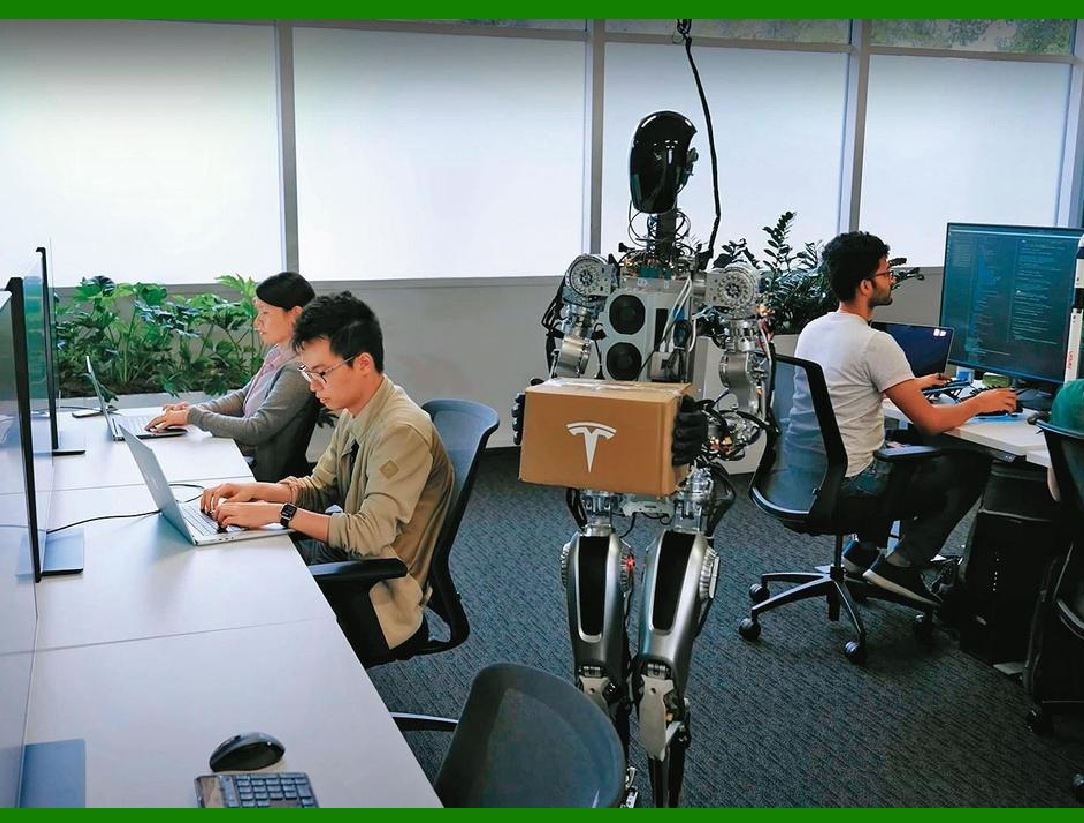
AI has played an increasingly important role in our lives: |
1. Through voice assistants and chatbots, we can communicate with computers in natural language to obtain information, entertainment or help. |

|
Let's look at some actual enterprise-level cases to experience the diverse application scenarios of chatbots: StarHub & Haptik: Singapore-based communications company StarHub built an intelligent Chatbot virtual assistant through Haptik to answer queries about digital TV, cable TV, broadband Internet and other services. This initiative has significantly improved the customer experience and shortened response times for routine inquiries. ENN Group & IBM: ENN Group uses IBM Watson Assistant and IBM Watson Discovery technology, combined with RPA and Automation Anywhere solutions, to realize the interpretation and response of IT staff service desk requests. This solution significantly increases productivity, reduces processing time, and creates millions of dollars in value. Applications in Everyday Life: Chatbots are not only useful in businesses but also play a role in daily life. For example, to check the weather, traffic conditions, find restaurants or hospitals, etc., chatbots can help users quickly obtain the information they need and improve efficiency. |
2. Through smart home devices, we can control lighting, temperature, security and other equipment in the home to improve the quality of life and convenience. |
3. Through self-driving cars and autonomous driving systems, we can enjoy safer and more efficient travel methods, reducing traffic congestion and pollution. |
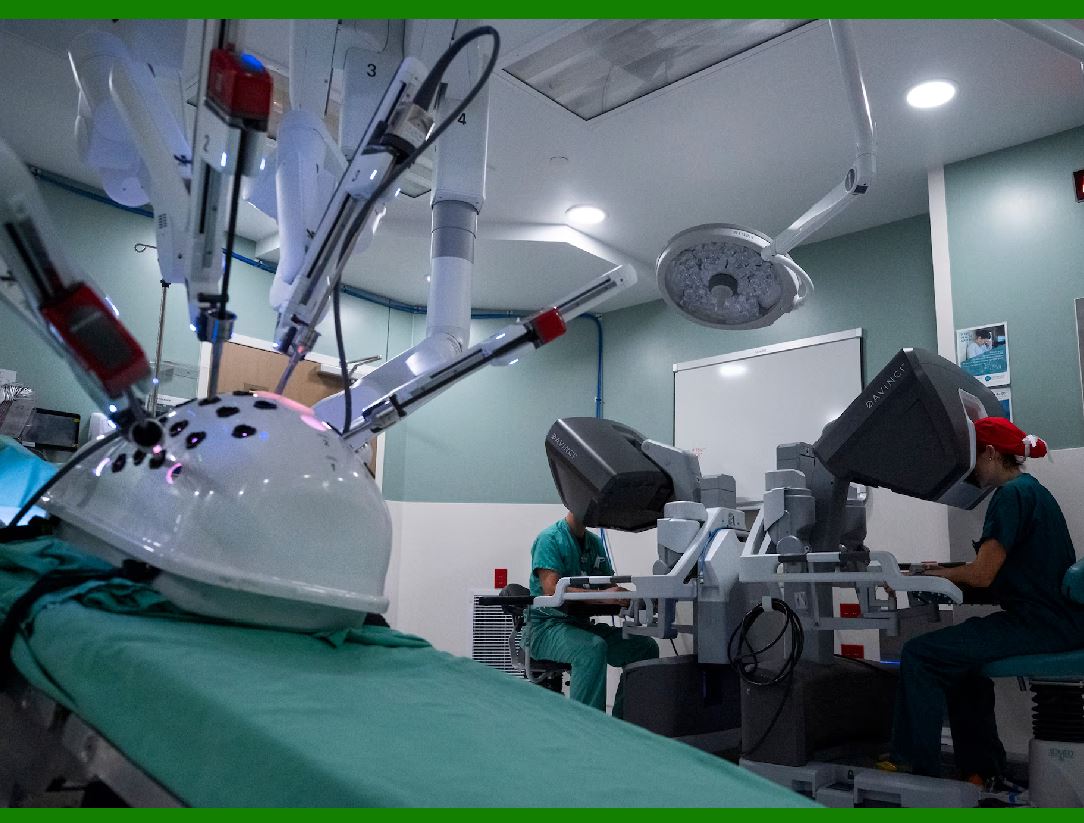
4. Through medical diagnosis and treatment systems, we can use artificial intelligence to analyze a large amount of medical data to improve diagnosis accuracy and treatment effects. |
|
5. Through the creative content generation system, we can use artificial intelligence to create poems, stories, codes, songs and other content to enrich our cultural life. |
But AI also brings us some challenges and risks: |
1. Network security issues: As network attackers use artificial intelligence to carry out network intrusions and fraud, we need to strengthen network protection measures to protect personal privacy and property security. |

|
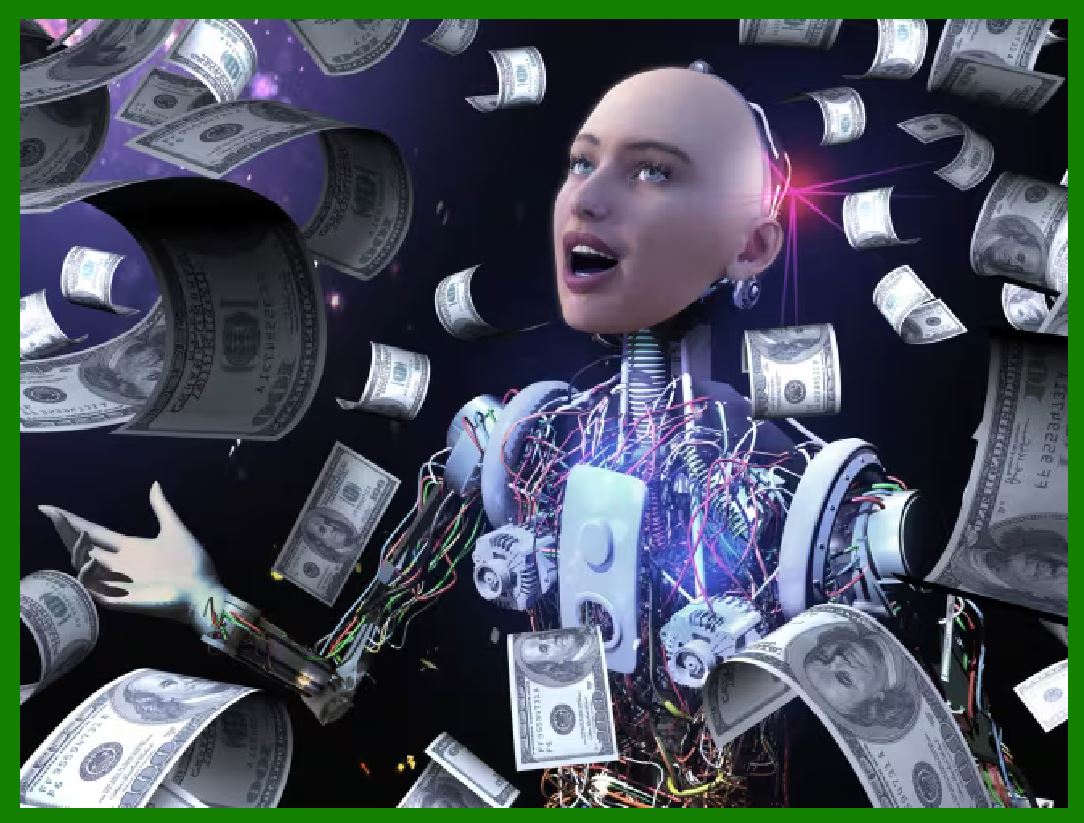
2. Ethical and moral issues: As artificial intelligence simulates or surpasses human cognitive level, we need to think about how to regulate its behavior and responsibilities to avoid causing adverse consequences or affecting social fairness and justice. |
|
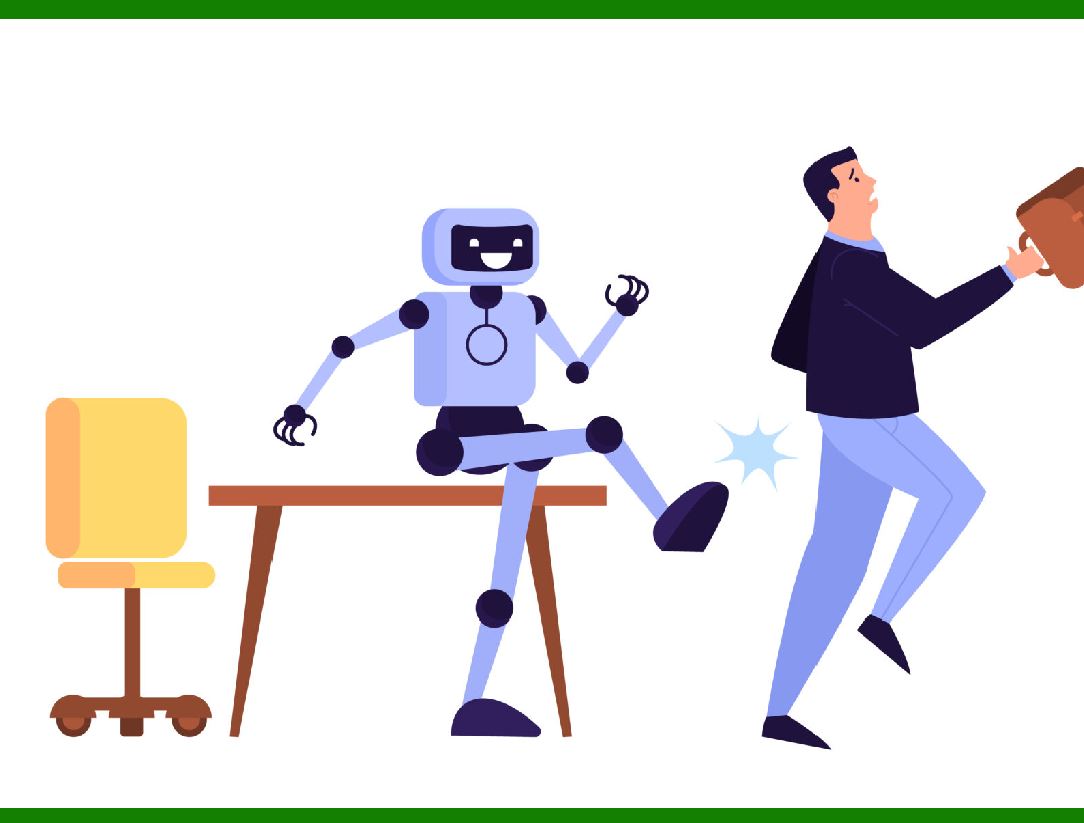
3. Employment transformation issues: As some traditional industries are replaced by artificial intelligence or work methods are changed, we need to adjust our career planning and skills training to adapt to the new employment environment. |
|
How many people will be unemployed as a result of AI? Will it have a greater impact on developed countries or on underdeveloped countries? |
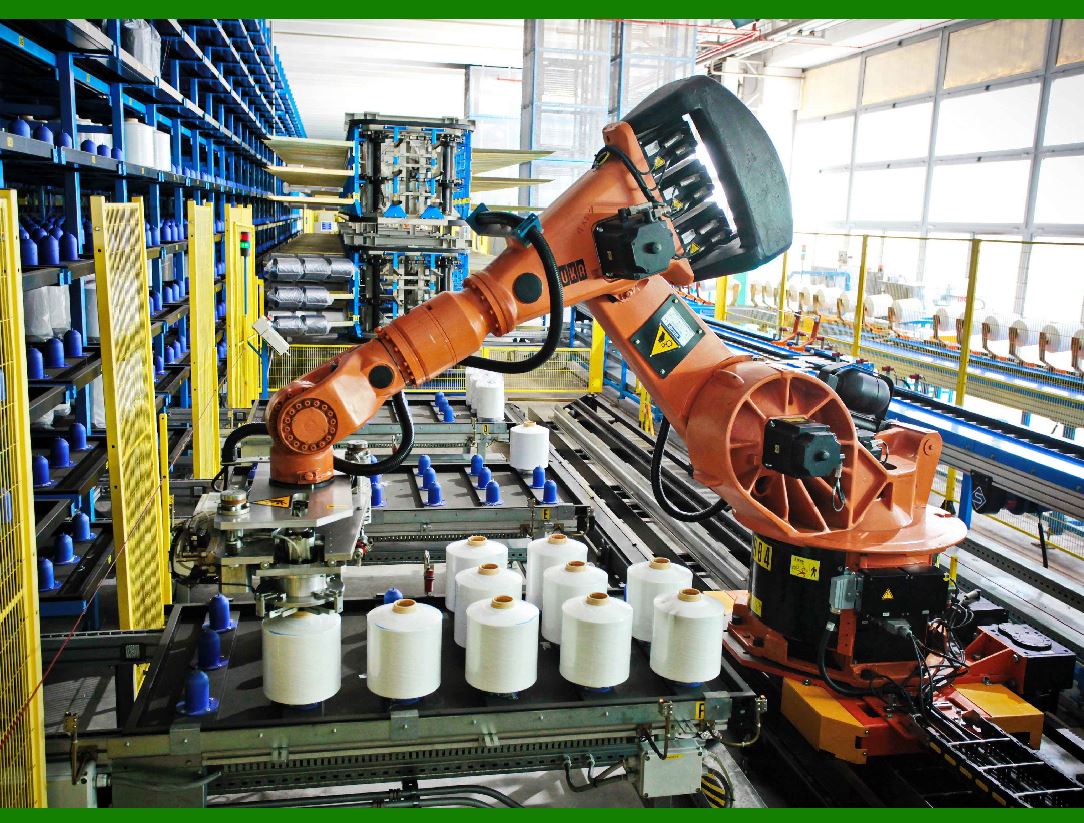
According to a report released by Goldman Sachs, the global labor market may be about to see "major disruption", with artificial intelligence (AI) affecting the equivalent of 300 million full-time jobs. In the United States and Europe, two-thirds of jobs can be automated at least to some extent. However, it could also mean new job opportunities. |
|
Developed markets will be greatly affected, with up to 60% of jobs likely to be affected by AI, much higher than emerging markets and low-income countries. In the United States, office and administrative support jobs have the highest proportion of tasks that can be automated at 46%, followed by legal jobs at 44% and tasks in construction and engineering at 37%. Globally, as many as 300 million jobs may be affected. |
|
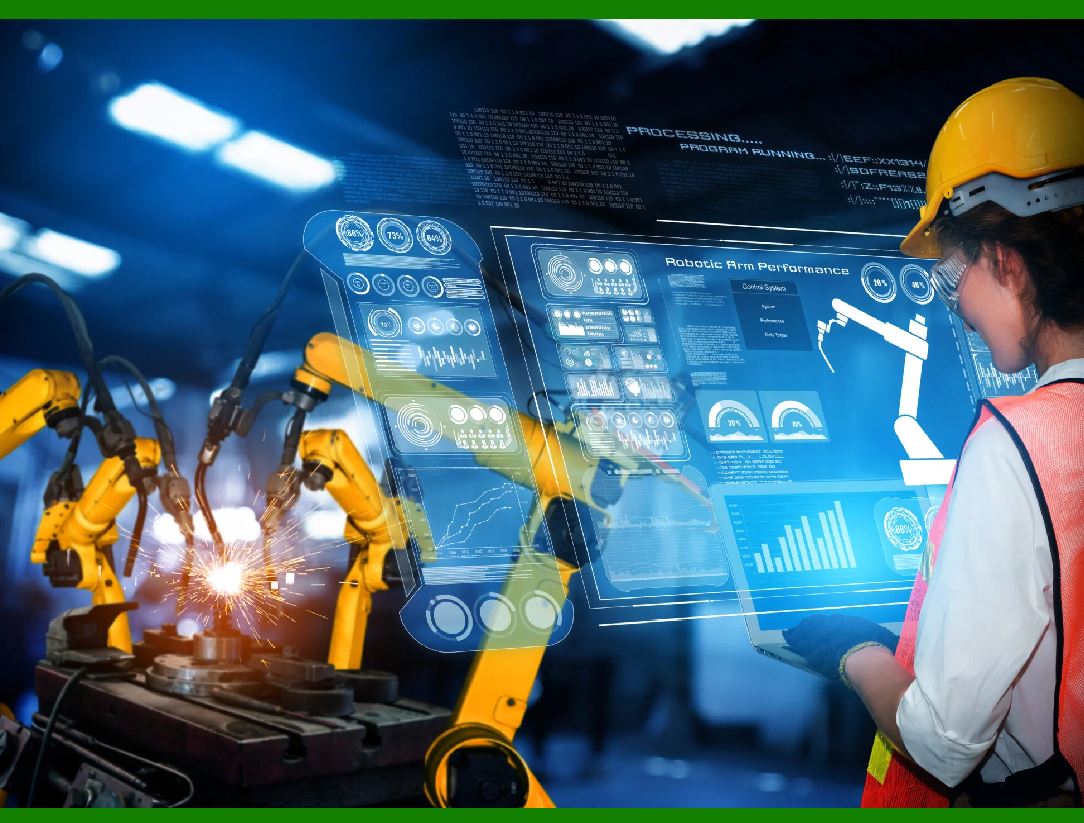
While technological advances typically create new jobs, the use of AI technology can also boost labor productivity growth and boost global GDP by 7% over time. So while AI may eliminate some jobs in the short term, it also has the potential to create more opportunities. |
 cs@easiersoft.com