1. Introduction: The Evolution of Customized Chatbots |
In recent years, the development of artificial intelligence (AI) has undergone an astonishing transformation. One of the most significant advancements has been the rise of customizable chatbots. These AI-powered tools enable individuals and businesses to create intelligent, responsive systems tailored to their specific needs-without the need for coding expertise. Platforms that allow users to design and deploy custom chatbots are becoming increasingly popular, making it easier for anyone to leverage AI capabilities, regardless of their technical background. |
Tech giants, such as OpenAI with GPT-4 and Google DeepMind with Gemini, have brought cutting-edge models that can understand and generate human-like text, process images, and even interpret videos. This leap in AI capabilities has opened up new frontiers in various industries, from customer support and content generation to healthcare and education. The ability to customize these models further, creating bots that align perfectly with specific business processes or personal preferences, marks a revolutionary shift in the accessibility and application of artificial intelligence. |
This article will explore the world of customized chatbots, their importance, the tools available for their creation, the various applications across industries, and the broader implications of this technology for the future. |
|
2. What is a Customized Chatbot? |
A customized chatbot is an AI-powered tool designed to interact with users via text or voice. These bots are tailored to perform specific tasks, communicate in particular tones or styles, and respond to user queries or requests in a manner that aligns with their creator's goals. Unlike generic chatbots, which may only handle a wide range of general queries, customized chatbots are configured to suit particular user needs. |
The customization process allows creators to define various aspects of the chatbot's behavior, personality, and function. For example, a business might design a chatbot to handle customer support inquiries, provide product recommendations, or even process transactions. In contrast, a personal chatbot could be built to manage calendar events, provide daily news updates, or answer questions on a specific topic of interest. |
While traditional chatbots were rule-based and required significant technical expertise to build, recent advances in AI have enabled users without programming skills to create sophisticated bots. This has been made possible through the use of platforms offering intuitive, user-friendly interfaces, pre-built templates, and the ability to integrate AI models like GPT-4 and Gemini. |
|
3. The Role of AI Models in Customizing Chatbots |
The backbone of any powerful customized chatbot is the AI model that powers it. Traditional chatbots, such as those built using basic decision-tree logic, could only offer limited functionality. They often required manual input for every possible question or scenario. In contrast, modern AI models-such as OpenAI's GPT-4 and Google DeepMind's Gemini-offer a far more advanced and scalable approach. |
3.1 GPT-4 |
GPT-4, developed by OpenAI, is one of the most powerful natural language processing (NLP) models currently available. It has been trained on vast amounts of text data, making it capable of understanding and generating human-like text across a wide range of topics. This model has significantly expanded the potential for chatbot customization because of its ability to process complex queries, produce relevant responses, and learn from interactions. GPT-4 supports multimodal capabilities, meaning it can handle both text and images. |
When creating a customized chatbot with GPT-4, users can fine-tune its behavior, adjust its conversational style, and even influence its response patterns. This is especially beneficial for businesses that need their bots to reflect specific brand voices, adhere to particular communication styles, or understand industry-specific jargon. |
3.2 Google DeepMind's Gemini |
Gemini, developed by Google DeepMind, is another cutting-edge AI model that powers state-of-the-art chatbots. Unlike traditional chatbot technologies that focus only on language, Gemini is designed to handle multimodal inputs-text, images, and even video. This expanded range of capabilities unlocks new possibilities for chatbot interactions, particularly in industries where visual or video content is a core component. |
For example, a Gemini-powered chatbot could be trained to provide product support, offering both written instructions and visual aids such as annotated images or tutorial videos. This ability to integrate multiple forms of media into conversations makes Gemini particularly effective in fields like retail, e-commerce, and technical support, where visual context is often necessary to explain complex concepts. |
|
4. Platforms for Building Customized Chatbots |
The emergence of platforms that facilitate chatbot creation without requiring coding skills has been a game-changer. These platforms use a combination of drag-and-drop interfaces, templates, and integrations with AI models to simplify the process of building, deploying, and managing customized chatbots. Some of the most popular platforms include: |
4.1 Dialogflow |
Dialogflow, a product of Google Cloud, is a powerful platform for creating conversational agents. It allows users to build custom chatbots that can understand natural language and integrate seamlessly with various services. With Dialogflow, users can define intents (what users want to do), entities (specific items or concepts mentioned in user inputs), and actions (the responses or actions the bot should take). The platform supports integration with Google's powerful AI models, including Gemini, and offers machine learning capabilities to improve chatbot performance over time. |
Dialogflow also supports a range of programming languages, enabling developers to add custom code when necessary. However, its primary appeal lies in its ease of use for non-technical users, who can build sophisticated chatbots without any programming knowledge. |
4.2 Microsoft Power Virtual Agents |
Microsoft's Power Virtual Agents allows businesses to create and manage AI-powered chatbots through a simple, no-code interface. The platform integrates with Microsoft's Azure AI services, which include pre-trained models for natural language processing, sentiment analysis, and user intent recognition. This integration makes it easy for businesses to create customized bots that understand user inputs and perform tasks such as booking appointments, answering frequently asked questions, or providing product recommendations. |
Power Virtual Agents is particularly attractive to organizations that already use Microsoft's suite of productivity tools, as it integrates smoothly with platforms like Microsoft Teams, SharePoint, and Dynamics 365. This ease of integration makes it simple to deploy customized bots across a variety of channels, including websites, mobile apps, and social media platforms. |
4.3 ChatGPT API |
OpenAI's ChatGPT API is another robust option for creating customized chatbots. The API allows developers and non-developers alike to integrate GPT-4 into their applications, whether it's a web app, mobile app, or customer service system. The API is flexible and can be used to create bots that carry out simple conversational tasks or engage in more complex dialogue with users. |
What sets the ChatGPT API apart is the ability to fine-tune the model for specific use cases. For example, a chatbot used by a law firm can be trained to handle legal terminology and provide advice specific to the firm's area of practice. ChatGPT's natural language generation capabilities make it an excellent choice for businesses or individuals looking to create bots that are conversationally adept and able to handle nuanced queries. |
4.4 Rasa |
Rasa is an open-source platform that offers both no-code and code-based options for building customized chatbots. It is particularly popular among developers who want more control over their bot's functionality. Rasa supports advanced NLP and machine learning models, allowing users to train their bots to recognize complex intents, extract entities, and manage multi-turn conversations. |
Rasa's flexibility makes it ideal for organizations with specific needs, such as those in the healthcare, finance, or e-commerce industries, where specialized knowledge is required. While Rasa does require more technical know-how compared to other no-code platforms, it also offers more customization options for users looking to push the boundaries of chatbot functionality. |
|
5. Key Benefits of Customized Chatbots |
The ability to create customized chatbots brings numerous benefits to businesses and individuals alike. Some of the most compelling advantages include: |
5.1 Cost-Effectiveness |
Customized chatbots reduce the need for human intervention in routine tasks. For businesses, this can significantly lower operational costs, especially in areas like customer service. By deploying chatbots to handle basic inquiries, businesses can free up human agents to focus on more complex issues, resulting in better resource allocation. |
5.2 Improved Customer Experience |
Customized chatbots are designed to cater to specific user needs, which leads to improved customer interactions. By being able to handle inquiries efficiently and accurately, these bots enhance the overall user experience. For example, a chatbot tailored for an e-commerce site can provide product recommendations based on user preferences, offer real-time order tracking, and even assist in processing returns or refunds. |
5.3 Scalability |
As businesses grow, so too does the demand for customer interactions. Customized chatbots scale effortlessly, handling thousands of conversations simultaneously without the need to hire additional staff. Whether a business is expanding globally or experiencing a surge in customer inquiries, a chatbot can manage the increased workload without compromising performance. |
5.4 24/7 Availability |
Unlike human employees, customized chatbots are available around the clock. This is particularly valuable for businesses with international customers or those that want to provide support outside of regular working hours. A chatbot can provide immediate assistance at any time of the day or night, ensuring that users never feel neglected. |
5.5 Personalization |
The ability to customize a chatbot extends to its personality and interactions. Businesses can create bots that reflect their brand's tone of voice, while individuals can create bots that match their personal preferences. This level of personalization fosters deeper connections between users and chatbots, resulting in more effective and engaging interactions. |
|
6. Applications of Customized Chatbots |
Customized chatbots are being used in various industries and sectors, where their versatility and adaptability are proving invaluable. Some of the key applications include: |
6.1 Customer Service |
One of the most common uses for customized chatbots is in customer service. Bots can be programmed to answer frequently asked questions, resolve issues, and direct customers to the appropriate resources. In addition, they can manage basic service requests like order tracking, appointment booking, or account management. |
6.2 E-commerce |
In the e-commerce sector, customized chatbots play a pivotal role in enhancing the shopping experience. Bots can guide customers through product catalogs, help them make purchase decisions, and provide personalized product recommendations based on user behavior or preferences. They can also handle order tracking, returns, and customer inquiries, reducing the burden on customer support teams. |
6.3 Healthcare |
In healthcare, customized chatbots are used for patient interaction, appointment scheduling, and even delivering health advice. These bots can be programmed to provide basic medical information, remind patients about medications, and even offer mental health support through guided therapy or mood tracking. |
6.4 Education |
Educational institutions are increasingly adopting chatbots to assist students with administrative tasks, answer questions about courses, and even provide tutoring support. Customized chatbots can act as virtual teaching assistants, helping students find the resources they need and offering personalized learning experiences. |
|
7. The Future of Customized Chatbots |
As AI technology continues to evolve, so too will the capabilities of customized chatbots. Future developments may include deeper integration with augmented and virtual reality (AR/VR), allowing chatbots to interact with users in immersive environments. Additionally, improvements in AI's ability to understand context and emotions may lead to even more personalized and human-like interactions. |
Another exciting possibility lies in the integration of chatbots with advanced analytics tools, enabling them to provide insights into user behavior, preferences, and trends. This could revolutionize marketing, sales, and customer service by allowing businesses to tailor their strategies based on real-time data. |
|
8. Conclusion |
Customized chatbots represent a significant leap forward in the application of AI technologies. With platforms that make chatbot creation accessible to everyone, from large enterprises to individuals, the potential for innovation and personalization is limitless. As AI models like GPT-4 and Gemini continue to improve, these chatbots will only become smarter, more capable, and better at meeting the unique needs of their users. The democratization of chatbot creation is empowering a wide range of industries to enhance their operations and customer interactions, marking the beginning of a new era in AI-powered automation. |
|
Case Studies: Customized Chatbots in Action |
Customized chatbots are transforming industries by automating processes, improving customer experiences, and increasing operational efficiency. Below are several case studies that highlight the practical applications of customized chatbots across different sectors. |
1. Case Study: Sephora's Virtual Artist Chatbot in E-commerce |
Industry: Retail (E-commerce) |
Objective: Enhance customer experience by helping users choose beauty products through personalized recommendations. |
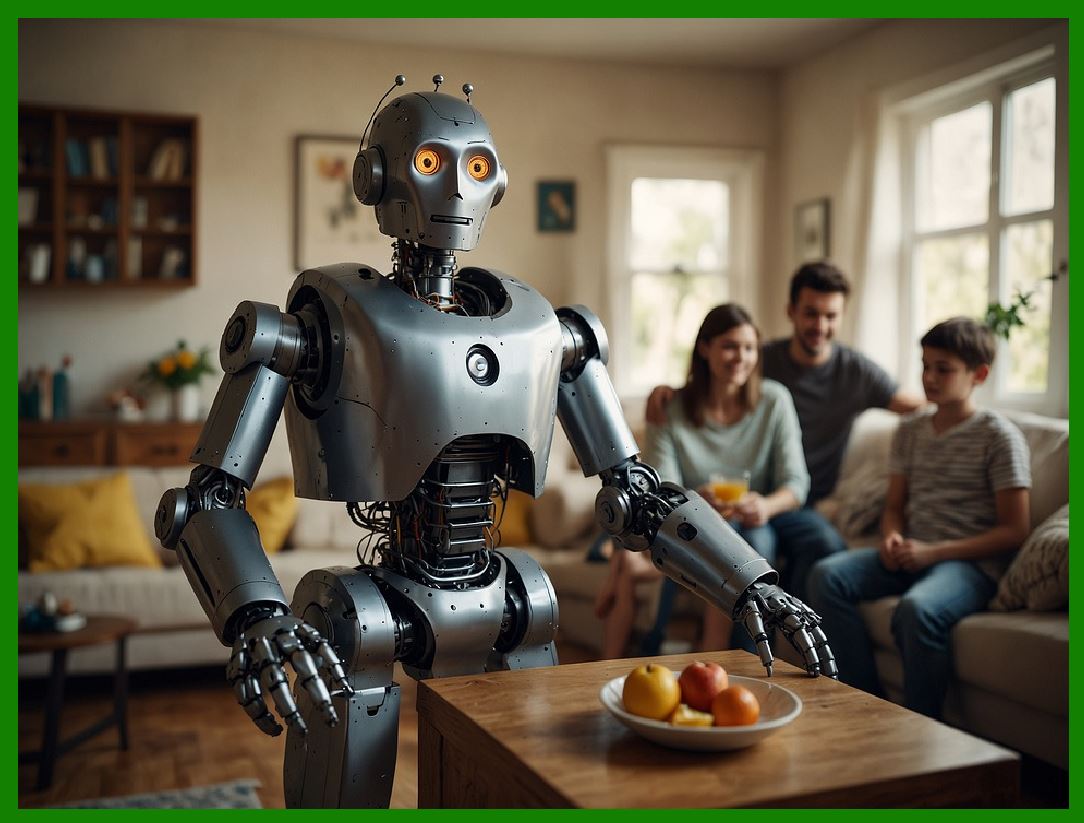
Solution: Sephora, a leading global beauty retailer, implemented a customized chatbot named 'Sephora Virtual Artist.' The bot leverages AI and augmented reality (AR) to recommend beauty products based on individual preferences. It allows customers to try on makeup virtually and receive personalized suggestions in real time. |
How It Works: |
Personalized Product Recommendations: The chatbot asks customers for their beauty preferences, skin tone, and product preferences (e.g., lipsticks, eyeshadows). It then uses AI to suggest products that match the customer's profile. |
Virtual Try-On: By integrating AR, customers can upload a photo of themselves or use live video to see how different makeup products will look on their face. |
24/7 Availability: The chatbot is available 24/7, providing personalized assistance at any time, helping users find the perfect products even when Sephora's human agents are unavailable. |
Results: |
Increased Engagement: Customers who interacted with the chatbot were more likely to purchase items than those who didn't, as the chatbot offered product trials and personalized experiences. |
Improved Conversion Rate: The chatbot significantly improved conversion rates by streamlining product discovery and enhancing the shopping experience. |
Brand Loyalty: The bot also helped Sephora create an immersive, fun, and interactive brand experience, fostering loyalty and repeat visits. |
|
2. Case Study: L'Or¨¦al's AI-Powered Beauty Assistant |
Industry: Beauty & Cosmetics |
Objective: Provide users with personalized skincare recommendations based on their specific needs. |
Solution: L'Or¨¦al developed the L'Or¨¦al AI Beauty Advisor, a chatbot that uses advanced AI to analyze customer queries and recommend products based on the user's skin type, concerns, and preferences. |
How It Works: |
AI-Driven Skincare Advice: The chatbot uses natural language processing (NLP) and machine learning to understand user questions about skincare products and concerns. It then matches them with L'Or¨¦al's extensive range of skincare products. |
Integration with Visual Recognition: L'Or¨¦al also integrated visual recognition into the chatbot, allowing users to take selfies and analyze their skin's condition, helping the chatbot recommend more tailored products. |
Results: |
Personalized User Experience: The AI-powered chatbot delivered a highly personalized experience, increasing customer satisfaction. |
Increased Product Sales: After interacting with the chatbot, many customers were guided to buy skincare products that best suited their needs, contributing to increased sales. |
Improved Brand Perception: L'Or¨¦al successfully positioned itself as a tech-forward brand, attracting younger, digitally savvy consumers. |
|
3. Case Study: Bank of America's Erica Chatbot in Financial Services |
Industry: Banking & Financial Services |
Objective: Assist customers in managing their finances, providing a seamless and automated banking experience. |
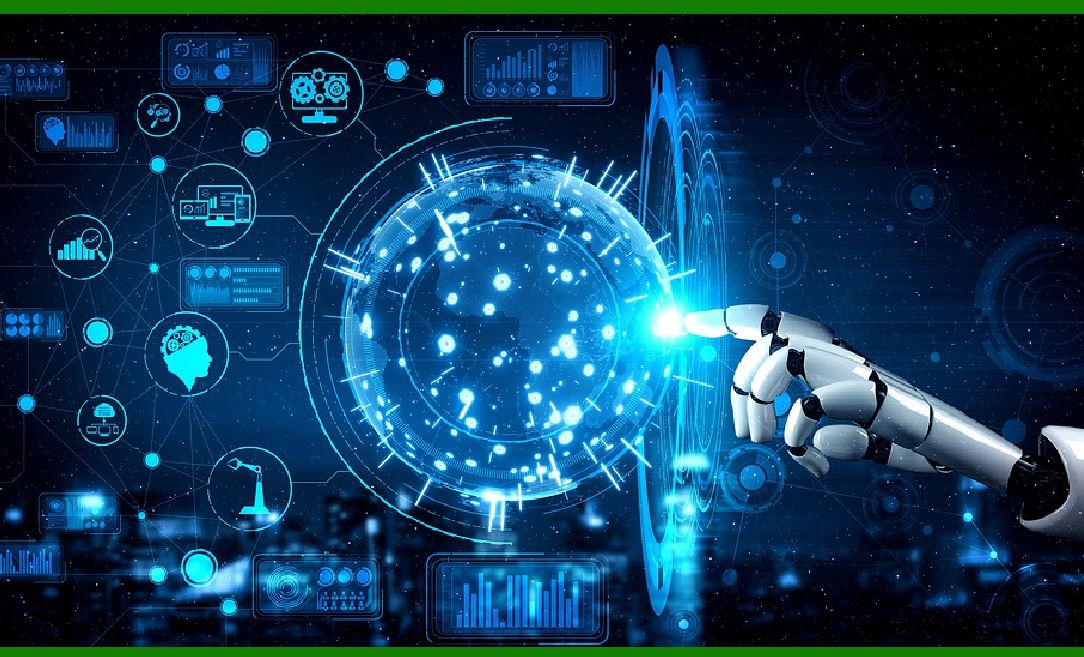
Solution: Bank of America introduced Erica, an AI-powered virtual financial assistant designed to assist customers with financial tasks. Erica is integrated with the bank's mobile app, providing personalized services that help customers manage their accounts, make transactions, track spending, and receive financial advice. |
How It Works: |
Personalized Financial Insights: Erica uses data analytics to offer tailored financial advice, such as setting savings goals or tracking spending patterns. It can notify customers about upcoming bills, credit card payments, or suggest ways to save money. |
Transaction Assistance: The chatbot helps users with simple banking tasks such as transferring funds, paying bills, and checking account balances. |
Natural Language Understanding: Customers can engage with Erica through text or voice, asking about their balance, transaction history, or requesting insights into their spending habits. |
Results: |
Increased User Engagement: Erica handled over 100 million interactions in its first few years, showing a significant uptake in chatbot use within the banking app. |
Improved Customer Satisfaction: Users reported higher satisfaction rates, appreciating the ease and speed with which they could complete routine banking tasks. |
Enhanced Financial Literacy: Erica helped users better understand their financial habits, leading to improved money management practices and increased customer trust. |
|
4. Case Study: H&M's Chatbot for Personalized Fashion Advice |
Industry: Retail (Fashion) |
Objective: Provide personalized styling advice to online shoppers and enhance customer engagement through customized recommendations. |
Solution: H&M launched a chatbot called Ada that acts as a virtual stylist. The bot uses AI to engage customers in a conversation about their style preferences, helping them find products that match their tastes, size, and occasion. |
How It Works: |
Style Personality Quiz: When users first interact with the chatbot, Ada asks questions about the user's fashion preferences, preferred colors, and typical clothing styles. Based on this data, it provides tailored recommendations. |
Product Discovery: Ada guides customers through the product catalog, offering suggestions that match their personal style. It can also track fashion trends and suggest items that align with the latest looks. |
Seamless Integration with E-commerce: The chatbot is integrated with H&M's online store, allowing users to view and purchase recommended items directly through the chat interface. |
Results: |
Higher Conversion Rates: Ada significantly increased the number of visitors who made purchases by helping them find products that matched their style and needs. |
Better Customer Engagement: The interactive and personalized shopping experience improved customer engagement, encouraging customers to return for more tailored recommendations. |
Increased Brand Affinity: Customers appreciated the personalized touch, which helped H&M build stronger emotional connections with its audience. |
|
5. Case Study: KLM Royal Dutch Airlines' Customer Service Chatbot |
Industry: Aviation |
Objective: Improve customer service by offering instant, automated support for flight-related inquiries. |
Solution: KLM Royal Dutch Airlines launched BlueBot, a chatbot powered by artificial intelligence designed to assist customers with booking flights, checking in, and answering queries about luggage, flight delays, and ticket changes. |
How It Works: |
Booking Assistance: BlueBot helps users book flights directly through the chatbot by guiding them through the booking process. It can also suggest personalized flight options based on the customer's preferences, such as budget or destination. |
Flight Information: The chatbot provides real-time information on flight status, delays, and gate changes, helping passengers stay informed. |
Multilingual Support: BlueBot supports multiple languages, allowing KLM to cater to its international customer base effectively. |
Results: |
Reduced Customer Service Load: By automating common customer queries, KLM reduced the workload for human agents, allowing them to focus on more complex inquiries. |
Faster Response Times: Customers were able to get immediate answers to routine questions, reducing wait times and improving the overall customer experience. |
Increased Customer Satisfaction: The convenience and efficiency of the chatbot helped improve KLM's customer service ratings and increased customer loyalty. |
|
6. Case Study: Mitsubishi Electric's Chatbot for Customer Support |
Industry: Manufacturing (Industrial Equipment) |
Objective: Streamline customer support by automating technical assistance for complex industrial equipment. |
Solution: Mitsubishi Electric implemented a customized chatbot designed to help customers troubleshoot and resolve technical issues related to their industrial machinery and equipment. The bot uses machine learning algorithms to understand technical issues and provide solutions based on historical data and troubleshooting guides. |
How It Works: |
Technical Support: The chatbot walks users through step-by-step troubleshooting processes for various Mitsubishi products, such as air conditioning units and industrial automation systems. |
Product Knowledge Database: The chatbot pulls information from an extensive knowledge base of product manuals, FAQs, and past customer support tickets to offer relevant troubleshooting steps. |
Escalation to Human Support: If the chatbot cannot resolve an issue, it escalates the inquiry to a human technician, ensuring that customers always have access to the help they need. |
Results: |
Reduced Support Costs: By automating routine technical support inquiries, Mitsubishi Electric saved time and resources, reducing the number of human technicians required for basic troubleshooting. |
Improved First-Contact Resolution: Customers were able to resolve many issues on their own, improving first-contact resolution rates and reducing the need for follow-up support. |
Faster Issue Resolution: The chatbot accelerated issue resolution times, enhancing overall customer satisfaction. |
Conclusion: The Power of Customization |
|
These case studies demonstrate the vast potential of customized chatbots across diverse industries. By leveraging advanced AI and machine learning technologies, businesses are able to automate tasks, personalize interactions, and create more engaging experiences for customers. Whether in e-commerce, banking, fashion, or manufacturing, customized chatbots are proving to be a key enabler of innovation and efficiency. |
As AI technologies continue to evolve, the future of chatbot customization holds even greater promise. Companies that embrace this technology will likely gain a competitive edge by providing superior customer service, reducing operational costs, and increasing customer loyalty. |
 cs@easiersoft.com