8. Energy Efficiency, Power Systems, and Charging Infrastructure |
8.1 Energy efficiency is a decisive determinant of logistics sorting robot operational value. Robots must sustain continuous activity for long duty cycles in high-throughput environments while minimizing total energy expenditure. |
8.2 Lithium-ion batteries are the prevalent power source due to high energy density, stable charge cycles, and rapid recharge capability. Battery packs typically range from 5000 mAh to more than 30,000 mAh depending on payload and navigation method. |
8.3 Battery management systems regulate voltage stability and optimize discharge profiles. Intelligent monitoring mitigates overheating, deep discharge, and charge imbalance that reduces cycle lifespan. |
8.4 Wireless battery health diagnostics provide real-time alerts when degradation accelerates. Predictive lifecycle forecasting allows battery replacements to be scheduled during low-volume windows to avoid service disruption. |
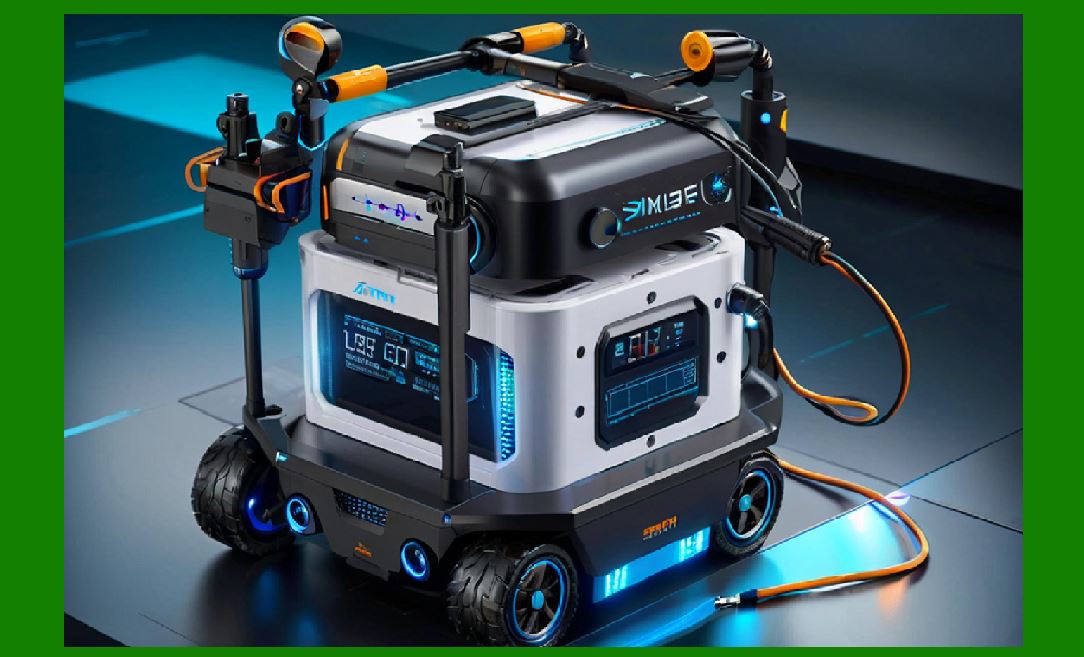
8.5 Modular battery design improves maintainability. Hot-swappable power packs allow near-zero downtime by enabling robotics operators to rapidly exchange depleted units during peak rush hours. |
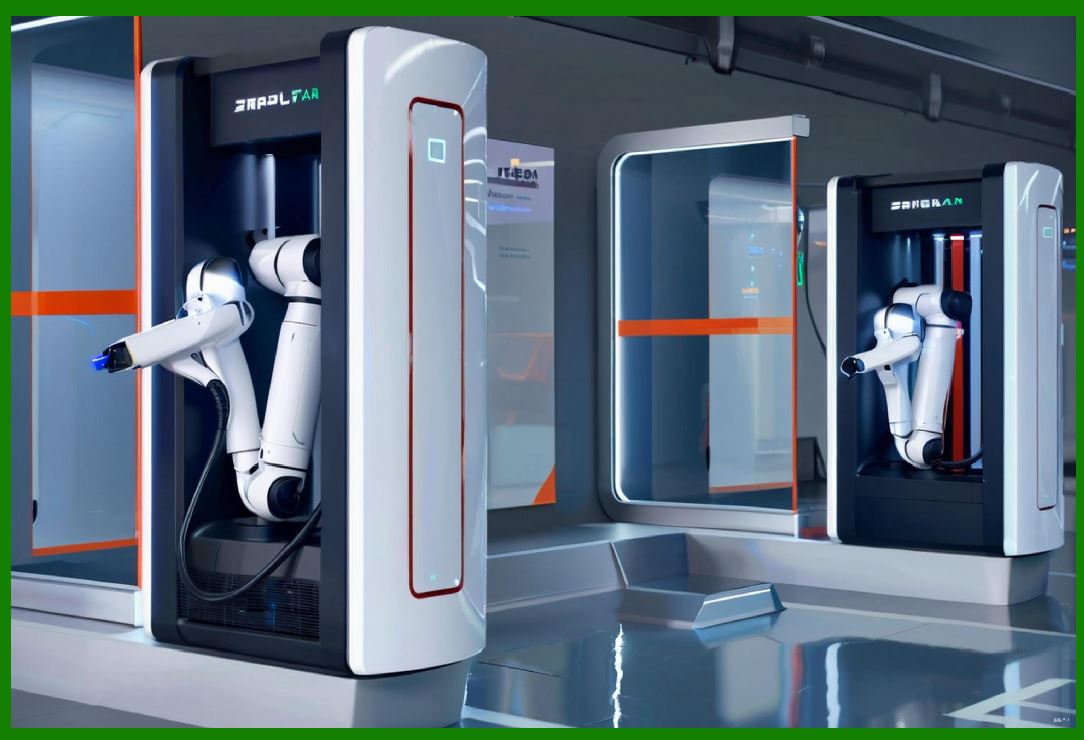
8.6 Fast charging stations reduce turnaround duration. High-power charging minimizes idle time but requires thermal regulation mechanisms to prevent long-term degradation from accelerated charging cycles. |
8.7 Autonomous charging docking enables fully automated sustainability. Robots identify charging demand thresholds, navigate to an available dock, and commence alignment-based charging without human intervention. |
8.8 Wireless inductive charging pads are increasingly deployed along major pathways. Short opportunity charging bursts accumulate incremental energy during idle seconds, extending practical daily operation hours. |
8.9 Opportunity charging increases average state-of-charge throughout shifts and reduces bulk charging sessions. This strategy supports fleets with densely clustered micro-stops. |
8.10 Ultracapacitors support rapid power spikes required during sudden acceleration or elevation changes. They also act as protective buffers for battery life preservation during high-stress power cycles. |
8.11 Route optimization algorithms reduce energy use by minimizing excessive acceleration, sharp turning patterns, and redundant travel segments. Efficiency is continuously recalculated based on changing platform congestion. |
8.12 Idle energy consumption is minimized through power-state transitions including sleep modes for motion controllers, paused drives, and intermittent suspension of nonessential perception sensors. |
8.13 Motor efficiency improvements significantly reduce total energy drain. Brushless DC motors with optimized torque curves align with typical low-speed sorting robot behaviors. |
8.14 Mechanical friction reduction contributes to system efficiency. Lightweight chassis design and low-resistance wheel bearings lower power consumption required to maintain motion. |
8.15 Energy-aware task allocation ensures that robots with low charge reserves are assigned shorter missions near charging hubs rather than long-distance routing to distant chutes. |
|
8.16 Thermal management is critical for energy retention. Excessive heat increases internal battery resistance and reduces discharge efficiency, so heat sinks and airflow channels are integrated into fleet designs. |
8.17 Multi-robot charging coordination assigns charging priority sequentially. Fleets prevent simultaneous high-demand charging that could overload facility electrical distribution systems. |
8.18 Fleet-wide energy usage metrics provide operational benchmarking. Managers compare energy-per-parcel ratios across shifts to detect efficiency regression or route planning flaws. |
8.19 Renewable energy sourcing is emerging within advanced logistic centers. Solar panel integration with charging infrastructure reduces carbon footprint while protecting against grid power fluctuation. |
8.20 End-of-life battery recycling programs address environmental sustainability obligations. Circular material recovery reduces hazardous waste and lowers net lifecycle cost. |
8.21 Rapid battery technology evolution introduces upgraded chemistry options including solid-state cells that offer higher stability and improved cycle life. |
8.22 Charging infrastructure must scale proportionally with fleet growth. New charging modules and automated cable systems ensure expansion without congestion at charge points. |
8.23 Safety mechanisms include fire-resistant enclosures and thermal runaway detection sensors to prevent severe incidents from compromised battery cells. |
8.24 Continuous power monitoring informs logistics AI systems regarding total fleet readiness. If aggregated charge reserves decline below operation threshold, labor redistribution planning is initiated. |
8.25 Shock-resistant battery housings protect cells from impact damage during collisions or chute border impacts. Robust protection safeguards performance throughout daily industrial stresses. |
8.26 Hybrid energy harvesting concepts are being tested. Kinetic recovery systems capture braking energy similar to automotive regenerative braking to return power back into storage modules. |
8.27 Standardized charger-robot interfaces facilitate deployment of mixed-vendor fleets. Classification rules ensure connectors and charging signaling remain interoperable. |
8.28 Power usage audits identify areas where unnecessary sensor activation or inefficient idle patterns can be corrected, improving fleet sustainability metrics. |
8.29 Forward-looking research explores biodegradable battery systems for maximum lifecycle circularity, enabling greener warehouse operations in the future. |
8.30 Energy efficiency initiatives contribute to reduced operational costs, improved uptime continuity, and higher parcel throughput, making high-efficiency power systems a competitive advantage in logistics automation. |
|
9. Human-Robot Collaboration, Safety Management, and Ergonomic Workflow Integration |
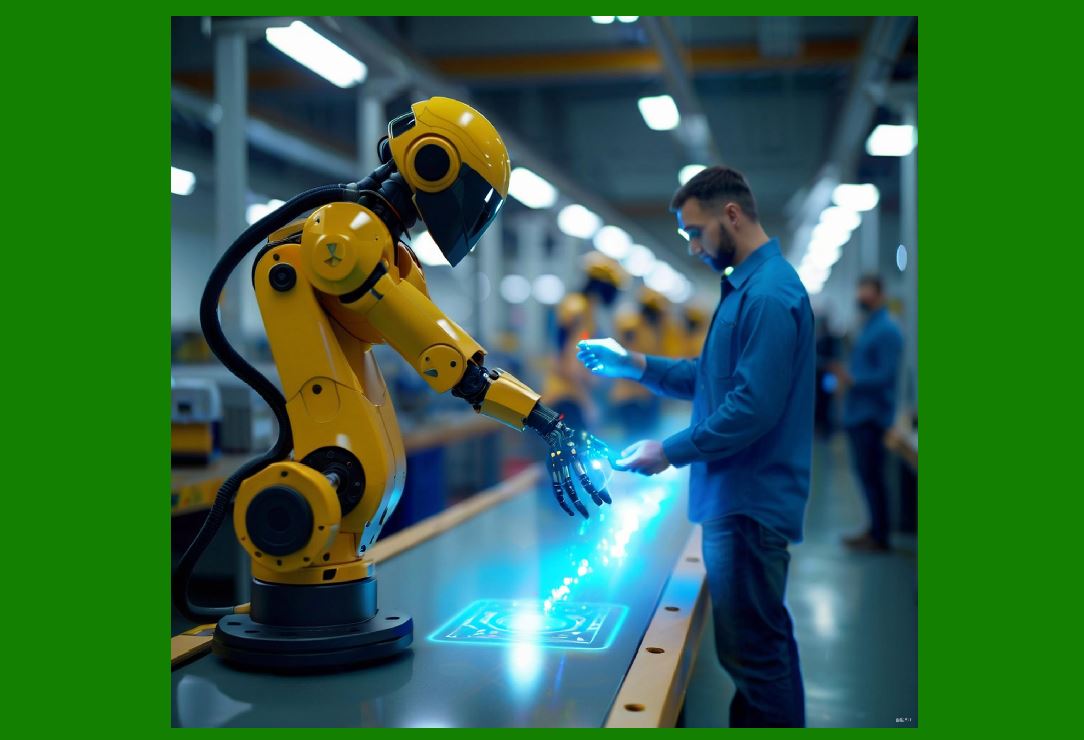
9.1 Human-robot collaboration (HRC) is integral to modern logistics sorting systems. Collaborative robots operate alongside human workers to enhance productivity, reduce manual labor strain, and optimize workflow efficiency without compromising safety. |
9.2 Collaborative design begins with mechanical compliance. Robot arms and actuators are engineered with torque-limiting features, rounded edges, and force-limiting joints to prevent injury during unintended contact. |
9.3 Safety sensors include LiDAR, depth cameras, and proximity detectors that continuously monitor human presence in shared workspaces. Robots decelerate, pause, or reroute when a human enters a designated protective zone. |
9.4 Wearable alert systems complement robot perception. Workers may wear proximity tags or RFID-based devices that signal their presence, allowing robots to anticipate human movements and adjust paths accordingly. |
9.5 Ergonomic workflow integration reduces repetitive strain for human operators. Robots perform heavy lifting, parcel orientation, and long-distance transport while humans focus on inspection, exception handling, and quality assurance tasks. |
9.6 Collaborative robot programming often employs intuitive teach-by-demonstration interfaces. Workers guide robot motions during setup to establish optimal task execution patterns, eliminating complex coding requirements. |
9.7 Visual and auditory cues enhance collaborative situational awareness. LED signaling bars, flashing lights, and audible tones indicate robot operational mode, impending movements, or emergency status to nearby human workers. |
9.8 Safety-rated monitored stop functionality is critical. Robots halt all motion upon detection of human proximity, resuming operation only when the zone is clear and verified by redundant sensors. |
9.9 Speed and separation monitoring (SSM) algorithms dynamically adjust robot velocity based on human distance. Closer proximity triggers a proportional reduction in robot speed to maintain safe interaction margins. |
9.10 Physical barriers are minimized in HRC zones to maximize efficiency, but safety is maintained through soft-zone mapping and virtual safety fences embedded in navigation software. |
9.11 Collaborative workstations are designed to optimize reachability. Robots position parcels within easy access for human operators while maintaining proper sorting sequencing to prevent workflow congestion. |
9.12 Safety management protocols integrate with facility-wide emergency systems. Central control can override individual robot operations to enforce immediate shutdown during fire alarms, hazardous spills, or power outages. |
9.13 Ergonomic assessment tools analyze worker interaction patterns. Continuous monitoring ensures robots do not introduce awkward postures or repetitive motions, preserving workforce health over long-term operations. |
9.14 Risk assessment procedures categorize task zones by hazard potential. High-speed conveyance or heavy parcel handling areas may still employ restricted-access zones or semi-automated interventions. |
9.15 Safety standards compliance is mandatory. Robots and supporting infrastructure conform to ISO 10218, ISO/TS 15066, and OSHA guidelines, establishing baseline mechanical, electrical, and procedural safety requirements. |

|
9.16 Proximity-based collaborative navigation algorithms predict human trajectory to prevent blocking, accidental contact, or workflow bottlenecks, enhancing both safety and productivity. |
9.17 Multi-robot HRC integration requires priority arbitration. Robots adjust task execution order based on human worker activity to prevent concurrent occupation of the same operational corridor. |
9.18 Human intervention protocols allow immediate manual control if robot behavior deviates from expected operation. Emergency stop buttons and remote interfaces support rapid response and correction. |
9.19 Real-time monitoring dashboards display safety-critical information such as worker location heat maps, robot operating states, and potential interaction conflicts for supervisory personnel. |
9.20 Training and simulation platforms enhance human-robot teamwork. Virtual environment simulations allow personnel to rehearse interactions with robots before live operation, reducing accident risk and optimizing collaboration workflows. |
9.21 Fatigue management is supported by robot scheduling. Workers are not required to compensate for slow or misaligned robot movement, reducing mental strain and potential operational errors. |
9.22 Collaborative inspection is enabled through augmented reality (AR) overlays. Workers visualize real-time parcel data from robots, facilitating quality assurance checks without manual data entry. |
9.23 Multi-level communication ensures humans can issue commands to robots via handheld devices, voice control, or tablet interfaces while receiving real-time feedback on task completion, queue status, and error alerts. |
9.24 Behavioral adaptation algorithms allow robots to adjust their pacing, trajectory, and interaction patterns based on worker presence, maintaining smooth and continuous workflow without abrupt stops or collisions. |
9.25 Safety certification testing includes failure mode analysis, stress testing under maximum throughput conditions, and verification of redundancy protocols to ensure compliance and minimize operational hazards. |
9.26 Human-robot collaborative strategies improve operational flexibility. Exceptions, returns, fragile parcels, and non-standard dimensions are handled more effectively when human judgment is combined with robotic consistency. |
9.27 Collaborative safety zones are visually demarcated and dynamically adjustable through software. Zones can expand or shrink depending on task intensity, robot speed, and human traffic density. |
9.28 Human-robot workflow integration significantly reduces cumulative operational downtime, allowing simultaneous parcel handling by humans and robots in close proximity, which maximizes throughput while preserving safety. |
9.29 Adaptive learning frameworks collect interaction data to refine future collaborative strategies. Robots identify recurrent human behavior patterns and adjust motion planning and task sequencing accordingly. |
9.30 The integration of human-robot collaboration, safety management, and ergonomic workflow design ensures that logistics sorting robots not only achieve high operational efficiency but also support a safe, sustainable, and human-centered industrial environment. |
|
10. Maintenance, Diagnostics, and Predictive Reliability Engineering |
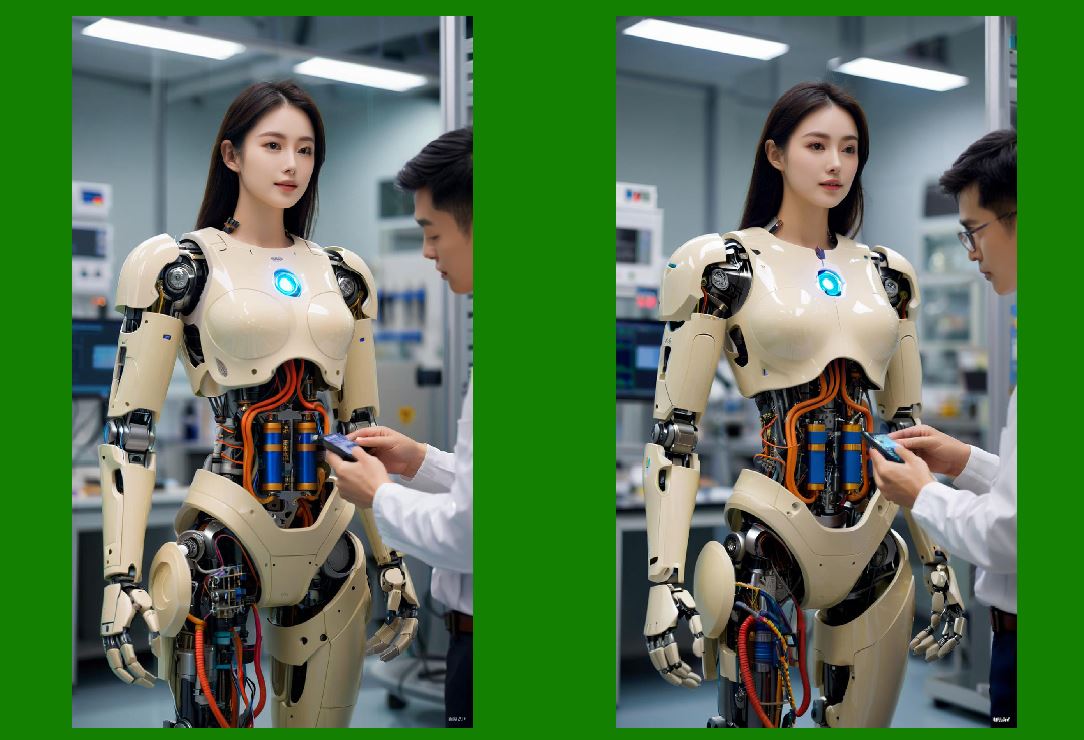
10.1 Maintenance strategies are critical for ensuring uninterrupted operation of logistics sorting robots. Optimized maintenance reduces downtime, prolongs component life, and prevents costly operational disruptions. |
10.2 Preventive maintenance involves scheduled inspections, component replacement, lubrication, and software updates. Tasks are executed based on historical operation hours, manufacturer recommendations, or standardized industrial cycles. |
10.3 Predictive maintenance leverages real-time sensor data, performance analytics, and machine learning models to anticipate component degradation before failure occurs. This reduces unnecessary maintenance and optimizes resource allocation. |
10.4 Condition monitoring includes motor current sensing, vibration analysis, temperature tracking, actuator response time evaluation, and battery health assessment. Data is transmitted continuously to central diagnostic systems. |
10.5 Vibration sensors detect mechanical misalignment, bearing wear, or gear deterioration. Early detection of abnormal vibration patterns prevents catastrophic failure in high-speed sorting actuators. |
10.6 Thermal sensors monitor motor and battery temperatures. Sustained overheating triggers controlled power reduction or temporary halt procedures to prevent damage and maintain operational safety. |
10.7 Actuator torque monitoring identifies abnormal resistance indicative of mechanical obstruction, wear, or misalignment. Excessive torque alerts the system to potential jamming, allowing preemptive intervention. |
10.8 Battery diagnostics track charge cycles, voltage fluctuations, internal resistance, and temperature. Predictive algorithms determine remaining useful life and schedule battery replacements proactively. |
10.9 Motor driver monitoring identifies irregularities in current draw, pulse width modulation (PWM) signals, and driver temperature. Early detection reduces motor burnout risk and improves fleet reliability. |
10.10 Sensor health checks assess optical camera calibration, LiDAR accuracy, ultrasonic sensor performance, and QR code reader reliability. Automated recalibration routines maintain perception fidelity over time. |
10.11 Diagnostic software implements fault classification algorithms. Failures are categorized as critical, warning, or informational, triggering appropriate maintenance responses without unnecessary interruption. |
10.12 Remote monitoring platforms enable fleet-wide diagnostics. Supervisors receive real-time alerts, predictive maintenance schedules, and component degradation trends, facilitating centralized decision-making. |
10.13 Self-diagnostic routines run during idle periods. These include actuator sweep tests, motor stall simulations, and sensor calibration checks, minimizing impact on operational throughput. |
10.14 Redundancy in critical systems, such as navigation and perception, ensures continued operation during partial component failure. Predictive analysis prioritizes repair of failing units without halting fleet-wide tasks. |
10.15 Lubrication schedules for mechanical subsystems are optimized using wear rate analysis and predictive modeling. This ensures minimal friction, prevents component overheating, and reduces energy consumption. |

|
10.16 Actuator backlash and mechanical play are monitored via encoder feedback. Deviations beyond acceptable thresholds trigger recalibration or part replacement before precision deteriorates. |
10.17 Software diagnostics track task execution anomalies. Errors in sorting sequences, mis-scans, or routing inconsistencies are logged and analyzed for systemic causes, informing both software patches and hardware adjustments. |
10.18 Fleet-level reliability engineering evaluates mean time between failures (MTBF), mean time to repair (MTTR), and availability metrics. These metrics guide spare parts inventory, technician staffing, and operational planning. |
10.19 Predictive maintenance algorithms employ machine learning models trained on historical operation datasets. These models detect subtle correlations between sensor signals and impending component failures. |
10.20 Root cause analysis identifies underlying contributors to recurring failures. By addressing fundamental issues rather than symptoms, fleet reliability improves substantially over time. |
10.21 Modular design facilitates quick replacement of high-wear components. Actuator assemblies, battery packs, and sensor modules are engineered for rapid swap without disassembling entire robot units. |
10.22 Maintenance workflow integration ensures minimal disruption. Robots report predicted maintenance windows and automatically reroute tasks to available fleet members during service periods. |
10.23 Diagnostic data contributes to lifecycle management. Detailed records of operational stress, maintenance interventions, and environmental exposure support accurate end-of-life predictions for each robot unit. |
10.24 Environmental sensors monitor dust, humidity, temperature extremes, and vibration exposure, allowing proactive adjustments in cleaning cycles, lubrication, or protective shielding to maintain reliability. |
10.25 AI-assisted diagnostics provide anomaly detection beyond predefined thresholds. Unusual combinations of sensor readings may indicate emerging failure modes previously undetected by traditional methods. |
10.26 Predictive maintenance reduces unscheduled downtime, improves component utilization, and lowers total cost of ownership. By aligning servicing with actual operational conditions, efficiency gains are maximized. |
10.27 Maintenance staff receive intelligent scheduling recommendations based on real-time fleet load, battery levels, and historical component wear. This ensures optimal technician deployment and minimal production interference. |
10.28 System redundancy and fallback protocols maintain operational continuity during maintenance. Robots automatically redistribute tasks to maintain sorting throughput while individual units undergo servicing. |
10.29 Continuous feedback loops between diagnostics, predictive maintenance, and fleet management software enable iterative improvement in both operational planning and component design. |
10.30 Overall, effective maintenance, diagnostics, and predictive reliability engineering form the backbone of logistics sorting robot sustainability, ensuring long-term performance, safety, and cost efficiency across industrial-scale operations. |
|
11. Data Analytics, AI Optimization, and Continuous Improvement in Robot Fleets |
11.1 Data analytics is central to optimizing logistics sorting robot performance. Telemetry, operational metrics, and environmental sensor data are collected continuously to guide decision-making and refine operational parameters. |
11.2 Real-time analytics processes include monitoring robot positions, task completion times, error rates, battery consumption, and actuator performance. These inputs enable adaptive control of routing, sorting sequence, and energy management. |
11.3 Predictive AI models analyze historical operation data to forecast demand surges, potential congestion zones, and maintenance needs. These forecasts support proactive task distribution and fleet balancing. |
11.4 Machine learning algorithms optimize routing efficiency. Reinforcement learning allows robots to autonomously identify optimal paths that reduce travel time, energy consumption, and collision probability in complex warehouse layouts. |
11.5 AI-driven task allocation dynamically assigns parcels to robots based on location, current workload, battery state, and predictive completion times. This ensures equitable distribution of labor and maximizes overall throughput. |
11.6 Anomaly detection algorithms identify deviations from normal performance patterns. For example, recurring mis-sorts, unexpected stop events, or abnormal power draw are flagged for investigation, enabling corrective action before failures propagate. |
11.7 Fleet-wide optimization relies on multi-agent reinforcement learning. Robots collaborate by sharing learned behaviors, improving collective efficiency beyond individual optimization strategies. |
11.8 Continuous learning loops utilize operational data to refine AI models. Each shift generates new datasets that feed back into simulation environments, allowing models to evolve with changing warehouse layouts, parcel types, and seasonal demand patterns. |
11.9 AI-assisted predictive maintenance incorporates regression analysis, time-series forecasting, and sensor fusion. Component degradation trends inform automated scheduling for servicing, reducing unscheduled downtime. |
11.10 Data visualization tools present supervisors with operational dashboards. These dashboards display robot locations, sorting performance metrics, task queues, energy utilization, and maintenance alerts in real time. |
11.11 Advanced analytics identify performance bottlenecks. By correlating environmental conditions, robot interactions, and parcel attributes, system planners can restructure operational zones to maximize throughput efficiency. |
11.12 Simulation-driven testing allows virtual experimentation with layout modifications, traffic flow adjustments, and fleet expansion plans without disrupting live operations. AI models predict outcomes with high fidelity. |
11.13 AI-driven parcel classification supports dynamic sorting decisions. Optical character recognition (OCR), weight assessment, and dimensional scanning determine the optimal handling method, sorting route, and actuator selection. |
11.14 Continuous improvement strategies leverage feedback from both human operators and automated systems. Observed inefficiencies are quantified and incorporated into AI optimization models, iteratively enhancing fleet performance. |
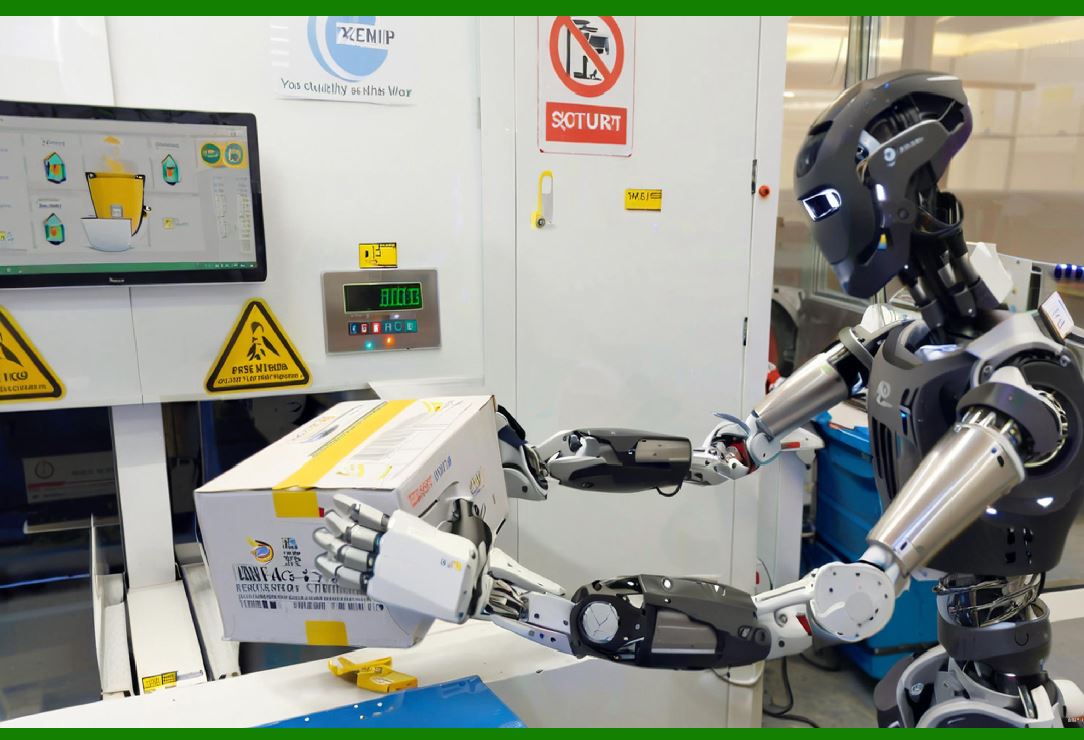
11.15 Multi-metric optimization balances throughput, energy consumption, mechanical wear, and safety compliance. Decision models weigh trade-offs between speed and operational sustainability. |
|
11.16 Fleet coordination benefits from predictive congestion management. AI models anticipate traffic jams in high-density zones, rerouting robots preemptively to maintain smooth operation. |
11.17 Data-driven performance benchmarking establishes KPIs at the individual robot and fleet levels. Metrics include parcels per hour, energy per parcel, mis-sort rate, and downtime percentage. |
11.18 Cloud-based analytics platforms allow multi-facility comparison. Performance data from geographically distributed warehouses is aggregated to identify best practices and propagate operational improvements across all sites. |
11.19 AI-enhanced fault diagnosis reduces mean time to repair. By correlating sensor anomalies with historical failure data, technicians receive precise repair instructions, accelerating maintenance cycles. |
11.20 Dynamic scheduling algorithms adjust robot assignments in real time to accommodate urgent parcel priorities, unexpected maintenance events, or sudden spikes in inbound throughput. |
11.21 Operational resilience is enhanced through AI-generated contingency planning. Robots receive alternative routing and sorting instructions during partial system outages, minimizing disruption. |
11.22 Data quality assurance ensures reliability of AI predictions. Sensor calibration, timestamp synchronization, and error correction protocols maintain integrity across multi-source datasets. |
11.23 Predictive AI supports energy management. Algorithms forecast battery depletion patterns and optimize charging cycles, balancing mission demands with energy conservation strategies. |
11.24 Continuous improvement extends to human-robot collaboration. AI analyzes interaction patterns, workload distribution, and task ergonomics, recommending adjustments to reduce fatigue and enhance productivity. |
11.25 Scenario planning utilizes AI-generated simulations to prepare for seasonal peaks, facility expansions, or introduction of new parcel types. This anticipatory optimization prevents performance degradation during sudden operational changes. |
11.26 AI-driven fleet coordination incorporates risk assessment. Potential collision events, actuator failures, or environmental hazards are predicted, allowing proactive interventions before incidents occur. |
11.27 Machine vision analytics identify packaging anomalies, label errors, and barcode degradation. AI recommendations guide human operators or automated correction mechanisms to prevent sorting errors. |
11.28 Reinforcement learning models continuously refine parcel handling strategies. Robots improve pick-up, orientation, and placement techniques, maximizing throughput and minimizing handling errors over time. |
11.29 AI-guided workflow redesigns optimize facility layout. Data-driven insights inform aisle width, sorting station positioning, and robot travel path planning to reduce congestion and improve energy efficiency. |
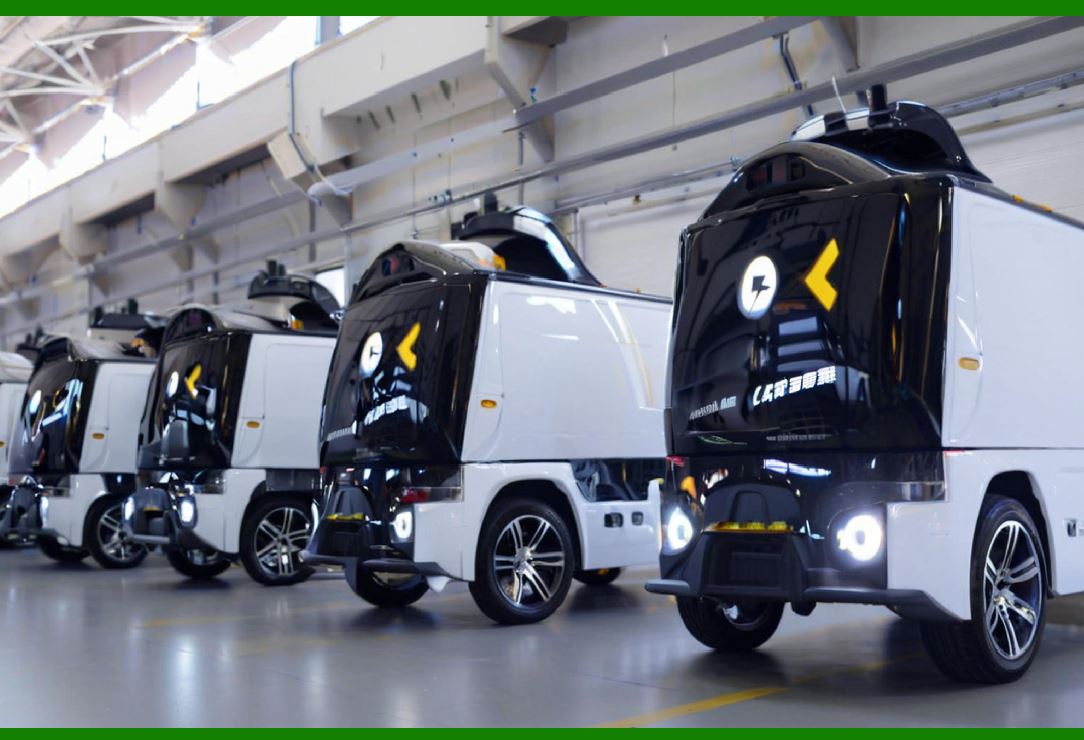
11.30 Integration of data analytics, AI optimization, and continuous improvement ensures logistics sorting robot fleets evolve adaptively. Operational efficiency, reliability, safety, and throughput are continually enhanced, creating a robust, scalable, and sustainable automated logistics ecosystem. |
|
12. Future Trends, Emerging Technologies, and Next-Generation Logistics Sorting Robotics |
12.1 Logistics sorting robots continue to evolve with technological innovation. Emerging trends focus on increased autonomy, intelligence, scalability, and adaptability, enabling warehouses to meet growing e-commerce demands efficiently. |
13.2 Autonomous navigation advancements will leverage simultaneous localization and mapping (SLAM) combined with real-time obstacle detection. High-precision 3D LiDAR and multi-sensor fusion improve pathfinding in dynamic environments. |
12.3 Swarm intelligence is an emerging paradigm. Fleets of robots can self-organize, communicate, and collaboratively solve complex routing and sorting problems without central supervision, mimicking biological swarm behavior. |
12.4 Soft robotics integration is gaining traction for handling fragile, deformable, or irregularly shaped parcels. Flexible grippers and adaptive actuation systems reduce damage risk and expand the range of sortable items. |
12.5 Advanced perception systems employ AI-enhanced machine vision, hyperspectral imaging, and depth-sensing to identify parcel characteristics, orientation, and barcode status with unprecedented accuracy. |
12.6 Quantum computing applications are being explored for complex fleet-wide optimization. High-dimensional optimization problems such as dynamic routing, energy management, and congestion prediction can potentially benefit from quantum algorithms. |
12.7 Collaborative cloud platforms enable cross-facility learning. AI models trained on data from multiple warehouses can rapidly adapt to new layouts, parcel types, and workflow configurations, accelerating deployment cycles. |
12.8 Energy harvesting technologies are being tested to increase operational autonomy. Kinetic, solar, and regenerative braking systems supplement battery power, extending mission duration and reducing charging frequency. |
12.9 Human-robot teaming will continue to improve with intuitive interfaces, AR-based task visualization, and predictive interaction models, enhancing both productivity and safety in mixed-human environments. |
12.10 Predictive AI will incorporate multi-modal data streams including environmental sensors, robot telemetry, and external logistics inputs. This integration supports holistic decision-making for adaptive, self-optimizing sorting operations. |
12.11 Swappable modular platforms allow robots to dynamically change sorting mechanisms, sensors, or mobility systems based on real-time operational needs, improving versatility and reducing fleet heterogeneity costs. |
12.12 Edge AI deployment enables local decision-making, reducing latency and reliance on centralized servers. Robots can respond instantaneously to unexpected obstacles, parcel misalignment, or route blockages. |
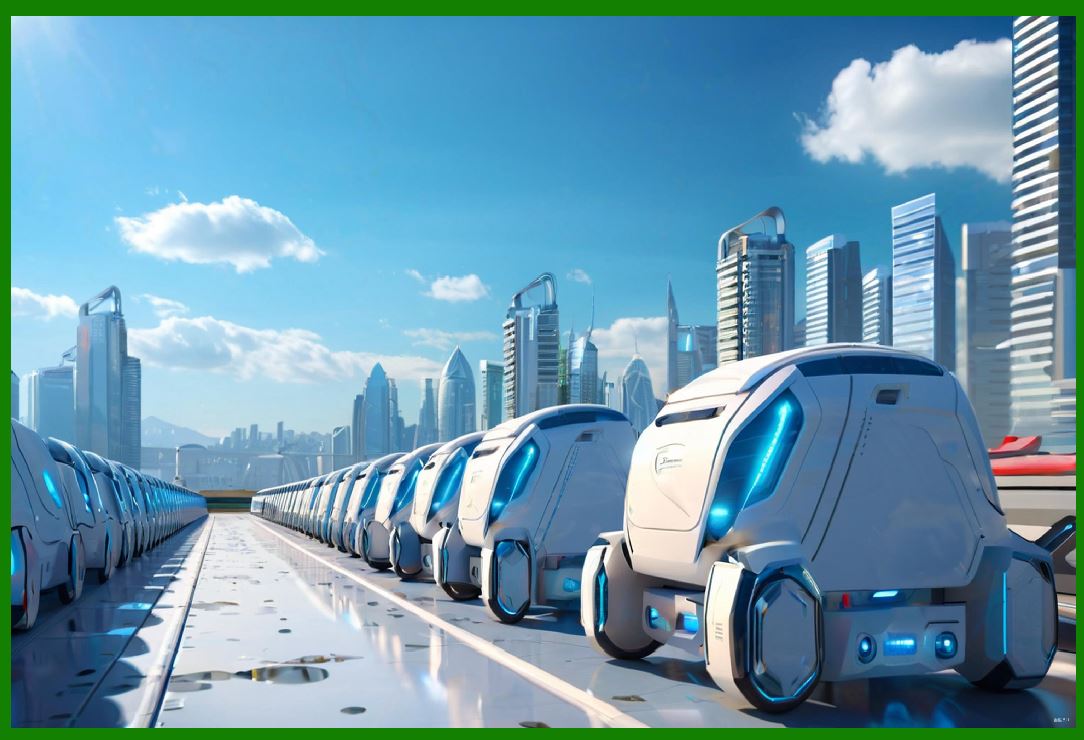
12.13 5G and beyond connectivity support high-density fleets, ultra-low latency communication, and simultaneous multi-robot coordination with minimal interference, creating highly responsive operational ecosystems. |
12.14 Advanced predictive maintenance leverages deep learning models trained on millions of operational cycles. These models anticipate rare or complex failure modes, reducing unscheduled downtime and optimizing component lifecycle management. |
12.15 Cybersecurity becomes increasingly critical as fleets integrate cloud computing, wireless networks, and AI-driven decision systems. End-to-end encryption, intrusion detection, and fail-safe protocols protect both operational continuity and data integrity. |
|
12.16 AI-driven energy optimization will continuously balance battery health, mission urgency, and fleet-wide efficiency, minimizing energy consumption without sacrificing throughput. |
12.17 Biometric and wearable integration enhances human-robot collaboration. Workers¡¯ heart rate, movement patterns, and fatigue levels can inform robot pacing and task assignment, optimizing ergonomic performance and safety. |
12.18 Multi-modal logistics integration enables robots to interface with conveyor networks, automated storage/retrieval systems (ASRS), autonomous guided vehicles (AGVs), drones, and delivery robots, forming a seamless end-to-end automation ecosystem. |
12.19 Nano-materials and lightweight composites in robotic construction increase payload efficiency while reducing power requirements and structural wear, enhancing long-term fleet sustainability. |
12.20 Simulation-as-a-Service (SaaS) platforms allow continuous testing of new sorting strategies, fleet expansion plans, or hardware upgrades virtually, accelerating innovation cycles without disrupting live operations. |
12.21 Digital twin technology mirrors physical robot fleets in real-time virtual models, enabling predictive analytics, system optimization, failure scenario testing, and workflow redesign prior to implementation. |
12.22 AI-driven collaborative decision-making will evolve to include autonomous negotiation between robots, adaptive prioritization of parcels, and dynamic reassignment of tasks in response to real-time system conditions. |
12.23 Integration with supply chain and enterprise resource planning (ERP) systems allows logistics robots to consider inventory levels, delivery schedules, and inbound/outbound flows when planning routing and sorting operations. |
12.24 Environmental sustainability becomes a core design principle. Future robots are expected to reduce energy consumption, minimize material waste, and comply with green logistics initiatives. |
12.25 Swarm learning and federated AI approaches enable secure, privacy-preserving sharing of operational knowledge across multiple facilities without exposing sensitive data externally. |
12.26 Advanced human-robot interaction frameworks include natural language interfaces, gesture recognition, and contextual understanding, facilitating more intuitive and efficient collaboration between humans and robots. |
12.27 Integration of AI and robotics with blockchain technology may ensure traceable, immutable logging of parcel handling, task execution, and fleet operational events, enhancing accountability and regulatory compliance. |
12.28 Miniaturized, high-precision actuators and sensors will allow compact robot units to navigate tighter spaces, expand deployment areas, and handle high-density sorting challenges with minimal footprint. |
12.29 Robotics-as-a-Service (RaaS) business models will allow smaller warehouses to deploy advanced sorting robots without significant upfront capital, democratizing access to automation and scaling operations flexibly. |
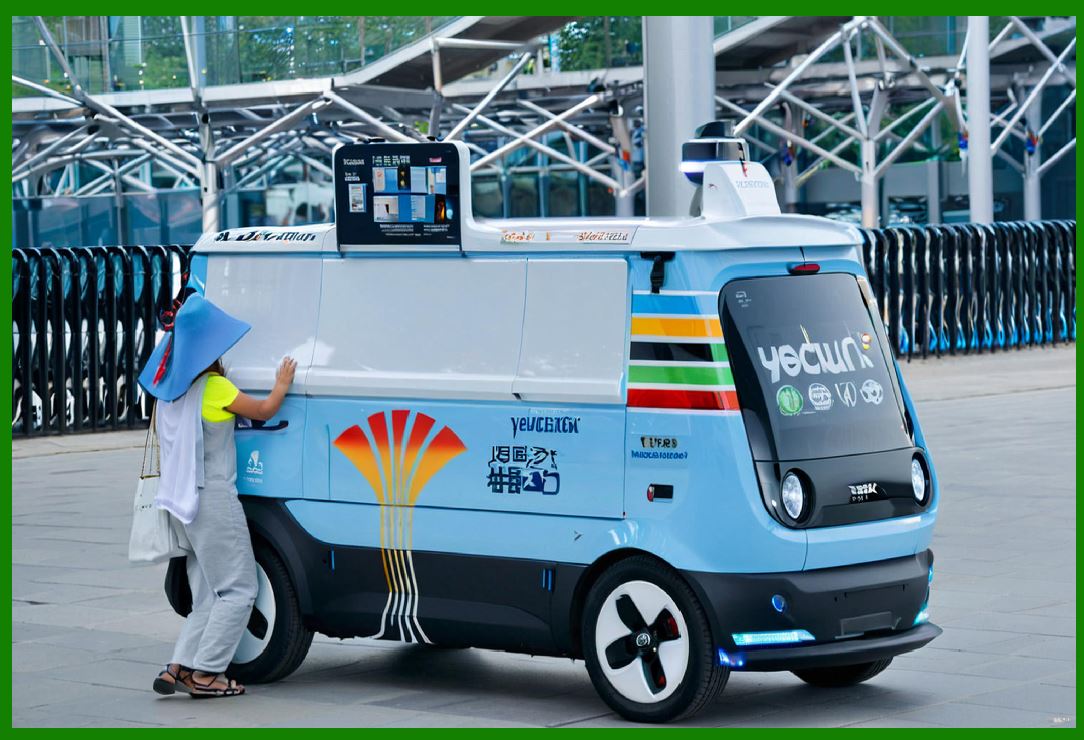
12.30 Ultimately, next-generation logistics sorting robots will embody self-learning, energy-efficient, safe, collaborative, and highly autonomous systems. They will operate as adaptive, intelligent agents integrated seamlessly into complex logistics networks, defining the future of automated distribution, e-commerce fulfillment, and supply chain optimization. |
|
13. Conclusion: Comprehensive Integration, Operational Impact, and Strategic Implications |
13.1 Logistics sorting robots represent a transformative evolution in warehouse automation, combining mechanical engineering, AI optimization, sensor fusion, and human-robot collaboration to achieve unprecedented operational efficiency. |
13.2 Integration of advanced navigation systems, multi-modal perception, and intelligent actuator mechanisms enables robots to handle high-throughput sorting tasks with precision, reliability, and minimal human intervention. |
13.3 Human-robot collaboration frameworks ensure that workforce safety and ergonomics remain central, while simultaneously leveraging human judgment for exception handling, quality inspection, and dynamic decision-making. |
13.4 Predictive maintenance and diagnostics underpin operational resilience. Through real-time monitoring, sensor analytics, and AI-driven forecasting, fleets minimize downtime, extend component life, and reduce overall cost of ownership. |
13.5 Energy efficiency and power system optimization are critical for fleet sustainability. Intelligent battery management, opportunity charging, and energy-aware routing algorithms maximize operational time while reducing environmental impact. |
13.6 Data analytics and AI optimization facilitate continuous performance improvement. Fleet behavior, parcel handling efficiency, and task allocation are dynamically adjusted using machine learning models trained on operational data. |
13.7 Advanced sorting mechanisms, including tilt-tray, cross-belt, robotic arm, and modular actuator systems, allow high versatility in handling parcels of varied sizes, shapes, weights, and fragility levels, maintaining reliability across diverse logistics demands. |
13.8 Safety management standards, compliant with ISO and OSHA regulations, ensure that robots operate securely alongside human workers, with fail-safe mechanisms, proximity sensing, and intelligent emergency response protocols. |
13.9 Predictive AI, swarm intelligence, and real-time fleet coordination enable self-organizing operations, adaptive routing, and congestion mitigation. These capabilities enhance throughput and reduce operational inefficiencies across large-scale distribution centers. |
13.10 Emerging technologies, such as soft robotics, quantum optimization, digital twins, and multi-agent collaboration frameworks, position logistics sorting robots to adapt to evolving e-commerce demands, seasonal peaks, and complex supply chain requirements. |
13.11 Continuous learning loops support both human and robot adaptability. AI models assimilate feedback from operational anomalies, human-robot interactions, and performance analytics to iteratively refine fleet behavior and workflow integration. |
13.12 Operational impact includes reduced labor dependency for repetitive tasks, enhanced accuracy in parcel routing, minimized mis-sort incidents, improved inventory visibility, and optimized energy utilization, collectively generating measurable productivity gains. |
13.13 Strategic implications extend to cost reduction, scalability, and competitiveness. Warehouses equipped with intelligent sorting robots can handle higher parcel volumes, respond rapidly to market demand, and maintain high service reliability, enhancing business agility. |
13.14 Integration with enterprise resource planning (ERP), warehouse management systems (WMS), and broader supply chain infrastructure ensures that sorting robots are part of a cohesive, end-to-end automation ecosystem capable of real-time operational coordination. |
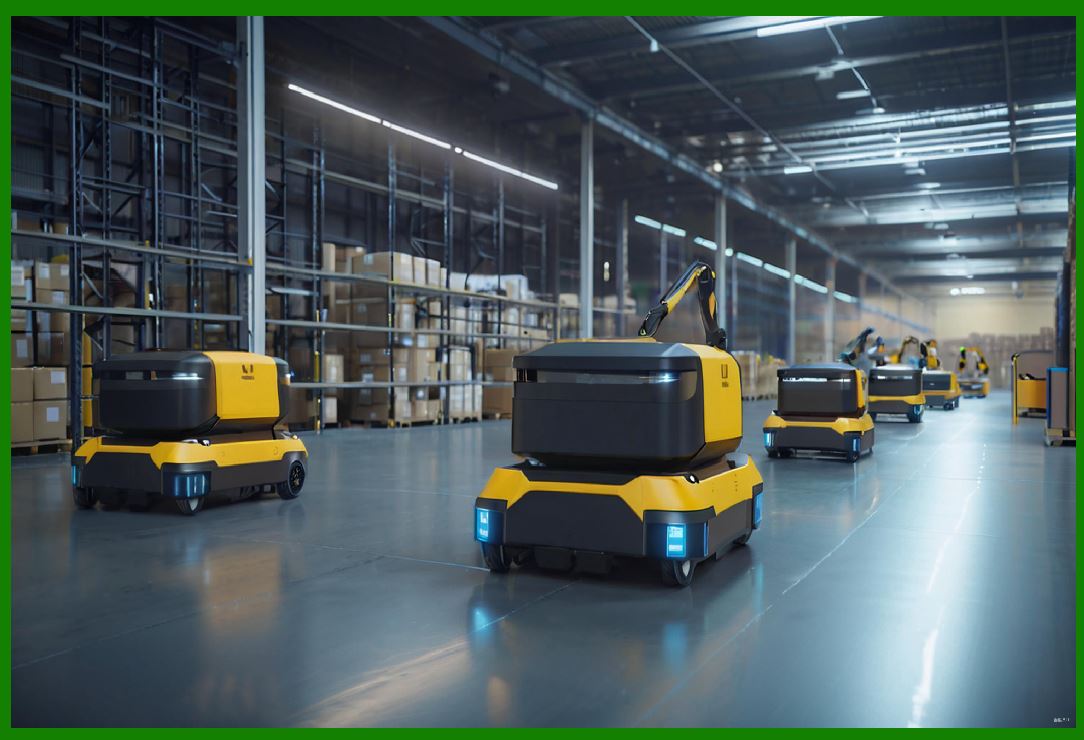
13.15 Environmental considerations are increasingly significant. Energy-efficient design, sustainable materials, recyclable components, and intelligent power management contribute to corporate sustainability goals and regulatory compliance. |
|
13.16 Fleet-level orchestration enables dynamic prioritization of tasks, congestion avoidance, predictive energy management, and adaptive maintenance scheduling. These capabilities enhance operational continuity, even under high-demand or disruptive scenarios. |
13.17 Logistics sorting robots provide competitive advantages in speed, accuracy, and flexibility. They support high-density parcel sorting, multi-modal parcel handling, and mixed human-robot workflows, making them indispensable for modern logistics operations. |
13.18 The evolution of logistics sorting robots demonstrates the convergence of mechanical engineering, computer vision, AI, energy management, and human-centric design. Their comprehensive integration ensures robust, scalable, and intelligent automated systems. |
13.19 Looking forward, continued innovation in AI algorithms, sensor fusion, soft robotics, and collaborative autonomy will further enhance operational performance, enabling next-generation logistics sorting systems to handle growing e-commerce volumes efficiently, safely, and sustainably. |
13.20 In conclusion, logistics sorting robots embody a paradigm shift in warehouse operations. By combining cutting-edge technology with strategic integration and human collaboration, these systems not only optimize sorting efficiency but also provide a sustainable, adaptable, and resilient foundation for the future of automated logistics. |
 cs@easiersoft.com