1.Introduction to GS1 and its global role |
2.Detailed background of the Sunrise 2027 initiative |
3.Global industry adoption progress |
4.Technical and regulatory frameworks |
5.Impact on manufacturers, retailers, and consumers |
6.Case studies and real-world deployments |
7.Economic, environmental, and social benefits |
8.Challenges and future considerations |

|
The GS1 Sunrise 2027 Plan: Detailed Analysis of Current Status and Social Benefits |
Part 1: Introduction to GS1 and the Genesis of Sunrise 2027 |
1. GS1 is a global, not-for-profit organization that develops and maintains standards for business communication. The most famous GS1 standard is the barcode, used globally across retail, healthcare, logistics, and numerous other sectors. GS1's vision centers on creating a world where information about products and services flows seamlessly between trading partners and consumers. |
2. Over the past several decades, GS1 barcodes have become a cornerstone of retail and logistics. The iconic 1D linear barcode (EAN/UPC) was introduced in the 1970s and remains widely used. These barcodes are scanned over six billion times each day globally, streamlining operations and enabling data consistency. |
3. However, with evolving supply chain demands, consumer expectations for transparency, and the rise of digital commerce, the limitations of the 1D barcode format have become increasingly apparent. This is the context in which the GS1 Sunrise 2027 Plan was conceived. |
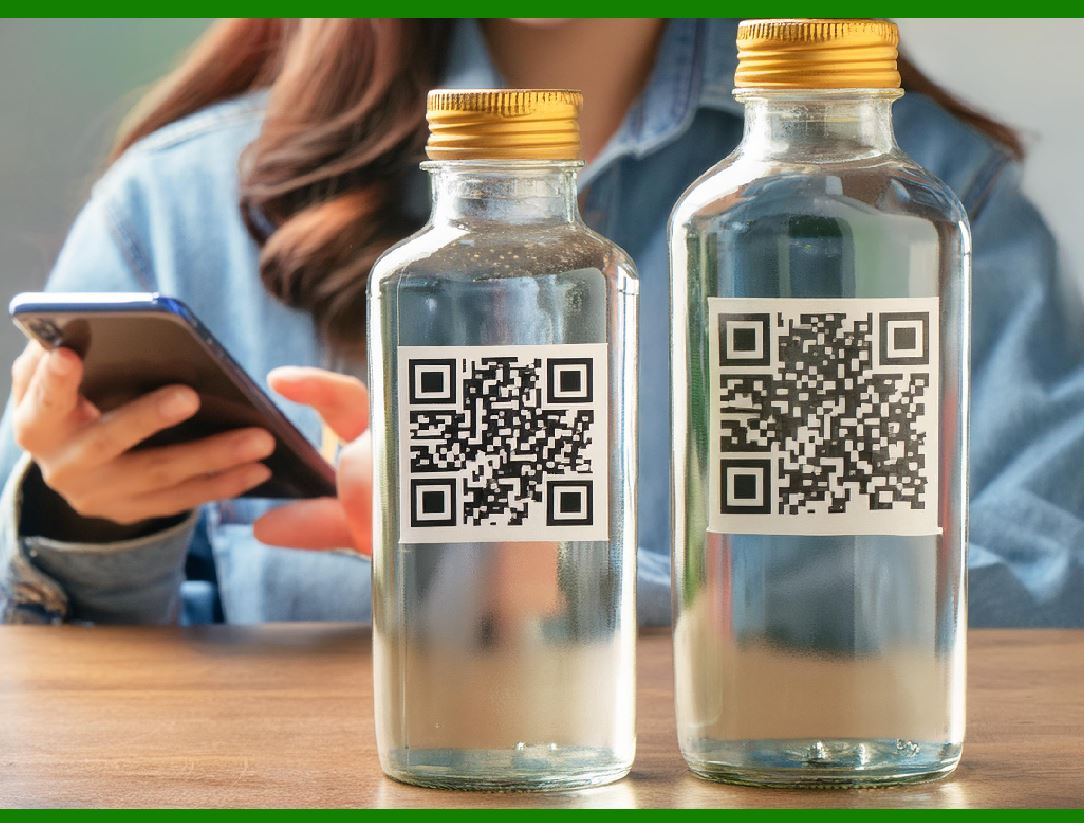
4. The GS1 Sunrise 2027 initiative represents a transformative global movement. It encourages the adoption of 2D barcodes, particularly Data Matrix and QR Code, to replace or complement the traditional 1D barcodes on products at the point of sale (POS) by 2027. |
5. These 2D barcodes are capable of holding far more data than their 1D counterparts. They enable encoding of dynamic information such as batch numbers, expiry dates, serial numbers, and web links-paving the way for traceability, transparency, consumer engagement, and improved recall management. |
6. GS1's goal is that, by 2027, all retail POS systems globally should be able to process at least one type of 2D barcode with a GS1 Digital Link. The Digital Link transforms barcodes into digital gateways to product information. |
7. The Sunrise 2027 initiative isn't just about technological evolution; it's also about aligning global industries for a more transparent, sustainable, and efficient future. It requires cooperation among manufacturers, retailers, POS system developers, regulators, and even consumers. |
|
Part 2: The Drivers of GS1 Sunrise 2027 |
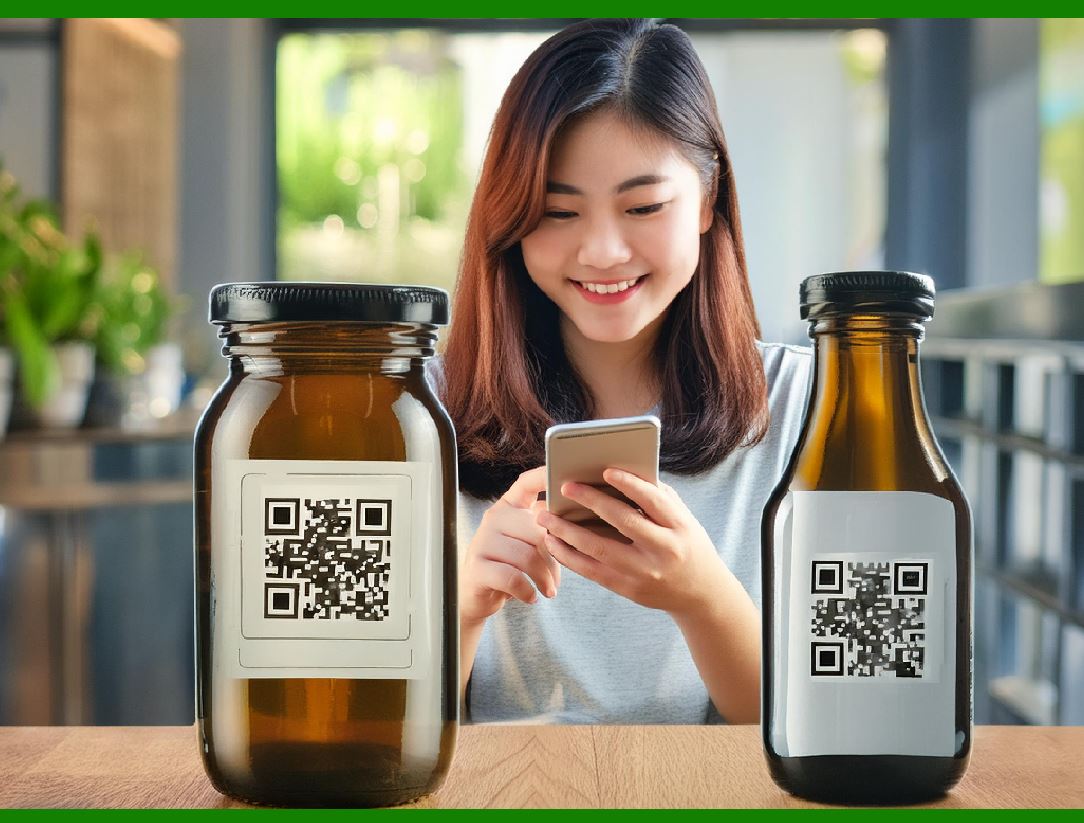
8. The shift to 2D barcodes is being driven by multiple global trends. First among them is the increasing consumer demand for product transparency. Shoppers want to know where their products come from, how they were made, whether they meet ethical standards, and if they are safe. |
9. Regulatory pressures also play a key role. Governments and regulatory bodies are mandating more stringent requirements around food safety, product recalls, pharmaceutical serialization, and anti-counterfeiting measures. These requirements often exceed what traditional barcodes can support. |
10. The rise of e-commerce and omnichannel retail has reshaped the retail environment. Products must move seamlessly across channels-physical, online, and hybrid-and 2D barcodes are better suited to encode dynamic information relevant to each context. |
11. Sustainability is another major driver. 2D barcodes can reduce the need for printed materials such as instruction manuals, safety sheets, and packaging waste. Instead, product data can be digitized and accessed through a scan. |
12. The COVID-19 pandemic accelerated the need for contactless solutions, remote inventory checks, and real-time product verification-functions which 2D barcodes can fulfill far more effectively than 1D codes. |
13. Supply chain resilience is another motivator. As companies seek to mitigate risk and improve agility, real-time visibility into product location, status, and provenance becomes critical-again pointing to the advantages of enhanced barcoding technologies. |
14. Ultimately, GS1 Sunrise 2027 aligns with broader global movements toward smart packaging, Internet of Things (IoT), and Industry 4.0-all of which depend on rich, accessible, and interoperable product data. |
|
Part 3: What is the GS1 Digital Link? |
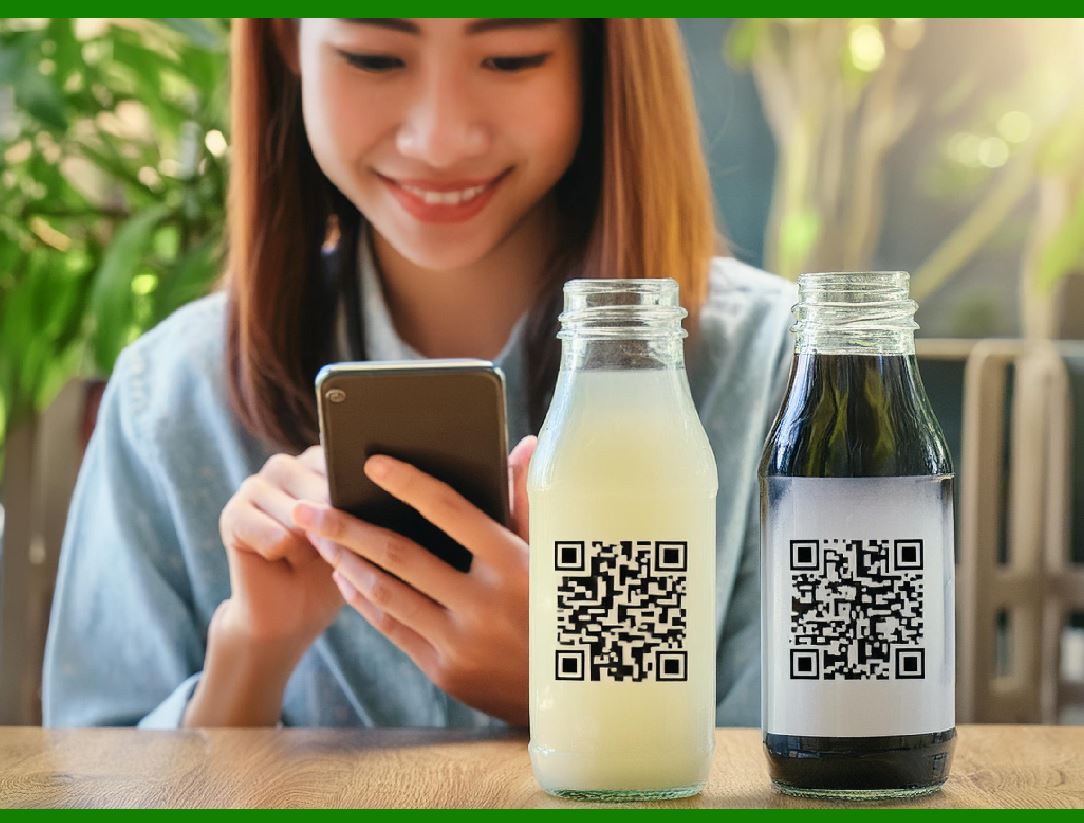
15. At the heart of the Sunrise 2027 strategy is the GS1 Digital Link standard. Unlike traditional barcodes that contain a single identifier like a Global Trade Item Number (GTIN), the GS1 Digital Link enables product data to be structured as a URL. |
16. This URL can link to a web page or directly encode product attributes. For example, a single scan could return the GTIN, expiration date, serial number, batch/lot number, product description, and even link to a digital certificate or a user manual. |
17. The Digital Link standard essentially brings barcodes into the realm of the semantic web, allowing the same barcode to work across multiple platforms: POS systems, inventory management tools, consumer mobile apps, and regulatory databases. |
18. Importantly, a GS1 Digital Link QR code or Data Matrix symbol is not proprietary. It's an open standard, unlike many commercial QR code systems which often lock users into specific platforms or data ecosystems. |
19. The digital link supports content negotiation, meaning a mobile app can retrieve a product webpage for consumers, while a POS system can extract just the GTIN. This makes the technology flexible and future-proof. |
20. Through its modular and open design, the GS1 Digital Link promotes interoperability, enabling data to flow freely between companies, industries, and geographies. This is essential in today's globalized trade environment. |
|
Part 4: GS1 Sunrise 2027 Roadmap and Implementation Guidelines |
21. GS1 has developed a comprehensive roadmap to guide industries through the transition. This roadmap outlines technical specifications, timelines, testing procedures, and educational materials to support migration from 1D to 2D barcodes. |
22. The plan recommends a phased implementation, allowing companies to adopt 2D barcodes at their own pace while ensuring system readiness by 2027. Early adopters are encouraged to pilot mixed-mode packaging that includes both 1D and 2D barcodes. |
23. GS1 member organizations around the world are supporting local implementation by organizing forums, hackathons, interoperability labs, and public-private partnerships. This ensures that even small and medium-sized enterprises (SMEs) can participate. |
24. POS system providers and hardware manufacturers are being urged to update scanners and software to ensure compatibility with 2D codes containing GS1 Digital Links. Certification programs help vendors validate that their equipment meets new standards. |
25. Education plays a central role. GS1 and its member organizations have launched online courses, webinars, and toolkits aimed at product manufacturers, packaging engineers, retailers, and IT departments. |
26. Sunrise 2027 also includes compliance metrics, such as the percentage of POS systems capable of reading 2D codes and the number of SKUs labeled with GS1 Digital Link-compatible barcodes. These metrics will help track global progress toward the goal. |
27. A key requirement is backward compatibility. Until 2027, products can include both a traditional EAN/UPC barcode and a new 2D barcode. After that, GS1 envisions an ecosystem where the 2D barcode is standard and POS systems fully support them. |

|
Part 5: Global Adoption Progress and Industry Participation |
28. The GS1 Sunrise 2027 initiative has already seen significant traction across various global industries. Countries and corporations are embracing the shift, each at a different stage of readiness based on infrastructure, regulation, and market demands. |
29. In North America, large retailers such as Walmart, Target, and Kroger have initiated 2D barcode pilot programs. Walmart, in particular, has announced active collaboration with suppliers to begin printing 2D barcodes on select SKUs starting in 2024. |
30. The United States Food and Drug Administration (FDA) is also influencing adoption in the healthcare and pharmaceutical sectors. The Drug Supply Chain Security Act (DSCSA) already mandates item-level serialization, which 2D barcodes can support effectively. |
31. In Europe, countries like Germany, the Netherlands, and France are moving quickly, especially in the healthcare and food safety sectors. The EU's Falsified Medicines Directive (FMD) requires serialization and traceability, encouraging the use of Data Matrix barcodes. |
32. Retailers like Carrefour and Tesco are working closely with GS1 Europe to update their POS infrastructure. Some are already testing hybrid labels that feature both 1D and 2D codes, providing redundancy and compatibility during the transition period. |
33. In Asia-Pacific, China leads with widespread 2D code usage due to its mobile-first digital economy. WeChat and Alipay already rely on QR codes for mobile payments, making it culturally and technologically easier for retailers to adopt GS1-compliant QR formats. |
34. The China National Institute of Standardization (CNIS) has partnered with GS1 China to incorporate GS1 Digital Link into national e-commerce ecosystems, promoting traceability, authenticity, and product safety. |
35. Japan, known for its advanced logistics systems, is also making significant progress. Retailers and manufacturers like AEON and Panasonic have begun testing 2D-enabled packaging linked to dynamic product databases. |
36. In Africa and South America, GS1 member organizations are focusing on awareness and infrastructure. Brazil's government has initiated barcode modernization efforts in its food export chain, while South Africa's health sector has adopted GS1 barcodes for vaccine tracking. |
37. While progress varies by region, sector-specific adoption is more consistent. Industries with higher traceability needs-such as pharmaceuticals, food, electronics, and cosmetics-are leading the transition. |

|
Part 6: Case Studies of Sunrise 2027 Implementation |
38. One prominent case study involves Nestl¨¦, a global food and beverage company. In a recent pilot with GS1 and major European retailers, Nestl¨¦ began printing 2D barcodes on dairy products, enabling traceability from farm to shelf. |
39. The 2D codes allowed consumers to scan products and access detailed supply chain information, including production date, batch number, packaging location, allergen declarations, and sustainability metrics. Retailers reported increased consumer trust and reduced returns. |
40. In the pharmaceutical industry, Pfizer and Johnson & Johnson have incorporated GS1-compliant 2D barcodes on injectable medications. These enable hospital systems to track expiry dates and lot numbers digitally, reducing manual entry errors. |
41. Carrefour, a leading French retailer, tested GS1 Digital Link barcodes in-store. The scan returned interactive digital experiences including recipe suggestions, sustainability scores, and certifications (e.g., organic, fair trade). Consumer engagement increased significantly. |
42. In the electronics sector, Sony and Samsung have implemented GS1 Digital Link 2D codes on packaging, enabling users to register their warranty, access online manuals, and verify authenticity-all via one barcode scan. |
43. Healthcare providers in Australia have implemented 2D barcode scanning for patient safety. When a nurse scans a vial of medication, the hospital system automatically logs dosage, patient ID, and expiration, preventing prescription errors and enhancing audit trails. |
44. In Latin America, a major fresh produce exporter in Chile began using GS1 Digital Link QR codes to trace avocados from farm to retailer. Export partners in Europe and the U.S. could scan pallets and verify source, pesticide data, and shipping conditions. |
45. These examples demonstrate that the benefits of the GS1 Sunrise 2027 Plan are not theoretical. Real-world pilots and live implementations are proving its utility across industries and across continents. |

|
Part 7: Regulatory Support and Standardization Trends |
46. A strong regulatory backbone is vital for the success of the GS1 Sunrise 2027 plan. Governments worldwide are enacting laws that indirectly-or directly-support the shift to 2D barcoding. |
47. In the United States, the Food and Drug Administration (FDA) supports GS1 Data Matrix use in pharmaceutical serialization. As of 2023, the FDA requires serialized identifiers on every package of prescription drugs-a requirement ideally fulfilled with 2D barcodes. |
48. The European Union mandates serialized 2D barcodes on pharmaceutical items via the Falsified Medicines Directive (FMD). Retail POS systems in the region must be able to scan and verify data embedded in Data Matrix barcodes. |
49. The Codex Alimentarius, an international food standard-setting body, has released guidelines recommending 2D codes for food traceability. This guidance influences national policy in dozens of countries. |
50. The International Civil Aviation Organization (ICAO) has endorsed the use of GS1 standards for tracking COVID-19 vaccines and medical supplies globally. Their documentation recommends serialization with 2D barcodes and GS1 Digital Link formatting. |
51. In India, the Food Safety and Standards Authority (FSSAI) is piloting 2D barcode use on milk and packaged foods, aligning with GS1 standards. The Indian Ministry of Commerce has also partnered with GS1 India for export quality traceability. |
52. Regulatory harmonization is critical for global adoption. The Sunrise 2027 initiative is gaining momentum in part because GS1 standards are internationally recognized and supported by both governmental and non-governmental institutions. |
53. Standardization efforts are further boosted by the International Organization for Standardization (ISO), which recognizes GS1 barcodes (including Digital Link, Data Matrix, and QR Code) under ISO/IEC 15459 and related standards. |
54. As of 2025, more than 120 countries have official or semi-official guidelines endorsing or requiring GS1-compliant barcoding standards in at least one major industry sector. This widespread support lays the foundation for Sunrise 2027's success. |

|
Part 8: Technical Advantages of 2D Barcodes in GS1 Sunrise 2027 |
55. The transition from 1D linear barcodes to 2D barcodes represents a major technological leap. Unlike 1D barcodes, which encode information only along one dimension, 2D barcodes like Data Matrix and QR Code encode data both horizontally and vertically, allowing much higher data density. |
56. A typical 1D barcode, such as the EAN-13, can hold approximately 12 to 13 numeric digits. In contrast, a Data Matrix or QR Code can encode hundreds to thousands of alphanumeric characters, allowing for complex and rich product information to be stored directly within the code. |
57. The enhanced data capacity enables the inclusion of critical dynamic product attributes such as batch/lot number, expiration date, serial number, production location, and even URLs for detailed digital content-all in one scan. |
58. 2D barcodes are also smaller in physical size, making them suitable for very small products and packaging where 1D codes are impractical or impossible. |
59. The GS1 Digital Link standard adds an extra dimension by encoding product identifiers as URLs, enabling direct access to cloud-based or web-hosted product information without the need for manual entry. |
60. Technically, 2D barcodes incorporate robust error correction algorithms (like Reed-Solomon codes), allowing them to be read accurately even if the symbol is partially damaged, obscured, or printed on curved or flexible surfaces. |
61. Scanners and smartphones equipped with image sensors can easily decode 2D codes, while traditional laser scanners are typically limited to reading 1D barcodes. |
62. The widespread availability of smartphone cameras has democratized barcode scanning, making consumer engagement with product data via 2D codes highly feasible and scalable. |
63. Furthermore, the GS1 Sunrise 2027 initiative promotes the use of open standards, ensuring that barcode data formats are interoperable and vendor-neutral, thus reducing vendor lock-in and promoting healthy competition and innovation. |

|
Part 9: Transformation of Consumer Experience |
64. One of the key social benefits of the Sunrise 2027 Plan is the enhancement of the consumer experience. 2D barcodes with GS1 Digital Link enable consumers to interact with products in new and meaningful ways. |
65. When a consumer scans a 2D barcode, they can instantly access product provenance details, including where and when the product was made, by whom, and the journey it took to the store shelf. |
66. This transparency fosters greater trust and confidence in brands, particularly in food, pharmaceuticals, and cosmetics, where safety and authenticity are paramount. |
67. GS1 Digital Link barcodes can also provide consumers with personalized information such as usage instructions, allergy warnings, nutritional facts, and even promotional offers, enhancing the perceived value of products. |
68. Mobile apps leveraging GS1 Digital Link can also support after-sales service features like warranty registration, product recalls, and customer support, further extending the product lifecycle engagement. |
69. The ability to link barcodes to multimedia content such as videos, augmented reality experiences, or sustainability reports creates immersive brand experiences, which help differentiate products in crowded marketplaces. |
70. From a public health perspective, consumers benefit from enhanced safety notifications. In case of recalls or contamination, the GS1 Digital Link infrastructure enables instant notification and product verification at the consumer level. |
71. The increased availability of trustworthy, machine-readable product data also supports third-party applications that aggregate information on allergens, environmental impact, or ethical sourcing, empowering informed purchasing decisions. |

|
Part 10: Environmental and Sustainability Benefits |
72. The GS1 Sunrise 2027 Plan offers significant environmental advantages through the digitization of product information. |
73. By embedding rich data directly into 2D barcodes, companies can reduce or eliminate the need for additional printed materials such as instruction manuals, brochures, and safety leaflets, thereby lowering paper consumption and waste. |
74. The use of 2D barcodes supports smarter inventory management and waste reduction. Retailers can monitor stock expiry dates and batch numbers in real time, minimizing food spoilage and product obsolescence. |
75. Enhanced traceability also facilitates the enforcement of sustainable sourcing practices. Consumers and regulators can verify whether products comply with environmental certifications or originate from deforestation-free supply chains. |
76. Packaging can be optimized because the barcode footprint shrinks; less space is needed for product information. This potentially reduces packaging size and weight, contributing to lower transportation emissions. |
77. Digital links allow brands to publish up-to-date sustainability data accessible via scanning, encouraging transparency and accountability in environmental reporting. |
78. The GS1 Digital Link can also connect products to circular economy programs, enabling consumers to find recycling points or product return options through a simple barcode scan. |

|
Part 11: Risk Reduction, Safety, and Trust |
79. Safety and risk reduction constitute critical social benefits of the GS1 Sunrise 2027 Plan. |
80. 2D barcodes support accurate product recalls by encoding batch/lot and serial numbers. This precision minimizes the scope of recalls, reducing economic loss and protecting consumer health. |
81. Serialization capabilities help combat counterfeiting and fraud, especially in high-value industries like pharmaceuticals, electronics, and luxury goods. Each product can have a unique identifier verifiable at multiple points in the supply chain. |
82. GS1 Digital Link standards facilitate interoperability between manufacturers, regulators, and retailers, ensuring consistent and accurate data across all stakeholders. |
83. Traceability enabled by 2D barcodes enhances supply chain transparency, enabling companies to quickly identify and isolate quality issues or disruptions. |
84. In healthcare, barcodes linked to electronic health records can ensure that patients receive the correct medication and dosage, improving patient safety and outcomes. |
85. The transparent access to product information also empowers consumers to verify product authenticity, improving brand trust and reducing counterfeit risks. |
86. In global crises such as pandemics or foodborne illness outbreaks, the ability to trace products quickly is crucial to limiting public health impacts-a capability significantly enhanced by the Sunrise 2027 framework. |

|
Part 12: Economic Benefits of GS1 Sunrise 2027 |
87. The GS1 Sunrise 2027 Plan delivers substantial economic benefits at multiple levels: from manufacturers and retailers to consumers and regulators. |
88. For manufacturers, adopting 2D barcodes reduces manual labor and errors related to product identification and data entry. Automation of scanning and data capture accelerates production lines, lowering operational costs. |
89. Enhanced product traceability reduces losses caused by counterfeiting, shrinkage, and theft. Serialization enables better inventory control, avoiding overproduction or stockouts. |
90. Retailers benefit economically through improved checkout efficiency. 2D barcodes, with their richer data, allow for faster and more accurate scanning, reducing queue times and labor costs. |
91. The ability to track expiration dates and batch information precisely reduces waste and improves inventory turnover, leading to higher profitability. |
92. Supply chain partners experience cost savings due to more efficient logistics and reduced product recalls. Rapid identification of affected batches limits recall scopes and associated expenses. |
93. For governments and regulatory bodies, better traceability leads to improved tax compliance and fraud detection, increasing public revenue without raising tax rates. |
94. Consumers benefit indirectly through increased product safety, higher quality, and potentially lower prices driven by efficiency gains in production and distribution. |
95. The data-rich environment created by GS1 Digital Link barcodes enables analytics and insights that drive smarter business decisions, new services, and product innovation, further expanding economic value. |

|
Part 13: Impact on Supply Chain Efficiency |
96. The GS1 Sunrise 2027 Plan dramatically improves supply chain visibility and coordination. |
97. 2D barcodes allow each product unit to be uniquely identified, facilitating real-time tracking from manufacturing through distribution to retail. |
98. This granular visibility supports advanced inventory management techniques such as just-in-time replenishment and demand forecasting, reducing storage and transportation costs. |
99. Enhanced data sharing enabled by GS1 Digital Link barcodes improves collaboration among suppliers, logistics providers, and retailers, speeding problem resolution. |
100. In transportation, barcoded shipping containers and pallets allow automated scanning at checkpoints, reducing delays and paperwork. |
101. Quality control is enhanced because products can be traced to specific production runs and raw material sources, enabling quick identification and correction of defects. |
102. The initiative supports omnichannel retailing by ensuring accurate, up-to-date product data across e-commerce and physical store inventories. |
103. Overall, supply chain efficiency gains translate into faster time-to-market, better customer satisfaction, and higher resilience to disruptions. |

|
Part 14: Challenges and Barriers to Adoption |
104. Despite its benefits, the GS1 Sunrise 2027 Plan faces several challenges. |
105. One major barrier is the cost of upgrading packaging and printing processes to include 2D barcodes, especially for small and medium-sized enterprises (SMEs). |
106. Legacy point-of-sale and scanning infrastructure often lack the capability to read 2D barcodes, requiring significant investment in new hardware and software. |
107. Training personnel across the supply chain to manage and utilize 2D barcode data effectively poses logistical and financial challenges. |
108. Interoperability issues can arise when different organizations implement GS1 standards inconsistently or fail to maintain data quality. |
109. Some regions have limited regulatory pressure or incentives to adopt 2D barcodes, slowing voluntary adoption. |
110. Data privacy concerns related to linking product information to digital platforms require careful management to maintain consumer trust. |
111. Coordination across global supply chains, with diverse stakeholders and technologies, is complex and can slow standardization efforts. |

|
Part 15: Future Outlook and Technological Innovations |
112. Looking forward, the GS1 Sunrise 2027 Plan is poised to catalyze further technological innovations. |
113. Integration with Internet of Things (IoT) devices will enable products to communicate status information beyond static barcodes, enabling smart packaging. |
114. Artificial intelligence (AI) and machine learning will leverage data collected via GS1 Digital Link to optimize supply chains and personalize consumer experiences. |
115. Blockchain technology could be combined with GS1 standards to provide immutable and transparent product provenance records. |
116. Advancements in printing technology, such as digital inkjet and nano-printing, will reduce costs and increase the feasibility of 2D barcodes on any surface. |
117. The evolution of augmented reality (AR) may allow consumers to access immersive product information and experiences triggered by 2D barcode scans. |
118. GS1 is actively collaborating with standards bodies and technology partners to ensure the Sunrise 2027 initiative remains compatible with emerging trends and continues to deliver maximum value. |

|
Comprehensive Summary of GS1 Sunrise 2027 Plan Analysis |
1.Overview and Objectives: |
The GS1 Sunrise 2027 Plan is a global initiative aiming to transition from traditional 1D barcodes to advanced 2D barcodes (such as Data Matrix and QR Code) encoded with GS1 Digital Link standards by the year 2027. This shift enables encoding richer product information directly on packaging, enhancing traceability, consumer engagement, and supply chain efficiency. |
2.Current Status and Adoption: |
The plan is gaining momentum worldwide, with significant uptake in North America, Europe, and Asia-Pacific, especially in industries requiring stringent traceability like pharmaceuticals, food, and healthcare. Leading retailers and manufacturers have begun pilot programs, supported by regulatory mandates such as the EU's Falsified Medicines Directive and the US FDA's serialization requirements. |
3.Technical Advantages: |
2D barcodes offer higher data capacity, smaller physical footprint, and robust error correction, enabling encoding of dynamic and complex product information. The GS1 Digital Link standard extends this capability by transforming barcodes into actionable web URLs, linking physical products to rich digital content accessible by any smartphone. |
4.Social Benefits: |
Consumers gain enhanced transparency, safety, and engagement through easy access to product provenance, authenticity verification, and personalized information such as usage instructions and promotional offers. The initiative fosters trust in brands and empowers informed purchasing decisions. |
5.Environmental Impact: |
By enabling digital product information, the plan reduces reliance on printed materials, lowers packaging size, and supports waste reduction through improved inventory management. It also facilitates sustainability reporting and circular economy initiatives via accessible, dynamic data. |
6.Risk Reduction and Safety: |
Serialization and detailed traceability enabled by 2D barcodes improve recall accuracy, combat counterfeiting, and enhance patient safety in healthcare by reducing medication errors. These factors strengthen supply chain transparency and public health safeguards. |
7.Economic and Supply Chain Efficiency: |
The initiative drives cost savings through automation, reduced errors, and better inventory control. Supply chains benefit from real-time visibility, streamlined logistics, and improved collaboration, resulting in faster delivery, lower waste, and increased resilience to disruptions. |
8.Challenges: |
Barriers include the cost of upgrading packaging and scanning infrastructure, training needs, interoperability issues, and varying regulatory pressure globally. Data privacy and coordination complexities also pose challenges. |
9.Future Outlook: |
The GS1 Sunrise 2027 Plan is expected to integrate with emerging technologies like IoT, AI, blockchain, and augmented reality, further expanding its impact on supply chains and consumer experiences. Advances in printing technology will improve feasibility and adoption rates. |

|
Overall, the GS1 Sunrise 2027 Plan represents a transformative step in global product identification, promising wide-ranging social, economic, and environmental benefits. Its success depends on coordinated efforts across industries, governments, and technology providers to overcome challenges and fully realize the potential of digital product information. |
 cs@easiersoft.com