Applying Barcode Technology in Various Ticketing Systems |
1. Introduction to Barcode Technology in Ticketing |
1.1 Barcode technology has become an integral part of modern ticketing systems across industries such as transportation, entertainment, events, sports, tourism, and public services. The basic principle of using a barcode is to encode essential information into a visual symbol composed of lines, dots, or squares, which can then be rapidly scanned and decoded by an optical scanner or a mobile device. This allows quick identification, validation, and tracking of tickets. |
1.2 The reason barcodes are particularly effective in ticketing is their ability to combine low cost, high reliability, and ease of integration. A barcode can be printed on paper, displayed on a smartphone screen, or embedded into physical cards. Compared to traditional ticketing methods such as manual checking or embossing, barcodes enable automation, reduce fraud, and enhance the customer experience by accelerating entry and reducing queues. |
1.3 Historically, ticketing involved physical tokens or printed slips, which required manual verification. With the adoption of barcodes, the process evolved into digitally verifiable ticketing systems. Today, in almost every industry where access control or proof-of-purchase is required, barcodes are present. Examples include boarding passes for airlines, subway tickets, cinema admission, stadium passes, museum entry slips, amusement park wristbands, and conference badges. |
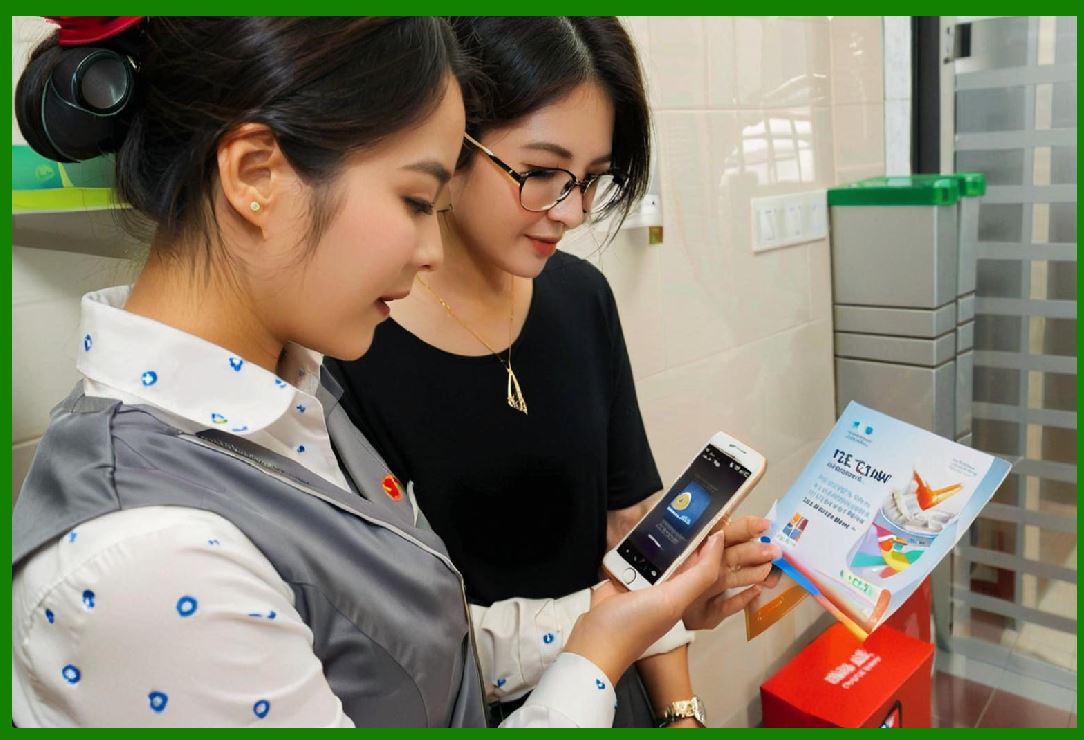
1.4 In the modern digital ecosystem, barcodes in ticketing also integrate with back-end databases, customer relationship management (CRM) systems, and financial platforms. They serve not only as access keys but also as valuable data points for analytics, security, and personalized marketing. |
|
2. Types of Barcodes Used in Ticketing |
2.1 Linear (1D) Barcodes: Early ticketing systems often used simple linear barcodes such as Code 128, Code 39, or Interleaved 2 of 5. These barcodes encode information in horizontal black and white stripes. For ticketing, they often contain a ticket number, booking reference, or customer ID. Although limited in data capacity, they are easy to print and scan. |
2.2 Two-Dimensional (2D) Barcodes: Over time, 2D barcodes such as QR Code, PDF417, Aztec Code, and Data Matrix became the standard in ticketing. These can store significantly more data, including cryptographically secured information, making them ideal for preventing counterfeiting. |
QR Code: Widely used for mobile ticketing, event entry, and transportation tickets. It is compact, reliable, and can be scanned from both paper and screens. |
PDF417: Common in airline boarding passes and driver’s licenses; supports large data storage with error correction. |
Aztec Code: Popular in train and airline tickets in Europe due to its robustness in small print spaces and fast readability even when damaged. |
Data Matrix: Often used for small labels and niche applications such as museum tickets or small-format event badges. |
2.3 Specialized or Proprietary Codes: Certain organizations developed proprietary barcode systems tailored to their environments. For example, Microsoft’s High Capacity Color Barcode (HCCB) was used experimentally for ticketing, and some stadiums have adopted custom barcodes for integration with loyalty programs. |
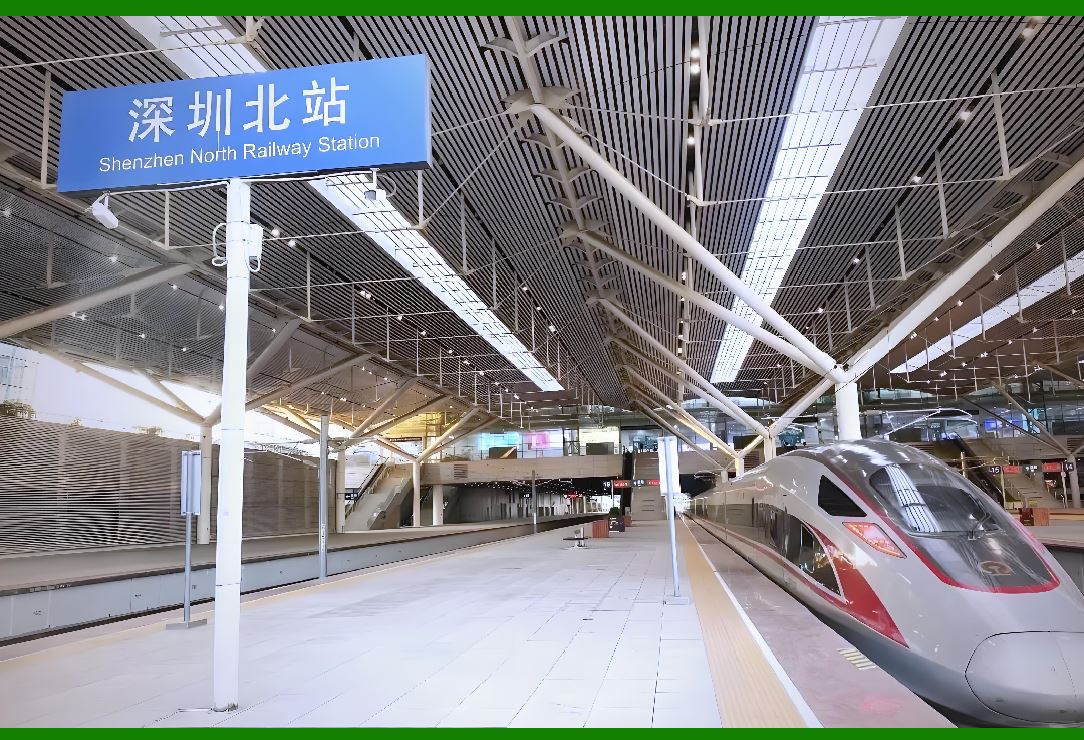
2.4 The choice of barcode depends on the medium (paper vs. mobile), environment (indoor vs. outdoor), speed requirements, and security considerations. For instance, PDF417 is ideal for printed boarding passes, while QR codes are more suited to mobile entry tickets. |
|
3. Advantages of Using Barcodes in Ticketing |
3.1 Cost-Effectiveness: Printing barcodes requires no expensive chips or electronics. A barcode can be printed using ordinary printers or even displayed on a phone screen. This drastically reduces operational costs compared to smart cards or RFID-based systems. |
3.2 Speed of Verification: Barcode scanners process ticket validation in milliseconds, ensuring smooth flow in crowded environments such as stadium gates or airport boarding gates. |
3.3 Fraud Prevention: Modern barcodes can encode unique identifiers tied to central databases. Once scanned, the system can immediately check if the ticket is genuine, expired, or already used. Advanced cryptography further secures mobile barcodes against duplication. |
3.4 Data Integration: Since barcodes can be linked to central ticketing systems, organizers gain access to detailed usage data. This helps in crowd management, personalized marketing, loyalty rewards, and fraud detection. |
3.5 Flexibility Across Platforms: Barcodes work equally well on paper, plastic, or digital displays. This makes them versatile for multiple user demographics, from tech-savvy smartphone users to people preferring traditional printed tickets. |
3.6 Accessibility and Universality: Nearly every smartphone camera today can read QR codes, democratizing ticket access. Similarly, barcode readers are inexpensive and widely available, making them accessible for both small and large organizations. |
|
4. Barcode Ticketing in Public Transportation |
4.1 Airline Boarding Passes: |
Airlines were among the earliest adopters of barcode-based ticketing. The International Air Transport Association (IATA) standardized the use of barcodes on boarding passes. Initially, PDF417 was used for printed boarding passes, while Aztec and QR codes are increasingly common for mobile boarding passes. Scanning these barcodes at security checkpoints and boarding gates streamlines passenger flow, reduces paper handling, and improves security verification. |
4.2 Railway Systems: |
European and Asian railway networks rely heavily on 2D barcodes for electronic tickets. For instance, the Aztec Code is widely used in Europe because it performs well even when printed in small areas on standard A4 sheets. Passengers can either print the ticket or display it on their mobile device. Conductors use handheld barcode scanners to validate tickets onboard. |
4.3 Subway and Metro Systems: |
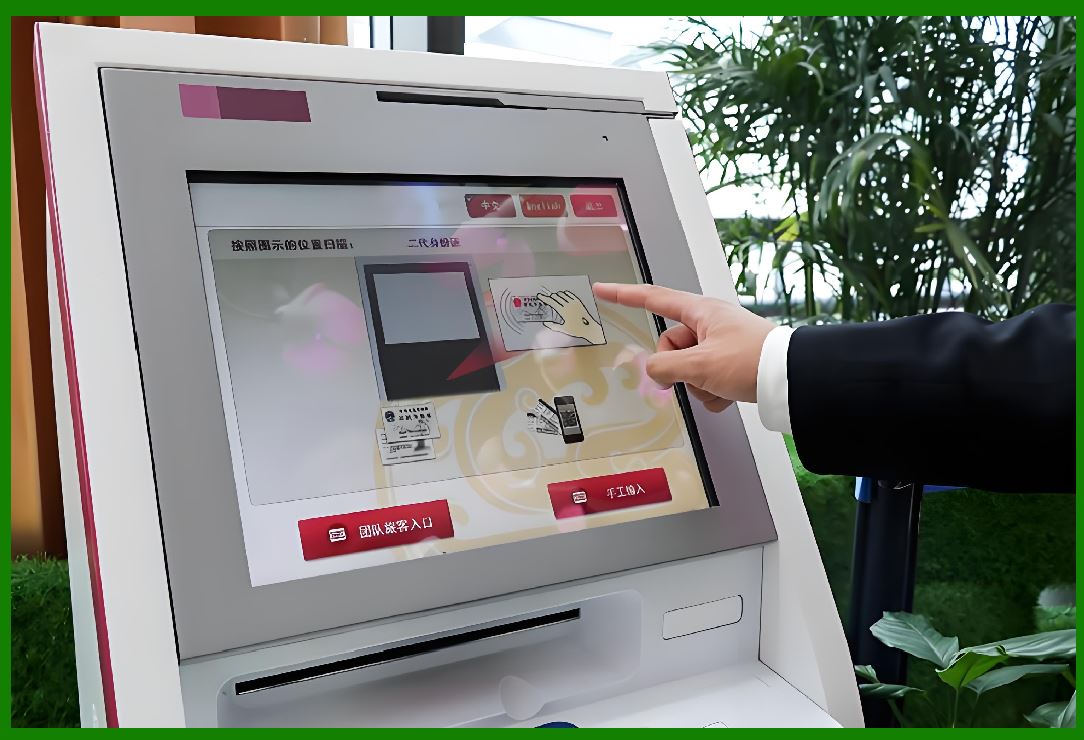
Many metropolitan transport authorities employ barcoded tickets for single journeys or day passes. These are typically printed on paper slips with a linear or QR code. Mobile ticketing apps now allow passengers to generate QR codes directly on their phones, scanned at entry gates. |
4.4 Bus Ticketing: |
Regional and intercity bus services are adopting QR codes for reservations and boarding. Instead of issuing a physical ticket, passengers receive a digital QR code via SMS or an app, reducing printing costs and environmental impact. |
4.5 Integration with Smart Mobility: |
Barcodes are also integrated with multi-modal transportation passes, enabling a single barcode ticket to cover metro, bus, and bike-sharing services. This unified approach enhances urban mobility efficiency. |
|
5. Barcode Ticketing in Entertainment and Events |
5.1 Cinema Ticketing: |
Cinemas worldwide issue tickets with barcodes, both printed and digital. QR codes are particularly popular in mobile booking apps, where customers simply present their phone at the entrance scanner. This minimizes queuing and reduces paper waste. |
5.2 Concerts and Music Festivals: |
Large-scale events rely on barcoded tickets to control massive crowds. Each ticket contains a unique barcode that is scanned upon entry, ensuring only authorized attendees gain access. Dynamic QR codes (that change periodically) are increasingly used to prevent screenshot fraud. |
5.3 Sports Stadiums: |
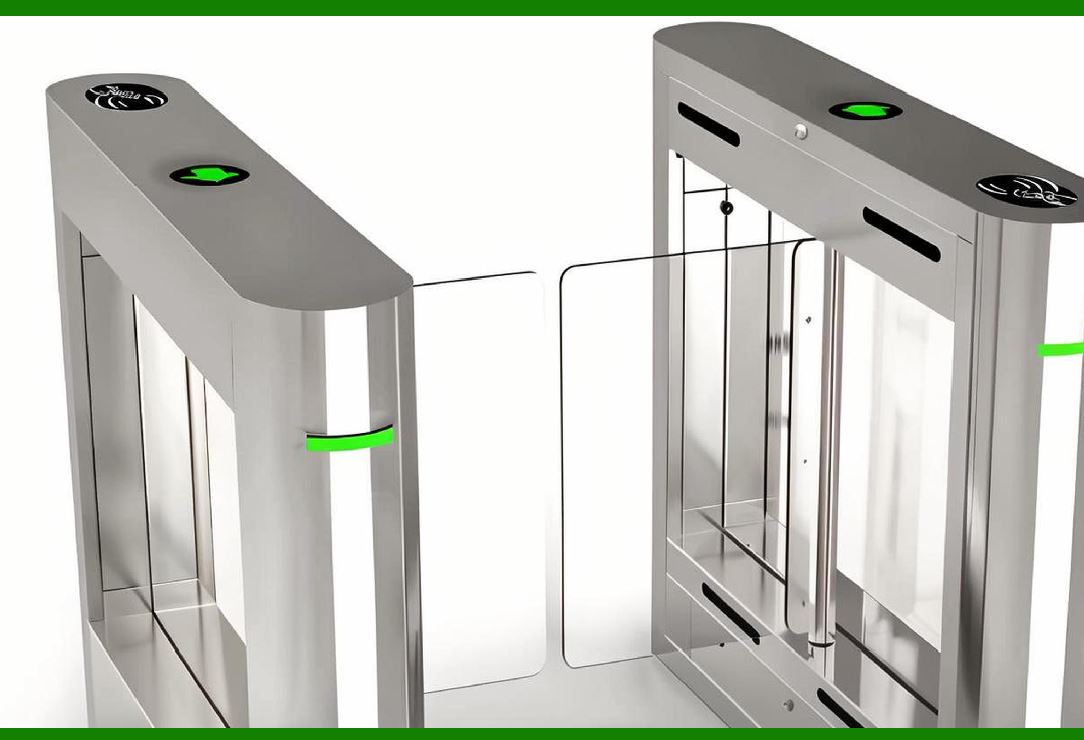
Stadiums handling tens of thousands of spectators benefit greatly from barcode ticketing. Turnstiles equipped with barcode scanners validate tickets within seconds, reducing bottlenecks. Integration with loyalty programs also allows clubs to link a fan’s ticket with their membership profile. |
5.4 Theater and Performing Arts: |
For smaller venues, printed barcodes on tickets simplify access control without requiring expensive RFID gates. Mobile ticketing further adds convenience by enabling attendees to store their tickets in wallet apps. |
5.5 Theme Parks and Amusement Parks: |
Parks issue tickets embedded with barcodes, often printed on wristbands or cards. Visitors can scan their barcode at rides, attractions, or restaurants, creating a seamless and personalized experience. |
|
6. Barcode Ticketing in Tourism and Museums |
6.1 Museum Entry: |
Museums and cultural institutions use barcode tickets to manage visitor flow. These tickets may include time-slot reservations encoded in QR codes to ensure crowd control in popular exhibitions. |
6.2 Tourist Attractions: |
From the Eiffel Tower to the Statue of Liberty, major attractions utilize barcode tickets for admission. Mobile ticketing has become standard, where tourists purchase tickets online and present a QR code at the gate. |
6.3 Guided Tours: |
Tour operators issue QR code tickets that not only serve as proof of purchase but also link to digital guides, maps, or multimedia content. This enriches the tourist experience while maintaining operational efficiency. |
6.4 Travel Passes: |
Tourism boards often sell city passes with barcodes, giving visitors access to multiple attractions with one ticket. Scanning the barcode at each location records usage and helps in analyzing tourist behavior. |
|
7. Barcode Ticketing in Government and Public Services |
7.1 Public Facility Access |
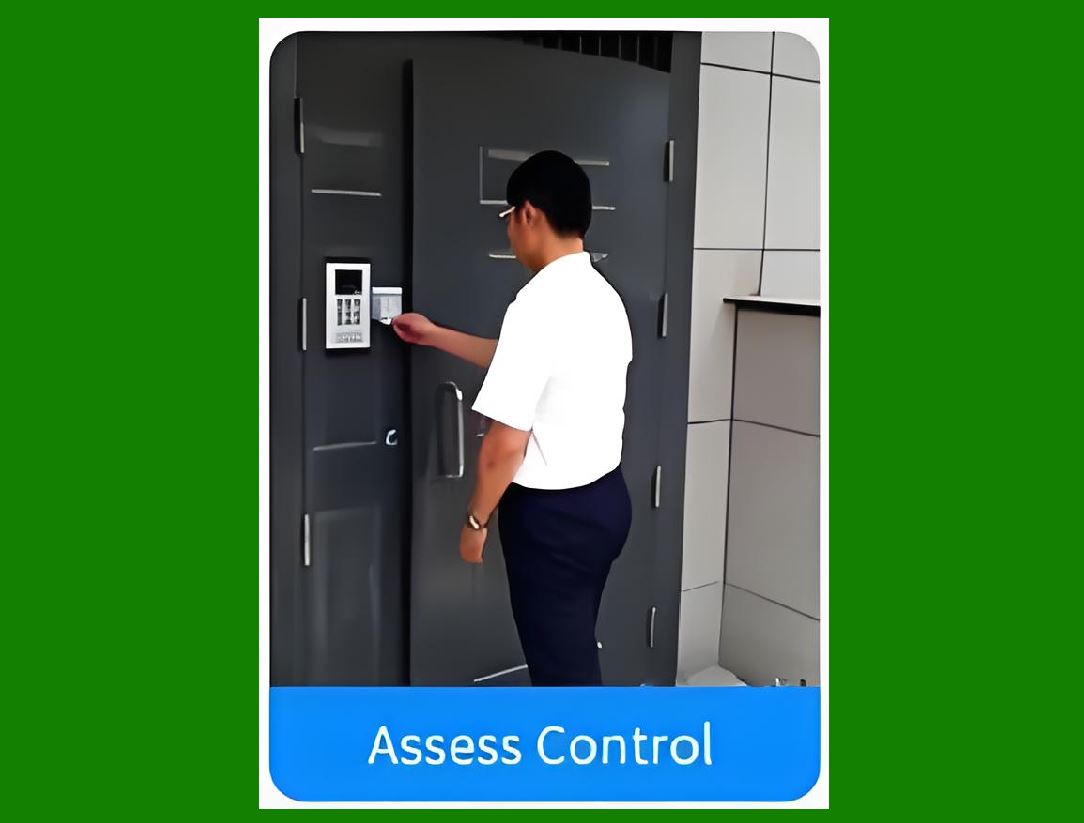
Government-managed facilities such as libraries, community centers, and municipal sports complexes use barcoded tickets to manage public access. Patrons receive tickets or passes with printed barcodes that grant entry for a specific session or period. This helps administrators monitor attendance, reduce misuse, and streamline reporting. |
7.2 Public Event Management |
Cities hosting parades, national celebrations, or public festivals issue barcoded tickets for controlled zones. For example, fireworks viewing areas or official ceremony grounds often require secure access. Barcode scanning ensures only verified ticket holders enter restricted zones. |
7.3 Government Service Queuing Systems |
In many countries, government offices that provide services such as passport issuance, visa processing, or vehicle registration use barcoded queue tickets. A citizen receives a printed slip with a barcode, which is scanned at service counters to call them in sequence. This system reduces human error in queue management and provides statistical data for operational efficiency. |
7.4 Voting and Civic Participation |
While barcodes are not used on ballots due to privacy concerns, some jurisdictions employ barcode-enabled registration slips or event tickets for civic participation, such as local council hearings. Barcodes ensure that only eligible individuals gain entry while keeping track of attendance. |
7.5 Public Safety and Emergency Services |
During disaster relief or emergency aid distribution, barcode tickets can be issued to affected residents to ensure fair allocation of resources. Scanning prevents duplicate claims, ensures transparency, and speeds up distribution. |
|
8. Barcode Ticketing in Healthcare |
8.1 Hospital Visitor Passes |
Hospitals often issue visitor tickets containing barcodes for controlled access to patient wards. These tickets may be time-limited, preventing misuse and ensuring compliance with patient safety protocols. |
8.2 Medical Conferences and Training |
Healthcare professionals attending medical seminars or specialized training events receive barcoded tickets or badges. These barcodes track attendance and can also be used for Continuing Medical Education (CME) credit verification. |
8.3 Patient Queue Tickets |
Barcode slips are frequently used in hospitals and clinics to manage outpatient queues. Patients receive a barcoded ticket linked to their medical record number, ensuring seamless integration with hospital information systems (HIS). |
8.4 Pharmacy Pick-Up Tickets |
Pharmacies sometimes issue barcode tickets for prescription pick-ups. These ensure patients receive the correct medication by matching scanned ticket data with prescription records. |
8.5 Healthcare Facility Access Control |
During pandemic-related restrictions, some hospitals required visitors and staff to present barcoded passes verifying test results, vaccination status, or time-slot authorization. QR codes made it possible to integrate health data securely and quickly. |
|
9. Barcode Ticketing in Conferences and Exhibitions |
9.1 Trade Shows |
Exhibitors and attendees receive barcoded badges, typically QR codes or PDF417 codes, printed on paper or plastic cards. These serve multiple purposes: admission control, lead retrieval, and networking facilitation. Exhibitors scan attendee badges to capture contact information instantly, which feeds directly into CRM systems. |
9.2 Academic Conferences |
Universities and professional associations issue tickets or passes with barcodes that verify attendee registration. Scanning records attendance at keynote sessions, workshops, and breakout events, aiding in reporting and certification. |
9.3 Business Seminars |
Corporate training events and seminars use barcoded admission tickets for entry validation. Barcodes also help companies track which employees completed specific training sessions. |
9.4 Expo Ticketing |
Large expos with thousands of participants, such as consumer electronics or automobile exhibitions, rely on barcode ticketing for crowd management. QR code tickets can also link to personalized itineraries, schedules, or exhibitor maps. |
9.5 Digital Badges and Hybrid Events |
In the post-pandemic era, hybrid events combine physical and virtual participation. Barcodes on digital badges provide a bridge: scanning a QR code on a badge can take an attendee directly to event apps, livestreams, or networking portals. |
|
10. Technical Architecture of Barcode Ticketing Systems |
10.1 Ticket Generation Process |
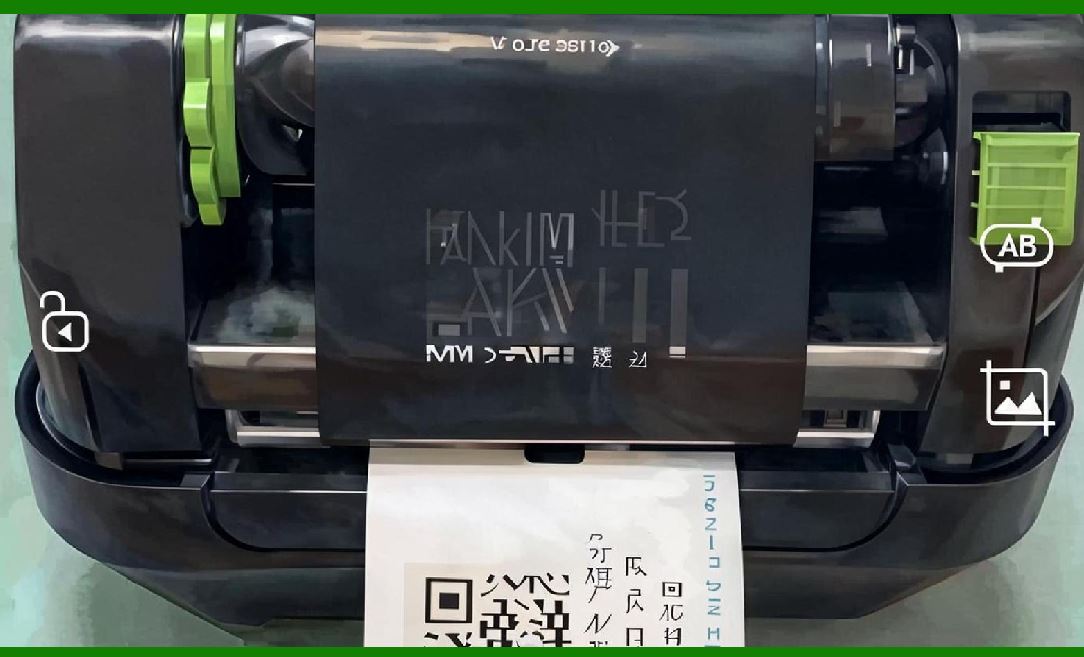
A barcode ticketing system begins with a ticket generation engine that encodes unique identifiers into barcodes. The identifiers may include booking reference numbers, customer IDs, or cryptographic hashes. Ticket generation is usually integrated into the organization’s booking or registration platform. |
10.2 Printing and Distribution |
Once generated, barcodes can be distributed in multiple forms: |
Printed on physical paper tickets. |
Embedded in wristbands or plastic cards. |
Delivered digitally via email, mobile apps, or SMS links. |
This flexibility allows organizations to adapt to customer preferences. |
10.3 Scanning Infrastructure |
At the point of entry, ticket validation requires barcode scanners. These may be: |
Handheld laser or camera-based scanners. |
Fixed-position turnstile scanners. |
Mobile devices with scanning apps. |
The scanning infrastructure must be robust enough to handle high throughput during peak entry times. |
10.4 Backend Validation System |
When a barcode is scanned, the data is transmitted to a backend server that verifies ticket authenticity. Validation can be offline (preloaded ticket data in local devices) or online (real-time communication with central databases). Online validation provides greater security, while offline validation ensures reliability in low-connectivity environments. |
10.5 Integration with CRM and Analytics |
Modern systems link scanned ticket data with CRM platforms, allowing event organizers to collect behavioral insights. They can analyze attendance patterns, peak entry times, or repeat visitor frequency. |
10.6 System Redundancy and Failover |
To ensure uninterrupted operations, especially at high-traffic venues like stadiums or airports, barcode ticketing systems incorporate redundant servers, backup databases, and local caching of ticket data. This prevents system downtime from blocking entry. |

|
11. Security Features in Barcode Ticketing |
11.1 Unique Ticket IDs |
Every barcode ticket contains a unique identifier tied to the central system. Once scanned, the system marks the ticket as “used,” preventing duplicate entry. |
11.2 Cryptographic Encoding |
Advanced systems encode barcodes with cryptographic keys or digital signatures. For example, a QR code may include an encrypted hash that validates authenticity, making it impossible to forge by simply copying the image. |
11.3 Dynamic QR Codes |
To combat screenshot fraud, some ticketing platforms issue dynamic QR codes that refresh every few seconds. Only the most recent code is valid, ensuring security in mobile ticketing. |
11.4 Watermarking and Print Security |
Printed tickets may incorporate additional anti-fraud elements like microtext, UV printing, or holographic strips alongside barcodes. These physical features enhance security against counterfeit reproduction. |
11.5 Integration with Identity Verification |
Some systems pair barcode tickets with ID verification. For example, airline boarding passes with barcodes are matched against passenger passports. This dual-layer verification ensures higher security in regulated environments. |

|
12. Fraud Prevention in Barcode Ticketing |
12.1 Duplicate Ticket Prevention |
Barcodes eliminate the risk of duplicate entry by marking each ticket as used upon first scan. Attempted re-entry with the same barcode triggers an alert. |
12.2 Scalping and Unauthorized Resale |
Ticket scalping is a major concern in entertainment and sports. Some systems mitigate this by binding barcodes to personal IDs or requiring mobile app verification. Dynamic QR codes further discourage resale fraud. |
12.3 Black Market and Forgery Detection |
Because barcodes are validated against a central database, forged or altered barcodes are easily detected. Even if a counterfeit ticket copies the barcode design, it will fail at validation. |
12.4 Audit Trails |
Every barcode scan generates a timestamped log. These logs serve as digital audit trails that can be analyzed for suspicious patterns, such as multiple scans of the same ticket. |
12.5 Remote Ticket Revocation |
Organizers can revoke a ticket remotely by marking it invalid in the database. This ensures that even if a ticket image is leaked, it can be rendered useless before the event. |

|
13. Operational Workflows of Barcode Ticketing |
13.1 Pre-Event Workflow |
Ticket creation and barcode generation. |
Distribution via multiple channels (online, offline). |
Integration with payment gateways and booking systems. |
13.2 Event-Day Workflow |
Ticket holders arrive at the venue. |
Barcodes are scanned at checkpoints. |
Validation against central database occurs. |
Entry gates open upon successful validation. |
13.3 Post-Event Workflow |
Data from scanned barcodes is aggregated. |
Attendance reports and analytics are generated. |
Customer follow-up campaigns (emails, loyalty offers) may be triggered based on scan data. |
13.4 Contingency Management |
If scanning devices fail or internet connectivity drops, backup systems allow manual entry by checking ticket numbers or using preloaded validation data. |
13.5 Staff Training |
For efficient operations, staff must be trained to handle barcode scanners, troubleshoot errors, and guide attendees in presenting tickets correctly (for example, increasing screen brightness when scanning mobile tickets). |
|
14. Barcode Ticketing in Airlines – A Deep Dive |
14.1 The Evolution of Airline Boarding Passes |
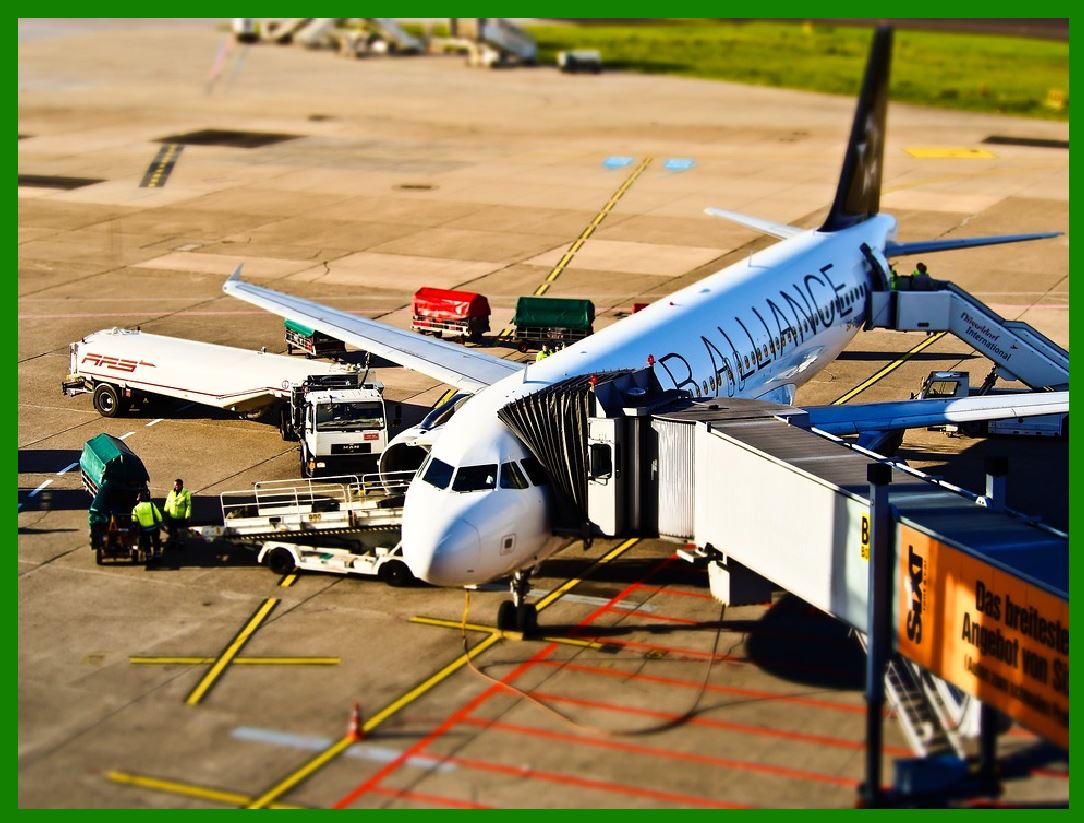
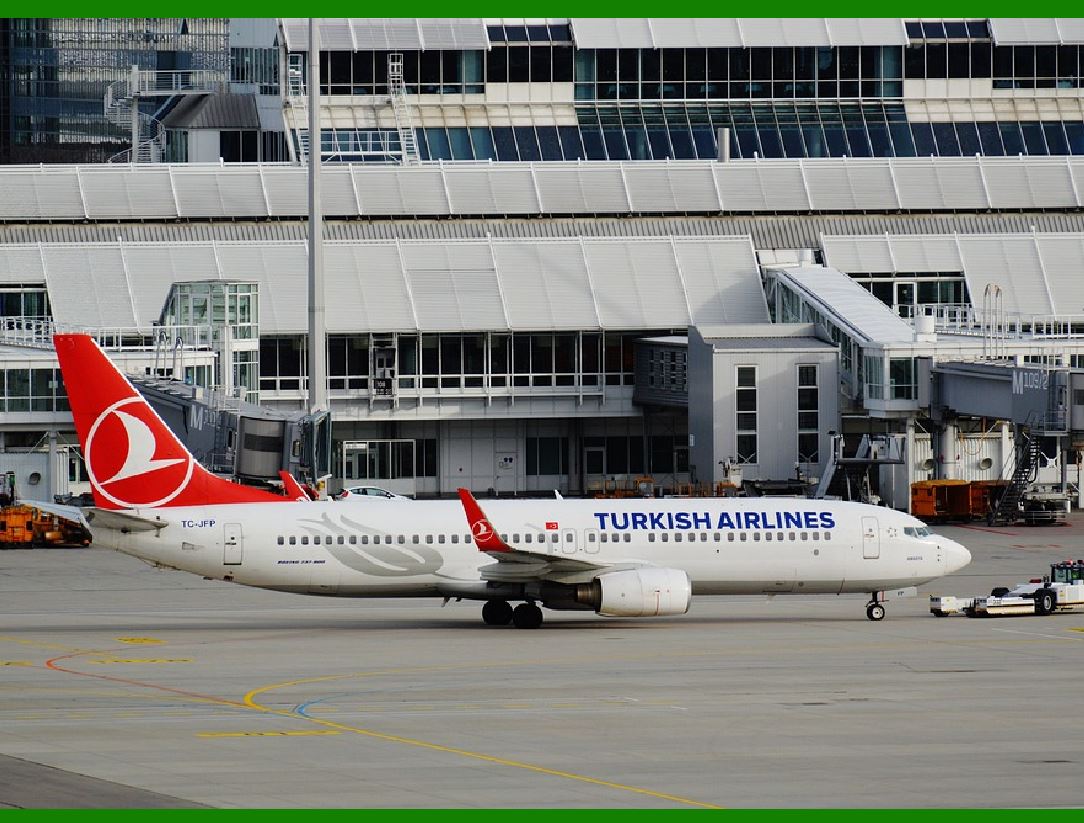
The airline industry was one of the earliest large-scale adopters of barcode ticketing. Initially, paper boarding passes were manually checked by staff against printed passenger manifests, leading to delays, human error, and increased fraud risk. The introduction of barcoded boarding passes by the International Air Transport Association (IATA) transformed this process. The Bar Coded Boarding Pass (BCBP) standard was introduced in the early 2000s, making barcode scanning the global norm for airline travel. |
14.2 Types of Barcodes Used in Boarding Passes |
PDF417: Initially dominant for printed boarding passes due to its high data capacity and resistance to printing flaws. |
Aztec Code: Widely used in Europe, especially by low-cost carriers, because it encodes data efficiently in a compact space and is less affected by print quality. |
QR Code: Common for mobile boarding passes accessed through airline apps or emails. |
14.3 Information Encoded in Boarding Pass Barcodes |
Each barcode typically contains: |
Passenger Name Record (PNR) |
Flight number and airline code |
Departure and arrival airports |
Date and time of departure |
Seat assignment |
Frequent flyer number (sometimes) |
Security information such as digital signatures |
14.4 Operational Workflow in Airports |
Check-in: The passenger receives a boarding pass with a barcode after check-in (kiosk, counter, or online). |
Security Checkpoint: The barcode is scanned to validate passenger identity and flight eligibility. |
Boarding Gate: The barcode is scanned again before entering the aircraft. The system marks the seat as “boarded” in the airline’s database. |
Onboard Validation: Cabin crew may use handheld scanners to confirm passenger presence in the correct seat. |
14.5 Benefits for Airlines and Airports |
Streamlined passenger flow and reduced boarding times. |
Enhanced security and fraud prevention. |
Integration with airline databases for real-time passenger tracking. |
Cost savings from reduced paper use and automation. |
14.6 Challenges and Solutions |
Screen Glare: Mobile barcodes sometimes fail to scan due to low screen brightness. Airlines counter this by training staff to advise passengers. |
Forgery Attempts: Cryptographically signed barcodes prevent tampering. |
Connectivity: In airports with limited Wi-Fi, offline validation systems allow boarding to continue without disruption. |

|
15. Barcode Ticketing in Railways and Metro Systems – A Deep Dive |
15.1 Printed and Mobile Tickets |
Railway companies worldwide shifted from paper-based tickets with manual inspection to barcoded tickets scanned by conductors. Passengers can now: |
Print tickets with barcodes at home. |
Display tickets as QR codes in mobile apps. |
Collect tickets from kiosks or stations with embedded barcodes. |
15.2 Adoption of Aztec Code in Europe |
European railways, especially in Germany, France, and Spain, widely adopted Aztec barcodes due to their compact design and robustness against poor printing conditions. These are often used on A4 printouts of e-tickets. |
15.3 Onboard Ticket Validation |
Conductors carry handheld scanners that validate tickets by scanning the barcode. This eliminates manual inspection, reduces fraud, and speeds up verification in crowded trains. |
15.4 Metro Systems |
Metro networks in cities such as Beijing, London, and New York introduced single-use QR tickets and mobile QR ticketing apps. Riders simply scan the barcode at entry and exit gates, bypassing cash and magnetic stripe tickets. |
15.5 Benefits for Rail Operators |
Reduction in ticket printing costs. |
Faster boarding and reduced queues at stations. |
Integration with apps offering real-time train updates and ticket management. |
15.6 Challenges |
Mobile scanning delays during peak rush hours. |
Fraudulent duplication of printed barcodes (mitigated by central validation databases). |
Dependence on passenger compliance with presenting mobile tickets correctly. |

|
16. Barcode Ticketing in Sports and Stadiums |
16.1 Ticket Lifecycle in Sports Events |
Sports stadiums face unique challenges due to massive crowds. Barcode tickets provide a fast, scalable, and secure entry process. Tickets can be purchased online, printed, or delivered to mobile apps as QR codes. |
16.2 Integration with Membership Programs |
Clubs often link barcodes with membership accounts. For example, a football club season ticket may use the same barcode across multiple matches, with each scan logged in the fan’s account. |
16.3 Turnstile Automation |
Barcoded tickets are scanned at automated turnstiles, allowing thousands of fans to enter quickly. Systems are designed for high throughput, with backup staff using handheld scanners to manage exceptions. |
16.4 Fraud Prevention in High-Demand Games |
Sports tickets are heavily targeted by counterfeiters. To counter this, some clubs issue dynamic QR codes that change daily, or even hourly, making duplication ineffective. |
16.5 Stadium Experience Enhancement |
Barcode tickets can double as wallets inside the stadium. Fans use their barcoded wristbands or digital passes to pay for food, drinks, or merchandise, with each transaction linked to their ticket profile. |
16.6 Case Example: FIFA World Cup |
In global events like the FIFA World Cup, barcode ticketing systems are integrated with identity verification. Each barcode ticket is linked to the attendee’s passport information, ensuring maximum security and traceability. |
|
17. Barcode Ticketing in Theme Parks and Amusement Parks |
17.1 Multi-Day Passes |
Parks such as Disneyland issue tickets with barcodes that remain valid for multiple days. Each scan records daily entry, preventing unauthorized reuse. |
17.2 Barcode Wristbands |
Many parks now provide wristbands with embedded barcodes, combining access control, cashless payments, and ride reservations into a single wearable. |
17.3 Ride Reservation Systems |
Barcodes allow parks to manage ride reservations. Visitors scan their barcode at a ride entrance, ensuring only those with valid time slots gain access. |
17.4 Integration with Loyalty Programs |
Theme parks often integrate barcode tickets with loyalty apps, allowing personalized offers, discounts, and gamified experiences. |
17.5 Operational Benefits |
Reduced wait times and crowd control. |
Increased data collection for visitor analytics. |
Enhanced revenue opportunities through cross-selling and upselling linked to barcode profiles. |

|
18. Barcode Ticketing in Cinemas and Performing Arts |
18.1 Transition from Paper to Mobile Tickets |
Cinemas rapidly embraced barcode ticketing as online booking grew. Today, most theaters allow customers to scan a QR code directly from their phone, eliminating the need for box office printing. |
18.2 Seat Verification |
Barcode tickets often include seat numbers. Ushers can scan barcodes to confirm that the customer is in the correct theater and seat, preventing disputes. |
18.3 Fraud Prevention in Small Venues |
Even smaller theaters benefit from barcodes by preventing duplicate entry, which was common with paper stubs. |
18.4 Integration with Food and Beverage Sales |
Some theaters integrate barcodes with concessions. A ticket barcode may unlock a pre-purchased combo meal at the snack counter. |
18.5 Case Example: IMAX Cinemas |
Large cinema chains like IMAX use barcodes not only for entry but also for loyalty tracking. Each scan links to the customer’s movie preferences, providing insights for targeted recommendations. |
|
19. Barcode Ticketing in Tourism and Cultural Attractions |
19.1 Timed Entry Tickets |
Museums and attractions issue QR code tickets with embedded time slots. This ensures controlled visitor flow in popular exhibits such as the Louvre’s Mona Lisa gallery. |
19.2 Integration with Audio Guides |
Some tourist attractions link barcode tickets to digital audio guides. Visitors scan their ticket barcode on an app or kiosk to unlock a customized tour. |
19.3 City Pass Systems |
Tourism boards issue passes with barcodes that grant entry to multiple attractions. Each scan at a participating site deducts a visit, while central databases track tourist activity. |
19.4 Global Landmark Examples |
Eiffel Tower (Paris): QR code tickets reduce lines and streamline security checks. |
Statue of Liberty (New York): Barcoded ferry tickets ensure visitor tracking and boarding efficiency. |
Great Wall of China (Beijing): QR tickets issued via mobile apps reduce counterfeit entry and control crowd size. |
19.5 Benefits for Tourism Boards |
Barcode ticketing enables tourism authorities to analyze visitor patterns, optimize attraction management, and reduce fraudulent entry. |
|
20. Barcode Ticketing in Conventions and Exhibitions |
20.1 Exhibition Badge Systems |
Conventions and expos rely heavily on barcoded badges for attendee identification and access control. Attendees typically receive a paper or plastic badge with a barcode printed prominently. This badge serves as both a ticket and an identification token throughout the event. |
20.2 Lead Retrieval for Exhibitors |
Exhibitors can scan the barcodes of attendees visiting their booths. Each scan captures contact information stored in the central registration system, replacing the need for manual business card exchanges. This accelerates follow-up sales processes. |
20.3 Session Control |
At academic or business conferences, barcoded badges are scanned before entry into keynotes, workshops, or breakout sessions. This ensures only registered attendees participate and provides session attendance analytics. |
20.4 Networking Features |
Some expos integrate badge barcodes with event apps. Attendees scan each other’s badges to exchange contact details digitally, creating a modernized version of networking. |
20.5 Benefits for Organizers |
Real-time tracking of attendance by session or zone. |
Enhanced exhibitor ROI measurement through scan statistics. |
Improved security by ensuring only paid or registered participants enter. |
20.6 Challenges |
Large conventions with tens of thousands of participants need robust scanning systems. Multiple checkpoints must be installed to prevent bottlenecks, requiring careful planning and high-capacity infrastructure. |

|
21. Barcode Ticketing in Parking Systems |
21.1 Parking Entry and Exit Control |
Parking facilities issue barcoded tickets at entry gates. The barcode encodes entry time and vehicle ID. At exit, the ticket is scanned, and the system calculates the fee based on duration. |
21.2 Integration with Online Reservations |
Modern parking platforms allow drivers to pre-book spots online. Customers receive a QR code that is scanned at the entrance, eliminating the need for paper tickets. |
21.3 Monthly and Membership Passes |
Frequent parkers receive reusable cards or printed passes with barcodes. Each scan logs entry and exit, ensuring proper billing and usage monitoring. |
21.4 Benefits of Barcode Parking Tickets |
Reduced reliance on magnetic stripe cards (which wear out quickly). |
Compatibility with smartphones, reducing the need for physical tickets. |
Lower operational costs compared to RFID or NFC systems. |
21.5 Challenges |
Barcode scanning in outdoor parking lots may be affected by weather conditions such as rain or glare from sunlight. Systems must be designed with robust scanners capable of handling such environments. |

|
22. Barcode Ticketing in Education |
22.1 School Events and Performances |
Schools and universities often use barcode tickets for plays, concerts, and sports events. Parents or students purchase tickets online, then present barcodes for entry. |
22.2 University Exams and Assessments |
Exam halls sometimes require admission tickets with barcodes to ensure only registered students enter. Barcodes are scanned at the door and matched against student IDs. |
22.3 Campus Facilities Access |
University libraries and labs issue barcoded tickets or day passes for controlled entry. Temporary visitors may also be given barcoded badges. |
22.4 Graduation Ceremonies |
Graduation events often require strict access control due to limited seating. Barcoded invitations ensure only authorized guests attend. Each ticket may be linked to a graduate’s registration number. |
22.5 Benefits for Educational Institutions |
Cost-effective management of large student populations. |
Enhanced security in exam settings. |
Integration with student information systems for seamless administration. |

|
23. Barcode Ticketing in Hospitality and Hotels |
23.1 Event Access in Hotels |
Hotels hosting conferences, weddings, or banquets issue barcoded tickets for guests. These tickets allow only registered individuals to enter event halls, ensuring exclusivity. |
23.2 Spa and Wellness Reservations |
High-end resorts and spas provide barcode tickets for booked services. Guests present a QR code at the entrance, ensuring their reservation is recognized instantly. |
23.3 Restaurant Reservations |
Some restaurants experimenting with digital queue systems issue QR tickets that confirm reservations. Guests scan at the entrance to be seated promptly. |
23.4 Integration with Loyalty Programs |
Hotel loyalty apps often use barcode tickets for promotions, free meals, or event entry. Each scan links the guest’s actions to their loyalty profile, generating valuable insights. |
23.5 Case Example: Casino Resorts |
Casinos issue barcoded passes for shows, buffets, or tournaments. These tickets may also be integrated into loyalty cards, enabling a single barcode to track both access and spending. |

|
24. Barcode Ticketing in Parking and Tolling Systems |
24.1 Highway Tolling |
While RFID dominates toll collection, some regions still use barcode-based passes. Drivers present barcoded tickets that record entry at a toll booth. Upon exit, the barcode is scanned again, and the system calculates the fee. |
24.2 Event Parking |
Large stadiums or event venues distribute prepaid parking passes with barcodes. Attendees scan the barcode at parking entrances, ensuring only paid vehicles gain entry. |
24.3 Airport Parking |
Airports often use barcoded tickets for both short-term and long-term parking. These integrate with airline databases so that discounted parking can be linked to flight tickets. |
24.4 Advantages over RFID |
Barcodes provide a lower-cost alternative for smaller facilities that cannot afford RFID infrastructure. They also work seamlessly with mobile devices, reducing the need for physical tags. |

|
25. Barcode Ticketing in Religious and Cultural Events |
25.1 Pilgrimage Management |
Major pilgrimages such as the Hajj in Saudi Arabia or the Kumbh Mela in India involve millions of attendees. Barcode tickets are issued to pilgrims for crowd control and access to restricted areas. |
25.2 Temple and Church Events |
Large religious festivals often require barcoded tickets to manage seating, food distribution, or access to sanctified spaces. |
25.3 Cultural Festivals |
Festivals celebrating art, literature, or local traditions issue barcode tickets for entry. For multi-day events, the same barcode can be scanned at multiple locations. |
25.4 Benefits for Organizers |
Accurate crowd counting for safety compliance. |
Fraud prevention in high-demand events. |
Enhanced ability to plan logistics such as seating and food supply. |

|
26. Barcode Ticketing in Cruise Lines and Ferries |
26.1 Boarding Passes for Cruise Ships |
Cruise passengers receive barcoded boarding passes, often integrated into plastic cards. Each scan logs the passenger entering or leaving the ship at ports of call. |
26.2 Onboard Purchases |
The same barcode often doubles as a payment method for onboard shops and restaurants, linking purchases to the passenger’s account. |
26.3 Excursion Management |
Cruise operators issue barcoded tickets for shore excursions. These tickets control attendance and ensure only booked passengers join specific tours. |
26.4 Ferry Boarding Tickets |
Passenger ferries issue QR code tickets for boarding validation. Vehicles boarding ferries may also receive barcoded slips, ensuring accurate tracking of cargo and passengers. |
26.5 Security Benefits |
Barcoded tickets ensure that only registered passengers return to the ship at stops, preventing unauthorized boarding. |
|
27. Barcode Ticketing in Amusement Arcades and Gaming Centers |
27.1 Game Entry Tickets |
Arcades issue tickets with barcodes that grant access to specific machines or playtime packages. Players scan their ticket before starting a session. |
27.2 Prize Redemption |
Some arcades replace traditional paper tickets with digital barcodes. A barcode on a player card tracks accumulated points, which are redeemed at prize counters. |
27.3 Membership Cards |
Regular customers receive barcoded membership passes that record game credits, time spent, and spending history. |
27.4 Benefits for Operators |
Elimination of paper waste. |
Better analytics of customer behavior. |
Easier fraud prevention compared to paper tickets that can be duplicated. |
|
18. Barcode Technology in Amusement and Theme Park Ticketing Systems |
Amusement parks and theme parks are among the most iconic ticketed experiences, drawing millions of visitors annually. Barcodes play a central role in managing high volumes of admissions, ensuring fraud prevention, and enhancing guest experiences. The transition from traditional paper tickets with simple barcodes to mobile QR and PDF417 codes has drastically improved operational efficiency. |
Entry Gates and Access Control – Guests often purchase tickets online, receiving an email or mobile wallet pass with a barcode. At the park entrance, scanners read the barcode quickly, validating access and preventing bottlenecks. Many parks integrate barcode systems with RFID wristbands, but barcodes remain the primary method of initial admission. |
Ride Reservation Systems – Popular parks now offer ride reservation programs (e.g., digital queues). Barcodes printed on wristbands or displayed on mobile apps act as access keys, scanned at ride entrances to verify time-slot reservations. |
Season Passes – Many parks issue season passes with unique barcodes. Each scan records entry, preventing multiple people from using the same pass. Integration with customer accounts also allows loyalty rewards, discounts, and parking access. |
Cashless Spending – Some parks allow barcode-linked vouchers or coupons for food and merchandise. Guests can present a printed or mobile barcode that is scanned at checkout, reducing the need for physical cash. |
Operational Benefits – Barcodes in amusement park ticketing help operators track real-time attendance, allocate staffing more efficiently, and reduce fraudulent ticket replication. This improves both financial control and visitor satisfaction. |
|
19. Barcode Technology in Transportation & Ferry Ticketing Systems |
Ferries and regional transportation systems use barcode ticketing for both passenger and vehicle boarding. Unlike rail or airline systems, ferries often deal with mixed-use tickets where a barcode must encode passenger details, vehicle type, and boarding lane assignment. |
Mobile Integration – Ferry operators increasingly issue mobile tickets with QR codes. These codes can be scanned at vehicle entry checkpoints or passenger gates, reducing paper usage and speeding up loading times. |
Multi-Modal Travel – Many ferry tickets are linked to broader transport passes (bus + train + ferry). A single barcode can serve as the key across multiple systems, reducing passenger friction and supporting integrated mobility initiatives. |
Dynamic Pricing – Barcodes facilitate variable pricing strategies. For example, a barcode ticket for peak travel hours encodes time restrictions, which ticket scanners automatically enforce. This reduces disputes and enhances compliance with fare policies. |
Operational Efficiency – Barcode scanning helps ferry operators manage manifests, security checks, and onboard services more efficiently. Integration with booking systems ensures that each barcode corresponds to a unique reservation, reducing overbooking errors. |
|
20. Barcode Technology in Library and Museum Event Ticketing |
Libraries and museums increasingly host ticketed events such as lectures, workshops, or special exhibitions. Barcode ticketing provides a cost-effective, secure, and easy-to-implement system for managing admissions. |
Library Events – Tickets issued for author talks, workshops, or community events often include barcodes. At entry, staff scan the ticket to validate attendance, helping libraries manage capacity limits. |
Museum Exhibitions – Special exhibits may require timed entry tickets. QR codes on printed or digital tickets ensure that visitors only enter during their designated time slots, reducing overcrowding and improving visitor flow. |
Membership Benefits – Members of libraries or museums often receive discounted or free entry to events. A barcode on a membership card can be scanned to apply these benefits automatically. |
Operational Data – Barcode ticketing allows libraries and museums to gather attendance data for grant reporting, funding justification, and program evaluation. |
|
21. Barcode Technology in Corporate and Trade Show Ticketing |
Corporate conferences, trade shows, and professional expos use barcode ticketing to manage thousands of attendees efficiently. Tickets are often issued digitally, with barcodes serving as both admission passes and lead-tracking tools. |
Admission Management – Attendees register online and receive a barcode-enabled badge or e-ticket. At the event venue, staff scan the barcode to validate entry. This minimizes queues and provides organizers with real-time attendance data. |
Exhibitor Lead Retrieval – Exhibitors use handheld scanners or mobile apps to scan attendee badges. The barcode encodes personal and professional details provided at registration, enabling exhibitors to collect qualified leads seamlessly. |
Session Tracking – At larger conferences, barcodes can be scanned at the doors of breakout sessions or workshops, ensuring that attendance is tracked and that rooms are not overcrowded. |
Post-Event Analytics – Organizers can analyze scan data to identify which sessions or exhibits were most popular. This helps refine future event planning and improve exhibitor ROI. |
|
22. Barcode Technology in Healthcare and Medical Conference Ticketing |
Healthcare-focused conferences and seminars, attended by professionals, researchers, and suppliers, rely heavily on barcode ticketing for registration and continuing education tracking. |
Continuing Education Credits – Many medical events issue certificates based on attendance. Barcode scanning at session entrances ensures accurate logging of participation, which is critical for awarding CME credits. |
Exhibit Hall Management – Medical supply companies and pharmaceutical firms often sponsor exhibits. Barcoded badges allow exhibitors to collect physician and researcher information instantly by scanning badges. |
Data Security – Because of the sensitive nature of healthcare, barcoded tickets are linked with secure databases, ensuring compliance with data privacy regulations. |
|
23. Barcode Technology in Charity and Fundraising Event Ticketing |
Charity events, fundraising galas, and community festivals often use barcode ticketing to streamline entry, manage donations, and track participation. |
Pre-Event Ticket Sales – Donors purchase tickets online and receive a barcode via email. At entry, scanning ensures validation while minimizing staffing costs. |
On-the-Spot Donations – Some systems integrate barcode vouchers that allow attendees to make quick donations by scanning at designated kiosks. |
Event Access Management – VIP or tiered tickets (e.g., general admission vs. donor circle) are easily managed through different barcode encodings. |
Post-Event Impact – Attendance and donation tracking help charities analyze event effectiveness, providing data to strengthen future fundraising campaigns. |
|
24. Barcode Technology in Religious and Spiritual Event Ticketing |
Large religious gatherings, pilgrimages, and conferences often require ticketing systems to manage crowd control, safety, and logistics. Barcodes provide a cost-effective and widely accessible solution. |
Pilgrimage Management – Some religious events with millions of attendees use barcoded tickets to manage bus transportation, meal distribution, and entry into restricted areas. |
Special Services and Concerts – Large churches or religious organizations hosting special services, festivals, or concerts use barcodes on tickets for entry validation. |
Security – By linking barcode tickets with registered attendee information, organizers can prevent unauthorized access and maintain safety. |
Community Engagement – Barcodes also enable integration with mobile apps, where attendees can scan tickets to access event schedules, maps, and recordings of sermons or teachings. |
|
25. Barcode Technology in Nightlife and Club Ticketing |
Nightclubs, bars, and entertainment venues often use barcode ticketing to manage entry, prevent counterfeiting, and integrate with marketing systems. |
Pre-Sale Tickets – Guests purchase tickets online and receive a barcode on their phones. At the venue, scanners validate the tickets instantly, reducing queues. |
VIP Access – Special barcodes can encode VIP privileges such as reserved seating, priority entry, or bottle service. |
Fraud Prevention – Barcode ticketing significantly reduces fake ticket issues in nightlife settings, where counterfeit paper tickets were once common. |
Marketing Integration – Scanned data provides venue operators with information about regular attendees, enabling targeted promotions and loyalty programs. |
|
21. Sports Ticketing (Stadiums, Arenas, and Tournaments) |
Sports ticketing has long been one of the biggest adopters of barcode systems due to the massive volumes of fans entering stadiums and arenas. |
21.1. Traditional Paper Tickets with Barcodes |
Sports teams initially printed season and single-game tickets with 1D barcodes (like Code 128 or Code 39). These were scanned at stadium entrances to validate authenticity and prevent reuse. As counterfeit printing technology became more sophisticated, the sports industry shifted to 2D barcodes like QR Code and PDF417, which allowed for more secure encoding of ticket IDs, encryption keys, and expiration timestamps. |
21.2. Digital Barcodes on Mobile Devices |
Mobile ticketing apps for the NBA, NFL, MLB, FIFA, and Olympic Games now rely heavily on dynamically generated barcodes. Instead of static codes that can be screenshotted and resold illegally, the apps generate rotating QR Codes or encrypted barcodes that refresh every few seconds. This ensures that the barcode is valid only once and tied to a specific account. |
21.3. Integration with Loyalty and Fan Engagement |
Sports venues often integrate barcode tickets with fan loyalty programs. For instance, scanning a ticket at the gate might automatically load team points into a fan’s mobile wallet, which can be redeemed for merchandise. This dual use of barcodes—for entry validation and loyalty tracking—strengthens fan engagement. |
21.4. Concessions and Merchandise Integration |
Barcoded tickets can be scanned at concessions and retail stands inside arenas to offer discounts or to authenticate VIP seating packages. For example, a courtside NBA ticket barcode may unlock complimentary food and beverage packages when scanned at designated kiosks. |
21.5. Anti-Counterfeiting Measures in Sports Ticketing |
Major sports leagues face huge issues with counterfeit tickets. Barcode systems have advanced with encrypted barcodes, blockchain ticketing ledgers, and barcodes tied to verified identities. Some venues require fans to present both a barcode and a linked photo ID, reducing black-market resales. |
|
22. Airline and Aviation Ticketing (Boarding Passes and Access Control) |
Air travel revolutionized ticketing with the introduction of barcodes on boarding passes, governed by IATA standards. |
22.1. IATA 2D Barcode Standard (Bar Coded Boarding Pass – BCBP) |
The International Air Transport Association introduced the BCBP standard, which mandates the use of PDF417, Aztec Code, or QR Code on boarding passes. These barcodes encode passenger name, flight number, departure date, seat, and frequent flyer information. Airlines globally adopted this system, creating interoperability across airports and carriers. |
22.2. E-Ticket and Mobile Boarding Pass Adoption |
Today, most airlines allow passengers to receive boarding passes with barcodes on their smartphones. QR Codes or Aztec Codes are generated within the airline’s app or sent via email/SMS. Passengers present the barcode at security checkpoints and boarding gates, drastically reducing paper usage. |
22.3. Security Benefits of Airline Barcodes |
Barcodes on boarding passes are encrypted to prevent tampering. For example, some codes contain a checksum validated by airline systems, ensuring that counterfeit barcodes cannot easily be used to gain access. In addition, barcodes are linked to passenger identification databases, providing a second layer of security. |
22.4. Self-Service Kiosks and Automated Boarding |
Airports increasingly rely on barcode scanners for self-service check-in, bag drop, and boarding. Passengers scan a barcoded boarding pass, which triggers baggage tags, seat assignments, and automated gates. This automation speeds up operations and reduces staffing costs. |
22.5. Future Developments in Airline Ticket Barcodes |
Airlines are experimenting with biometric boarding in combination with barcodes. For example, a passenger may first scan a barcode boarding pass and then verify their identity using facial recognition. Barcodes will remain a key bridge between traditional ticketing and biometric-enabled future systems. |
|
23. Railway Ticketing Systems |
Railways worldwide use barcodes extensively for both regional and high-speed train services. |
23.1. Printed Train Tickets with 2D Codes |
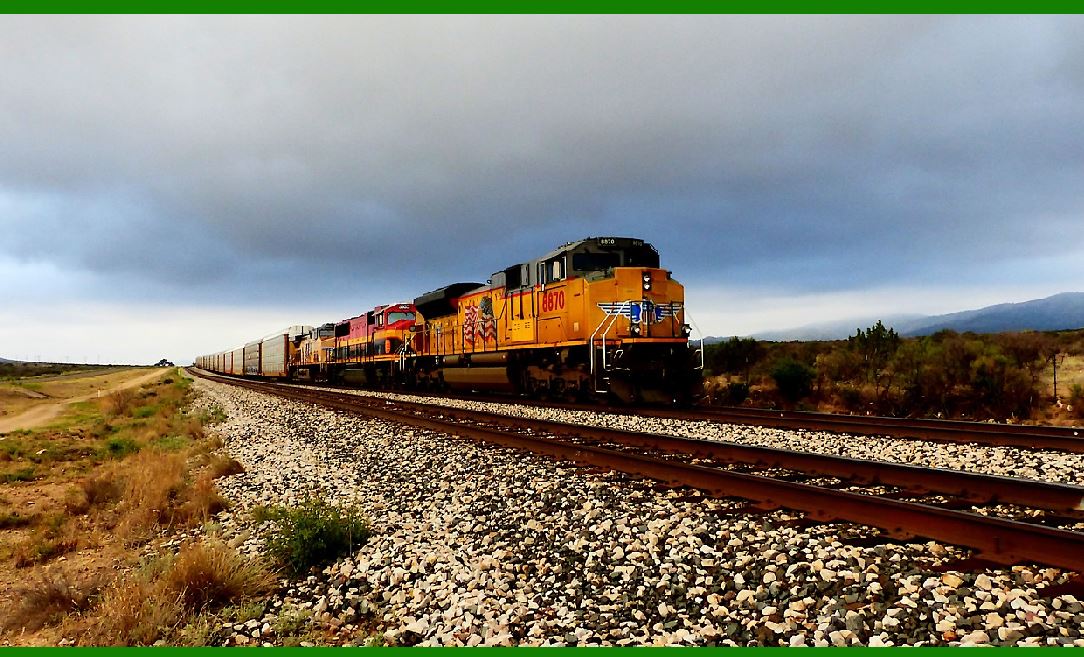
Most modern rail systems print tickets containing either PDF417 or QR Codes. These codes encode journey details such as departure/arrival stations, train number, date, seat class, and passenger name. Conductors carry portable barcode scanners to validate tickets onboard trains. |
23.2. E-Tickets and Mobile Ticket Adoption |
Rail operators like Amtrak (USA), Eurostar (UK–France), and China Railway have adopted e-ticketing apps. Passengers book tickets online and receive a barcode that can be scanned directly from a smartphone. This reduces reliance on paper tickets and speeds up boarding. |
23.3. Turnstile Integration in Rail Systems |
Urban metro and high-speed rail systems often integrate barcode gates. For example, Chinese high-speed rail stations use QR Code turnstiles, allowing passengers to scan their e-ticket barcode at the gate, similar to subway systems. This improves passenger flow and reduces manual inspection. |
23.4. Onboard Scanning by Ticket Inspectors |
Even in systems with entry/exit gates, onboard inspectors still carry handheld barcode scanners. This redundancy ensures that fraudulent or expired tickets are caught during transit. |
23.5. Intermodal and Cross-Border Ticketing |
Barcodes facilitate integrated ticketing across multiple transportation systems. For example, European intercity train tickets may include barcodes valid across partner rail networks. This seamless barcode-based interoperability makes travel easier for passengers. |
|
24. Bus and Coach Ticketing Systems |
While traditionally less digitized than air or rail, bus and coach services are rapidly adopting barcode-based ticketing. |
24.1. Printed Bus Tickets with Barcodes |
Regional bus companies increasingly print tickets with Code 128 or QR Codes. These allow drivers or conductors to quickly validate tickets using handheld scanners. |
24.2. Mobile Bus Tickets |
Mobile QR Code bus tickets are now common in urban public transit systems. Apps like Moovit or official city transit apps issue digital tickets with barcodes that passengers scan upon boarding. |
24.3. Integration with Citywide Transit Systems |
Many metropolitan regions integrate bus ticket barcodes with rail and metro ticketing systems. A single QR Code may provide access to multiple modes of transport. For example, a London passenger may buy a ticket on their phone that generates a barcode valid for both buses and trains. |
24.4. Discounts and Subscription Management |
Bus passes and student discounts are encoded into barcodes. When scanned, the system verifies eligibility and automatically applies reduced fares, simplifying fare collection. |
24.5. Advantages for Long-Distance Coaches |
Companies like Greyhound (USA) and FlixBus (Europe) issue e-tickets with QR Codes that passengers scan when boarding. This improves boarding efficiency and minimizes fraud, as drivers no longer need to manually check printed tickets against passenger lists. |
|
25. Taxi and Ride-Hailing Ticketing (Hybrid Use of Barcodes) |
Taxi systems traditionally did not use barcodes, but with the rise of ride-hailing, barcodes are increasingly integrated. |
25.1. Barcode Receipts for Traditional Taxis |
Some cities mandate that taxi receipts include a QR Code linked to the ride’s details. This allows passengers to validate fare accuracy, file complaints, or request reimbursement. |
25.2. Ride-Hailing Barcode Integration |
Apps like Uber and Lyft sometimes use barcodes as a verification mechanism. For example, passengers may scan a QR Code displayed in a driver’s car to confirm identity before boarding. Similarly, at high-traffic pickup zones (like airports), ride-hailing apps issue QR Codes that passengers show to marshals, who then match them with the correct driver. |
25.3. Event-Based Ride-Hailing Barcodes |
Large events (concerts, festivals) often use barcode systems to organize ride-hailing queues. Passengers present a barcode ticket, which matches them with the next available driver, reducing confusion and fraud. |
25.4. Corporate and Government Transport Barcodes |
Corporate taxi vouchers and government-subsidized rides are increasingly distributed via barcodes. These barcodes contain encrypted authorization codes, ensuring that only approved rides are billed to corporate accounts. |
25.5. Integration with Mobility-as-a-Service (MaaS) |
As cities shift toward unified mobility services, barcodes are becoming the common denominator. A single barcode ticket might cover a journey that starts with a bus, continues with a metro, and ends with a taxi ride. Ride-hailing services participate in these ecosystems by accepting barcode-based vouchers. |
 cs@easiersoft.com