Using barcodes for employee tracking can be an efficient and effective method for managing attendance, productivity, and access control. Here's an overview of how it can be implemented and its potential benefits and drawbacks: |

|
A. Implementation Steps |
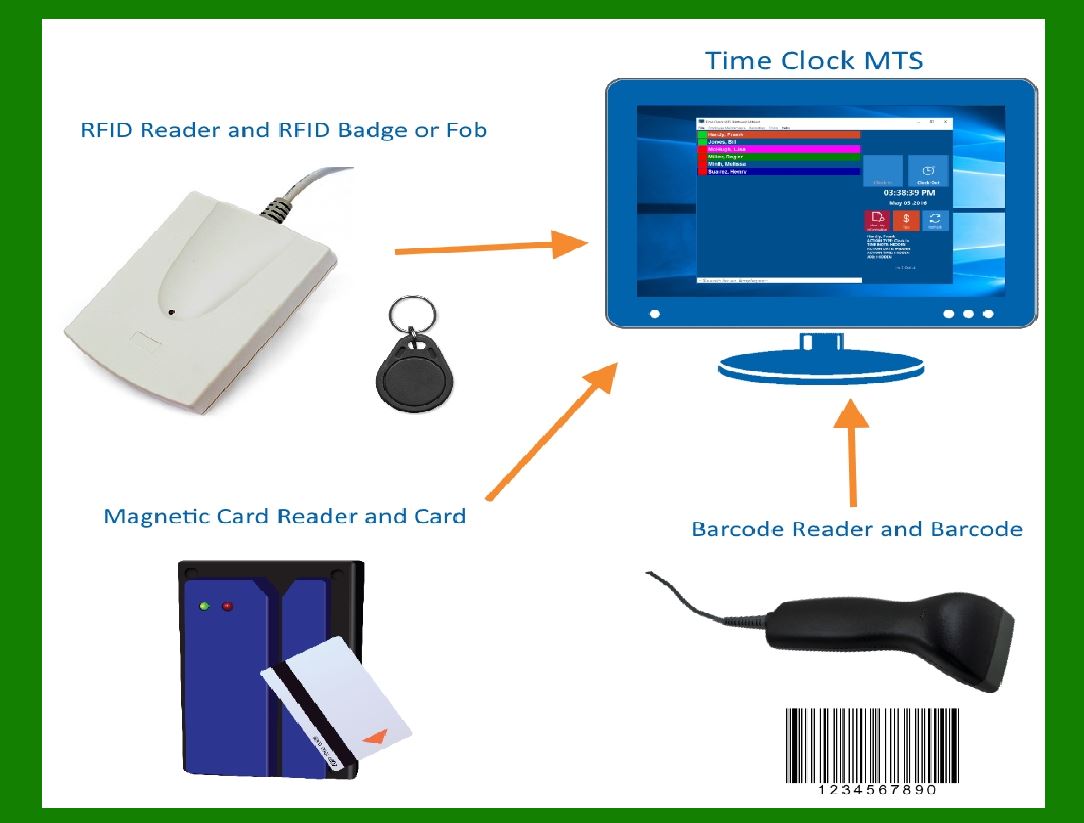
1. Barcode Generation: Generate unique barcodes for each employee. This can be done using software that creates barcodes in various formats (e.g., QR codes, Code 128). |
2. Barcode Distribution: Assign barcodes to employees. These can be printed on ID cards, badges, or integrated into mobile applications. |
3. Scanning Infrastructure: Install barcode scanners at key points, such as entrances, exits, and workstations. Handheld scanners, stationary scanners, or mobile devices with scanning capabilities can be used. |

|
4. Integration with Management Systems: Integrate the barcode scanning system with your existing employee management or HR software to ensure seamless data transfer and processing. |
5. Employee Training: Train employees on how to use the barcode system, including how to scan their codes properly and understand the importance of accurate scanning for attendance and tracking. |
6. Data Management: Establish protocols for data collection, storage, and analysis. Ensure data privacy and compliance with relevant regulations. |

|
B. Benefits |
1. Accurate Time Tracking: Automates the process of logging attendance, reducing errors and fraudulent timekeeping. |
2. Improved Productivity: Allows managers to monitor employee movements and activities, helping identify areas for efficiency improvements. |
3. Enhanced Security: Controls access to specific areas within the workplace, ensuring only authorized personnel can enter sensitive zones. |
4. Cost-Effective: Barcodes are inexpensive to produce and implement compared to other tracking methods like RFID or biometric systems. |
5. Data-Driven Decisions: Provides valuable data for workforce analytics, helping in decision-making regarding staffing, scheduling, and resource allocation. |

|
C. Drawbacks |
1. Privacy Concerns: Employees might feel uncomfortable with constant tracking, potentially leading to privacy concerns and decreased morale. |
2. Implementation Cost: Initial setup costs for hardware and software, as well as training, can be significant. |
3. Technical Issues: Scanners or barcodes can malfunction, leading to potential disruptions in tracking. |
4. Dependence on Scanning Compliance: The system relies on employees consistently scanning their barcodes, which might not always happen, leading to incomplete data. |
|
D. Best Practices |
1. Clear Communication: Explain the purpose and benefits of the tracking system to employees to gain their buy-in and cooperation. |
2. Data Privacy Measures: Implement strict data privacy measures and ensure compliance with data protection laws to safeguard employee information. |
3. Regular Maintenance: Regularly maintain and update the barcode scanners and software to prevent technical issues. |
4. Alternative Solutions: Have backup methods for attendance tracking to mitigate disruptions in case of system failures. |
5. Feedback Mechanism: Establish a feedback mechanism for employees to voice their concerns and suggestions regarding the tracking system. |

|
By carefully implementing and managing a barcode-based employee tracking system, organizations can enhance operational efficiency, improve security, and make informed management decisions while addressing potential challenges and concerns. |
 cs@easiersoft.com