1. Introduction to Barcode Technology in Industrial Production |
Brief overview of barcode technology. |
General benefits of barcodes in manufacturing processes. |
Importance of traceability in industrial production. |
2. The Role of Barcodes in Manufacturing Efficiency |
Streamlining the production process. |
Reducing human errors and improving automation. |
Enhancing inventory management. |

|
3. Types of Barcodes Used in Industrial Applications |
Linear Barcodes: UPC, Code 39, Code 128, and others. |
2D Barcodes: QR codes, Data Matrix, and others. |
RFID and hybrid barcode systems. |
4. Barcode Integration in Production Systems |
How barcodes are integrated into production lines. |
Barcode scanners and their operation. |
Communication between barcode systems and production software. |

|
5. Part Tracking and Traceability |
How barcodes track parts from raw materials to finished products. |
Importance of batch numbers and serial numbers. |
Real-time data and part location tracking. |
6. Quality Control and Compliance |
Use of barcodes to ensure quality standards. |
Barcode data for regulatory compliance and audits. |
Preventing counterfeiting and ensuring authenticity. |

|
7. Supply Chain Management and Barcode Technology |
How barcodes improve communication with suppliers. |
Shipment tracking and logistics using barcodes. |
Warehouse management: reducing inventory loss and inaccuracies. |
8. Barcode Systems for Maintenance and Equipment Management |
Tracking machinery and equipment through barcode technology. |
Preventative maintenance tracking. |
Equipment lifecycle management. |

|
9. Challenges in Implementing Barcode Systems in Industry |
Technical challenges: barcode quality, printing, and scanning issues. |
Integration with legacy systems. |
Workforce training and adoption. |
10. Future Trends in Barcode Technology for Industrial Production |
Advancements in barcode technology (e.g., nanotechnology, smart barcodes). |
The role of IoT (Internet of Things) and AI in traceability. |
Evolving industrial standards and barcode protocols. |

|
1. Introduction to Barcode Technology in Industrial Production |
1.1 Overview of Barcode Technology |
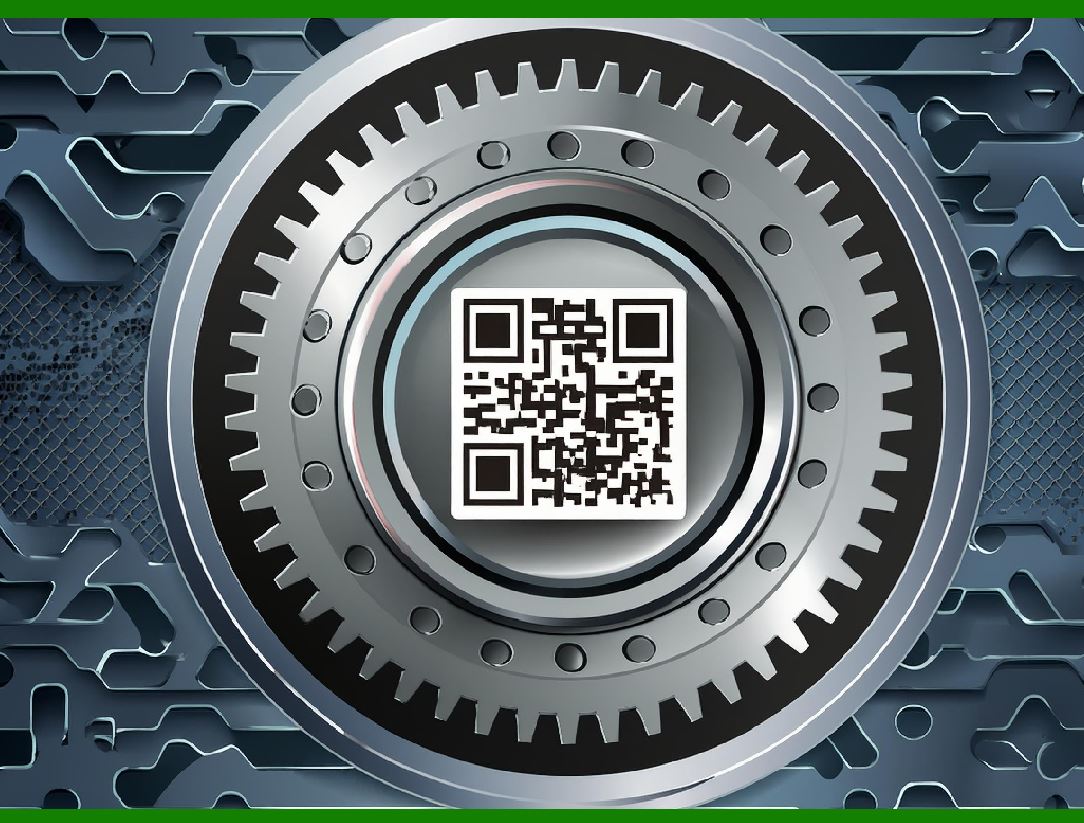
Barcode technology has been a game-changer in industrial production and manufacturing systems, providing significant advancements in efficiency, accuracy, and traceability. Essentially, barcodes are graphical representations of data that can be read and decoded by barcode scanners, providing an automated way to input information into digital systems. This has eliminated much of the manual data entry, reducing the chances for errors and increasing the speed of data processing. |
The two most common types of barcodes are linear (1D) and 2D. Linear barcodes represent data in one-dimensional lines of varying widths and spaces, whereas 2D barcodes store data in two dimensions, offering higher data density and enabling the storage of more complex information such as URLs, product specifications, and even manufacturing histories. These advancements in barcode technology have played an essential role in the transition from manual processes to highly automated systems in industrial environments. |
1.2 General Benefits of Barcodes in Manufacturing Processes |
The main benefit of barcode technology in industrial production is its ability to automate the process of data entry, reduce errors, and allow for real-time tracking of materials, components, and finished products. By automating the collection of data via barcode scanning, manufacturers can speed up workflows, ensure inventory is accurately tracked, and optimize production schedules. These improvements lead to reduced operational costs, better resource allocation, and enhanced overall productivity. |
Barcodes also allow manufacturers to maintain high levels of accuracy in inventory management, providing real-time information on stock levels, order statuses, and production milestones. In industries where parts and products are critical to the final output, barcodes can improve both quality control and traceability, ensuring that every component is tracked throughout its lifecycle. |
1.3 Importance of Traceability in Industrial Production |
Traceability is one of the most critical factors in industrial production, particularly in industries such as automotive, aerospace, food, pharmaceuticals, and electronics, where part failure or defects can have catastrophic consequences. By using barcode technology to track every step of a part's journey from raw material to end product, manufacturers can pinpoint issues early, ensure quality control, and meet regulatory requirements. |
The primary purpose of traceability is to ensure that any defective products or parts can be traced back to their source, allowing for prompt corrective action. This also enables businesses to provide warranties and support services that are based on solid data. Additionally, traceability plays a crucial role in complying with industry standards and regulations, such as those in the food and drug industries, where the ability to track ingredients, production dates, and batch numbers is critical. |
|
2. The Role of Barcodes in Manufacturing Efficiency |
2.1 Streamlining the Production Process |
In industrial environments, barcode technology is widely used to streamline the production process by ensuring that materials and components are correctly identified, sorted, and tracked. With barcodes on parts, raw materials, and finished products, manufacturers can speed up the process of moving items through the production line. When a part is scanned, it is immediately logged into the system, helping automate tasks such as inventory management, order processing, and production reporting. |
As the barcode system integrates with production management software, employees can receive immediate alerts about issues such as material shortages, production delays, or equipment malfunctions. This allows teams to take immediate corrective action, improving operational efficiency and minimizing downtime. |
2.2 Reducing Human Errors and Improving Automation |
One of the most significant advantages of using barcode technology in industrial production is the reduction of human errors. Before the widespread use of barcodes, workers manually recorded information about parts and materials, often leading to mistakes. Barcode scanning, however, eliminates the need for manual entry and ensures data accuracy by automating the information capture process. |
This shift has greatly improved automation, allowing for more efficient production schedules, less wasted time, and more reliable tracking of parts. As barcode technology continues to evolve, automated systems such as robotic arms and conveyor belts are able to process parts based on barcode data, further reducing the risk of human errors and increasing overall throughput. |
2.3 Enhancing Inventory Management |
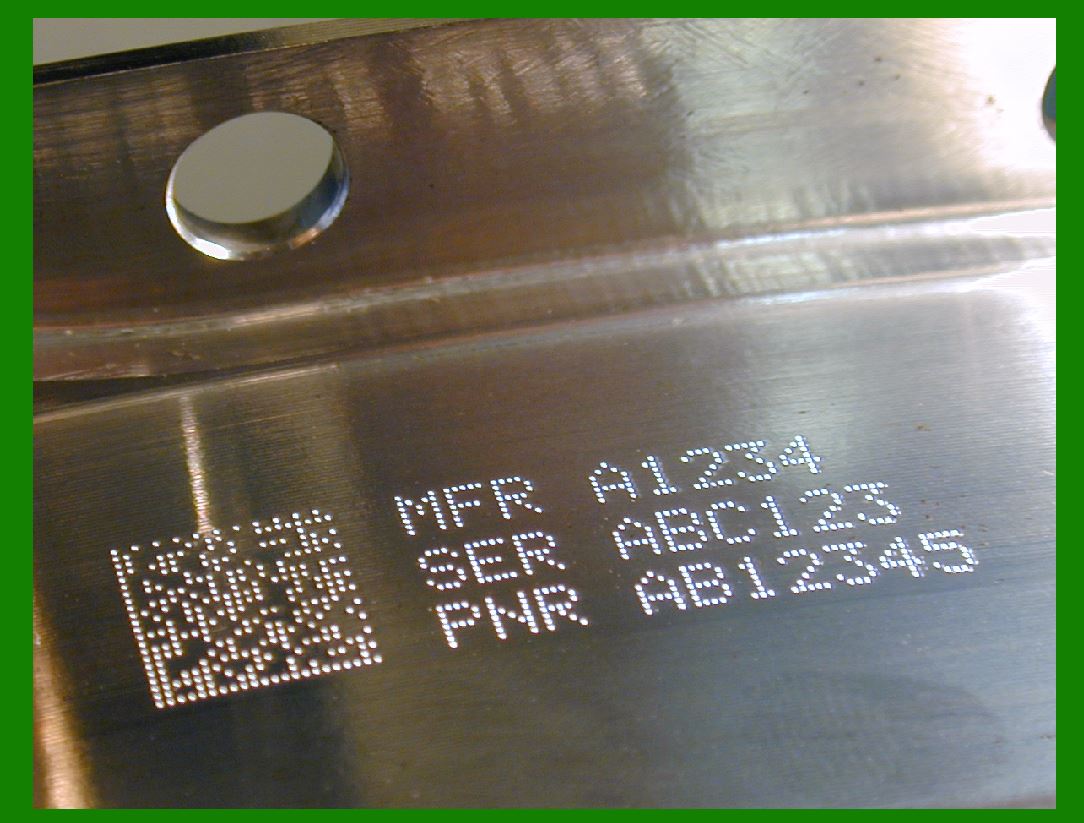
Barcode technology plays a crucial role in inventory management by automating the tracking of parts and materials within the manufacturing process. Each item that enters the system is assigned a unique barcode, which is used to track its location, movement, and quantity. This process ensures that parts are always available when needed and that inventory is kept at optimal levels, reducing waste and ensuring timely production. |
For example, when a component is used in the production of a final product, the barcode is scanned to update the inventory system in real-time. This helps manufacturers avoid stockouts or overstocking, both of which can result in delays, increased costs, or wasted materials. Furthermore, barcode systems integrated with enterprise resource planning (ERP) systems can help provide a more comprehensive view of the supply chain, enabling businesses to track inventory across multiple locations and even suppliers. |
|
3. Types of Barcodes Used in Industrial Applications |
3.1 Linear Barcodes (1D) |
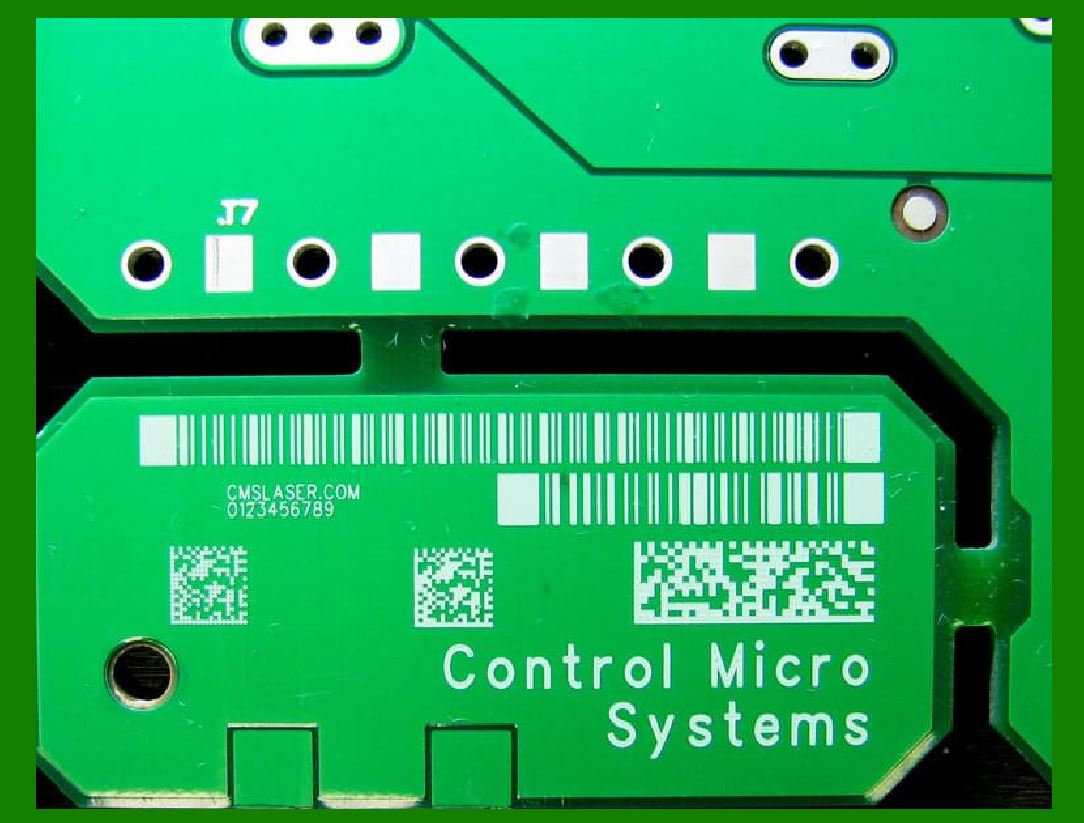
Linear barcodes are the most common type of barcode used in industrial production, particularly for tracking and inventory management. These barcodes consist of a series of vertical bars and spaces that represent numerical or alphanumeric data. The most popular types of linear barcodes used in industrial settings include: |
UPC (Universal Product Code): Commonly used in retail and logistics, but also applicable in industrial settings for packaging and parts tracking. |
Code 39: Often used in manufacturing for part identification, asset tracking, and logistics. It can encode both numbers and uppercase letters. |
Code 128: A higher-density linear barcode, often used when a greater amount of information needs to be encoded, such as serial numbers, batch numbers, or expiration dates. |
While linear barcodes have been widely adopted, their primary limitation is their ability to store only a small amount of data. As such, their use is typically limited to simpler tracking tasks that require basic identification. |
3.2 2D Barcodes |
2D barcodes represent a significant advancement over their 1D counterparts, offering the ability to store much more data in a compact space. These barcodes are becoming increasingly important in industries where more complex data needs to be captured, such as parts traceability, production reporting, and maintenance tracking. The two primary types of 2D barcodes used in industrial applications are: |
QR Codes: Quick Response (QR) codes can store much more data than traditional 1D barcodes, including URLs, production data, and part histories. QR codes are used extensively in modern manufacturing for tracking individual parts, equipment maintenance logs, and documentation, often accessed via smartphones or tablets. |
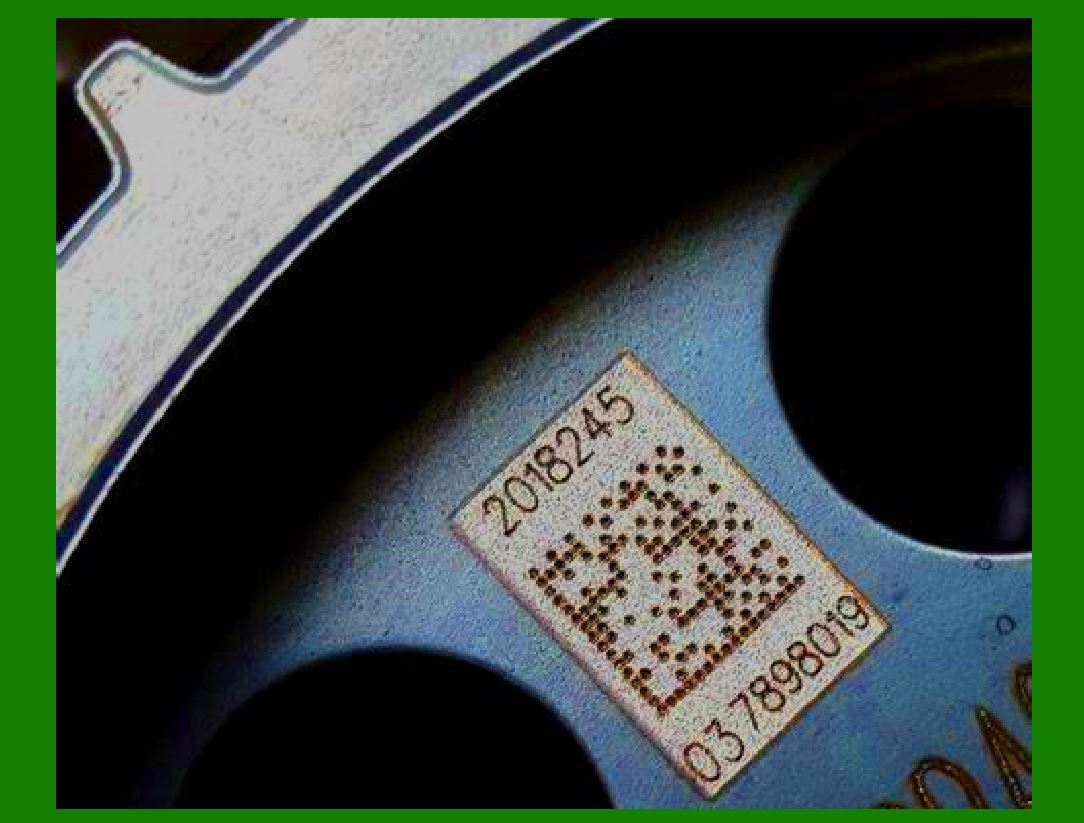
Data Matrix Codes: These are small, square-shaped 2D barcodes that can store high-density data in a very small footprint. Data Matrix codes are widely used for part identification, particularly in industries like aerospace, automotive, and electronics, where small parts with limited space for labeling need to be tracked. |
2D barcodes are gaining traction in industrial production environments due to their ability to store large amounts of data while being physically small enough to fit on individual components or packaging. |
3.3 RFID and Hybrid Barcode Systems |
Radio Frequency Identification (RFID) is a technology that is closely related to barcode systems but relies on radio waves instead of optical scanning. RFID tags are used in conjunction with barcodes to improve traceability and enhance automation in industrial environments. RFID tags can store more data than barcodes and do not require line-of-sight for scanning, making them ideal for environments where parts are stored in bins or shelves. |
Active RFID: These tags have a battery and can transmit their signal over long distances. They're often used in large manufacturing facilities to track assets or parts across multiple locations in real-time. |
Passive RFID: These tags do not have a battery and rely on an external reader to power them. They are commonly used for inventory management and asset tracking in industrial environments. |
Hybrid Systems: Some systems integrate both barcode scanning and RFID technologies to maximize the advantages of both. For example, barcodes might be used for detailed part tracking on the production line, while RFID could be used for tracking pallets of parts in a warehouse. |
RFID provides a way to automate the tracking of parts and products at a higher level than barcodes alone. When integrated into manufacturing systems, it allows for real-time tracking, inventory updates, and the ability to track parts through complex supply chains. |
|
4. Barcode Integration in Production Systems |
4.1 How Barcodes Are Integrated into Production Lines |
In modern industrial production environments, barcode systems are fully integrated into the manufacturing process to streamline operations, reduce errors, and increase traceability. Barcodes are typically printed directly onto products or packaging during the production process using barcode printers, and scanners are used at various stages to capture data. The integration occurs in several ways: |
Barcode Printers: These devices are used to print barcodes directly onto products, parts, or packaging during production. The data encoded in the barcode can include part numbers, batch numbers, expiration dates, and other critical information. |
Barcode Scanners: These handheld or fixed scanners are used to read barcodes as parts move through the production line. Scanners are connected to the manufacturing system, which automatically logs the information into the system for real-time updates on part status, location, and inventory levels. |
Production Management Software Integration: Once a barcode is scanned, the information is transferred to a centralized software system that manages inventory, orders, and production schedules. This software can automatically update production records, track part movements, and trigger automated workflows, such as quality control checks, reordering materials, or scheduling maintenance. |
Integration between barcode technology and production management software helps automate much of the data entry and part tracking process. As parts are scanned, the system automatically logs data, eliminating the need for manual entry and ensuring a high level of accuracy in real-time. |
4.2 Barcode Scanners and Their Operation |
Barcode scanners come in several types, including handheld, fixed-mount, and wireless models, depending on the specific needs of the production environment. The operation of a barcode scanner is straightforward but relies on sophisticated technology to decode the information embedded in the barcode. |
Laser Scanners: These scanners use a laser to read the barcode and are commonly used in environments where barcodes are printed on flat surfaces. Laser scanners are highly effective for linear barcodes but may struggle with poorly printed or damaged barcodes. |
Imager Scanners: Imager scanners use a camera to capture an image of the barcode and then decode it. They are capable of reading both 1D and 2D barcodes and can scan barcodes on curved or irregular surfaces, making them ideal for industrial applications where parts may not always be positioned in an ideal manner. |
Wireless Scanners: These scanners are used in larger facilities where parts are scattered across multiple locations. Wireless scanners allow operators to move freely throughout the production facility and scan barcodes without needing to be tethered to a fixed location. |
The scanners interact directly with the production software, ensuring that each scanned part is logged, tracked, and updated automatically in real-time. This direct connection to the production system enhances efficiency, minimizes errors, and improves data accessibility for operators and managers. |
4.3 Communication Between Barcode Systems and Production Software |
Communication between barcode systems and production software is typically achieved through networks and databases that store and manage production data. When a barcode is scanned, the data is sent to a central server where it is processed, stored, and used to update inventory, production schedules, or maintenance logs. |
Production software is designed to handle the specific needs of industrial manufacturing, including: |
Inventory Management: Automatically updating part and material quantities, tracking part locations, and triggering reorder alerts. |
Quality Control: Ensuring that the right parts are used in the right place and that they meet required standards. Barcode data can be linked with inspection and testing data to verify part quality. |
Maintenance Scheduling: Parts and equipment with barcodes can be linked to maintenance schedules, ensuring that items are serviced at the correct intervals. |
The integration between barcode systems and production software leads to a more connected and efficient production process, providing real-time information that helps optimize workflows and prevent errors. |
|
5. Part Tracking and Traceability |
5.1 How Barcodes Track Parts from Raw Materials to Finished Products |
Barcodes play an essential role in tracking parts throughout the entire production process, from raw materials to finished products. When raw materials enter the production facility, they are assigned a barcode that is scanned at each stage of processing. Each scan updates the system with critical data about the part, such as: |
Raw Material Identification: When materials are delivered to the production facility, they are scanned with a barcode that identifies the material type, quantity, and supplier. |
Manufacturing Stages: As the part moves through various stages of production, barcode scans are used to update the system with information about its location, process steps, and time spent at each stage. |
Final Product Identification: Once the product is completed, a barcode is applied to the finished product, linking it to all previous stages of production. |
By following the part through the production process with barcodes, manufacturers can ensure that each step is completed correctly, materials are used efficiently, and any issues can be traced back to the source. |
5.2 Importance of Batch Numbers and Serial Numbers |
Batch numbers and serial numbers are essential for traceability in manufacturing. Batch numbers allow manufacturers to track groups of products produced in a single run, while serial numbers provide unique identification for individual products. |
Batch Numbers: These are used to group products that were produced together and may have the same characteristics (e.g., products from the same production run). Batch numbers are essential for tracking the quality and history of a particular set of items, and they make it easier to conduct recalls if necessary. |
Serial Numbers: These are unique identifiers assigned to each individual product or part. Serial numbers are particularly useful for high-value items, warranty tracking, and maintenance. |
Barcodes are used to encode both batch numbers and serial numbers, allowing for easy scanning and tracking across multiple stages of production, storage, and distribution. |

|
6. Quality Control and Compliance |
6.1 Use of Barcodes to Ensure Quality Standards |
In industrial production, maintaining high-quality standards is essential for ensuring that products meet customer expectations and regulatory requirements. Barcodes play a significant role in facilitating quality control by enabling real-time tracking of parts, materials, and finished products throughout the production process. |
Inspection and Testing: As parts move through the manufacturing process, barcodes are scanned at key quality control points. Each scan triggers an automatic update in the production system, indicating whether the part has passed or failed inspection. This process helps ensure that defective parts are quickly identified and removed from the production line. |
Automated Inspection Data Logging: Barcodes are often linked with inspection and testing data, such as measurements, weight, or strength tests. For example, once a part passes a test, its barcode scan may trigger the logging of data points into the system, such as the test results or acceptance/rejection status. This automated data logging eliminates manual errors and provides a more accurate record of quality control processes. |
Corrective Actions: If a part fails quality control, barcodes help the system quickly isolate the issue. For example, the barcode scan might provide information about where in the production process the failure occurred, allowing manufacturers to take corrective action promptly and prevent defects from spreading to subsequent parts or stages. |
Barcode technology, when integrated with production management systems, enables more consistent and repeatable quality assurance practices. It reduces human error and ensures that quality standards are maintained without disruption. |
6.2 Barcode Data for Regulatory Compliance and Audits |
Compliance with regulatory standards is a critical concern in many industries, such as food production, pharmaceuticals, automotive, and aerospace. Barcode technology helps ensure that parts and products are traceable and documented according to industry-specific regulations. |
Tracking of Lot Numbers and Batch Data: In regulated industries, products must be traceable back to their manufacturing lot or batch. Barcodes encode this data, ensuring that lot numbers and other critical identifiers are correctly recorded at each stage of production. This allows manufacturers to demonstrate that their products comply with safety standards. |
Audit Trails: Barcodes provide an automated audit trail, which is critical for maintaining compliance during inspections. Each barcode scan logs the data related to the part or product, including when and where it was scanned. This creates a detailed, traceable history of the part¡¯s journey through the production process. |
Recall Readiness: In the event of a defect or recall, barcode systems provide manufacturers with the ability to trace products or parts quickly. If a specific batch or lot of products is defective, barcodes allow for rapid identification and removal of affected products from the supply chain. |
Barcode technology makes it easier for manufacturers to meet compliance requirements, reduce audit-related stress, and avoid costly penalties for non-compliance. |

|
7. Supply Chain Management and Barcode Technology |
7.1 How Barcodes Improve Communication with Suppliers |
In industrial production, effective communication with suppliers is critical to ensuring that the right materials and parts are available at the right time. Barcodes play a crucial role in improving supply chain communication by automating the flow of information between manufacturers and suppliers. |
Automated Ordering: When inventory levels reach a predetermined threshold, barcode scanners integrated with inventory management systems can trigger automatic orders to suppliers. For example, if a part¡¯s barcode is scanned and it is part of a replenishment batch, the system can automatically place an order for more units. This process ensures that manufacturing continues smoothly without delays due to material shortages. |
Supplier Tracking: Barcodes help manufacturers track materials as they move through the supply chain. For instance, materials may be scanned at the supplier¡¯s facility, in transit, and upon arrival at the production site. This gives the manufacturer real-time visibility into the supply chain and ensures that parts arrive on time and in the correct quantity. |
By automating ordering processes and ensuring that all parts are tracked from supplier to production line, barcodes help manufacturers manage their relationships with suppliers more efficiently and minimize delays or errors in the supply chain. |
7.2 Shipment Tracking and Logistics Using Barcodes |
Barcodes are invaluable tools for tracking shipments and managing logistics in industrial production. They provide a way to track parts and materials as they are transported from one location to another, ensuring that goods arrive on time and are accounted for at every stage of transit. |
Shipping Labels and Barcodes: Barcodes are used to create shipping labels that contain critical information, such as the part number, quantity, destination, and shipping method. These barcodes help logistics personnel track shipments as they are moved between warehouses, distribution centers, and production facilities. |
Real-Time Tracking: Barcode systems integrated with logistics software provide real-time tracking of shipments. As shipments pass through key checkpoints (e.g., customs, warehouses, delivery hubs), barcode scanners automatically log the status of each shipment. This improves visibility and allows manufacturers to quickly address any delays or issues during transportation. |
Receiving and Inspection: When shipments arrive at the manufacturing facility, barcode scanners are used to verify the contents of each package. This helps ensure that the right parts are delivered in the correct quantity, and any discrepancies can be flagged immediately for resolution. |
Barcodes streamline logistics operations by automating data collection, improving shipment tracking, and reducing errors associated with manual entry. |
7.3 Warehouse Management: Reducing Inventory Loss and Inaccuracies |
Efficient warehouse management is crucial to minimizing costs and ensuring that materials are available when needed on the production line. Barcode technology plays a central role in optimizing warehouse operations, helping companies improve inventory accuracy, reduce stockouts, and avoid overstocking. |
Real-Time Inventory Updates: Each time an item is scanned in the warehouse, its status and quantity are automatically updated in the inventory system. This ensures that the manufacturer has up-to-date information on the availability of parts and materials. |
Reducing Stockouts and Overstocking: With barcode scanning, warehouse staff can quickly locate items and track stock levels. This helps prevent situations where a part is unavailable for production (stockout) or there is too much of a part that isn¡¯t needed (overstocking). By maintaining optimal inventory levels, barcode systems help reduce waste and associated costs. |
Inventory Audits: Barcode technology simplifies inventory audits by automating the process of counting and verifying parts in the warehouse. Scanning barcodes at regular intervals ensures that inventory records are accurate and up to date. This reduces the need for manual counting, which can be time-consuming and prone to errors. |
By optimizing warehouse operations with barcode technology, companies can enhance the efficiency of their supply chain, reduce costs, and ensure that production can continue without interruptions. |
|
8. Barcode Systems for Maintenance and Equipment Management |
8.1 Tracking Machinery and Equipment Through Barcode Technology |
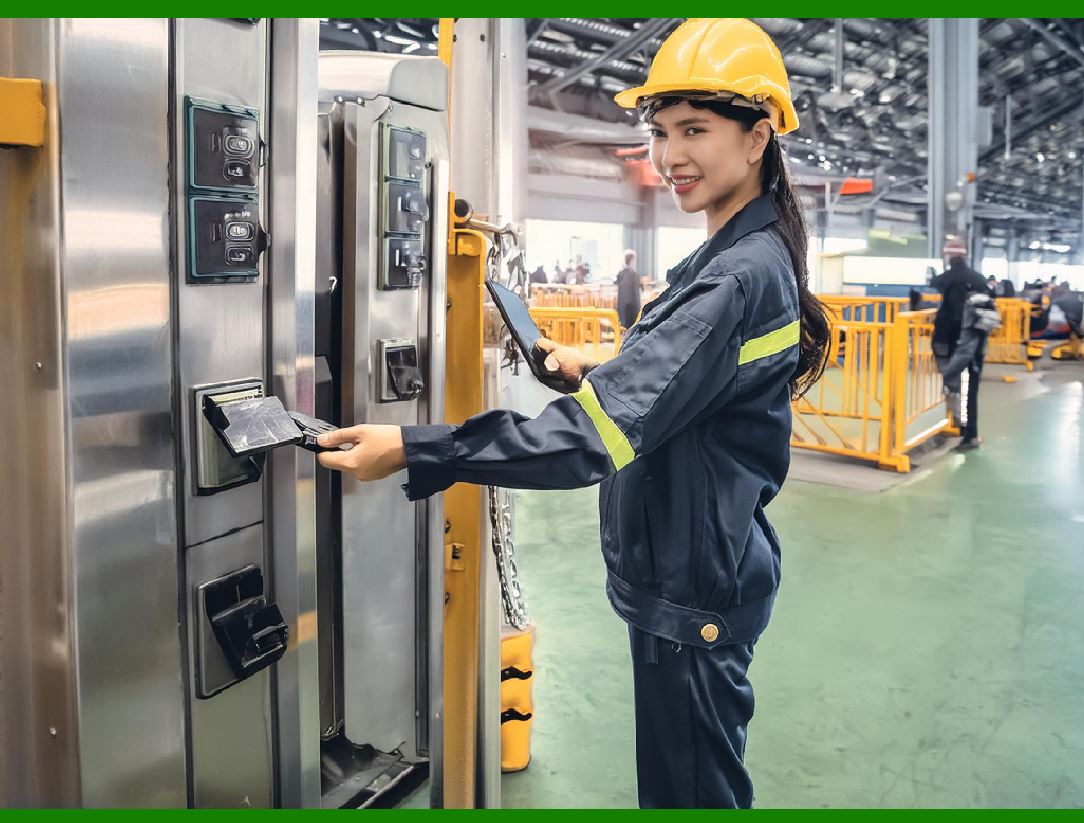
In industrial settings, equipment maintenance is critical to preventing downtime and ensuring that machinery continues to operate efficiently. Barcodes are commonly used to track equipment and machinery, providing valuable data on their usage, service history, and maintenance schedules. |
Machine Identification: Each piece of equipment in a manufacturing facility can be assigned a unique barcode. This barcode is scanned to record data about the machine, including its model number, serial number, and installation date. This allows for easier identification and helps track equipment throughout its lifecycle. |
Automated Maintenance Logs: Barcode systems are integrated with maintenance software to automatically log maintenance activities. When a maintenance technician scans the barcode on a machine, the system records the service performed, including any parts replaced, issues identified, and time spent on repairs. This creates a detailed history of each machine¡¯s service record, allowing operators to track patterns of wear and plan for future maintenance. |
Tracking equipment through barcode technology improves operational efficiency, extends equipment lifespan, and minimizes unplanned downtime by providing accurate and timely maintenance data. |
8.2 Preventative Maintenance Tracking |
Preventative maintenance is essential for reducing unexpected breakdowns and ensuring that equipment is always in optimal condition. Barcodes enable the implementation of a preventative maintenance schedule, where machines are routinely scanned to trigger maintenance tasks. |
Scheduled Inspections and Service Alerts: When a barcode is scanned, the system can automatically check whether preventative maintenance is due. If so, it will generate a service request or send an alert to the maintenance team. This ensures that no machine misses its scheduled inspection, reducing the likelihood of breakdowns. |
Tracking Usage and Wear: Barcode data can also be linked to sensors or usage counters on equipment, tracking factors such as the number of operating hours or cycles. This helps determine when equipment needs servicing, allowing for proactive maintenance before equipment fails. |
By utilizing barcodes to track and manage preventative maintenance, industrial operations can maintain equipment reliability, reduce downtime, and improve overall production efficiency. |
|
9. Challenges in Implementing Barcode Systems in Industry |
9.1 Technical Challenges |
Although barcode technology offers substantial benefits to industrial production, there are some technical challenges to overcome, such as: |
Barcode Quality: Barcodes must be printed clearly and scannable to function effectively. Low-quality printing or damaged barcodes can lead to scanning failures or misreads, resulting in operational disruptions. |
Environmental Conditions: Industrial environments, especially those with high levels of dust, moisture, or extreme temperatures, can affect the readability of barcodes. Special barcode labels or more advanced scanning technologies may be needed in these cases. |
System Integration: Integrating barcode systems with existing production management software and equipment can be complex, particularly if the factory uses legacy systems that are not compatible with modern barcode technology. |
9.2 Workforce Training and Adoption |
To fully leverage the advantages of barcode systems, employees must be trained to use barcode scanners and software effectively. Workers must also adopt new workflows, which can be challenging if the organization is transitioning from manual processes to automated systems. |

|
10. Future Trends in Barcode Technology for Industrial Production |
10.1 Advancements in Barcode Technology |
Barcode technology is constantly evolving, with innovations that make it more efficient, versatile, and integrated into modern manufacturing and industrial processes. Some of the most significant advancements in barcode technology that are shaping the future of industrial production include: |
Smart Barcodes: One of the most exciting developments in barcode technology is the emergence of 'smart' barcodes. These barcodes combine traditional barcode technology with more advanced features, such as embedded sensors and the ability to carry multiple layers of data. For example, smart barcodes might include RFID technology, allowing them to store more information while being more durable and capable of functioning in harsh environments. These barcodes can also integrate environmental data, such as temperature and humidity, which can be used to monitor conditions during shipping and storage. |
Nano Barcodes: Researchers are exploring the use of nanotechnology to create ultra-small barcodes, which can be embedded in microscopic products. These nano barcodes can store significant amounts of data, such as the provenance of a product, its environmental impact, and its chemical composition. Nano barcodes have the potential to revolutionize industries like pharmaceuticals, where tracking individual components of a product at the microscopic level could dramatically improve traceability and safety. |
QR Code Advancements: QR codes are already widely used in manufacturing, but their potential is far from fully realized. Emerging innovations in QR code design include the ability to embed augmented reality (AR) content or other interactive features. For instance, scanning a QR code on a part might not only provide a full history of the part but also display AR overlays with maintenance instructions, assembly diagrams, or troubleshooting steps, allowing for more interactive and informed workflows. |
High-Density 2D Barcodes: High-density 2D barcodes, such as Data Matrix and PDF417, are evolving to store even more data while maintaining compact size. This is particularly useful for industries like aerospace and automotive, where the ability to track smaller parts with more data is essential. The evolution of these 2D barcodes also opens up possibilities for enhanced information storage, enabling manufacturers to include production data, testing results, and more within a small physical footprint. |
10.2 IoT and Barcode Technology Integration |
The Internet of Things (IoT) is transforming industrial production, and barcode technology is at the forefront of this revolution. By integrating IoT devices with barcode systems, manufacturers can achieve greater automation, real-time data tracking, and improved decision-making. |
IoT-Enabled Barcodes: The integration of IoT technology with barcodes allows for real-time monitoring of parts and equipment throughout the entire production process. For example, IoT-enabled barcodes can be linked to sensors that track the condition of parts, such as wear levels, temperature, or pressure. This data can then be transmitted to central systems for analysis and decision-making. |
Predictive Maintenance: IoT-enabled barcodes, in combination with sensors and machine learning algorithms, can predict when a machine or part is likely to fail. For instance, a barcode on an industrial machine could be linked to vibration sensors or temperature sensors, and when certain thresholds are exceeded, the system can automatically trigger maintenance actions or alerts, helping to avoid unexpected breakdowns. |
Supply Chain Transparency: IoT and barcode systems provide unprecedented visibility into the supply chain. By combining barcode data with IoT sensors, manufacturers can track the exact location and condition of parts in real-time. This helps improve traceability from suppliers to the factory floor, enhancing inventory management and minimizing delays due to supply chain disruptions. |
End-to-End Automation: The combination of barcodes, IoT sensors, and production systems enables end-to-end automation of industrial processes. By capturing and analyzing data from barcodes and IoT sensors, production systems can adjust in real-time to optimize processes, reduce inefficiencies, and improve throughput. |
10.3 Cloud-Based Barcode Systems |
As industries continue to adopt cloud computing, barcode systems are also becoming more integrated with cloud-based platforms. Cloud-based barcode systems provide a number of benefits for industrial production, including: |
Remote Access and Real-Time Data: With cloud-based barcode systems, manufacturers can access real-time data from any location, whether in the office or on the factory floor. This allows for more flexible decision-making and remote monitoring of production activities. Managers can access data from inventory levels, machine performance, and production throughput, and make adjustments in real-time to optimize operations. |
Data Storage and Analysis: Cloud-based barcode systems allow for large-scale storage of data, which can be analyzed for insights into production efficiency, supply chain performance, and quality control. By aggregating large datasets, manufacturers can identify patterns and trends that can drive continuous improvement and innovation. |
Collaboration and Scalability: Cloud systems enable multiple stakeholders, including suppliers, production teams, and distributors, to collaborate on shared data. This improves communication across the supply chain and allows for scalable barcode solutions that can adapt to the needs of growing manufacturing operations. |
10.4 Blockchain and Barcode Technology for Enhanced Traceability |
Blockchain technology is increasingly being integrated with barcode systems to create an immutable, transparent record of parts and products as they move through the supply chain. By linking barcodes to blockchain, manufacturers can ensure that data is not tampered with and is securely stored, providing an additional layer of traceability and accountability. |
Authenticity and Security: Blockchain integration allows manufacturers to verify the authenticity of parts and products. For example, in industries such as pharmaceuticals and automotive, blockchain can prevent counterfeiting by ensuring that each part's history is recorded and cannot be altered. When a part is scanned, the barcode can pull up a verified history from the blockchain, confirming its origin and authenticity. |
Smart Contracts for Supply Chain Transactions: Blockchain can also be used to automate supply chain transactions through smart contracts. When a barcode is scanned, the corresponding data on the blockchain can trigger automated actions, such as payment releases or shipment tracking updates, streamlining supply chain operations. |
By combining blockchain and barcode technology, manufacturers can ensure greater transparency and traceability, improving compliance, security, and efficiency. |

|
11. Evolving Standards and Protocols for Barcode Technology |
As barcode technology continues to evolve, so too do the standards and protocols that govern their use. New barcode standards are emerging to address the demands of modern manufacturing environments, such as the need for higher data capacity, enhanced security, and greater integration with other technologies. |
GS1 Digital Link: One of the most significant developments in barcode standards is the GS1 Digital Link, which allows manufacturers to link barcodes to digital content via URLs. This opens up new possibilities for connecting physical products with digital resources, such as product manuals, maintenance guides, and supply chain information. The GS1 Digital Link standard facilitates the integration of barcodes with IoT and cloud-based systems, enabling richer and more detailed data about parts and products. |
ISO/IEC 15459 Standard for Part Identification: New barcode standards are being developed to standardize part identification across industries, making it easier for manufacturers to track individual parts throughout the production and supply chain. The ISO/IEC 15459 standard aims to create a universal system for part identification that will be compatible across different industries, ensuring consistency and reducing confusion in part tracking. |
GS1 Traceability Standards: The GS1 organization has developed a suite of standards aimed at improving the traceability of products and parts in manufacturing. These standards help ensure that barcodes are used consistently and effectively for tracking parts, batches, and finished products, regardless of the industry. The GS1 Traceability Standard ensures that products can be traced through every stage of production, from raw materials to the final consumer. |
Integration with Other Data Technologies: The increasing use of big data, machine learning, and AI in industrial production means that barcode systems must be able to interface with these technologies. Barcode data is becoming a key input for predictive analytics, demand forecasting, and inventory management, and barcode standards will continue to evolve to accommodate these advanced technologies. |

|
12. Conclusion: The Future of Barcodes in Industrial Production |
Barcode technology is poised to continue its evolution as a cornerstone of modern industrial production. From enabling greater automation and real-time data tracking to enhancing supply chain transparency and compliance, barcodes are integral to the future of manufacturing. As technology advances, barcode systems will become even smarter, more integrated with IoT devices, and more deeply connected to digital and blockchain-based systems, opening up new possibilities for manufacturers to track parts, improve quality, and streamline operations. |
The future of barcode technology in industrial production holds tremendous potential for improving efficiency, traceability, and decision-making in the factory and beyond. As industries embrace new advancements in smart barcodes, cloud computing, and IoT, barcode systems will continue to evolve, driving progress in industrial operations and contributing to the digital transformation of manufacturing. |
 cs@easiersoft.com