1. Introduction to Access Control Systems |
1.1 Definition and Purpose |
Access control systems are security solutions designed to regulate who can access specific physical or digital areas, ensuring that only authorized personnel are allowed entry. These systems are used in various industries, including government buildings, corporate offices, data centers, and healthcare facilities. The goal is to enhance security, improve operational efficiency, and reduce the risk of unauthorized access. |
1.2 Types of Access Control Systems |
Physical Access Control: Involves controlling physical access to buildings, rooms, and other secured areas. |
Logical Access Control: Focuses on restricting access to digital resources like computer networks and databases. |
Hybrid Systems: Combine physical and logical access control, ensuring comprehensive security. |

|
2. History of Access Control Technology |
2.1 Early Methods of Access Control |
In the past, physical locks and keys were the primary method for controlling access. These were often simple mechanical locks that could be easily bypassed or replicated. The lack of security prompted the development of more sophisticated methods. |
2.2 The Advent of Electronic Access Control |
Electronic systems began to emerge in the mid-20th century, driven by the need for more secure and scalable access solutions. Magnetic stripe cards, punch cards, and keypads became widely used, offering higher levels of security and ease of management compared to traditional locks. |
2.3 The Integration of Barcodes and RFID |
By the 1980s and 1990s, technologies like barcodes and RFID were introduced into access control systems. These technologies offered several advantages, including improved accuracy, reduced risk of human error, and the ability to track and monitor access in real-time. RFID, in particular, enabled contactless access, further enhancing convenience and security. |

|
3. Overview of Barcode Technology in Access Control Systems |
3.1 What is Barcode Technology? |
Barcode technology is based on the use of a visual code consisting of a series of parallel lines or matrix patterns. When scanned, the barcode provides information about the object or person it is attached to. In access control, barcodes are often embedded in access cards or badges. |
3.2 Types of Barcodes Used in Access Control |
1D Barcodes: These are linear barcodes consisting of vertical bars and spaces. Commonly used in simple access control systems. |
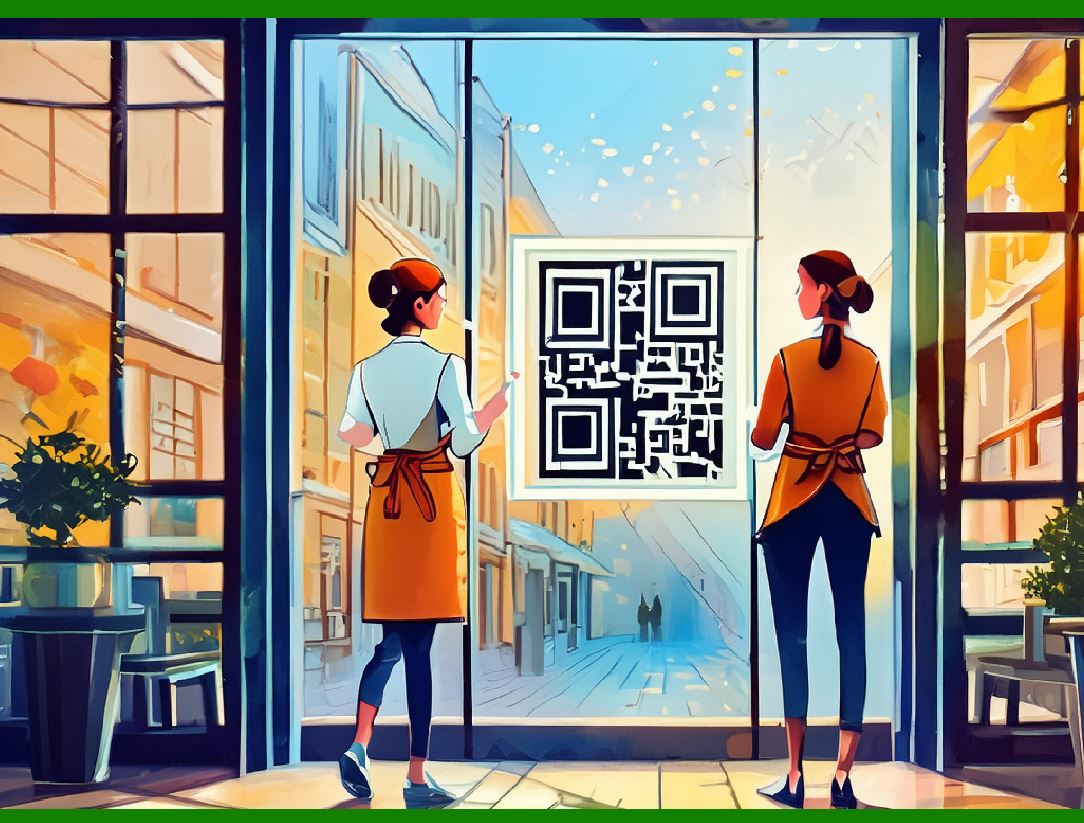
2D Barcodes: Examples include QR codes and Data Matrix codes, which store more information than 1D barcodes. These are increasingly being used in modern access control systems for their ability to store larger data sets. |
3.3 Advantages of Barcode Technology |
Cost-Effective: Barcodes are relatively inexpensive to produce, making them a viable option for organizations with tight budgets. |
Easy to Implement: Barcode readers are generally straightforward to install and integrate into existing systems. |
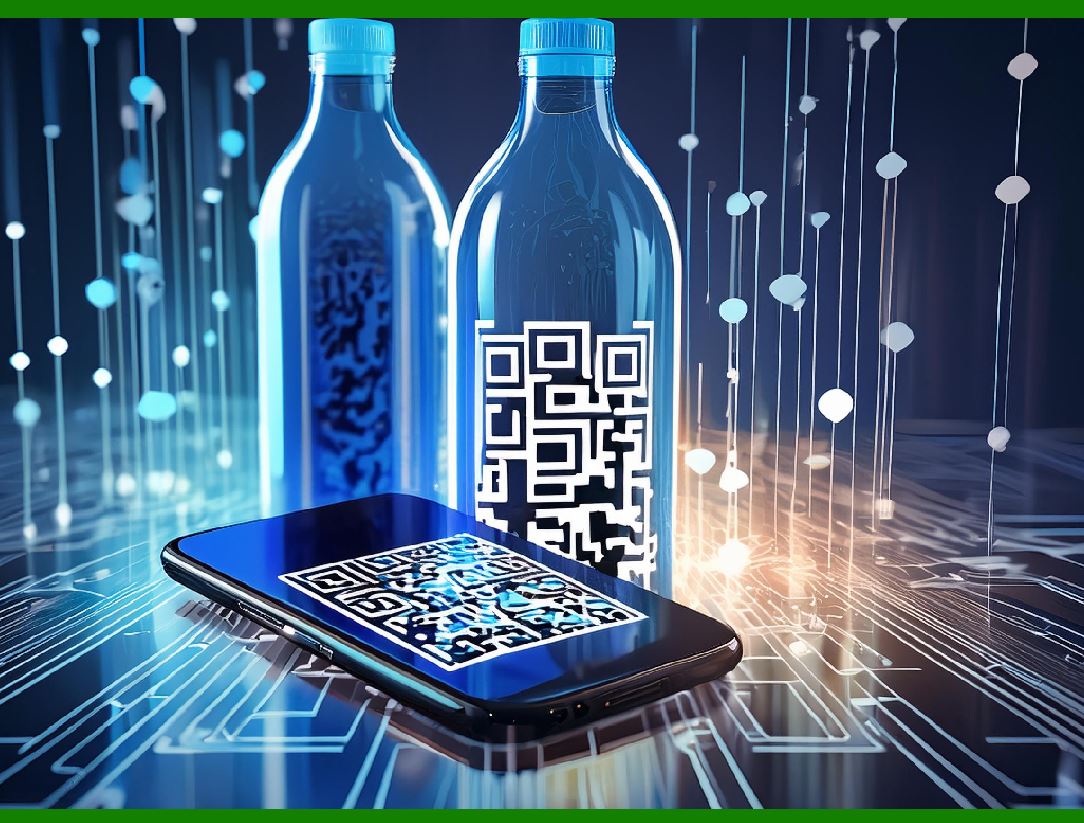
Compatibility: Barcodes can be easily printed on cards, badges, and even mobile devices. |
|
4. Overview of RFID Technology in Access Control Systems |
4.1 What is RFID Technology? |
Radio Frequency Identification (RFID) is a wireless technology that uses radio waves to transfer data between a reader and a tag. An RFID system consists of three main components: |
RFID Tags: Small, passive or active devices that contain data. |
RFID Readers: Devices that send and receive signals to and from RFID tags. |
Middleware: Software that processes and manages the data received from the readers. |
4.2 Types of RFID Systems |
Low Frequency (LF) RFID: Typically used for short-range applications (e.g., animal tracking). |
High Frequency (HF) RFID: Used for access control, often with a range of a few centimeters to a meter. |
Ultra High Frequency (UHF) RFID: Used for long-range identification, often in logistics and inventory management. |
4.3 Advantages of RFID Technology |
Contactless Operation: RFID readers can capture data without physical contact with the tag, providing convenience for users. |
Speed: RFID systems can quickly scan multiple tags simultaneously, enhancing throughput. |
Durability: RFID tags are often more durable and resistant to wear compared to barcodes. |
|
5. Integration of Barcode and RFID Technology in Access Control |
5.1 How Barcode and RFID Are Used Together |
Many modern access control systems integrate both barcode and RFID technologies to offer a range of options depending on security needs, cost, and convenience. For example, a system may use RFID for regular access but also allow barcode scanning for temporary or visitor access. |
5.2 RFID in Mobile Access |
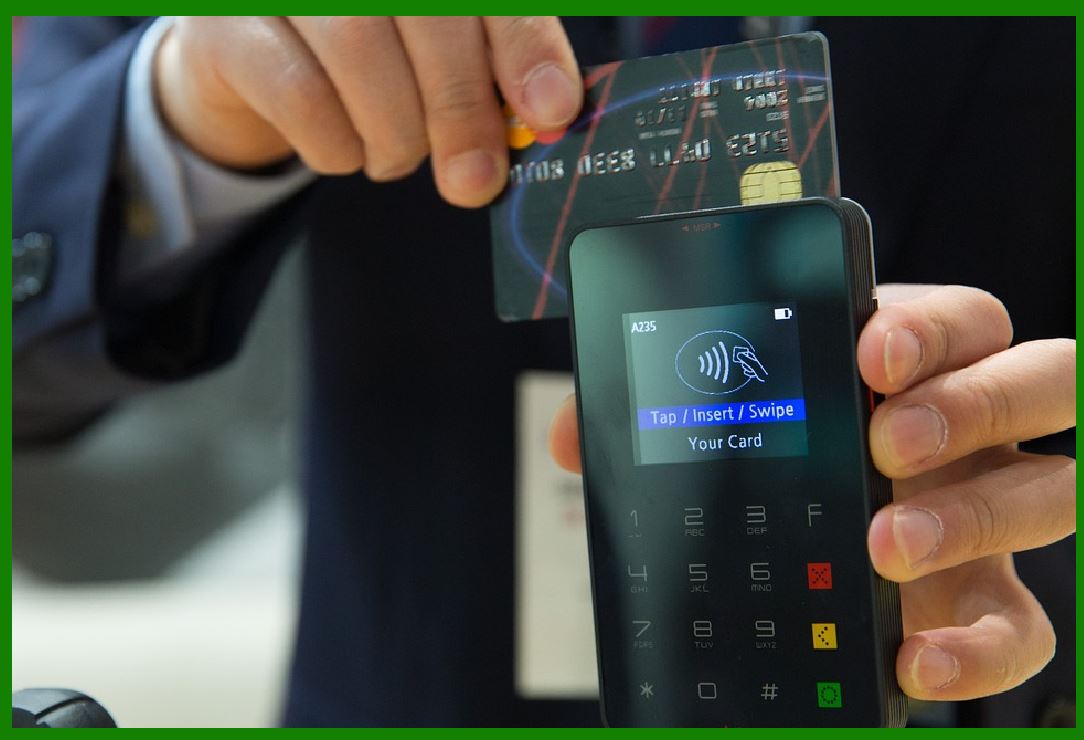
With the advent of smartphones, mobile RFID applications have become more common. Access control systems can now leverage the smartphone¡¯s built-in RFID functionality, allowing users to gain access by simply tapping their phone against an RFID reader. |
5.3 Barcode-Based Systems for Visitor Management |
In environments with high visitor traffic, barcode-based visitor badges are often used. These temporary badges can be scanned at entry points, with the barcode linked to specific access rights for the duration of the visitor¡¯s stay. |
|
6. The Role of RFID and Barcode Technology in Modern Access Control Systems |
6.1 Enhanced Security Features |
Both barcode and RFID technologies allow for more granular control of access. For example, RFID systems can be programmed to only allow access to specific areas based on the user¡¯s identity and clearance level, while barcodes may limit access to a single entry point or event. |
6.2 Scalability and Flexibility |
One of the key benefits of modern access control systems is their scalability. As businesses grow, their access needs may change, and RFID/barcode-based systems allow for easy updates, such as adding new users, updating access privileges, or integrating additional entry points. |
6.3 Data Logging and Analytics |
Barcode and RFID systems can also log each access event, providing valuable data for security auditing and operational optimization. This can be used to track employee attendance, analyze peak entry times, and identify any potential security breaches. |

|
7. Current Status of Access Control Systems Using Barcode and RFID |
7.1 Market Trends and Growth |
The global access control market is experiencing significant growth, with both barcode and RFID technologies playing crucial roles. The increasing adoption of RFID technology, due to its scalability and security features, is particularly notable in sectors like healthcare, education, and corporate environments. |
7.2 Advances in RFID Technology |
Recent developments in RFID technology, such as the use of passive RFID for longer range, and the adoption of Near Field Communication (NFC) for mobile devices, have enhanced the capabilities of RFID-based access control systems. |
7.3 Challenges and Limitations |
While both barcode and RFID systems have their advantages, there are challenges. Barcodes can be easily damaged or replicated, posing a security risk. RFID, on the other hand, faces concerns about privacy, as unauthorized readers may potentially capture data from RFID tags. |
|
8. Future of Barcode and RFID Technology in Access Control Systems |
8.1 Biometric Integration |
As part of a broader trend towards multi-factor authentication, biometric technologies (such as fingerprint scanning, facial recognition, or iris scanning) are being integrated into access control systems. These can be used in conjunction with RFID or barcode systems to provide an additional layer of security. |
8.2 Cloud-Based Access Control |
Cloud-based solutions are also gaining traction. These systems can offer centralized management, enabling businesses to easily manage access rights and monitor systems remotely. |
8.3 The Rise of Smart Access Control |
The future of access control is shifting toward smarter, more connected systems. These systems may use AI and machine learning to predict and respond to security threats, continuously evolving to ensure optimal security. |
|
9. Conclusion |
9.1 Summary of Key Points |
Access control systems using barcode and RFID technologies are integral to modern security infrastructure. The historical development, current capabilities, and future potential of these technologies highlight their importance in ensuring both security and convenience. |
9.2 The Importance of Continued Innovation |
As technology continues to evolve, barcode and RFID systems will likely become more integrated with other security systems, offering more comprehensive solutions for both physical and digital access control needs. |

|
10. Detailed Examination of Barcode Technology in Access Control Systems |
10.1 Barcode Scanning Mechanisms |
Barcode scanners in access control systems primarily operate using two types of technology: laser-based scanners and imager-based scanners. |
Laser-Based Scanners: These devices use a laser beam to scan the barcode. The beam reflects off the barcode's white spaces and is captured by the scanner's sensor, allowing it to interpret the data. Laser scanners are generally faster and more precise, but they are often limited to reading linear barcodes. |
Imager-Based Scanners: These scanners work by capturing an image of the barcode using a camera, which is then processed to decode the data. Imager-based scanners are more versatile, capable of reading both linear (1D) and matrix (2D) barcodes. Their ability to read barcodes from various angles and in varying conditions makes them suitable for modern access control systems. |
10.2 Integration of Barcodes in Access Control Systems |
Barcodes are integrated into access control systems in various forms: |
Access Cards: Many systems utilize cards printed with barcodes, which users present to a scanner. The barcode is scanned, and the system grants access based on the data contained in the code (e.g., employee ID, access privileges, etc.). |
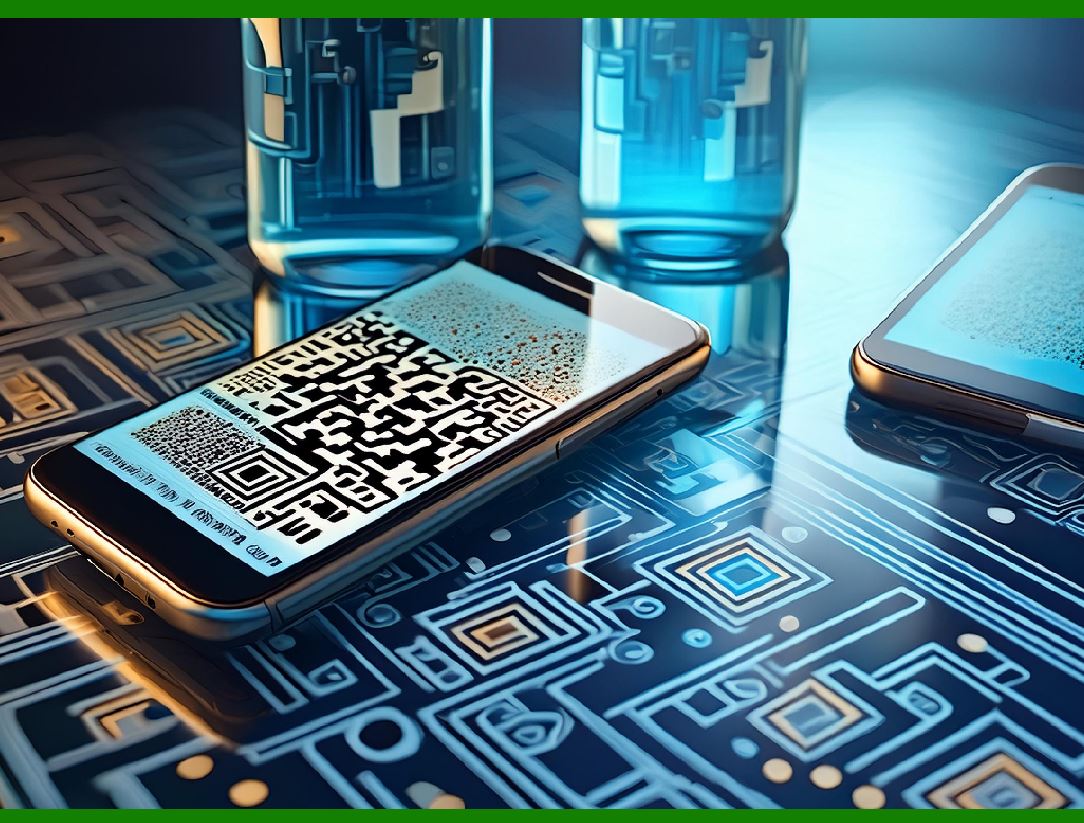
Mobile Devices: In more recent years, smartphones have become a viable solution for barcode-based access control. With the proliferation of QR codes and mobile barcode scanning apps, users can store their access credentials in a digital format and present them to barcode readers. |
10.3 Challenges of Barcode-Based Access Control |
While barcode systems are cost-effective, they come with certain limitations: |
Susceptibility to Damage: Barcode labels are prone to wear and tear, particularly in environments where they are frequently handled, like in warehouses or industrial settings. Damaged barcodes can make scanning difficult or impossible. |
Limited Security: Barcode data is typically static, meaning that the information embedded in the barcode doesn¡¯t change unless manually updated. This can lead to security risks if a barcode is copied or replicated. |
Limited Data Capacity: Barcodes, especially 1D versions, have limited capacity to store information. This can restrict their use in applications requiring more sophisticated access control features, like time-based access or varying privilege levels. |
|
11. Detailed Examination of RFID Technology in Access Control Systems |
11.1 How RFID Works in Access Control |
RFID systems operate based on the principle of radio waves, which are used to transfer data between an RFID tag and an RFID reader. The main components of an RFID system include: |
RFID Tags: These are small devices that contain a chip and an antenna. They can either be passive, active, or semi-passive. |
Passive RFID Tags: These do not have a battery and rely on the energy transmitted by the reader to communicate. They are more cost-effective but typically have a shorter range. |
Active RFID Tags: These have their own power source and can transmit signals over a longer distance. They are often used in systems where a wider range of coverage is required. |
Semi-Passive RFID Tags: These combine features of both passive and active tags. They are powered by a battery but rely on the reader¡¯s signal for data transmission. |
RFID Readers: These devices emit radio waves to communicate with RFID tags. Once a tag is within range, it sends the data stored on its chip to the reader, which then forwards the information to a connected system. |
Middleware and Software: After the data is received from the RFID reader, it is processed by middleware or software, which interprets the information and determines whether the access request should be approved. |
11.2 Advantages of RFID in Access Control |
RFID technology offers several key benefits over traditional barcode systems: |
Contactless Access: RFID allows users to gain entry by simply presenting their RFID tag or card in proximity to the reader. This makes RFID systems faster and more convenient, especially in high-traffic areas. |
Enhanced Security: RFID tags can store more complex data than barcodes, enabling the implementation of more advanced security protocols, such as multi-factor authentication (e.g., combining RFID with biometrics). |
Longer Range: Depending on the type of RFID tag, access can be granted over a greater distance than with barcode scanning, making RFID suitable for environments where users need to gain access from a distance (e.g., parking gates or elevator systems). |
Durability: RFID tags are often more robust than barcodes. They are less susceptible to damage, wear, or tampering, particularly in harsh environments. |
11.3 Limitations and Concerns with RFID Technology |
Despite its advantages, RFID technology is not without its challenges: |
Privacy Concerns: RFID systems, especially passive tags, can be susceptible to unauthorized scanning. There are concerns about potential data breaches if a malicious actor gains access to an RFID tag¡¯s data without the user¡¯s knowledge. |
Cost: While RFID tags are generally affordable, active RFID tags with longer ranges can be more expensive, which may make them less feasible for large-scale implementation in some businesses. |
Interference: RFID signals can be disrupted by materials such as metals or liquids. This can interfere with the tag¡¯s ability to communicate with the reader, especially in environments where such materials are present. |

|
12. Comparative Analysis of Barcode and RFID Technology in Access Control |
12.1 Security Considerations |
Barcode: Barcodes are generally easier to replicate or duplicate. A simple scan can reveal the encoded data, and if the barcode is damaged or worn out, it may no longer be scannable. |
RFID: RFID offers superior security features, particularly in high-security environments. Advanced encryption and multi-layer authentication options, such as combining RFID with biometric scanning, offer robust protection against unauthorized access. |
12.2 Cost and Scalability |
Barcode: Barcodes are inexpensive to produce, making them an excellent choice for organizations with tight budgets. However, they are less scalable for large systems, as they require manual intervention (e.g., printing new barcodes) to update data. |
RFID: Although RFID systems are typically more expensive to implement due to the cost of RFID tags and readers, they provide greater scalability and flexibility. Once the system is in place, expanding or updating access privileges can be done remotely through software without needing to reprint or replace tags. |
12.3 Ease of Use |
Barcode: Barcode systems are simple to use but may require a higher degree of physical interaction (e.g., swiping or placing the card under a scanner). |
RFID: RFID systems are generally more user-friendly, as they enable contactless access. This reduces the time required for access and streamlines the user experience, especially in environments where people are carrying multiple items (e.g., employees with bags, briefcases, or other personal items). |

|
13. The Role of RFID and Barcode Technology in Access Control Across Various Sectors |
13.1 Corporate and Commercial Use |
In commercial environments, especially in large office buildings and corporate campuses, both barcode and RFID technologies are widely employed to control access to restricted areas, such as server rooms, employee workstations, or confidential meeting rooms. The ability to integrate with employee databases allows for real-time tracking of who enters and exits the building. |
13.2 Healthcare Industry |
In hospitals and healthcare facilities, RFID and barcode technologies are instrumental in ensuring secure access to sensitive areas like pharmacies, operating rooms, and medical supply storage areas. In addition to restricting access, RFID tags are used to track equipment and medications, ensuring they are correctly accounted for and available when needed. |
13.3 Government and High-Security Areas |
Government buildings, embassies, and high-security zones rely heavily on RFID and barcode technology. In these environments, access control is a critical aspect of maintaining security, and RFID systems often provide an additional layer of security through encrypted, multi-factor authentication systems. |
13.4 Transportation and Logistics |
At airports, ports, and large logistics hubs, barcode and RFID technologies help control access to restricted areas, such as cargo handling zones or aircraft hangars. RFID tags also assist in tracking shipments and vehicles, providing detailed logistical data and enhancing operational efficiency. |

|
14. Future Trends in Access Control Systems Using Barcode and RFID Technologies |
14.1 Integration with IoT and Smart Devices |
As the Internet of Things (IoT) continues to grow, access control systems are becoming smarter and more interconnected. Future access control systems may integrate RFID and barcode technologies with IoT devices, enabling automated decision-making based on real-time data. For example, a system could adjust access privileges based on the user¡¯s location or time of day, automatically changing access levels as needed. |
14.2 Blockchain and Decentralized Security |
Blockchain technology offers the potential to enhance access control systems by providing a decentralized and tamper-proof ledger for access logs. This could be combined with RFID and barcode systems to ensure transparency and reduce the risk of unauthorized access or system breaches. |
14.3 Biometric Integration |
As biometric technologies (e.g., facial recognition, fingerprint scanning, or iris scanning) continue to evolve, they are likely to be combined with RFID and barcode systems to provide multi-factor authentication, which is becoming increasingly important in high-security environments. |

|
15. Conclusion |
15.1 The Continuing Evolution of Access Control Technologies |
Both barcode and RFID technologies have evolved significantly since their inception and will continue to play a central role in access control systems for the foreseeable future. As these technologies advance, their integration with other security measures, such as biometrics, cloud-based solutions, and blockchain, will further enhance their effectiveness and security. |
15.2 A Unified Approach to Access Control |
The future of access control lies in a unified approach, where different technologies such as barcodes, RFID, biometrics, and IoT converge to create a more secure, efficient, and flexible system. Businesses, governments, and other organizations must remain vigilant in updating and optimizing their access control solutions to meet emerging threats and user needs. |

|
16. Advanced Integration of RFID and Barcode in Smart Access Control Systems |
16.1 Unified Security Solutions: |
One of the most significant developments in access control technology has been the integration of RFID and barcode systems into unified security solutions. Organizations today seek to streamline their security infrastructures by combining multiple technologies for a more cohesive and effective security management system. |
Integrated Systems: By combining RFID with barcode technologies, organizations can create a multi-layered security environment. For instance, an employee may use an RFID card for regular access but also present a barcode for certain restricted areas, adding a layer of authentication. This dual-technology approach ensures heightened security and redundancy. |
Smart Access Control: These integrated systems are frequently embedded within a centralized security network, allowing security personnel to monitor real-time data from various entry points. RFID and barcode systems can be linked with security cameras, alarm systems, and biometric sensors to create a comprehensive security framework that can be adjusted based on real-time analytics. |
16.2 Artificial Intelligence and Machine Learning: |
Artificial intelligence (AI) and machine learning (ML) technologies are beginning to play a more prominent role in access control systems. These technologies can help analyze the massive amount of data generated by RFID and barcode readers, enabling smarter decision-making. |
AI-Driven Security: AI algorithms can analyze access logs and identify patterns in data that suggest potential security threats, such as unauthorized access attempts or unusual entry times. This allows for proactive responses to security breaches before they escalate. |
Predictive Analytics: Machine learning models can predict when security risks are most likely to occur based on patterns in access behavior. For example, if an employee typically accesses a specific area at a particular time each day, machine learning algorithms can flag an anomaly if this behavior deviates, prompting security measures. |
16.3 Cloud-Based Security Solutions: |
Cloud computing is increasingly integrated into access control systems, making them more flexible and scalable. |
Cloud Management: Cloud-based platforms allow organizations to manage access control remotely, providing centralized control over access permissions across multiple locations. This offers flexibility, particularly for organizations with distributed operations, as security personnel can monitor and update access rights from anywhere in the world. |
Data Storage and Analytics: Storing access logs and other security data in the cloud offers several benefits, such as enhanced data integrity, real-time analytics, and scalability. Access control data can be processed and analyzed more efficiently, enabling better insights into employee and visitor access patterns. |

|
17. The Role of Mobile Access Control in RFID and Barcode Systems |
17.1 Mobile Access with RFID Technology: |
With the rise of smartphones, mobile RFID-based access control is becoming more widespread. This technology uses Near Field Communication (NFC) or Bluetooth Low Energy (BLE) to enable users to gain access by simply tapping or bringing their mobile device close to an RFID reader. |
Advantages of Mobile RFID Access: |
Convenience: Users no longer need to carry physical access cards. Their smartphones serve as their credentials, streamlining access management and reducing physical hardware costs. |
Multi-Device Support: Mobile access systems can support multiple types of devices, such as smartphones, smartwatches, and even wearables, enabling users to access secured areas in ways that suit their personal preferences. |
Enhanced Security Features: Mobile devices can incorporate additional security measures such as fingerprint authentication, facial recognition, or even two-factor authentication (2FA) alongside the RFID technology. |
17.2 Mobile Barcode Access Control: |
The integration of barcode scanning capabilities into smartphones has also significantly impacted access control systems. Mobile apps capable of generating and scanning barcodes (e.g., QR codes, Data Matrix) have become a popular and cost-effective alternative to traditional access cards. |
Temporary Access for Visitors: QR codes, for example, are often used in environments where temporary access is needed (e.g., guest visits or event entry). Visitors can receive a QR code via email or SMS, which can be scanned using their smartphones or a scanner at the entry point. |
Dynamic Barcode Solutions: A dynamic barcode, like a QR code that expires after a certain period or usage, provides an added layer of security by preventing unauthorized reuse or forwarding of access credentials. |
17.3 Challenges with Mobile-Based Access Control: |
While mobile-based access control has gained popularity, there are challenges to its widespread adoption. |
Security Concerns: Mobile devices can be lost, stolen, or hacked, potentially compromising security. Therefore, additional security features, like remote disabling of lost access credentials, are necessary. |
Compatibility Issues: Mobile access control systems must ensure compatibility across different operating systems and devices, which can pose technical challenges. For example, an access system that supports NFC-based access may not be compatible with all mobile phones, especially if the device doesn¡¯t have an NFC chip. |
Battery and Connectivity Issues: Mobile devices depend on battery life and network connectivity to function properly. If a device runs out of battery or if there¡¯s poor network connectivity, users may be unable to access secured areas, potentially causing operational disruptions. |

|
18. Advanced Security Protocols in Barcode and RFID Access Control Systems |
18.1 Multi-Factor Authentication (MFA): |
As security threats become more sophisticated, many access control systems are adopting multi-factor authentication (MFA) as a way to strengthen access control. By combining something the user knows (e.g., PIN), something the user has (e.g., RFID badge), and something the user is (e.g., biometric data), organizations can ensure a higher level of security. |
Combination with Biometric Systems: Biometric authentication methods, such as facial recognition, fingerprints, or iris scans, are becoming increasingly common in access control systems, particularly in high-security environments. Combining biometrics with RFID or barcode technology provides an additional layer of security. |
Behavioral Biometrics: This emerging technology analyzes user behavior (e.g., typing patterns, walking gait, or device handling) as a form of passive authentication. When combined with RFID and barcode systems, behavioral biometrics can enhance security without requiring additional active user input. |
18.2 Encryption and Secure Data Transmission: |
The security of the data transmitted between the access card or device and the reader is critical in both RFID and barcode systems. As a result, encryption methods such as AES (Advanced Encryption Standard) and SSL/TLS (Secure Sockets Layer/Transport Layer Security) are employed to secure the communication channels between devices. |
RFID Security: Passive RFID tags typically use encryption techniques such as the ISO 14443 or ISO 15693 standards to secure the communication between the reader and tag. These encryption methods make it harder for malicious entities to intercept or duplicate access credentials. |
Barcode Security: Barcodes, being static in nature, are more vulnerable to cloning or copying. However, encrypted barcodes or dynamic QR codes are becoming a more popular option to prevent unauthorized duplication. These advanced barcodes change with each scan, making them harder to compromise. |
18.3 Blockchain Integration for Access Control: |
Blockchain technology is gradually being explored as a potential way to secure access control systems. By utilizing a decentralized ledger, blockchain can provide immutable logs of access events, ensuring that access records cannot be altered or tampered with. |
Decentralized Access Control: Blockchain could enable decentralized identity management, where users control their access credentials without relying on a central authority. Each access event could be recorded on the blockchain, providing a transparent and secure record of who entered and exited each location. |
Smart Contracts: Blockchain-based access control systems can utilize smart contracts to automatically grant or revoke access based on predefined rules, adding an additional layer of automation to the process. |

|
19. Case Studies of Barcode and RFID Access Control Systems in Various Industries |
19.1 Corporate Sector: |
Large multinational corporations often require sophisticated access control systems to protect confidential areas like data centers, executive offices, and laboratories. Many of these corporations use RFID technology for seamless, secure access across multiple locations. In some cases, a combination of RFID and barcode systems may be used to manage regular employees and visitors. |
19.2 Healthcare Industry: |
Hospitals and healthcare facilities handle highly sensitive information and assets. RFID tags are often attached to equipment, pharmaceuticals, and patients to track their location and prevent theft or loss. Barcode systems are also used for patient identification, ensuring that medical staff can quickly access patient records and other critical information. |
19.3 Education and Research Institutions: |
Universities and research institutions use RFID and barcode-based access control systems to secure labs, libraries, and other restricted areas. RFID tags are often used to track access to specific rooms, while barcode labels are employed for visitor management and to ensure proper check-in/check-out processes for research materials and equipment. |
19.4 Government and Military: |
Government buildings and military facilities require the highest levels of security. RFID access control systems are used extensively to manage access to sensitive areas, often in combination with biometrics. Additionally, barcodes are used in visitor management to streamline access for non-permanent personnel. |

|
20. Conclusion: The Future of Access Control with Barcode and RFID Technologies |
20.1 Evolving Security Demands: |
As the need for security increases, the integration of barcode and RFID technologies into access control systems will continue to evolve. The introduction of mobile solutions, cloud-based systems, and AI-driven analytics will enhance the security and efficiency of these systems. |
20.2 The Role of Innovation: |
Future innovations in RFID, barcode, and access control technologies will likely lead to even more secure, efficient, and user-friendly solutions. From advanced encryption techniques to decentralized access management using blockchain, the future of access control will be shaped by the rapid development of emerging technologies. |
20.3 A Holistic Approach to Security: |
Ultimately, the future of access control lies in the seamless integration of various technologies to create a holistic security environment. Organizations will continue to adopt a multi-layered approach, combining RFID, barcode, biometric, and AI-driven technologies to ensure robust, adaptable, and secure access control systems. |

|
Concise summary of the key points from the detailed exploration of barcode and RFID technology in access control systems: |
1. Introduction to Access Control Systems |
Access control systems regulate who can access physical or digital areas, ensuring security. They can be physical (for buildings) or logical (for digital systems), with hybrid systems combining both. Barcode and RFID technologies are central to modern access control. |
2. History and Development |
Access control evolved from basic mechanical locks to electronic systems. RFID and barcode technologies were integrated into access control in the 1980s and 1990s, offering enhanced security, scalability, and ease of use. |
3. Barcode Technology in Access Control |
Barcodes, primarily used for identification, can be either 1D (linear) or 2D (matrix) codes. They are cost-effective, easy to implement, but can be prone to damage, limited in data capacity, and not as secure as RFID. |
4. RFID Technology in Access Control |
RFID operates using radio waves between a tag and a reader. It is more secure and efficient than barcodes, supporting contactless access and greater range. RFID can be passive, active, or semi-passive. It¡¯s more durable and scalable but faces privacy concerns and potential interference. |
5. Integration of Barcode and RFID Technologies |
Modern access systems often integrate both RFID and barcode technologies. RFID may be used for regular access, while barcodes can manage visitor or temporary access, creating a layered security approach. |
6. Mobile Access Control |
Mobile devices, equipped with NFC or Bluetooth, enable mobile-based access. This offers users greater convenience, while smartphones can also replace physical cards. However, security risks such as device theft or loss need addressing. |
7. Advanced Security Protocols |
As security threats evolve, multi-factor authentication (MFA), encryption, and blockchain integration are becoming more common. Combining RFID, barcodes, and biometrics ensures enhanced security. Blockchain ensures transparency and integrity in access logs. |
8. Trends in Access Control |
AI and Machine Learning are improving the predictive analysis and behavioral analytics of access control data. |
Cloud-based systems offer remote control and data storage, enhancing scalability. |
Integration with IoT is enabling smarter access control systems that adapt in real-time. |
9. Case Studies Across Industries |
Corporate and Commercial Use: Companies use RFID and barcode systems for secure building access and employee tracking. |
Healthcare: Hospitals use RFID for tracking medical equipment, pharmaceuticals, and patient information. |
Education and Government: Institutions use RFID and barcode systems to secure restricted areas, manage visitors, and maintain operational efficiency. |
Logistics and Military: RFID tags are used in shipping, inventory management, and military operations, ensuring security and accountability. |
10. Future of Access Control |
The future of access control will likely see smarter systems integrating cloud computing, blockchain, and advanced biometrics. RFID and barcode systems will become even more interconnected, offering scalable, flexible, and automated security solutions. Multi-layered security, combining different technologies like biometrics, RFID, and AI, will ensure comprehensive protection. |

|
Summary: Barcode and RFID technologies have revolutionized access control systems, offering secure, scalable, and efficient solutions for controlling physical and digital access. As technology continues to advance, these systems are becoming more integrated with mobile devices, cloud computing, and AI, creating a future of smarter, more secure access control solutions. |
 cs@easiersoft.com