Chapter 2: The Wristband of Truth |
How Barcode Medication Administration Is Saving Lives at the Bedside |
Executive Summary |
This chapter explores the most critical application of barcode technology in healthcare: medication administration. Every day, in hospitals around the world, nurses administer millions of medications to patients. Each administration is an opportunity for error---and each error has the potential to cause serious harm or death. The Five Rights of medication administration---right patient, right drug, right dose, right route, right time---are taught in every nursing school, but ensuring them consistently across a busy hospital ward has proven remarkably difficult. |
Enter Barcode Medication Administration (BCMA). This relatively simple technology---scan the patient's wristband, scan the medication, let the computer verify the match---has transformed medication safety. But its journey from invention to widespread adoption has been anything but simple. This chapter traces that journey, from a nurse's vacation observation in Kansas to nationwide implementations in both the United States and China. |
We examine how BCMA works, the evidence for its effectiveness, and the persistent challenges that have limited its adoption in certain settings. We explore case studies from the University of Hong Kong-Shenzhen Hospital, the U.S. Veterans Health Administration, Aurora Medical Center, Advocate Health, Vanderbilt University Medical Center, and Lehigh Valley Health Network. We also examine the particular challenges of implementing BCMA in pediatric care, ambulatory clinics, oncology infusion centers, and the operating room---settings where the technology has traditionally lagged. |
The chapter concludes that BCMA is not merely a technology but a fundamental reimagining of how medication safety should be approached. It replaces human memory and manual double-checks with machine-readable certainty. And when properly implemented, it saves time, reduces errors, and allows nurses to focus on what matters most: caring for their patients. |

|
2.1 The Origin Story: A Nurse, a Rental Car, and an Idea |
The story of Barcode Medication Administration begins not in a hospital boardroom or a technology company's laboratory, but in a rental car return lot in Topeka, Kansas, in the early 1990s. |
A nurse named June Robitaille was returning a rental car after a vacation. As she watched the rental car agent open the car door and scan a barcode on the inside frame, she had a moment of recognition. The agent was verifying that this was the correct car, being returned to the correct location, at the correct time. In that instant, Robitaille saw the parallel with her daily work: nurses, too, needed to verify that the right patient was receiving the right medication at the right time. Why couldn't hospitals use the same technology |
Robitaille worked at the Colmery-O'Neil VA Medical Center in Topeka, and she took her idea to the hospital's leadership. With support from the Veterans Health Administration, she helped develop the first BCMA prototype. By 1995, the system was being tested. By 1999, it was being deployed across VA hospitals nationwide . |
The irony is striking: a technology that would go on to prevent hundreds of thousands of medication errors was inspired by a car rental process. But the underlying insight was profound. Barcode scanning does not replace clinical judgment---it replaces the error-prone human tasks of reading, remembering, and comparing. A scanner does not misread a wristband because it is tired. A computer does not confuse two patients with similar names. The technology frees nurses to focus on the aspects of medication administration that truly require human expertise: monitoring for adverse reactions, assessing patient response, and providing compassionate care. |
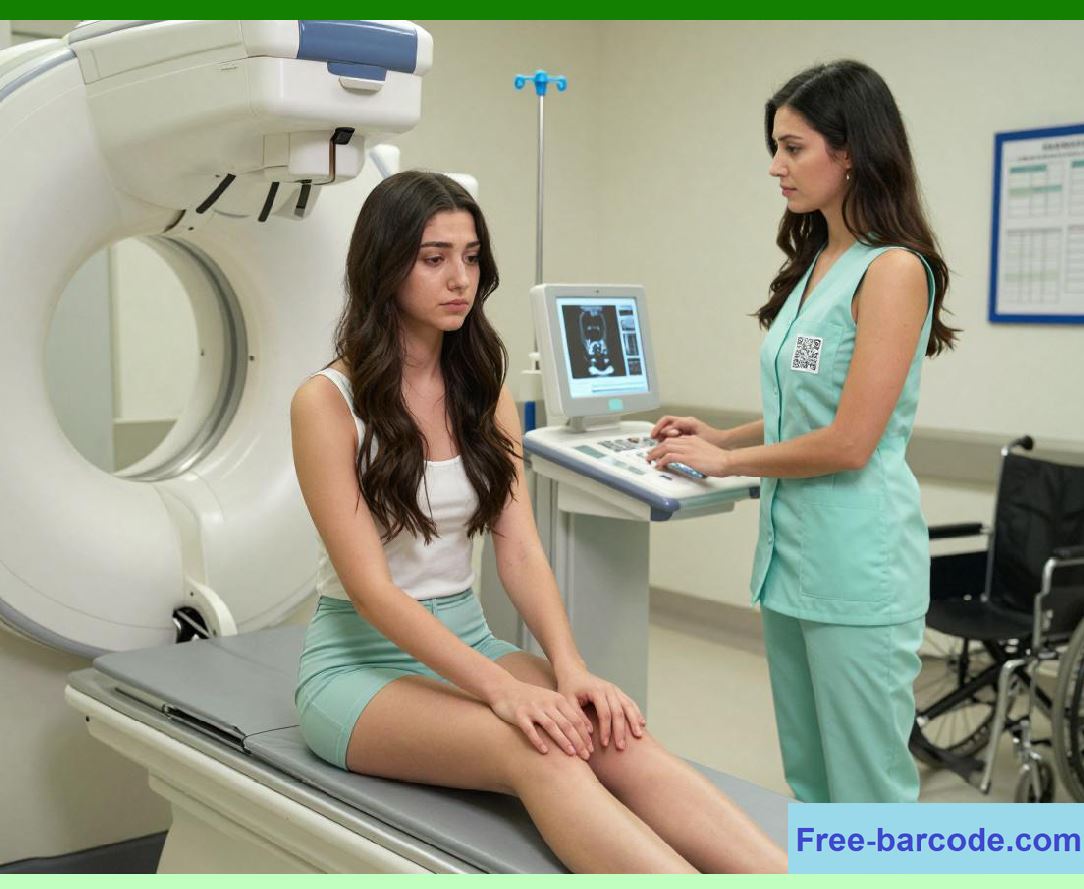
Today, BCMA is standard practice in hospitals across the developed world. The U.S. Food and Drug Administration (FDA) has estimated that barcode technology could prevent nearly 500,000 adverse events and transfusion errors over 20 years, at a cost savings of $93 billion . But as we shall see, the journey from invention to universal adoption has been marked by persistent challenges, creative solutions, and valuable lessons. |
|
2.2 The Problem: Medication Errors as a Public Health Threat |
To understand why BCMA matters, we must first understand the scale of the problem it addresses. In 1999, the Institute of Medicine released a landmark report titled 'To Err Is Human,' which estimated that medical errors result in 44,000 to 98,000 preventable deaths and more than one million injuries each year in U.S. hospitals . Subsequent research has only reinforced these findings. |
Medication errors can occur at any stage of the medication process: prescribing, transcribing, dispensing, and administration . However, research has consistently shown that administration errors are particularly common. Studies have found that 34% of medication errors occur during medication administration, and only 50% of these are caught before reaching the patient . |
The consequences can be devastating. A patient receives the wrong drug and suffers a severe allergic reaction. A patient receives a dose intended for someone else and experiences toxic effects. A patient receives no medication at all because the dose was omitted, and their condition deteriorates. In each case, the root cause is often the same: a failure to verify identity and match it to the correct medication. |
What makes medication administration errors particularly insidious is that they occur at the last step of a long process. By the time a nurse is preparing to administer a medication, the prescription has been written, transcribed, reviewed by a pharmacist, and dispensed. Multiple checks have already occurred. But all of those checks are worthless if the final verification---matching the right patient with the right medication---fails. |
This is the problem that BCMA was designed to solve. As one researcher noted, studies have shown that medication administration errors cannot be prevented by any combination of computerized physician order entry, electronic health records, clinical decision support systems, or automated dispensing systems alone. They can only be mitigated by a closed-loop medication administration system that includes automated identification technology . |
|
2.3 How BCMA Works: The Closed Loop |
The concept behind BCMA is elegantly simple. The system creates a 'closed loop' of verification that begins when a physician prescribes a medication and ends when the medication is administered to the patient. At each step, barcode scanning ensures that the right medication reaches the right patient. |
The Workflow |
In a traditional, paper-based medication administration process, two nurses manually double-check medication information---including name, dose, time, route, and patient identity---before administration . This process is time-consuming and error-prone. It relies on human memory, legible handwriting, and careful attention---all of which can fail, especially during a busy shift. |
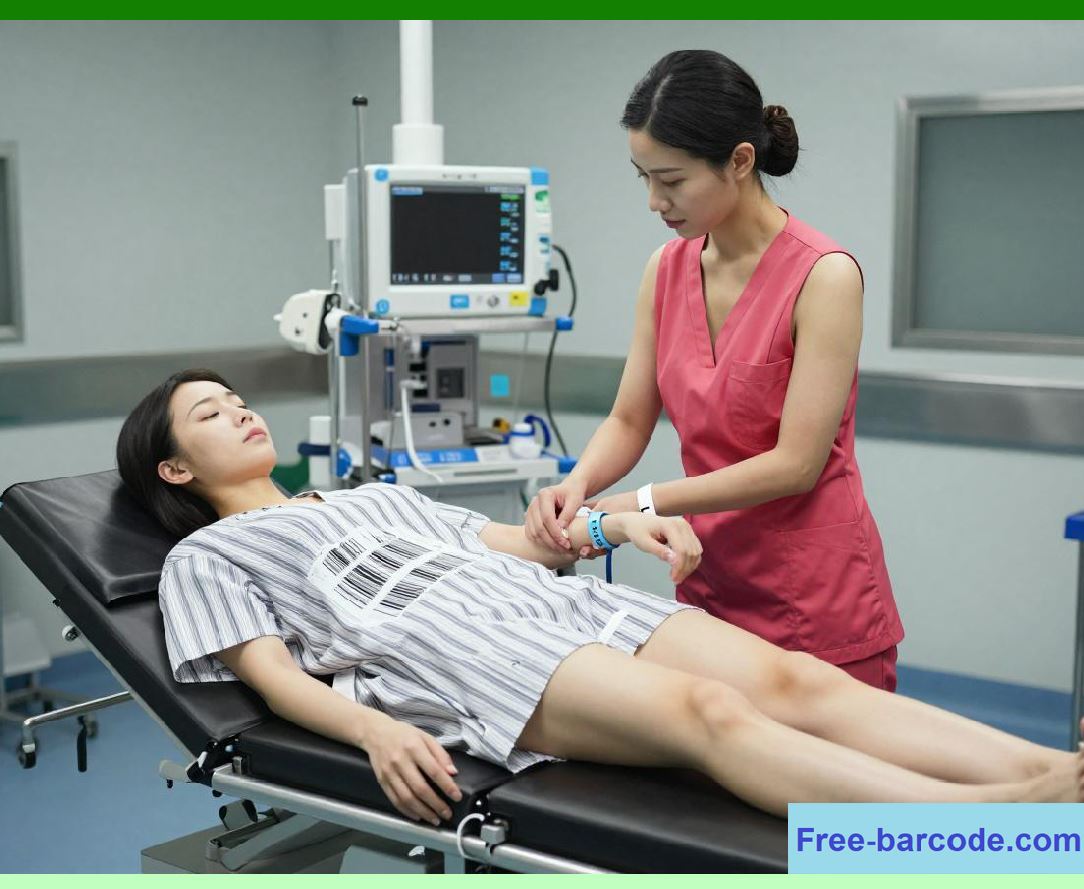
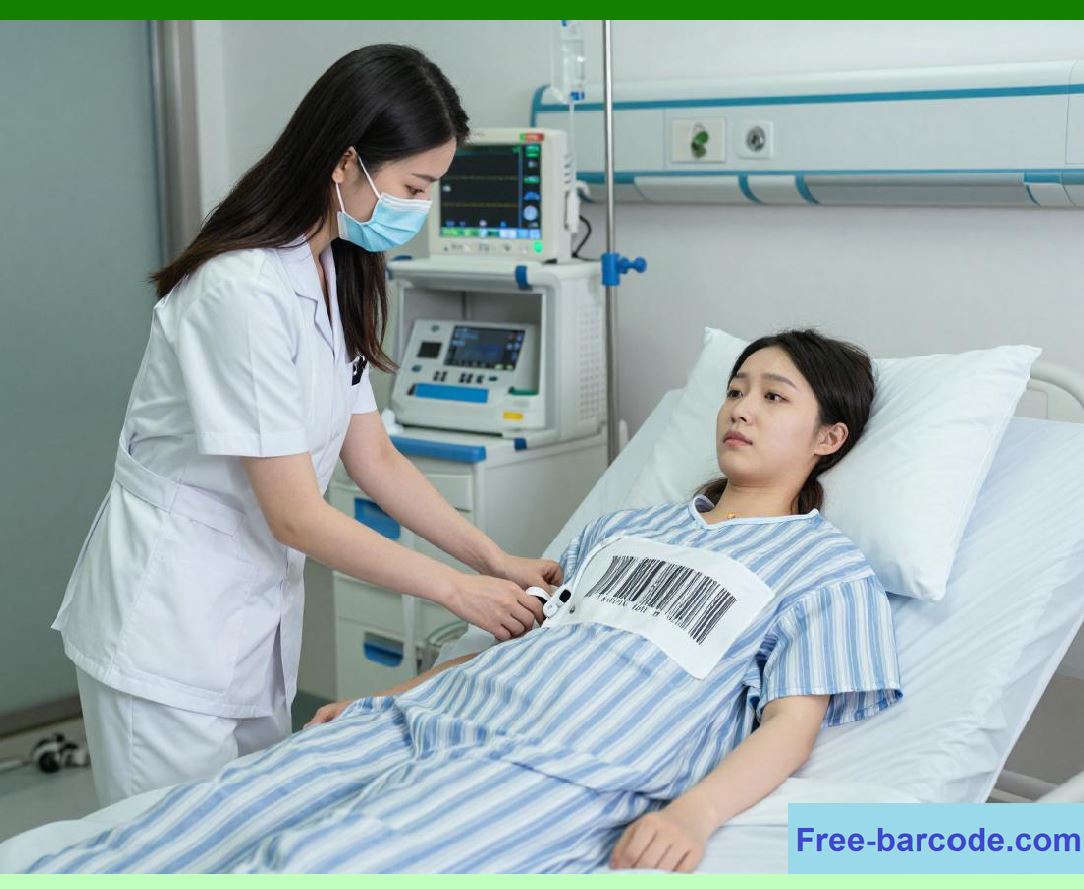
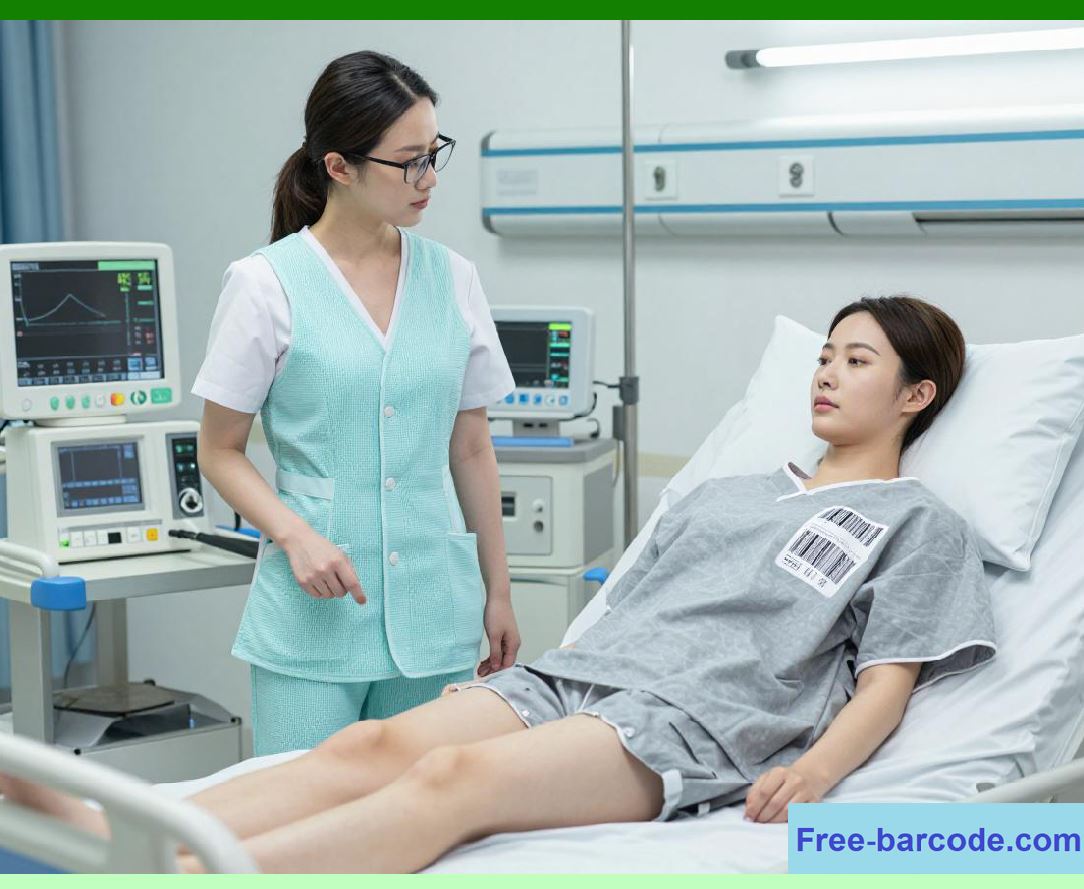
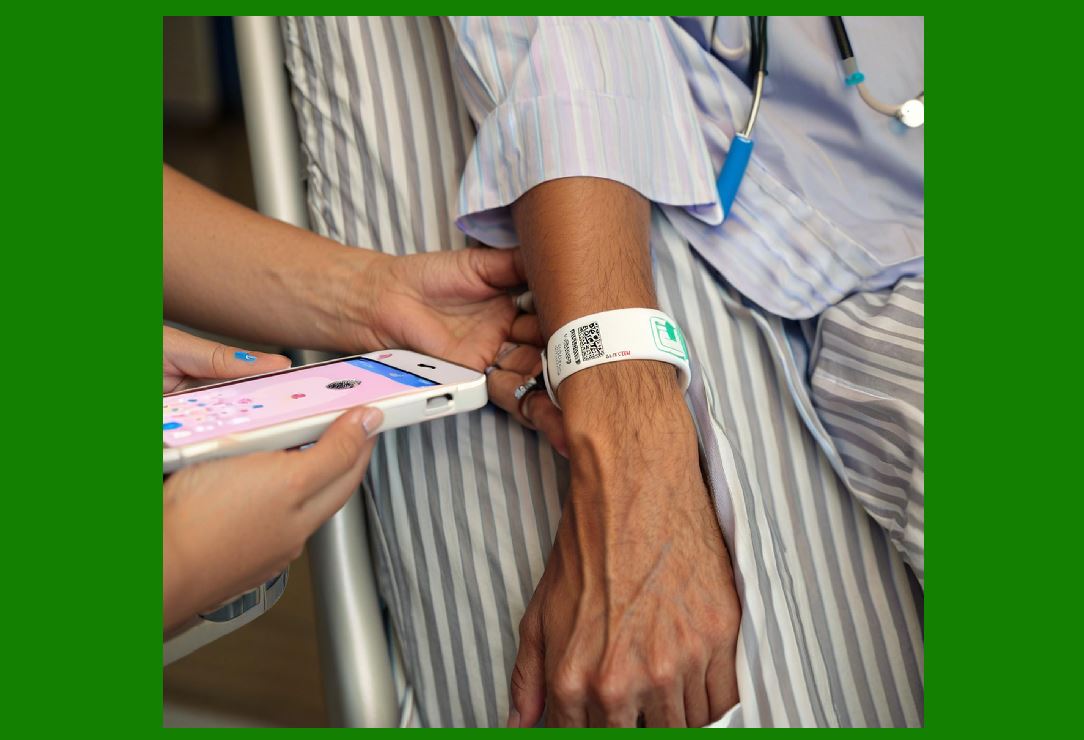
With a BCMA system, the process changes fundamentally. The patient wears a barcoded wristband at all times. Each medication dispensed from the pharmacy bears a barcode that encodes the drug's identity, dose, and administration instructions. When a nurse is ready to administer a medication, they use a handheld scanner or mobile workstation to perform two scans: first, the patient's wristband; second, the medication's barcode . |
The system then performs an automated verification. It checks that the scanned medication matches the patient's active medication orders in the electronic health record, that the dose is correct, that the administration time is appropriate, and that there are no allergies or contraindications. If everything matches, the system records the administration automatically and closes the loop. If there is a mismatch---the wrong drug, the wrong patient, the wrong time---the system issues an immediate warning, preventing the error before it reaches the patient . |
A Critical Implication: The Role of the Nurse |
One of the most significant---and initially controversial---implications of BCMA is that it changes the staffing requirements for medication administration. In traditional practice, two nurses were required to double-check medications before administration. This was a safety measure, but it was also a significant drain on nursing resources. |
With BCMA, the system provides the double-check. Research conducted at the University of Hong Kong-Shenzhen Hospital found that after implementing BCMA, a single nurse could safely administer medications by manually checking at the bedside and then scanning both barcodes. The second nurse was freed to perform other duties . |
This does not mean that BCMA replaces nursing judgment. The system cannot detect a medication that has been stored improperly or a patient who is having an adverse reaction. What it does is automate the verification tasks that are most prone to human error, allowing nurses to focus on the aspects of care that truly require their expertise. |
|
2.4 The Evidence: Does BCMA Actually Work |
The academic literature on BCMA is extensive and largely positive. Multiple studies have demonstrated significant reductions in medication administration errors following BCMA implementation. |
A study at the University of Hong Kong-Shenzhen Hospital examined the impact of BCMA on nursing time and error rates. The researchers measured the time required for oral medication administration across four pilot wards before and after BCMA implementation. The average nursing time dropped from 31.56 minutes to 18.74 minutes---a reduction of more than 40%. Statistical analysis confirmed that this difference was highly significant . |
Even more compelling were the error prevention data. During a half-month observation period covering 3,428 medication administrations, the BCMA system generated only 27 medication error alert logs. Each alert represented a potential error that was intercepted before reaching the patient. While the observation period was relatively short, the implication is clear: BCMA works . |
Nurse satisfaction with the system was also high. In the same study, 82.86% of nurses agreed or strongly agreed that the system helped improve checking accuracy and reduce medication administration errors to ensure patient safety. Nearly 60% found the system helpful for their work overall . |
A quality improvement project at a Midwest non-profit hospital in the United States provided additional evidence. The hospital identified BCMA compliance rates below the system goal of 97% on two medical-surgical units---91.5% and 94.6% in the fourth quarter of 2023. After implementing a series of interventions, including posting individual compliance rates on unit huddle boards and providing one-on-one coaching for staff falling below 98%, both units achieved sustained compliance above 98% by the end of 2024. One unit improved by 6.4 percentage points, the other by 3.4 percentage points . |
The researchers noted that the simple act of publicly posting compliance rates fostered friendly competition among staff. Nurses regularly checked the boards, monitoring progress and taking pride in meeting or exceeding goals. This behavioral insight---that transparency and recognition can drive performance---has important implications for BCMA implementation . |
|
2.5 The Chinese Experience: University of Hong Kong-Shenzhen Hospital |
China's healthcare system has been relatively slow to adopt BCMA technology. Research has indicated that personal digital assistants or handheld point-of-care devices have been adopted in only 27.19% of hospitals in China, due to difficulties with application, high implementation costs, and maintenance fees . |
However, there are notable exceptions, and the University of Hong Kong-Shenzhen Hospital (HKU-SZH) provides an instructive case study. The hospital, which opened in 2012, is a general teaching hospital affiliated with the University of Hong Kong and owned by the Shenzhen government. It has 2,000 beds and an outpatient capacity of 8,000 to 10,000 patients per day. From its beginning, the hospital invested in a comprehensive clinical information system including computerized physician order entry, electronic health records, and clinical decision support . |
In 2015, the hospital reported 105 medication errors out of 515 total incidents---20.39% of all reported incidents. This was the impetus for implementing a closed-loop medication administration system. The hospital developed a custom system using Microsoft Visual Studio, integrating barcoded patient wristbands, an automatic drug dispensing system in the pharmacy, and PDAs for nurses at the bedside . |
The results were striking. Beyond the reduction in nursing time and the high nurse satisfaction rates mentioned earlier, the system demonstrated its ability to intercept errors in real time. The 27 alert logs generated during the observation period represented potential errors that would have reached patients under the old system . |
The HKU-SZH experience offers several lessons for Chinese hospitals considering BCMA adoption. First, successful implementation requires a comprehensive approach---wristbands, pharmacy dispensing, and bedside scanning must all work together. Second, wireless infrastructure is essential; the hospital had invested in a wireless environment from its opening, which facilitated deployment. Third, workflow integration matters; the system was designed to fit nursing workflow rather than forcing nurses to adapt to the technology. |
However, the study also revealed significant challenges. The project faced delays due to an unsuccessful open tender process for PDAs, limiting the initial deployment to only four pilot wards over a half-month period. The researchers noted that longer-term evaluation is needed to fully assess the impact on patient safety . |

|
2.6 The U.S. Veterans Health Administration: Lessons from the ICU |
The U.S. Veterans Health Administration (VHA) has been a pioneer in BCMA. The system was first developed at the VA Medical Center in Topeka in 1995 and was introduced nationwide in 2000. Today, BCMA software is in use at VHA institutions across the United States . |
However, the VHA's experience also demonstrates that BCMA implementation is not always smooth. A case study from the Harry S. Truman Memorial Veterans Hospital in Columbia, Missouri, provides a sobering account of the challenges that can arise---and how they can be overcome. |
The hospital implemented BCMA in its acute care and long-term care areas beginning in February 2000. The intensive care unit (ICU), a 10-bed combined medical-surgical unit that cares for approximately 200 open-heart surgery patients annually, proved particularly problematic. The initial implementation failed for several reasons . |
First, the software had limited functionality for documenting intravenous fluid administration. In an ICU setting, where patients receive multiple IV medications and fluids, this was a critical gap. Second, the system struggled with urgent, one-time medications. As much as 30 minutes could elapse between a provider's order entry and the medication's appearance in the BCMA nursing interface---an unacceptable delay in an ICU setting. Nurses stopped using the system just eight months after implementation . |
The hospital conducted a root-cause analysis and submitted findings to the VHA. The software was significantly enhanced, and the system was reimplemented in the ICU in November 2002. But even then, staff confidence remained low. A system of dual documentation---paper records backing up the BCMA system---was maintained for 12 months. The ICU finally converted to an electronic medication administration environment in November 2003 . |
The lessons from this experience are invaluable. One key insight concerns 'work-arounds'---the techniques nurses develop when the system fails to work as intended. If a medication cannot be scanned because its barcode is not in the system or is damaged, a nurse might manually enter the medication's identification number, bypassing BCMA entirely. This places the patient at significant potential risk. The researchers emphasized that it is the pharmacist's responsibility to investigate scan failures and resolve them promptly . |
Another lesson concerns the importance of software functionality for urgent medications. Subsequent versions of the BCMA software included a 'Nursing Medication Order Button,' allowing nurses to immediately order, scan, and document medications in response to valid verbal or phone orders. Without this feature, the researchers concluded, the BCMA system would not have been acceptable for use in an acute care setting like the ICU . |
The VHA responded to these challenges by launching a nationwide BCMA Collaborative Breakthrough Series Project, sponsored by the National Aeronautics and Space Administration (NASA) Patient Safety Reporting System, the VA National Center for Patient Safety, and the National BCMA Joint Program Office. Using a series of Plan-Do-Study-Act cycles, teams across the country worked to improve BCMA implementation. The ICU case study, despite its rocky start, ultimately contributed to a more robust and reliable system nationwide . |

|
2.7 Expanding the Frontier: BCMA Beyond the Inpatient Unit |
While BCMA has become standard practice on inpatient hospital units, its adoption in other settings has lagged significantly. These 'frontier' settings include the operating room, the emergency department, ambulatory clinics, oncology infusion centers, and radiology suites. Each presents unique challenges. |
The Operating Room: The Final Frontier |
The operating room (OR) has been described as the 'final frontier' for BCMA adoption. While inpatient units follow relatively predictable medication administration patterns, the OR is characterized by extreme variability. Medications may be pre-pulled, doses adjusted on the fly, and documentation shared across anesthesia providers, surgeons, and nursing staff. 'Everything from medication sourcing to documentation is dynamic and team-based,' notes Dr. Samantha Squires, director of pharmacy operations at Aurora Medical Center Summit in Wisconsin . |
Despite these challenges, progress is being made. Dustin Carneal, a clinical pharmacist at Aurora BayCare Medical Center, helped pioneer one of the nation's earliest successful OR BCMA implementations at a Northeast Ohio hospital. The work received national recognition from the Institute for Safe Medication Practices and later helped shape Vizient's 2025 best practice recommendations . |
The key insight from this implementation was to focus on upstream changes rather than trying to retrofit inpatient workflows into the OR. Surgeons were transitioned from relying solely on preference cards to entering medication orders during preoperative visits, with orders activated upon patient arrival for surgery. This shift enabled pharmacist verification before medications were dispensed or prepared . |
The team also reengineered automated dispensing cabinet workflows. OR staff removed medications directly from cabinets, with scanning required before administration. Pharmacy worked closely with OR circulators and informatics teams to build master order sets and align cabinet profiles with perioperative workflows . |
Perhaps most importantly, the team used extensive simulation to test the technology under real-world conditions, including complex cases with rapid turnover and emergent scenarios. These exercises helped define when BCMA scanning should occur and where exceptions were necessary due to patient instability, sterile field constraints, or limited team size . |
The results were impressive. In the first month of adoption, 84.5% of medications were scanned prior to administration, and 87.6% of patient identifiers were successfully scanned. By June 2022, enterprise-wide medication scanning exceeded 93%, with patient identifier scanning above 94% . |
Ambulatory Clinics: The Vanderbilt Model |
Ambulatory clinics represent another frontier for BCMA. While inpatient BCMA is standard, the technology is considered 'innovative' in the ambulatory setting. Vanderbilt University Medical Center (VUMC) has been a leader in this space . |
More than 400,000 immunizations and nearly 2 million medications are administered annually at Vanderbilt Health's ambulatory clinics. Beginning in 2021, the medical center undertook a massive effort to implement BCMA across approximately 250 ambulatory clinic sites, including both adult and pediatric outpatient clinics . |
The complexity of this undertaking cannot be overstated. Each clinic required its own workflow analysis and equipment installation. Staff needed training. Metrics needed to be tracked. The Ambulatory Nursing Informatics team pioneered a novel support format combining on-site, at-the-elbow assistance with virtual Teams chat lines and video calls to ensure that even clinics distant from the main campus received excellent support . |
The results have been transformative. Many Vanderbilt Health Patient Care Centers are now achieving greater than 95% BCMA compliance. The system saves an average of 17 seconds per medication or immunization administration by automatically pulling medication information into Epic, the electronic health record. This represents a 31% reduction in steps associated with medication administration---substantial time savings for nurses and medical assistants . |
'Barcode scanning for medications is a national standard for inpatient care but is considered innovative in the ambulatory setting,' said Krystle Suszter, MSN, RN, the team leader. 'Implementation of BCMA in our outpatient clinics improves patient safety and identification, reduces medication errors and improves medication charge capture' . |
The success has drawn national attention. Members of the Vanderbilt team have presented their work at conferences including the American Nursing Informatics Association Conference, the Epic Expert Group Meetings Conference, and the American Academy of Ambulatory Care Nursing Conference. Other ambulatory practices around the country have been asking how they did it so they can follow suit . |
Oncology Infusion Centers: The Challenge of Compliance |
Oncology infusion centers present unique challenges for BCMA. Patients receive multiple medications during each visit---chemotherapy agents, premedications, hydration fluids, and supportive care medications. The environment is busy, and nurses are under significant pressure. |
A study conducted at the Seidman Cancer Center in Lakewood, Ohio, examined BCMA compliance across 10 multi-site hospital oncology infusion services. At the start of the one-year project, the average scan rate was only 78%. This was well below the target of greater than 95% . |
The interventions were relatively simple and low-cost. Nurse managers received educational classes, guidance documentation, and individual coaching. Access to unit-specific BCMA data was confirmed and reviewed. Tutorials and open forums were offered on-demand for two months. A job aid showing how to review the data was created and distributed . |
But the most revealing finding came from direct observation. At one site with very low compliance---only 52%---the team visited to understand what was happening. They discovered that staff believed only chemotherapy agents needed to be scanned. Premedications such as dexamethasone, hydration fluids, and other supportive care medications were being administered without scanning. The team had to reeducate staff that BCMA is important not only for medication safety but also for billing and tracking medication use . |
By December 2021, the average scan rate had increased to 96%. All 10 centers showed improvement, and nine achieved the goal of more than 95% . The project demonstrated that BCMA compliance can be improved with persistent education and support, even in challenging outpatient settings. |

|
2.8 Pediatric BCMA: Special Challenges, Creative Solutions |
Pediatric medication administration presents unique challenges that make BCMA implementation particularly difficult. Unlike adult patients, who typically receive standardized doses of tablets and capsules, pediatric medications are almost always weight-based and often require compounding in the pharmacy. A child's dose might be 1.2 mL of a liquid medication rather than a standard tablet. This makes it nearly impossible to have pre-printed barcodes for every possible dose . |
The Lehigh Valley Health Network (LVHN) in Pennsylvania, a not-for-profit community teaching hospital with nearly 1,000 beds, has developed innovative solutions to these challenges. LVHN began its BCMA journey in 2002, but the pediatric units did not go live until 2006---a deliberate delay to ensure the system was properly designed for this vulnerable population . |
LVHN's solution was to create a new labeling system for oral pediatric medications. The pharmacy information system was modified to create separate dictionaries for pediatric and neonatal oral medication orders. When a medication is ordered for a pediatric patient, the system prints a specialized label that includes both a barcode and an auto-calculated dose volume. The barcode contains the patient's account number and the order number for the medication, linking it to the electronic health record. The auto-calculated volume eliminates the need for human calculation---a significant source of error . |
To further enhance safety, LVHN uses color-coded labels: pink for pediatric doses. These labels are printed from a separate printer in a segregated area of the pharmacy where all pediatric medications are stored. By storing adult and pediatric concentrations separately and using distinct labeling, the risk of accidental interchange is decreased . |
Beyond medications, LVHN has applied barcode verification to other pediatric safety challenges. For breast milk administration, nursing mothers are given 10 barcoded labels to place on bottles of pumped milk. When the bottle is brought to the baby's bedside, the nurse scans the barcode on the bottle and the barcode on the baby's wristband. Because both mother's and baby's account numbers are linked in the computer system at birth, the scan ensures that the right baby receives the right milk . |
The results at LVHN have been impressive. The hospital's overall barcode usage is nearly 97%, with pediatrics at 94%, the neonatal intensive care unit at 95%, and the pediatric intensive care unit at 97% . |
The LVHN experience offers important lessons for any hospital implementing pediatric BCMA. First, a single approach does not work for all medications; different methods for bar coding medications will likely be needed. Second, physical segregation of pediatric medications in the pharmacy---separate storage areas, separate printers, distinct label colors---reduces the risk of errors. Third, barcode verification can extend beyond medications to any product that must be matched to a specific patient, including breast milk and blood products. |

|
2.9 The Problem of Work-Arounds and Alert Fatigue |
Despite the clear benefits of BCMA, the technology is only effective if it is used correctly. In practice, nurses sometimes develop 'work-arounds'---techniques to bypass the system when it is perceived as slowing them down or when technical issues arise. |
Common work-arounds include: manually entering medication identification numbers instead of scanning; scanning a patient's wristband and then administering multiple medications without scanning each one individually; or signing off medications as administered without scanning at all because the scanner is not working or the barcode is damaged . |
Each work-around defeats the purpose of BCMA. When a nurse manually enters a medication number, the system loses the ability to verify that the correct medication is being administered. When a nurse signs off multiple medications without scanning each one, there is no verification that the right dose of the right drug is being given. |
The VHA experience highlighted the importance of addressing work-arounds systematically. It is the pharmacist's responsibility to investigate scan failures and resolve them promptly. If a medication's barcode is not in the system or cannot be scanned, the problem must be fixed---not worked around . |
Another challenge is 'alert fatigue.' BCMA systems can generate multiple alerts---wrong patient, wrong drug, wrong time, dose too soon, medication expired, dose already charted. If the system produces too many alerts, especially false or low-value alerts, nurses may begin to ignore them or find ways to bypass the system . |
The solution is to design alerts carefully. At LVHN, the team recommends limiting alerts to those that are truly critical. Some alerts can be triggered upon order entry, notifying the prescriber of a potential conflict before the medication reaches the pharmacy. Others can be generated upon the barcode scan. In either case, the alerts should be obvious---producing a noise, pop-up boxes, and colorful warnings that encourage the user to stop, read, and reconsider . |

|
2.10 Sustaining Success: Monitoring and Continuous Improvement |
BCMA is not a 'set it and forget it' technology. Successful implementation requires continuous monitoring, education, and improvement. Without ongoing attention, compliance rates can drift downward, and work-arounds can become ingrained. |
At LVHN, the hospital uses an enterprise data repository system to generate a scorecard for each nursing unit. Data can be sorted by caregiver, drug, unit, and time of day. The scorecards allow management to view utilization in real time, on a daily basis, and report any issues that might interfere with utilization . |
The pharmacy management team also reviews BCMA data on a monthly basis, looking for medications with a zero percent scanning rate. In these cases, a medication may have arrived without a barcode, or the pre-printed barcode may not have been entered into the system. If a manufacturer changes a product's barcode or a new brand is purchased and not activated, the nurse will be unable to scan the product and find a match. Continuous monitoring of such situations has been key to LVHN's success . |
At the Midwest hospital that improved BCMA compliance through huddle board posting, the gains were sustained into 2025. Nurses regularly check the boards, monitoring progress and taking pride in meeting or exceeding compliance goals. The public recognition of staff achieving 100% compliance has fostered a culture where scanning is valued rather than resented . |
At Vanderbilt, analytics reports are generated for managers to track each clinic's success. For clinics needing additional support, Nursing Informatics provides in-depth troubleshooting to identify barriers to success. The team has presented their work at national conferences, and other ambulatory practices have been asking how they did it . |
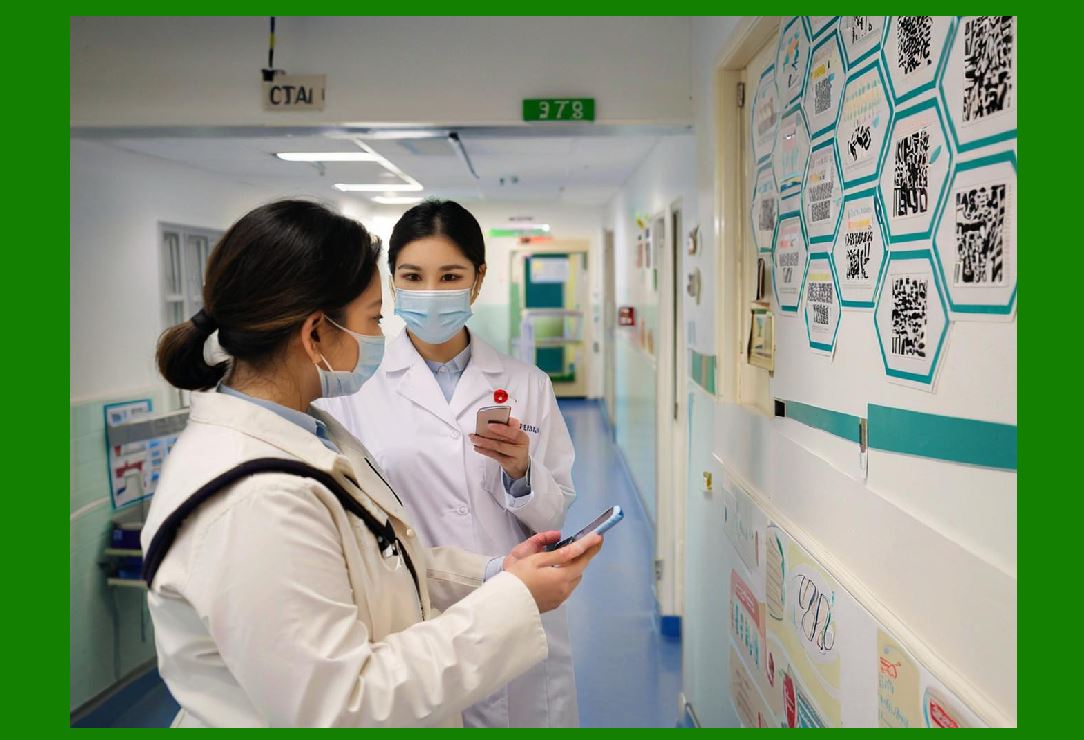
These examples illustrate a crucial point: BCMA is not just a technology. It is a practice that must be actively managed, measured, and improved over time. The technology provides the capability; organizational culture and continuous attention determine whether that capability is realized. |
|
2.11 The Future: Closing the Remaining Gaps |
Despite significant progress, gaps remain. The Institute for Safe Medication Practices (ISMP) has introduced a new best practice for 2022-2023 that recommends expanding BCMA use beyond inpatient spaces into areas with limited or short patient stays . |
As Kayla Cierniak, a medication safety officer at Seidman Cancer Center, notes, the remaining places where BCMA needs to expand are 'a little notoriously challenging and have resisted in the past.' These include radiology, emergency departments, operating rooms, post-anesthesia care units, and dialysis units . |
The tragic Vanderbilt error (referring to a 2017 incident where a patient died after receiving the wrong medication in a CT imaging suite) highlighted the consequences of not having BCMA available in limited-stay patient care areas. The nurse involved in that incident did not have BCMA technology available to verify the medication before administration . |
To address these gaps, Cierniak recommends starting with the 'low-hanging fruit'---the area in an organization where stakeholder buy-in is strongest. Use that success to build momentum. 'We hope that, as these areas continue to adopt BCMA and recognize the value of this technology in improving patient safety, that maybe they'll all just fall in line like a domino cascade. The reality is it's going to take much more time and effort on behalf of those who advocate for medication safety' . |
|
2.12 Detailed Summary |
This chapter has examined Barcode Medication Administration (BCMA) as the most critical application of barcode technology in healthcare. Drawing on case studies from both the United States and China, we have explored how this technology works, the evidence for its effectiveness, the challenges of implementation, and the frontier of future expansion. |
Key Findings |
1. The problem is substantial and persistent. Medication administration errors are a leading cause of preventable harm in healthcare. Studies have shown that 34% of medication errors occur during administration, and only 50% of these are caught before reaching the patient . The Institute of Medicine's landmark report estimated 44,000-98,000 preventable deaths annually from medical errors in U.S. hospitals . |
2. BCMA addresses the final step in the medication process. The technology creates a 'closed loop' that begins with prescribing and ends with administration. By scanning the patient's wristband and the medication barcode, the system verifies the 'Five Rights' in real time---right patient, right drug, right dose, right route, right time---and automatically documents the administration . |
3. The evidence for effectiveness is compelling. At the University of Hong Kong-Shenzhen Hospital, BCMA reduced nursing time for medication administration by more than 40% and generated only 27 error alerts across 3,428 administrations . At a Midwest U.S. hospital, targeted interventions improved BCMA compliance from 91.5% to 99.3% on one unit and from 94.6% to 98.9% on another . |
4. Implementation challenges are significant but surmountable. The U.S. Veterans Health Administration's ICU experience demonstrated the importance of software functionality for IV medications and urgent orders. Work-arounds---nurses bypassing the system when it fails---must be addressed systematically. Alert fatigue must be managed through careful alert design . |
5. Pediatric BCMA requires creative solutions. Because pediatric doses are weight-based and often compounded, standard pre-printed barcodes do not work. Lehigh Valley Health Network's solution---specialized labels with auto-calculated volumes, color-coding, and segregated pharmacy storage---has achieved high compliance rates across pediatric units . |
6. Expansion to new settings is the next frontier. BCMA is standard on inpatient units but lags in operating rooms, ambulatory clinics, oncology infusion centers, and emergency departments. Successful implementations at Vanderbilt (ambulatory), Aurora (operating room), and Seidman Cancer Center (oncology infusion) demonstrate that expansion is possible with the right approach . |
7. Sustained success requires continuous monitoring. Organizations that have achieved high BCMA compliance use ongoing measurement, transparent reporting, and continuous education to maintain performance. Scorecards, huddle boards, and monthly pharmacy reviews are essential tools . |
|
Implications for Practice |
For healthcare administrators and clinicians implementing or improving BCMA, several principles emerge: |
Start with workflow, not technology. The most successful implementations treat BCMA as a workflow redesign supported by technology, not as a technology imposed on existing workflows. Involve frontline nurses in system design and testing. |
Address the 'work-around' problem systematically. When nurses bypass BCMA, it is usually because the system is failing them---a damaged barcode, a medication not in the system, a scanner that does not work. Investigate and fix these problems rather than blaming the user. |
Monitor compliance continuously and transparently. Scorecards, huddle boards, and regular reporting create accountability and foster a culture where scanning is valued. Public recognition of high performers can drive improvement. |
Extend BCMA beyond inpatient units gradually. Start with the setting where buy-in is strongest, use that success to build momentum, and adapt workflows to the unique characteristics of each setting rather than trying to retrofit inpatient workflows. |
Implications for Policy |
For policymakers and regulators, the evidence supports continued efforts to mandate and incentivize BCMA adoption. The FDA's 2004 barcode rule, requiring barcodes on medication labels, was a foundational step. ISMP's best practice recommendations provide guidance for expansion to new settings. |
However, policy must also address the barriers to adoption. The upfront costs of BCMA---hardware, software, training---can be substantial, particularly for smaller hospitals and ambulatory clinics. Reimbursement models that reward quality and safety, rather than volume, can help justify these investments. |
The Core Insight |
The story of Barcode Medication Administration is ultimately a story about human fallibility and technological response. Nurses are highly skilled professionals who make life-saving decisions every day. But they are also human, and humans make mistakes when performing repetitive, high-volume tasks under time pressure. BCMA does not replace nursing judgment---it supports it by automating the tasks most prone to error: reading, remembering, and comparing. |
As June Robitaille recognized when she watched a rental car agent scan a barcode, the technology that verifies that a car is in the right place at the right time can also verify that a patient is receiving the right medication at the right time. The application is different, but the underlying principle is the same: certainty through verification. |
In the high-stakes environment of medication administration, certainty is not a luxury. It is a necessity. BCMA provides it. |
 cs@easiersoft.com