1. Introduction to Barcode and RFID Technology in School Management |
1.1 Overview of Barcode and RFID Technologies |
Barcode technology involves the use of optical patterns to represent data. It typically includes linear barcodes like UPC, EAN, and QR codes or two-dimensional codes such as DataMatrix and PDF417. |
RFID (Radio Frequency Identification) utilizes radio waves to automatically identify and track tags attached to objects. It consists of passive, active, and semi-passive tags. |
1.2 The Role of Barcode and RFID in School Systems |
Barcodes and RFID are used to streamline administrative processes, enhance resource management, improve student security, and reduce manual errors. They allow schools to track, manage, and optimize everything from attendance to inventory, enhancing overall operational efficiency. |
|
2. RFID and Barcode in Student Tracking and Attendance |
2.1 RFID Tags for Student Identification |
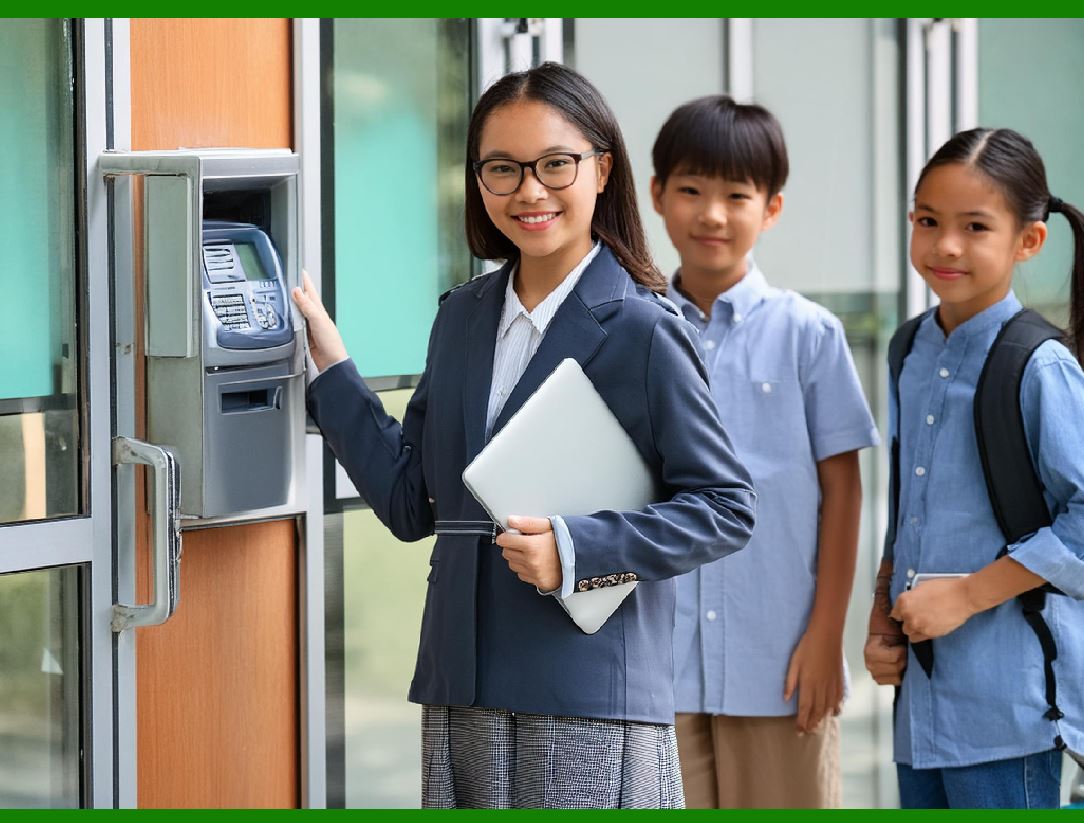
Schools can assign RFID tags to students, which are embedded in ID cards, wristbands, or uniforms. These tags automatically register when a student enters or leaves the school premises, simplifying attendance tracking and enhancing safety protocols. |
2.2 Barcode-Based Attendance Systems |
Barcodes on student ID cards can be scanned at entry and exit points or during class to record attendance. The system logs student presence automatically, reducing the chances of human error. |
2.3 Benefits |
Time Efficiency: Students’ movements and attendance are automatically logged without manual input. |
Enhanced Accuracy: Eliminates errors from manual attendance taking. |
Real-Time Monitoring: Real-time updates on student attendance can be accessed by teachers and administrators, reducing absenteeism and improving reporting accuracy. |
Security: Unauthorized access to school premises can be immediately flagged. |

|
3. Asset Management with Barcode and RFID Technology |
3.1 Inventory Control for School Resources |
Schools have numerous resources to manage—books, computers, lab equipment, sports gear, and more. Using barcode and RFID tags, assets can be tracked throughout their lifecycle. Barcode scanners or RFID readers are used to monitor the condition, usage, and location of these assets. |
3.2 RFID in Library Management |
Automated Check-In/Check-Out: RFID tags can be placed on books, enabling faster and more efficient checkout processes. Students and staff can walk through the library without needing to manually scan each item. |
Inventory and Restocking: RFID enables automatic inventory updates, making it easier for school librarians to manage collections and track missing or misplaced books. |
3.3 Benefits |
Reduction in Losses: Assets are easier to locate and monitor, minimizing loss, theft, or misplacement of equipment. |
Reduced Manual Labor: Automatic tracking and auditing systems eliminate the need for manual inventory checks. |
Improved Resource Allocation: Efficient use of resources allows administrators to optimize budgets and reduce waste. |
Faster Book Checkout: RFID enhances user experience in libraries, improving both check-in and check-out speeds. |

|
4. RFID and Barcode for Exam and Assignment Management |
4.1 Tracking Exam Papers and Assignments |
Barcodes and RFID can be used to track student exam papers, assignments, and other educational materials. Each document is tagged and associated with a student’s ID for traceability. |
4.2 Barcode for Secure Document Handling |
When managing exams or critical school documents, barcodes are scanned at each step (submission, grading, or archiving). This prevents mix-ups and ensures that papers are not lost. |
4.3 Benefits |
Error Reduction: Minimized chances of losing or mixing up student materials. |
Secure Exam Management: Increased security during exam storage, with clear audit trails of all document movements. |
Efficient Handling: Streamlined processes for submitting and grading assignments, making it easier for staff and students. |

|
5. Improved Student Health and Medication Tracking Using RFID |
5.1 Health Monitoring with RFID |
RFID can be used to track students’ health information, including vaccination records, allergies, and medical conditions. RFID tags on students’ health records or wristbands ensure quick access to emergency information if needed. |
5.2 Medication Tracking |
Schools that manage students with chronic conditions can use RFID to track medication distribution, ensuring that students receive the correct medication at the right times. |
5.3 Benefits |
Instant Access to Health Information: Nurses and school staff can quickly access vital health data during emergencies. |
Better Medication Management: RFID ensures that students receive the correct medication, reducing human error. |
Compliance with Regulations: RFID tracking can help ensure schools are following legal and regulatory requirements for student health. |

|
6. Enhancing Security with RFID and Barcode Systems |
6.1 Access Control with RFID |
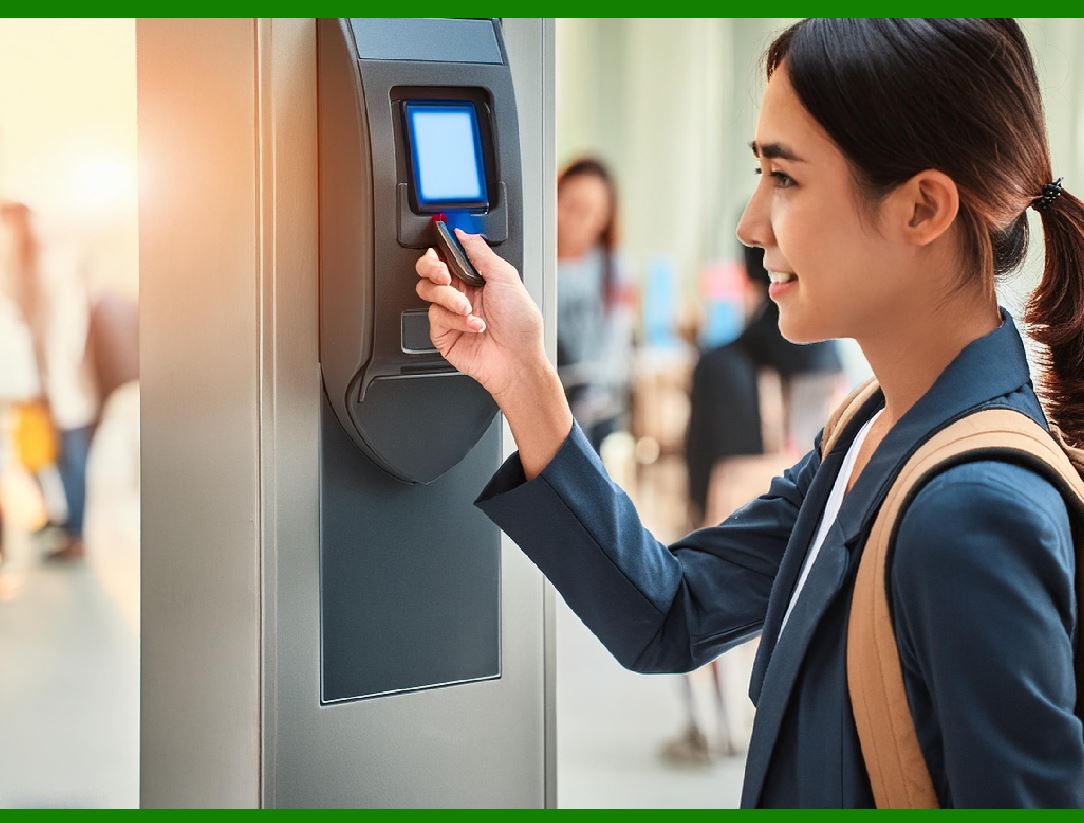
RFID tags are widely used in access control systems to allow or restrict access to school buildings, classrooms, laboratories, and other restricted areas. Only authorized individuals, such as staff or students, with valid RFID tags can enter certain areas. |
6.2 Surveillance and Monitoring |
RFID can be integrated with CCTV systems to monitor the movement of students, staff, and visitors throughout the school grounds. The system can flag suspicious behavior or unauthorized access instantly. |
6.3 Benefits |
Enhanced Security: Restricted access points ensure that only authorized individuals can enter sensitive areas. |
Tracking Movement: RFID allows schools to track and monitor the movement of individuals in real time. |
Emergency Response: During emergencies, RFID systems can help authorities quickly assess who is on school grounds and ensure no one is left behind. |

|
7. RFID and Barcode Integration with School Bus Management |
7.1 Tracking Students on School Buses |
RFID tags on student ID cards or uniforms allow the school to track when and where students board and alight from school buses. This enhances student safety during transportation. |
7.2 Automated Bus Check-In and Check-Out |
RFID scanners at bus stops or onboard can automatically log student arrivals and departures, making the bus ride more secure and predictable. |
7.3 Benefits |
Improved Safety: Real-time tracking of students as they board or exit buses. |
Reduced Delays: Automating the check-in and check-out process reduces human error and delays. |
Better Communication: Parents can be informed immediately when their child boards or leaves the bus. |

|
8. Tracking School Staff with Barcode and RFID |
8.1 Employee Identification and Access Control |
RFID badges or barcode ID cards are used to track school staff attendance, access to specific areas, and interactions with other staff or students. |
8.2 Timekeeping and Payroll Management |
Schools can automate timekeeping for teachers and other staff members by scanning RFID cards or barcode badges when they arrive or leave work. This system ensures accurate payroll processing. |
8.3 Benefits |
Accurate Time Tracking: Elimination of manual timekeeping errors, reducing payroll discrepancies. |
Secure Staff Access: Staff can access restricted areas easily while unauthorized access is prevented. |
Improved Administrative Efficiency: Automating staff attendance and access management frees up time for more productive tasks. |

|
9. Cost Savings and Efficiency Gains |
9.1 Reduction in Manual Work and Operational Costs |
By automating key functions like inventory management, student tracking, and staff timekeeping, schools can reduce the administrative workload and related costs. |
9.2 Efficient Use of Resources |
Schools can make better use of their resources (books, computers, etc.), minimizing waste and ensuring that equipment is used appropriately and replaced when needed. |
9.3 Benefits |
Long-Term Savings: Initial investments in RFID and barcode systems lead to significant cost savings through improved efficiency and reduced losses. |
Reduced Waste: Resource usage is monitored, and misallocation or wastage is minimized. |
Operational Efficiency: Streamlined workflows improve overall school operations, allowing staff to focus on teaching and student care. |

|
10. Challenges and Considerations |
10.1 Implementation Costs |
Initial setup costs, including tags, readers, and infrastructure, can be high. However, this is offset by long-term benefits like reduced administrative workload and minimized losses. |
10.2 Privacy and Security Concerns |
Schools must ensure that RFID data is protected to avoid misuse or unauthorized access. Proper encryption and secure storage of student data are necessary to mitigate privacy risks. |
10.3 Technical Issues |
The technology may encounter technical challenges like interference with RFID signals or barcode scanners. Maintenance of systems and equipment is crucial for reliable operation. |
10.4 Benefits |
Scalable Solutions: As school needs grow, barcode and RFID systems can be expanded or modified to meet new requirements. |
Ongoing Support and Maintenance: While implementation may require an upfront investment, systems are designed for longevity with ongoing support available from vendors. |
This structure outlines the key applications and benefits of barcode and RFID technology in school management. |

|
Let's explore RFID and Barcode in Student Tracking and Attendance in much greater detail: |
2. RFID and Barcode in Student Tracking and Attendance |
2.1 RFID Tags for Student Identification |
2.1.1 How RFID Tags Work in Student Identification |
RFID tags use electromagnetic fields to identify and track objects, and in the case of student tracking, these tags can be embedded in student ID cards, wristbands, or uniforms. Each tag contains a unique identifier, which can be read by RFID readers located at strategic points around the school, such as entry gates, classrooms, or even school buses. |
Passive RFID Tags: These are the most commonly used in schools. Passive tags don’t have their own power source. They rely on the energy transmitted by the RFID reader to power the tag and transmit the data back to the reader. |
Active RFID Tags: These tags have their own battery and transmit data to RFID readers without needing to be activated by the reader. Active tags are typically used for more complex applications, such as tracking school buses in real-time. |
Semi-Passive RFID Tags: These tags have a battery to power the internal circuit, but they still require an external RFID reader to transmit the information. Semi-passive tags are often used for applications where longer-range scanning is required. |
2.1.2 Integration with School Infrastructure |
RFID systems integrate seamlessly into a school’s infrastructure. Readers are installed at school entrances, classrooms, hallways, and even school buses. When a student approaches a reader with their RFID tag, the reader captures the unique identifier and sends the information to a central database where the student’s presence is logged in real time. This allows school administrators, teachers, and parents to monitor student attendance throughout the day. |
2.1.3 Types of RFID Implementations in Schools |
Student ID Cards: One of the most common applications of RFID in student identification is through student ID cards. These cards are embedded with RFID tags that contain a unique student identifier. The cards can be used for entry into the school building or as part of the attendance-tracking system. |
Wearables (Wristbands or Badges): For younger students or those who may forget or lose their ID cards, schools may opt to issue RFID-enabled wristbands or badges. These wearables can be more easily tracked and less prone to loss. |
Uniform-Embedded RFID: Some schools are embedding RFID tags directly into student uniforms. This eliminates the possibility of students forgetting or losing their cards or wearables. These embedded tags are typically used in private schools with more uniform dress codes. |
2.1.4 Benefits of RFID for Student Tracking |
Automatic Attendance Logging: As students enter and exit classrooms, school gates, or other locations, the RFID system automatically logs their attendance. This eliminates the need for manual roll-calls and ensures real-time accuracy. |
Enhanced Security: RFID systems improve student safety by tracking their movements within the school. If a student enters or leaves the school at an unauthorized time, the system can immediately send an alert to administrators, enhancing security protocols. |
Reducing Administrative Burden: RFID attendance systems significantly reduce the workload of teachers and administrative staff. Teachers no longer need to spend time calling out names or tracking absenteeism manually. |

|
2.2 Barcode-Based Attendance Systems |
2.2.1 How Barcode Attendance Systems Work |
Barcode-based attendance systems rely on student identification cards that display a barcode, typically in the form of a linear 1D barcode (such as Code 128 or UPC), or a 2D matrix barcode (such as QR Code or DataMatrix). |
Student ID Cards with Barcodes: Each student receives an ID card with a printed barcode. The barcode contains a unique identifier associated with the student in the school’s database. The student scans their card at designated attendance stations as they enter classrooms or school premises. |
Barcode Scanners: Teachers or automated systems are equipped with barcode scanners (either handheld or fixed scanners) to read the barcode on each student’s ID card. When a student presents their ID card to the scanner, the system logs their attendance in real time. |
2.2.2 Implementation Process |
The barcode system works similarly to the RFID system but is based on optical scanning. Each student’s barcode is scanned by a reader connected to a central database. The data from the scanned barcode is transmitted and matched with the student’s record in the database, indicating their presence. |
Entry and Exit Scanning: Barcodes can be scanned at entry points such as gates, hallways, or classrooms, allowing for flexible attendance tracking. When students enter or exit the school, the barcode system logs the time and date automatically. |
Integration with Student Information Systems (SIS): Barcode systems are often integrated with a school’s Student Information System (SIS), enabling real-time updates to student attendance records. |
2.2.3 Benefits of Barcode-Based Attendance Systems |
Low Cost: Barcode-based systems tend to be more affordable than RFID-based systems, as barcode labels are inexpensive to produce, and scanners are relatively low-cost. |
Simple and Quick: Scanning barcodes is a quick process, and the technology is relatively simple to implement. This makes it easy for schools to adopt without a significant investment in infrastructure. |
Customization: Barcodes can be easily customized to include additional data, such as the student’s name, grade, and photo, for added verification and flexibility. |
Data Tracking: Barcode systems enable schools to track attendance in real time, giving immediate insight into attendance patterns. This is particularly useful for identifying absenteeism or monitoring tardiness. |
Low Maintenance: Barcode scanners are generally durable and require minimal maintenance. The process of scanning barcodes is less prone to wear and tear compared to RFID readers. |

|
2.3 Comparing RFID and Barcode Attendance Systems |
2.3.1 RFID vs. Barcode: Speed and Accuracy |
RFID: Offers faster, more efficient tracking, especially in high-volume environments, as students do not need to physically present their ID card to a reader. The RFID system works without line-of-sight, allowing for more discreet and rapid logging of student attendance. |
Barcode: Requires students to scan their cards at close range and usually requires line-of-sight to be effective. This can create bottlenecks in busy environments, particularly during entry or exit at peak times. |
2.3.2 Cost Considerations |
RFID: RFID systems can be more expensive initially due to the cost of tags and readers, but they can offer long-term savings due to their higher efficiency, accuracy, and reduced manual intervention. |
Barcode: Barcodes are cheaper to implement and maintain, but the systems may require more manual involvement, particularly when scanning large groups of students, leading to longer wait times and potential delays. |
2.3.3 Security Features |
RFID: RFID tags are more secure because they do not require line-of-sight, which means they are harder to counterfeit or forge. Additionally, RFID systems can encrypt data to protect student privacy. |
Barcode: Barcodes are easier to duplicate or forge, and they are susceptible to wear and tear over time. If a student loses or damages their ID card, it may need to be replaced. |
2.3.4 Scalability and Flexibility |
RFID: RFID systems are highly scalable and flexible, especially in large schools or campuses with multiple buildings, gates, or departments. RFID tags do not need to be physically presented to readers, allowing for seamless tracking across multiple points. |
Barcode: Barcode systems are effective in smaller schools or single buildings where fewer entry/exit points are involved. They may become cumbersome in larger institutions with many points of entry. |

|
2.4 Benefits of RFID and Barcode in Attendance |
2.4.1 Time Efficiency |
Both RFID and barcode systems save significant amounts of time in the attendance-taking process. Traditional manual roll-calling is not only time-consuming but also prone to human error. With RFID or barcode systems, the process is automated, and attendance is recorded almost instantaneously, allowing more time for educational activities. |
2.4.2 Accuracy of Data |
Both technologies ensure more accurate attendance tracking than manual methods. Errors caused by missed students, incorrect recordings, or misplacement of attendance sheets are virtually eliminated. This accuracy is critical in maintaining an up-to-date record of each student’s presence or absence. |
2.4.3 Real-Time Data Access |
Attendance data is available in real-time for teachers and administrators, providing immediate insights into student attendance. This allows for quicker intervention in cases of absenteeism or late arrivals, and it ensures compliance with legal and school policies regarding attendance. |
2.4.4 Security and Safety |
RFID systems, in particular, offer enhanced security features, as they can help track students’ movements within the school grounds. This improves the overall safety of the school environment, as unauthorized access or students leaving the campus without permission can be detected instantly. |
2.4.5 Improved Parent Communication |
Automated attendance systems, especially those integrated with parent communication tools, can immediately notify parents when their child is absent or late. This helps improve parent-school communication and ensures that parents are always informed about their child’s attendance. |
This deeper dive into RFID and Barcode in Student Tracking and Attendance provides a comprehensive understanding of how these technologies are implemented in schools, along with their respective benefits and challenges. |
Let’s dive deeper into Asset Management with Barcode and RFID Technology in schools. This section is crucial for understanding how these technologies are applied to manage various school assets effectively, from educational resources to technological equipment. |
|
3. Asset Management with Barcode and RFID Technology |
3.1 Inventory Control for School Resources |
3.1.1 Types of School Assets Managed by Barcode and RFID |
In a school setting, assets range from textbooks, computers, and lab equipment to sports gear, furniture, and even musical instruments. Efficient asset management is crucial for both operational efficiency and educational effectiveness. Barcode and RFID technologies enable the tracking and management of all these items. |
Textbooks and Library Books: Schools can use RFID or barcode labels on books to easily check them in and out, track inventory, and reduce losses. Textbooks, especially in schools with large volumes, can be tracked individually to ensure they are not misplaced or stolen. |
IT Equipment: Schools frequently invest in computers, tablets, and other technological devices for classroom use. Barcode or RFID tags can be applied to these devices for easy tracking, maintenance, and recovery in case of theft or misplacement. |
Lab Equipment: Items like microscopes, lab kits, and scientific calculators are often shared between multiple classrooms or labs. RFID tags help track these tools and ensure they are returned after use, which is crucial for minimizing losses. |
Sports Equipment: RFID and barcodes can be attached to sports gear like balls, bats, and uniforms, making it easy to track their usage, condition, and inventory. |
Furniture and Other Resources: Furniture in classrooms, libraries, and labs can also be tagged with RFID or barcodes to monitor their location and usage. This is particularly important for expensive or specialized furniture like interactive whiteboards, projectors, and ergonomic seating. |
3.1.2 Tracking Assets Through Their Lifecycle |
With barcode and RFID technologies, schools can track the entire lifecycle of an asset—from purchase to disposal. This process involves: |
Procurement: When an asset is purchased, it is tagged with a barcode or RFID tag, and details such as the purchase date, cost, and supplier information are stored in the asset management database. |
Deployment: Once deployed to a classroom, library, or lab, the asset's location is recorded, along with which staff or students are using it. This data can be accessed remotely by administrators. |
Maintenance: Regular maintenance schedules for assets like computers or lab equipment can be tracked and logged using barcode or RFID systems. This ensures that each item is maintained appropriately to extend its lifecycle. |
Disposal: When an asset is decommissioned or no longer needed, it can be flagged in the system, and its disposal details are recorded. For IT equipment, data sanitization procedures can be tracked to ensure security. |
3.1.3 Benefits of Barcode and RFID in Asset Management |
Real-Time Visibility: RFID and barcode systems offer real-time visibility into the location and status of assets. This is particularly useful when assets are loaned out or shared between multiple users. |
Reduced Loss and Theft: With real-time tracking, schools can easily spot misplaced or stolen items. RFID, in particular, allows for quick and automated detection of missing assets without manual searches. |
Improved Accuracy: Manual inventory checks are prone to human error. Barcode and RFID technologies automate this process, ensuring more accurate records of asset counts, locations, and condition. |
Cost Savings: By reducing the chances of asset loss or theft, schools can save money that would otherwise be spent on replacing items. Additionally, automated asset tracking frees up staff time, allowing them to focus on more important tasks. |
Audit and Compliance: Schools often need to comply with specific regulations regarding asset management, especially for IT and lab equipment. Barcode and RFID systems create a digital audit trail, helping schools remain compliant and avoid penalties. |

|
3.2 RFID in Library Management |
3.2.1 Automated Check-In and Check-Out Systems |
RFID technology is particularly beneficial in school libraries. Traditionally, library staff had to manually scan barcodes or register books during check-in and check-out. RFID automates this process, significantly reducing the time and effort required for transactions. |
RFID Tags on Books: Each book in the library is tagged with an RFID chip. The RFID reader at the checkout counter can scan multiple books at once, without requiring line-of-sight, unlike barcode scanners. |
Self-Checkout Stations: Schools can implement self-checkout stations where students and staff can quickly check out books using their RFID-enabled ID cards. This improves efficiency and provides students with more autonomy in managing their library loans. |
Book Return System: Similar to checkout, RFID can automate the book return process. Books are returned, scanned, and sorted automatically, reducing the workload of library staff and ensuring quick processing. |
3.2.2 Inventory and Restocking |
Automated Inventory Management: RFID-based systems allow for quicker inventory checks. Instead of manually counting each item on the shelf, RFID readers can scan the entire shelf in seconds, providing up-to-date data on which books are available, which are checked out, and which may be misplaced. |
Restocking Alerts: If certain books or resources are low in stock, the RFID system can send an automatic notification to library staff, prompting them to reorder or restock items that are in high demand. |
3.2.3 Benefits of RFID in Library Management |
Efficiency: The time saved during check-in/check-out and inventory management can be redirected toward other important tasks, such as assisting students or organizing educational programs. |
Reduction in Errors: With RFID systems, human error in scanning or logging books is virtually eliminated, ensuring more accurate tracking and inventory data. |
Enhanced Student Experience: RFID systems provide a faster and more convenient experience for students, making it easier for them to borrow and return books. |
Security: RFID technology can be used to prevent theft in libraries. If an RFID tag is not properly deactivated during checkout, an alarm will sound when a student attempts to leave the library, alerting staff to potential theft. |

|
3.3 RFID and Barcode for Equipment Maintenance and Tracking |
3.3.1 Scheduled Maintenance and Usage Logs |
For school equipment such as computers, projectors, or laboratory devices, it’s essential to schedule regular maintenance. Barcode and RFID systems can be used to log when an item was last maintained and when the next maintenance is due. |
Maintenance Logs: Every time an item undergoes maintenance, the barcode or RFID tag can be scanned to update the system, including the maintenance details, such as what was repaired or replaced. |
Preventive Maintenance: Schools can schedule regular checks based on time intervals or usage. RFID or barcode systems can help track the usage of high-value equipment, ensuring that maintenance happens proactively, reducing downtime and repair costs. |
3.3.2 Tracking Equipment Usage |
In schools where equipment is shared between classrooms or departments (e.g., computers in a computer lab), RFID or barcode systems track who used the equipment and when. |
Booking Systems: Students or teachers can book the equipment in advance, and the system tracks the usage to ensure the equipment is available when needed. |
Condition Monitoring: Schools can track the condition of frequently used equipment. If a device is used often, the system may trigger a reminder for maintenance or replacement. |
3.3.3 Benefits of RFID and Barcode in Equipment Management |
Longer Equipment Lifespan: Regular maintenance and efficient tracking can extend the life of expensive equipment, ensuring that devices are serviced before they break down completely. |
Enhanced Productivity: With a well-maintained and readily available inventory of equipment, teachers and students can maximize their productivity and minimize interruptions caused by malfunctioning devices. |
Asset Recovery: In the event that equipment goes missing or is misplaced, RFID tags make it much easier to locate the item. Even if the equipment is moved to a different location or room, it can be tracked automatically. |

|
3.4 Benefits of Asset Management with Barcode and RFID Technology |
3.4.1 Improved Efficiency |
The most immediate benefit of barcode and RFID systems is the increase in operational efficiency. Tasks that used to take hours—such as conducting inventory, checking assets in and out, and maintaining equipment—are now automated, allowing staff to focus on more important tasks like student interaction, teaching, and curriculum development. |
3.4.2 Cost Reduction |
With efficient tracking, schools can significantly reduce costs associated with lost or stolen assets. By having a real-time overview of all equipment, libraries, and resources, schools can optimize resource allocation, avoid over-purchasing, and prolong the lifespan of assets through proper maintenance. |
3.4.3 Security and Accountability |
Both RFID and barcode technologies help ensure that assets are not stolen or misplaced. For high-value items, this offers an added layer of security and accountability. In case an asset is lost, the system can flag it for investigation, and its last known location or user can be quickly identified. |
3.4.4 Data Analytics for Future Planning |
Both RFID and barcode systems collect vast amounts of data on asset usage, maintenance, and inventory levels. This data can be used for forecasting future needs, planning budgets, and making more informed purchasing decisions. It also helps administrators understand how frequently resources are used, which can guide improvements in school operations and facility management. |
This deeper dive into Asset Management with Barcode and RFID Technology in schools highlights the significant advantages these systems offer in managing and tracking resources efficiently. From books and lab equipment to furniture and IT assets, barcode and RFID technologies play an essential role in maintaining order and maximizing resource utilization. |
Let’s explore RFID and Barcode for Exam and Assignment Management in even greater detail. This section is key for schools to ensure that exam papers, assignments, and other critical student documents are managed securely and efficiently. By integrating RFID and barcode technologies, schools can streamline processes, reduce human error, and enhance security. |

|
4. RFID and Barcode for Exam and Assignment Management |
4.1 Tracking Exam Papers and Assignments |
4.1.1 How Barcode and RFID Technologies are Used for Exam Paper Tracking |
In a school or university setting, exams and assignments are critical documents that need careful handling. Barcode and RFID technologies can play a significant role in tracking and managing these items at every stage—from creation to grading, to storage. |
Barcodes for Exam Papers: Each exam paper, assignment, or project submission can be tagged with a barcode containing a unique identifier associated with the student, course, or class. The barcode can be printed directly onto the paper or placed on a separate sticker that’s adhered to the document. This makes it easy to quickly scan and log exam papers as they are submitted, graded, and stored. |
RFID for Exam Papers: RFID tags can be embedded in exam papers or assignments, though this is more commonly used for high-security exams or valuable projects. RFID provides an advantage over barcodes in that it doesn’t require line-of-sight to scan the item. This makes it faster and more efficient, particularly when handling large volumes of exam papers. |
4.1.2 Document Tracking Throughout the Examination Process |
The process of tracking exams and assignments can be broken down into several key stages: |
Pre-Examination: |
Before the exam begins, all exam papers and assignments can be tagged with either barcode or RFID tags to ensure that they can be uniquely identified and securely stored until they are ready for distribution. |
Barcode Application: The student’s name, student ID, exam subject, and exam date can be printed as part of the barcode to help staff manage and identify papers quickly. |
During the Examination: |
Once the exam papers are distributed, RFID or barcode scanning can be used to track which papers have been given to which students. For example, as each student receives their exam paper, the RFID tag or barcode on the paper is scanned and associated with that student’s ID, providing an automatic and accurate log of paper distribution. |
Assignment Submissions: For assignments, students can submit their work with a barcode or RFID tag that identifies them and links their assignment to the relevant course or instructor. This way, teachers or administrative staff can scan each document upon submission to confirm it has been received. |
Post-Examination: |
After the exam, the tagged papers can be easily logged into a grading system. The barcode or RFID system records the exact time and date of each paper’s arrival in the grading area, creating an audit trail that proves the document was received on time. |
Tracking: Once the papers are graded, the system can track the status of each paper (graded, in progress, returned to student). Students and teachers can access this information in real-time, improving the grading process's transparency. |
4.1.3 Benefits of Barcode and RFID in Exam Paper Management |
Efficiency: The scanning process allows for the fast and efficient tracking of each exam paper or assignment, ensuring that no papers are misplaced or forgotten. |
Accuracy: By automating the tracking process, barcode and RFID systems significantly reduce the chances of human error. The exact location and status of every document can be accessed in real-time. |
Security: RFID and barcode tags ensure that no exam paper or assignment goes unnoticed. If a document is removed from its designated storage area, the system will automatically trigger an alert. |
Audit Trail: Both barcode and RFID systems provide a digital record of the entire lifecycle of an exam or assignment—from the time it’s distributed to when it’s graded and returned to the student. This audit trail ensures transparency and accountability. |

|
4.2 Barcode for Secure Document Handling |
4.2.1 Ensuring the Integrity of Exam Papers and Assignments |
In educational settings, particularly in high-stakes environments like final exams or large-scale assessments, ensuring the security of documents is paramount. Barcode and RFID systems can help monitor and safeguard sensitive exam materials to prevent tampering or unauthorized access. |
Barcode Scanning for Access Control: To manage the access to exam papers, barcode scanning can be used at every step. Teachers and exam invigilators can scan the barcode on exam papers before distribution and after collection to verify that each paper has been accounted for. |
RFID for Secure Distribution: RFID provides an added layer of security, as it allows for seamless, automated tracking of documents without requiring line-of-sight scanning. This can help ensure that each exam paper is assigned to the right student and tracked throughout the exam period. If a paper is removed or misplaced, the system can trigger an immediate alert. |
Secure Storage: Once exams and assignments are completed and collected, RFID tags or barcodes can be used to track documents as they are stored. Specialized cabinets or secure rooms equipped with RFID readers can automatically register any paper that is placed inside, creating a detailed log of document storage. |
4.2.2 Preventing Document Tampering and Loss |
Tampering Alerts: If an exam paper or assignment is moved or altered in an unauthorized manner (e.g., someone attempts to access a document or remove it from a secure area), the RFID or barcode system can send an alert to security or administrative staff. |
Loss Prevention: In cases where physical documents (especially sensitive ones like exams) are lost, the RFID system can help pinpoint the last known location of the document based on its tag's last scan. |
4.2.3 Benefits of Barcode and RFID for Secure Document Handling |
Enhanced Security: Barcode and RFID systems protect against unauthorized access and ensure the integrity of exam papers and assignments. |
Audit and Compliance: Detailed tracking of every document allows schools to meet regulatory requirements regarding exam security and to verify that all documents were handled according to policy. |
Real-Time Alerts: If something unusual happens—like a paper being removed from a secure area—real-time alerts help staff respond quickly to prevent security breaches. |

|
4.3 Barcode and RFID in Assignment Submission and Grading |
4.3.1 Automated Assignment Submission Systems |
Barcode and RFID technologies can help automate the submission process for assignments, making it easier for students and teachers to track submissions. |
Student Submission: Students can submit their assignments with a barcode or RFID tag attached. These tags are scanned when the student submits their assignment, instantly logging the time and date of submission into a central database. |
Submission Confirmation: Once an assignment is submitted, the system can automatically generate a confirmation for the student, including the exact time and date. This eliminates confusion and disputes about whether or not an assignment was handed in on time. |
Grading and Feedback: Once submitted, assignments are scanned or tagged to track which teacher is grading which assignment. After grading, the system can link the assignment’s barcode or RFID tag to the student's record for easy retrieval. |
4.3.2 Grading Process |
In addition to tracking assignments, barcode and RFID systems also streamline the grading process. |
Tracking Graded Work: After an assignment is graded, the document can be scanned or tagged again, indicating that it has been evaluated. Teachers can assign feedback directly to the document using digital tools, and the system can automatically update the student’s grade record. |
Digital Integration: Many systems can integrate directly with learning management systems (LMS) or student information systems (SIS), allowing for grades and feedback to be automatically updated in the student’s profile after grading is complete. |
4.3.3 Benefits of Barcode and RFID for Assignment Submission and Grading |
Efficiency: The process of submitting, grading, and returning assignments becomes much quicker and more efficient with RFID or barcode tracking. This frees up time for teachers and allows them to focus on providing quality feedback. |
Transparency: Students can easily access the status of their assignment, including whether it has been graded, what feedback was provided, and what the final grade is, all in real-time. |
Accountability: The use of RFID or barcodes ensures that each assignment is properly tracked and handled, and it provides an accurate record of who submitted the assignment, when it was submitted, and when it was graded. |
Eliminates Manual Errors: With automated tracking, the chances of misplacing, mixing up, or losing assignments are greatly reduced. This increases the accuracy of grading and feedback delivery. |

|
4.4 Benefits of Barcode and RFID in Exam and Assignment Management |
4.4.1 Enhanced Security and Integrity |
By integrating barcode or RFID systems into exam and assignment management, schools can significantly improve the security and integrity of academic processes. The ability to track documents in real time ensures that all exam papers, assignments, and grading materials are handled appropriately and securely. |
4.4.2 Operational Efficiency |
Both barcode and RFID systems streamline the management of exam papers and assignments by automating manual processes such as logging submissions, tracking grading, and confirming paper distribution. This improves operational efficiency for teachers, administrators, and students alike. |
4.4.3 Real-Time Monitoring and Transparency |
The ability to track each document at every stage of its lifecycle—from submission to grading to storage—provides real-time insights for administrators, teachers, and even students. This transparency builds trust and reduces potential disputes over grading or lost assignments. |
4.4.4 Audit Trail and Compliance |
Both technologies generate detailed logs for every action taken, creating an audit trail that can be accessed at any time. This is particularly important in compliance-heavy environments, where transparency and accountability are required. |
This in-depth dive into RFID and Barcode for Exam and Assignment Management highlights the numerous benefits these technologies bring to educational institutions. By automating the tracking, submission, grading, and storage processes, schools can enhance security, improve operational efficiency, and provide better transparency and accountability in the handling of academic documents. |
Let's dive deeper into Enhancing Security with RFID and Barcode Systems in the context of school management. Ensuring the safety and security of both students and school assets is a top priority, and RFID and barcode technologies play a significant role in this. |

|
6. Enhancing Security with RFID and Barcode Systems |
6.1 Access Control with RFID |
6.1.1 RFID as an Access Control Solution |
RFID technology is widely used in access control systems to enhance physical security in schools. With RFID, only authorized individuals—such as students, staff, and sometimes visitors—can access certain areas, thus ensuring the safety of both people and resources. |
RFID Tags for School Identification: |
Every student, teacher, and staff member is issued an RFID card or badge, which is programmed with a unique identifier linked to their profile in the school’s system. These RFID cards can be used to control access to restricted areas like classrooms, laboratories, administrative offices, and storage rooms. |
RFID Wristbands: In certain scenarios, especially with younger students, RFID wristbands or badges are used as an alternative to cards. These wristbands are easy to wear, hard to forget, and difficult to lose. |
RFID Reader and Door Locks: |
RFID readers are installed at doors, gates, or entry points throughout the school premises. These readers interact with the RFID cards or wristbands, validating the unique identifiers stored on the tag. |
When a student or staff member approaches the door, the RFID reader scans the tag and sends the data to the access control system. If the identifier matches an authorized person in the system, the door is unlocked, granting access. |
Visitor Access Control: |
Visitors can also be issued RFID badges upon entry to the school. These badges can be linked to specific areas they are allowed to access, and the system will track their movements, providing an audit trail of where they’ve been within the school. |
6.1.2 Integration with Other Security Systems |
RFID systems can be integrated with other security technologies, such as surveillance cameras and alarm systems, to enhance the overall security of the school. This integration provides real-time monitoring of who enters or leaves certain areas, and when, allowing school security teams to respond immediately to any suspicious activities. |
CCTV Integration: |
When an RFID card is scanned, the system can trigger cameras to begin recording at specific locations. This creates an automatic surveillance log, which can be referenced if any security incidents occur. |
Real-Time Alerts: |
If an unauthorized person attempts to access a restricted area (for example, using an invalid RFID tag), the system can send an instant alert to security personnel, allowing them to respond quickly. |
6.1.3 Benefits of RFID Access Control Systems |
Increased Security: Only authorized individuals can access restricted areas, ensuring that sensitive spaces, like staff offices or student lockers, are properly secured. |
Real-Time Monitoring: Security personnel can monitor the real-time movement of people within the school premises, improving oversight and preventing unauthorized access. |
Efficient Entry Management: RFID access systems eliminate the need for traditional keys or manual check-ins, making entry and exit faster and more convenient for authorized personnel. |
Data Integrity: RFID systems create a detailed, unalterable log of all access attempts, providing schools with a secure audit trail for security purposes. |

|
6.2 Surveillance and Monitoring with RFID and Barcode Systems |
6.2.1 RFID in Real-Time Surveillance |
While RFID technology is typically associated with access control, it can also be used for real-time monitoring within school grounds. This feature enhances security by tracking the movements of students, staff, and visitors. |
RFID Tracking in School Premises: |
RFID tags can be embedded in student ID cards or uniforms, allowing for the tracking of students throughout the school day. Each time a student passes an RFID reader (placed at hallways, entrances, exits, or specific rooms), the system logs their location. |
Visitor and Staff Movement: |
Similarly, RFID tags can track the movements of staff and visitors. If a visitor is in the building and their RFID tag is detected in restricted areas, the system can trigger an alert to inform the security team. |
Automatic Alerts and Notifications: |
If students or staff enter an unauthorized area, or if a visitor remains in the building longer than their permitted time, the system can immediately alert security personnel. These notifications allow the school to respond proactively to potential threats. |
6.2.2 Barcode Systems for Asset Monitoring |
Barcode systems, while not as advanced as RFID in terms of real-time tracking, are still highly effective for monitoring the movement of school assets, such as laptops, projectors, sports equipment, and even textbooks. |
Asset Check-in and Check-out: |
Each asset is tagged with a barcode containing a unique identifier. Whenever an item is checked in or checked out of the inventory, the barcode is scanned, logging its movement in the system. This ensures that only authorized personnel are handling valuable assets and that all assets are tracked accurately. |
Mobile Barcode Scanners: |
Security staff can use mobile barcode scanners to check for the presence of school assets in restricted areas, ensuring that they are not being tampered with or stolen. Any discrepancies in asset locations trigger alerts to notify the security team. |
6.2.3 Benefits of Surveillance and Monitoring with RFID and Barcodes |
Real-Time Location Tracking: The ability to track both people and assets in real-time provides schools with enhanced situational awareness, which is crucial in preventing incidents. |
Better Security Oversight: By knowing the exact locations of students, staff, and assets, security personnel can better patrol the school grounds, focus on high-risk areas, and respond promptly to any suspicious activity. |
Data-Driven Insights: Schools can use historical tracking data to analyze patterns and behaviors that may signal potential security threats. For example, unusual patterns in student movement might indicate bullying, truancy, or other issues. |
Preventing Losses: Barcode systems prevent theft or loss of school assets by creating a clear, traceable record of each asset’s location and usage. |

|
6.3 Emergency Response and Security with RFID and Barcode Systems |
6.3.1 Emergency Lockdown and Evacuation Procedures |
In the event of an emergency (e.g., a fire, natural disaster, or security breach), RFID and barcode systems can be instrumental in ensuring a swift and coordinated response. Schools can leverage these technologies to improve both lockdown and evacuation procedures. |
Lockdown Procedures: |
In a lockdown scenario, access to certain areas of the school can be automatically restricted. RFID-based access control systems can lock doors, ensuring that students and staff are secured inside their classrooms or designated safe zones. |
Systems can also automatically trigger security alarms or notifications to alert administrators and emergency responders to the lockdown. |
Evacuation Tracking: |
During an evacuation, RFID systems can be used to ensure that everyone has safely exited the building. RFID readers placed at exits can log the movement of each individual as they leave the building, allowing administrators to know if anyone is unaccounted for. |
For example, if a student doesn’t pass through the RFID reader on their way out, the system will send an alert that they may still be inside, helping emergency personnel focus their search. |
6.3.2 Benefits for Emergency Response |
Faster Response: In emergencies, real-time data provided by RFID and barcode systems helps school personnel respond more quickly and effectively. The school knows instantly who is in the building, where they are, and who may still be in danger. |
Evacuation Efficiency: RFID tracking at exit points ensures that evacuation is carried out efficiently. No one is left behind, and the process is more organized than traditional manual headcount methods. |
Improved Coordination: RFID and barcode systems provide emergency responders with detailed data that can assist them in formulating an effective response plan, reducing confusion and ensuring better coordination during the emergency. |

|
6.4 Security and Privacy Considerations in RFID and Barcode Systems |
6.4.1 Data Security |
While RFID and barcode systems are highly effective for enhancing security, they also require careful handling to ensure that personal and sensitive data is protected. For RFID systems, the main concern is ensuring that RFID tags are not intercepted or cloned by unauthorized parties. |
Encryption: RFID data should be encrypted to ensure that it cannot be easily read or intercepted by malicious actors. Many modern RFID systems come with built-in encryption to protect the information stored on the tag. |
Access Control and Authentication: RFID systems should include access control mechanisms, ensuring that only authorized users can access sensitive data. For example, teachers may have access to certain student information, but security personnel may only have access to building entry logs. |
Compliance with Privacy Regulations: Schools must ensure that their RFID and barcode systems comply with privacy laws, such as FERPA (Family Educational Rights and Privacy Act) in the U.S., to protect students’ personally identifiable information (PII). |
6.4.2 Privacy Concerns with RFID |
Although RFID offers great advantages in terms of convenience and security, it also raises privacy concerns. RFID tags have the potential to track individuals’ movements continuously, which could be seen as an invasion of privacy if not properly managed. |
Opt-In Systems: Schools can mitigate privacy concerns by implementing opt-in RFID systems where students or parents can choose to participate, ensuring that individuals are aware of and agree to the data collection practices. |
Tag Deactivation: When an RFID card or tag is no longer in use, such as after graduation or when a visitor leaves, it should be deactivated to prevent any further tracking. |
6.4.3 Benefits of Data Protection |
Enhanced Trust: Schools that take data privacy seriously and ensure that RFID and barcode systems are secure will earn the trust of students, staff, and parents. |
Compliance: By following data protection laws, schools can avoid legal and financial penalties associated with mishandling sensitive data. |
Transparency: Clear policies around data security and privacy will help schools maintain transparency and prevent concerns or complaints regarding surveillance and data collection. |
Conclusion |
RFID and barcode systems significantly enhance security in schools, from controlling access to restricted areas and tracking the movement of students and assets to improving emergency response procedures. By providing real-time data, enhancing transparency, and integrating with other security systems, these technologies not only bolster safety but also ensure greater operational efficiency and compliance with privacy regulations. |
|
Let’s dive into the Challenges and Considerations associated with implementing RFID and barcode systems in school management. While these technologies offer significant benefits, their integration and ongoing use require careful planning, consideration of potential obstacles, and addressing various challenges related to security, cost, privacy, and more. |
7. Challenges and Considerations in Implementing RFID and Barcode Systems |
7.1 Cost and Budget Constraints |
7.1.1 Initial Setup Costs |
One of the first challenges schools face when implementing RFID or barcode systems is the upfront cost of purchasing hardware, software, and tags. While barcode systems tend to be less expensive than RFID systems, both require investment in infrastructure. |
RFID System Costs: RFID tags (both passive and active), readers, antennas, and software can be relatively costly, especially for larger institutions. Additionally, for large campuses or schools with multiple buildings, a robust network of RFID readers and an enterprise-level database system for managing data are needed. Installation of these systems requires technical expertise, which further increases the initial cost. |
Barcode System Costs: While barcode systems are generally cheaper, there are still costs involved in acquiring barcode labels, printers, and scanners. Schools may also need to invest in software to manage and process the data collected by barcode readers. |
7.1.2 Long-Term Costs and Maintenance |
RFID Systems: While RFID systems can be cost-effective over the long term due to their automated nature, they do require periodic maintenance. This includes replacing malfunctioning RFID tags (e.g., if they become damaged or the battery dies for active RFID tags), updating software, and ensuring that readers remain functional. If RFID systems aren’t regularly maintained, they could become obsolete or fail to work properly. |
Barcode Systems: Barcodes are often more durable than RFID tags (especially in terms of cost), but they also require periodic printing and scanning maintenance. Barcodes may become scratched, worn out, or otherwise unreadable over time, leading to frequent replacements. |
7.1.3 Hidden Costs |
There are additional hidden costs involved, such as training staff on how to use and maintain the systems and ensuring that the new technology integrates with existing school infrastructure, such as student databases, school management systems (SMS), and learning management systems (LMS). |
7.1.4 Benefits vs. Costs Analysis |
To overcome this challenge, schools must carefully evaluate the long-term benefits of RFID and barcode systems against the initial and ongoing costs. These benefits include: |
Increased security and access control. |
Real-time asset tracking and student attendance monitoring. |
Reduced administrative workload. |
Enhanced safety and audit trails. |
While initial costs might seem high, these long-term efficiencies can justify the investment. |
|
7.2 Privacy and Data Security Concerns |
7.2.1 Student Data Privacy |
One of the most significant concerns with RFID systems in schools is the potential for privacy violations. Since RFID technology allows for real-time tracking of individuals, there is a possibility of unauthorized data collection or surveillance, which can violate students’ right to privacy. |
Continuous Tracking: RFID tags can track the location of students within school premises, and while this can be used to ensure safety, it can also be seen as an invasion of privacy. If not carefully managed, there is a risk of being able to track students’ movements even outside of school hours, especially if tags are embedded in personal items like uniforms or ID cards. |
Data Storage: RFID systems collect vast amounts of data, such as students’ locations, movements, attendance, and other personal information. If not securely stored, this data could be compromised or leaked, leading to potential breaches of privacy laws like FERPA (Family Educational Rights and Privacy Act) in the U.S. |
7.2.2 Data Security Risks |
Both RFID and barcode systems store sensitive data in centralized databases or cloud systems, making them potential targets for hackers. A breach of this data could expose: |
Personal information of students, staff, and visitors. |
Sensitive academic records. |
Tracking history, which could be used for malicious purposes. |
To mitigate these risks, schools must implement strong data encryption both for transmission (while data is being sent between RFID readers and the central system) and for storage. |
7.2.3 Mitigation Strategies for Privacy Concerns |
Encryption: Data must be encrypted both in transit and at rest to prevent unauthorized access. |
Anonymization: One potential solution is to anonymize data, so students’ personal information is not tied directly to tracking data in the system. |
Opt-In Models: Allowing students and parents to opt-in to RFID systems can address privacy concerns. This approach gives families control over the data being collected and tracked. |
Clear Privacy Policies: Schools should have clear, transparent policies on how data is used, shared, and protected. Students and parents should be informed about what information is collected, how it will be used, and who has access to it. |
|
7.3 Implementation and Integration Challenges |
7.3.1 System Compatibility and Integration |
Implementing RFID or barcode systems often requires integration with existing school management systems (SMS), student information systems (SIS), and learning management systems (LMS). If the new technology cannot be smoothly integrated into the school’s infrastructure, it could lead to data inconsistencies, delays, or errors. |
Software Compatibility: Schools may already have software solutions in place for tracking student performance, attendance, or assets. The new RFID or barcode system needs to be compatible with these existing systems for seamless data exchange and operation. |
Vendor Lock-In: Some systems may only work with specific software or require proprietary solutions, which can limit a school’s ability to switch vendors or upgrade in the future. Schools should evaluate whether the system is flexible and can be adapted to future technological advancements. |
7.3.2 Scalability |
The technology should be scalable to accommodate future growth. If a school expands or adds new buildings, additional assets, or an increased number of students, the system must be able to handle the additional load. Scalability is particularly important for RFID systems, as the network of readers and tags may need to be expanded. |
7.3.3 Staff Training and Adoption |
Implementing new technology can face resistance from staff who are not familiar with the system. Teachers, administrators, and security personnel must be properly trained to use the systems effectively. |
Training Needs: Staff must understand how to use the hardware (barcode scanners, RFID readers) and software platforms for attendance, asset management, and other related tasks. |
Ongoing Support: Continuous technical support is necessary for troubleshooting, upgrades, and addressing issues as they arise. Failure to provide proper training and support could lead to underutilization of the system. |
7.3.4 Overcoming Resistance to Change |
Introducing RFID or barcode systems may face resistance from both students and staff, especially in the case of RFID-based tracking systems. Addressing concerns transparently and offering training and support is essential to gaining buy-in from all stakeholders. |
|
7.4 Technical Limitations and Reliability Issues |
7.4.1 Technical Failures and Downtime |
As with any technology, RFID and barcode systems can experience technical failures. Whether it’s a malfunctioning RFID reader, a damaged barcode scanner, or a software glitch, downtime can affect the efficiency and accuracy of the system. |
Reader Failures: RFID readers or barcode scanners may fail to scan tags properly due to hardware issues or environmental factors like interference, poor signal reception, or dirt and damage on the tags. |
Software Bugs: Barcode and RFID management software may contain bugs that result in data corruption, incorrect records, or delays in processing. Schools need reliable technical support to ensure the software is regularly updated and maintained. |
7.4.2 Environmental Impact on RFID and Barcode Tags |
RFID Tags: Environmental factors, such as extreme temperatures, humidity, or physical damage, can cause RFID tags to malfunction. Passive RFID tags may also be affected by metal interference, which can block the signal. |
Barcode Labels: Barcode labels can fade, become dirty, or get damaged, making it difficult for scanners to read them. This requires ongoing maintenance to replace damaged or unreadable barcodes. |
7.4.3 Ensuring Reliability |
To mitigate these risks, schools should: |
Test Equipment Regularly: Routine checks and tests should be performed to ensure RFID readers and barcode scanners are functioning correctly. |
Use Durable Tags and Labels: Durable, weather-resistant RFID tags and barcode labels should be chosen to withstand environmental wear and tear. |
Have Backup Systems in Place: Schools should have backup procedures in case of system failures. This might include using manual attendance logs or inventory checks during downtime. |
|
7.5 Ethical and Social Considerations |
7.5.1 Potential for Surveillance and Control |
One of the ethical concerns with RFID systems, in particular, is the potential for over-surveillance. Continuous tracking of students’ movements may feel invasive, and there is the possibility of tracking students beyond school hours or for purposes that weren’t originally intended. |
Tracking Beyond School: If RFID tags are embedded in student uniforms or ID cards, there is a risk of tracking students’ movements outside of school premises, raising concerns about privacy violations. |
Behavioral Control: Some critics argue that the widespread use of tracking systems might create a “Big Brother” atmosphere, where students feel like they are constantly being watched, which could affect their mental well-being. |
7.5.2 Addressing Ethical Concerns |
To mitigate these concerns: |
Transparent Communication: Schools should clearly communicate the purpose of RFID or barcode systems and how they will be used. |
Limit Tracking to School Hours: RFID tracking systems should be set to only track students during school hours and within designated areas. |
Voluntary Participation: For certain systems, offering students and parents an opt-in option can provide more control and reduce privacy concerns. |
|
Conclusion |
Implementing RFID and barcode systems in school management comes with several challenges and considerations, including cost, privacy concerns, system integration, technical reliability, and ethical implications. Addressing these challenges through careful planning, transparent communication, ongoing maintenance, and adherence to privacy laws can help schools successfully integrate these technologies while minimizing risks and maximizing benefits. |
 cs@easiersoft.com