1. Introduction to Barcode and RFID Technologies in U.S. Healthcare |
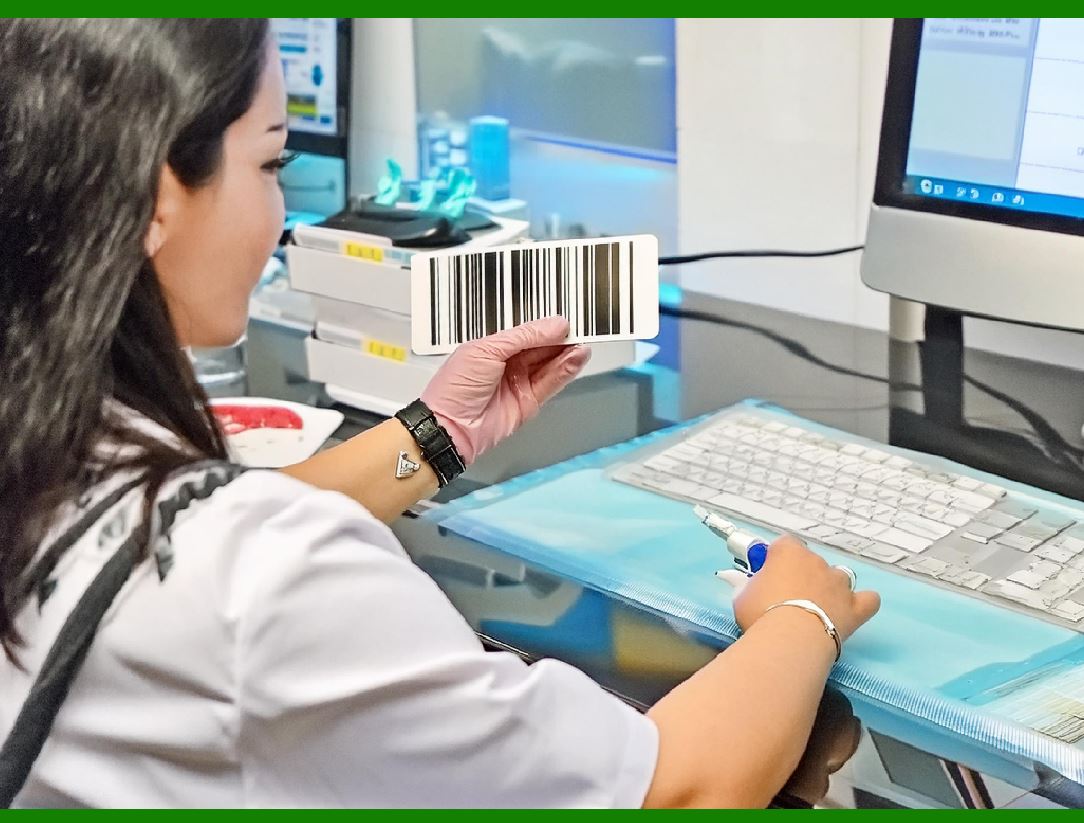
In the rapidly evolving landscape of healthcare in the United States, efficient data capture and management technologies play a critical role in enhancing the safety, quality, and efficiency of medical services. Among these technologies, barcodes and Radio Frequency Identification (RFID) systems have emerged as powerful tools that enable automation, traceability, and error reduction across various hospital operations. These technologies support healthcare providers in managing complex workflows, ensuring patient safety, improving inventory control, and maintaining regulatory compliance. While barcodes have been widely adopted since the late 20th century, RFID has gained increasing traction in recent years as hospitals aim to achieve real-time visibility and automation without line-of-sight scanning. |
|
2. Historical Background of Barcode and RFID in Hospital Management |
Barcoding in healthcare began to see wider adoption in the 1990s when hospitals recognized its ability to reduce medication errors and facilitate supply chain management. The FDA's barcoding rule introduced in 2004 accelerated this process by requiring certain drugs and biological products to include barcodes. RFID technology, which originated in military and industrial applications, entered the healthcare domain in the early 2000s. Initially met with skepticism due to cost and complexity, RFID is now gaining acceptance as its capabilities complement and extend those of barcodes-especially in asset tracking and real-time location systems (RTLS). |
3. Key Differences Between Barcode and RFID Technology |
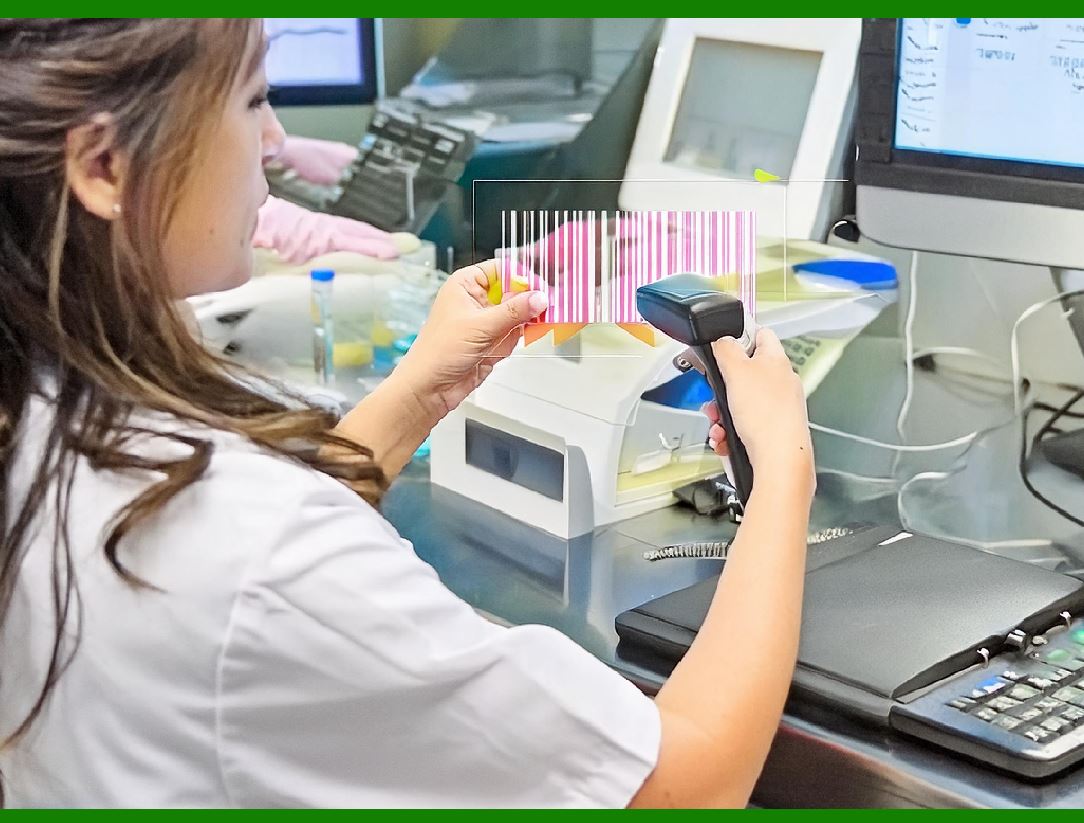
While both barcode and RFID technologies serve similar purposes-identification and tracking-they differ significantly in functionality and implementation. Barcodes require direct line-of-sight and are typically scanned individually. They are cost-effective and simple to implement. RFID, in contrast, does not require line-of-sight and can read multiple tags simultaneously. RFID tags can be passive (requiring a reader to activate them) or active (with their own power source). These differences allow RFID to support more complex use cases such as tracking high-value medical equipment, monitoring patient movements, and managing emergency inventory stock levels. |
|
4. Importance of Automation in U.S. Hospital Systems |
Hospitals in the United States face enormous pressure to improve patient outcomes while managing rising costs and complying with stringent regulations. Automation through barcodes and RFID plays a pivotal role in this endeavor. It reduces the reliance on manual data entry, minimizes human errors, and ensures accurate data capture in real time. These benefits extend across nearly all hospital departments-from pharmacy and laboratory to emergency, surgery, and administrative services. |
5. Patient Identification and Safety |
One of the most critical applications of barcode and RFID technologies in U.S. hospitals is patient identification. Misidentification can result in incorrect medication administration, surgical errors, and even fatalities. By incorporating barcoded wristbands or RFID-enabled tags, hospitals ensure that every patient interaction is verified and documented. When a nurse scans a barcode on a patient's wristband using a handheld scanner, the system cross-verifies the patient's identity with the treatment orders, medication records, and physician instructions. RFID further enhances this by enabling continuous tracking of patients' locations, which is particularly useful in mental health units, pediatric wards, and emergency departments. |

|
6. Medication Administration and the Five Rights |
Barcode medication administration (BCMA) systems are widely adopted across U.S. hospitals. These systems help nurses follow the 'five rights' of medication administration: right patient, right drug, right dose, right route, and right time. Before administering medication, a nurse scans both the patient's wristband and the medication barcode. The system instantly confirms whether the medication matches the patient's prescription. If there is a discrepancy, it alerts the nurse. RFID-enabled medication carts are also emerging, where every drawer is equipped with RFID sensors to track medication access, thereby adding another layer of accountability and security. |
7. Electronic Health Record (EHR) Integration |
Barcode and RFID technologies are increasingly integrated with Electronic Health Record (EHR) systems such as Epic, Cerner, and Meditech. This integration facilitates real-time updating of patient records, inventory levels, and treatment logs. For instance, when a nurse scans a medication barcode and confirms its administration, the event is automatically recorded in the EHR. Similarly, RFID tags on medical instruments can update surgical procedure logs in real time, thereby enhancing documentation accuracy and completeness. This seamless integration improves continuity of care, audit readiness, and billing accuracy. |

|
8. Laboratory Specimen Collection and Tracking |
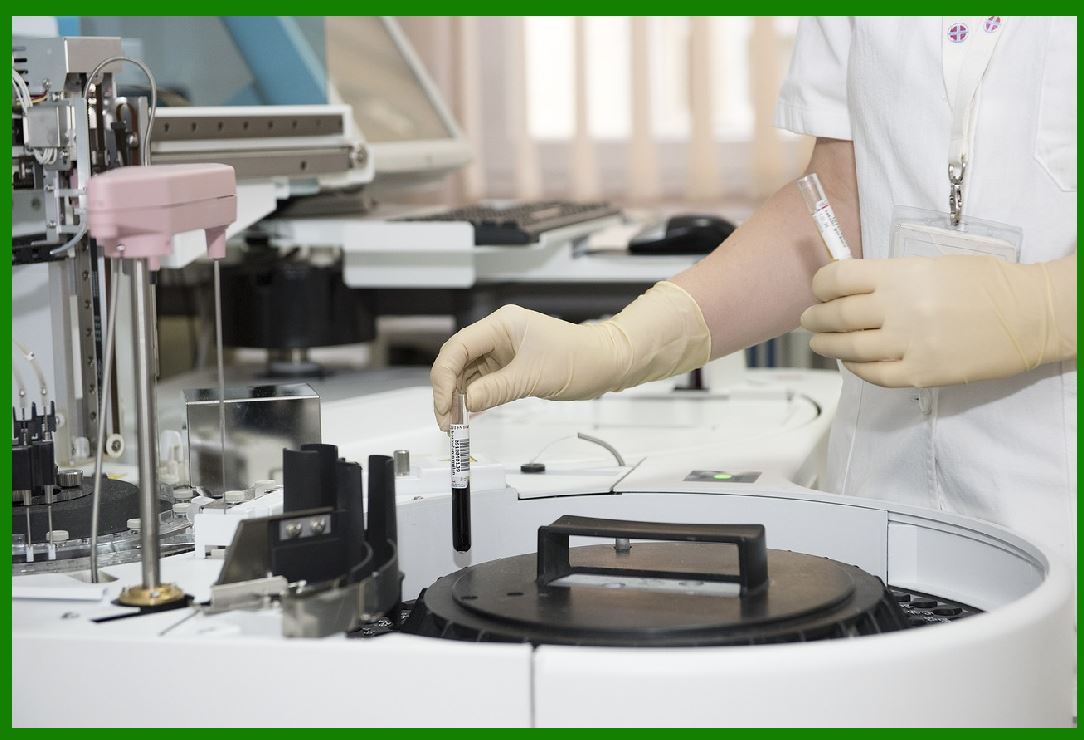
Another critical area of application is in laboratory medicine. Specimen mislabeling is a common source of diagnostic errors. To mitigate this, barcode labels are affixed to every sample collected from a patient. These labels are generated on the spot and include unique identifiers that link the specimen to the patient's EHR. Laboratory equipment is configured to read these barcodes and match them with testing orders. RFID can also be used to track the movement of specimen trays through various testing stations, reducing turnaround times and enhancing traceability. |
9. Surgical Instrument Tracking and Sterilization Compliance |
The operating room is a high-risk environment where tracking the usage and sterilization of surgical instruments is essential. Hospitals use barcodes etched onto surgical tools or affixed via durable tags to identify and trace instruments before, during, and after surgery. RFID is increasingly employed to enhance this process. RFID readers placed in sterilization rooms, storage cabinets, and operating suites automatically detect the presence and movement of tagged instruments. This improves asset utilization, reduces surgical delays due to missing tools, and ensures compliance with sterilization protocols. |

|
10. Asset Tracking and Real-Time Location Systems (RTLS) |
Hospitals have thousands of pieces of medical equipment-IV pumps, wheelchairs, defibrillators, and ventilators-that are constantly moving between departments. Losing track of these assets can result in inefficiencies, delayed care, and unnecessary purchases. RFID-based Real-Time Location Systems (RTLS) enable hospitals to track the location of assets in real time. Active RFID tags attached to equipment transmit signals to fixed readers installed throughout the facility. This system allows staff to locate the nearest available equipment instantly, improves equipment utilization, and reduces rental costs. |
11. Inventory and Supply Chain Management |
Efficient inventory management is essential for maintaining hospital operations. Barcodes have long been used to track medical supplies, pharmaceuticals, and linens. Staff scan barcodes during receiving, stocking, and distribution processes. RFID takes this a step further by enabling automated inventory counts. RFID-enabled storage cabinets and shelves automatically log the removal or replenishment of tagged items. This real-time visibility helps reduce stockouts, overstocking, and wastage due to expired or obsolete inventory. The supply chain becomes more resilient and responsive to clinical demands. |

|
12. Emergency Preparedness and Disaster Response |
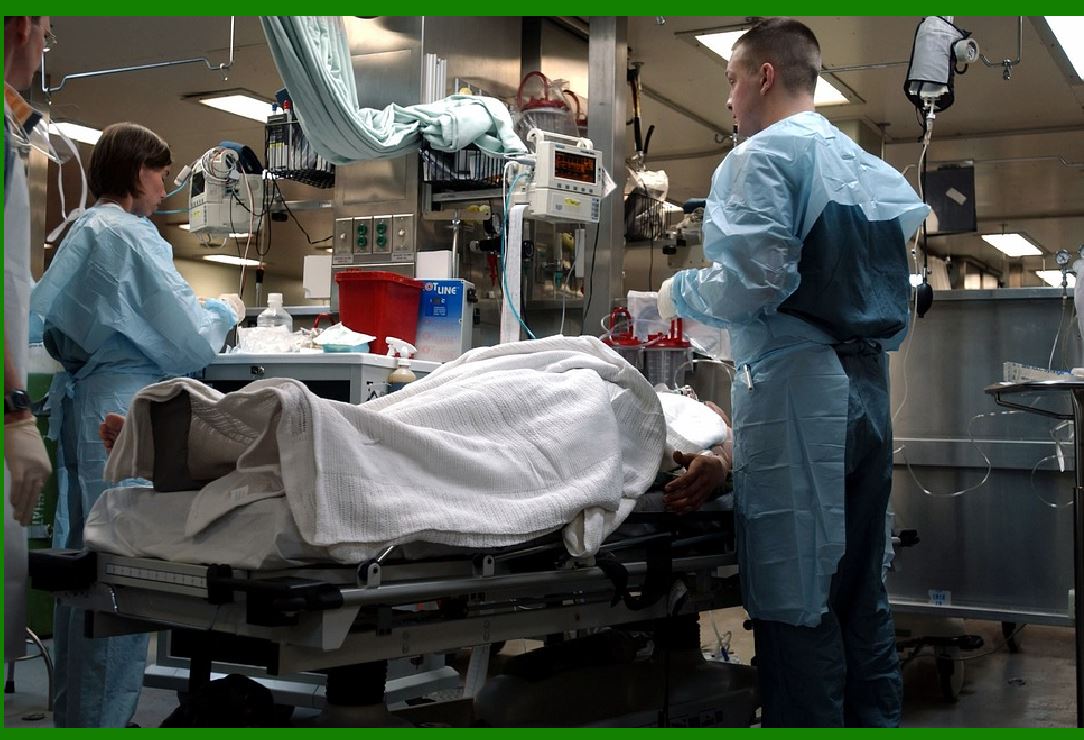
In emergency situations such as natural disasters, mass casualty events, or pandemics, hospitals must respond rapidly and efficiently. RFID and barcode systems play a vital role in triaging patients, allocating resources, and managing inventory. For example, RFID wristbands can track patients through emergency zones and provide real-time data to incident command centers. Barcoded emergency kits allow staff to quickly verify their contents and update inventories. These capabilities enhance coordination and situational awareness, enabling hospitals to deliver effective care under crisis conditions. |
13. Staff Identification and Access Control |
Security and access control are crucial in maintaining a safe hospital environment. Barcoded ID cards and RFID-enabled badges are widely used to control access to restricted areas such as pharmacies, surgical suites, and data centers. RFID systems can also track staff movement within the hospital, which is useful for infection control, workflow analysis, and timekeeping. In some advanced implementations, RFID readers are placed at hand hygiene stations to monitor compliance by detecting whether a staff member sanitized their hands before entering a patient room. |

|
14. Infection Control and Contact Tracing |
In the wake of global pandemics, infection control has become a top priority. RFID and barcode technologies enable hospitals to implement robust contact tracing and infection control protocols. For instance, if a patient is diagnosed with a contagious disease, RFID logs can be used to identify all staff and patients who were in proximity. Similarly, barcode tracking of medical devices helps trace the origin of contaminated equipment. These capabilities support early intervention and containment strategies, protecting both patients and healthcare workers. |
15. Infant Protection and Maternity Wards |
In maternity and neonatal units, ensuring the security and proper identification of infants is of paramount importance. RFID-enabled infant tags, often combined with mother's ID wristbands, form part of infant protection systems. These systems trigger alerts if an infant is moved to an unauthorized area or if there's a mismatch during mother-baby pairing. This reduces the risk of infant abduction, misidentification, or unauthorized transfers. Some hospitals also use barcodes for scanning breast milk containers to match them with the correct infant, ensuring safe feeding practices. |

|
16. Integration with Pharmacy Management Systems |
Hospitals must manage large inventories of medications and ensure their accurate dispensing to patients. Barcode and RFID technologies are central to this process. In hospital pharmacies, medications are labeled with barcodes or RFID tags upon arrival. Barcode scanners are used to log each step-from receiving to stocking and dispensing. Automated dispensing cabinets (ADCs) equipped with RFID readers streamline the removal of drugs by authorized personnel. Each transaction is recorded in the Pharmacy Information System (PIS), ensuring audit trails, inventory control, and regulatory compliance with entities such as the DEA and FDA. |
17. Blood Transfusion Safety and Traceability |
Blood transfusion errors can have fatal consequences. Barcode and RFID systems are used extensively to improve safety and traceability in blood banks. Each blood unit is labeled with a unique barcode or RFID tag that contains donor information, blood type, expiration date, and test results. Before transfusion, a nurse scans both the patient's wristband and the blood unit's barcode to ensure compatibility. RFID allows real-time tracking of blood products from storage to administration, reducing wastage due to expired products and ensuring compliance with transfusion safety protocols. |
18. Compliance with Regulatory Requirements |
Hospitals must adhere to numerous regulations from federal and state agencies such as the Joint Commission, CMS (Centers for Medicare & Medicaid Services), and the FDA. Barcode and RFID systems provide the digital audit trails necessary for compliance. For instance, the Drug Supply Chain Security Act (DSCSA) requires serialization and traceability of pharmaceutical products. Barcodes support this by uniquely identifying each package. RFID enables enhanced visibility in cold chain management, ensuring temperature-sensitive items like vaccines are stored and transported under proper conditions. |
|
19. Mobile Technology and Bedside Scanning |
Mobile computing has revolutionized bedside care. Nurses now carry mobile barcode scanners or tablets integrated with Electronic Medication Administration Records (eMAR). Bedside scanning ensures that all clinical actions-medication administration, specimen collection, or vitals documentation-are verified and recorded in real time. RFID is also integrated with mobile platforms through handheld readers that can scan RFID tags without needing line-of-sight. This hands-free scanning capability is particularly useful in emergency or trauma settings where speed and hygiene are critical. |
20. Enhanced Billing Accuracy and Revenue Cycle Management |
Billing errors in hospitals can lead to revenue loss and compliance issues. Barcode and RFID technologies contribute to accurate charge capture by documenting the usage of drugs, supplies, and equipment. For example, when a nurse removes a medication from an RFID-enabled cabinet, the system automatically charges the patient's account. Similarly, surgical sponges and implants are tracked via barcodes or RFID, ensuring that every billable item is documented. This automation improves revenue cycle efficiency, reduces denials, and enhances financial performance. |

|
21. Automation in Central Sterile Supply Department (CSSD) |
The Central Sterile Supply Department is responsible for sterilizing and distributing reusable medical devices. Barcode and RFID technologies improve the traceability of instruments through each phase: collection, decontamination, sterilization, inspection, packaging, and distribution. Each item or tray is tagged and scanned at various checkpoints, creating a digital log. RFID accelerates this process by scanning multiple items simultaneously. This traceability ensures that sterilization protocols are followed and allows quick response if a set needs to be recalled. |
22. Waste Reduction and Sustainability |
Hospitals generate significant waste, both in terms of supplies and environmental impact. Barcode and RFID technologies support sustainability initiatives by enabling better tracking of resource usage. RFID systems can identify underutilized assets, allowing for redistribution instead of unnecessary procurement. Expired medication and supplies can be minimized through FIFO (First-In-First-Out) inventory logic enabled by automatic tagging. Hospitals can also monitor usage patterns to adjust procurement schedules, leading to reduced waste and lower operational costs. |
|
23. Telehealth and Remote Monitoring Integration |
While barcode and RFID are primarily used for in-person hospital operations, they also play a role in supporting telehealth and remote patient monitoring. For example, at-home care kits can be distributed with barcoded components for easy tracking and inventory control. RFID-enabled medical devices like wearable monitors can relay data through remote interfaces, and the associated asset tracking ensures accountability. These technologies support the growing trend toward hybrid healthcare models that blend hospital and home-based care. |
24. Data Analytics and Predictive Modeling |
The data collected through barcode and RFID systems provides a rich foundation for analytics. Hospitals can analyze trends in medication errors, equipment utilization, and patient flow. Predictive analytics algorithms can use this data to forecast supply needs, identify infection hotspots, or optimize staffing. RFID-generated movement data can help redesign workflows for better efficiency. Over time, this leads to data-driven decision-making that continuously improves patient outcomes and operational performance. |

|
25. Employee Training and Operational Efficiency |
Barcode and RFID implementations often include user-friendly interfaces that simplify training and reduce onboarding time for new staff. Barcode scanning, in particular, is intuitive and widely familiar. RFID systems automate many processes that previously required manual effort, freeing up staff to focus on patient care. For example, restocking supply carts equipped with RFID readers requires minimal human intervention, which translates into labor cost savings and increased time for clinical engagement. |
26. Integration with Hospital Information Systems (HIS) |
Modern hospitals rely on a range of interconnected systems, including EHRs, pharmacy systems, laboratory information systems (LIS), radiology information systems (RIS), and inventory management platforms. Barcode and RFID data streams are integrated into these systems to ensure consistency and interoperability. This holistic view of data improves communication among departments, reduces duplication of effort, and enhances coordination of care. Middleware platforms facilitate this integration by serving as a bridge between RFID/barcode readers and enterprise software systems. |
|
27. Support for Accreditation and Quality Metrics |
Accrediting organizations such as the Joint Commission require hospitals to track quality indicators, including medication safety, infection control, and time-to-treatment metrics. Barcode and RFID systems help capture and validate these metrics accurately. For example, the time between order and administration of antibiotics for sepsis patients can be recorded precisely via barcode scans. RFID-enabled temperature sensors in refrigerators ensure continuous compliance with storage guidelines for vaccines. Such data is vital for achieving and maintaining accreditation status. |
28. Enhanced Patient Experience and Satisfaction |
When hospital processes are streamlined, patients experience fewer delays, better communication, and safer care. Barcode wristbands prevent misidentification and reduce redundant questioning. RFID-enabled wayfinding systems can guide patients through large hospital campuses. The assurance that equipment is sterile, medication is verified, and staff are consistently following best practices enhances patient trust. Improved patient experience not only contributes to positive outcomes but also affects hospital ratings and reimbursements tied to patient satisfaction scores. |
29. Customization for Specialty Care Areas |
Different hospital departments have unique operational needs. Barcode and RFID technologies can be tailored to meet these needs. In oncology departments, for instance, the tracking of chemotherapy drugs is critical due to their toxicity and high cost. Barcoding ensures correct compounding and administration. In cardiac surgery, RFID tags on implants and prosthetics allow detailed documentation for follow-up care. Neonatal ICUs use RFID-enabled incubators to monitor environmental parameters. This flexibility makes the technologies suitable across diverse specialties. |

|
30. Cost Considerations and Return on Investment (ROI) |
Implementing barcode and RFID systems involves upfront costs for hardware, software, and training. Barcoding systems are generally more affordable, while RFID systems require investment in tags, readers, and infrastructure. However, the ROI can be significant. Savings are realized through reduced medication errors, improved inventory turnover, lower equipment loss, and better reimbursement rates. Studies have shown that hospitals can recover RFID investments within two to five years, especially when deployed across multiple departments. |
31. Enhancing Surgical Count Accuracy and Preventing Retained Surgical Items (RSIs) |
Barcodes and RFID have become essential tools in surgical safety protocols, especially in preventing retained surgical items (RSIs), a serious and preventable risk. Traditionally, manual counts of sponges, instruments, and tools were prone to human error. Hospitals now use barcoded sponges and instruments, which are scanned into the surgical record before and after each procedure. More advanced hospitals employ RFID-tagged sponges and tools that can be detected automatically by readers in the surgical field. RFID scanners can alert surgeons and nurses if an item is inadvertently left inside a patient, enhancing compliance with surgical checklists and greatly improving patient safety. |

|
32. Improving Emergency Room (ER) Workflow and Throughput |
The emergency department is one of the busiest and most dynamic areas of any hospital. Barcode and RFID technologies optimize workflow by automating patient tracking, triage documentation, and treatment timelines. RFID wristbands allow real-time tracking of patient locations, enabling staff to locate patients quickly for reassessments, diagnostics, or transport. Barcoded wristbands facilitate fast, accurate registration and medication verification. In high-acuity environments, this results in reduced wait times, faster treatment, and improved bed turnover, which directly impacts ER throughput and hospital efficiency. |
33. Controlled Substance Monitoring and Diversion Prevention |
Drug diversion-where hospital staff misuse controlled substances-is a growing concern in U.S. healthcare systems. Barcode and RFID technologies help mitigate this risk. Medications, especially Schedule II and III controlled substances, are stored in secure, RFID-enabled dispensing cabinets or safes. These systems record access events and associate them with staff ID badges. Each medication is tagged and scanned before and after dispensing, ensuring full traceability. These records are integrated into auditing systems and can trigger alerts if unusual patterns are detected. This automated oversight improves regulatory compliance and deters theft or misuse. |

|
34. Real-Time Bed Management and Patient Flow Optimization |
Hospitals must optimize bed assignments to match patient acuity levels, minimize wait times, and avoid overcapacity. RFID and barcode technologies provide real-time insights into patient discharge and room turnover. For example, RFID sensors installed in beds, hallways, and patient rooms detect occupancy changes, cleaning status, and availability. These updates are automatically fed into the hospital's bed management system, enabling better coordination between departments such as housekeeping, transport, and admissions. Barcode scanning is also used to confirm discharge orders and record bed clearance times. This synergy accelerates patient admissions and discharge planning, leading to higher throughput and revenue optimization. |
35. Enabling Just-in-Time (JIT) Supply Chain Models |
Traditional hospital supply chains often depend on large storage areas and frequent reordering, leading to inefficiencies. Barcode and RFID technologies allow hospitals to adopt Just-in-Time (JIT) inventory models. Items are tagged and tracked throughout their lifecycle-from receiving docks to point-of-use storage. RFID-enabled supply rooms automatically detect when inventory falls below a threshold and initiate restocking processes. This minimizes overhead storage requirements, reduces waste, and allows dynamic supplier coordination. Barcodes reinforce these workflows by enabling quick identification during audits and usage logging. |

|
36. RFID in Clinical Research and Trial Protocols |
U.S. hospitals involved in clinical research use barcode and RFID to maintain protocol compliance, patient safety, and data integrity. Clinical trial materials-such as test drugs, devices, and biological samples-are tagged to ensure traceability and chain of custody. For double-blind studies, barcodes mask identity while preserving unique identifiers. RFID enables real-time temperature monitoring for biologics and samples in transit. RFID-based logs document every interaction, from storage to administration, ensuring accurate reporting and audit-readiness in accordance with FDA and IRB regulations. |
37. RFID for Environmental Monitoring and Compliance |
Maintaining proper environmental conditions for storage areas, operating rooms, and ICUs is essential. RFID sensors can monitor temperature, humidity, and pressure in real time. These sensors alert staff and record deviations in cloud-based dashboards, ensuring compliance with storage regulations for vaccines, blood, and sterile items. This is particularly critical during power outages or HVAC failures. With barcodes, such monitoring requires manual intervention, while RFID enables automated, continuous verification, improving reliability and response times. |

|
38. Enhancing Interoperability Across Multi-Hospital Networks |
In the U.S., many hospitals operate as part of large healthcare systems. RFID and barcode systems support interoperability between facilities. Shared databases allow tagged assets, staff credentials, and patient IDs to be recognized system-wide. This ensures that a wheelchair tagged with RFID in one hospital can be tracked if transferred to another, or that patient wristbands scanned in a satellite clinic correspond with hospital records. Barcode-based specimen tracking across sites also supports centralized laboratory services and reduces duplication of tests. |
39. Preventing Implant Mix-ups and Enhancing Device Tracking |
Medical implants-such as pacemakers, orthopedic devices, and stents-are expensive and critical to patient outcomes. Barcoding ensures that the correct implant is selected and documented in the patient record. RFID allows implants to be tracked from vendor delivery through storage, selection, surgical usage, and post-operative care. Some implants include embedded RFID tags that store the device's unique identifier and lot number, supporting post-market surveillance and recall readiness. This level of traceability is required under the FDA's Unique Device Identification (UDI) regulations. |
|
40. RFID in Infection Isolation and Negative Pressure Room Management |
During outbreaks or pandemics, hospitals must segregate infectious patients to limit spread. RFID wristbands and room-based sensors track patients' movements in and out of isolation zones. The system alerts staff if protocol violations occur, such as unauthorized entries or missed hand hygiene. RFID-integrated badges for staff can log time spent in negative pressure rooms, which is useful for exposure tracking and staffing analytics. This ensures compliance with CDC guidelines and protects both patients and healthcare personnel. |
41. Monitoring Operating Room Utilization |
Operating rooms (ORs) are among the costliest hospital resources. Maximizing their use is critical for financial performance. RFID-based surgical scheduling systems track when a case starts, when the patient enters the OR, and when the procedure ends. This data allows administrators to analyze room turnover time, identify bottlenecks, and reallocate resources as needed. Barcoded case carts can be pre-loaded with instruments and supplies based on surgery type, improving readiness and minimizing delays. |

|
42. RFID-Based Smart Cabinets and Restricted Access Control |
In high-risk hospital areas like pharmacies and cath labs, RFID-enabled smart cabinets offer secure storage and controlled access to drugs, implants, and equipment. These cabinets automatically log item removal and return, verify staff credentials via RFID badges, and lock down in case of anomalies. This reduces the risk of loss, ensures inventory accuracy, and facilitates compliance audits. Barcode backups are often included to handle contingencies, providing dual layers of control and verification. |
43. Use in Reprocessing and Reuse of High-Value Items |
Hospitals often reprocess medical devices such as endoscopes to reduce costs and meet sustainability goals. RFID tracks how many times a device has been used and sterilized, its maintenance history, and its current condition. Alerts are triggered when a device reaches its end-of-life or if a sterilization step is missed. Barcodes serve a similar purpose but require more manual data entry. RFID makes the process seamless, error-resistant, and compliant with FDA guidelines on device reprocessing. |

|
44. Patient Self-Service Kiosks and Barcode Integration |
Many hospitals are adopting patient self-service kiosks for registration, appointment check-in, and payment. These kiosks integrate barcode readers to scan pre-issued patient ID cards or appointment forms. This reduces administrative workload and shortens wait times. Patients can verify insurance, update medical history, or scan prescriptions for refills, all facilitated through barcoding technology. RFID can further streamline this process by enabling automatic recognition of a patient's presence using wristbands or tags. |
45. RFID in Behavioral Health and Security Monitoring |
In psychiatric wards or behavioral health facilities, patient movement and safety must be monitored closely. RFID wristbands track patient location, allowing alerts if a patient approaches restricted areas or exits without authorization. This is vital in preventing elopement, managing high-risk individuals, and ensuring compliance with psychiatric care protocols. Barcode systems may also be used for logging medications and meals, but RFID enables a continuous, unobtrusive monitoring system that enhances patient care and security. |

|
46. RFID for Predictive Maintenance of Biomedical Equipment |
Maintaining biomedical equipment is critical for uninterrupted patient care. RFID tags on machines like infusion pumps, ventilators, or dialysis units track usage, location, and maintenance history. These tags interface with Computerized Maintenance Management Systems (CMMS) to schedule preventive maintenance based on real-time usage data rather than arbitrary timelines. This predictive model increases equipment uptime, reduces repair costs, and ensures compliance with Joint Commission requirements. |
47. Facilitating Lean Management and Six Sigma in Healthcare |
Lean and Six Sigma methodologies aim to eliminate waste and enhance quality in healthcare. Barcode and RFID data provide the empirical basis for these initiatives. Time studies, motion analysis, and value stream mapping all benefit from real-time tracking data. RFID tags capture delays, inventory movements, and bottlenecks, while barcode records offer granular visibility into every step of a process. These insights enable targeted process redesigns that improve patient flow, reduce errors, and elevate care delivery. |

|
48. RFID and Barcode Use in Outpatient Clinics and Ambulatory Surgery Centers |
Beyond acute care hospitals, outpatient clinics and ambulatory surgery centers (ASCs) are also leveraging these technologies. Barcoded lab requisitions and RFID-tagged diagnostic tools ensure the right test is performed on the right patient. RFID tracking of portable diagnostic equipment ensures availability across rooms and minimizes delays. These facilities often rely on barcode-based check-in and prescription tracking, which reduces wait times and improves throughput in high-volume outpatient settings. |
49. Integration with Wearable Health Devices |
RFID technology is being embedded in wearable health devices such as glucose monitors, cardiac patches, and smart bandages. These wearables can transmit data to centralized hospital systems for monitoring chronic disease patients. RFID tags enable automatic identification and authentication of devices, reducing manual entry and errors. Hospitals use this data to identify trends, adjust medications, and schedule follow-ups, thus enhancing chronic disease management and reducing hospital readmissions. |

|
50. Future of AI-Powered RFID and Smart Hospital Infrastructure |
As hospitals become increasingly digitized, the fusion of artificial intelligence (AI) with RFID and barcode technologies will power next-generation smart hospitals. AI systems will interpret RFID data to make autonomous decisions-like reallocating beds, assigning nursing staff, or restocking supply rooms without human input. Barcode and RFID scanning data will feed predictive models for disease outbreaks, surgical complications, or ICU bottlenecks. These integrations will make hospital operations more intelligent, scalable, and patient-centric. |
51. Reducing Human Errors Through Automation |
Human error is one of the leading causes of adverse events in hospitals. Barcode and RFID technologies help automate processes that are traditionally manual and prone to mistakes. By replacing handwritten labels, manual data entry, and verbal orders with automated identification and data capture (AIDC), hospitals drastically reduce transcription errors, wrong-patient incidents, and mismatches between orders and actions. Barcode verification at every step ensures traceability, and RFID allows for passive, hands-free tracking-eliminating oversight from fatigue, stress, or distractions. |

|
52. Enabling Interdepartmental Coordination |
Hospital operations require seamless coordination between departments-labs, pharmacy, emergency, ICU, OR, and administration. Barcode and RFID technologies serve as bridges that connect these departments with accurate, time-stamped data. For example, when a specimen is barcoded at the bedside, it is automatically linked to the order in the lab information system (LIS), enabling prompt processing without further communication. RFID-enabled transport carts alert destination departments in advance, improving efficiency in patient transfers, instrument delivery, or medication transport. |
53. Enhancing Telemetry and Wireless Monitoring Integration |
In intensive care and step-down units, patients often require continuous monitoring via telemetry devices. RFID helps automate the identification and association of monitors with specific patients and beds. When a device is placed at the bedside, the RFID tag confirms its location and assigns it to the patient in the clinical system. This reduces the likelihood of data mismatches, ensures patient safety, and simplifies alarm management. In contrast, barcodes are used to verify device setup and calibration before patient use. |
|
54. RFID in Food and Nutrition Services |
Proper nutrition is vital for hospitalized patients, and errors in dietary delivery can cause complications. RFID and barcoding systems track patient food orders, ensure diet restrictions are met, and confirm tray delivery to the correct patient. Barcode scanners verify that the correct patient is receiving meals that match their physician-prescribed diet. RFID trays and transport carts maintain food temperature monitoring and delivery times. These systems improve patient satisfaction, reduce food waste, and enhance infection control. |
55. Enhancing Physical Security and Facility Access |
In large hospitals, managing secure access to sensitive areas is a challenge. RFID-enabled ID badges for staff allow role-based access to restricted locations such as narcotics vaults, operating rooms, maternity wards, and IT server rooms. Access logs are automatically recorded and reviewed periodically for compliance. Barcoded visitor badges are issued upon entry and scanned at exits to ensure accountability. These technologies reduce unauthorized access, mitigate insider threats, and enhance overall facility security. |
|
56. Assisting in Patient Transport and Transfer Management |
Moving patients from one department to another-such as from the ER to imaging or ICU-requires coordination and documentation. Barcoded wristbands are scanned before and after each move to confirm the patient's identity and log the transfer. RFID-enabled transport gurneys or wheelchairs automatically record movement through RFID gateways located in hospital corridors. This real-time visibility helps hospitals track delays, optimize porter workflows, and ensure patients reach their destination safely and on time. |
57. RFID and Barcode Integration in Mental Health Monitoring |
In psychiatric settings, patient safety and location tracking are vital due to behavioral unpredictability. RFID tags in wristbands monitor patients' movements and trigger alerts if they leave designated safe zones. Staff equipped with RFID badges can also be monitored for location, which is crucial during behavioral emergencies. Barcodes on medications and supplies ensure proper tracking and limit unauthorized access to sedatives or restraints, supporting ethical care delivery in line with behavioral health protocols. |
|
58. Streamlining Medical Supply Chain Logistics Across Hospital Campuses |
Large healthcare systems with multiple hospital sites benefit from centralized supply chain logistics. RFID-tagged shipments between hospitals and satellite clinics are automatically logged when they enter or exit each facility. Distribution centers use barcode scanners for sorting and packaging, while delivery trucks with RFID readers confirm handoffs. These systems ensure correct delivery, prevent supply shortages, and support centralized procurement strategies that lower cost per unit and reduce excess inventory. |
59. Providing Visibility in Vendor-Managed Inventory (VMI) |
Hospitals often use Vendor-Managed Inventory agreements with medical supply vendors. RFID and barcode systems provide real-time visibility into inventory usage and reorder points. RFID-enabled cabinets transmit stock levels to vendors, who can replenish items automatically based on usage trends. Barcodes are used during receiving and quality inspection to log delivery performance. These systems reduce stockouts, improve supply chain transparency, and optimize vendor relationships. |
|
60. Supporting Biomedical Engineering and Equipment Life Cycle Management |
Hospitals must ensure that medical equipment is safe, functional, and compliant. RFID tags track each device from acquisition through maintenance and retirement. Barcode stickers with serial numbers are used for routine inspections and manual updates. RFID integration with computerized maintenance management systems (CMMS) allows for automated work order generation, part replacement tracking, and failure trend analysis. These insights improve equipment uptime, extend usable life, and reduce replacement costs. |
61. Enhancing Communication in Multidisciplinary Rounds |
During multidisciplinary rounds, clinicians from various departments converge to assess patient progress and adjust care plans. Barcode and RFID technologies help ensure synchronized information. For example, RFID patient tags pull up real-time data on recent medication administration, vitals, lab results, and imaging. Barcode-scanned medication and supply usage is reviewed during these rounds to adjust care plans. This ensures that all decisions are based on up-to-date, accurate, and unified information across disciplines. |
|
62. RFID in Hospital Laundry and Linen Tracking |
Hospitals process massive quantities of linens, scrubs, and gowns. RFID tags sewn into fabrics allow for automated tracking from patient rooms to the laundry facility and back. RFID scanners monitor quantities, cleanliness, and loss rates. This prevents linen shortages, reduces theft, and ensures compliance with hygiene standards. Barcode tags are sometimes used in low-volume environments, but RFID provides greater automation, especially in high-turnover hospitals or laundry subcontractor arrangements. |
63. Barcode and RFID in Patient Consent and Legal Documentation |
Barcode and RFID technology support secure capture and tracking of informed consent documents, which are essential for legal compliance. Barcoded forms link physical documentation with patient EHRs. RFID-tagged folders or document carriers are used to monitor the physical movement of legal files, particularly for psychiatric or surgical procedures. These tools help ensure that consent is documented before procedures begin and can be retrieved instantly during audits or litigation. |
|
64. Reducing Healthcare-Associated Infections (HAIs) Through Traceability |
RFID and barcode systems contribute to infection control by tracing all points of patient contact. For example, a barcode scan of a catheter package links its usage to a specific patient and date. RFID records environmental service activity, such as when a room was last cleaned and by whom. These logs support root cause investigations during HAI outbreaks, improve cleaning compliance, and ensure that protocols are followed to reduce nosocomial infections. |
65. Patient Tracking During Mass Casualty Incidents (MCIs) |
In disaster scenarios involving mass casualties, hospitals must quickly identify, triage, and treat large numbers of patients. RFID and barcode-enabled triage tags allow first responders and ER staff to record injuries, vital signs, and treatments on the spot. This data is instantly shared with command centers and EHRs. RFID helps track patient movement through ER, imaging, surgery, and ICU during the crisis. These systems enable rapid coordination, accurate documentation, and family notification. |
|
66. RFID in Vehicle and Ambulance Asset Management |
Hospital-owned ambulances and mobile care units often carry expensive equipment and sensitive medical supplies. RFID systems installed in vehicles help track equipment, verify supply inventory, and manage vehicle location via GPS integration. Upon vehicle return, RFID readers scan equipment to ensure nothing is lost or misplaced. Barcodes are used to log patient handovers and incident numbers. These systems improve fleet management, reduce losses, and enhance emergency preparedness. |
67. Integration with Clinical Decision Support Systems (CDSS) |
Barcode and RFID technologies provide the data foundation for Clinical Decision Support Systems (CDSS). For example, a barcode scan that shows a potential drug interaction based on patient allergies triggers a CDSS alert. RFID location data can flag when a patient with fall risk is left unattended, prompting a nurse to check in. CDSS tools enhance diagnostic accuracy, reduce adverse events, and reinforce adherence to best practices in real time. |
|
68. Facilitating Interventions for Social Determinants of Health (SDOH) |
Hospitals increasingly screen for social factors affecting patient health, such as food insecurity or housing instability. RFID-tagged food cards or barcoded vouchers allow hospitals to issue resources and track usage anonymously. Community health workers use mobile scanners to document deliveries, housing visits, or transportation services. These tools generate valuable data on non-clinical factors, enabling hospitals to provide holistic, equitable care and reduce unnecessary admissions. |
69. Enhancing Accreditation Readiness and Continuous Quality Improvement (CQI) |
Accreditation by agencies like The Joint Commission depends on thorough documentation and quality metrics. Barcode and RFID systems automate data collection for CQI programs, such as compliance with hand hygiene, medication verification, and instrument sterilization. Data dashboards visualize performance trends and benchmark them against national standards. This automation helps hospitals identify performance gaps, improve patient outcomes, and achieve accreditation more easily. |
|
70. Conclusion: A Unified Framework for Safer, Smarter Healthcare |
The integration of barcode and RFID technologies in U.S. hospital management is not just a technological upgrade-it is a transformation in how care is delivered, documented, and improved. These technologies touch nearly every aspect of hospital operations-from clinical care to logistics, safety, billing, and compliance. Together, they build a framework for real-time awareness, automation, accuracy, and accountability. While barcodes offer a low-cost, mature solution for discrete scanning tasks, RFID brings continuous monitoring, higher granularity, and smart infrastructure integration. Hospitals that embrace both are better positioned to deliver safer, smarter, and more efficient healthcare for all. |
|
Summary: Barcode & RFID Technology in U.S. Hospital Management |
Barcode and RFID (Radio Frequency Identification) technologies have become foundational tools in modern U.S. hospitals, improving efficiency, safety, and quality across clinical and operational workflows. |
1. Patient Safety and Identification |
Barcoded wristbands and RFID-enabled tags ensure that every patient receives the correct medication, treatment, and surgical procedure. These technologies help eliminate errors by verifying patient identity and linking them to electronic health records (EHRs) in real time. |
2. Medication Administration and Pharmacy Integration |
Barcode Medication Administration (BCMA) systems prevent dosing and drug mix-ups by validating the 'five rights' (right patient, medication, dose, time, route). RFID enhances medication tracking and secures controlled substance storage through smart cabinets and real-time access logs. |
3. Asset and Inventory Management |
Hospitals use RFID to track mobile equipment (e.g., IV pumps, defibrillators), reducing losses and rental expenses. Barcodes and RFID also support just-in-time inventory systems, ensuring optimal supply levels and reducing waste. |
4. Surgical and Sterile Workflow Optimization |
Instruments and implants are tracked with barcodes and RFID for accurate sterilization, usage logging, and compliance. RFID enables automatic counts of surgical tools to prevent retained surgical items. |
5. Laboratory and Specimen Tracking |
Specimens are barcoded at collection to prevent labeling errors. RFID further improves traceability across testing stations, speeding up processing and ensuring diagnostic accuracy. |
6. Emergency Response and Real-Time Location Tracking |
RFID is critical in emergencies-tracking patient movement, managing triage, and improving coordination. Hospitals also use RFID-enabled bed tracking and ER throughput systems to manage capacity and streamline patient flow. |
7. Regulatory Compliance and Documentation |
Barcode and RFID systems support compliance with FDA, DEA, CMS, and Joint Commission requirements. They provide automated logs for audits, sterilization cycles, consent forms, medication tracking, and staff access control. |
8. Infection Control and Contact Tracing |
These technologies are vital in monitoring hand hygiene, room cleaning schedules, and proximity tracing during disease outbreaks. RFID alerts staff to non-compliance and aids in exposure investigations. |
9. Enhancing Staff Workflow and Patient Satisfaction |
By reducing manual tasks and data entry, barcode and RFID systems allow healthcare workers to focus more on patient care. They also enhance transparency and reduce delays, directly improving patient experiences. |
10. Broader Operational Integration |
Hospitals integrate barcode and RFID with EHRs, pharmacy systems, maintenance systems, and logistics platforms. These systems support lean management, telehealth supply chain coordination, and predictive analytics. |
11. Cost Efficiency and Return on Investment |
Despite upfront costs, these technologies reduce human error, streamline supply usage, improve billing accuracy, and extend equipment lifecycles-resulting in measurable financial and operational gains. |
|
12. Future Outlook |
RFID is expected to integrate further with AI, enabling smart hospitals that anticipate needs, reduce waste, and personalize care. While barcoding remains vital for discrete, high-accuracy scanning, RFID leads in automation and real-time intelligence. |
 cs@easiersoft.com