1. Introduction to Barcode Technology in Retail |
The U.S. retail industry has undergone tremendous technological evolution over the past century, and among the most transformative innovations is barcode technology. A barcode, a visual representation of data that can be read by machines, has enabled unprecedented efficiency in inventory management, product identification, pricing, checkout operations, logistics, and customer experience. From humble beginnings as a theoretical concept in the 1940s, barcode systems have grown into essential infrastructure supporting virtually all retail transactions in the United States today. This detailed exposition explores the comprehensive history, current state, and multifaceted benefits of barcode technology in the U.S. retail sector. |

|
2. Origins of Barcode Technology in Retail (1940s-1970s) |
The conceptual foundation of barcode technology dates back to 1948, when Norman Joseph Woodland and Bernard Silver proposed the idea of a machine-readable code to automate grocery checkout systems. Inspired by Morse code, Woodland extended dots and dashes into a linear pattern and drew the first barcode in the sand on a Florida beach. They received U.S. Patent No. 2,612,994 in 1952 for their 'Classifying Apparatus and Method.' |
However, the technology to implement barcodes did not exist at that time. It wasn't until the development of laser scanning in the 1960s and advancements in computing power in the early 1970s that barcode systems became commercially viable. In 1973, the Uniform Grocery Product Code Council (now GS1 US) selected the Universal Product Code (UPC) as the standard barcode format for identifying products in U.S. grocery stores. This decision marked the beginning of the modern era of retail barcoding. |

|
3. First Retail Barcode Implementation: Marsh Supermarket (1974) |
A historical milestone was reached on June 26, 1974, when the first item scanned using a UPC barcode was sold at a Marsh Supermarket in Troy, Ohio. The item was a 10-pack of Wrigley's Juicy Fruit chewing gum. This event was symbolic-it proved that barcodes could be used to expedite the checkout process and store information efficiently. |
Initially, adoption was slow due to the high cost of barcode scanners and the reluctance of manufacturers to print barcodes on packaging. Nonetheless, by the late 1970s, large supermarket chains began adopting barcode systems due to their potential to save labor costs, reduce errors, and improve inventory accuracy. |
|
4. The Expansion of Barcode Use in Retail During the 1980s |
The 1980s marked the first major wave of barcode proliferation in retail. Technological improvements reduced the cost and increased the reliability of barcode scanners. Simultaneously, major consumer packaged goods (CPG) manufacturers and retail chains standardized UPC printing on product packaging. |
This era also saw the rise of point-of-sale (POS) systems that integrated barcode scanning with electronic cash registers. These systems allowed for automatic price retrieval, faster checkouts, and accurate sales tracking. As a result, retailers were able to: |
Streamline front-end operations |
Analyze sales data |
Manage stock levels more efficiently |
Improve customer service |
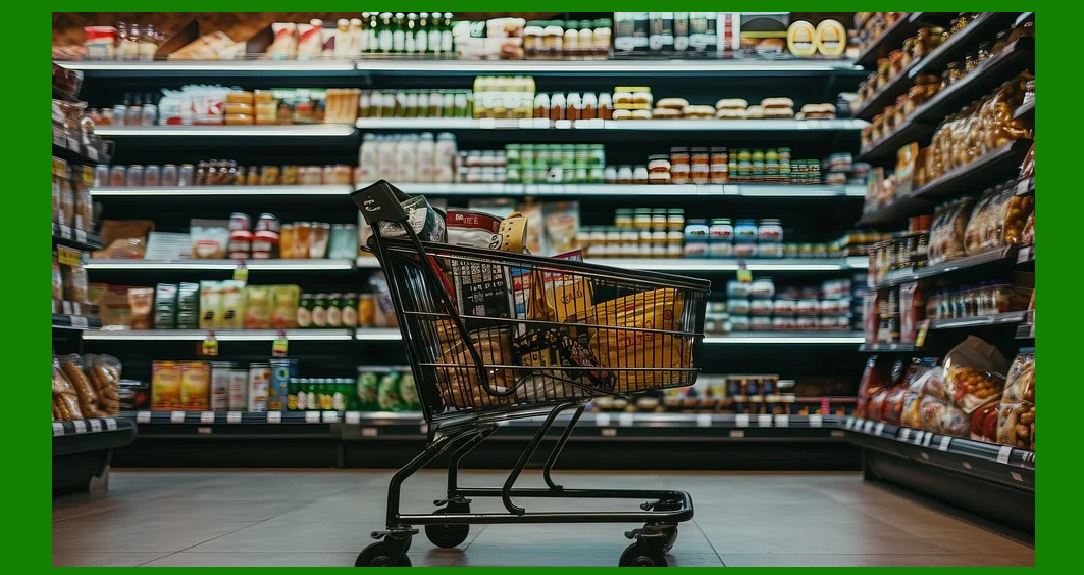
By the end of the 1980s, barcode scanning was a common feature in U.S. supermarkets and was beginning to expand to other retail formats, such as department stores, convenience stores, and mass merchandisers. |
|
5. The Role of GS1 and UPC in Standardization |
The barcode revolution in U.S. retail would not have succeeded without the role of GS1 US, formerly the Uniform Code Council. GS1 is responsible for issuing UPC Company Prefixes and ensuring global standards for product identification. UPC-A, the most commonly used format, encodes a 12-digit number that uniquely identifies products sold at retail. |
The standardization provided by GS1 ensured interoperability among manufacturers, distributors, and retailers. This harmonization was essential for large-scale barcode implementation and for the development of integrated supply chains. |

|
6. Adoption of Barcodes Beyond Grocery Retail |
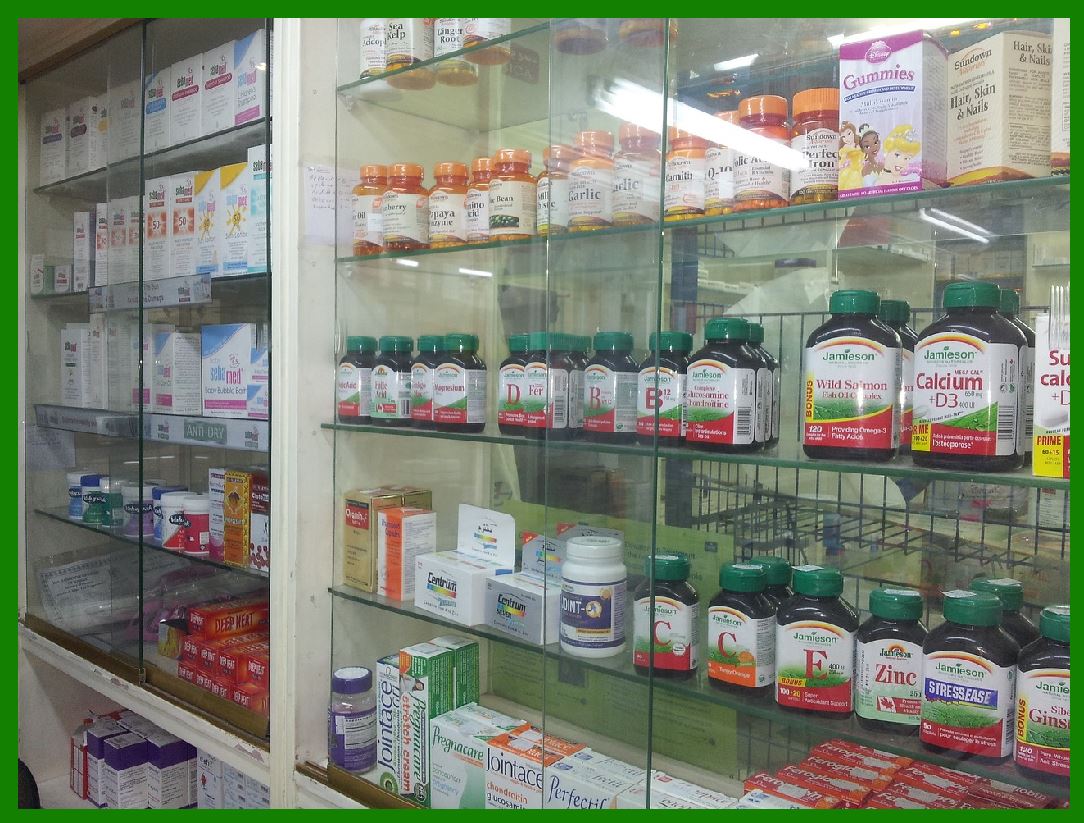
While the grocery sector was the earliest adopter, other retail sectors quickly recognized the advantages of barcode technology. Department stores began using barcodes for apparel and footwear. Electronics retailers adopted barcode systems to manage large inventories with high-ticket items. Pharmacies implemented barcodes for drug identification and prescription fulfillment. |
Retailers such as Walmart, Target, and Best Buy became pioneers in using barcodes to manage vast inventories and drive supply chain efficiency. Walmart, in particular, used barcode data to improve vendor compliance, track sales trends, and optimize replenishment. This strategic use of barcode data gave Walmart a competitive edge that reshaped the U.S. retail landscape. |
|
7. Integration of Barcodes with Retail Inventory Systems |
As barcode scanning became the norm, it was increasingly integrated into Enterprise Resource Planning (ERP) and Retail Management Systems (RMS). Retailers could now connect POS systems to back-end inventory databases, enabling real-time inventory updates. |
Benefits of this integration included: |
Automated reordering of stock based on sales volume |
Accurate tracking of shrinkage and loss prevention |
Faster inventory audits and cycle counts |
Improved warehouse management and order fulfillment |
Inventory control became more proactive, reducing both overstocking and stockouts. Retailers could analyze sell-through rates and forecast demand with greater accuracy. |
|
8. Advancements in Barcode Types and Symbologies |
Although the UPC remained the dominant retail barcode, new symbologies emerged to serve specialized needs. Some of these included: |
Code 128: Used for internal applications, including logistics and warehouse tracking. |
PDF417: A 2D barcode that could store more information than linear barcodes, used for ID cards and licensing. |
Data Matrix and QR Code: Introduced for marketing and product authentication. |
In retail, 2D barcodes were increasingly used for applications such as mobile coupons, e-tickets, and traceability of high-value or regulated products. However, the UPC continued to dominate consumer-facing retail packaging due to its simplicity and widespread scanner compatibility. |

|
9. Barcode Scanning at Self-Checkout and Kiosks |
The 1990s and 2000s saw the rise of self-service technology in retail, facilitated by barcode scanning. Self-checkout kiosks allowed customers to scan and bag their own items, reducing labor costs and enhancing customer convenience. |
These systems required highly accurate barcode recognition and intuitive user interfaces. Retailers such as Kroger, Walmart, and Home Depot deployed thousands of self-checkout lanes nationwide, especially during periods of labor shortages or high customer volume. |
In addition to checkout, barcode-enabled kiosks also provided: |
Price checking terminals |
Loyalty program enrollment |
Product location assistance |
Mobile app integration for scan-and-go purchases |
|
10. Mobile Scanning and the Retail Omnichannel Shift |
With the advent of smartphones, barcode technology evolved to accommodate mobile commerce. Retailers began deploying apps that allowed consumers to: |
Scan barcodes in-store to view prices, availability, or reviews |
Compare prices across retailers |
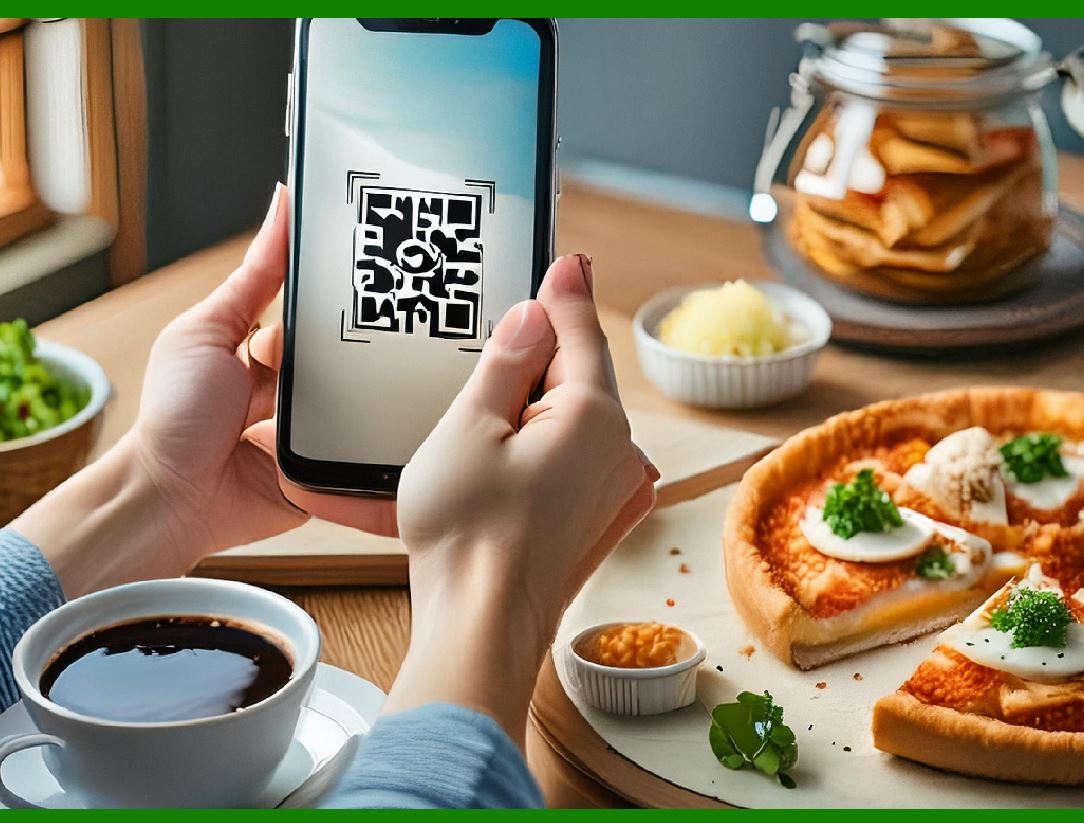
Redeem mobile coupons using 2D barcodes |
Add scanned items to online shopping carts |
Retailers such as Target and Walgreens led the way with feature-rich mobile apps that blurred the line between physical and digital retail. |
Omnichannel strategies leveraged barcode data to sync inventory across e-commerce and brick-and-mortar channels. This allowed for: |
Buy Online, Pick Up In Store (BOPIS) |
Ship-from-store fulfillment |
Real-time inventory visibility across locations |

|
11. The Role of Barcode Technology in Retail Supply Chains |
As barcode technology matured, its use extended far beyond the checkout counter. In the U.S. retail industry, barcodes became an essential tool for managing supply chains from manufacturers to distribution centers to individual stores. |
Barcodes facilitated the accurate tracking and movement of goods across multiple stages, including: |
Receiving: Shipments arriving at warehouses or stores could be scanned to confirm delivery and update inventory in real time. |
Putaway: Items could be scanned as they were placed in storage locations, ensuring correct placement and simplifying future retrieval. |
Picking and Packing: Order fulfillment was streamlined using barcode scanning to verify the correct items were selected. |
Shipping and Distribution: Barcode labels on shipping cartons, often in Code 128 or GS1-128 formats, enabled automated routing and real-time shipment tracking. |
Large retailers such as Walmart, Amazon, and Costco use barcode scanning to operate high-efficiency distribution networks. This technology helps ensure stock levels are accurate, deliveries are timely, and customer demands are met without excess inventory or delays. |
|
12. Warehouse Automation and Robotics Enhanced by Barcodes |
In modern retail fulfillment centers, barcodes play a pivotal role in automation. Warehouses have adopted automated guided vehicles (AGVs), conveyor systems, and robotic picking systems, all of which rely on barcode scanning for navigation and identification. |
AGVs use floor-based barcodes or QR codes to determine routes. |
Pick-to-light and put-to-light systems use barcode scanning to guide warehouse associates to the correct bins. |
Sortation systems scan barcode labels to automatically direct packages to their appropriate shipping lanes. |
Barcode integration with Warehouse Management Systems (WMS) ensures that robotic systems can identify products precisely, track real-time movements, and reduce manual labor needs. |

|
13. Real-Time Data Analytics Enabled by Barcodes |
Barcodes generate massive amounts of structured data, which U.S. retailers have leveraged for advanced analytics. Every scan-whether at the register, in a warehouse, or during shipping-provides data points that can be aggregated and analyzed for business insights. |
Retailers use barcode-derived data to: |
Identify top-selling products by region and time of year |
Analyze basket size and purchasing patterns |
Optimize product placement and merchandising strategies |
Predict future demand using historical sales data |
This data-driven approach has been especially impactful in inventory forecasting, targeted promotions, and dynamic pricing. Real-time analytics systems often use dashboards that update with each barcode scan across the supply chain. |
|
14. Loyalty Programs and Personalized Marketing |
Barcode technology also serves a critical role in loyalty programs. Many retailers issue barcode-based membership or loyalty cards, either physical or digital (via mobile apps). These cards are scanned at the point of sale to: |
Track customer purchase history |
Award loyalty points or discounts |
Personalize offers based on buying habits |
Retailers such as CVS Pharmacy and Kroger have sophisticated loyalty systems where scanned barcodes link purchases to individual customer profiles. This allows for highly targeted marketing, increasing customer retention and lifetime value. |
15. Product Authentication and Anti-Counterfeiting |
Barcodes are increasingly used in the fight against counterfeit products in the U.S. retail market. High-value items, luxury goods, electronics, and pharmaceuticals are often labeled with serialized barcodes-such as GS1 DataMatrix codes or QR Codes-that link to databases verifying authenticity. |
Retailers and consumers can scan these codes to check product legitimacy. Additionally, manufacturers often encode lot numbers, expiration dates, and batch identifiers within barcodes to ensure traceability throughout the supply chain. |
Retailers dealing with regulated or sensitive goods benefit from these authentication systems to maintain brand trust and comply with government standards (e.g., FDA and DEA traceability requirements for pharmaceuticals). |

|
16. Mobile Wallets, Digital Payments, and Barcodes |
Mobile payment systems in the U.S. increasingly utilize barcode technology. Popular platforms such as Apple Pay, Google Pay, PayPal, and retailer-specific wallets (e.g., Starbucks, Walmart Pay) allow customers to pay by scanning a 2D barcode or presenting a barcode for scanning. |
Retailers benefit from barcode-based mobile payments through: |
Faster checkout processes |
Reduced handling of cash |
Enhanced digital receipts and customer records |
Integration with loyalty programs |
For example, Walmart Pay allows customers to scan a QR code on the register screen, linking the transaction to their Walmart account and eliminating the need for card swiping. |

|
17. Barcode Printing and Labeling in Retail |
Printing barcode labels is a critical component of retail operations. Retailers generate barcodes for shelf tags, in-store labeling, private-label goods, and internal asset tracking. Thermal printers are commonly used in stores and distribution centers due to their speed and cost-effectiveness. |
Applications include: |
Shelf edge labels with UPCs and prices |
Clearance and markdown stickers |
In-store printed price tags for untagged items |
Custom barcodes for products created or repackaged in-store |
Retailers may also use color-coded or variable data barcodes to distinguish between product categories, sales cycles, or stock statuses. |

|
18. Employee Operations and Barcode-Enabled Efficiency |
Barcode scanners are also used by retail employees for routine operational tasks. Handheld scanners and mobile devices with built-in imaging capabilities are commonly used for: |
Stock replenishment |
Inventory audits |
Store-to-store transfers |
Price verification |
Receiving and shelf restocking |
Retail chains such as Target equip associates with devices that allow them to scan barcodes and immediately access inventory information, location guidance, and restocking instructions-greatly enhancing labor efficiency. |

|
19. Regulatory Compliance Through Barcode Usage |
Barcode technology helps U.S. retailers comply with federal and state regulations. Specific examples include: |
Age-restricted items: Some POS systems prompt ID checks based on barcode scans of alcohol, tobacco, or medications. |
Product recalls: Retailers use barcode lot numbers to quickly identify and pull affected inventory. |
Pharmacy regulations: Barcodes help track prescription drugs, aligning with DEA and FDA requirements for controlled substances. |
This capability for traceability and accountability is particularly critical in sectors like pharmaceuticals, food, and beverages. |

|
20. Barcode Standards and Interoperability in Retail |
Standardized barcode formats ensure smooth interoperability across the entire retail supply chain. In the U.S., key standards include: |
UPC-A and UPC-E: For most consumer packaged goods |
EAN-13: For imported retail goods (interoperable with UPC) |
GS1-128: For shipping containers and logistics |
Data Matrix: For direct part marking and pharmaceuticals |
QR Code: For consumer engagement and mobile access |
Adhering to these standards enables data consistency, efficient scanning, and compatibility with international trade partners. Retailers often use verification equipment to ensure barcode quality (graded A-F) to prevent scan failures. |

|
21. Impact of Barcode Errors in Retail |
Although barcode systems are generally reliable, errors can have significant consequences. Common issues include: |
Misprinted or damaged labels: Leading to scanning failures |
Incorrect UPC assignment: Resulting in wrong product data |
Duplicate UPCs: Creating inventory or pricing discrepancies |
Unreadable barcodes on curved or shiny surfaces |
Retailers often implement verification systems to ensure that barcodes are scannable under various lighting conditions, angles, and surfaces. Redundancy, such as dual barcodes on some packaging, helps mitigate potential failures. |
|
22. The Role of Training and Human Factors |
Even with advanced technology, successful barcode implementation depends on trained personnel. Retailers invest in training programs to ensure employees understand: |
How to use scanning devices |
How to identify barcode issues |
How to resolve mismatches or scan failures |
How to handle system alerts linked to barcode scanning |
In warehouses, mis-scans can lead to shipment errors or inventory miscounts, so accuracy and employee proficiency are paramount. |

|
23. Consumer Interaction with Barcodes |
Consumers increasingly interact directly with barcodes during the shopping process. This includes: |
Scanning items with mobile apps to check product info or reviews |
Using barcodes on receipts to track purchases or return items |
Scanning loyalty or membership cards |
Scanning mobile coupons or gift cards |
This evolution in consumer behavior reflects growing digital literacy and comfort with barcode-enabled systems, making barcodes a bridge between physical and digital commerce. |

|
24. Case Study: Walmart - Barcode Efficiency at Scale |
Walmart stands as one of the most illustrative examples of how barcode technology can transform retail operations. Beginning in the 1980s, Walmart aggressively invested in barcode scanning systems to gain operational superiority in its supply chain and customer service. |
Key aspects of Walmart's barcode strategy include: |
Vendor compliance requirements: Suppliers were required to attach UPC and GS1-128 barcodes to products and pallets, enabling seamless receiving, tracking, and restocking. |
Cross-docking logistics: Using barcode scans, Walmart minimized warehouse storage time by moving products directly from inbound to outbound shipping docks. |
Real-time inventory control: Barcode data from POS systems flowed into centralized databases, allowing for live inventory tracking across thousands of locations. |
RFID and barcode hybridization: Walmart initiated RFID tagging for higher-value items while still relying on traditional barcodes at POS, maintaining backward compatibility. |
As a result, Walmart reduced costs, increased inventory turnover, improved vendor performance, and cemented its dominance in American retail. |
|
25. Case Study: Target - Enhancing In-Store Experience Through Barcode Use |
Target has implemented barcode technology not only for operational efficiency but also for enhancing the consumer experience. Their barcode-related strategies include: |
Mobile app scanning: The Target app allows customers to scan product barcodes in-store to view reviews, availability, and pricing. |
Cartwheel loyalty program: This system utilized barcode coupons tied to users' Target accounts and could be scanned at checkout. |
Price match verification: Customers can scan barcodes in the app and show the screen to receive a price match with competitors or Target.com. |
Back-end applications include automatic replenishment based on barcode scans and using GS1-compliant barcodes to ensure data integrity across systems. |

|
26. Case Study: Amazon - Warehouse Automation and Customer Convenience |
Amazon's retail operations are powered by a barcode-centric warehouse system. Their warehouses rely heavily on scannable barcodes for inventory and logistics, including: |
Product labels and locations: Every item and bin location is barcoded for real-time tracking. |
Robot-guided navigation: Kiva robots scan floor barcodes to move shelves and bins around the fulfillment center. |
Customer returns and exchanges: Return labels with barcodes streamline the process, enabling fast restocking and refunds. |
Delivery tracking: Each package includes a scannable barcode for real-time status updates throughout the delivery route. |
Amazon Go, the company's cashier-less stores, use computer vision and sensor fusion-but barcodes still play a role in backend inventory and restocking processes. |

|
27. Hybrid Systems: RFID and Barcode Technology Working Together |
In the modern U.S. retail environment, some operations benefit from combining barcode and RFID (Radio Frequency Identification) technologies. While barcodes are line-of-sight and scanned one-by-one, RFID allows for non-line-of-sight scanning and bulk reading. |
Retailers use hybrid systems for: |
Apparel tagging: RFID tags are embedded in clothing items for loss prevention and inventory cycle counts, while UPC barcodes are printed for POS scanning. |
Asset tracking: Items like carts, shelving, and electronic equipment often use both barcodes and RFID for different layers of visibility. |
Supply chain optimization: Combining RFID with barcode scanning enables better tracking of pallets, cases, and individual items. |
Despite the higher cost of RFID tags and readers, hybrid solutions are proving valuable in omnichannel environments and high-volume, high-velocity operations. |
|
28. GS1 Digital Link: The Next Generation of Retail Barcoding |
GS1 Digital Link is a new standard designed to make barcodes web-enabled. Instead of embedding only a GTIN (Global Trade Item Number), these barcodes link to URLs that can point to: |
Product descriptions and specifications |
Traceability data |
Recall notices |
Sustainability credentials |
Marketing campaigns and loyalty programs |
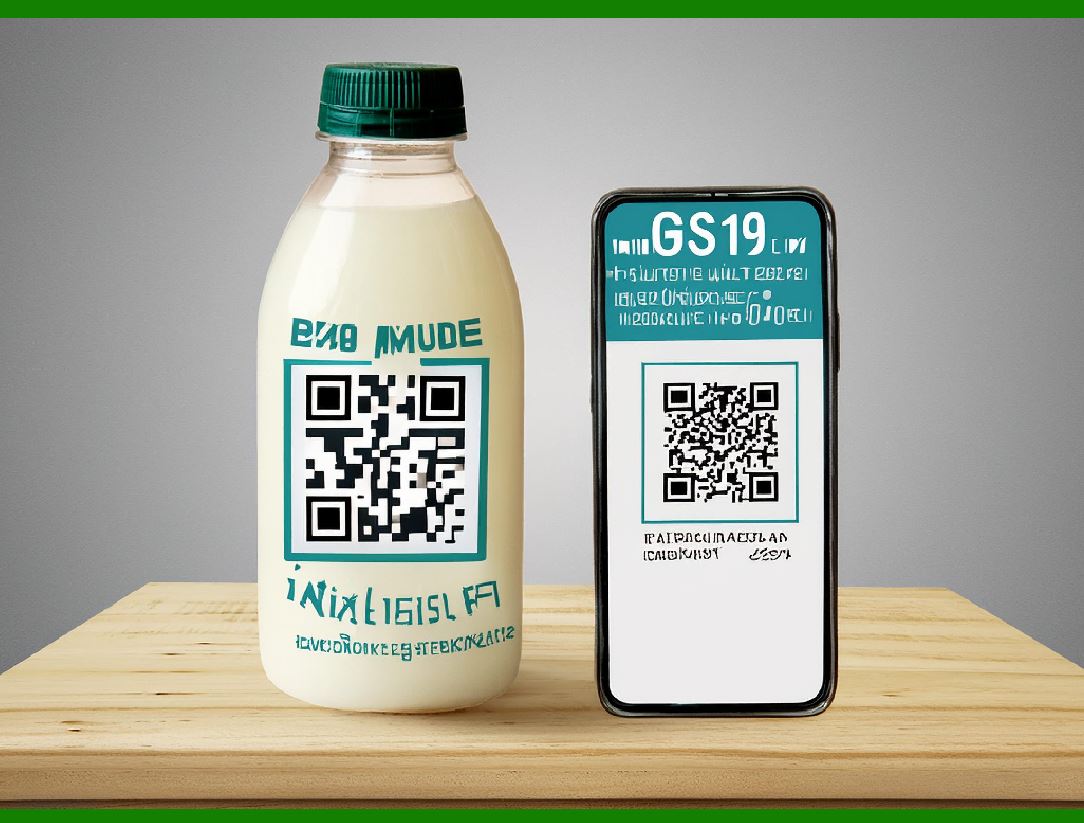
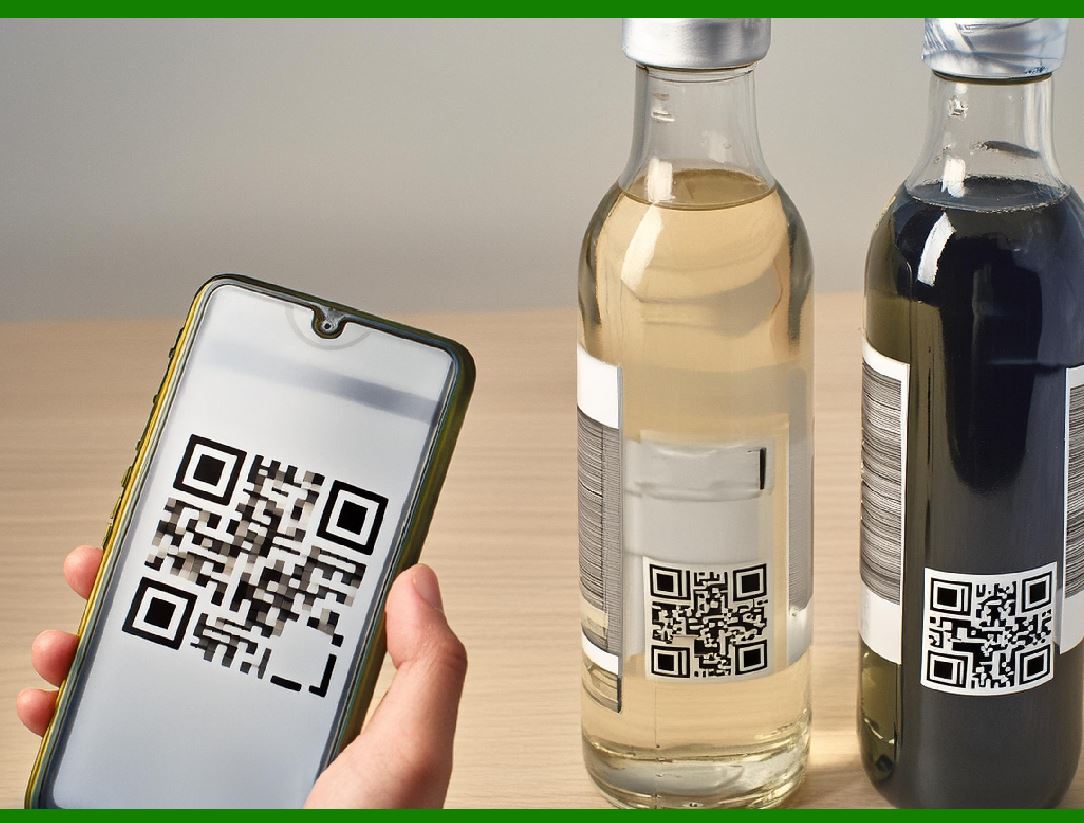
For example, a consumer scanning a GS1 Digital Link QR code on a cereal box could be directed to a webpage with nutritional facts, allergens, origin of ingredients, and recipe suggestions. |
U.S. retailers and manufacturers are preparing to support GS1 Digital Link as part of the Sunrise 2027 initiative, which promotes the use of 2D codes that can carry both human-readable and machine-readable information across digital platforms. |
|
29. Barcode Technology and Environmental Sustainability |
Sustainability has become a growing concern in the U.S. retail sector, and barcode technology contributes to several green initiatives: |
Reduction in paper usage: Digital receipts and mobile coupons reduce reliance on thermal paper. |
Less food waste: Barcoded expiration dates and batch tracking help retailers identify and move perishable goods before spoilage. |
Smart packaging: Barcodes enable dynamic pricing systems that adjust costs as sell-by dates approach, encouraging earlier purchases. |
Efficient logistics: Accurate barcode scanning in transport reduces returns, mis-shipments, and associated emissions. |
Retailers such as Whole Foods and Trader Joe's use barcode-enabled inventory systems to minimize waste and better track sustainable sourcing practices. |
|
30. Challenges in Barcode Implementation in U.S. Retail |
Despite its widespread adoption, barcode technology in retail is not without its challenges. Common issues include: |
Label degradation: Exposure to moisture, heat, or abrasion can make labels unscannable. |
Label placement errors: Poor barcode placement can interfere with scanability at checkout or in warehouses. |
Over-reliance on barcodes: If a barcode fails or a system goes offline, transactions or tracking may be disrupted. |
Integration complexity: Updating legacy systems to support new symbologies or digital links can require substantial investment. |
Security vulnerabilities: Malicious QR codes pose potential cybersecurity risks when not validated properly. |
Retailers must implement quality control measures and have redundancy systems (such as fallback manual SKU entry or dual barcodes) to mitigate these risks. |
|
31. Innovations in Barcode Scanning Technology |
Retail barcode scanners have also evolved over time. Newer innovations include: |
Imaging scanners: Use cameras and software instead of laser beams to scan both 1D and 2D codes. |
Wearable scanners: Employees can wear ring or wrist scanners to keep hands free during tasks. |
Smartphone-based scanning: Retailers equip workers with ruggedized phones or tablets with built-in scanning apps. |
Self-learning scanners: Some modern scanners can auto-configure or improve scan success through machine learning. |
Augmented reality overlays: Experimental retail systems use AR glasses to scan items and display product data directly in the associate's field of view. |
Such advancements are improving scanning speed, user-friendliness, and reliability in dynamic environments like busy stores or dark warehouses. |
|
32. Retail Omnichannel Integration Through Barcodes |
Barcodes serve as the common thread linking various sales channels. U.S. retailers with omnichannel operations rely on barcodes to sync: |
Online and in-store inventories |
Click-and-collect fulfillment systems |
Customer returns across channels |
Consistent product information across platforms |
Barcode-based product identifiers ensure that whether a product is ordered online, purchased in-store, or returned via mail, all systems recognize and reconcile the item seamlessly. |
|
33. Impact on Labor and Operational Costs |
Barcodes significantly reduce the time and effort required for many retail tasks. Some operational benefits include: |
Faster training for new hires: Learning to scan barcodes is intuitive compared to manual entry. |
Fewer clerical errors: Eliminating manual SKU entry prevents pricing or inventory mistakes. |
Lower labor costs: Self-checkout and scan-and-go systems reduce staffing needs. |
Time savings: Inventory counts using barcode scanners can be completed in hours instead of days. |
According to industry estimates, barcode systems can reduce inventory management labor by 25-50% and improve counting accuracy to over 99.9%. |
|
34. The Future of Barcode Technology in U.S. Retail |
Looking forward, barcode technology will likely continue evolving with the following trends: |
Universal adoption of 2D codes: Driven by GS1's vision, all retail products may shift to 2D codes for enhanced data capacity. |
Digital twin ecosystems: Each physical item could be linked to a cloud-based digital record via its barcode, offering a full product lifecycle view. |
Blockchain integration: Barcodes may link to immutable blockchain records for enhanced traceability. |
AI-enhanced scanning: Artificial intelligence will improve barcode recognition under poor lighting or damaged conditions. |
Consumer transparency: Barcodes will increasingly be used to share ethical sourcing, environmental impact, and product provenance with customers. |
Barcodes will remain a fundamental enabler of smart retail operations in a connected, data-driven world. |
|
35. Summary of the Evolution of Barcode Technology in U.S. Retail |
Over more than seven decades, barcode technology has evolved from a conceptual invention to a foundational infrastructure across all layers of U.S. retail. From the moment a Wrigley's gum pack was scanned in 1974 to today's hyper-connected omnichannel retail environments, barcodes have enabled efficiency, accuracy, and automation. |
The path of this evolution can be outlined as follows: |
1940s-1970s: Conceptual development and foundational patents; selection of UPC as a retail standard. |
1970s-1980s: First retail deployment; widespread adoption in grocery chains; establishment of GS1 standards. |
1980s-1990s: Expansion into other retail sectors; integration with POS systems and inventory tracking. |
1990s-2000s: Acceleration of supply chain digitization; rise of loyalty programs and self-checkout stations. |
2000s-2010s: Mobile barcode usage, e-commerce integration, and omnichannel strategies. |
2010s-2020s: Hybrid barcode-RFID systems; QR-based mobile payments; early GS1 Digital Link adoption. |
2020s and beyond: Full lifecycle product tracking, augmented consumer engagement, and AI-supported barcode scanning. |
Barcodes have continually adapted to serve the needs of retail in both physical and digital domains, evolving alongside changes in consumer expectations, regulatory demands, and technological capabilities. |
|
36. Comprehensive Benefits of Barcode Technology in U.S. Retail |
The benefits of barcode technology are extensive and can be grouped into several key categories: |
A. Operational Efficiency |
Rapid and accurate product identification at checkout, reducing wait times. |
Streamlined receiving, stocking, and replenishment processes. |
Faster inventory audits and accurate cycle counting. |
Reduced shrinkage due to precise inventory tracking. |
B. Cost Reduction |
Lower labor requirements for manual data entry and inventory handling. |
Reduced losses from out-of-stocks or overstocks due to better forecasting. |
Less printing and physical record-keeping required through digitization. |
Automated systems allow self-checkout, reducing payroll burdens. |
C. Supply Chain Visibility |
End-to-end product traceability from manufacturer to customer. |
Real-time stock level monitoring across multiple store locations. |
Enhanced logistics through scan-based sorting, packing, and shipping. |
Seamless data flow between manufacturers, distributors, and retailers. |
D. Consumer Convenience and Engagement |
Faster, more accurate checkout experiences. |
Scan-enabled product lookups, reviews, and price comparisons. |
Loyalty program integration via barcoded ID cards or apps. |
Personalized marketing and promotions based on scanning history. |
E. Regulatory Compliance |
Fulfillment of FDA and DEA traceability mandates for pharmaceuticals. |
Efficient handling of recalls through lot-level barcode identification. |
Enforcement of age restrictions and safety compliance via POS prompts. |
F. Business Intelligence and Analytics |
Generation of structured data for real-time dashboards and reports. |
SKU-level sales insights and trend tracking. |
Promotion performance analysis and in-store behavior mapping. |
Demand forecasting models built from scan data history. |
G. Innovation Enablement |
Compatibility with mobile scanning and mobile payments. |
Integration with AI, machine learning, and smart retail systems. |
Entry point to advanced digital ecosystems like blockchain traceability. |
Foundation for GS1 Digital Link and 2D code-based product web pages. |
H. Customer Trust and Transparency |
Barcoded authentication of genuine products. |
Access to product origin, sustainability info, and allergen warnings. |
Digital receipts and warranty tracking based on item-level scans. |
Greater confidence in pricing and promotions driven by barcode accuracy. |
|
37. Concluding Remarks on Barcode Technology's Role in Modern Retail |
In the United States, barcode technology has matured into a silent but powerful force that enables nearly every aspect of the retail value chain. It is not just a tool for scanning products at the cash register-it is a universal language of commerce that connects manufacturers, suppliers, logistics providers, retailers, and consumers. |
Barcodes are not static symbols-they are dynamic interfaces to data and functionality. Each barcode scanned is a gateway to: |
Real-time decision-making |
Transparent transactions |
Seamless customer experiences |
Efficient and scalable operations |
Even as technologies like RFID, NFC, and AI-enhanced vision systems rise, barcode technology remains the dominant force in retail identification due to its simplicity, ubiquity, and low cost. |
The future of barcoding lies in smart codes-QR codes with GS1 Digital Link standards that connect consumers and businesses to richer product data ecosystems. These next-gen codes promise greater personalization, sustainability, and traceability across the product lifecycle. |
As U.S. retail faces growing complexity-ranging from labor shortages and supply chain disruptions to the rise of e-commerce and socially conscious consumers-barcode systems will continue to serve as a reliable, adaptable, and cost-effective foundation for innovation and resilience. |
|
38. Final Summary |
To summarize, barcode technology has profoundly transformed the U.S. retail industry by enabling: |
1.Efficient and accurate checkout processes. |
2.Comprehensive inventory and warehouse management. |
3.Integrated omnichannel retail operations. |
4.Enhanced customer engagement and personalization. |
5.Stronger regulatory compliance and product traceability. |
6.Real-time analytics and actionable insights. |
7.Significant operational and cost savings. |
|
What began as a set of black and white lines on a chewing gum wrapper has evolved into a critical enabler of digital commerce. Barcode technology has not only reshaped the physical retail landscape but has also served as a bridge into the era of data-driven, connected, and consumer-focused retail ecosystems. |
In the retail world of tomorrow-one defined by AI, IoT, blockchain, and real-time commerce-barcodes will remain a foundational technology. Their flexibility, standardization, and continued evolution ensure that they will remain indispensable for decades to come. |
 cs@easiersoft.com