Barcodes are a crucial component in the automotive industry for tracking parts throughout the supply chain, manufacturing processes, and inventory management. |
Their use ensures accuracy, efficiency, and traceability from the moment a part is manufactured until it is installed in a vehicle. Here's a detailed overview of how barcodes are used for automotive parts tracking: |
|
1. Types of Barcodes Used |
1.1. 1D Barcodes: Code 39: Commonly used in automotive and aerospace industries due to its ability to encode alphanumeric characters. Code 128: More compact than Code 39 and can encode a larger set of characters, often used for shipping and logistics. |
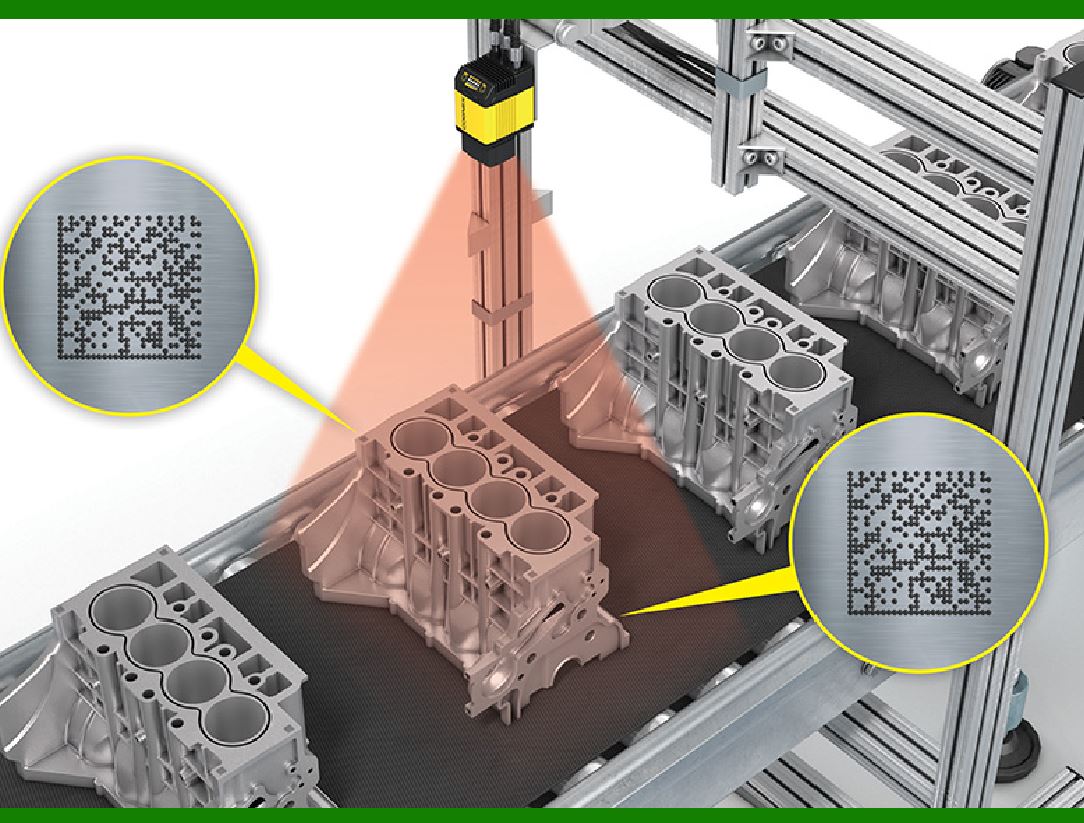
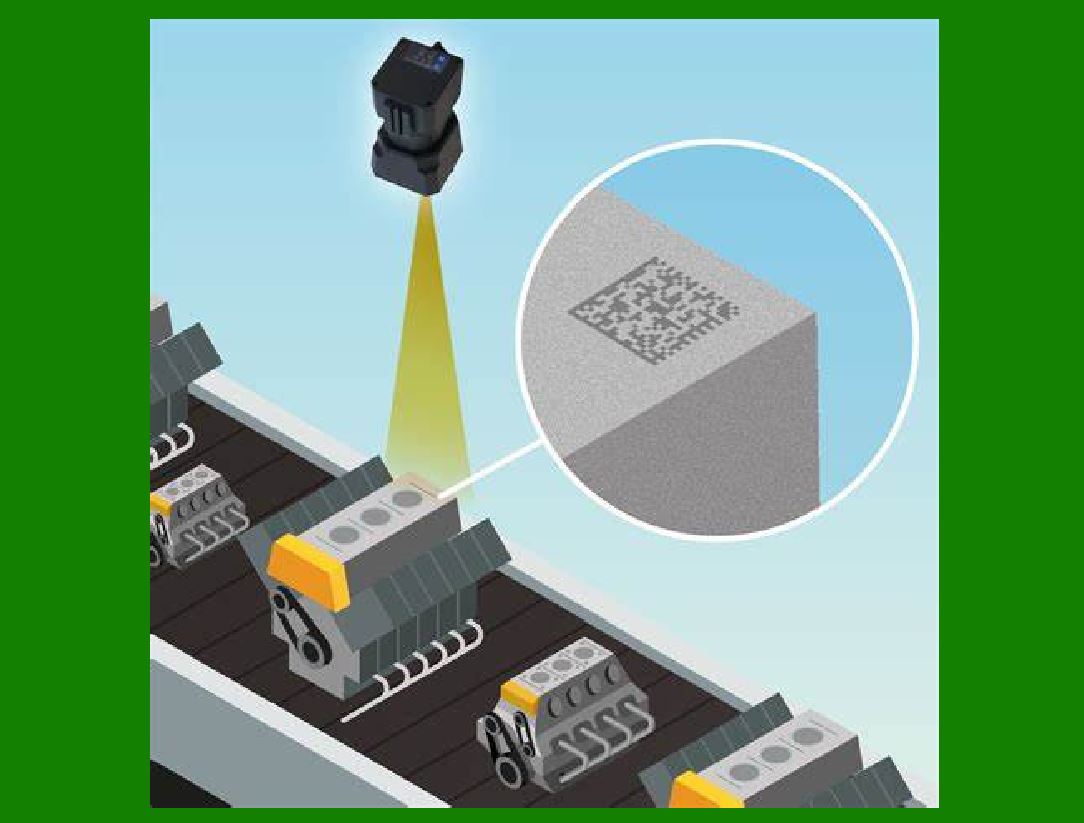
1.2. 2D Barcodes: QR Code: Capable of storing larger amounts of data, including URLs and contact information. Often used for quick reference and consumer-facing applications. Data Matrix: Highly efficient in encoding large amounts of information in a small space, widely used in industrial and parts tracking applications. PDF417: Used in applications requiring encoding of large amounts of data, such as detailed product specifications. |
|
2. Applications in Automotive Parts Tracking |
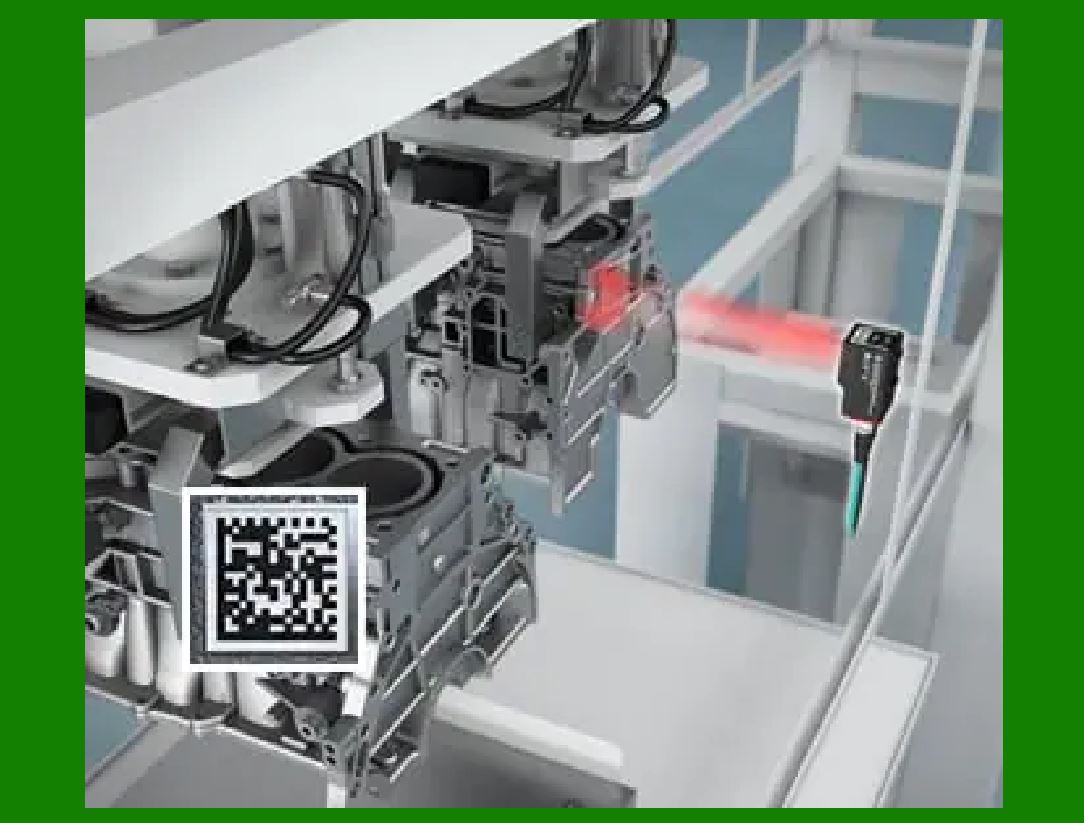
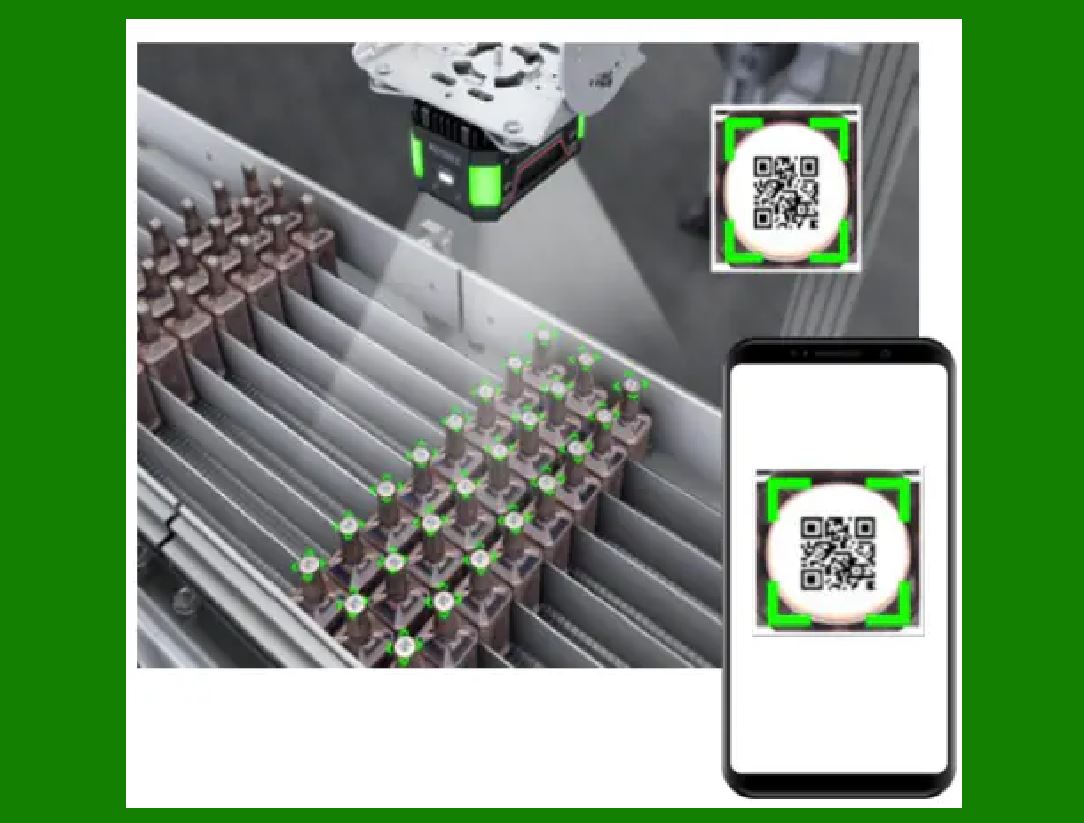
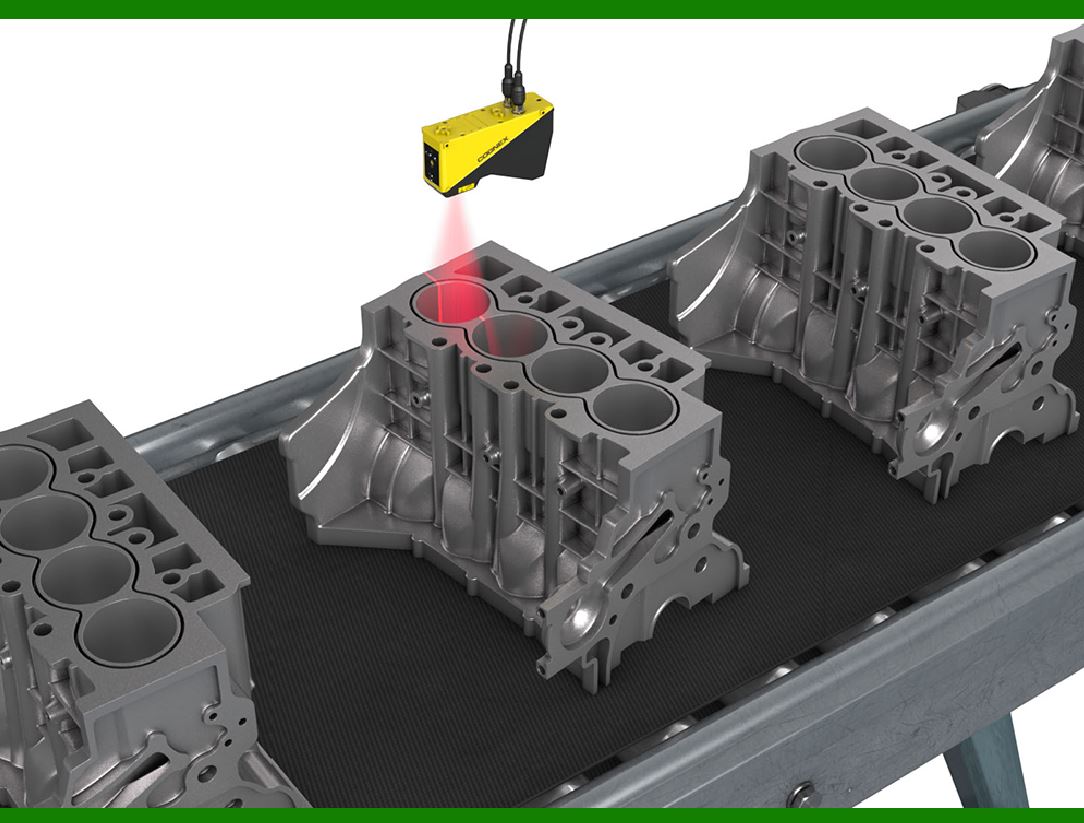
2.1. Manufacturing: Part Identification: Each part is labeled with a barcode that contains essential information like part number, batch number, and manufacturing date. Process Control: Barcodes are scanned at each stage of the manufacturing process to ensure proper assembly and quality control. Traceability: Enables tracking of each part's journey from raw material to finished product, helping in root cause analysis of defects. |
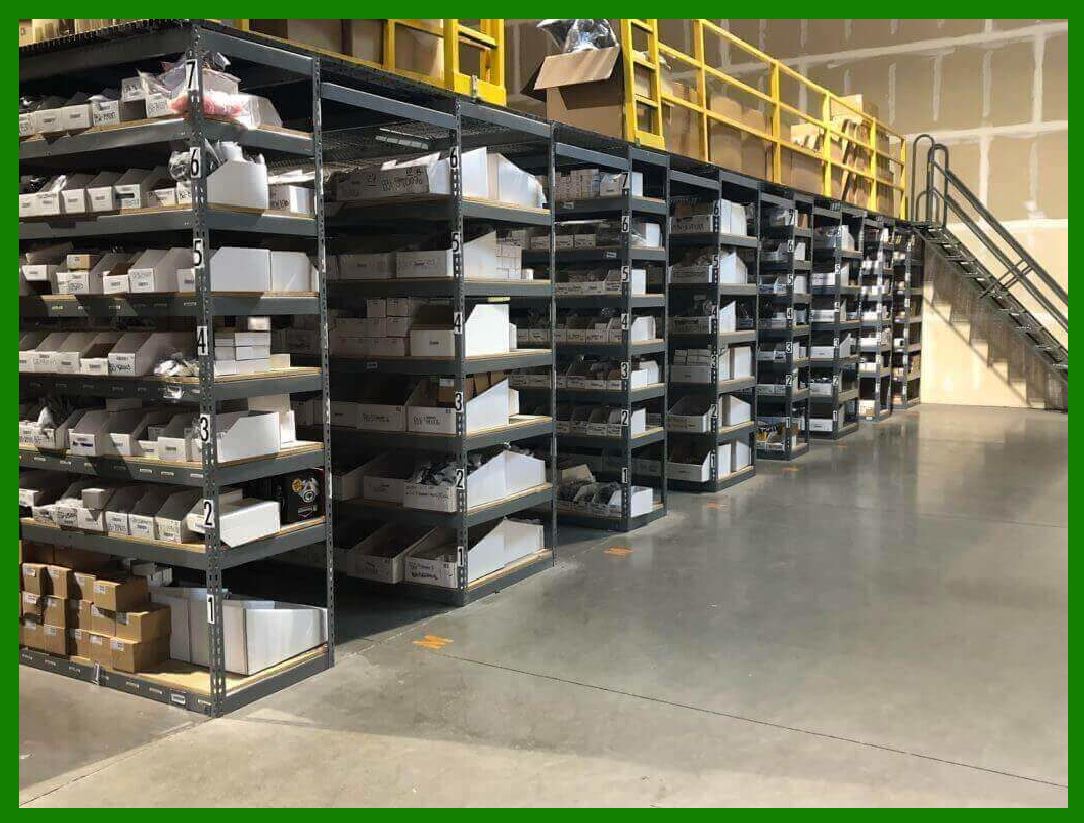
2.2. Inventory Management: Stock Control: Scanning barcodes during inventory counts ensures accurate stock levels and reduces human error. Automated Reordering: Systems can automatically generate orders for parts when stock levels fall below a certain threshold, based on barcode scans. Location Tracking: Barcodes help in locating parts in large warehouses by encoding information about their storage location. |
|
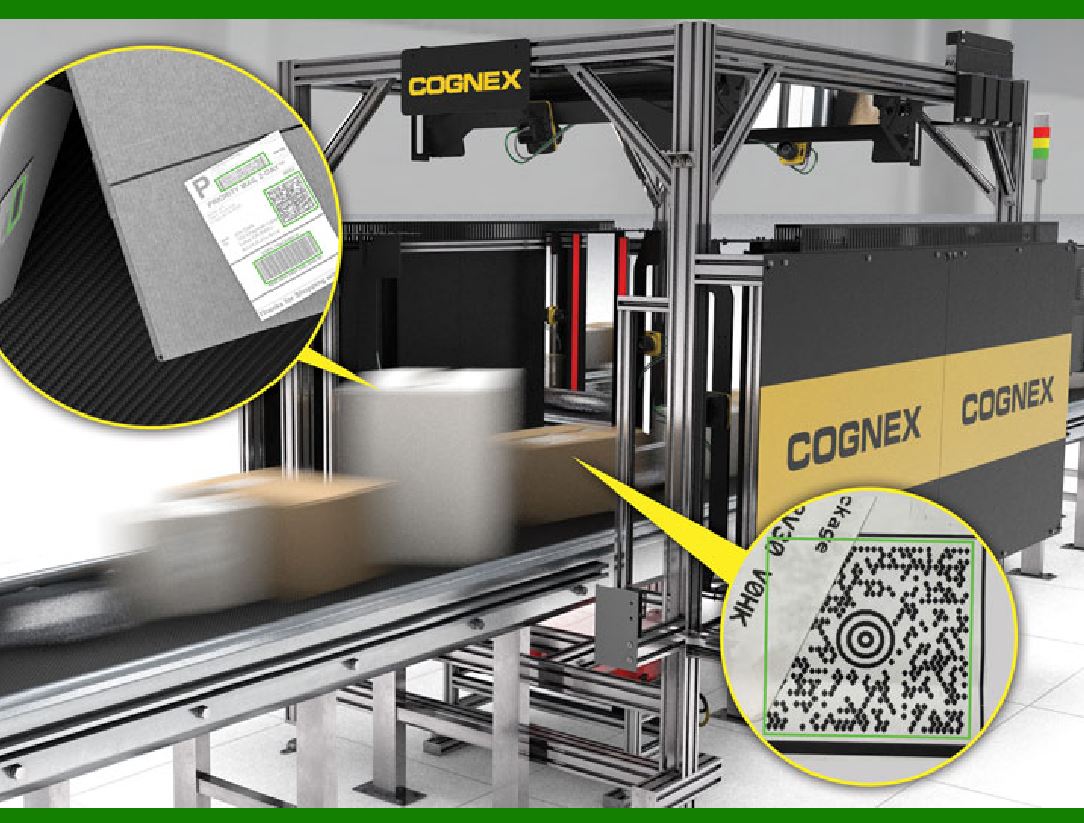
2.3. Supply Chain Management: Shipping and Receiving: Barcodes on shipping labels streamline the process of sending and receiving parts, reducing manual entry errors and speeding up logistics operations. Vendor Management: Tracking parts from multiple suppliers becomes efficient, ensuring that parts meet the required specifications and are delivered on time. |
2.4. Aftermarket and Service: Parts Replacement: Service centers use barcodes to quickly identify and order the correct replacement parts. Warranty Tracking: Barcodes help in maintaining records of parts used in warranty repairs, facilitating easier claims processing. |
|
3. Integration with Systems |
3.1 ERP (Enterprise Resource Planning): Barcodes integrate seamlessly with ERP systems, providing real-time data on parts availability, production schedules, and order statuses. 3.2. MES (Manufacturing Execution Systems): Barcodes enable precise control over the manufacturing process by providing real-time data and ensuring that each part meets quality standards. 3.3. WMS (Warehouse Management Systems): Barcodes help in optimizing warehouse operations by improving accuracy in picking, packing, and shipping processes. |
|
4. Advantages of Using Barcodes |
4.1 Accuracy: Reduces errors associated with manual data entry, ensuring high accuracy in parts tracking. 4.2 Efficiency: Speeds up operations in manufacturing, inventory management, and logistics. 4.3 Cost-Effective: Barcodes are inexpensive to produce and implement, offering a high return on investment. 4.4 Scalability: Can be easily scaled to track millions of parts in large manufacturing operations. 4.5 Real-Time Tracking: Provides real-time visibility into the status and location of parts throughout the supply chain. |
|
5. Challenges and Considerations |
5.1 Barcode Durability: Automotive parts often require durable barcode labels that can withstand harsh conditions such as heat, chemicals, and abrasion. 5.2 Standardization: Ensuring that barcode systems comply with industry standards like ISO, AIAG (Automotive Industry Action Group), and others. 5.3 Data Security: Protecting sensitive information encoded in barcodes from unauthorized access and tampering. 5.4 Integration: Ensuring seamless integration with existing systems and processes within the organization. |
|
In summary, barcodes play a vital role in tracking automotive parts, providing a reliable and efficient method to manage the complex supply chain, enhance manufacturing processes, and improve overall operational efficiency. |
 cs@easiersoft.com