Barcodes have revolutionized inventory management, supply chain logistics, and production processes across various sectors, including appliances. |
In this comprehensive exploration, we'll discuss how barcodes are used in the appliance industry, their benefits, and some real-world case studies. |
|
Barcodes in the Appliance Industry |
1. Work-in-Process (WIP) Tracking |
Barcodes play a crucial role in tracking work-in-process (WIP) inventory during appliance manufacturing. Here's how they are applied: |
|
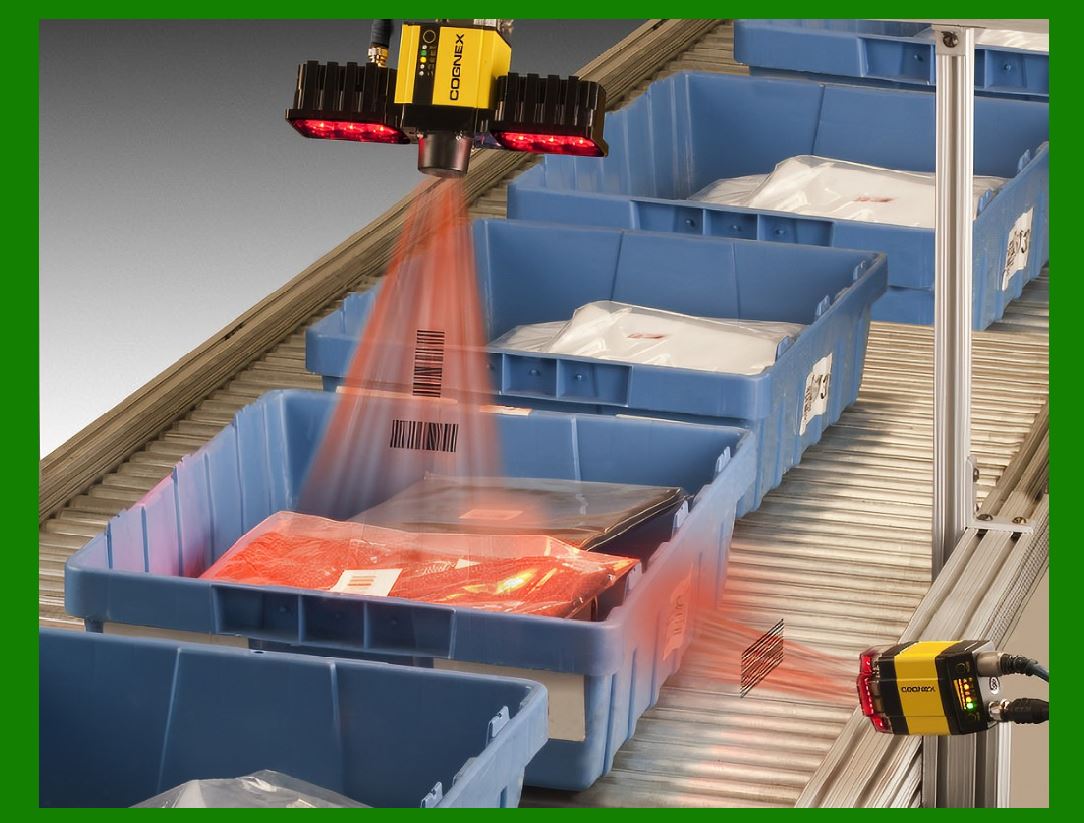
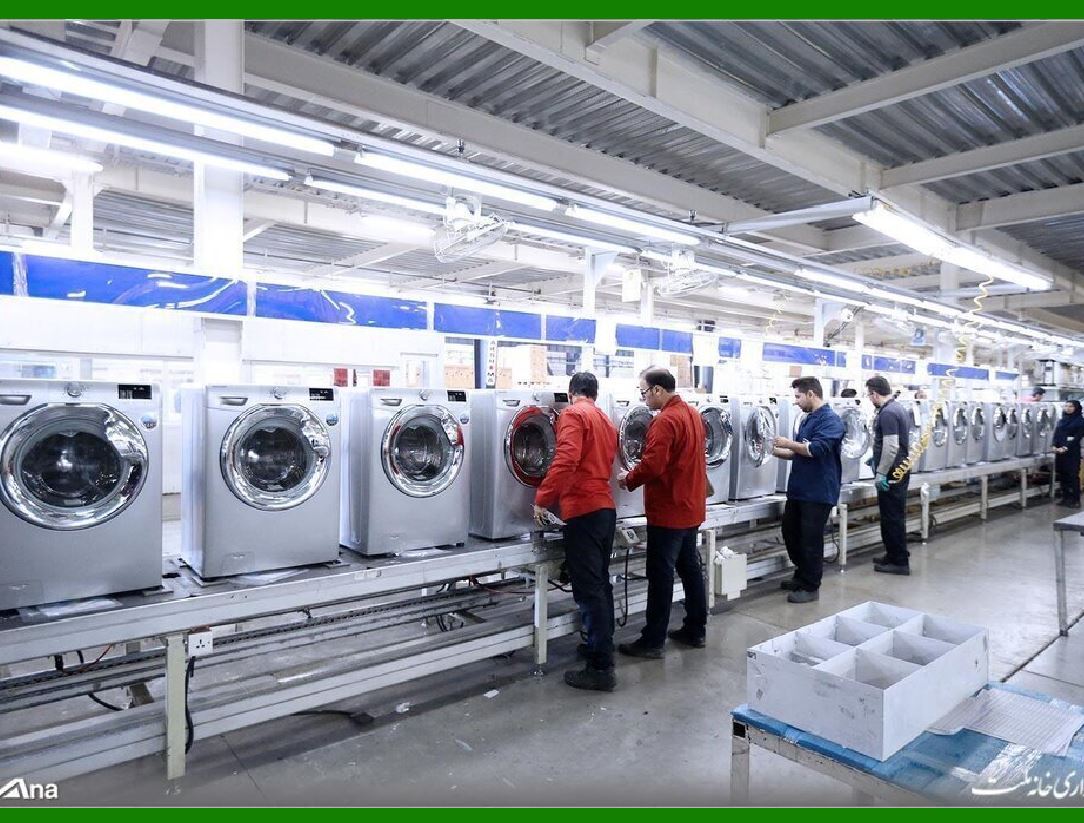
WIP Visibility: Large manufacturers of industrial electronic appliances recognize the importance of real-time monitoring throughout their production lines. To optimize efficiency, they implement data-driven systems that provide complete manufacturing histories for each unit. Barcodes are central to this process, as they allow for precise identification and traceability of components at every stage of production. |

|
Automated Component Traceability: At each production station, barcodes are used to automate component traceability. As appliances move along the assembly line, embedded barcode readers validate the presence and accuracy of the applied barcodes. This ensures that each unit's manufacturing history is accurately recorded, allowing for better quality control and process optimization. |
|
2. Inventory Management |
Barcodes facilitate efficient inventory management within appliance manufacturing facilities: |
|
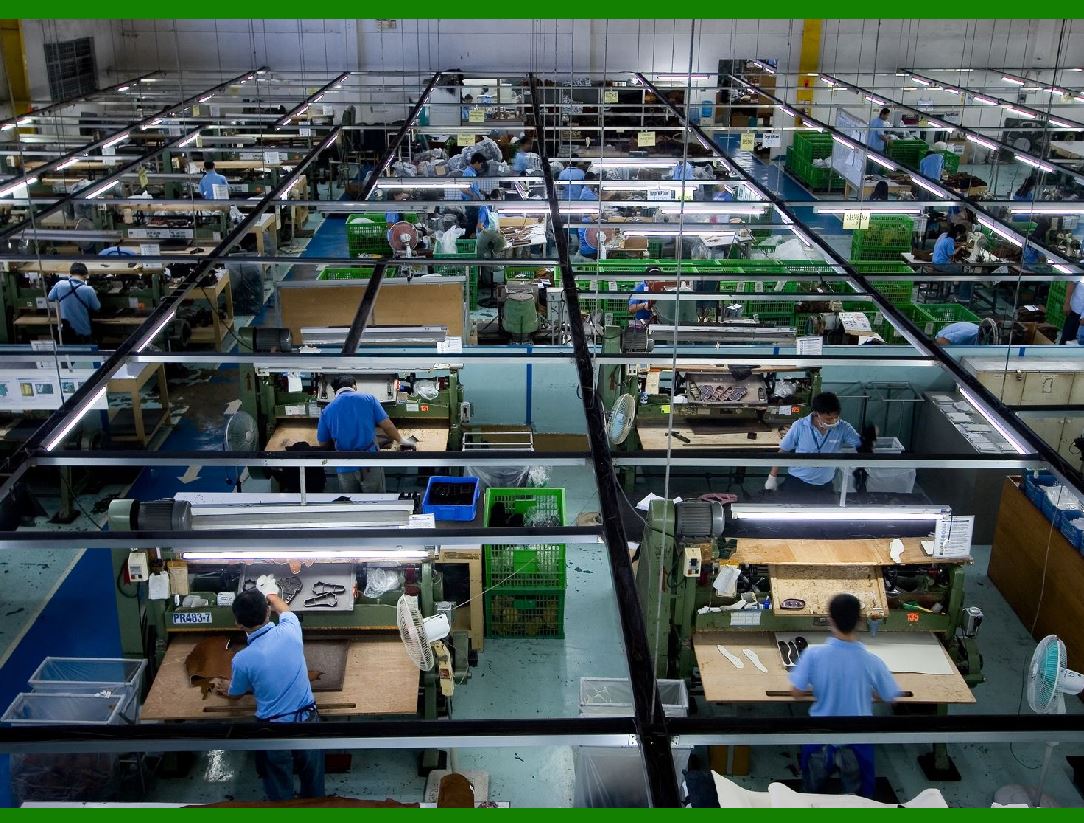
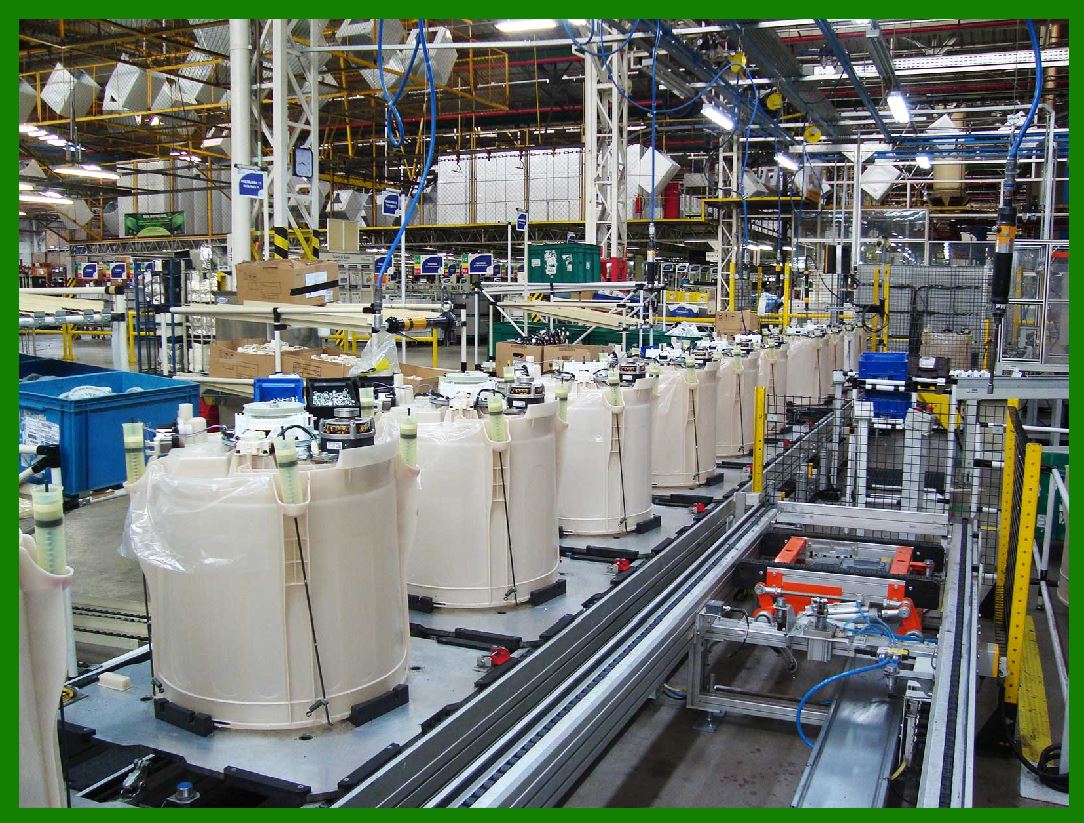
Part Identification: Barcodes are placed on partially manufactured goods to track materials and partially finished products at various stages of the production process. This includes tracking components, subassemblies, and finished units. By scanning barcodes, employees can quickly access information about each part, ensuring accurate inventory management. |
|
Minimizing Errors: During inventory management, barcodes speed up processes and minimize errors. For example, when restocking raw materials or retrieving components from storage, scanning barcodes ensures accurate data entry and reduces the risk of mistakes. |
|
3. Supply Chain and Logistics |
Barcodes are essential for managing appliances as they move through the supply chain: |
|
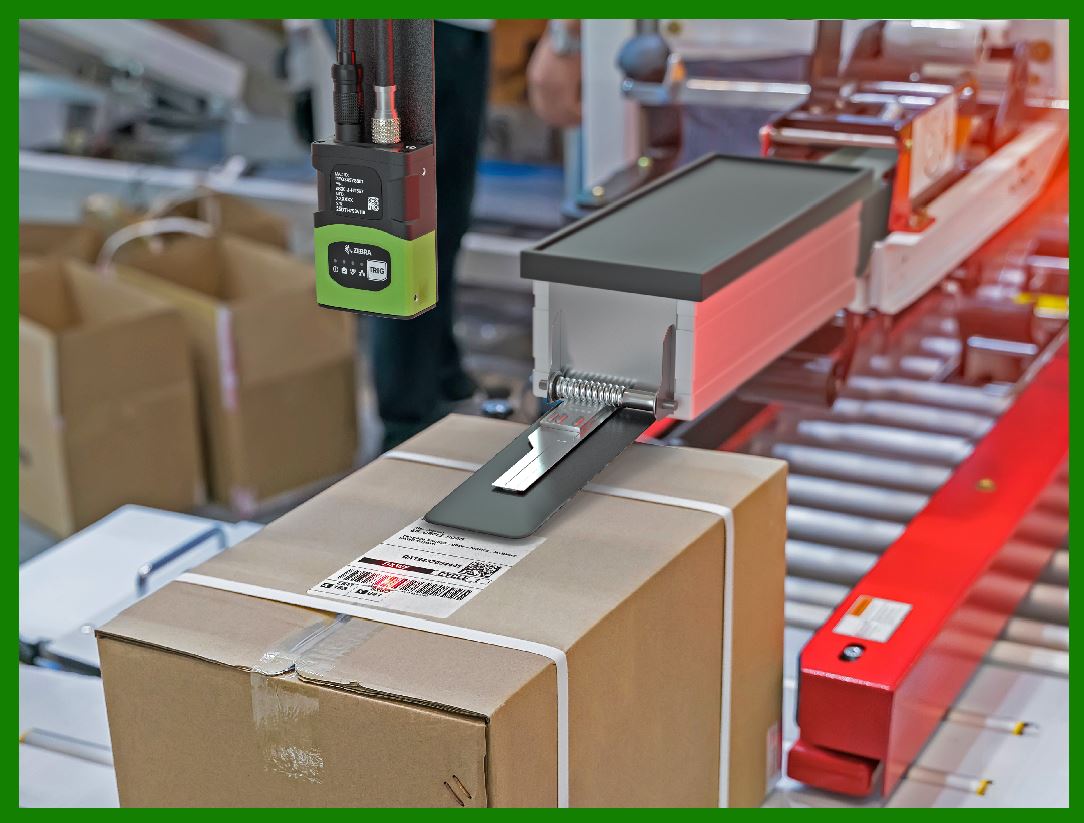
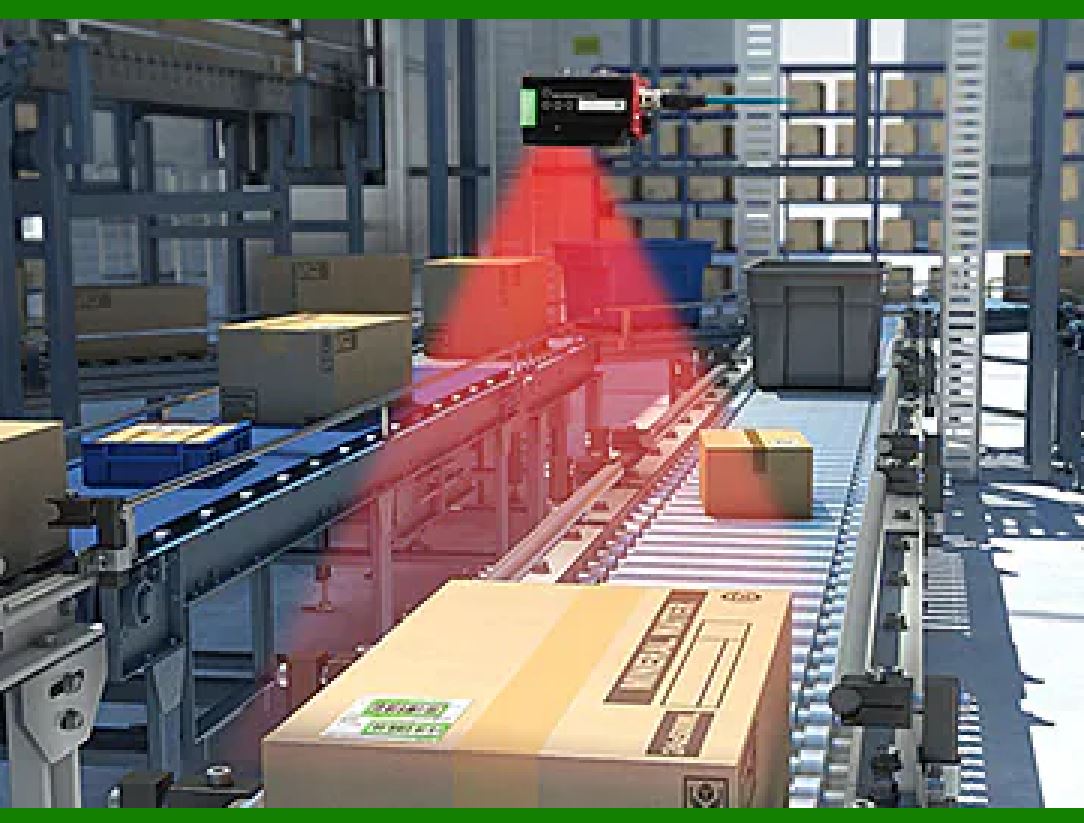
Transportation Tracking: Barcoded labels on appliance packaging enable efficient tracking during transportation. Whether appliances are shipped by land, sea, or air, logistics providers can scan barcodes to monitor their movement, reduce loss of goods, and improve delivery processes. |
|
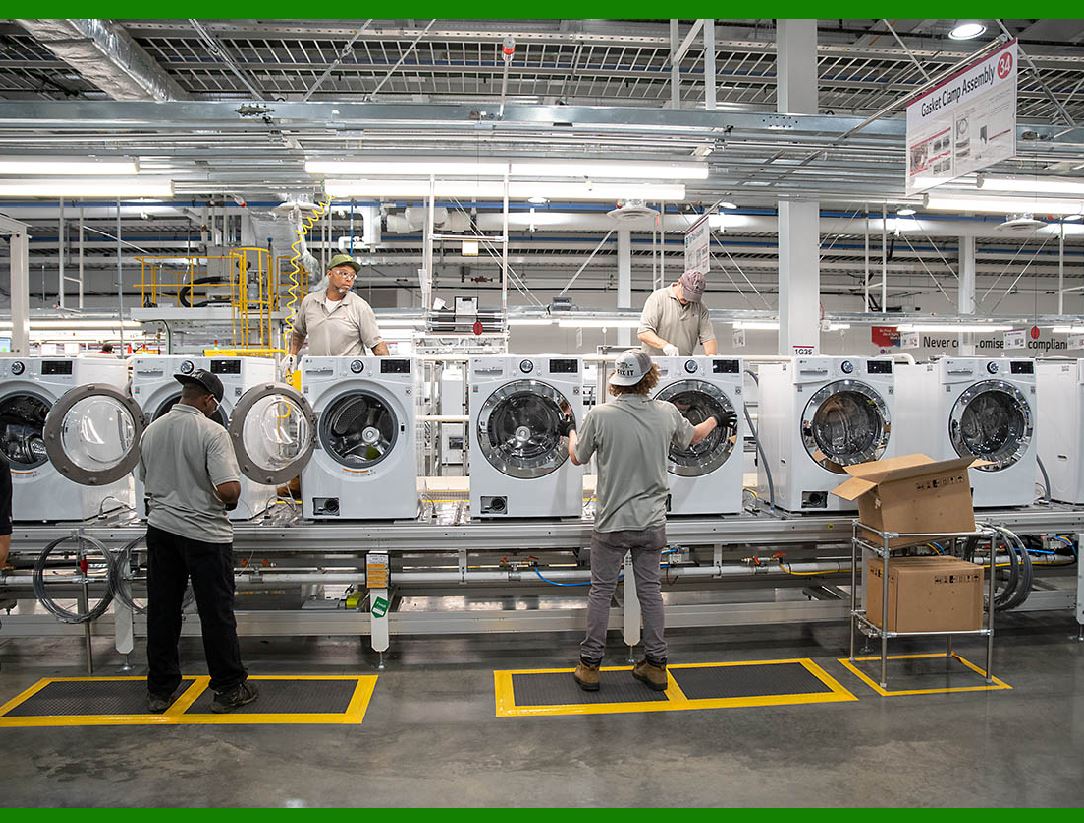
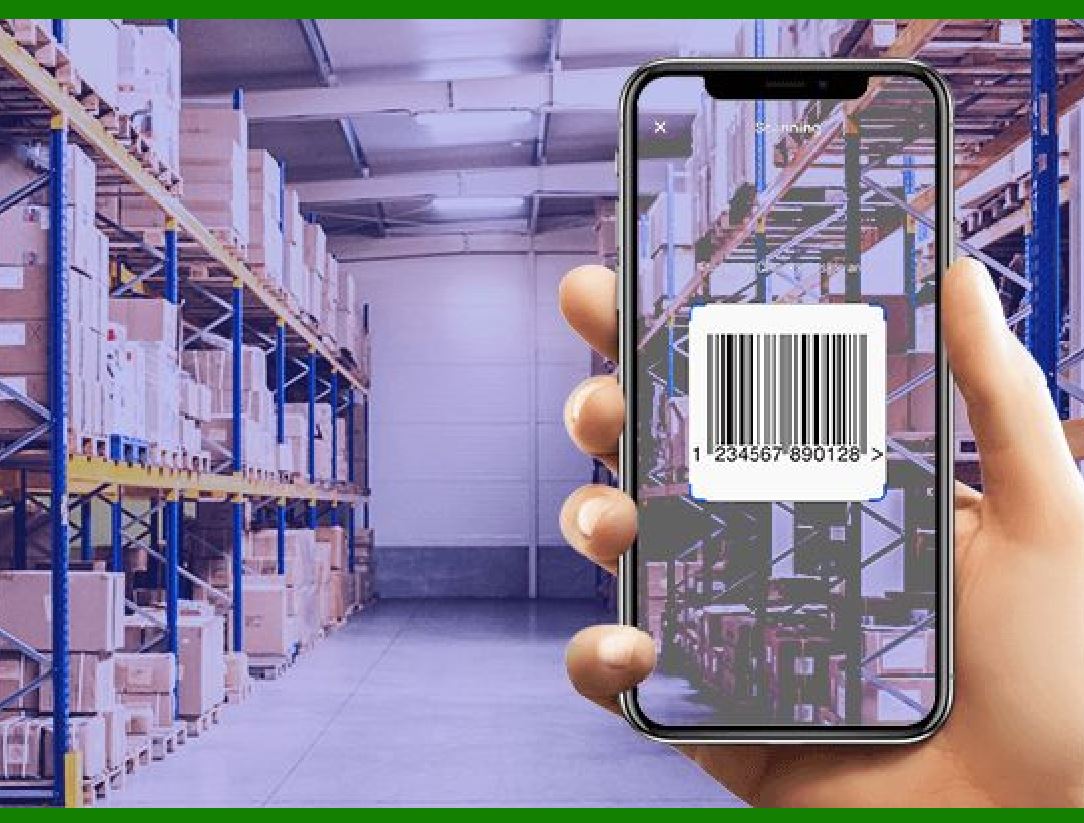
Warehouse Management: In warehouses, barcodes help manage inventory levels, track shipments, and streamline order fulfillment. Warehouse staff can quickly locate specific appliances using handheld scanners, ensuring timely delivery to retailers and customers. |
|
4. Real-World Case Study |
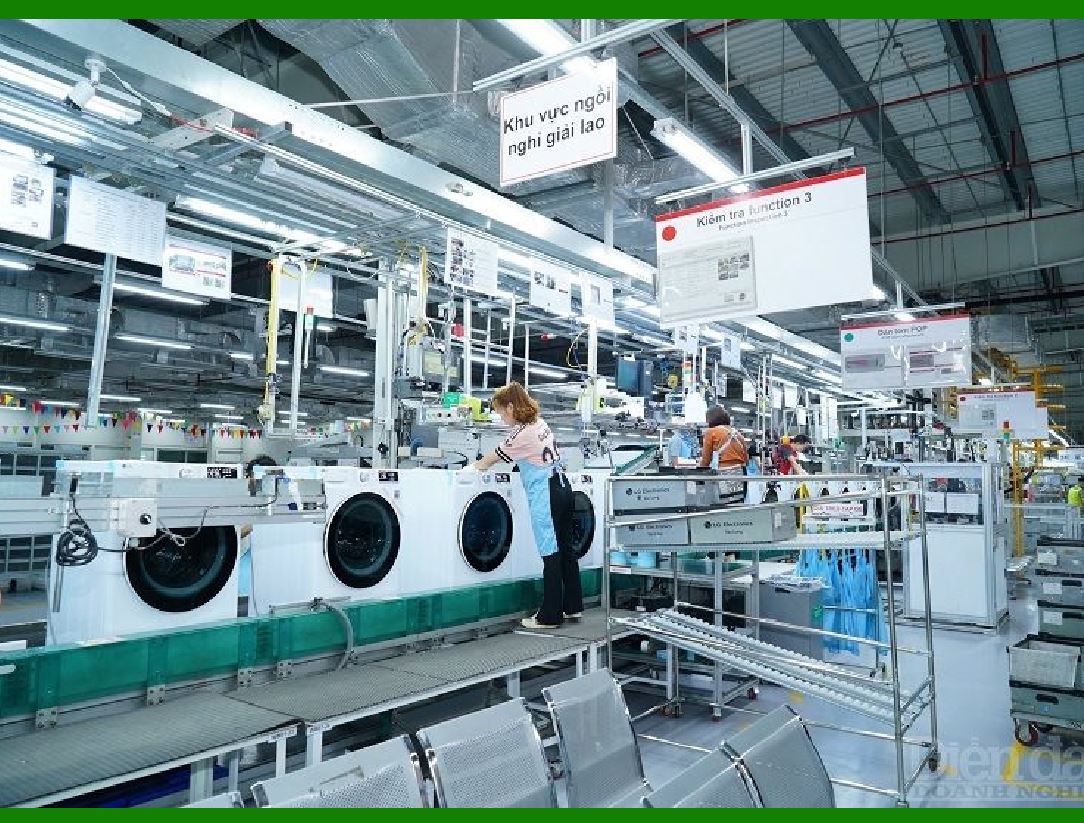
Chinese Industrial Electronic Appliance Manufacturer Challenge: A Chinese industrial electronic appliance manufacturer sought to enhance WIP traceability and production line efficiency. |
|
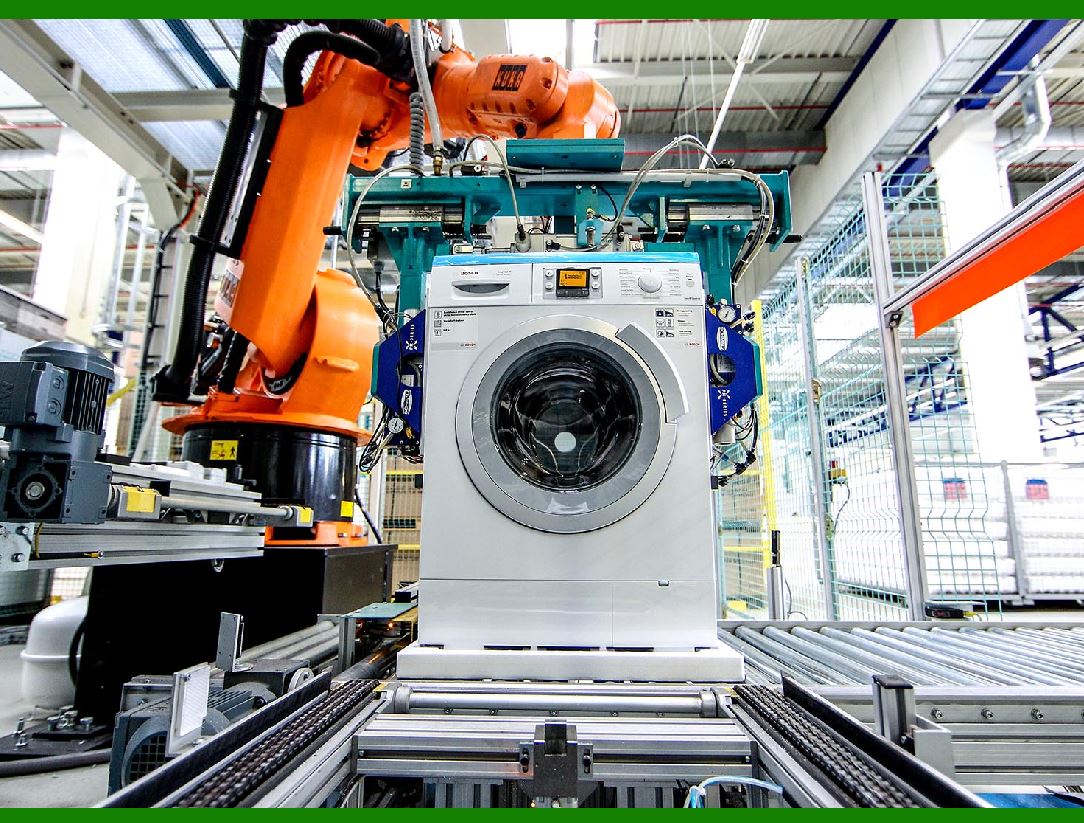
Solution: The manufacturer embedded compact barcode readers (Microscan MS-3 Laser Barcode Scanner and Quadrus? MINI Barcode Imager) throughout their production line. These readers validated barcode presence and accuracy, building traceability data for each unit. The Quadrus MINI's small form factor and the MS-3 laser scanner's flexibility allowed them to fit within tight spaces and adapt to fluctuations in product dimensions. |
|
In summary, barcodes are indispensable tools in the appliance industry. They enable accurate tracking, efficient inventory management, and seamless supply chain logistics. As technology continues to evolve, barcodes will remain a cornerstone of modern manufacturing processes, ensuring that appliances reach consumers with precision and reliability. |

|
 cs@easiersoft.com