Using barcodes in Automotive Industry | Let's delve into the fascinating world of barcodes and their crucial role in the automotive industry. | Barcodes are ubiquitous in the automotive sector, revolutionizing processes across production, inventory management, and shipping. Here's how they are applied: | 1. Production: | Barcodes track the movement of materials and components during production. Workers scan barcodes to ensure the right parts are used at the right time, minimizing errors and enhancing efficiency. By scanning barcodes, manufacturers can monitor assembly line progress, identify bottlenecks, and optimize workflows. | 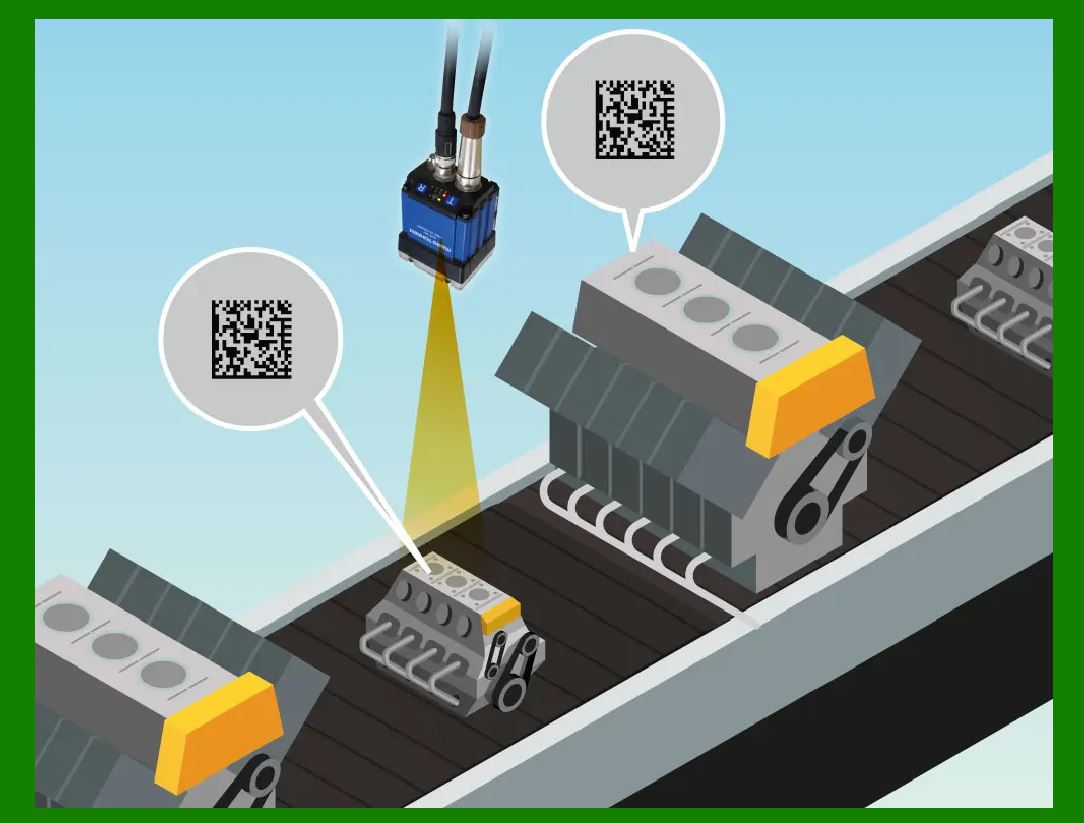
| 2. Quality Control: | Barcodes play a pivotal role in quality assurance. At various production stages, workers scan barcodes on products and components to verify compliance with quality standards. This ensures that only high-quality items proceed to the next phase, preventing defects from reaching customers. | 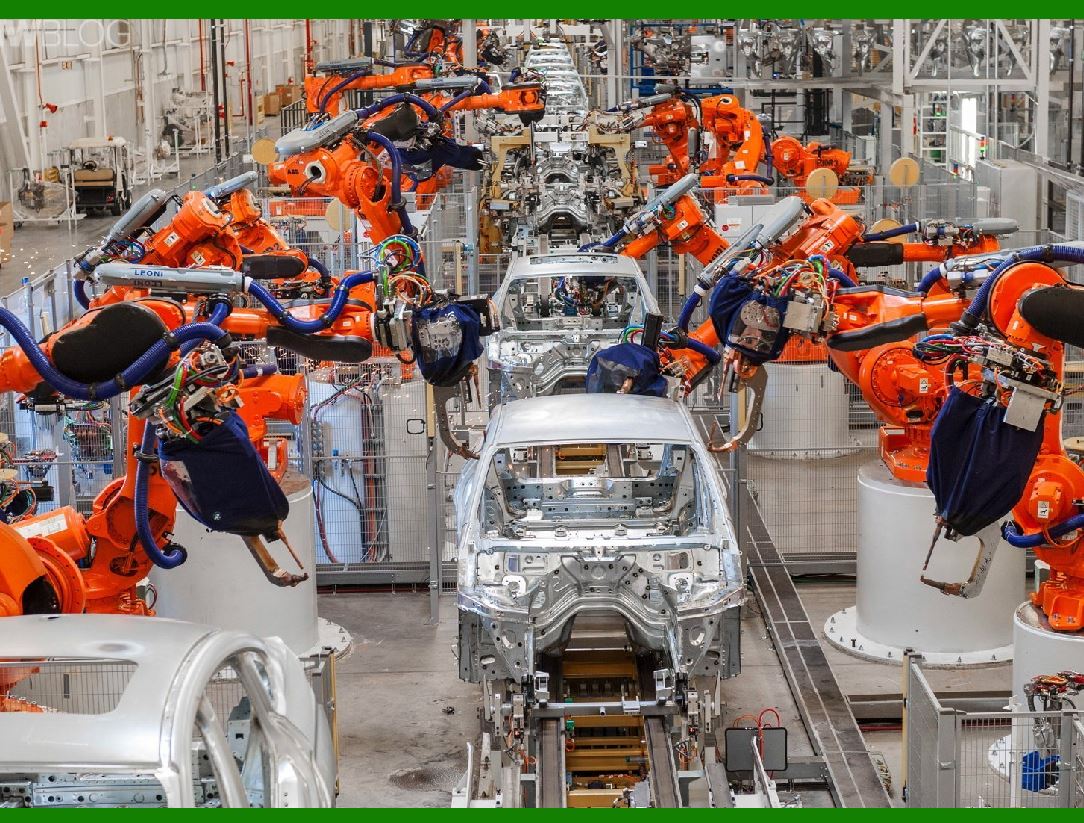
| 3. Inventory Management: | Efficient inventory management relies on barcodes. Scanning barcodes on finished goods provides real-time information about product location, status, and shipping details. Manufacturers can track stock levels, reorder supplies, and prevent stockouts or excess inventory. | 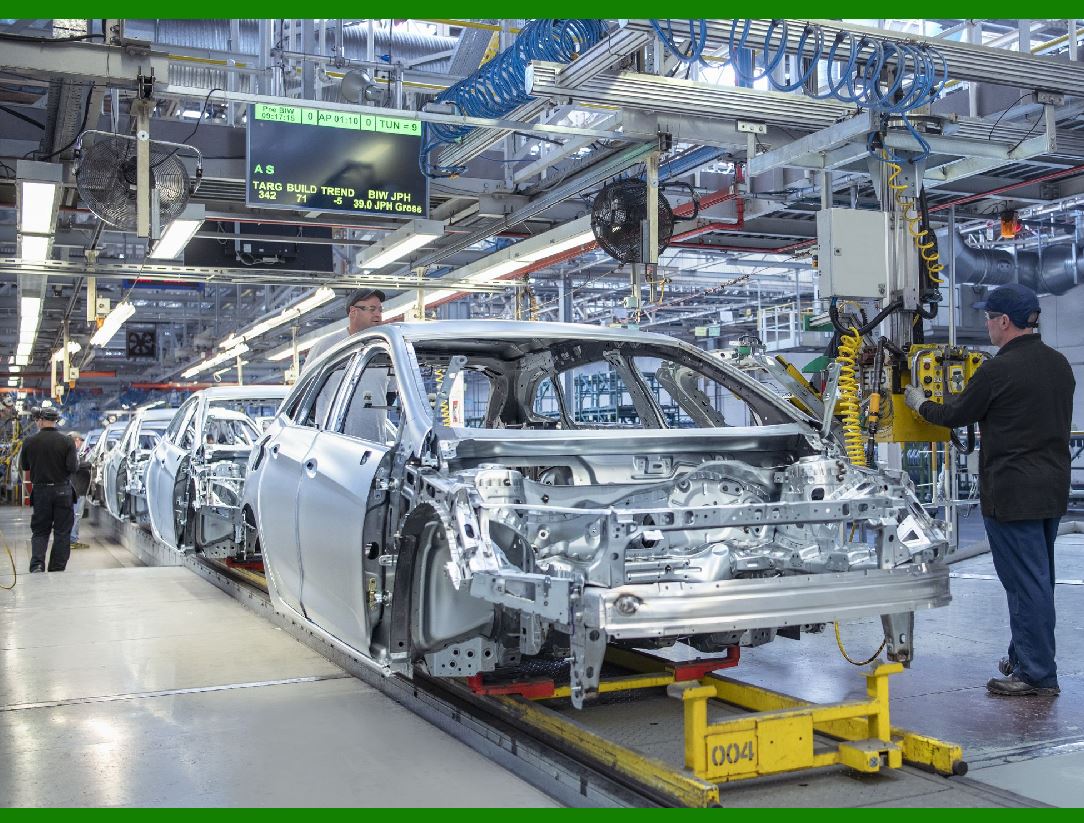
| 4. Shipping: | Barcodes facilitate seamless shipping processes. By scanning shipping labels, workers access critical data such as destination, shipping date, and delivery status. This streamlines logistics, reduces manual errors, and ensures timely deliveries. | 
| 5. Types of Barcodes Used: | Code 39: Widely used for asset tracking, inventory management, and production control. Ideal for labeling components and managing production flow. Code 128: Enables high-density data encoding. Commonly used for labeling products, components, and shipping containers. DataMatrix (2D): Used for tracking components and storing production-related data (e.g., batch numbers, manufacturing dates). Compact and versatile. QR Code (2D): Stores large amounts of data. Applied in inventory management, marketing, and tracking. UPC (Universal Product Code): Found on automotive products like replacement parts, tires, and accessories. Facilitates product labeling and tracking. GS1-128: Used for labeling products, components, and shipments. Includes additional data (e.g., batch numbers, expiration dates) for comprehensive tracking. Interleaved 2 of 5: Encodes identification numbers for products and components. Commonly scanned using mobile devices in manufacturing plants and warehouses. | 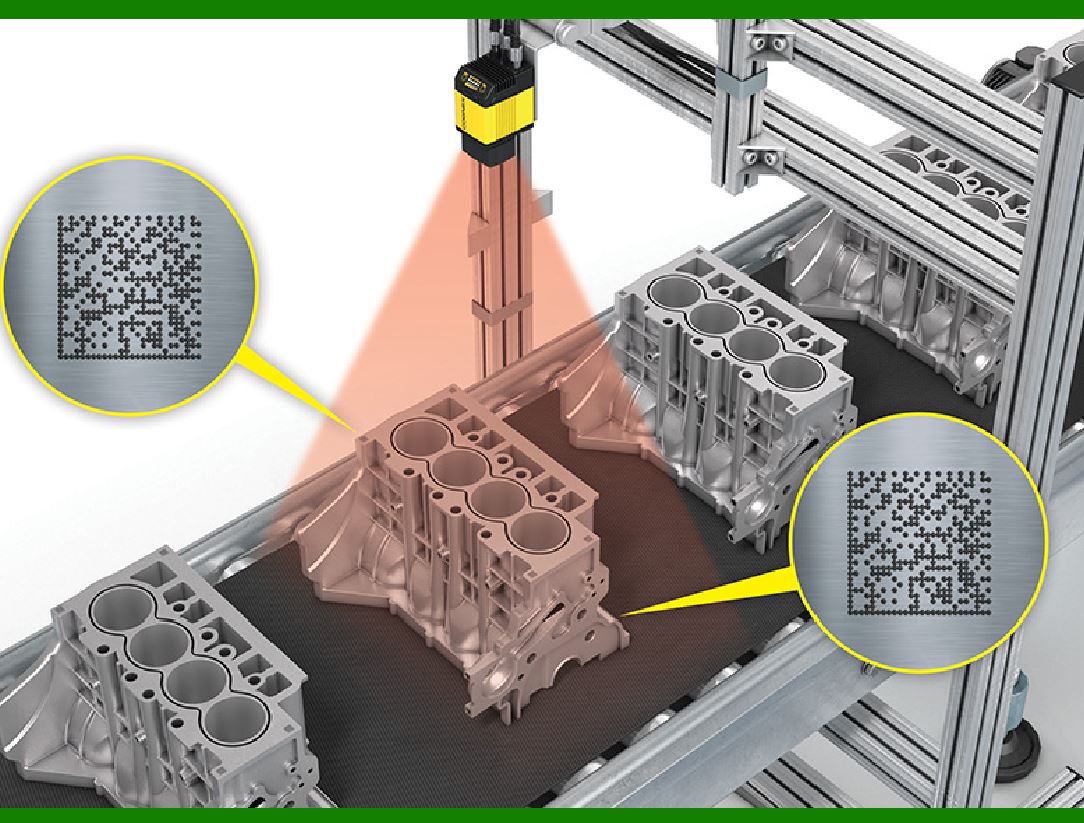
| 6. Why Barcodes Matter: | Traceability: Barcodes ensure that each part carries a unique identifier (usually direct part marking). Key encoded data includes part, serial, lot, or model numbers, enabling robust traceability. Just-in-Time Manufacturing: Automotive labels may contain multiple barcodes (up to 10 per label) with various symbologies. These labels streamline global trade and supply chain logistics. In summary, barcodes are the invisible heroes of the automotive industry, enhancing efficiency, accuracy, and transparency throughout the production and distribution process. | 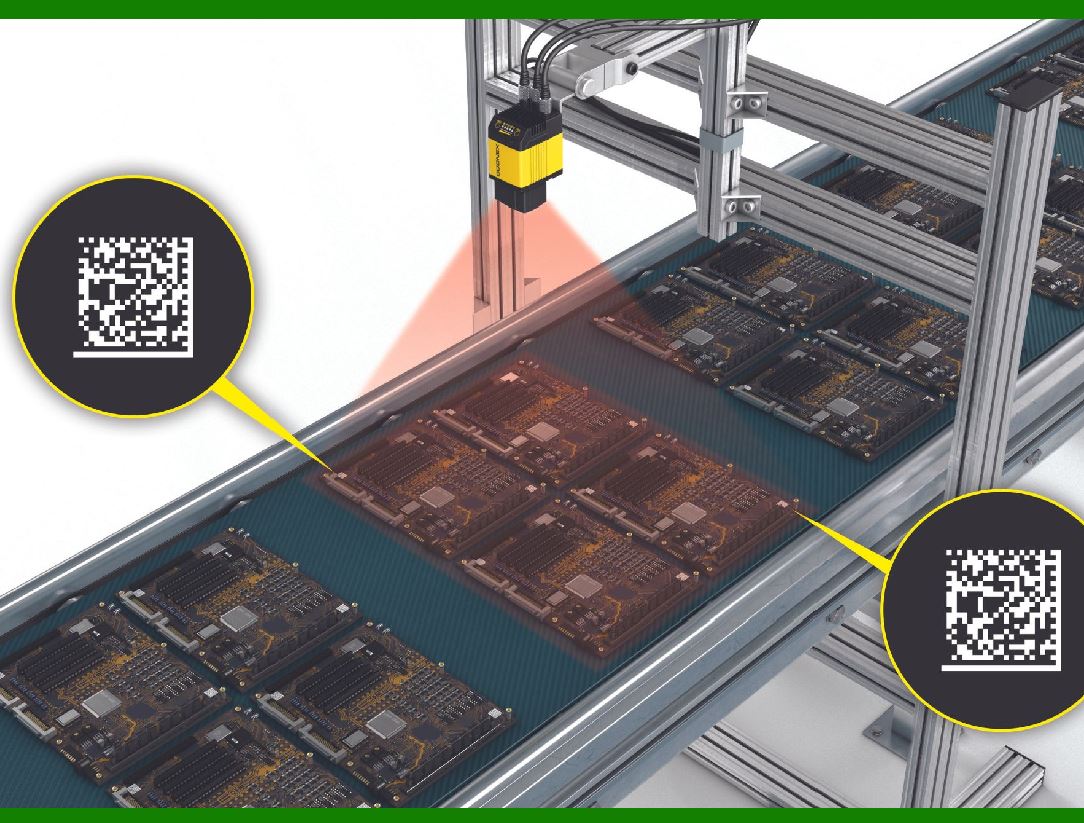
| 7. How are barcodes used in vehicle maintenance? | Tool and Inventory Management: Barcoded Tools: Maintenance departments use barcodes to monitor tools. Each tool is assigned a unique barcode, allowing precise tracking of check-outs, current locations, and availability in inventory. Check-In/Check-Out Process: Similar to borrowing books from a library, tool movement is tracked through a check-in/check-out system using barcodes. Asset and Inventory Management: Barcodes simplify asset and inventory management in maintenance. By scanning barcodes, maintenance personnel can quickly identify and manage assets, track maintenance activities, and access relevant information. Data Accuracy and Productivity: Barcodes improve productivity by reducing the time spent on manual data entry. Accurate data ensures better utilization of maintenance personnel's time, leading to increased production efficiencies and cost savings. | 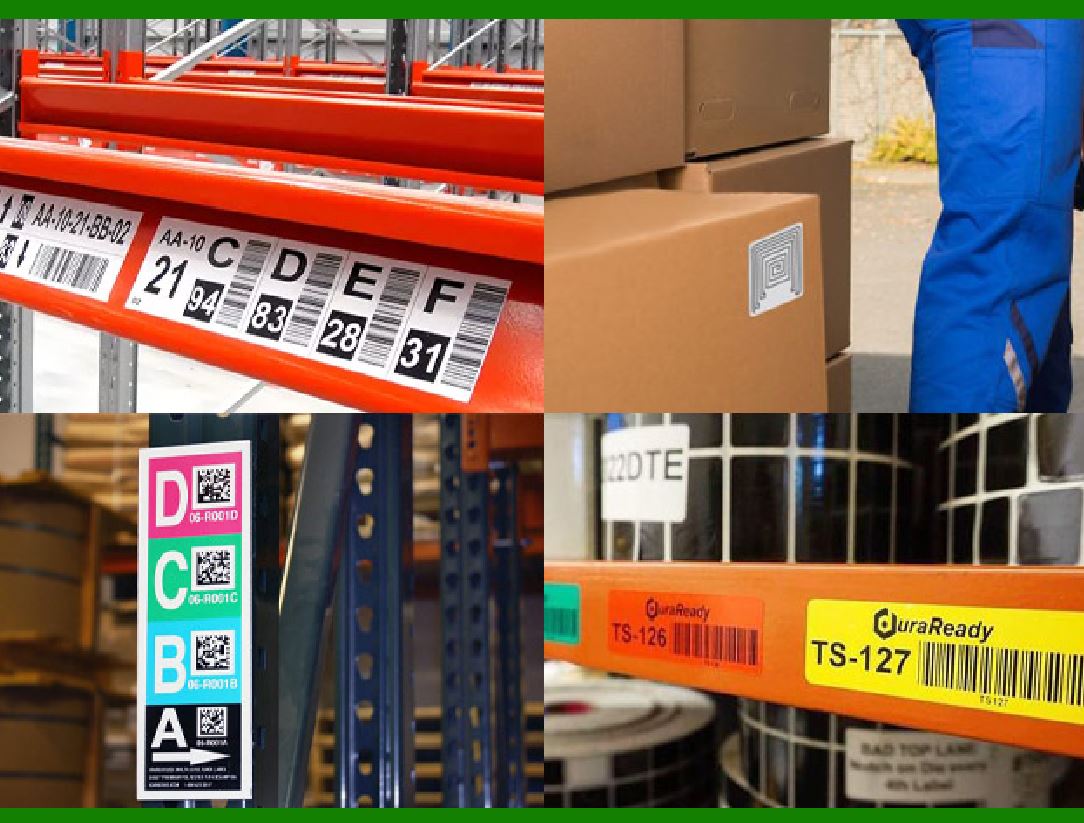
| In summary, barcodes enhance maintenance processes by providing efficient tracking, accurate data, and streamlined management. Whether it's monitoring tools, managing assets, or simplifying maintenance tracking, barcodes are a valuable tool in the automotive industry. | 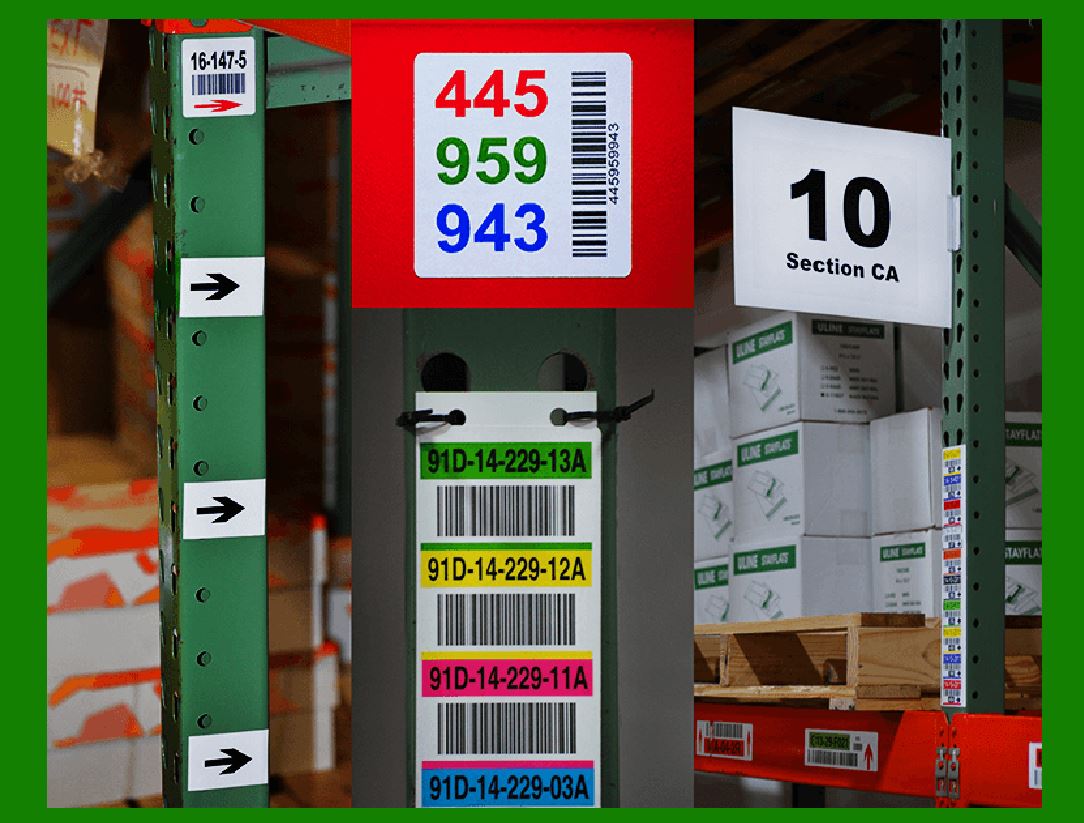
|
|
 cs@easiersoft.com