Barcode Technology

Barcode History

Barcode Label Paper

Barcode Printer

Barcode Application

Inventory Management

AI Barcode QRCode

Barcode Scanner

Barcode Software

Barcode Software B

Barcode Software C

Barcode Software D

Barcode Software E

New Technology A

New Technology B

Robot Technology

Barcode Types

Barcode Types B

Barcode Types C

Barcode Types D

Barcode Types E

Barcode Types F

Electronic Technology

Psychology at Work

Barcode Technology and Barcode Software Related   <<< Back to Directory <<<

Using barcodes in garment industry

Let's delve into the fascinating world of barcodes and their applications in the garment industry. Barcodes have revolutionized various aspects of clothing manufacturing, inventory management, and retail operations.

1. Inventory Management and Tracking:

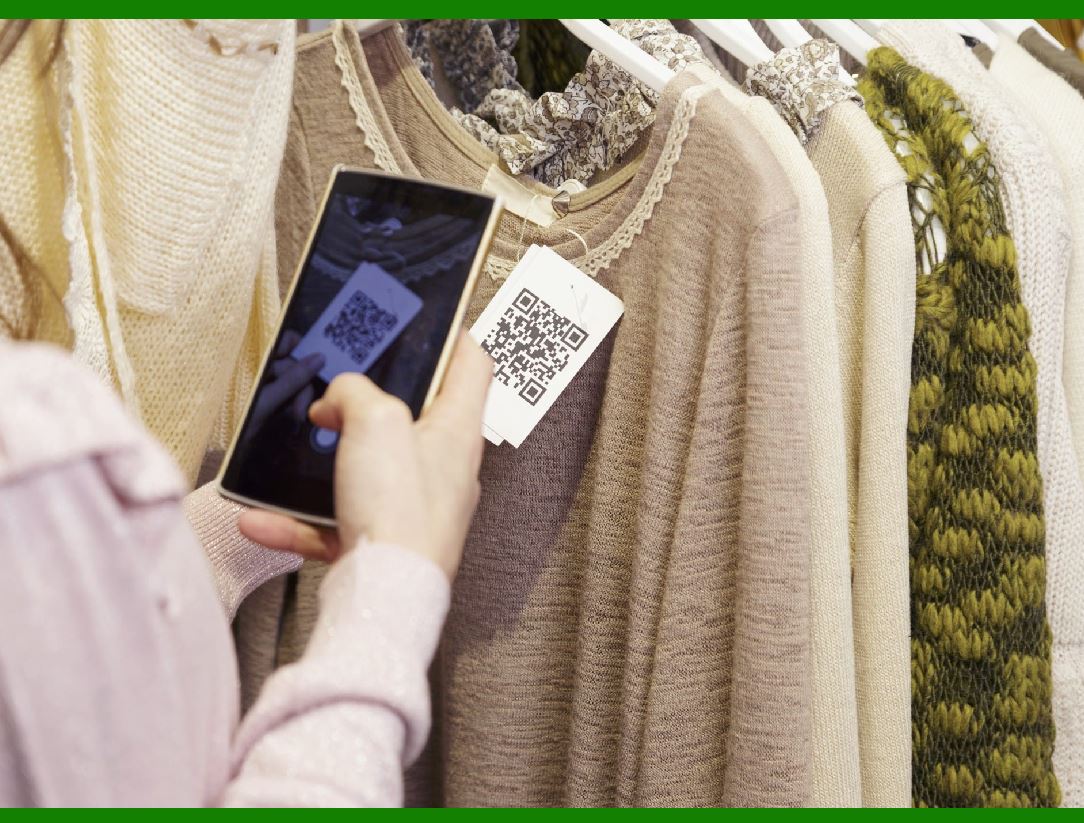
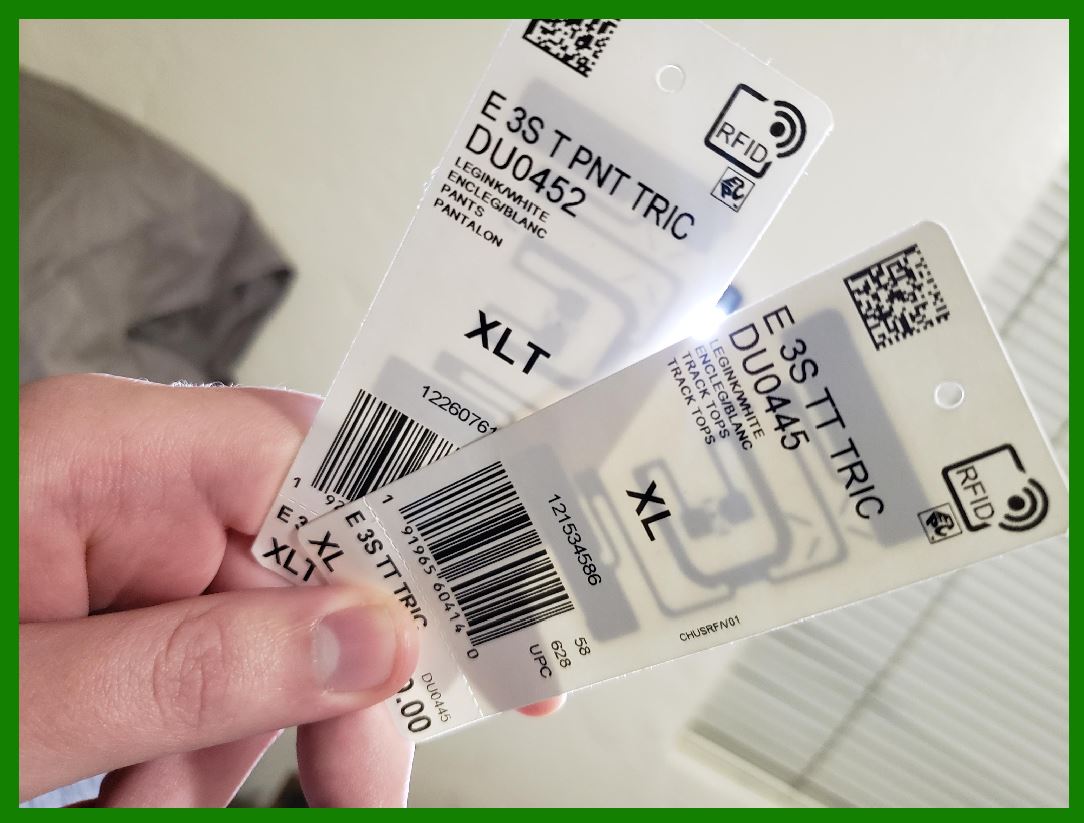
RFID (Radio Frequency Identification) technology is widely used in the textile and clothing industry. It enables automatic tracking of garments throughout the supply chain, from production to retail shelves.

RFID tags attached to garments contain unique identifiers. These tags can be read wirelessly, allowing real-time tracking of inventory levels, movement, and location.

Retailers and manufacturers benefit from accurate inventory data, reduced stockouts, and improved supply chain efficiency.

2. Production Control:

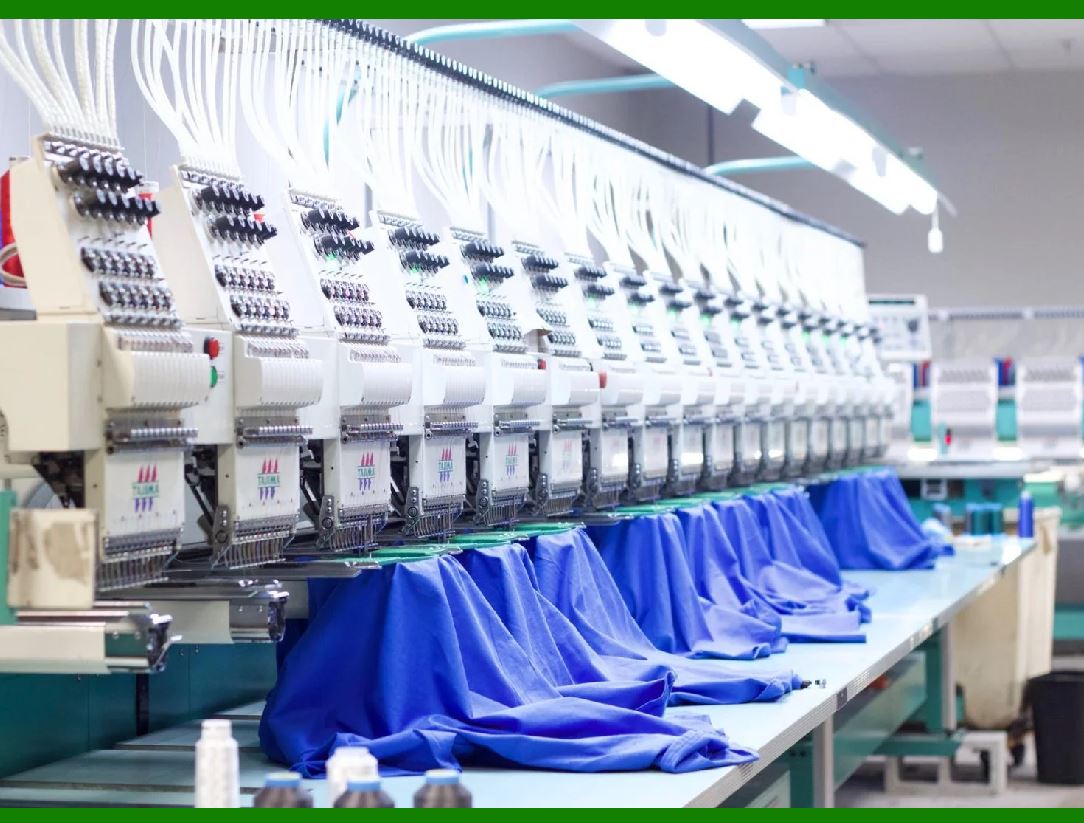
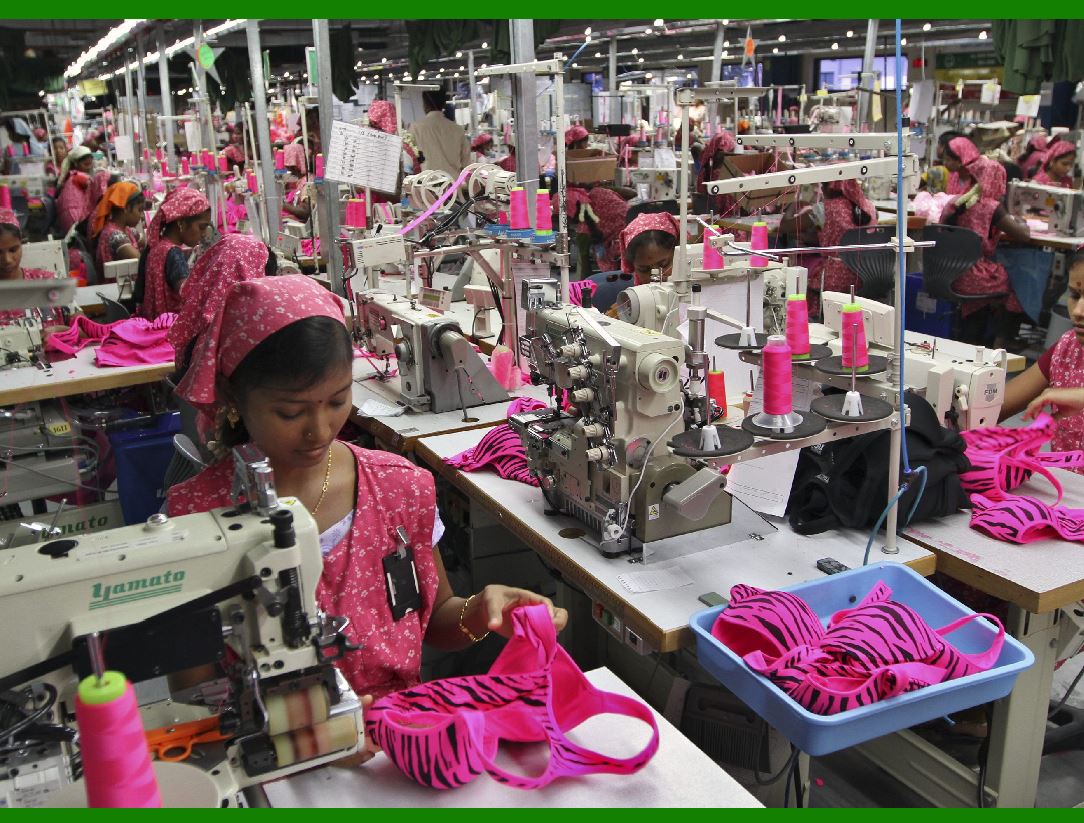
Barcodes play a crucial role in production control. They help manage work-in-progress (WIP) inventory, track production stages, and ensure timely completion of orders.

Barcode labels on fabric rolls, cut pieces, and finished garments facilitate seamless production flow. Scanning these labels provides essential information about the garment's status.

3. Retail Management:

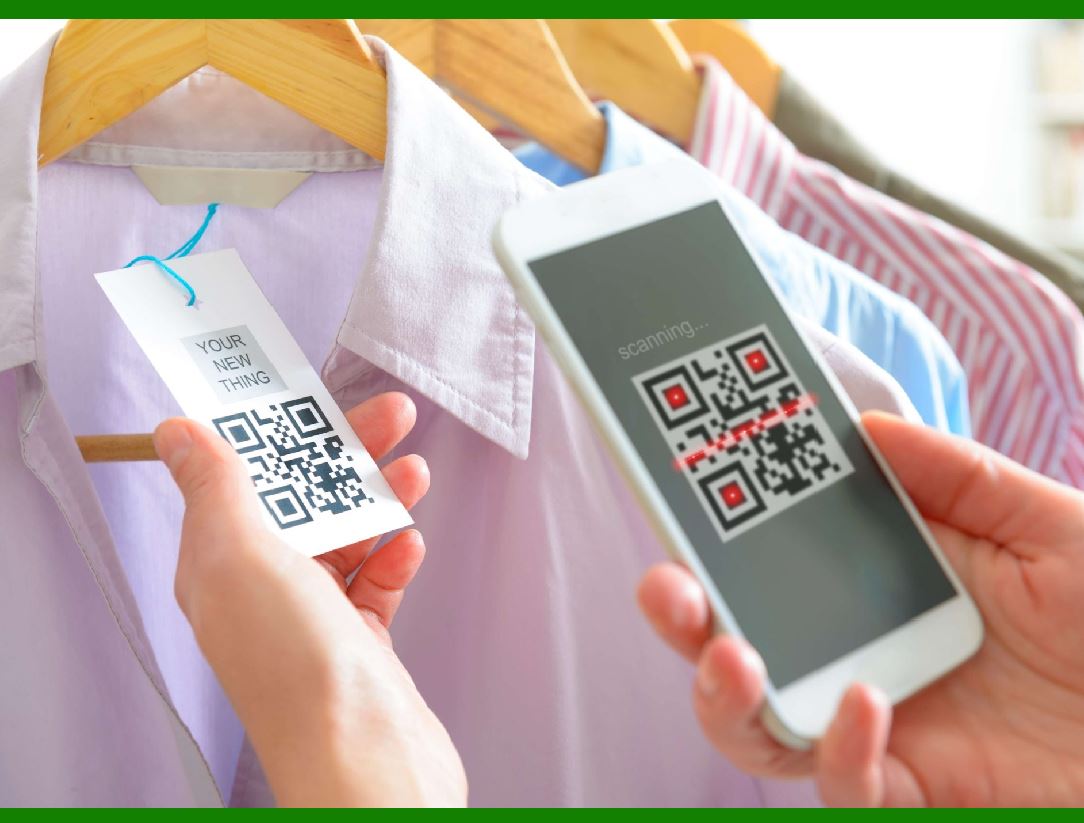
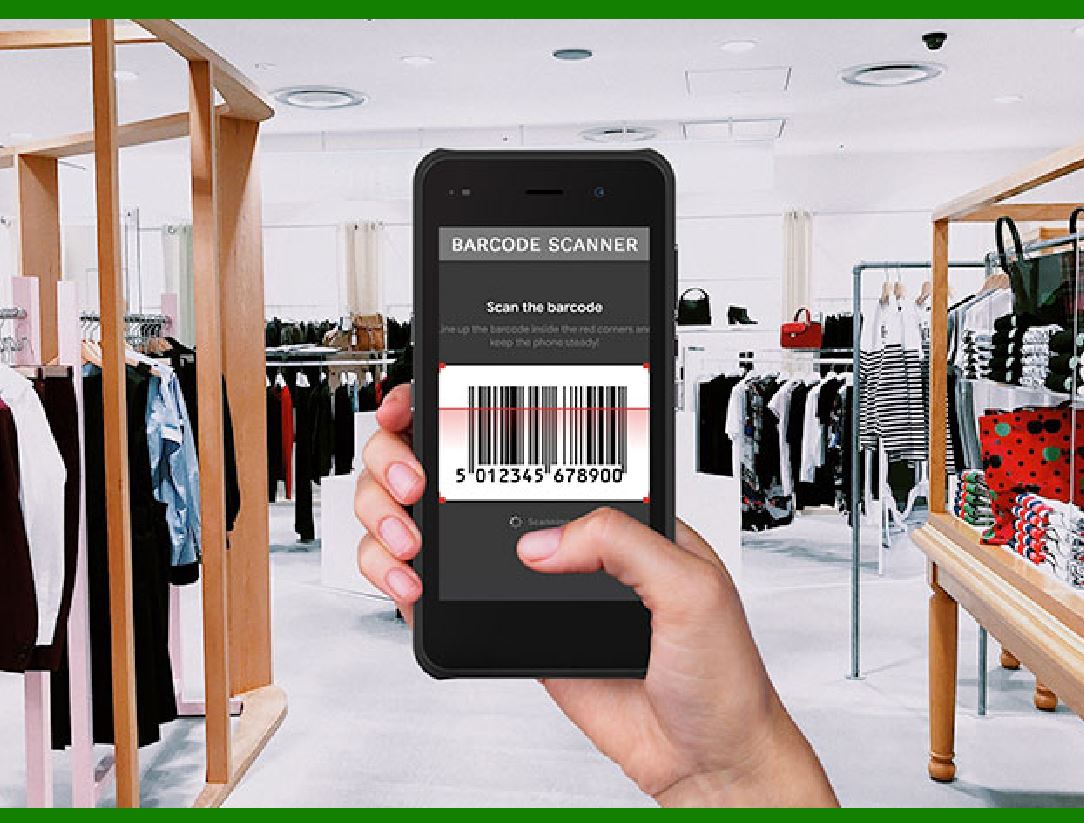
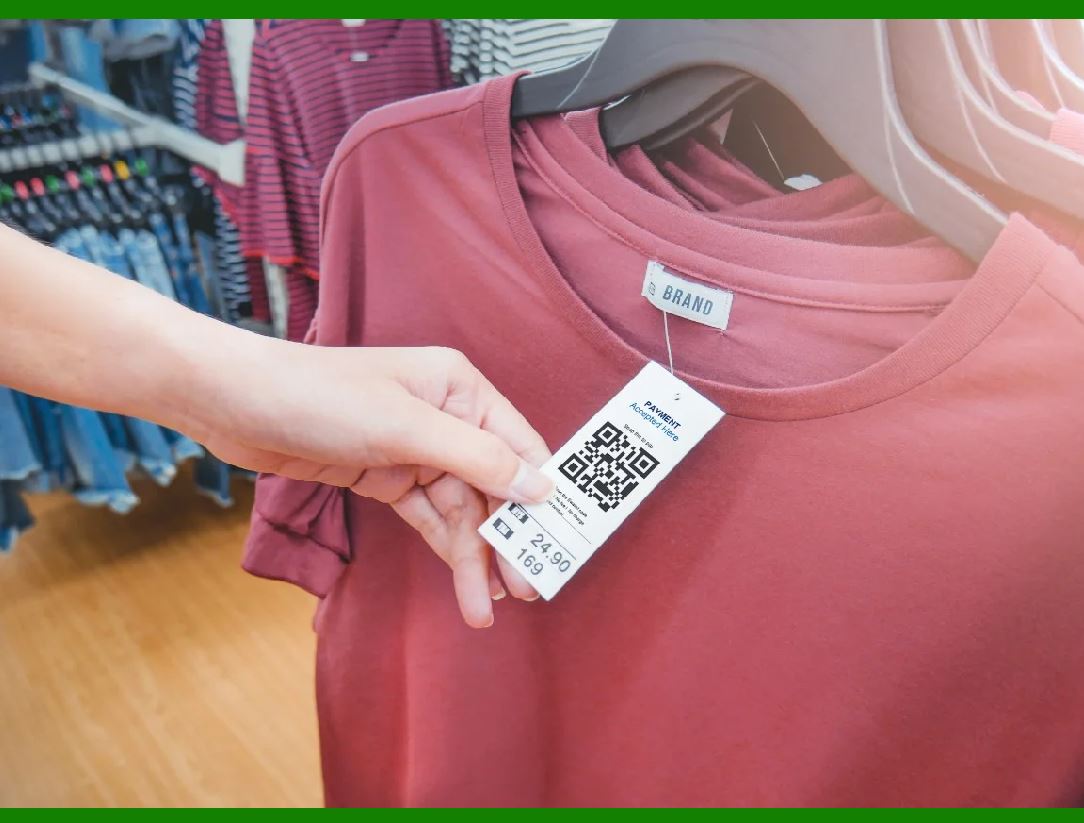
In retail stores, barcodes simplify checkout processes. Each garment has a unique barcode printed on its label or hangtag.

At the point of sale, cashiers scan the barcode to retrieve product details, including price and size. This speeds up transactions and reduces manual errors.

4. Brand Segregation and Authentication:

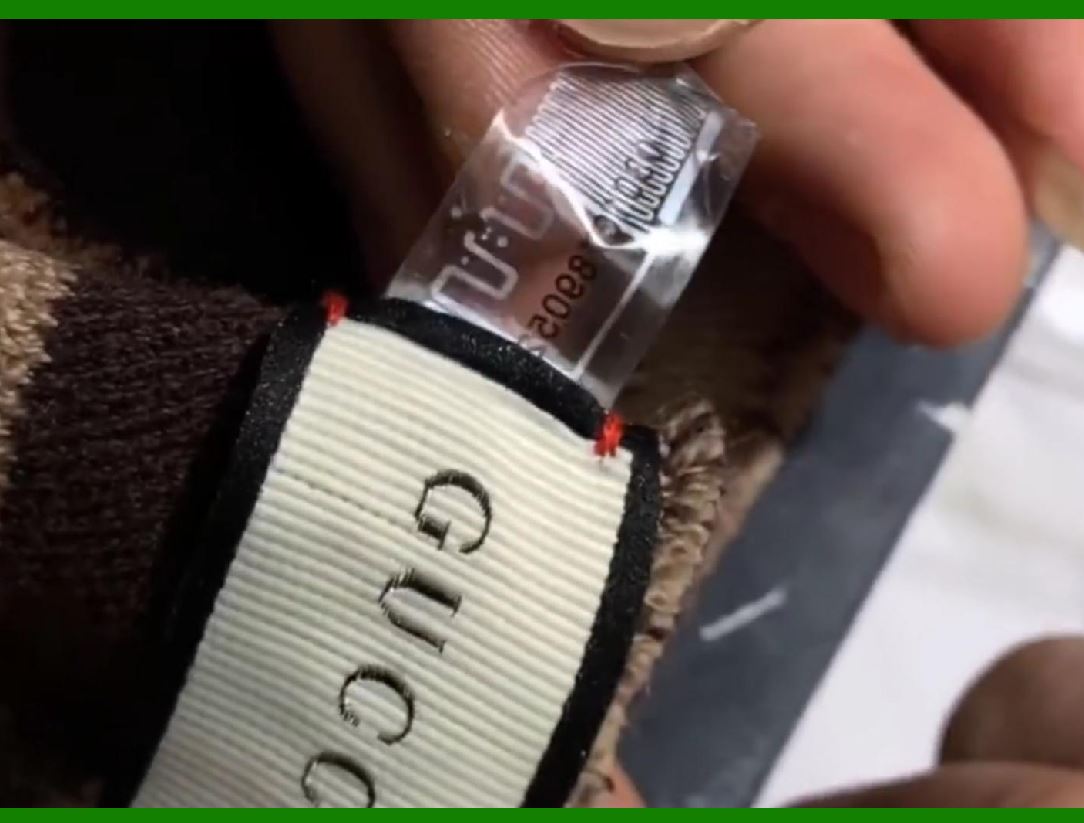
High-end fashion brands often use barcodes for brand segregation. Each brand or collection may have a specific barcode format.

Barcodes help prevent mix-ups between different brands or styles, ensuring that customers receive the correct product.

5. Labeling and Size Stamps:

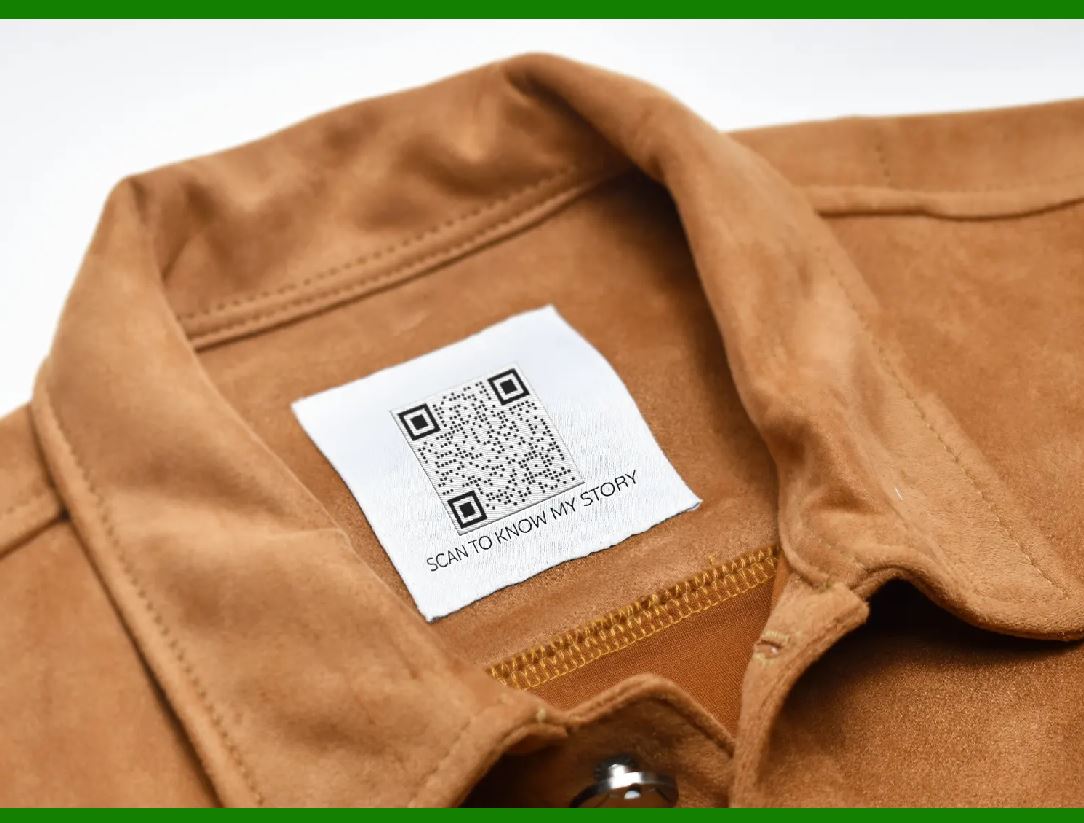
Specialized labels with barcodes are used during the garment manufacturing process. These labels include size stamps, usage stamps, and brand stamps.

Depending on the garment's characteristics, these labels can be made of different materials, such as fabric (satin, ribbon) or paper decal.

6. Anti-Theft Measures:

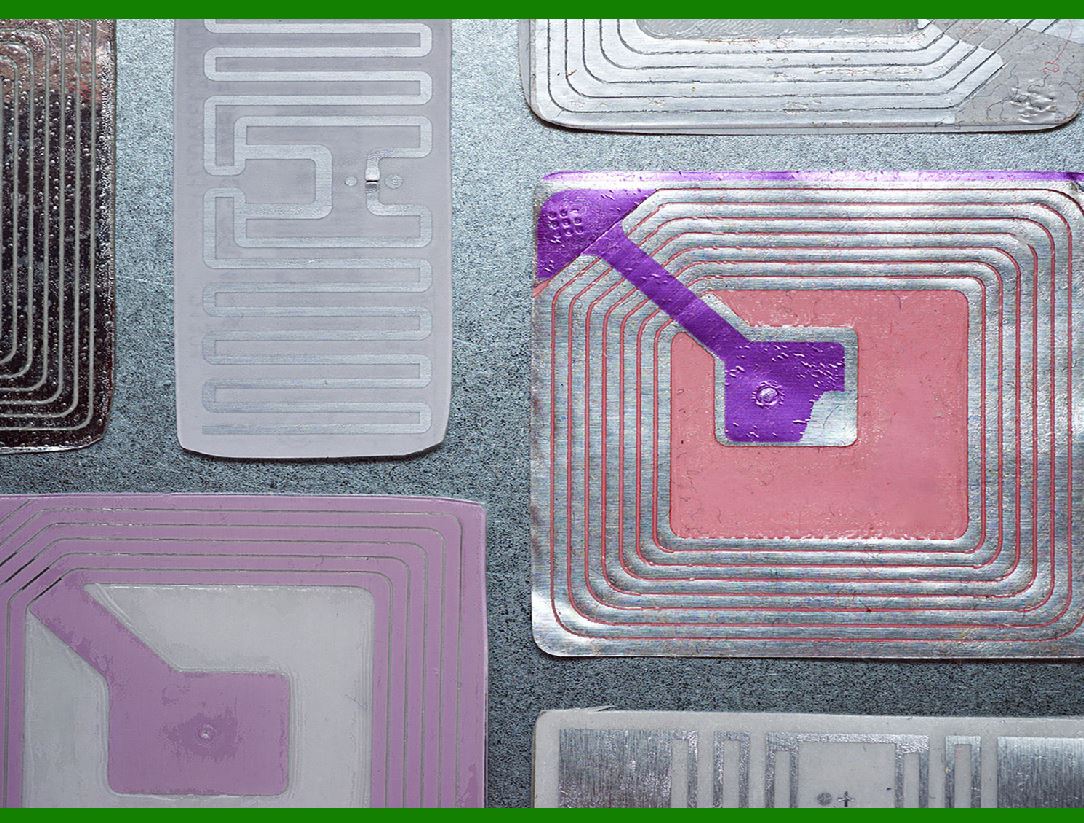
Barcodes are integrated into anti-theft systems in retail stores. Security gates at exits detect unauthorized removal of garments.

If a garment with an active barcode passes through the gate without being scanned at the checkout, an alarm is triggered.

7. Sustainability Benefits:

RFID technology contributes to sustainability by reducing waste and improving resource utilization.

Automated routing, receiving, shipping, and inventory control applications using RFID can save labor costs and enhance overall efficiency.

8. Challenges and Future Directions:

While RFID offers significant advantages, challenges include cost, compatibility with existing systems, and privacy concerns.

Researchers continue to explore ways to optimize RFID technology and address these challenges.

In summary, barcodes and RFID technology have transformed the garment industry by streamlining processes, enhancing inventory accuracy, and providing valuable data for decision-making. As fashion brands embrace these innovations, we can expect further advancements in supply chain management and retail operations.


EasierSoft Barcode Label Design & Bulk Printing Software

---- Use Excel Data to Batch Print Barcodes on Label Sheets or Roll Labels  

---- How to use this barcode software

Download:  Free Barcode Software + Barcode Label Designer

Download Free Barcode Software at Softonic

     Download at CNET

Once you obtain a GS1/UPC/EAN barcode, or other barcode type and QR code, you can use our free software to batch print barcode labels onto Roll label paper using a professional label printer, or to batch print barcodes onto Avery 5160 label sheets using a regular laser or inkjet printer. Our software has free and paid versions.

The free version fully meets your needs for batch printing GS1/UPC/EAN barcodes. The paid version can import data from Excel and databases to batch print barcode labels with different values.

How to Start

Input Data

Import Excel Data

Print Barcode

Barcode Format

Label Designer

All Screen Shot

Export Barcode Image

Save Template

Output Word Excel

How to Use & FAQ:

Configuring the Barcode Print Rotation

Text Alignment for Barcode Labels

Automatically Adjusting Barcode Width

Text Beneath the Barcode

Configuring Barcode Size

Auto Calculate the Barcode Size

Export Barcode images

Export Barcode Image Format

File Names for Exported Barcode

Resolution of Exported Barcode Images

Fixed Folder for Exporting Barcode

Default Barcode Image Export Format

Print bulk barcodes quickly

Print barcodes to Avery 5160 label

How to bulk Barcode Printing

Sample - Avery 5162 (2x7) Label Sheet

Example: Print barcodes to 5*3cm roll

Example: Print barcodes to 5161 label

Example: Print barcodes to 5162 label

Example: Print barcodes to 5163 label

Example: Print barcodes to 5164 label

Example: Print portrait orientation 5164

Example: Print barcodes to 5167 label

Example: Print barcodes to 5168 label

Example: Print portrait orientation 5168

Example: Print barcodes to 5169 label

Example: Print barcodes to 5660 label

Example: Print barcodes to 5661 label

Example: Print barcodes to 5662 label

Example: Print barcodes to 5663 label

Example: Print barcodes to 5664 label

Example: Print portrait orientation 5664

Example: Print barcodes to 5873 label

Example: Print barcodes to 5874 label

Two ways to import Excel data

Import Excel Data - Pro Edition

Import Excel Data - Std Edition

Import Data from Excel - Detail

Load Data From Excel File

Data Editing Table

Copy Data From Excel

Four ways to input barcode data

Add ASCII Key E

Input Multiple Lines of Text for Barcodes

Generates Sequential Serial Numbers

Import or copy data from Excel sheets

Special sequence number generation

Std Details: Simple Input Form

Std Details: Multiple Line Text Input

Details: Sequence Barcode Generator

Highlights

Excel integration: Import data directly from Excel to generate and print barcodes in bulk.

Label designer: Create complex labels with multiple barcodes, text, logos, and shapes.

Batch printing: Print thousands of barcodes at once using standard inkjet/laser printers or professional barcode printers.


Flexible editions:

Standard Edition: Simple batch printing with Excel data.

Professional Edition: Adds command-line automation for workflow integration.

Label Designer Edition: Advanced design features for complex labels.


Why Choose Our Barcode Solutions?

Cost-effective: Free online generator and permanent free desktop version available.

Easy to use: No technical expertise required—just input data and print.

Versatile: Supports nearly all 1D and 2D barcode types, including QR codes.

Trusted: Recommended by CNET and widely downloaded by users worldwide.


Suitable Use Cases

Small businesses and startups needing quick barcode labels for products.

Retailers and online sellers managing inventory with batch barcode printing.

Manufacturers requiring sequential or custom barcode labels for packaging.

Educational and testing environments where barcodes are used for tracking.


CONTACT

cs@easiersoft.com

If you have any question, please feel free to email us.


https://free-barcode.com


<<< Back to Directory <<<     Barcode Generator     Barcode Freeware     Privacy Policy