Using barcodes in manufacturing industry |
Barcodes play a crucial role in the manufacturing industry, streamlining processes, enhancing efficiency, and improving accuracy. |
Let's delve into the various applications of barcodes in manufacturing: |
1. Inventory Management: |
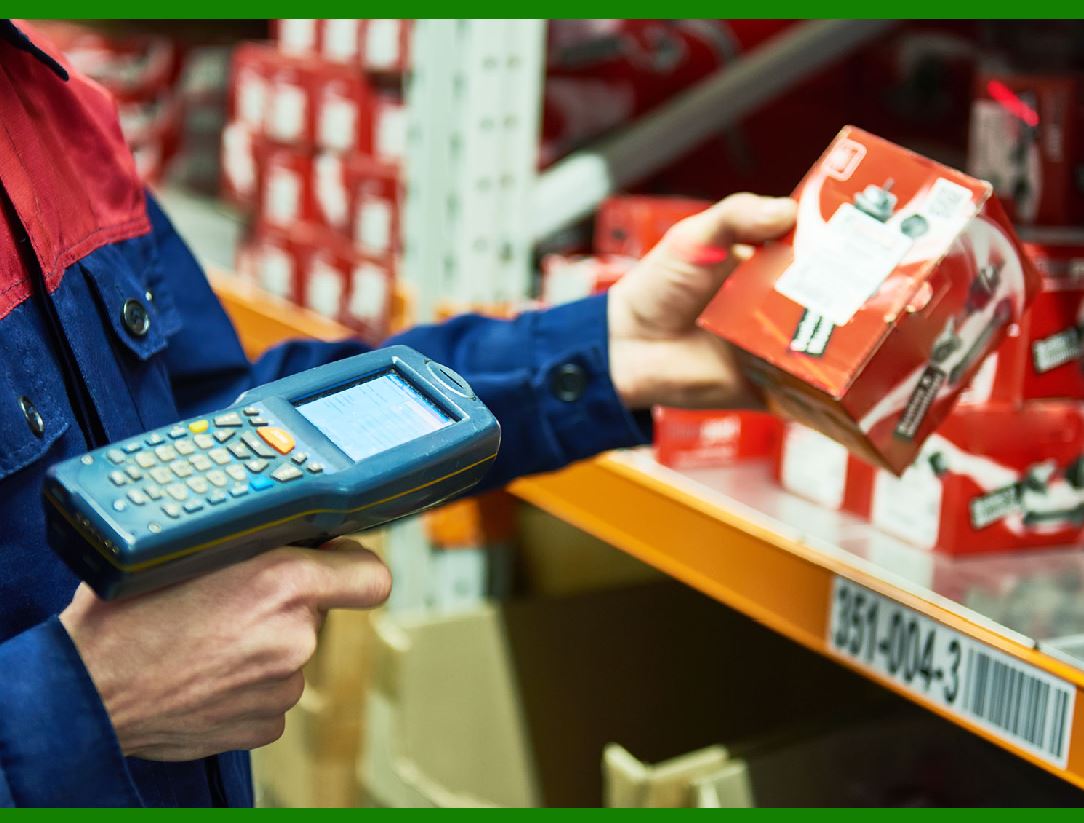
Barcodes are extensively used for tracking raw materials, work-in-progress (WIP), and finished goods within manufacturing facilities. Each item is assigned a unique barcode, which simplifies inventory management. When materials arrive at the warehouse, they are labeled with barcodes. As they move through production stages, the barcodes are scanned to update their status. This ensures accurate stock levels and minimizes errors. |
|
2. Work Order Tracking: |
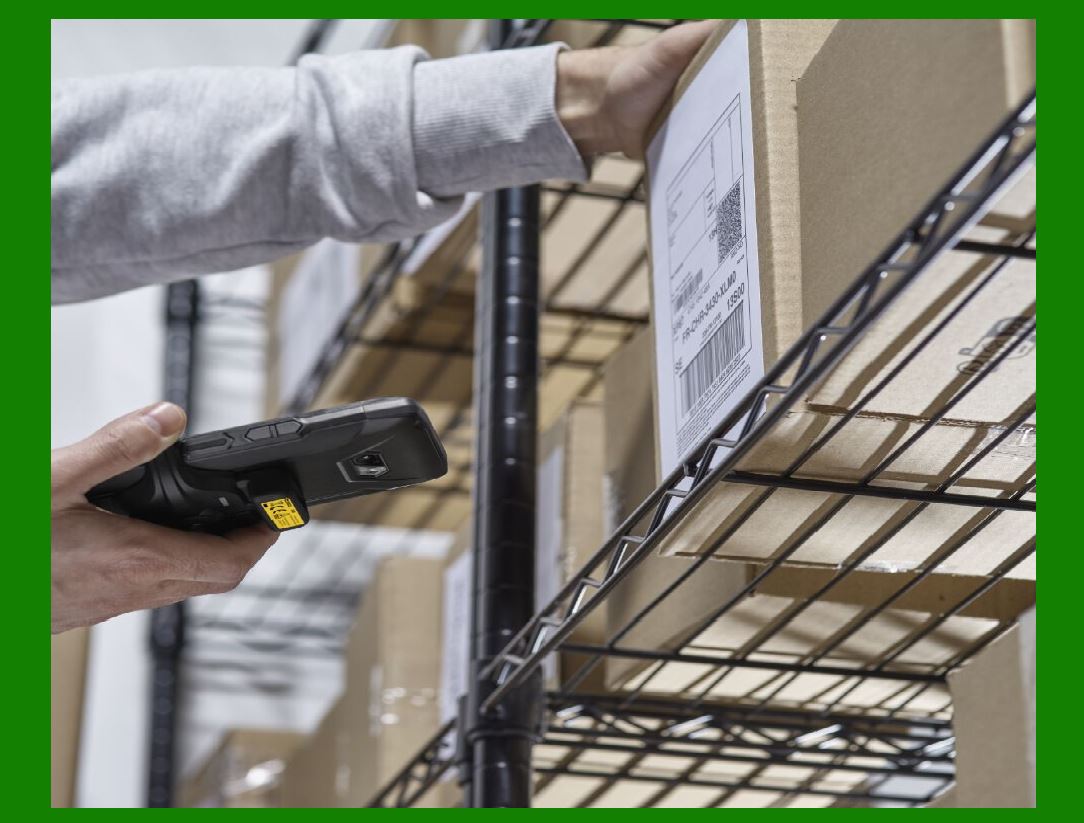
Manufacturing processes involve multiple workstations and assembly lines. Barcodes are affixed to work orders, allowing workers to scan them at each step. By scanning barcodes, employees can access detailed instructions, verify components, and record progress. This real-time tracking ensures that work orders are completed efficiently. |
|
3. Quality Control: |
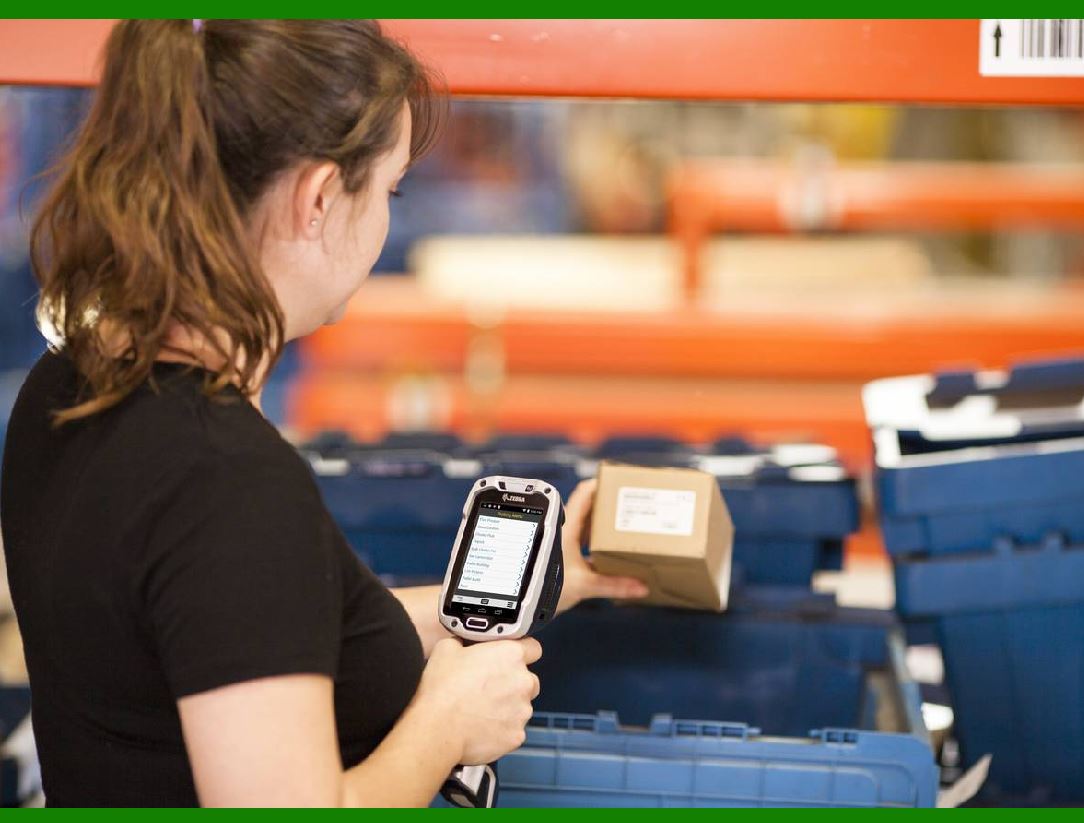
Barcodes are essential for quality control. They link products to specifications, inspection criteria, and testing procedures. During production, workers scan barcodes to verify dimensions, tolerances, and other quality parameters. Any deviations trigger alerts, preventing defective products from reaching customers. |
|
4. Traceability and Recall Management: |
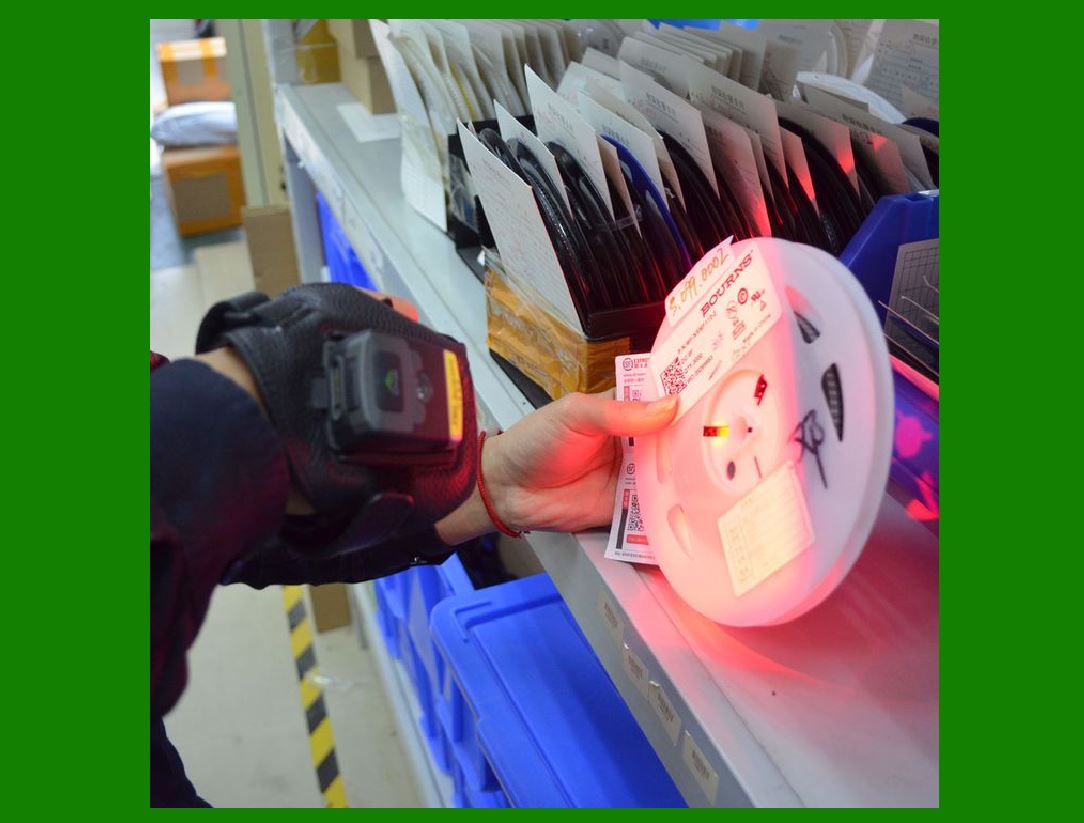
Barcodes enable end-to-end traceability. Manufacturers can track a product's journey from raw materials to the end user. In case of recalls or quality issues, barcodes help identify affected batches quickly. This minimizes the impact on consumers and prevents widespread recalls. |
|
5. Asset Tracking: |
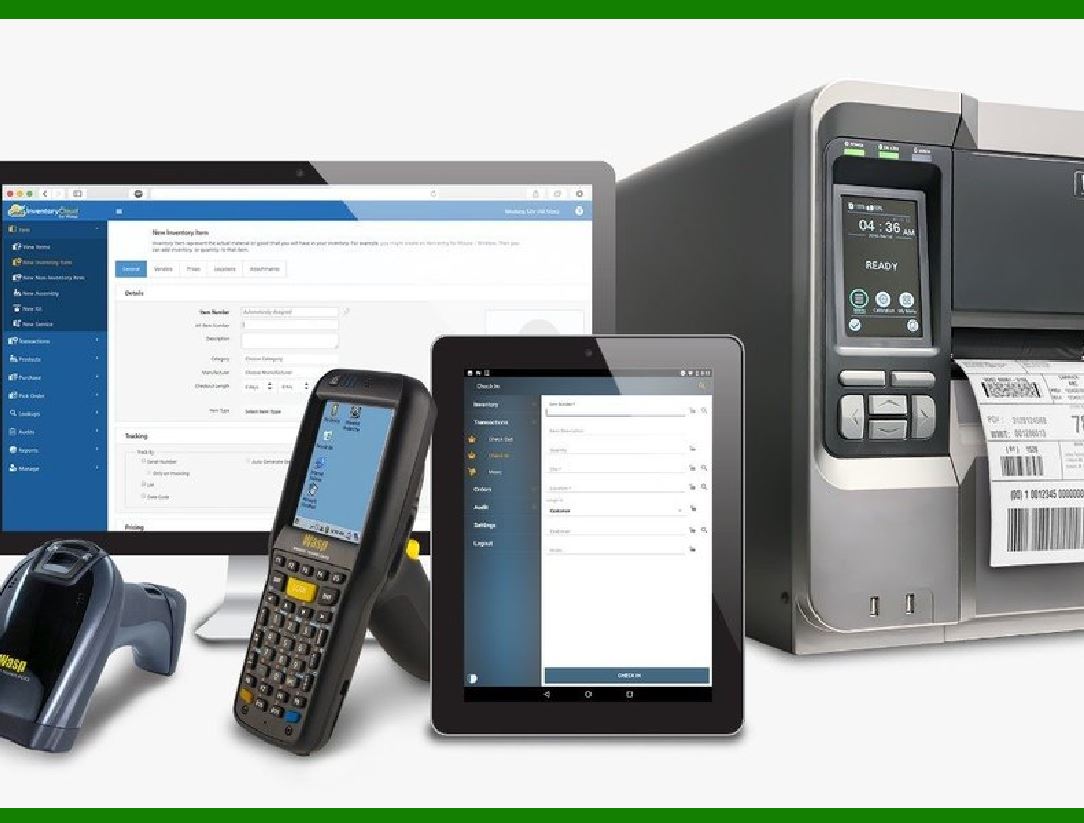
Manufacturing facilities have various assets, such as machinery, tools, and equipment. Barcodes are used to manage these assets efficiently. Each asset receives a unique barcode label. Maintenance teams scan these labels during inspections, repairs, or preventive maintenance. This ensures optimal asset utilization. |
|
6. Shipping and Logistics: |
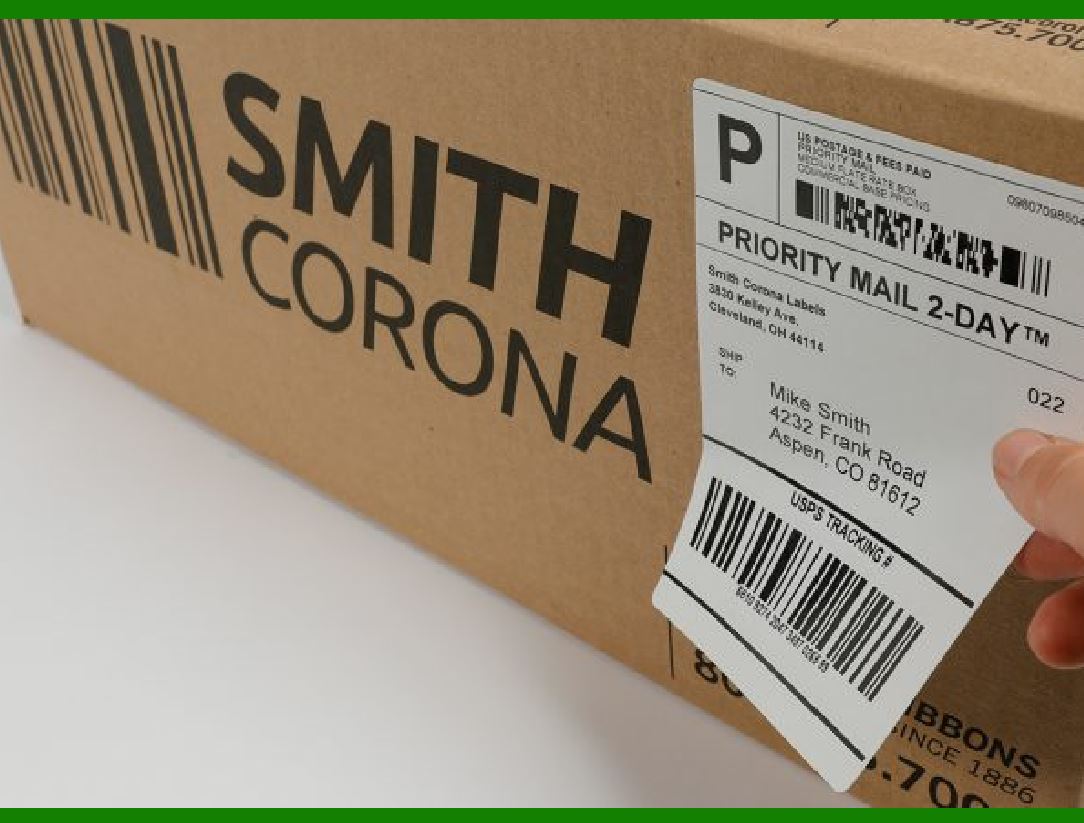
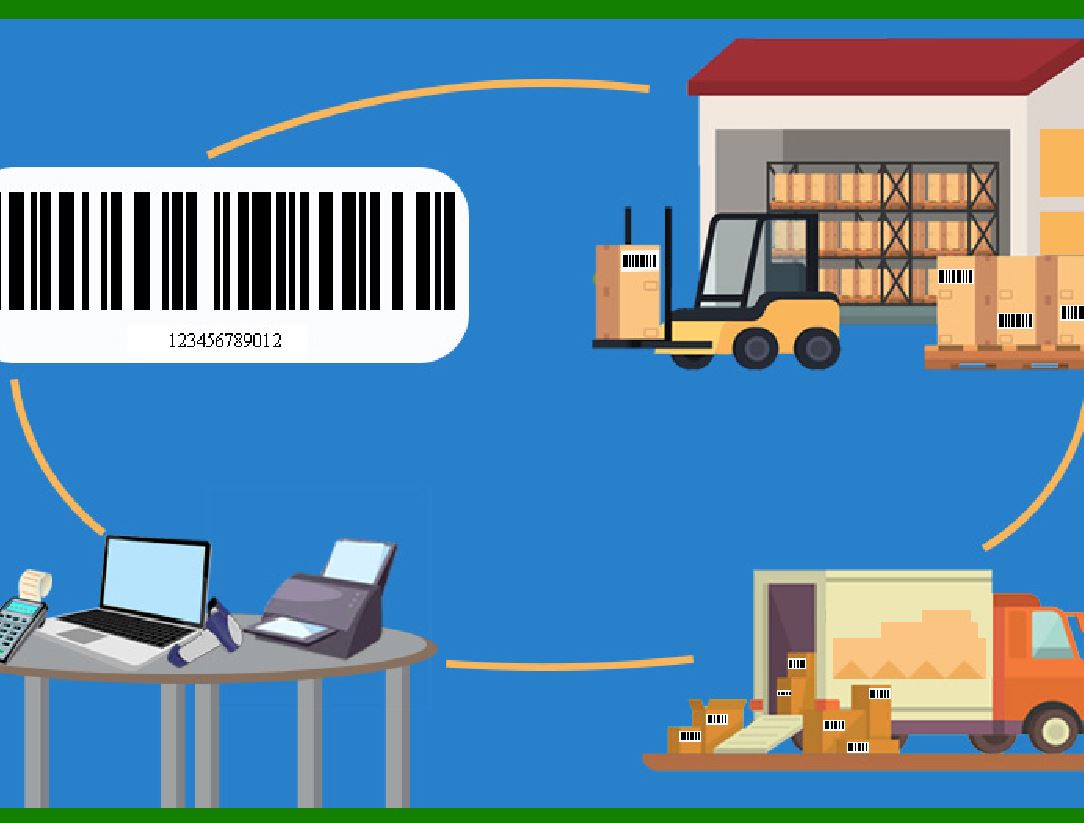
Barcodes simplify shipping and logistics processes. When products are ready for dispatch, their barcodes are scanned to generate shipping labels. Carriers use barcode scanners to track shipments throughout the supply chain. This minimizes errors, reduces transit times, and enhances customer satisfaction. |
|
7. Labor Tracking: |
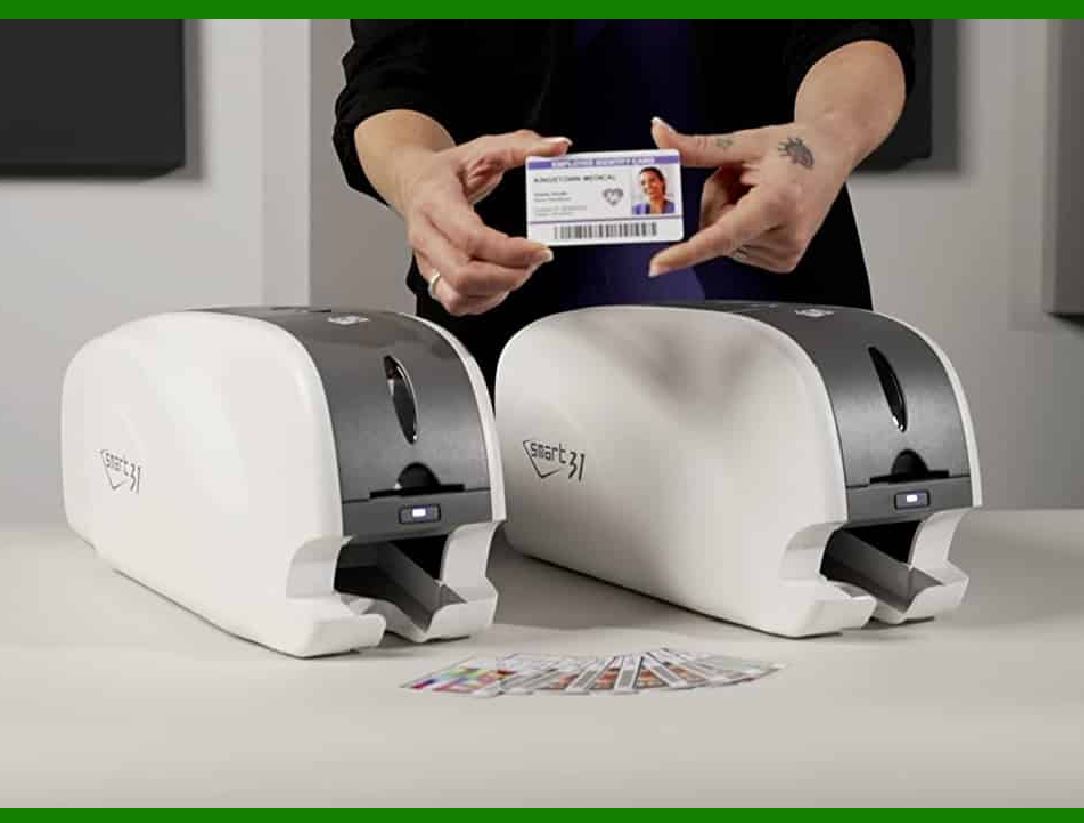
Barcodes are associated with employee IDs or badges. Workers scan their IDs when starting or completing tasks. Labor tracking helps monitor productivity, allocate costs accurately, and identify bottlenecks. It also aids in payroll processing. |
|
8. Machine Identification and Maintenance: |
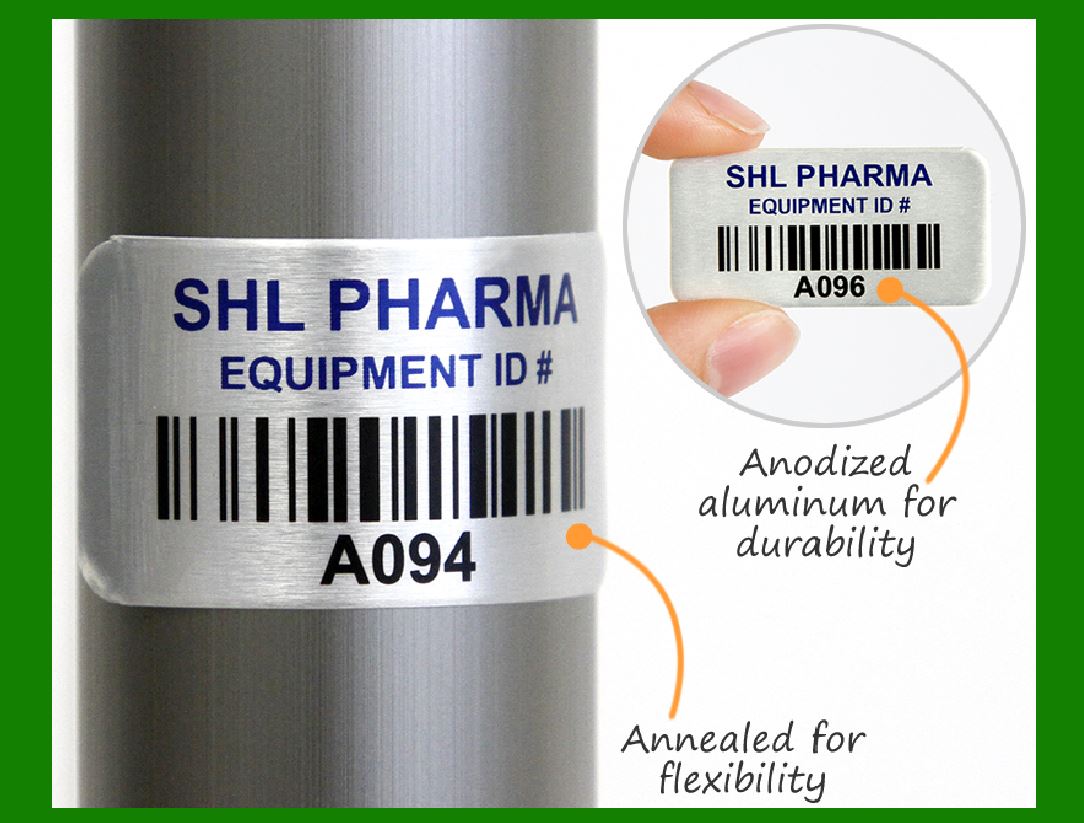
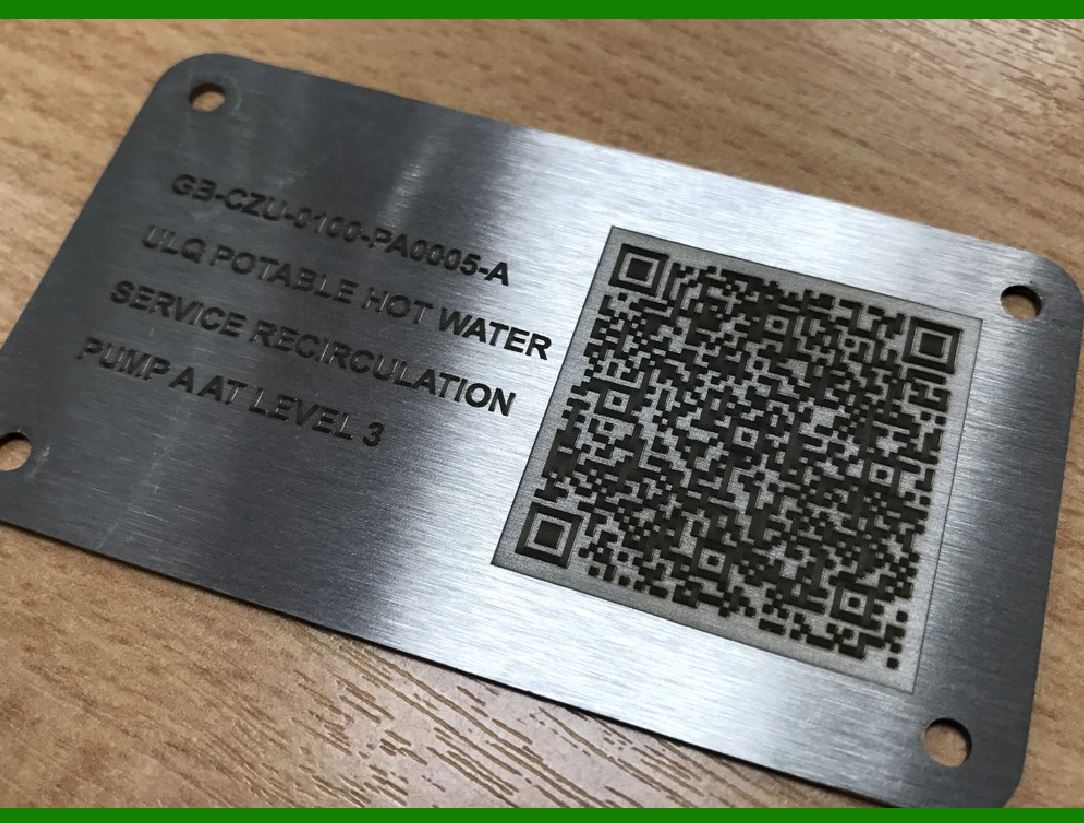
Manufacturing machinery and equipment have barcodes for identification. Maintenance teams scan these barcodes to access maintenance schedules, service history, and troubleshooting guides. Regular maintenance prolongs equipment life and prevents breakdowns. |
|
9. Lean Manufacturing and Kanban Systems: |
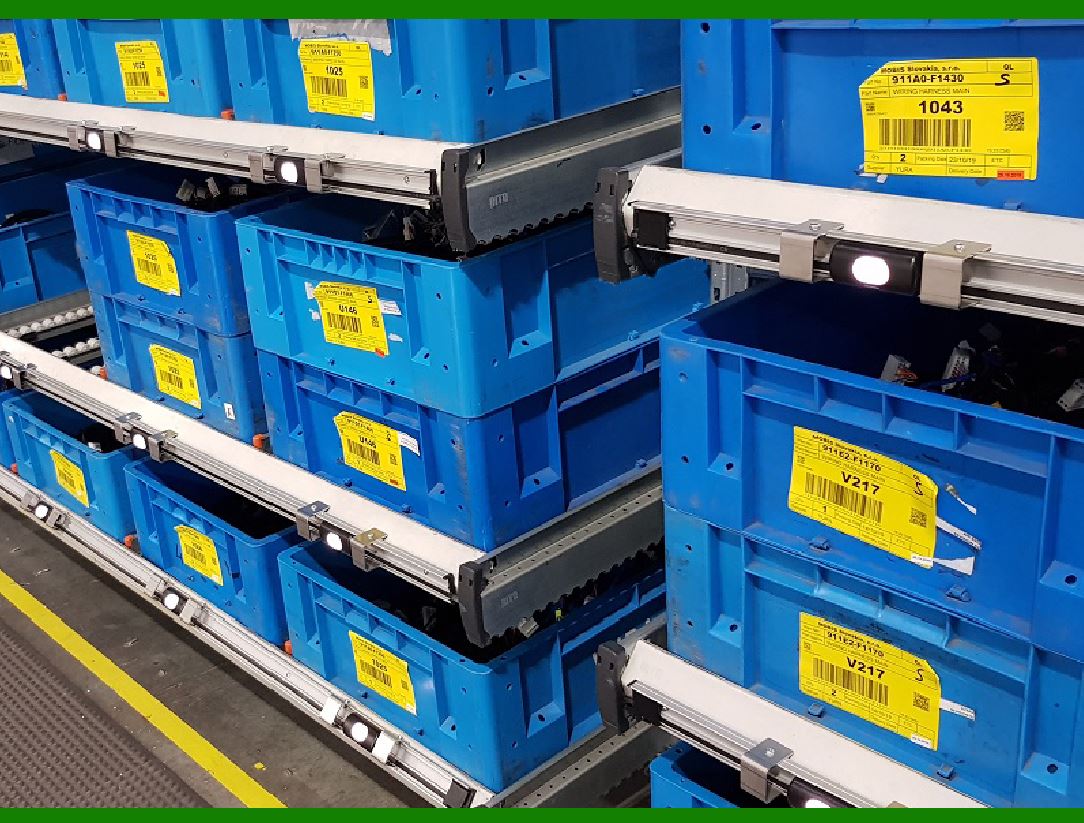
Barcodes are integral to lean manufacturing practices. They facilitate just-in-time production and inventory replenishment. In Kanban systems, barcodes on bins or containers signal when to reorder materials. This minimizes excess inventory and waste. |
|
10. Product Labeling and Packaging: |
Barcodes appear on product labels, providing essential information to consumers and retailers. Retailers scan barcodes during checkout, updating inventory levels and ensuring accurate pricing. |
|
In summary, barcodes enhance efficiency, accuracy, and visibility across manufacturing processes. Whether it's tracking inventory, managing assets, or ensuring quality, barcodes are indispensable tools for modern manufacturers. Their widespread adoption continues to transform the industry, making operations more streamlined and data-driven. |
|
 cs@easiersoft.com