Barcode Technology

Barcode History

Barcode Label Paper

Barcode Printer

Barcode Application

Inventory Management

AI Barcode QRCode

Barcode Scanner

Barcode Software

Barcode Software B

Barcode Software C

Barcode Software D

Barcode Software E

New Technology A

New Technology B

Robot Technology

Barcode Types

Barcode Types B

Barcode Types C

Barcode Types D

Barcode Types E

Barcode Types F

Electronic Technology

Psychology at Work

Barcode Technology and Barcode Software Related   <<< Back to Directory <<<

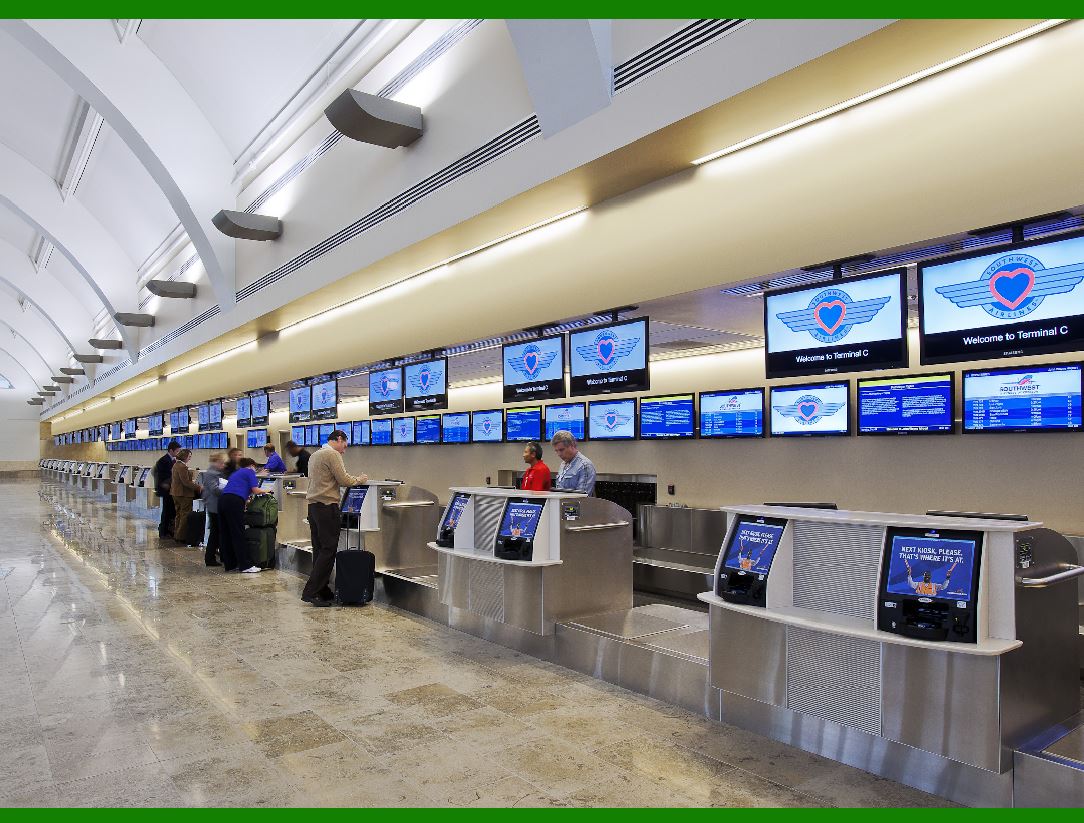
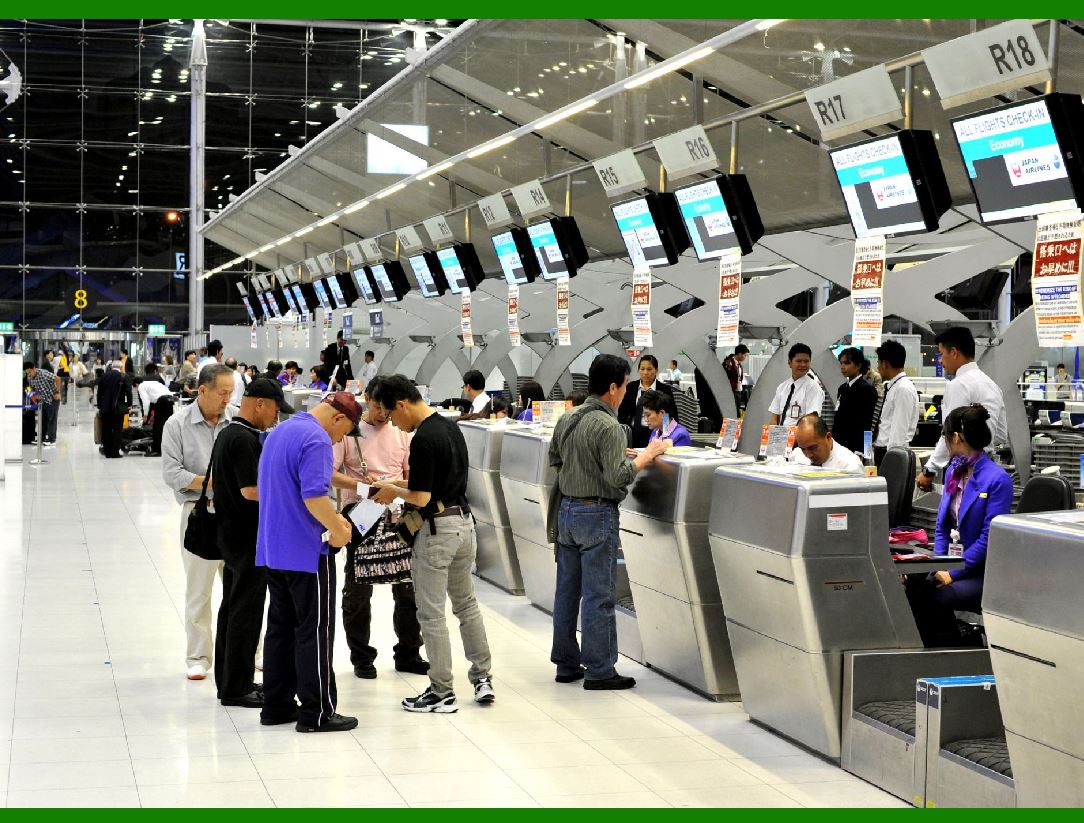
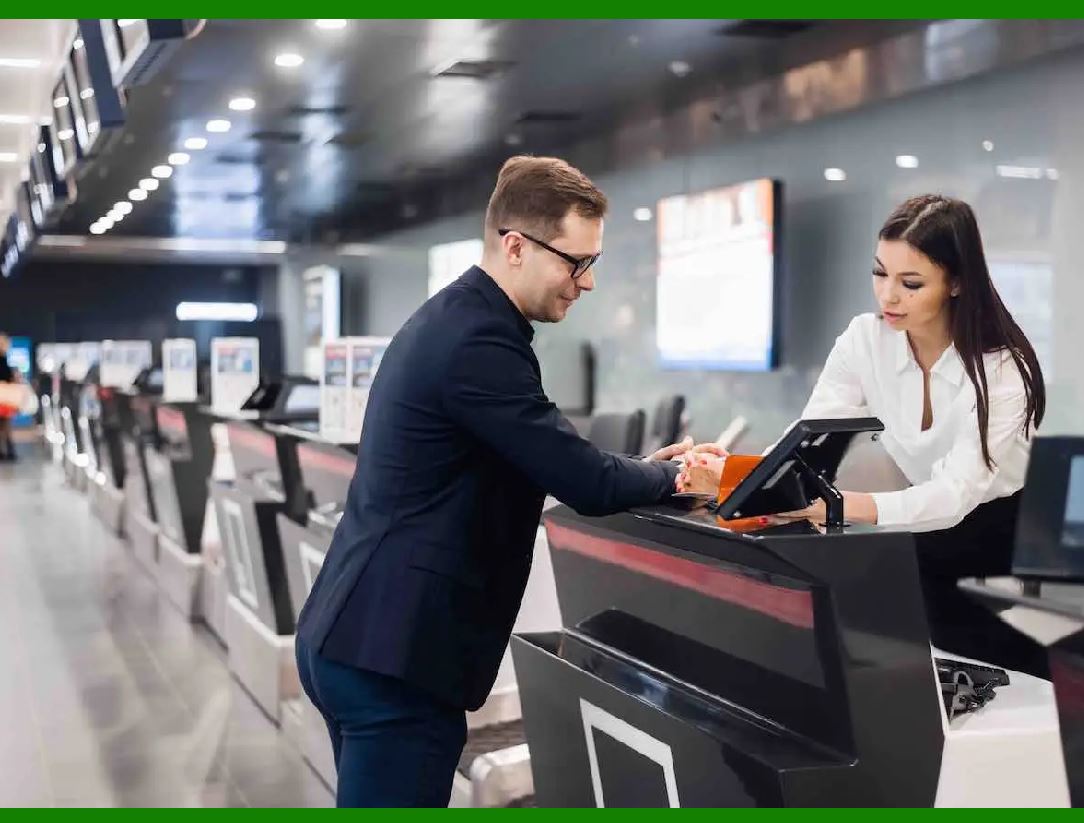
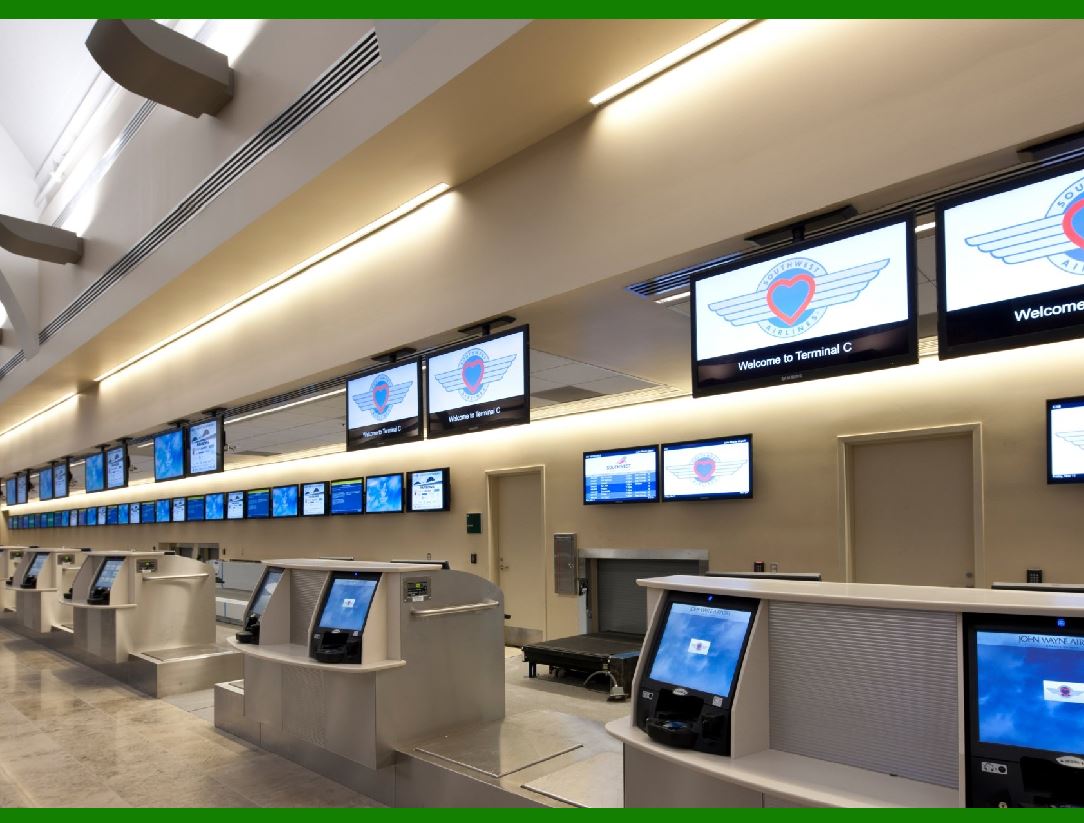
Barcodes in passenger ticketing

Barcodes are widely used in passenger ticketing systems across various modes of transportation, including airlines, railways, buses, and subways.

The application of barcodes in this context enhances efficiency, security, and convenience for both operators and passengers.

1. Types of Barcodes Used

1D Barcodes:

Linear barcodes, such as the Code 128 or UPC, often used in traditional ticketing systems.

2D Barcodes:

More complex barcodes like QR codes, Aztec codes, or PDF417, capable of holding more information and increasingly popular in digital ticketing.

Implementation in Ticketing Systems

2. Ticket Generation:

Paper Tickets:

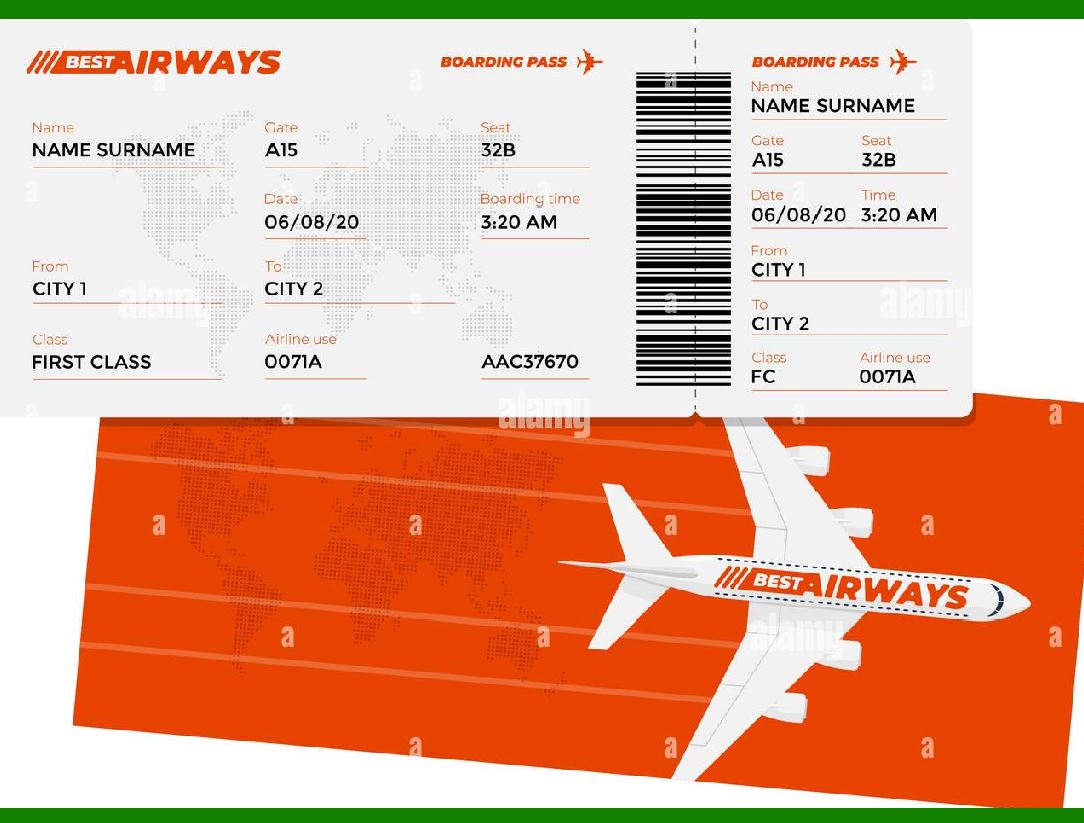
Barcodes are printed on physical tickets. These can be purchased at ticket counters, vending machines, or kiosks.

E-tickets:

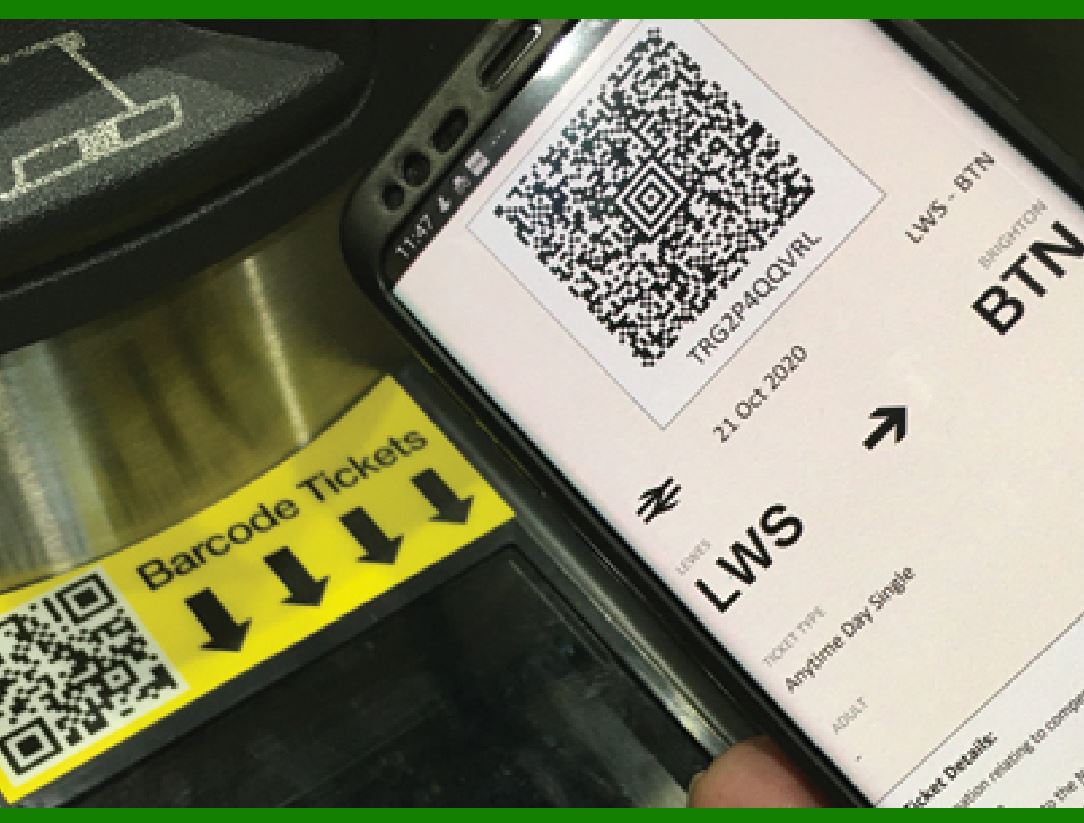
Barcodes are generated and sent electronically to passengers via email, mobile apps, or SMS. These can be stored on smartphones or printed by the passengers.

3. Ticket Validation and Boarding:

Scanning Devices:

At the entry points, handheld scanners or fixed barcode readers are used to scan the barcode on the ticket. The information is then validated against a database to ensure the ticket's authenticity and validity.

Turnstiles and Gates:

Automated gates equipped with barcode scanners allow passengers to scan their tickets, which opens the gate if the ticket is valid. This reduces the need for manual checks and speeds up the boarding process.

4. Security and Fraud Prevention:

Unique Barcodes:

Each ticket barcode is unique, making it difficult to duplicate or forge.

Real-time Validation:

Scanned tickets are cross-referenced with a central database in real-time, ensuring that only valid and unused tickets are accepted.

Encryption:

Data within 2D barcodes can be encrypted, adding an extra layer of security.

5. Passenger Convenience:

Mobile Ticketing:

Passengers can store and present their tickets on their smartphones, reducing the need for physical tickets.

Self-service Options:

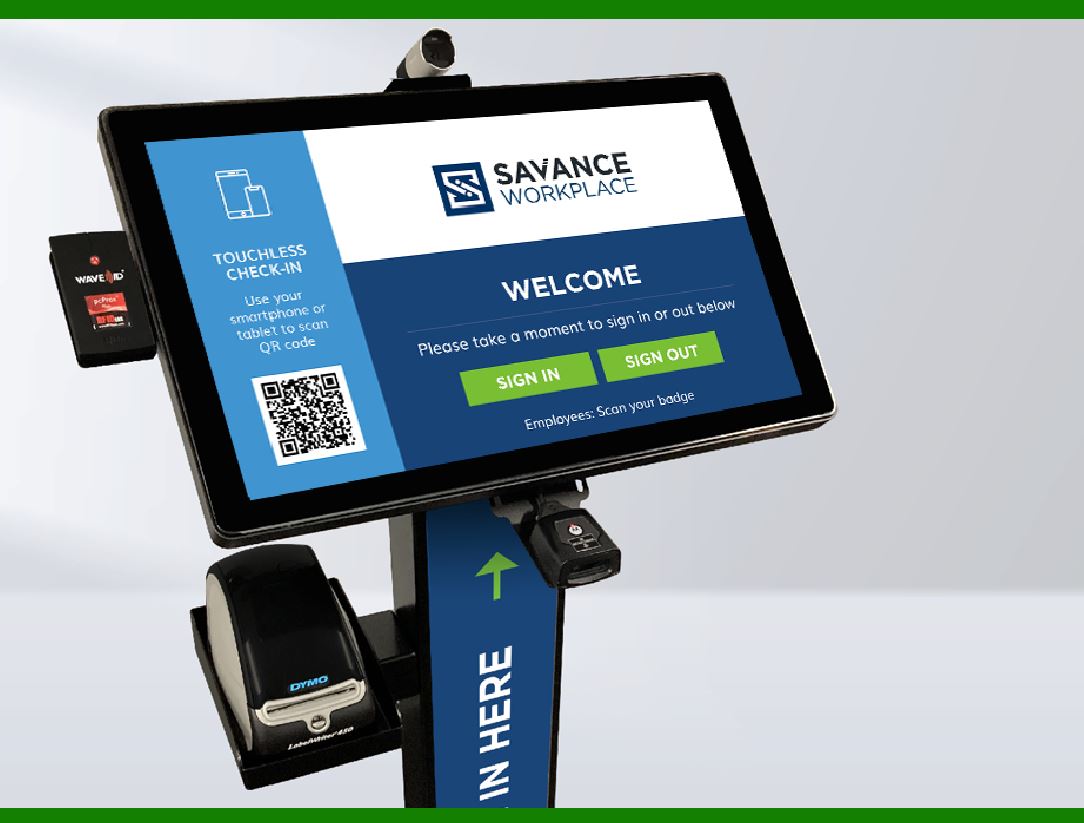
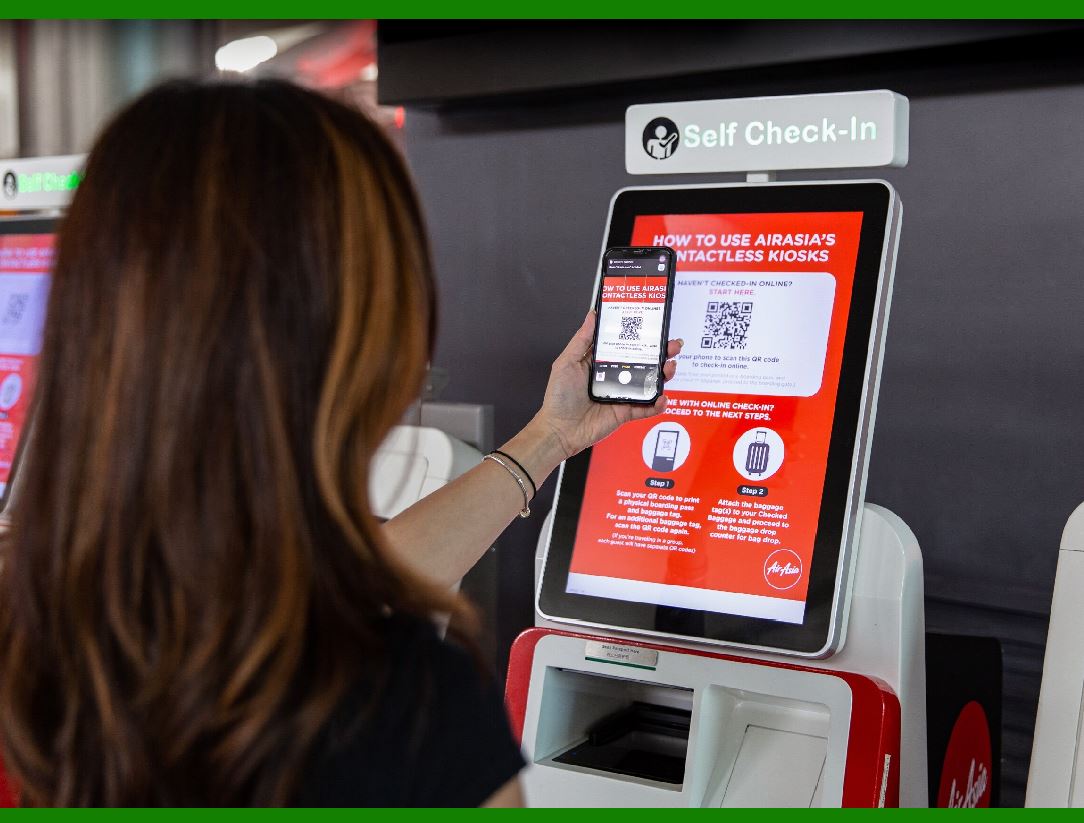
Kiosks and mobile apps allow passengers to purchase and print tickets or receive e-tickets instantly.

Integration with Other Services:

Barcodes can integrate with other services, such as loyalty programs, passenger information systems, and payment gateways.

6. Advantages

Efficiency:

Speed: Scanning barcodes is much faster than manual ticket checks, reducing wait times and improving the flow of passengers.

Automation: Automated gates and turnstiles reduce the need for staff, lowering operational costs.

Accuracy:

Error Reduction: Automated systems reduce human error in ticket verification and boarding processes.

Data Collection: Barcodes facilitate the collection of accurate data on passenger movement and ticket usage, aiding in better resource allocation and planning.

Cost-effectiveness:

Reduced Printing Costs: E-tickets reduce the need for paper and printing resources.

Lower Labor Costs: Automation reduces the need for extensive staffing.

Enhanced Passenger Experience:

Convenience: Mobile ticketing and self-service options enhance the passenger experience by making the ticketing process more flexible and accessible.

Integration: Easy integration with other digital services and platforms enhances overall service quality.

7. Real-world Examples

Airlines:

Boarding Passes: Most airlines use 2D barcodes on boarding passes, which passengers can print or download to their mobile devices.

Security Checks: Barcodes are scanned at multiple points, including check-in, security checkpoints, and boarding gates.

Railways:

E-tickets: Many railway systems now offer e-tickets with barcodes that can be scanned on trains or at entry gates.

Station Access: Automated gates with barcode scanners streamline access to platforms.

Public Transit:

Subways and Buses: Barcode-based ticketing is used in subways and buses, where passengers can scan their tickets at entry points.

Event Ticketing:

Concerts and Sports:

Barcoded tickets are used for entry to events, allowing for quick and efficient crowd management.

8. Conclusion

The application of barcodes in passenger ticketing has revolutionized the transportation industry by enhancing efficiency, security, and passenger convenience. With ongoing advancements in technology, barcode ticketing systems continue to evolve, offering even greater benefits and integration possibilities.


EasierSoft Barcode Label Design & Bulk Printing Software

---- Use Excel Data to Batch Print Barcodes on Label Sheets or Roll Labels  

---- How to use this barcode software

Download:  Free Barcode Software + Barcode Label Designer

Download Free Barcode Software at Softonic

     Download at CNET

Once you obtain a GS1/UPC/EAN barcode, or other barcode type and QR code, you can use our free software to batch print barcode labels onto Roll label paper using a professional label printer, or to batch print barcodes onto Avery 5160 label sheets using a regular laser or inkjet printer. Our software has free and paid versions.

The free version fully meets your needs for batch printing GS1/UPC/EAN barcodes. The paid version can import data from Excel and databases to batch print barcode labels with different values.

How to Start

Input Data

Import Excel Data

Print Barcode

Barcode Format

Label Designer

All Screen Shot

Export Barcode Image

Save Template

Output Word Excel

How to Use & FAQ:

Example: Print barcodes to 5163 label

Example: Print barcodes to 5164 label

Example: Print portrait orientation 5164

Example: Print barcodes to 5167 label

Example: Print barcodes to 5168 label

Example: Print portrait orientation 5168

Example: Print barcodes to 5169 label

Example: Print barcodes to 5660 label

Example: Print barcodes to 5661 label

Example: Print barcodes to 5662 label

Example: Print barcodes to 5663 label

Example: Print barcodes to 5664 label

Example: Print portrait orientation 5664

Example: Print barcodes to 5873 label

Example: Print barcodes to 5874 label

Two ways to import Excel data

Import Excel Data - Pro Edition

Import Excel Data - Std Edition

Import Data from Excel - Detail

Load Data From Excel File

Data Editing Table

Copy Data From Excel

Four ways to input barcode data

Add ASCII Key E

Input Multiple Lines of Text for Barcodes

Generates Sequential Serial Numbers

Import or copy data from Excel sheets

Special sequence number generation

Std Details: Simple Input Form

Std Details: Multiple Line Text Input

Details: Sequence Barcode Generator

Examples: Sequence Barcode Generator

Import Data From Excel Spreadsheet

Barcode Data Correspondence Diagram

Data Editor

Editing a Single Row Data in Form

Batch Editing Multiple Rows of Data

Batch Data Editing - Example 2

Design & print complex barcode labels

Configuring Text Elements on Label

Configuring Barcode Elements on Label

Configuring Image Elements on Label

Setting Line Elements on Label

Designing Labels for 5164 Sheet

Advanced Page Layout Settings

Add Barcode Elements to a Label

Configuring Parameters of a Barcode

Entering Multiple Values for a Barcode

Print barcode labels

Print bulk barcodes - How to start

Highlights

Excel integration: Import data directly from Excel to generate and print barcodes in bulk.

Label designer: Create complex labels with multiple barcodes, text, logos, and shapes.

Batch printing: Print thousands of barcodes at once using standard inkjet/laser printers or professional barcode printers.


Flexible editions:

Standard Edition: Simple batch printing with Excel data.

Professional Edition: Adds command-line automation for workflow integration.

Label Designer Edition: Advanced design features for complex labels.


Why Choose Our Barcode Solutions?

Cost-effective: Free online generator and permanent free desktop version available.

Easy to use: No technical expertise required—just input data and print.

Versatile: Supports nearly all 1D and 2D barcode types, including QR codes.

Trusted: Recommended by CNET and widely downloaded by users worldwide.


Suitable Use Cases

Small businesses and startups needing quick barcode labels for products.

Retailers and online sellers managing inventory with batch barcode printing.

Manufacturers requiring sequential or custom barcode labels for packaging.

Educational and testing environments where barcodes are used for tracking.


CONTACT

cs@easiersoft.com

If you have any question, please feel free to email us.


https://free-barcode.com


<<< Back to Directory <<<     Barcode Generator     Barcode Freeware     Privacy Policy