Barcodes play a crucial role in lab sample management by enhancing efficiency, accuracy, and traceability. |
Here's a detailed overview of their application: |
1. Sample Identification and Labeling |
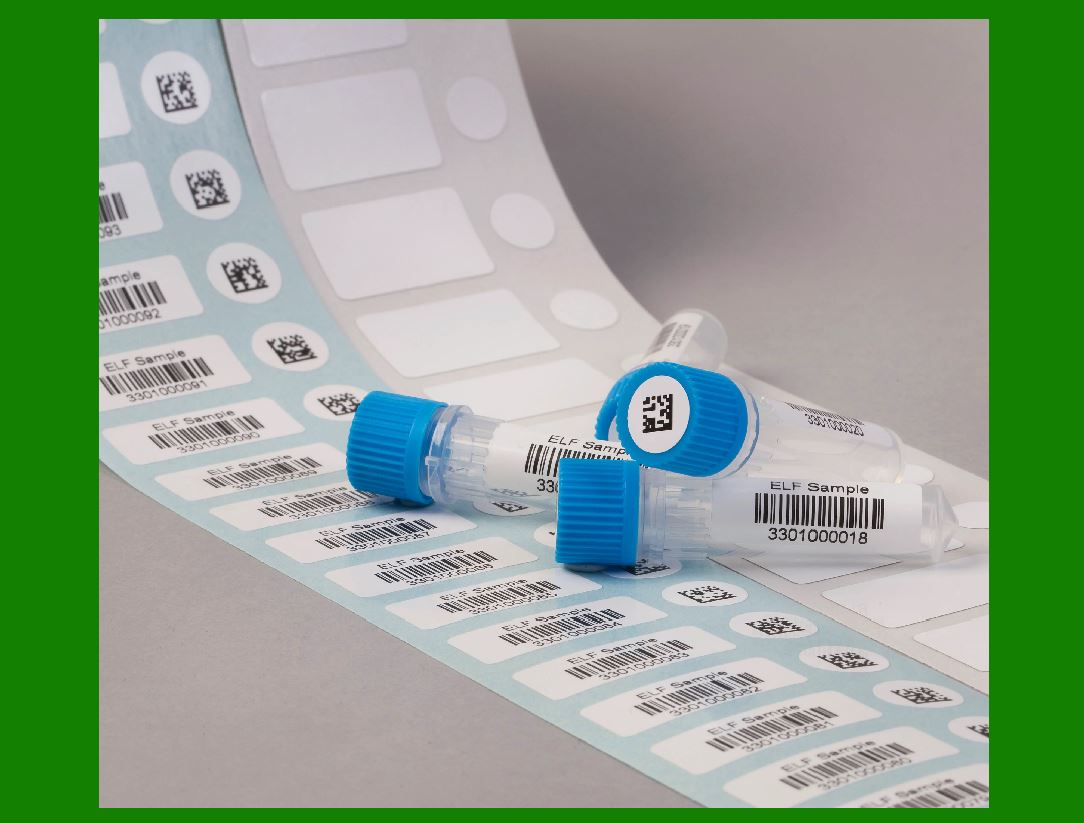
Unique Identification: Each sample receives a unique barcode that distinguishes it from all other samples. This prevents mix-ups and ensures that each sample can be accurately identified throughout its lifecycle. Automated Labeling: Barcodes can be printed and attached to samples at the point of collection. This reduces human errors associated with manual labeling. |
|
2. Tracking and Traceability |
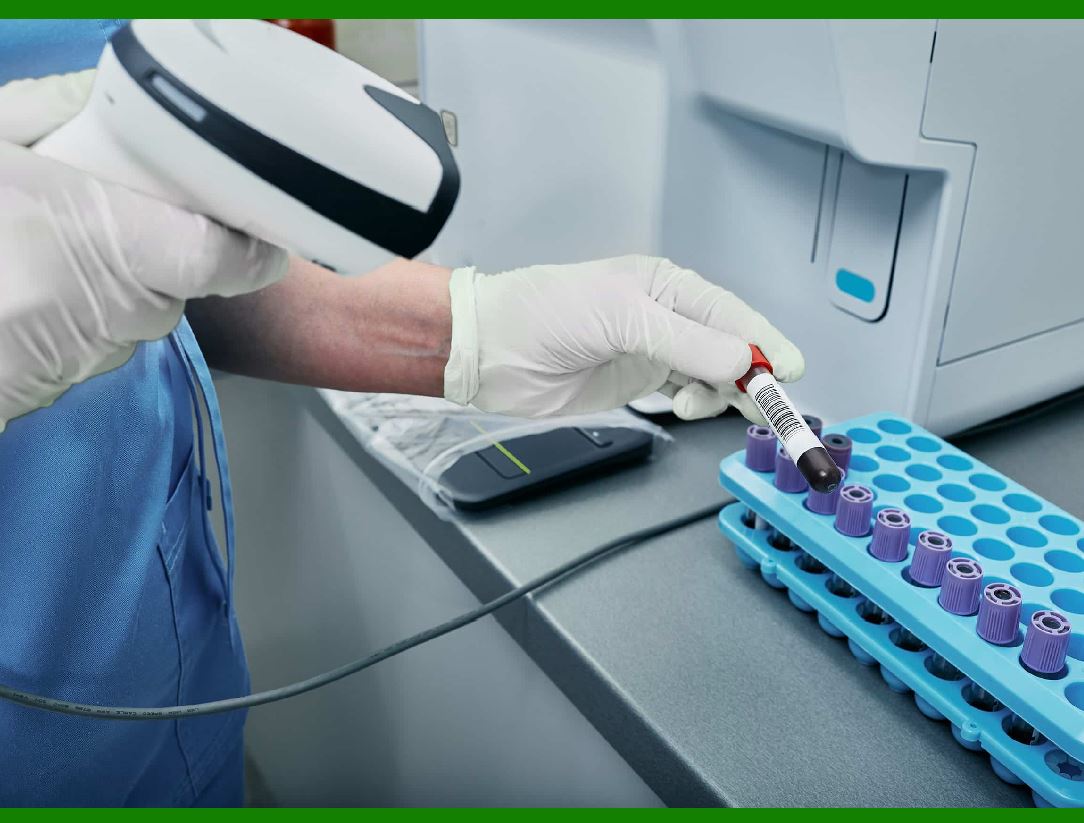
Real-Time Tracking: Barcodes allow for real-time tracking of samples as they move through various stages of processing. This includes collection, transport, analysis, and storage. Chain of Custody: Barcodes maintain a detailed log of who handled the sample and when, ensuring a transparent chain of custody. This is critical for forensic and clinical samples where maintaining integrity is paramount. |
|
3. Data Entry and Management |
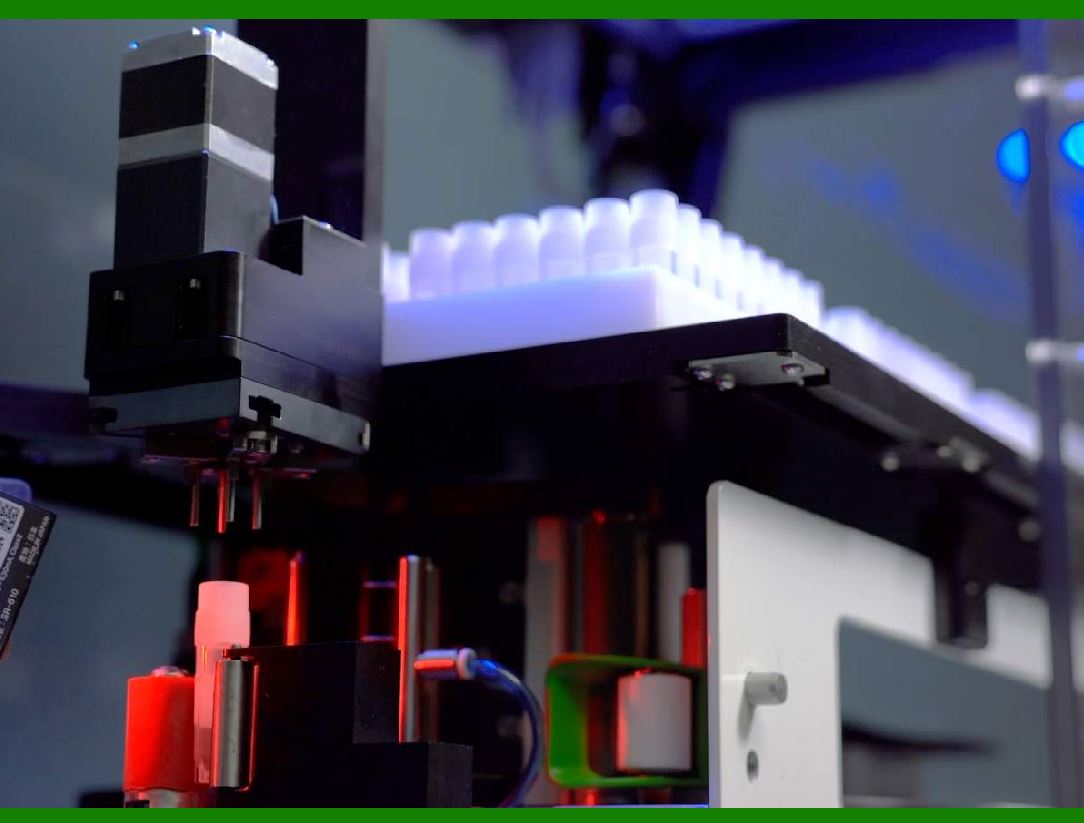
Automated Data Entry: Scanning barcodes automates the data entry process, minimizing errors associated with manual data input and ensuring data consistency. Integration with Laboratory Information Management Systems (LIMS): Barcodes integrate seamlessly with LIMS, enabling automatic updates and retrieval of sample information. This streamlines workflows and improves data accessibility. |
|
4. Sample Processing and Analysis |
Workflow Optimization: Barcodes help streamline workflows by providing quick and accurate access to sample information. This aids in efficient sample processing and reduces the turnaround time for analysis. Error Reduction: Barcodes minimize the risk of sample misidentification during processing, which is critical for maintaining the accuracy of test results. |

|
5. Quality Control and Compliance |
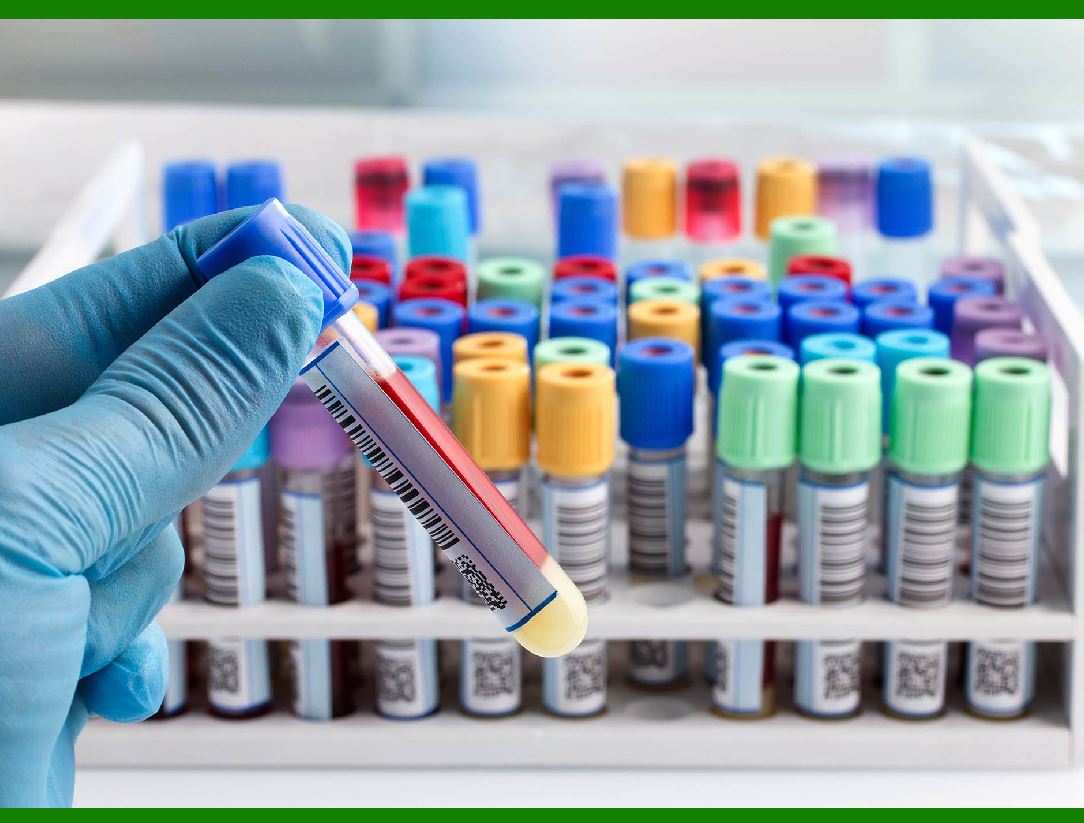
Standardization: Barcodes standardize the labeling and tracking process, ensuring consistent practices across the laboratory. Regulatory Compliance: Many regulatory bodies require accurate tracking and documentation of samples. Barcodes help labs meet these regulatory requirements by providing detailed and accurate records. |
|
6. Inventory Management |
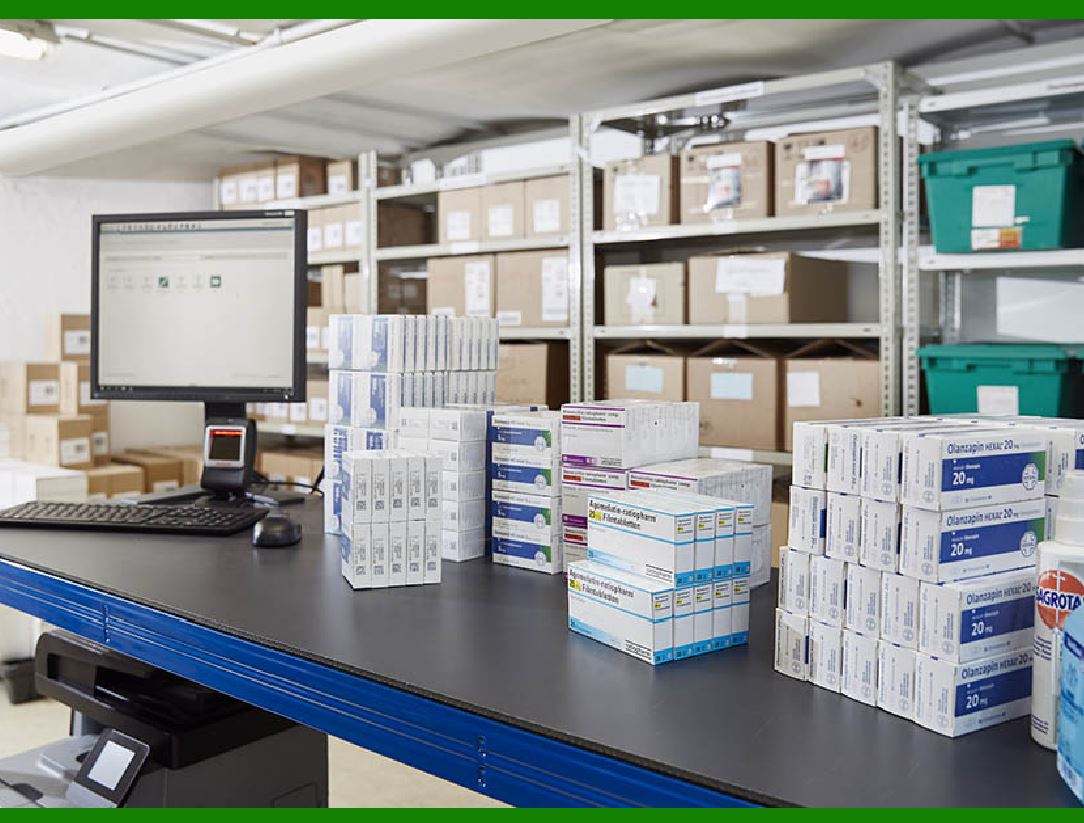
Stock Management: Barcodes can also be used to manage laboratory reagents and supplies. This ensures that the laboratory is always well-stocked and can prevent shortages of critical materials. Expiration Tracking: Barcodes can be used to track the expiration dates of reagents and samples, helping labs manage their inventory more effectively and reduce waste. |
|
7. Reporting and Auditing |
Accurate Reporting: Barcodes facilitate the generation of accurate and detailed reports on sample processing and analysis. This is essential for quality assurance and audit purposes. Audit Trails: The detailed logs generated by barcode systems provide a comprehensive audit trail, which is crucial for investigations and ensuring compliance with standards. |

|
8. Remote and Off-Site Management |
Field Sample Collection: Barcodes enable efficient management of samples collected off-site. Mobile devices with barcode scanners can be used to record sample details and sync them with the central LIMS. Remote Access: Authorized personnel can access barcode data remotely, facilitating collaboration and data sharing across different locations. |

|
9. Cost Efficiency |
Reduced Labor Costs: Automation of data entry and tracking reduces the need for manual labor, leading to cost savings. Minimized Errors: Reducing errors associated with sample handling and data entry also lowers the costs associated with rework and potential misdiagnoses. |

|
10. Future Integration and Advancements |
Advanced Technologies: The integration of barcodes with technologies like RFID (Radio Frequency Identification) and IoT (Internet of Things) can further enhance sample management by enabling even more detailed tracking and real-time monitoring. AI and Machine Learning: Barcoded data can be utilized by AI and machine learning algorithms to predict trends, optimize workflows, and improve overall laboratory efficiency. |

|
In summary, barcodes are a vital tool in lab sample management, offering significant benefits in terms of efficiency, accuracy, traceability, and compliance. Their application spans the entire lifecycle of a sample, from collection to analysis, ensuring that laboratories can operate smoothly and maintain high standards of quality. |
 cs@easiersoft.com