Barcode Technology

Barcode History

Barcode Label Paper

Barcode Printer

Barcode Application

Inventory Management

AI Barcode QRCode

Barcode Scanner

Barcode Software

Barcode Software B

Barcode Software C

Barcode Software D

Barcode Software E

New Technology A

New Technology B

Robot Technology

Barcode Types

Barcode Types B

Barcode Types C

Barcode Types D

Barcode Types E

Barcode Types F

Electronic Technology

Psychology at Work

Barcode Technology and Barcode Software Related   <<< Back to Directory <<<

Barcodes in healthcare medication tracking

Barcodes are an integral technology in medication tracking, enhancing accuracy, efficiency, and safety in various aspects of healthcare.

Their application spans from manufacturing and distribution to patient administration in healthcare facilities.

Here's a detailed description of their application across these stages:

1. Manufacturing and Distribution

Batch Tracking:

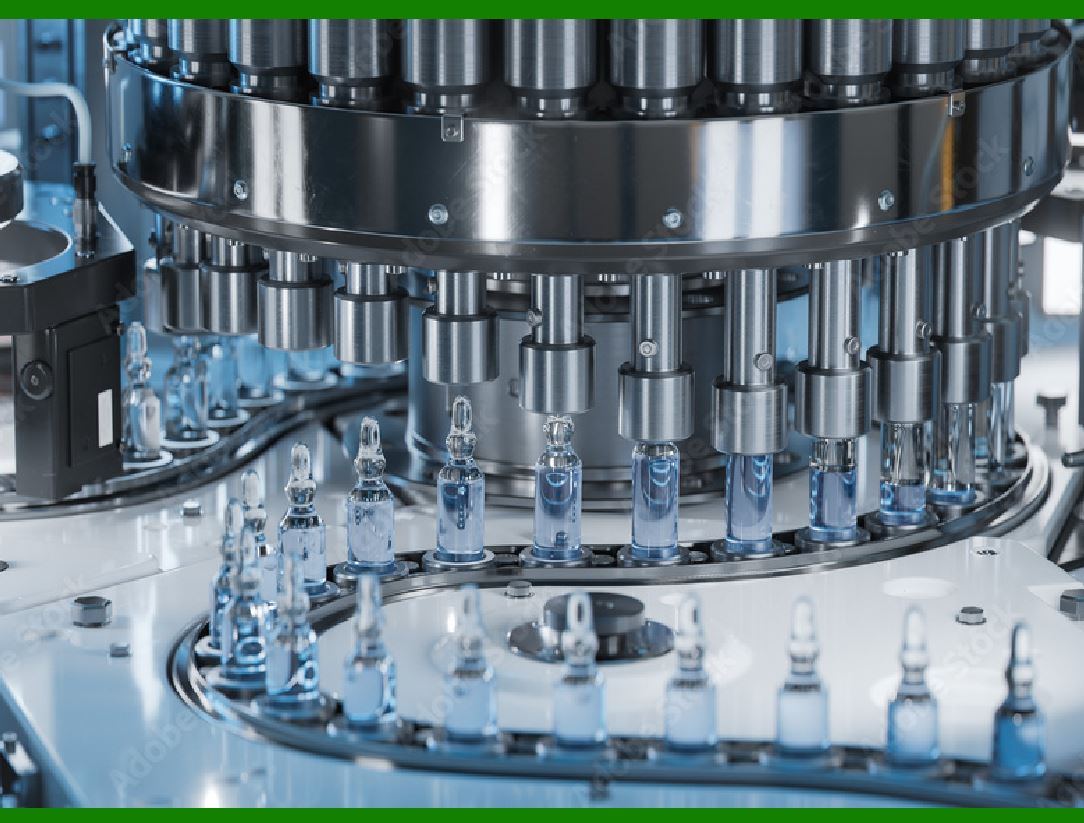
Pharmaceutical manufacturers use barcodes to track batches of medication. Each batch is assigned a unique barcode, which contains information about the production date, expiration date, and other critical data. This helps in monitoring and managing the production process and ensures traceability.

Quality Control:

Barcodes aid in quality control processes by ensuring that the correct components are used in the right quantities. Scanners can quickly verify that each ingredient matches the specifications for a particular medication batch.

Inventory Management:

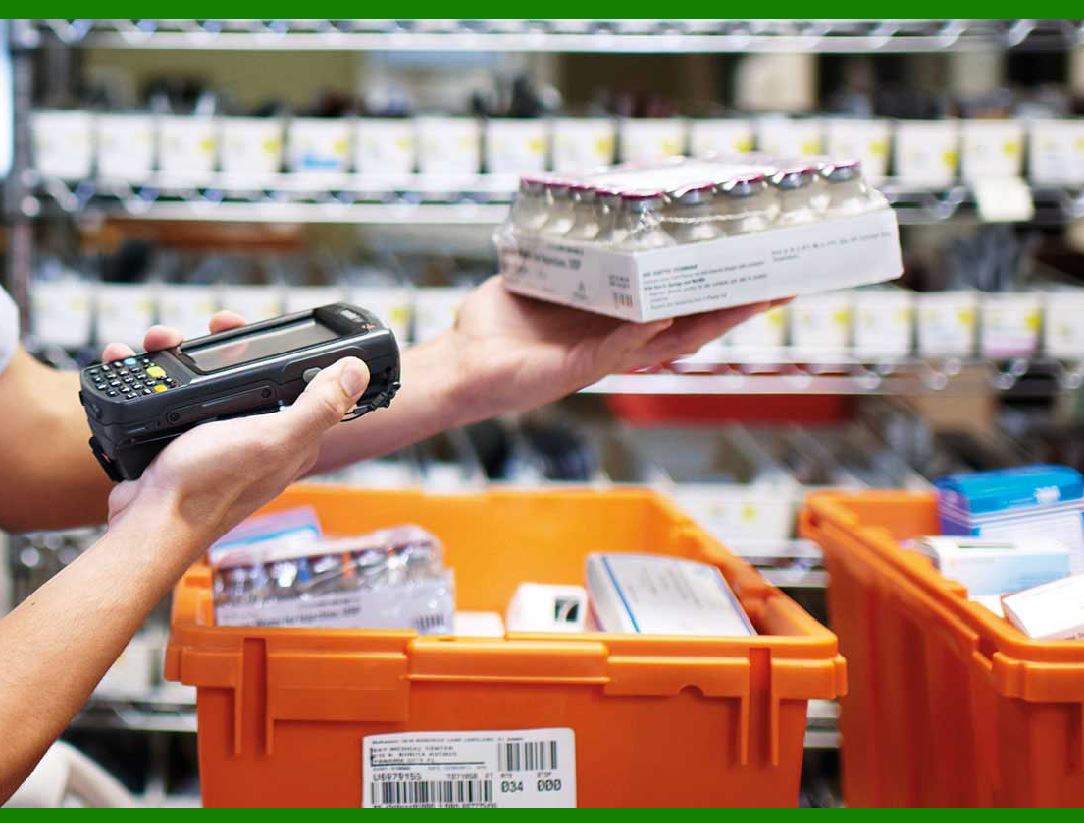
Barcodes streamline inventory management in warehouses by providing real-time data on stock levels. This helps in maintaining optimal inventory levels, reducing the risk of shortages or overstocking.

Distribution Tracking:

During distribution, barcodes on medication packages are scanned at various checkpoints. This provides a detailed log of the medication's journey from the manufacturer to the healthcare provider, ensuring accountability and reducing the risk of theft or loss.

2. Healthcare Facilities

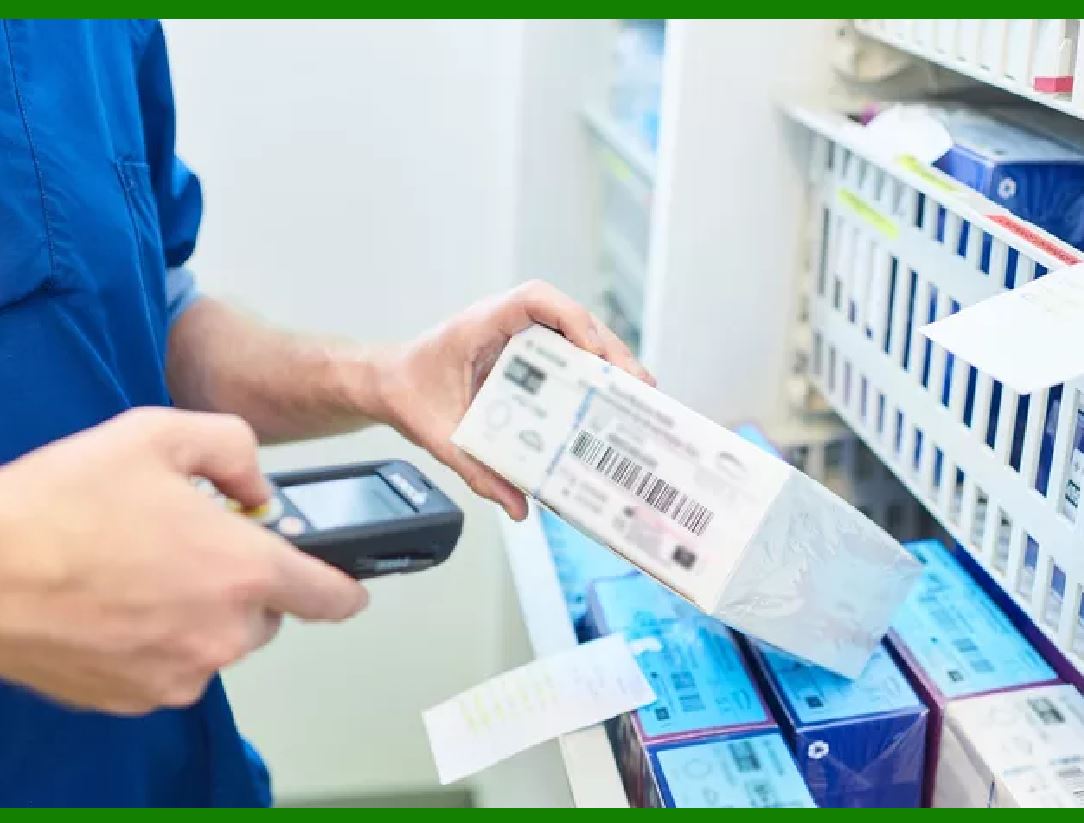
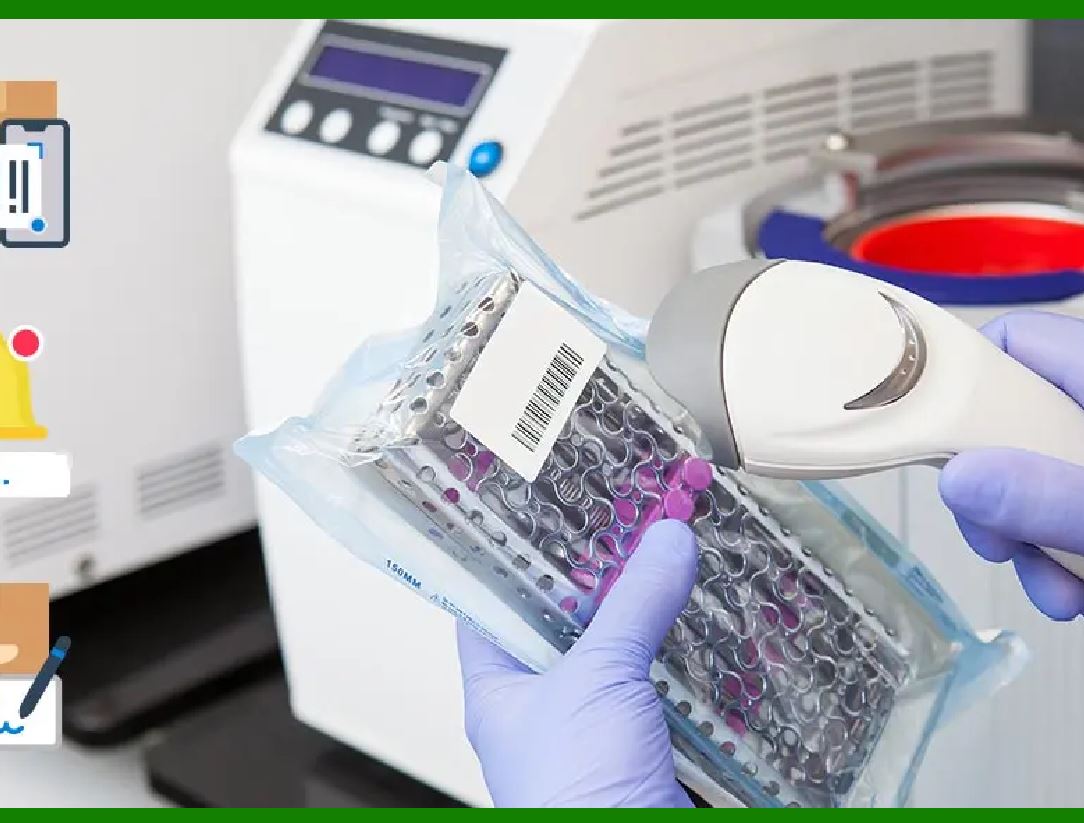
Receiving and Stocking: When medications arrive at healthcare facilities, barcodes are scanned to confirm receipt and update inventory systems. This ensures that the stock levels are accurately recorded and that the medications are stored appropriately.

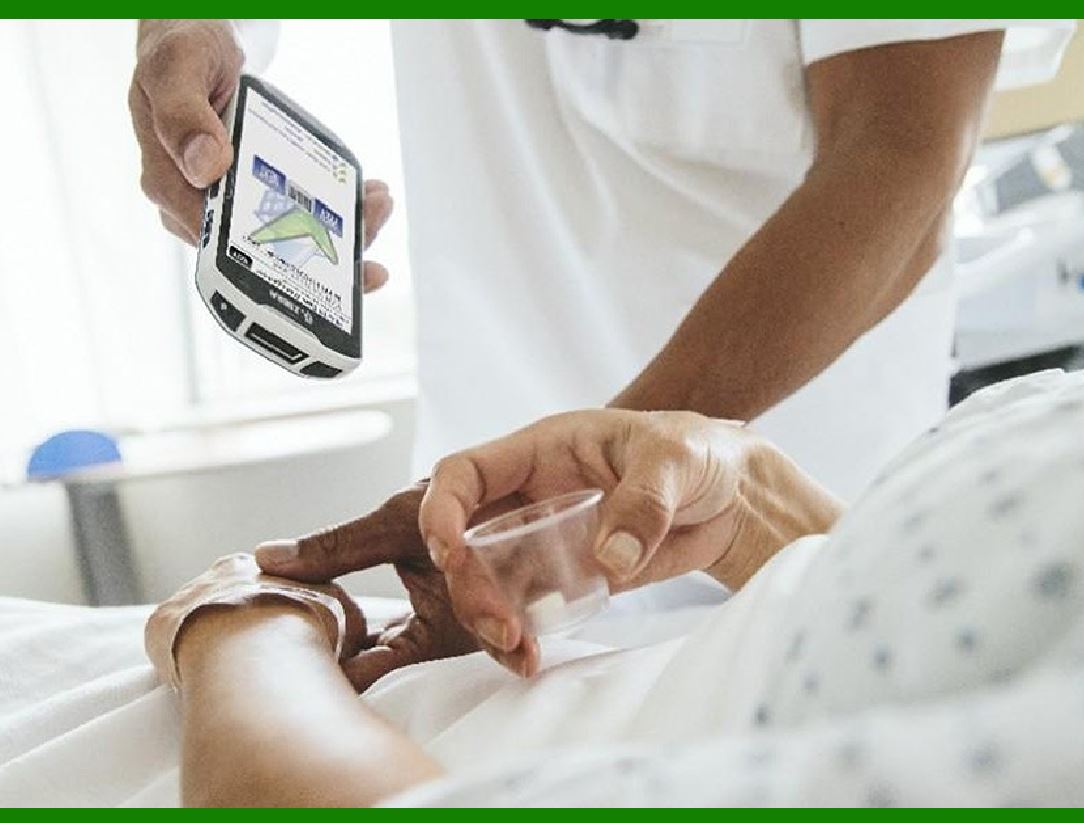
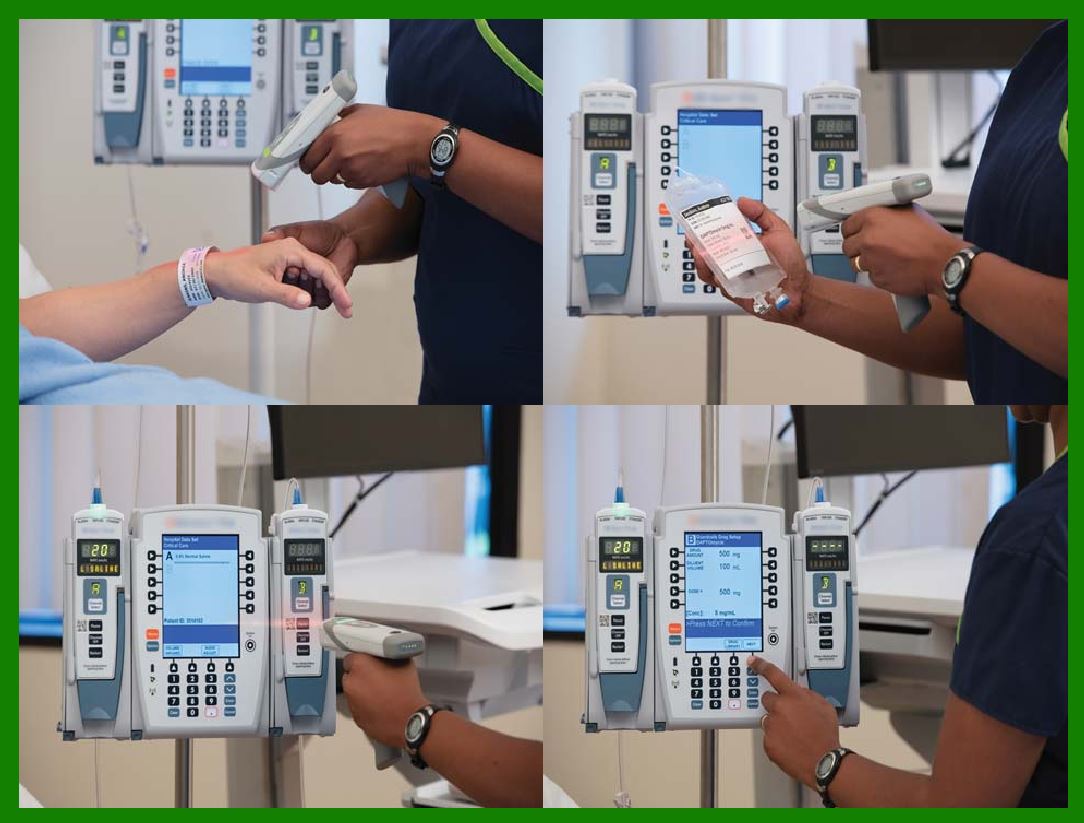
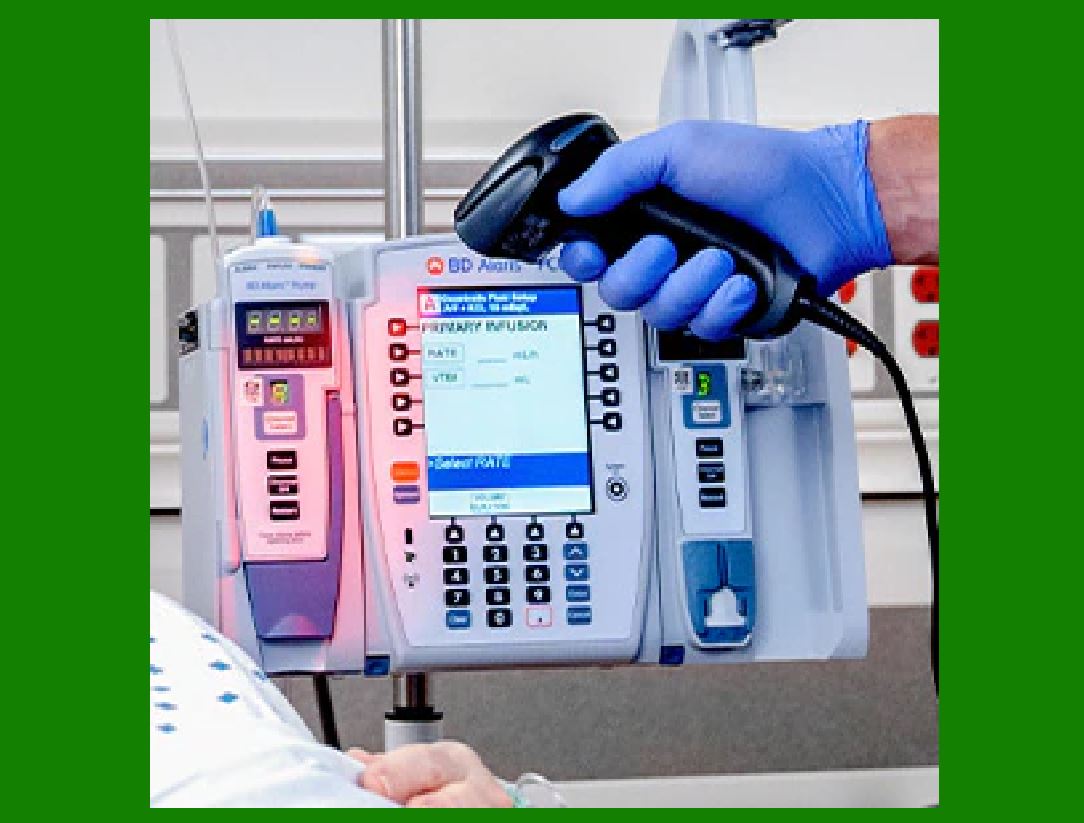
Medication Administration: Barcodes are critical at the point of care. Healthcare providers scan the patient's wristband barcode and the medication barcode to verify that the correct medication is administered to the correct patient at the right dose and time. This process is known as the Five Rights of Medication Administration:

Right Patient: Ensuring the medication is given to the correct patient.

Right Medication: Confirming the medication matches the prescription.

Right Dose: Verifying the dosage is correct.

Right Time: Administering the medication at the correct time.

Right Route: Ensuring the medication is given via the correct route (e.g., oral, intravenous).

Electronic Medical Records (EMR): Scanned barcode data is integrated into EMR systems, automatically updating the patient's medication administration record. This reduces manual entry errors and provides a comprehensive history of the patient's medication regimen.

Automated Dispensing Systems: In pharmacies, automated dispensing cabinets and robots use barcodes to accurately select and dispense medications. This improves efficiency and reduces the risk of dispensing errors.

3. Patient Safety and Compliance

Reduction of Medication Errors: By ensuring the accuracy of medication administration, barcodes significantly reduce the incidence of medication errors, which can have serious or fatal consequences.

Allergy and Interaction Alerts: Scanning barcodes can trigger alerts if a medication is contraindicated due to a patient's allergies or potential drug interactions, ensuring additional layers of safety.

Patient Compliance: Barcodes on patient medications (especially in outpatient settings) can be linked to apps that remind patients to take their medications and allow tracking of adherence.

4. Regulatory Compliance and Reporting

Regulatory Requirements: Barcoding helps healthcare providers comply with regulations from agencies like the FDA, which mandate tracking and reporting of medication use.

Recall Management: In the event of a medication recall, barcodes enable quick identification and removal of affected batches from circulation, protecting patient safety and ensuring regulatory compliance.

Data Collection and Analysis: Barcodes facilitate the collection of detailed data on medication use, which can be analyzed to improve healthcare practices, optimize inventory, and enhance patient outcomes.

5. Research and Clinical Trials

Tracking Medication Use: In clinical trials, barcodes ensure precise tracking of medication use, which is critical for data integrity and regulatory compliance.

Data Collection: Automated data collection through barcoding reduces the risk of human error and ensures that accurate data is available for analysis in clinical research.

6. Conclusion

The application of barcodes in medication tracking is a multifaceted approach that significantly enhances the safety, accuracy, and efficiency of healthcare delivery. By providing real-time, accurate data across all stages of the medication lifecycle, barcodes play a crucial role in improving patient outcomes and operational efficiency in healthcare settings.


EasierSoft Barcode Label Design & Bulk Printing Software

---- Use Excel Data to Batch Print Barcodes on Label Sheets or Roll Labels  

---- How to use this barcode software

Download:  Free Barcode Software + Barcode Label Designer

Download Free Barcode Software at Softonic

     Download at CNET

Once you obtain a GS1/UPC/EAN barcode, or other barcode type and QR code, you can use our free software to batch print barcode labels onto Roll label paper using a professional label printer, or to batch print barcodes onto Avery 5160 label sheets using a regular laser or inkjet printer. Our software has free and paid versions.

The free version fully meets your needs for batch printing GS1/UPC/EAN barcodes. The paid version can import data from Excel and databases to batch print barcode labels with different values.

How to Start

Input Data

Import Excel Data

Print Barcode

Barcode Format

Label Designer

All Screen Shot

Export Barcode Image

Save Template

Output Word Excel

How to Use & FAQ:

Print bulk barcodes quickly

Print barcodes to Avery 5160 label

How to bulk Barcode Printing

Sample - Avery 5162 (2x7) Label Sheet

Example: Print barcodes to 5*3cm roll

Example: Print barcodes to 5161 label

Example: Print barcodes to 5162 label

Example: Print barcodes to 5163 label

Example: Print barcodes to 5164 label

Example: Print portrait orientation 5164

Example: Print barcodes to 5167 label

Example: Print barcodes to 5168 label

Example: Print portrait orientation 5168

Example: Print barcodes to 5169 label

Example: Print barcodes to 5660 label

Example: Print barcodes to 5661 label

Example: Print barcodes to 5662 label

Example: Print barcodes to 5663 label

Example: Print barcodes to 5664 label

Example: Print portrait orientation 5664

Example: Print barcodes to 5873 label

Example: Print barcodes to 5874 label

Two ways to import Excel data

Import Excel Data - Pro Edition

Import Excel Data - Std Edition

Import Data from Excel - Detail

Load Data From Excel File

Data Editing Table

Copy Data From Excel

Four ways to input barcode data

Add ASCII Key E

Input Multiple Lines of Text for Barcodes

Generates Sequential Serial Numbers

Import or copy data from Excel sheets

Special sequence number generation

Std Details: Simple Input Form

Std Details: Multiple Line Text Input

Details: Sequence Barcode Generator

Examples: Sequence Barcode Generator

Import Data From Excel Spreadsheet

Barcode Data Correspondence Diagram

Data Editor

Editing a Single Row Data in Form

Batch Editing Multiple Rows of Data

Batch Data Editing - Example 2

Design & print complex barcode labels

Configuring Text Elements on Label

Configuring Barcode Elements on Label

Configuring Image Elements on Label

Setting Line Elements on Label

Highlights

Excel integration: Import data directly from Excel to generate and print barcodes in bulk.

Label designer: Create complex labels with multiple barcodes, text, logos, and shapes.

Batch printing: Print thousands of barcodes at once using standard inkjet/laser printers or professional barcode printers.


Flexible editions:

Standard Edition: Simple batch printing with Excel data.

Professional Edition: Adds command-line automation for workflow integration.

Label Designer Edition: Advanced design features for complex labels.


Why Choose Our Barcode Solutions?

Cost-effective: Free online generator and permanent free desktop version available.

Easy to use: No technical expertise required—just input data and print.

Versatile: Supports nearly all 1D and 2D barcode types, including QR codes.

Trusted: Recommended by CNET and widely downloaded by users worldwide.


Suitable Use Cases

Small businesses and startups needing quick barcode labels for products.

Retailers and online sellers managing inventory with batch barcode printing.

Manufacturers requiring sequential or custom barcode labels for packaging.

Educational and testing environments where barcodes are used for tracking.


CONTACT

cs@easiersoft.com

If you have any question, please feel free to email us.


https://free-barcode.com


<<< Back to Directory <<<     Barcode Generator     Barcode Freeware     Privacy Policy