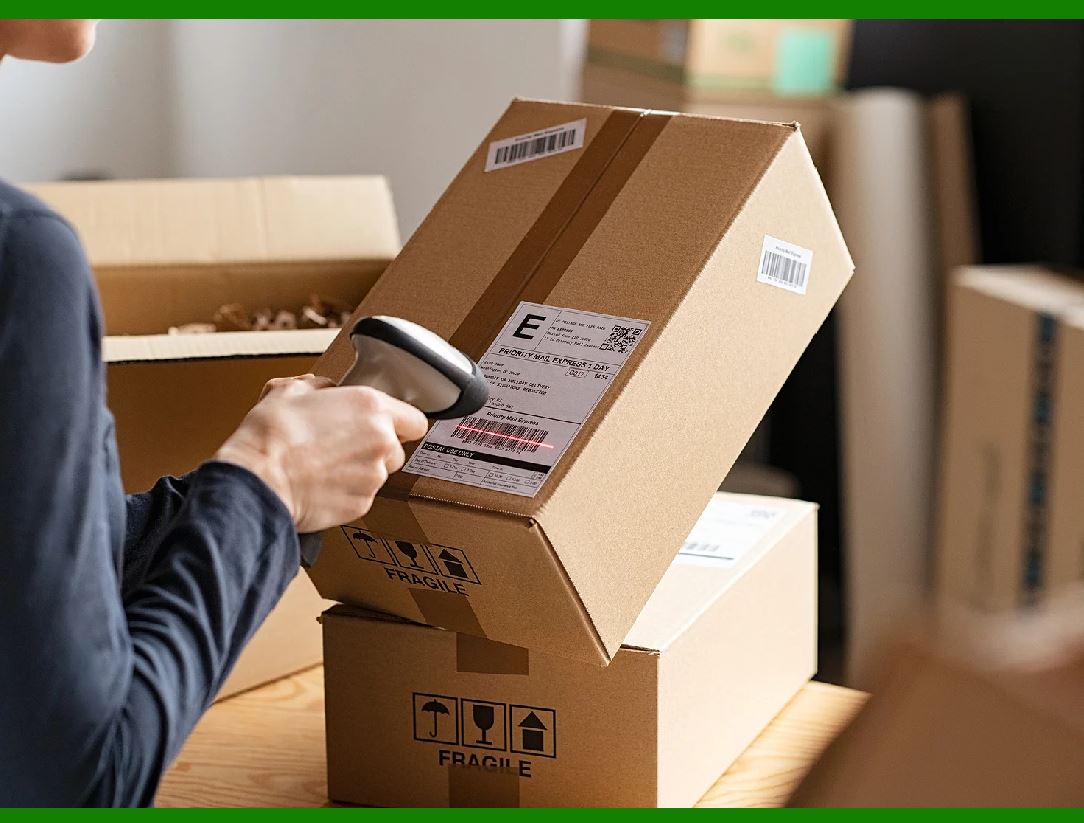
The Application of Barcodes in Shipping and Receiving Barcodes have revolutionized various industries, and their application in shipping and receiving is one of the most transformative. They streamline operations, enhance accuracy, and enable real-time tracking. This comprehensive overview explores how barcodes are used in shipping and receiving, detailing the processes, benefits, technologies, and future trends. |
|
1. Introduction to Barcodes |
Barcodes are machine-readable representations of data, typically used to store information about a product or item. They are read using barcode scanners, which convert the data into a digital format that can be processed by computers. |
There are various types of barcodes, including: |
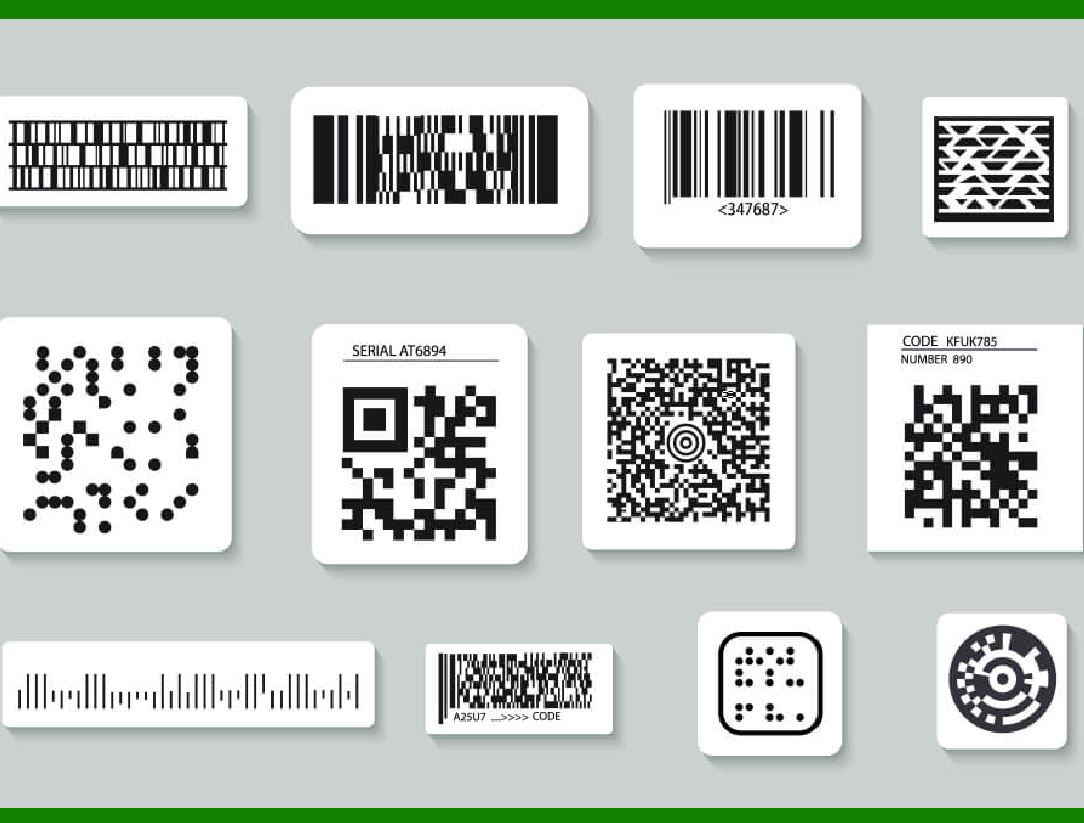
Linear Barcodes (1D): These are the most common and include formats like UPC (Universal Product Code) and Code 39. They consist of parallel lines of varying widths and spaces. 2D Barcodes: These include QR codes and Data Matrix codes, which can store more information in a smaller space compared to 1D barcodes. |
|
2. Role of Barcodes in Shipping and Receiving |
Shipping involves the transportation of goods from one location to another, while receiving involves the acceptance and processing of these goods at their destination. Barcodes play a crucial role in both processes: |
2.1. Shipping |
Labeling: Barcodes are printed on shipping labels that include essential information such as the sender's address, receiver's address, tracking number, and contents of the package. This ensures that each package is uniquely identifiable. |
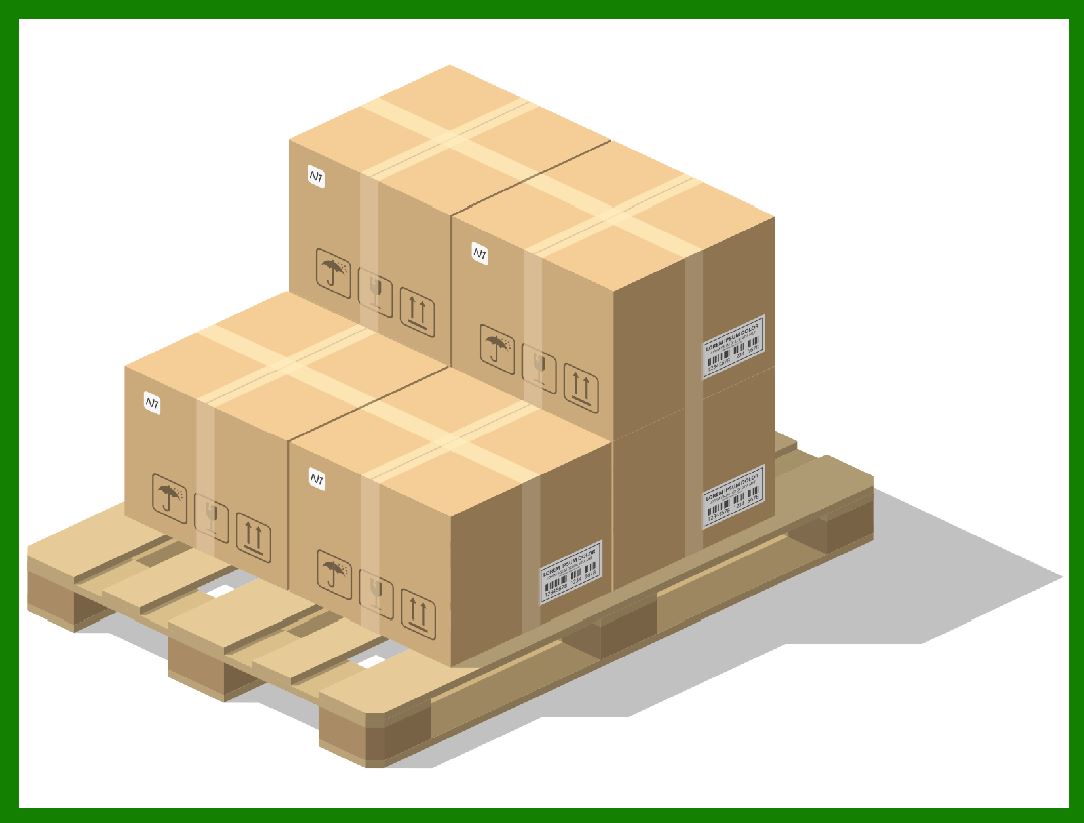
Sorting: Automated sorting systems in warehouses and distribution centers use barcode scanners to quickly and accurately sort packages based on their destination. This reduces the chance of human error and speeds up the sorting process. |
|
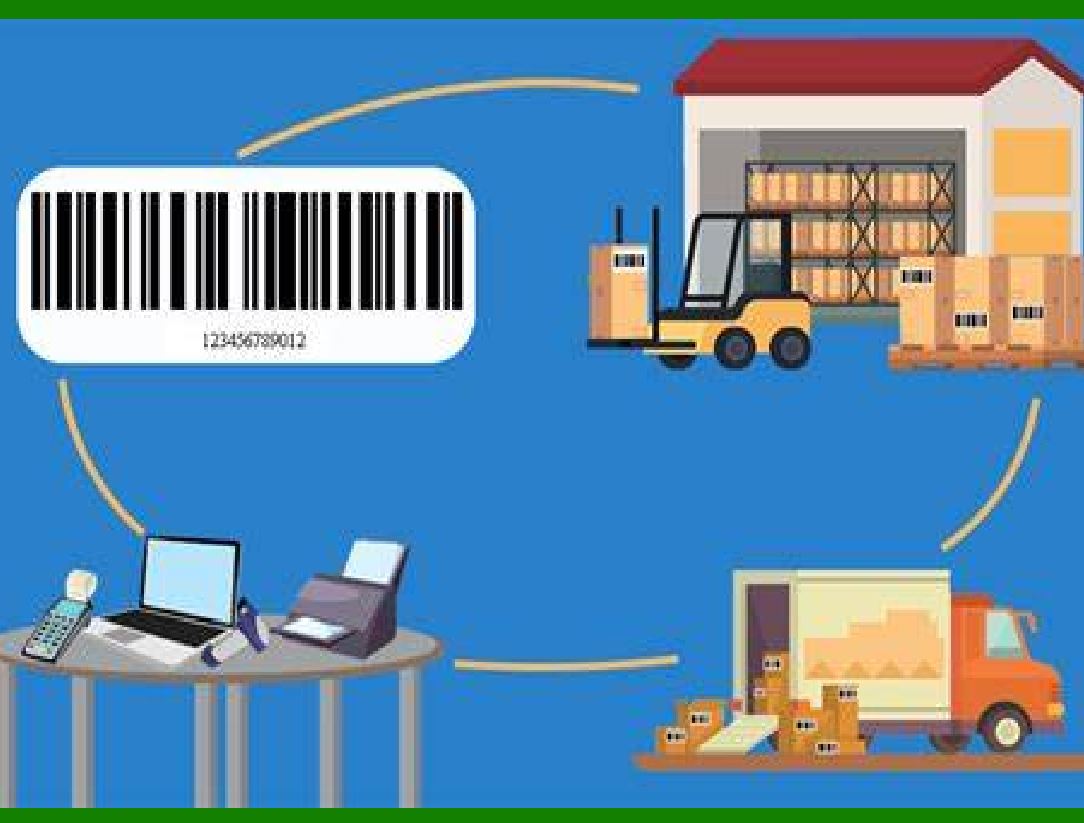
Tracking: As packages move through the supply chain, they are scanned at various checkpoints (e.g., when loaded onto trucks, when arriving at sorting facilities). Each scan updates the package's status in the shipping company's tracking system, allowing both the company and the customer to monitor the package's progress in real-time. |
Verification: Before packages are loaded onto delivery vehicles, they are scanned to verify that they are being sent to the correct destination. This helps prevent misdeliveries and ensures that all packages are accounted for. |
|
2.2. Receiving |
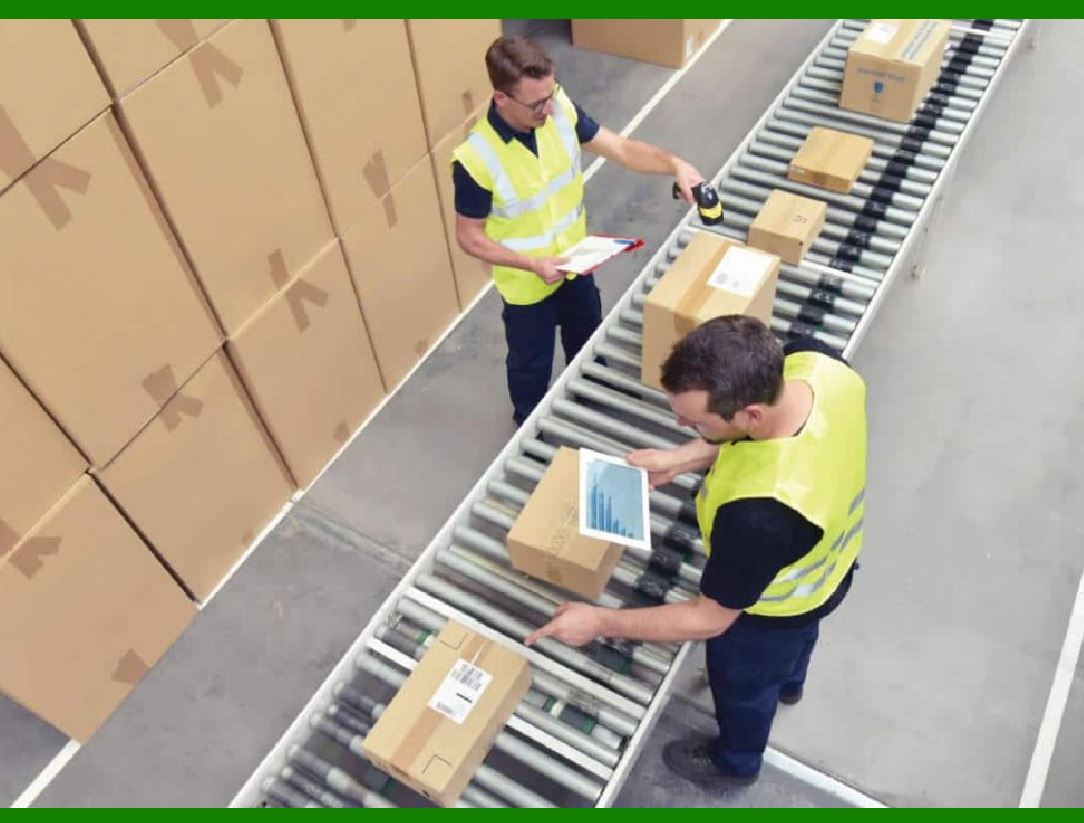
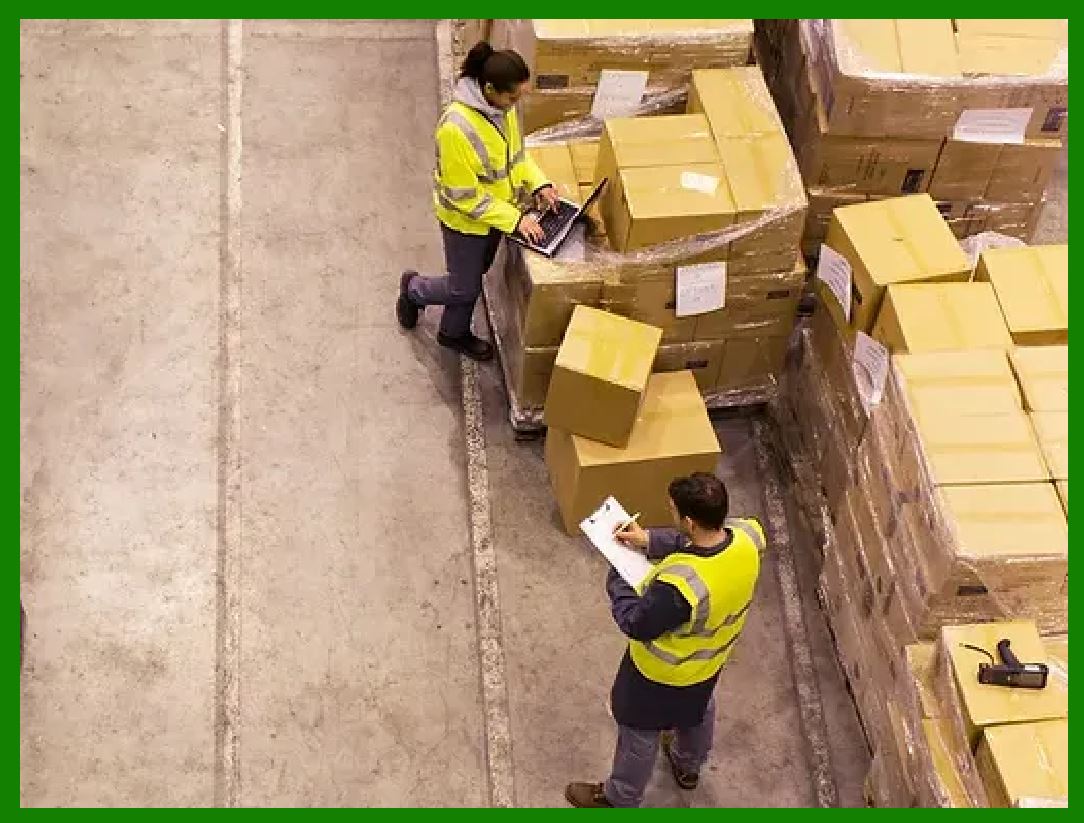
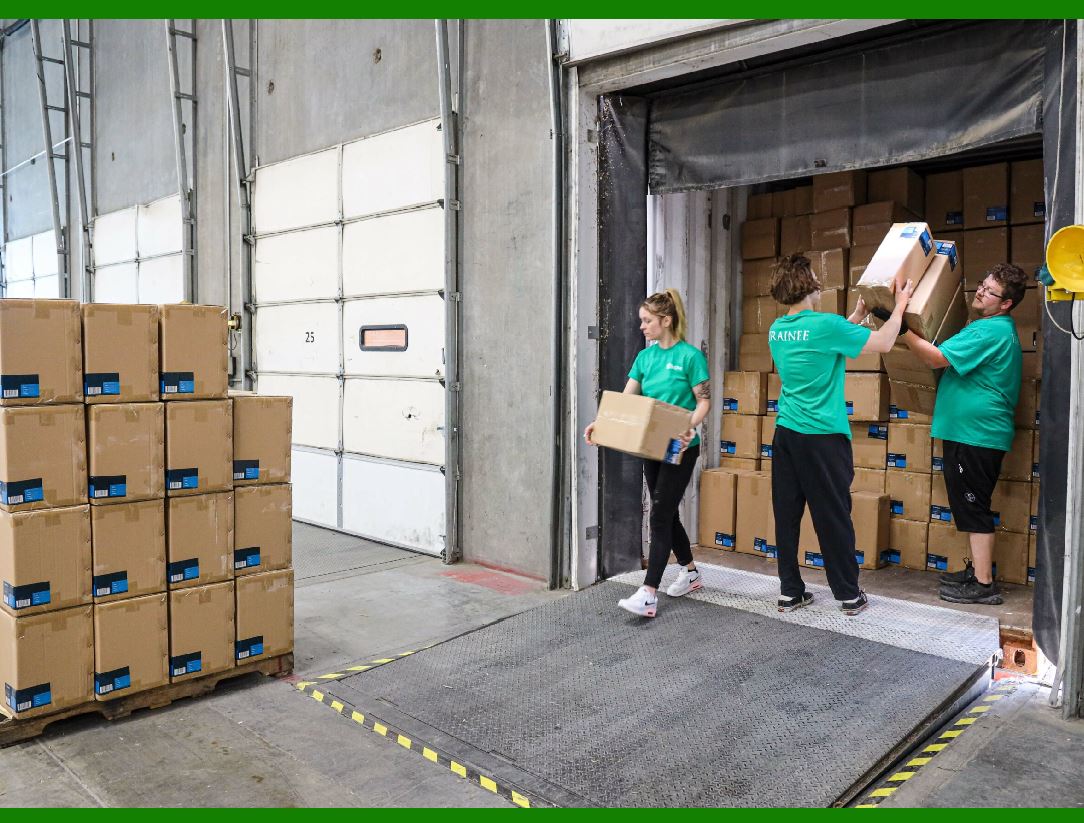
Inventory Management: When goods arrive at their destination, barcodes on the shipping labels are scanned to confirm receipt. This automatically updates the inventory system, ensuring that stock levels are accurately recorded. |
Inspection: Barcodes can include information about the contents of a package, allowing receiving personnel to quickly verify that the correct items have been delivered. This is particularly useful for quality control purposes. |
|
Data Entry: Scanning barcodes eliminates the need for manual data entry, reducing the risk of errors and speeding up the receiving process. Information such as the date and time of receipt, the condition of the goods, and any discrepancies can be recorded automatically. |
Return Processing: If items need to be returned, barcodes facilitate the process by providing a unique identifier for each item. This ensures that returns are processed accurately and efficiently. |
|
3. Benefits of Using Barcodes in Shipping and Receiving |
3.1. Enhanced Accuracy |
Barcodes significantly reduce the chances of errors in shipping and receiving operations. Manual data entry is prone to mistakes, but barcode scanning ensures that information is captured accurately every time. |
3.2. Increased Efficiency |
Barcodes speed up the processes of sorting, tracking, and verifying shipments. Automated systems can handle large volumes of packages quickly, reducing the time required for shipping and receiving operations. |
|
3.3. Real-time Tracking |
Barcodes enable real-time tracking of packages, providing visibility into their location and status at any given time. This improves customer satisfaction by allowing them to monitor their shipments and receive timely updates. |
3.4. Cost Savings |
|
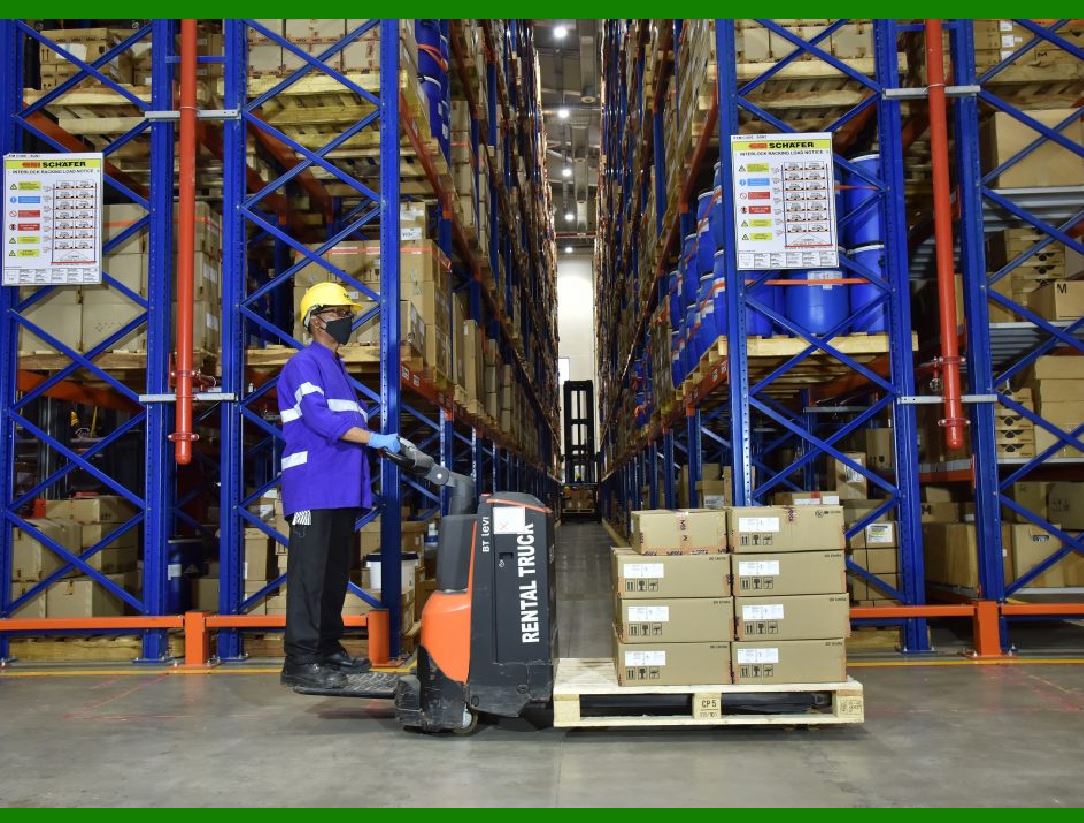
The efficiency and accuracy provided by barcodes result in significant cost savings. Reduced errors mean fewer resources are spent on correcting mistakes, and faster processing times translate to lower labor costs. |
3.5. Improved Inventory Management |
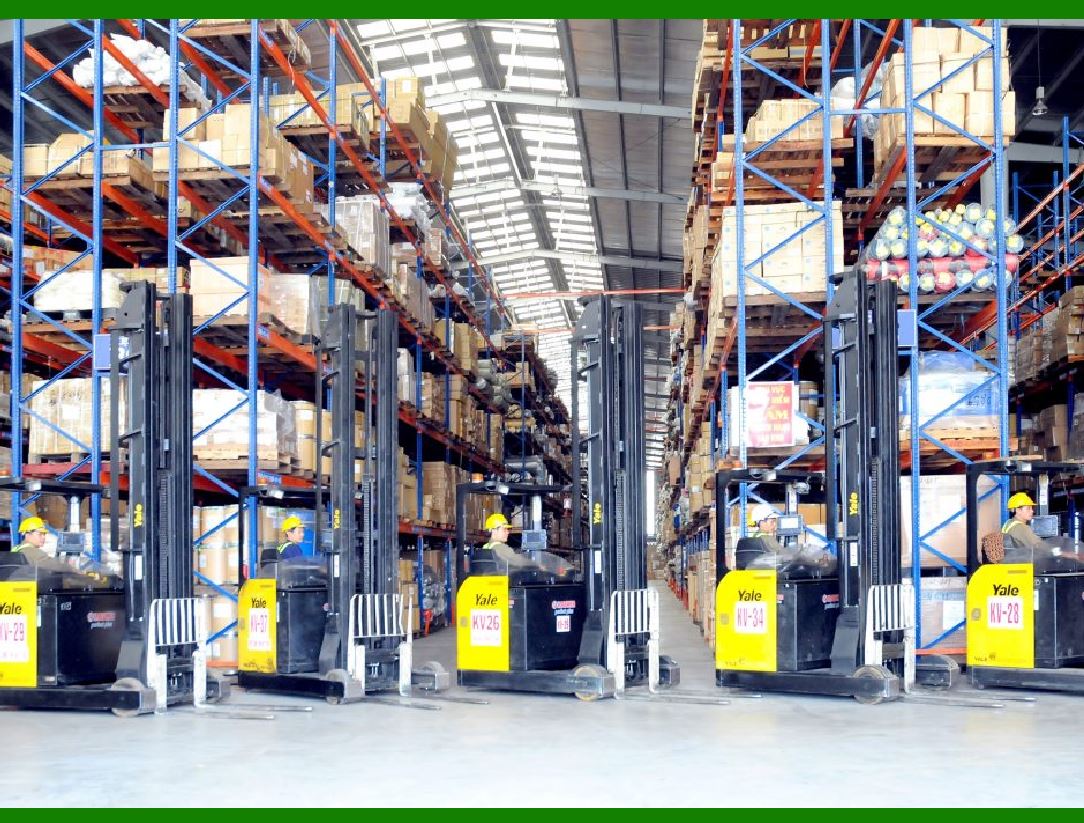
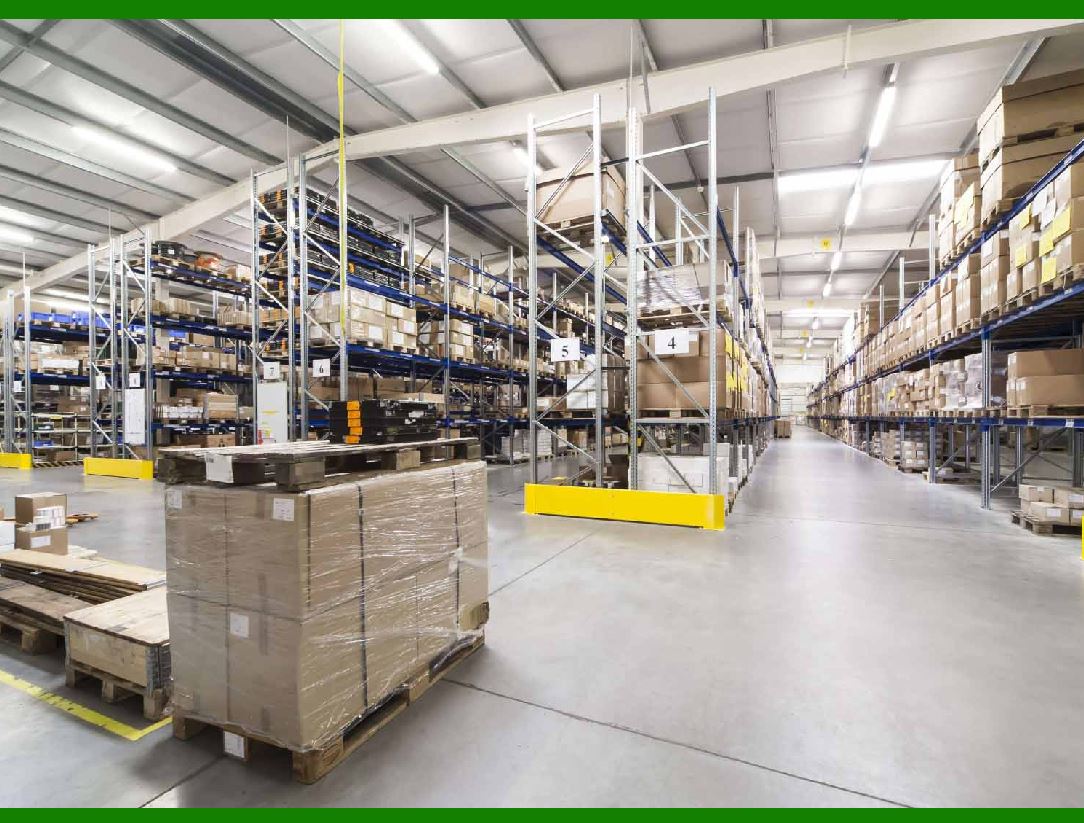
Barcodes provide real-time updates to inventory systems, ensuring that stock levels are always accurate. This helps companies maintain optimal inventory levels, reducing the risk of stockouts or overstocking. |
|
4. Technologies and Systems |
Several technologies and systems are used to implement barcodes in shipping and receiving: |
4.1. Barcode Scanners |
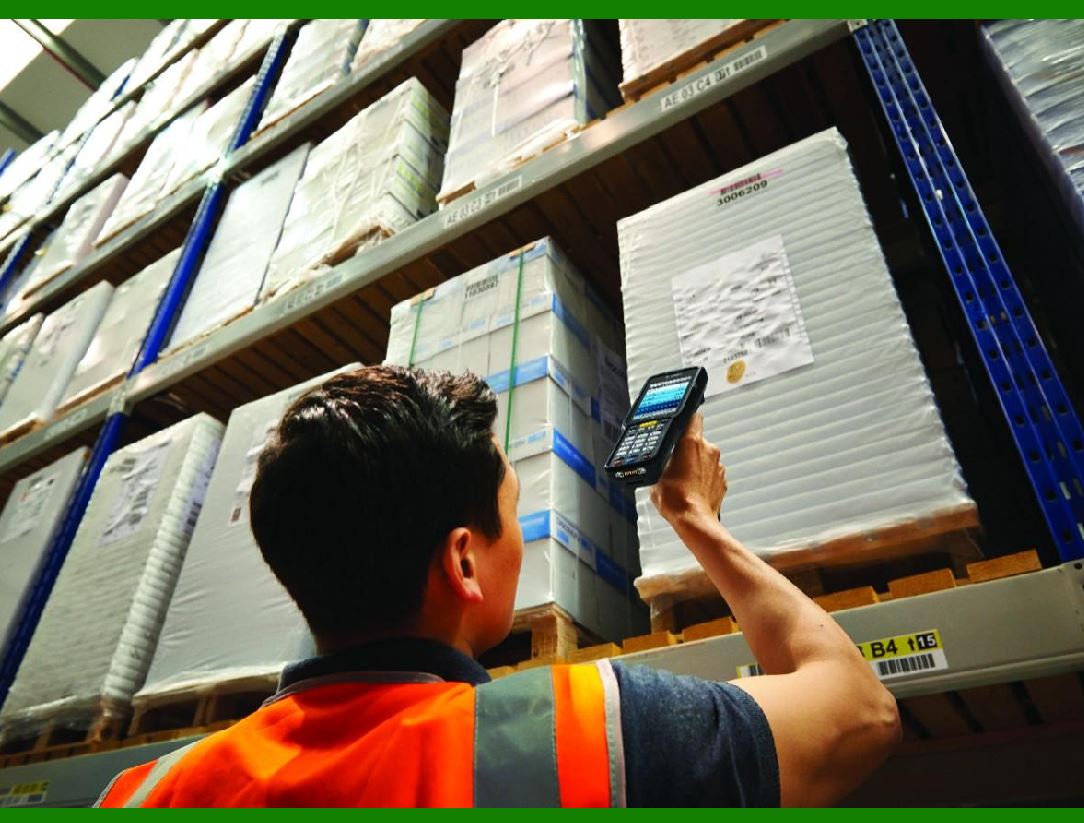
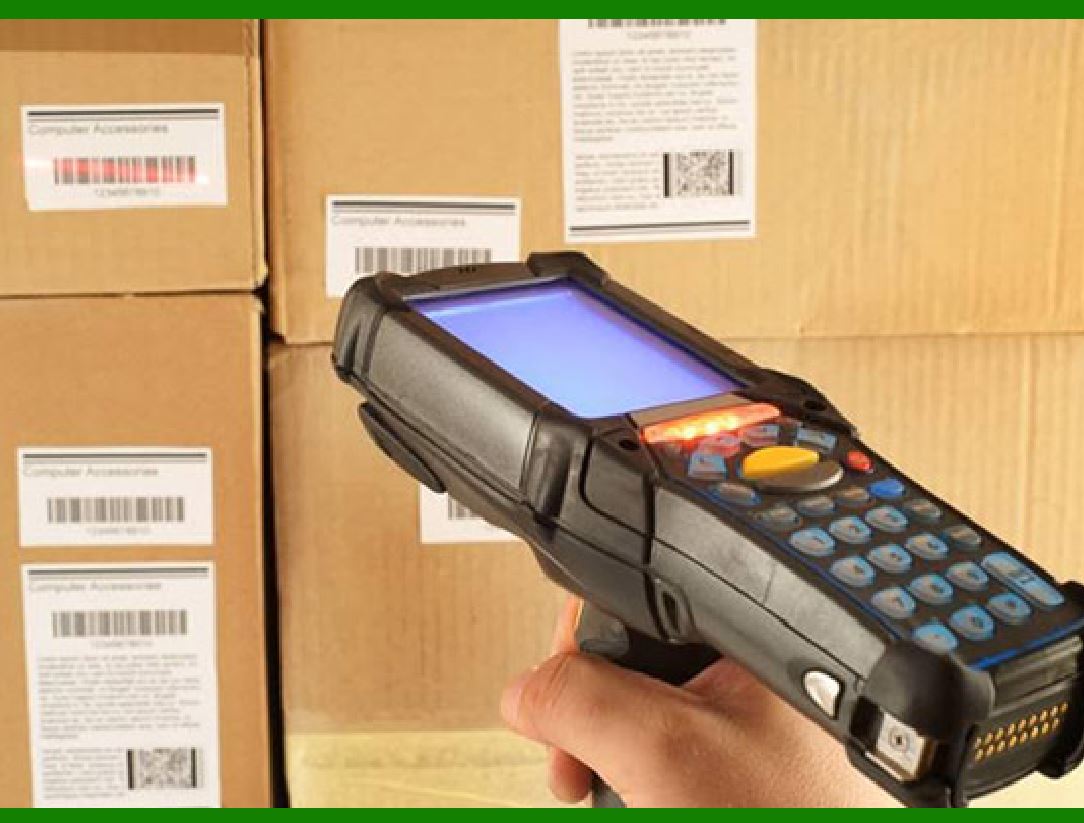
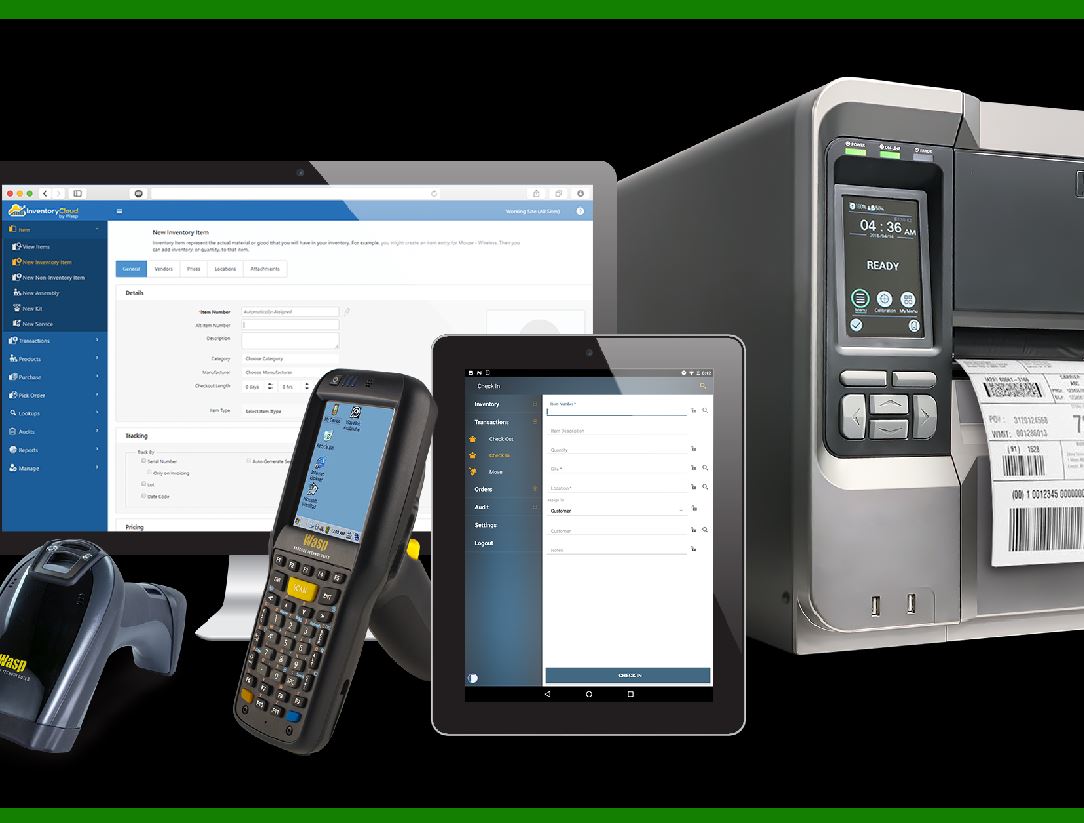
Handheld Scanners: Portable devices used by personnel to scan barcodes manually. They are commonly used in receiving operations and for verification purposes. |
|
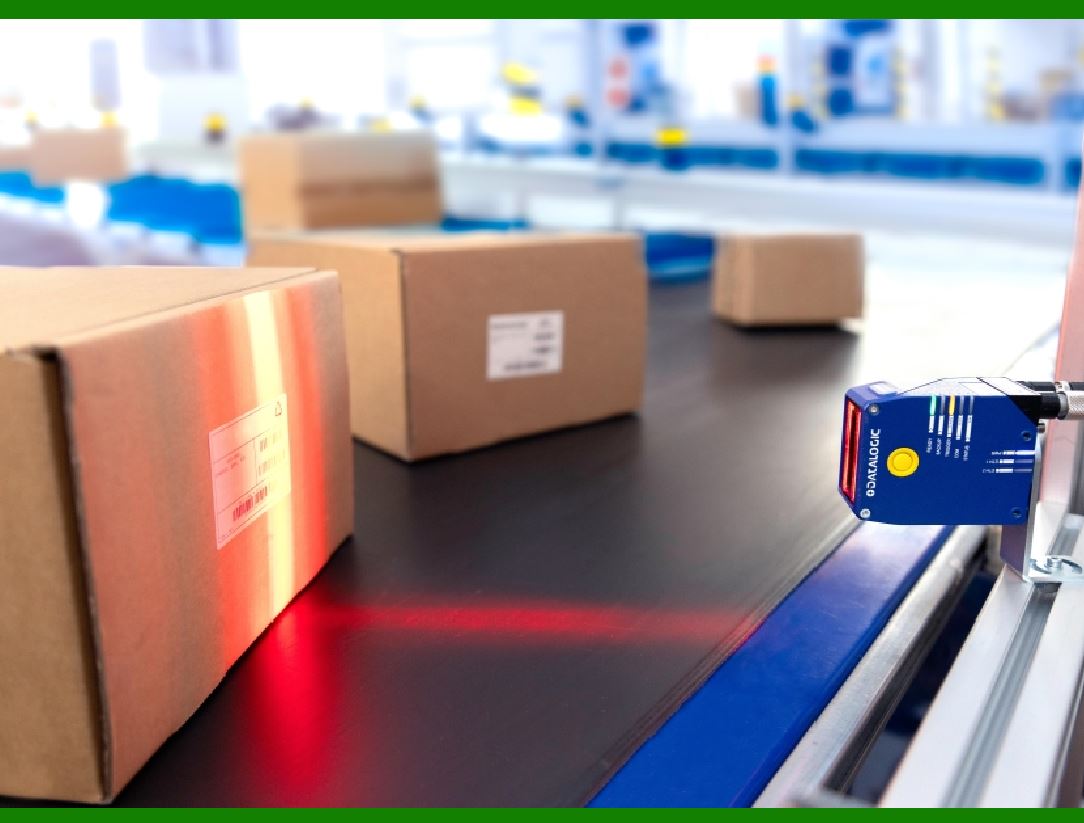
Fixed Scanners: These are installed at various points in the supply chain, such as conveyor belts in sorting facilities. They automatically scan barcodes as packages move past them. |
|
4.2. Barcode Printers |
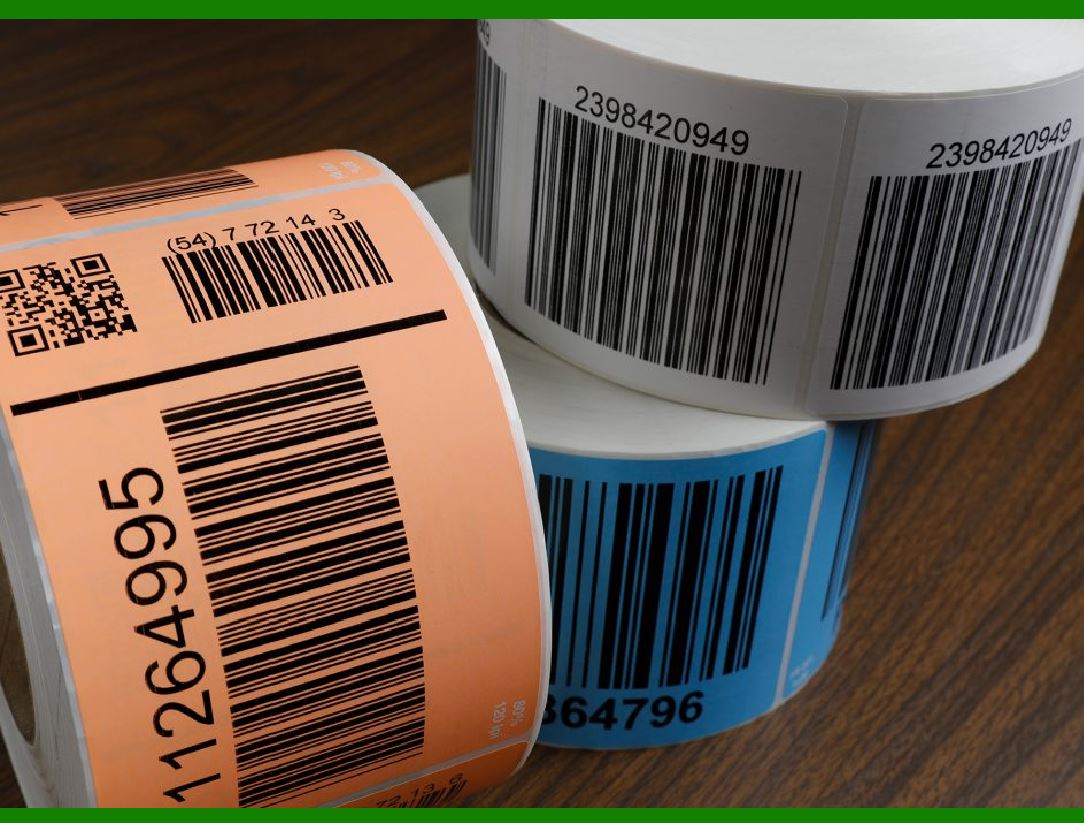
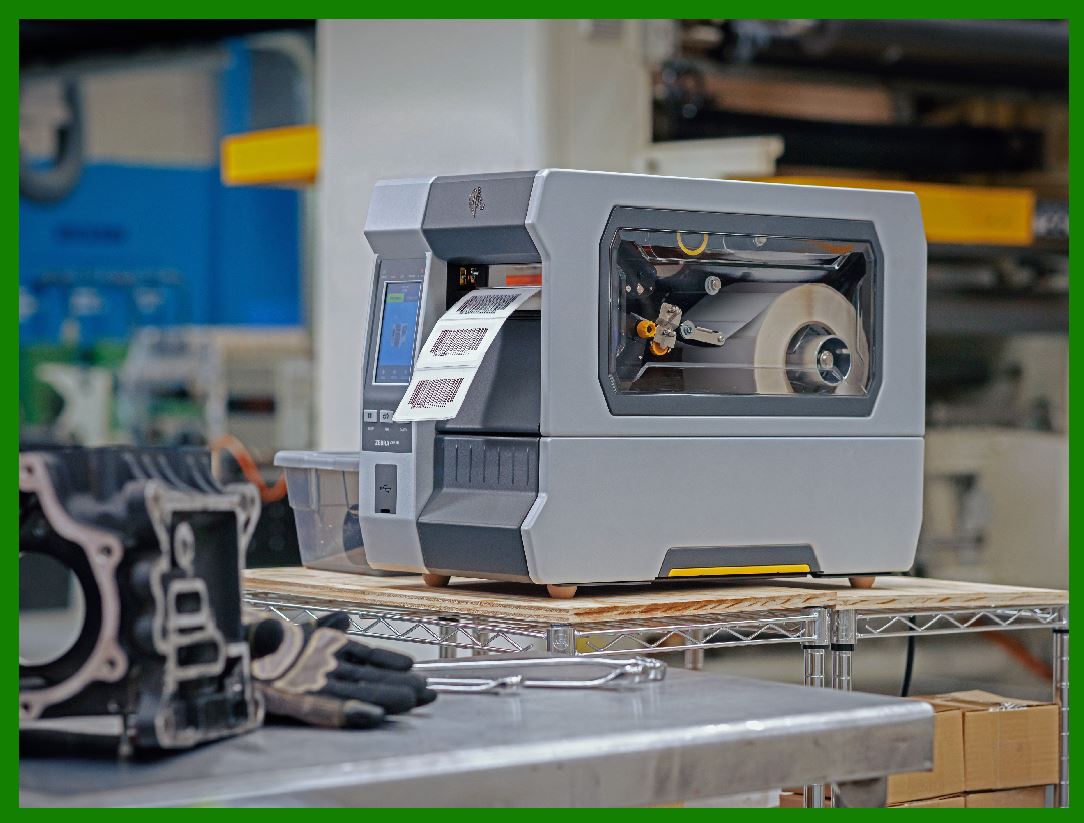
Barcode printers are used to print shipping labels and inventory tags. They come in various types, including thermal transfer and direct thermal printers, depending on the printing method used. |
4.3. Warehouse Management Systems (WMS) |
A WMS is a software application that helps manage warehouse operations. It integrates with barcode scanning systems to track inventory, manage orders, and optimize the storage and movement of goods within the warehouse. |
|
4.4. Transportation Management Systems (TMS) |
A TMS is used to plan, execute, and optimize the movement of goods. It works in conjunction with barcode systems to track shipments, manage carrier relationships, and optimize routing. |
4.5. Enterprise Resource Planning (ERP) Systems |
ERP systems integrate various business processes, including shipping and receiving, into a single unified system. They use barcode data to provide real-time insights into inventory levels, order status, and overall supply chain performance. |
|
5. Implementation Challenges |
Despite the many benefits, implementing barcode systems in shipping and receiving can present several challenges: |
5.1. Initial Costs |
The initial cost of purchasing barcode scanners, printers, and software can be high. Companies need to consider the return on investment and potential long-term savings when deciding to implement a barcode system. |
|
5.2. Integration with Existing Systems |
Integrating barcode systems with existing WMS, TMS, and ERP systems can be complex. It requires careful planning and coordination to ensure seamless data flow and compatibility. |
5.3. Training and Change Management |
Personnel need to be trained on how to use barcode scanners and interpret barcode data. Change management strategies are essential to ensure a smooth transition and to address any resistance from employees. |
|
5.4. Barcode Quality |
The quality of printed barcodes is crucial. Poor quality barcodes can result in scanning errors and delays. Companies need to invest in high-quality barcode printers and ensure that barcodes are printed clearly and consistently. |
|
6. Case Studies |
Examining real-world examples of barcode implementation in shipping and receiving can provide valuable insights: |
6.1. Amazon |
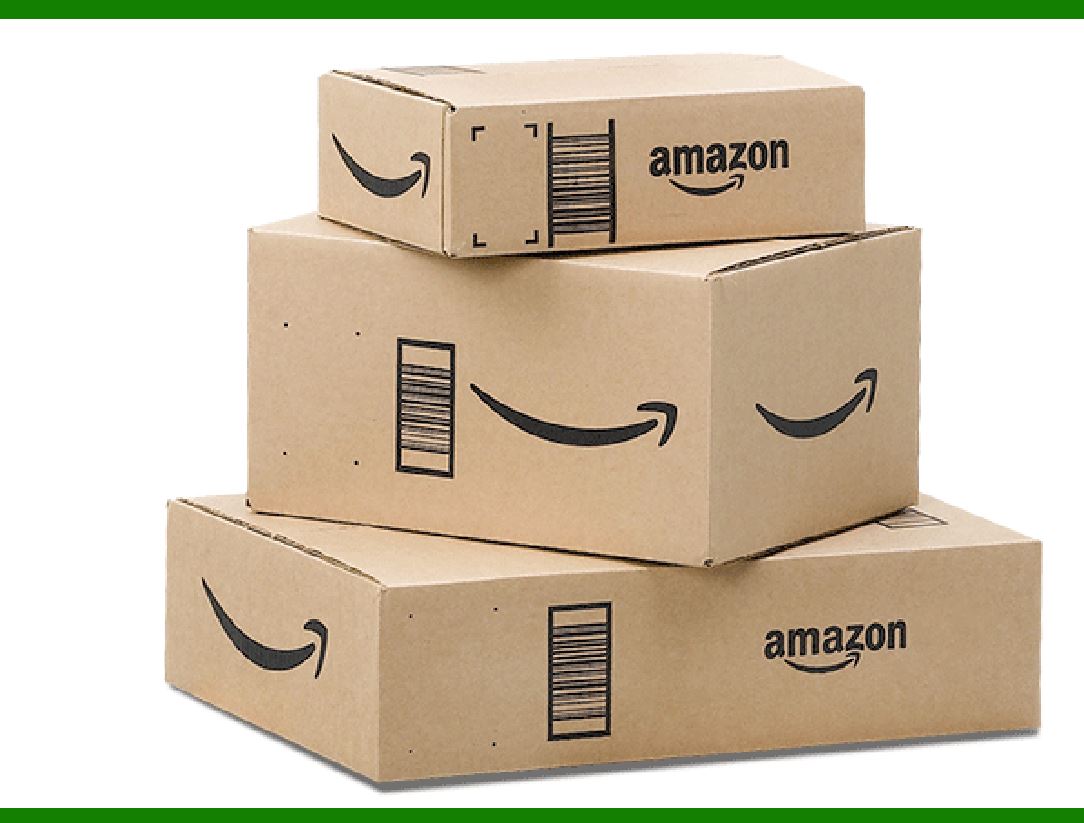
Amazon's vast fulfillment network relies heavily on barcodes to manage millions of products. Each item in an Amazon warehouse is assigned a unique barcode, which is used to track its location, movement, and status from the moment it arrives until it is shipped to the customer. This allows Amazon to maintain high levels of accuracy and efficiency in its operations. |
|
6.2. FedEx |
FedEx uses barcode scanning to provide real-time tracking of packages. Customers can track their shipments online using the tracking number provided. Barcodes are scanned at multiple checkpoints throughout the delivery process, ensuring that packages are delivered accurately and on time. |
6.3. Walmart |
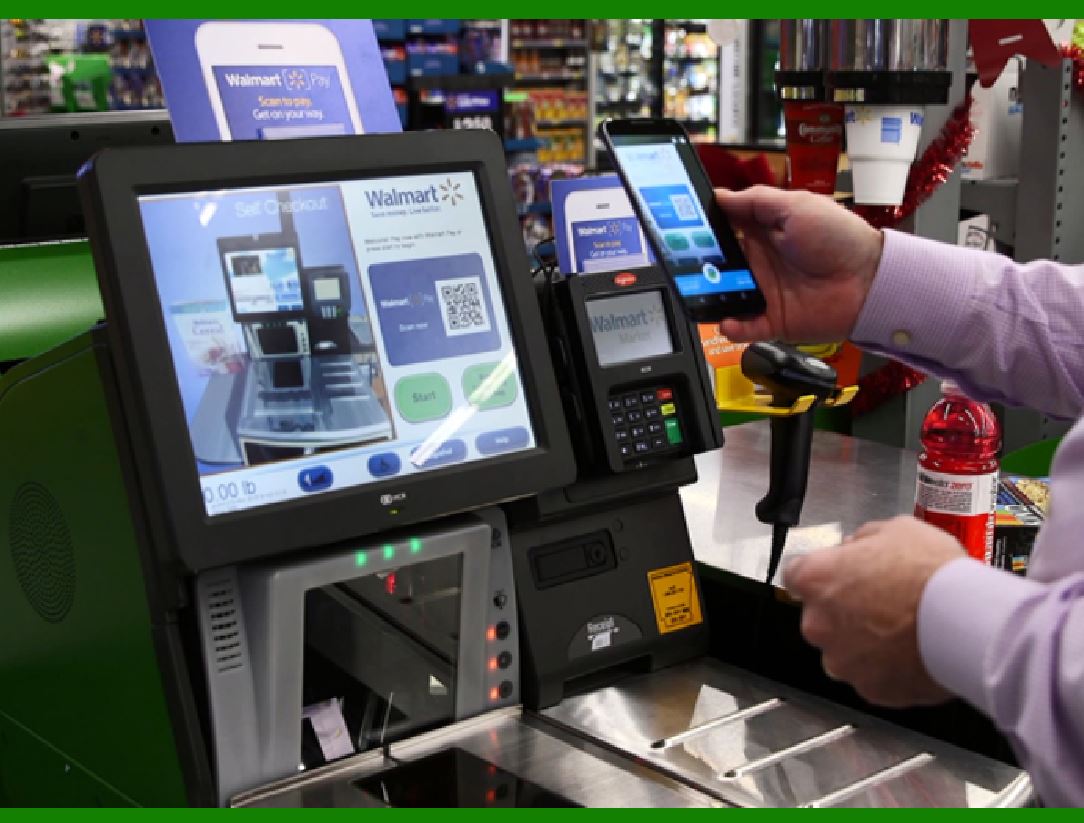
Walmart employs barcodes to manage its extensive inventory and streamline its supply chain. Barcodes are used to track goods from suppliers to distribution centers and stores. This enables Walmart to maintain optimal inventory levels, reduce stockouts, and enhance overall supply chain efficiency. |
|
7. Future Trends |
The application of barcodes in shipping and receiving continues to evolve, with several emerging trends: |
7.1. RFID Technology |
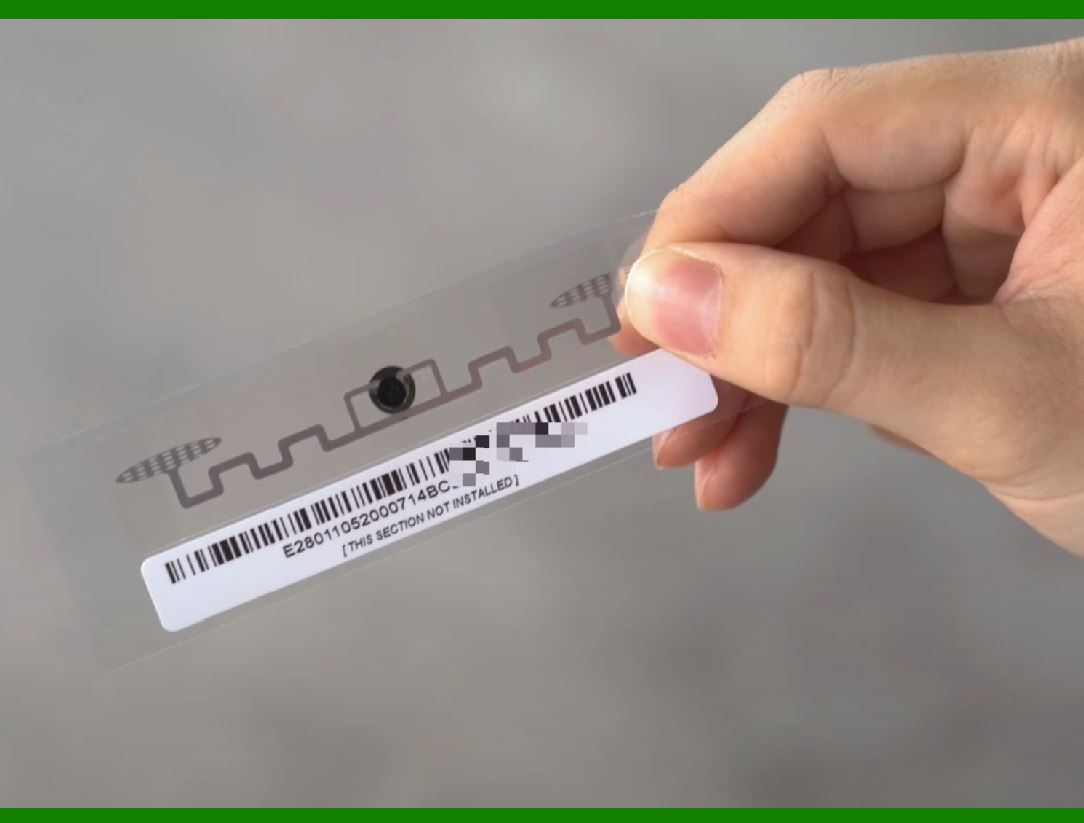
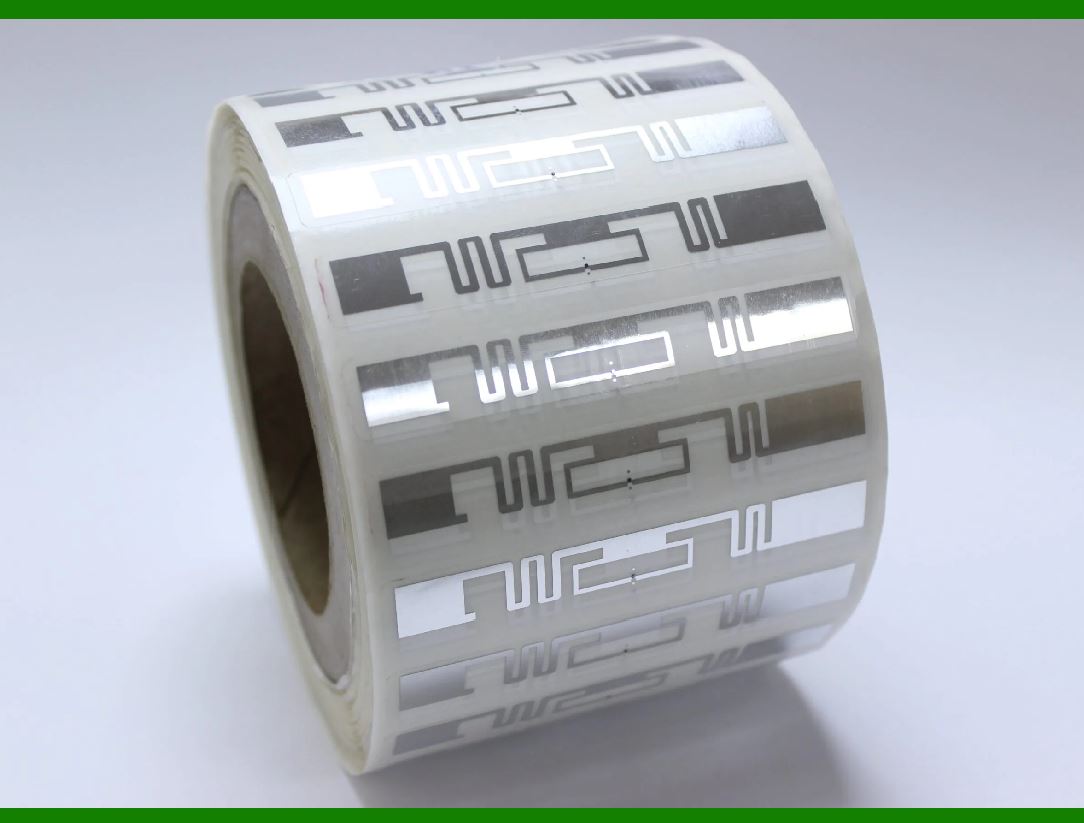
Radio Frequency Identification (RFID) is gaining popularity as an alternative to traditional barcodes. RFID tags can store more information and can be read without direct line-of-sight, making them useful for tracking items in challenging environments. However, they are currently more expensive than barcodes, which limits their widespread adoption. |
|
7.2. Integration with IoT |
The Internet of Things (IoT) is enhancing the capabilities of barcode systems. IoT devices, such as smart sensors and connected scanners, can provide real-time data on the condition and location of shipments. This integration improves visibility and allows for more proactive management of the supply chain. |
7.3. Advanced Analytics |
The data generated by barcode systems can be used for advanced analytics. By analyzing this data, companies can gain insights into their operations, identify bottlenecks, and optimize processes. Machine learning algorithms can predict demand patterns, optimize inventory levels, and improve overall efficiency. |
7.4. Blockchain Technology |
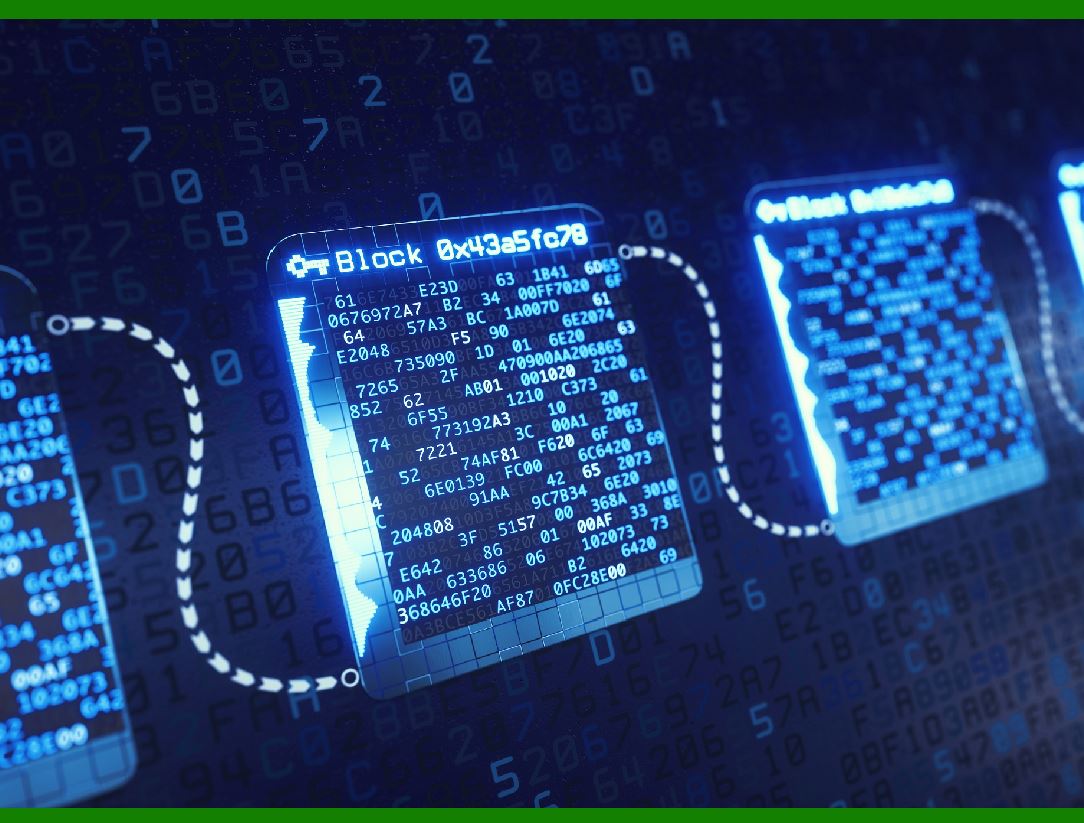
Blockchain technology can enhance the transparency and security of the supply chain. By recording barcode scans on a blockchain, companies can create a tamper-proof record of a product’s journey from the manufacturer to the end customer. This increases trust and reduces the risk of fraud. |
|
8. Conclusion |
Barcodes are an indispensable tool in the shipping and receiving process. They enhance accuracy, efficiency, and visibility, leading to significant cost savings and improved customer satisfaction. While implementation can be challenging, the long-term benefits make it a worthwhile investment. As technology continues to evolve, the integration of barcodes with RFID, IoT, advanced analytics, and blockchain will further transform the shipping and receiving landscape, driving even greater efficiencies and innovations. |
|
By leveraging barcodes effectively, companies can optimize their supply chains, improve inventory management, and deliver a better overall experience to their customers. |
 cs@easiersoft.com