Barcodes play a crucial role in the transportation industry, enabling efficient tracking, management, and identification of various items, packages, and assets throughout the logistics process. | 1. Inventory Management: | Barcodes are used to track inventory within transportation facilities such as warehouses, distribution centers, and loading docks. Each item or package is assigned a unique barcode that contains information like item type, destination, weight, and dimensions. This allows logistics personnel to quickly locate, sort, and organize items for transport. | 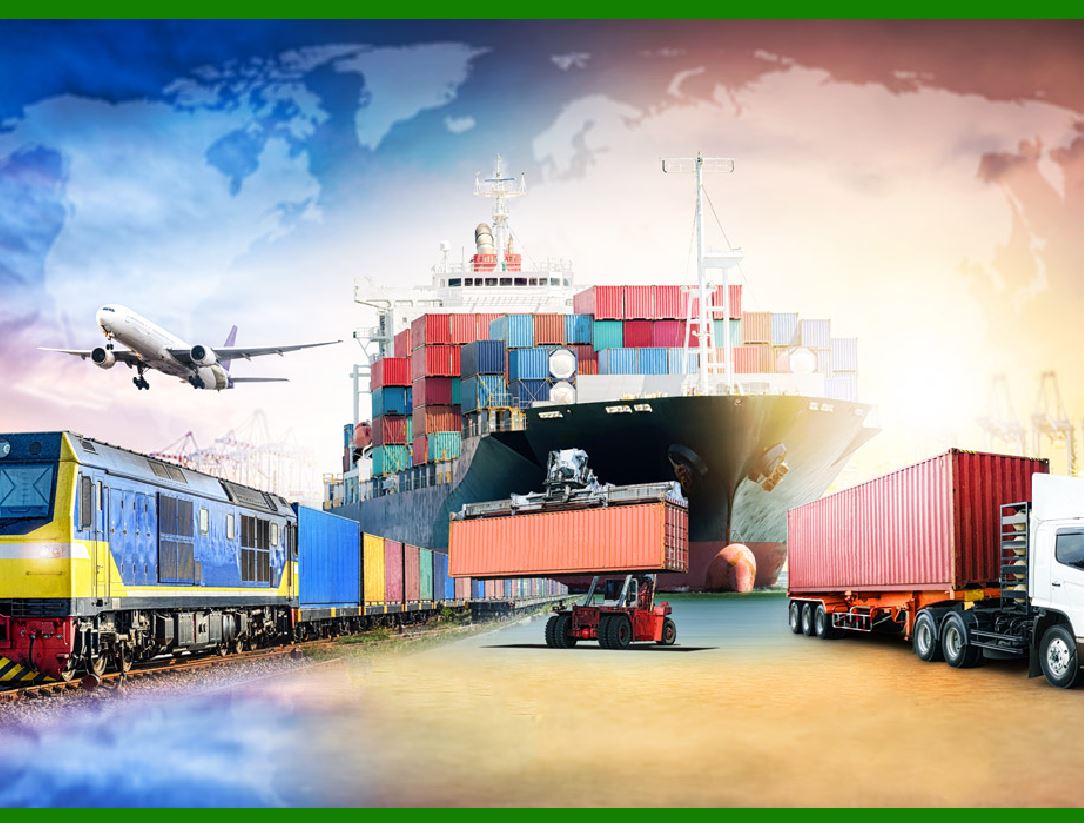
| 2. Package Tracking: | Barcodes are affixed to individual packages, parcels, or containers to track their movement from origin to destination. Shipping labels with barcodes contain essential information such as sender address, recipient address, shipping method, and tracking number. As packages move through various stages of the transportation network (e.g., loading, unloading, transfer between vehicles), barcode scanners capture and update their status in real-time, providing accurate tracking information to both shippers and recipients. | 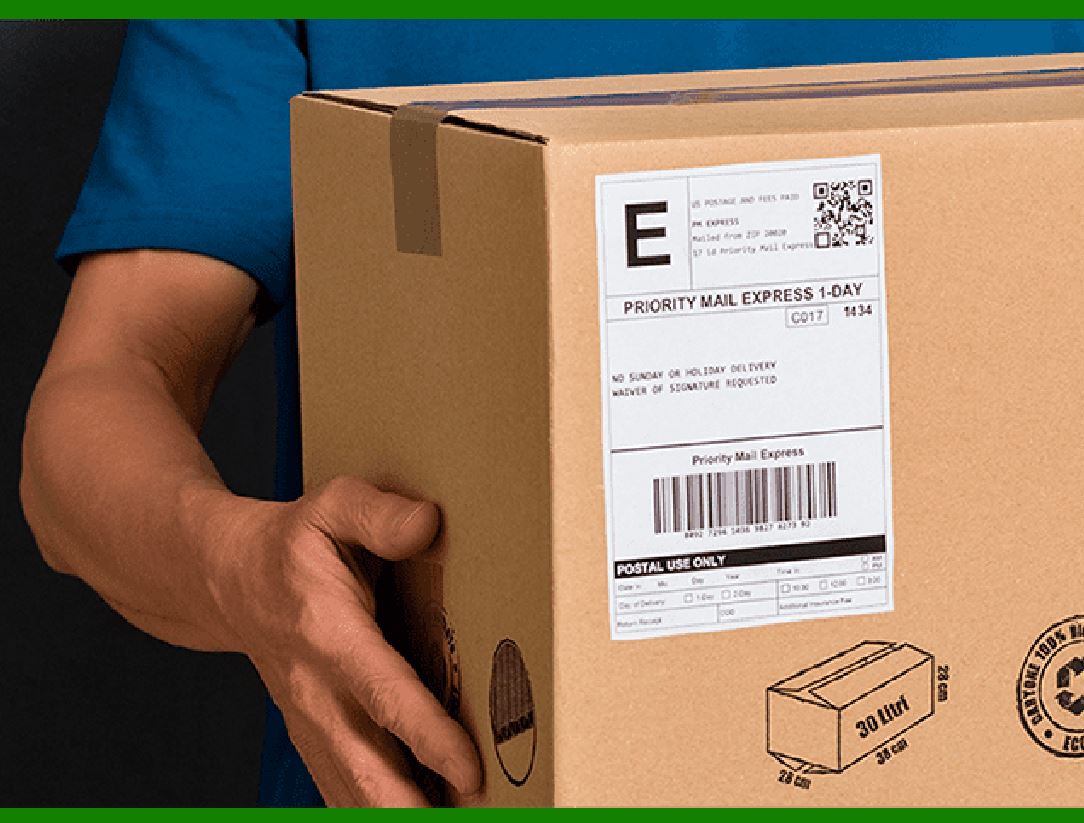
| 3. Asset Management: | Barcodes are used to track transportation assets such as vehicles, trailers, and containers. Each asset is assigned a unique barcode that contains relevant information like asset ID, maintenance history, ownership, and current location. By scanning these barcodes, fleet managers can monitor asset utilization, schedule maintenance, optimize routing, and prevent theft or loss. | 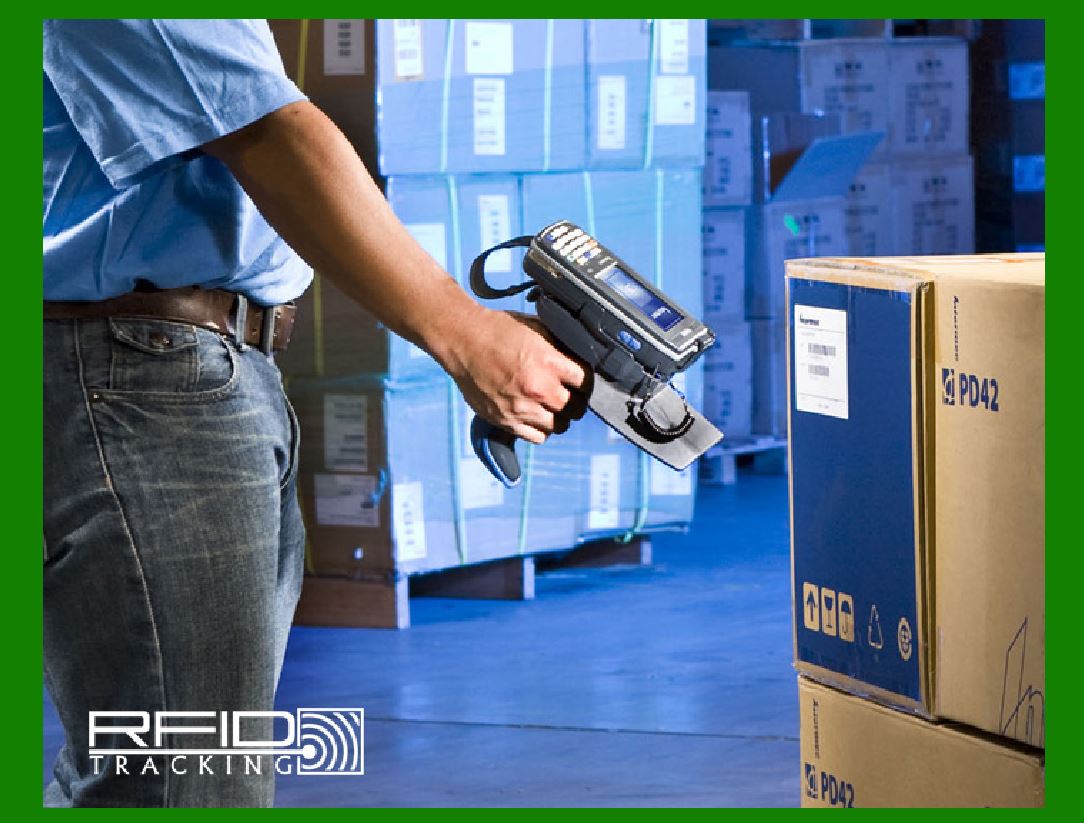
| 4. Vehicle Identification: | Barcodes are often used for vehicle identification and registration purposes in the transportation industry. For example, barcoded vehicle registration stickers are affixed to license plates or windshields to facilitate automated toll collection, parking management, and compliance enforcement. Similarly, barcodes are used in electronic vehicle inspection programs (e.g., emissions testing) to streamline the inspection process and maintain regulatory compliance. | 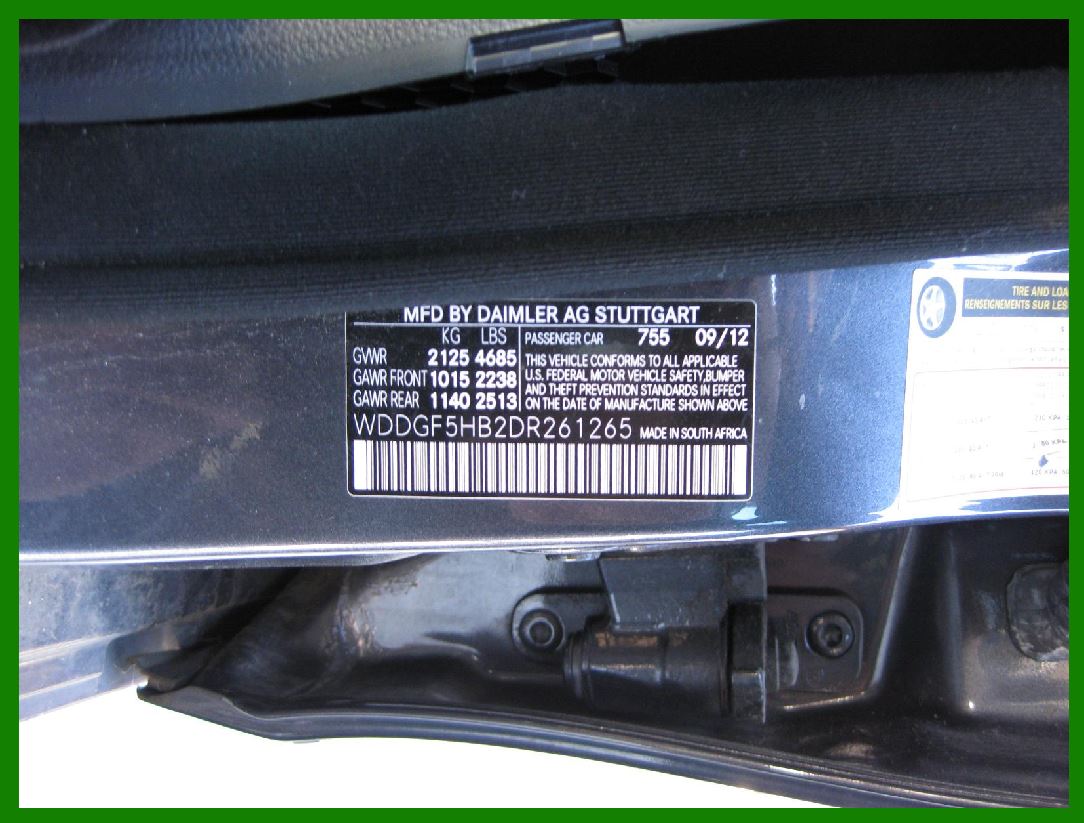
| 5. Supply Chain Integration: | Barcodes play a crucial role in integrating various stakeholders within the transportation supply chain, including manufacturers, suppliers, carriers, distributors, and retailers. By standardizing barcode formats and data exchange protocols (e.g., EDI, XML), different systems can seamlessly communicate and share information, enabling end-to-end visibility and coordination of logistics activities. | 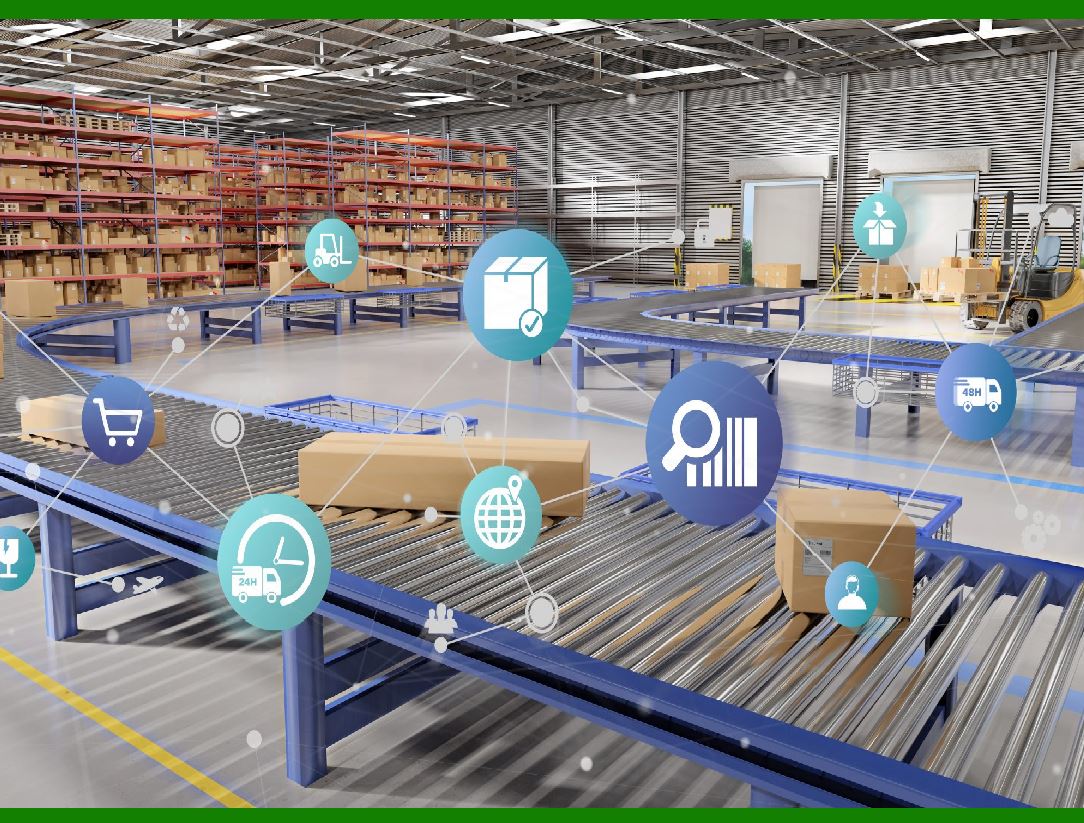
| 6. Mobile Ticketing and Boarding Passes: | In passenger transportation (e.g., airlines, railways, buses), barcodes are widely used for issuing and validating tickets, boarding passes, and electronic tickets (e-tickets). Passengers can receive digital tickets with barcodes on their smartphones or printed tickets with barcode labels. These barcodes are scanned at various checkpoints (e.g., ticket counters, boarding gates) to verify ticket validity and grant access to transportation services. | 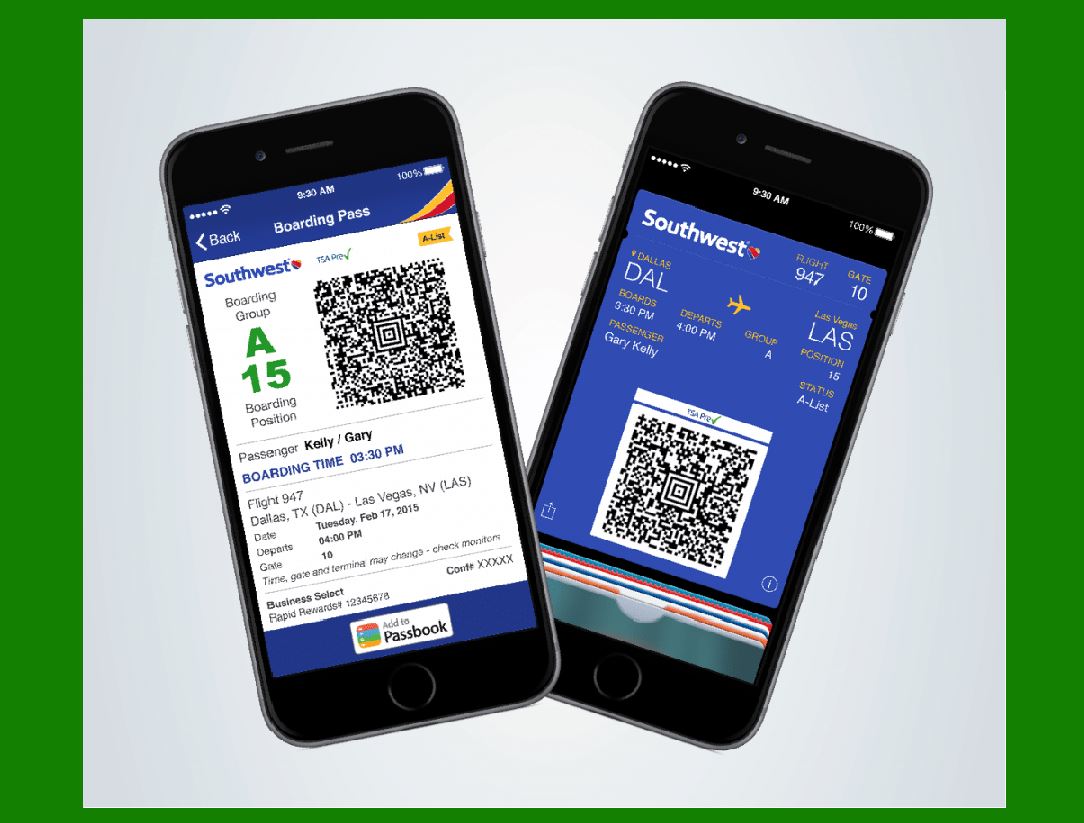
| 7. Maintenance and Repair: | Barcodes are used to track maintenance and repair activities for transportation assets, including vehicles, aircraft, and railway equipment. Maintenance technicians can scan asset barcodes to access maintenance logs, service manuals, and parts inventories, streamlining the maintenance workflow, ensuring compliance with maintenance schedules, and enhancing safety and reliability. | 
| Overall, barcodes are indispensable tools in the transportation industry, enabling seamless tracking, management, and optimization of assets, inventory, and operations across the entire logistics ecosystem. Their widespread adoption has significantly improved efficiency, accuracy, and visibility in transportation and logistics processes, leading to cost savings, enhanced customer satisfaction, and better regulatory compliance. | 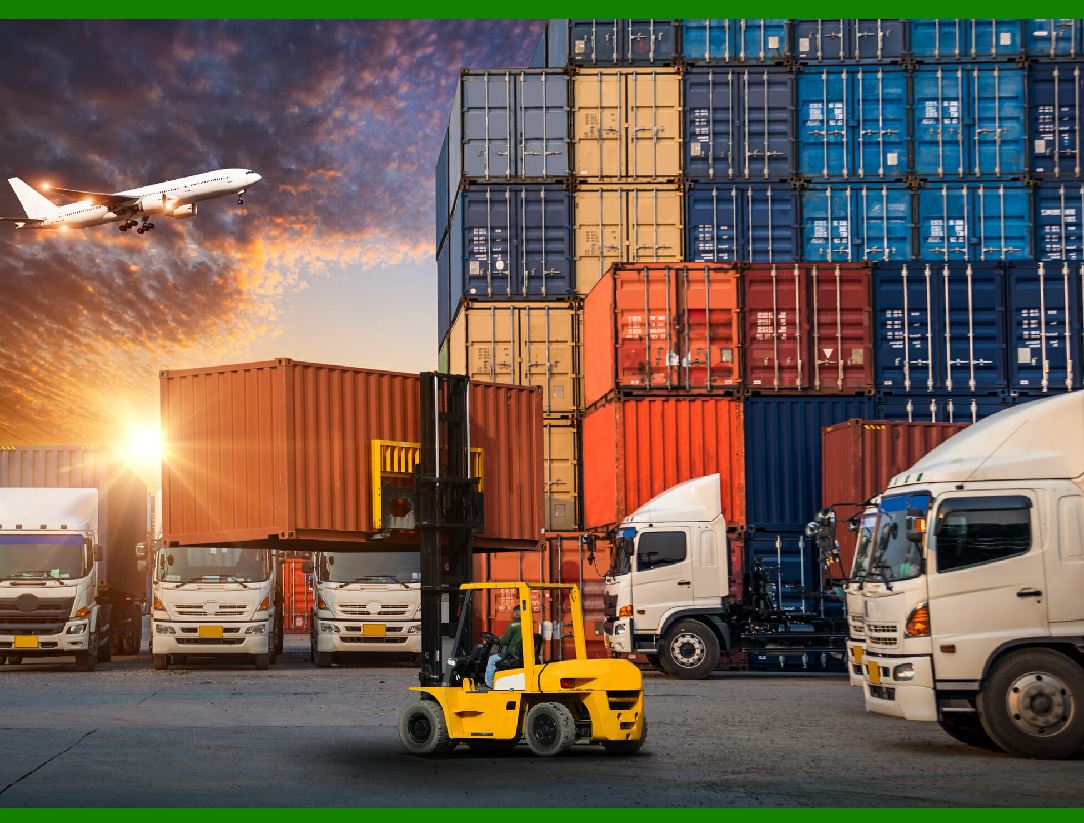
|
|
 cs@easiersoft.com