1. Introduction to RFID and Barcode Technologies |
Radio Frequency Identification (RFID) and barcodes are two fundamental technologies used for identification and data capture in various industries. Both technologies serve the purpose of automating data capture, improving operational efficiency, and enhancing traceability. However, they function differently, with RFID using radio waves for communication and barcodes relying on optical scanning. |
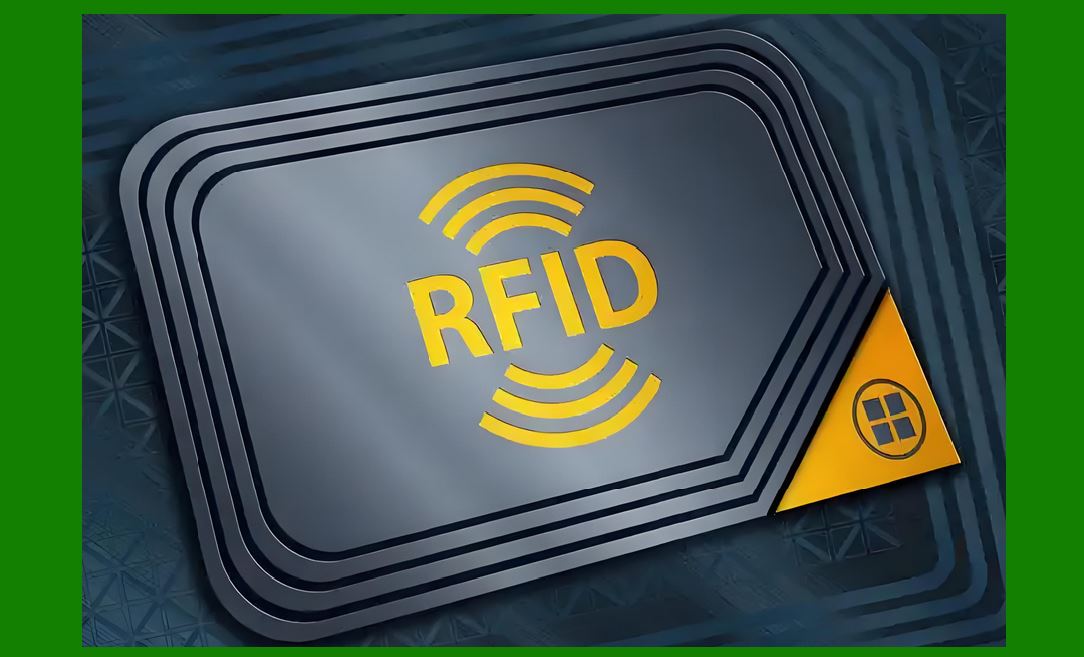
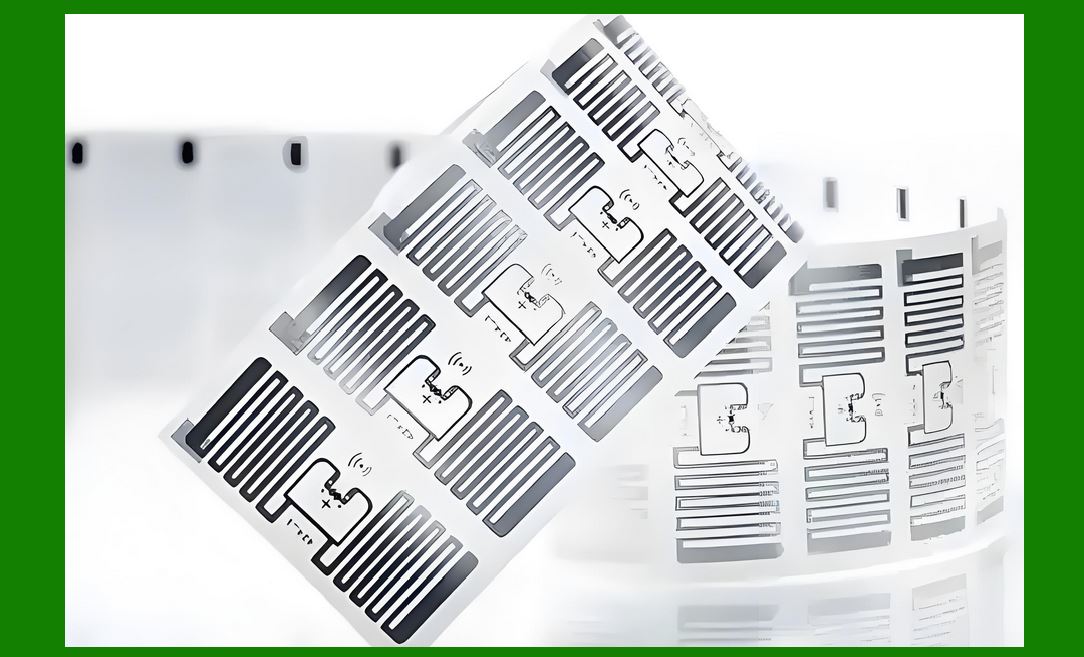
RFID Technology: RFID utilizes electromagnetic fields to automatically identify and track tags attached to objects. These tags contain a microchip that stores data, which is transmitted to an RFID reader. |
Barcode Technology: A barcode, on the other hand, is a graphical representation of data encoded into a series of parallel lines (1D barcodes) or a grid of squares (2D barcodes). The data is read by scanning the barcode with a laser or camera-based reader. |
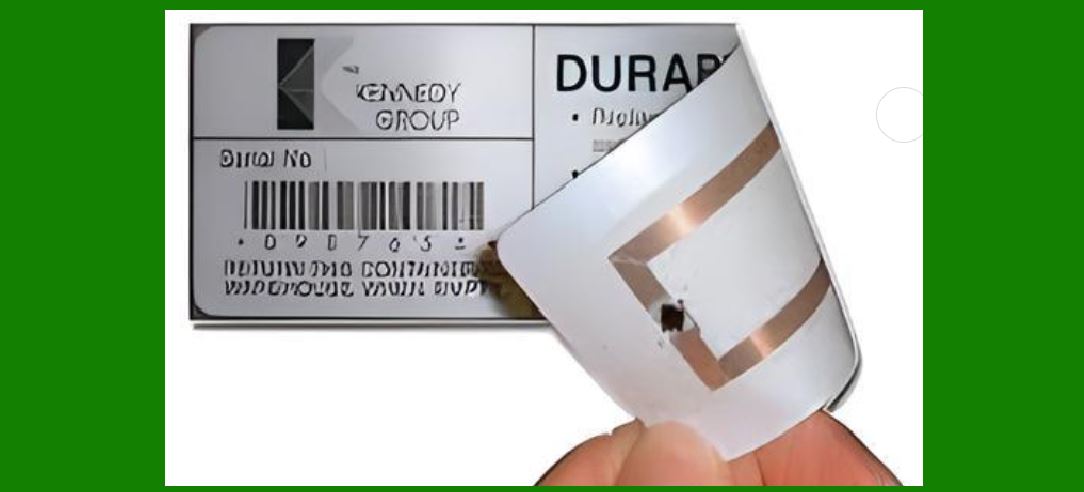
Combining these two technologies on a single label leverages the strengths of both and can yield significant advantages for organizations. |
|
2. The Benefits of Combining RFID and Barcode on the Same Label |
2.1. Enhanced Data Capture and Redundancy |
The key advantage of combining RFID and barcode on the same label is the redundancy it provides. By having two data capture methods on a single label, you ensure that if one fails, the other can still function. This redundancy increases the reliability of the system and ensures that the data can always be accessed when needed. |
Barcode as Backup: If an RFID system fails, perhaps due to interference or equipment malfunction, a barcode can still be used for identification and tracking. Barcodes are generally less prone to environmental issues like water, metal, or thick packaging. |
RFID as Backup: In environments where barcode scanning is difficult (e.g., damaged or obscured barcodes), RFID can be used as a backup method. |
This dual-system approach can help minimize downtime and prevent errors due to equipment failure. |
2.2. Improved Operational Efficiency |
The combination of RFID and barcode technologies allows businesses to streamline their operations by improving data capture and processing speeds. |
RFID for Fast, Hands-Free Data Capture: RFID enables automatic, hands-free scanning, which is particularly useful in high-volume settings like warehouses, retail, and logistics. RFID readers can capture data from a distance without needing line-of-sight, reducing human error and labor costs. |
Barcode for Specific, Manual Scanning: Barcodes are still ideal for certain applications where manual scanning is required, such as in retail environments where customers or workers scan products at checkout. |
Having both technologies available means companies can switch between the two depending on the situation, ensuring they always have the most efficient method at their disposal. |
2.3. Versatility in Various Environments |
Different industries and environments present unique challenges for identification and tracking technologies. The combination of RFID and barcodes increases the versatility of labeling solutions, allowing them to be used across a wide range of conditions. |
Barcode¡¯s Strength in Visual Clarity: Barcodes can be more easily read in environments where radio signals might be obstructed, such as in areas with heavy metal or liquid contents. Barcodes are also unaffected by electromagnetic interference. |
RFID¡¯s Strength in Difficult Environments: RFID is highly effective in environments where barcodes may be prone to damage, such as harsh industrial settings. RFID tags can withstand high temperatures, exposure to chemicals, and other challenging conditions. |
By combining the two, labels become adaptable to almost any environment, increasing their effectiveness. |
2.4. Inventory Management and Tracking Benefits |
Both RFID and barcodes are widely used in inventory management and tracking, but they serve slightly different purposes. RFID enables automatic tracking, while barcodes are commonly used for manual scans. Combining the two provides complementary advantages. |
Efficient Stock Counting: RFID can be used to automatically update inventory levels when items are moved, added, or removed, without the need for manual scanning. However, manual barcode scans may still be used for specific processes or verification steps, such as confirming the RFID data or checking for discrepancies. |
Real-Time Updates: RFID allows for real-time tracking, and barcodes can provide detailed product information on demand when scanned. The combination of both can ensure the system has up-to-date and accurate information at all times, reducing the chances of errors. |
2.5. Cost Savings and Return on Investment (ROI) |
While RFID technology is more expensive than barcodes, using both systems together allows companies to balance cost and functionality effectively. |
Lower Cost of Barcode Labels: Barcodes are inexpensive to produce, and they provide a low-cost solution for capturing data. Since barcodes are less expensive than RFID tags, companies can use them where RFID may not provide significant added value, such as for low-cost or less frequently tracked items. |
Cost-Effective RFID Usage: On the other hand, RFID is more expensive, but it brings efficiency gains in areas like automation, real-time tracking, and accuracy. By combining both, businesses can use RFID for critical tracking functions while relying on barcodes in other areas, effectively spreading the cost of RFID technology across their operations. |
2.6. Greater Scalability |
As companies grow and their operations become more complex, the need for scalable solutions increases. The combination of RFID and barcode technologies can help businesses scale their operations without compromising performance. |
RFID Scalability: RFID can handle high volumes of data and multiple items simultaneously, making it ideal for warehouses, distribution centers, and large retail operations. As these companies expand, they can scale their RFID systems without significant changes to the infrastructure. |
Barcode Scalability: Barcodes are flexible and can be added to any item, making them a cost-effective way to scale. While RFID may not be suitable for all items, barcodes can be used on smaller or less frequently tracked products. |
Together, RFID and barcodes provide a scalable solution that can grow with a business as it increases in size and complexity. |
2.7. Better Customer Experience |
In industries like retail and healthcare, where customer satisfaction is crucial, the combination of RFID and barcode technologies can play a key role in improving service delivery. |
Faster Checkouts: In retail, the use of RFID for automatic checkout combined with barcode scanning allows for a smoother, quicker customer experience. RFID can identify multiple items at once, and barcodes can be scanned for specific product details or promotions. |
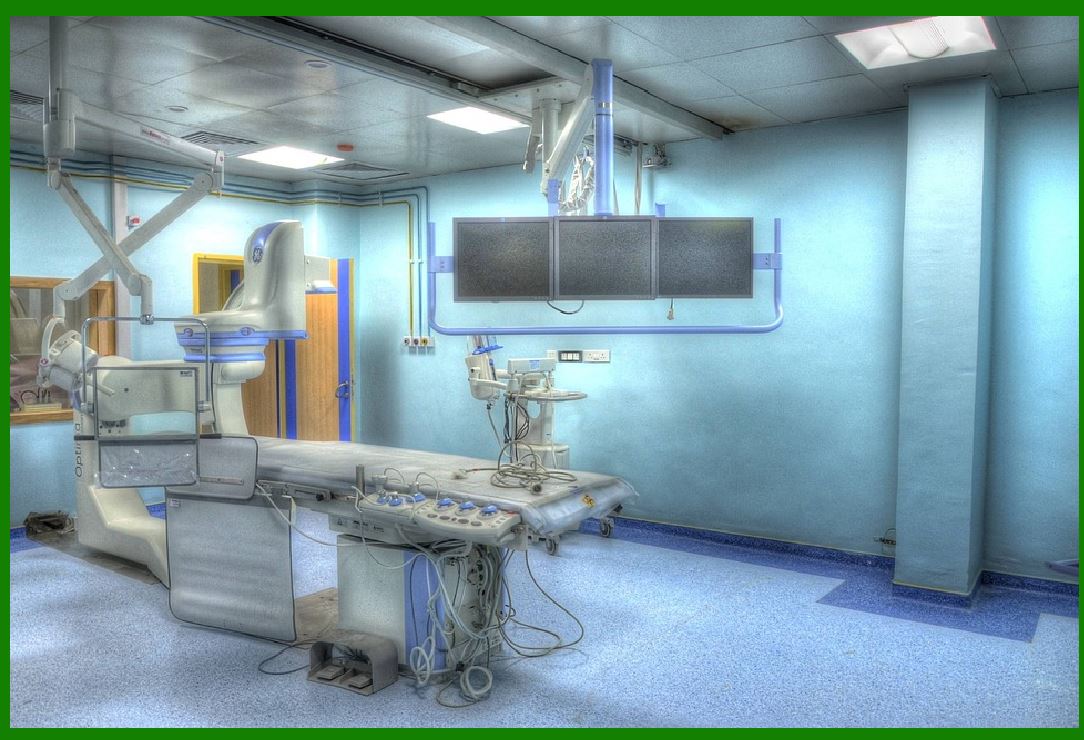
Improved Healthcare Processes: In healthcare, RFID can be used to track equipment, pharmaceuticals, and patient records in real-time, while barcodes provide additional accuracy and data for verification and medication tracking. This improves patient safety and care efficiency. |
The combination allows for faster, more accurate processes, enhancing the overall experience for both customers and employees. |
2.8. Security and Anti-Theft Features |
RFID offers an additional layer of security compared to barcodes. By combining both technologies, businesses can enhance their security measures while maintaining operational efficiency. |
Barcode for Visual Identification: Barcodes allow for easy visual scanning of data, which is useful for verification processes and checking for discrepancies during inventory audits. |
RFID for Secure Tracking: RFID tags can be encrypted and used for real-time location tracking, which makes them harder to tamper with or counterfeit compared to traditional barcodes. This added security is particularly valuable in high-risk industries, such as pharmaceuticals, electronics, and luxury goods. |
The integration of both technologies creates a comprehensive security system that protects against both theft and data tampering. |
|
3. Practical Applications of Combined RFID and Barcode Labels |
3.1. Logistics and Supply Chain Management |
In logistics, where speed, accuracy, and traceability are essential, combining RFID and barcode labels improves tracking and enhances operational efficiency. RFID tags can be used for real-time inventory updates, while barcodes can be scanned at specific checkpoints to verify shipments and update records. |
Cargo Tracking: Using RFID to track cargo while in transit, and barcodes for scanning and verification at warehouses or distribution centers, ensures accurate data collection at every stage of the journey. |
Delivery and Proof of Receipt: Barcodes can be used for a signature or delivery confirmation process, while RFID provides real-time tracking information for both shippers and recipients. |
3.2. Retail Industry |
Retailers are increasingly using RFID and barcodes to track inventory and streamline checkout processes. The combination of both technologies allows for faster stock taking and more efficient checkout experiences. |
Inventory Management: RFID enables automated stock counting, while barcodes allow for individual product tracking. Combining these technologies allows retailers to optimize their operations and reduce manual labor. |
Self-Checkout and Customer Convenience: RFID can speed up checkout in self-service stations, while barcodes allow for specific item promotions and customer loyalty program integration. |
3.3. Healthcare Sector |
In healthcare, the need for accuracy and reliability is paramount. RFID and barcode technologies are increasingly being used together to track patient information, medication, and medical devices. |
Patient Identification: RFID wristbands can automatically track a patient¡¯s location and medication, while barcodes on medication packaging can be scanned to ensure the correct dosage and prevent medication errors. |
Medical Equipment Tracking: RFID tags can be used to track high-value medical equipment in real time, while barcodes provide additional product information when required. |
|
4. Conclusion |
Combining RFID and barcode technologies on a single label brings substantial benefits, including enhanced data capture, operational efficiency, and versatility. While each technology has its unique strengths, together they create a robust and adaptable system that can handle a wide variety of use cases. The synergy between RFID and barcodes ensures accuracy, speed, and security, while offering cost-effective scalability for businesses across various industries. |
This combined approach ensures that organizations can maximize the benefits of both systems while reducing the limitations associated with using just one technology. As RFID becomes more widely adopted, and barcodes remain indispensable in specific applications, their combination will continue to revolutionize industries ranging from healthcare to logistics, retail, and beyond. |
|
Here are some practical examples of combining RFID and barcode technologies on the same label, showcasing how this synergy works in real-world applications across various industries: |
1. Retail and Inventory Management |
Example 1: Large Retail Chains |
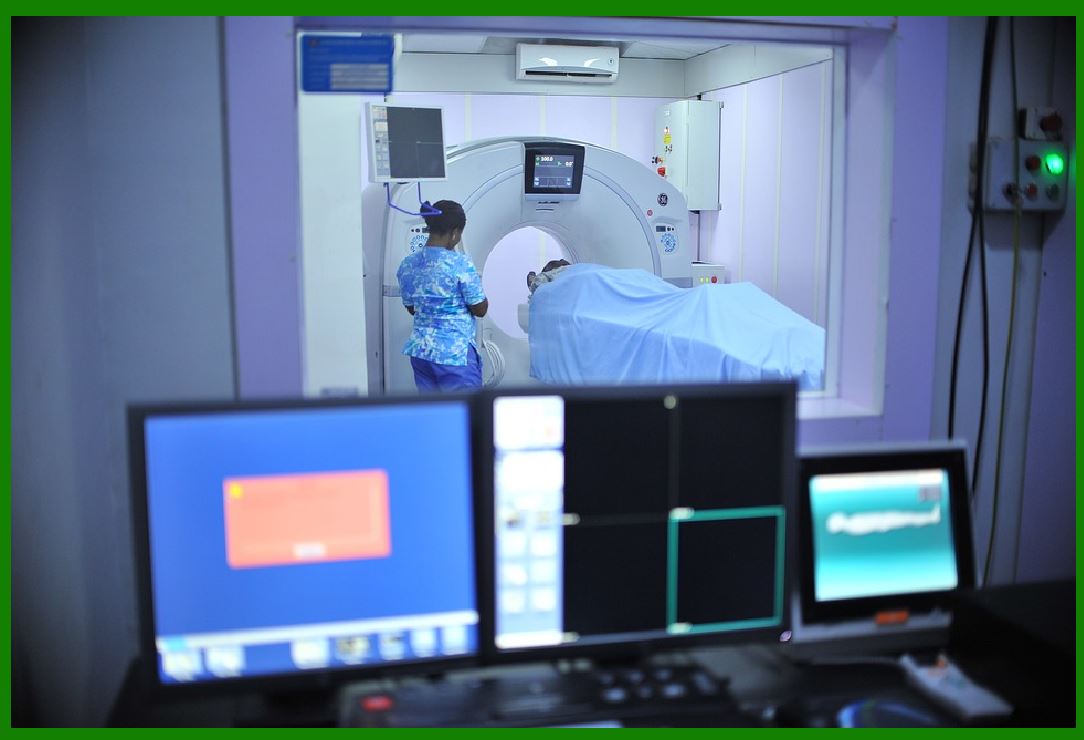
Many large retailers, such as Walmart and Target, have implemented RFID technology to improve inventory accuracy. By combining RFID and barcode technologies, they streamline both high-volume stock-taking and specific product identification. |
RFID Use: RFID tags are embedded in products or shelves, enabling quick and efficient inventory tracking in real-time. RFID readers automatically update stock levels when items are moved or sold, improving inventory accuracy. |
Barcode Use: Barcodes are scanned at checkout for quick price verification or used for promotional codes. Additionally, barcodes are often scanned by staff for returns, exchanges, and inventory management in specific departments. |
Benefit: This dual-system approach ensures continuous, real-time inventory tracking (via RFID) while maintaining the precision and compatibility of barcode scanning for sales transactions and promotions. It reduces human error and labor costs while improving stock control and customer satisfaction. |
|
2. Logistics and Supply Chain Management |
Example 2: Shipping and Freight Companies (e.g., UPS, FedEx) |
In the logistics and freight sector, RFID and barcodes work together to enhance the tracking of packages and streamline the sorting process. |
RFID Use: RFID tags are placed on packages or pallets, allowing for automated tracking through multiple checkpoints. This enables real-time updates for both the sender and receiver without manual scanning. |
Barcode Use: Barcodes are scanned at specific points along the supply chain, such as at distribution centers or delivery trucks, to confirm the movement of goods, and for the generation of shipping labels or delivery confirmation documents. |
Benefit: RFID provides hands-free, long-range tracking for goods in transit, while barcodes allow for precise, manual identification at critical stages (e.g., final delivery). This combination results in faster processing times, better accuracy, and more visibility for supply chain managers. |
|
3. Healthcare Industry |
Example 3: Patient Identification and Medication Management |
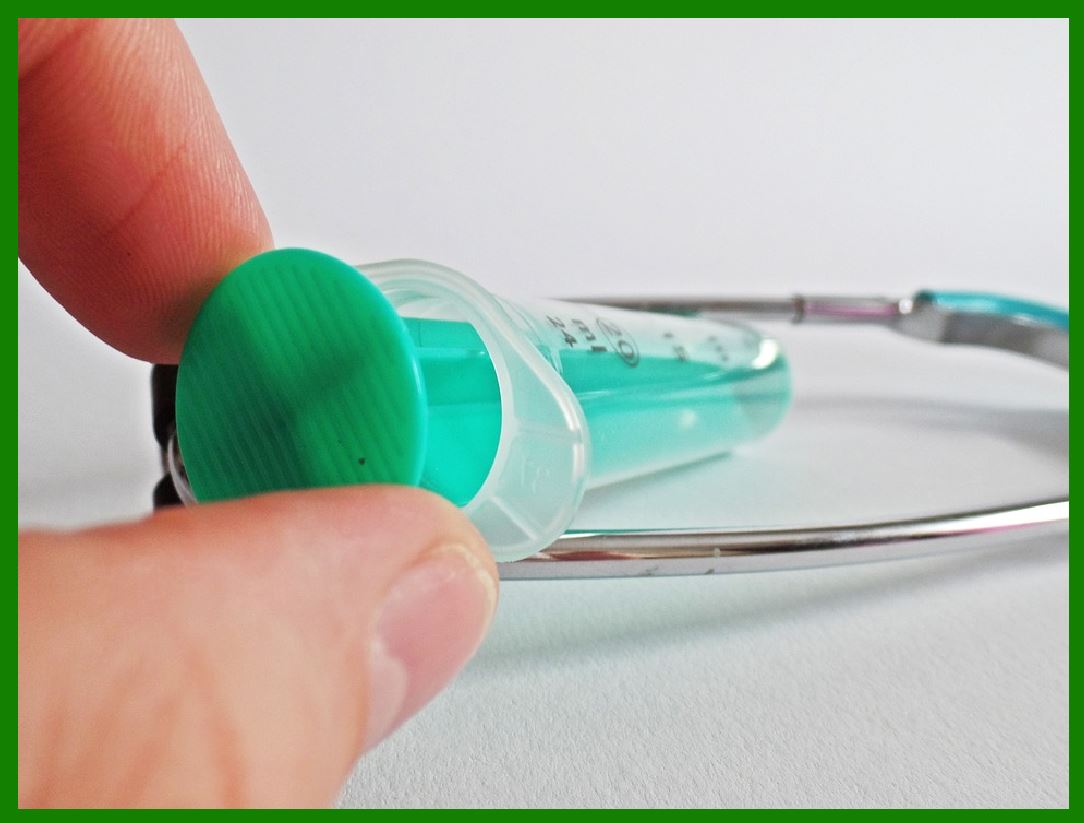
In hospitals and healthcare settings, combining RFID and barcode technologies enhances patient safety and operational efficiency. |
RFID Use: RFID wristbands are assigned to patients upon admission, automatically linking them to their medical records, ensuring accurate patient identification. RFID also tracks the movement of medical equipment, ensuring high-value items are not misplaced. |
Barcode Use: Barcodes are used on medication packaging, allowing staff to scan prescriptions, confirm the correct medication and dosage, and link it to the patient¡¯s treatment record. Barcodes are also used on medical equipment to identify, verify, and track maintenance schedules. |
Benefit: RFID ensures accurate, real-time patient tracking, reducing the risk of errors such as incorrect medication administration. Meanwhile, barcodes provide an additional layer of manual verification, ensuring proper documentation and inventory control for medical supplies and pharmaceuticals. |
|
4. Manufacturing and Quality Control |
Example 4: Automotive Manufacturing Plants |
In automotive manufacturing, combining RFID and barcodes ensures smooth production lines and rigorous quality control. |
RFID Use: RFID tags are embedded in parts or components to track their movement throughout the production process. As parts move from one station to another, RFID readers automatically capture their data, ensuring parts are used in the correct assembly order. |
Barcode Use: Barcodes on individual components allow workers to manually scan specific items for quality control checks or to track production batches. Barcodes can also be used for packaging and shipping purposes. |
Benefit: RFID automates the flow of parts across the production line, improving accuracy and speed. Barcodes allow for manual quality checks, ensuring each component meets safety and performance standards before moving to the next stage. |

|
5. Library and Media Management |
Example 5: Public Libraries |
Libraries have adopted both RFID and barcode systems to manage books, media, and patron records effectively. |
RFID Use: Books, magazines, and other media are tagged with RFID chips, allowing for quick checkouts and returns without manual scanning. RFID also facilitates inventory audits and shelf management, automatically identifying which items are missing or misplaced. |
Barcode Use: Barcodes on library cards allow for the manual scanning of patron information, ensuring the right individual checks out the correct materials. Barcodes are also used for special collections or archival items that may not be RFID-tagged. |
Benefit: RFID improves the speed of checkouts and returns, while barcodes maintain compatibility with existing systems, especially for older materials or specialized collections that are not yet tagged with RFID chips. |
|
6. Asset Tracking in High-Value Industries |
Example 6: Electronics or Pharmaceutical Industry |
In industries where high-value products or sensitive items are involved, combining RFID and barcodes ensures both security and traceability. |
RFID Use: High-value items such as electronics or pharmaceuticals are tagged with RFID labels, allowing for continuous, real-time tracking. RFID systems can track the movement of goods from the warehouse to the retailer, providing full visibility along the supply chain. |
Barcode Use: Barcodes are used on product packaging for detailed information, such as serial numbers, lot numbers, and expiration dates. Employees can scan barcodes to verify shipments or retrieve detailed product specifications. |
Benefit: RFID ensures the real-time movement and traceability of valuable goods, while barcodes provide specific product details for inventory and regulatory compliance checks. |
|
7. Retail Self-Checkout Systems |
Example 7: Supermarkets and Retail Stores |
Retailers are increasingly using a combination of RFID and barcodes to enhance the customer experience at self-checkout stations. |
RFID Use: RFID tags embedded in products allow for fast, hands-free scanning at checkout. Shoppers can place multiple items in the checkout area at once, and the system automatically detects and totals the items without needing manual scanning. |
Barcode Use: Barcodes are still useful for manually scanning products with unique or special pricing, as well as for promotions and loyalty programs. Customers can scan their own barcodes for discounts, coupons, or loyalty points. |
Benefit: The combination of RFID and barcodes allows for a seamless and efficient checkout experience. RFID speeds up the process for most items, while barcodes handle special cases, providing the flexibility needed in busy retail environments. |
|
8. Event Management and Ticketing |
Example 8: Sports Stadiums and Concert Venues |
Event organizers use both RFID and barcode technologies to streamline entry and enhance security at large venues. |
RFID Use: RFID wristbands or cards are issued to attendees, allowing for quick, contactless entry to the venue. RFID readers at gates scan the wristbands or tickets, providing instant access and reducing wait times. |
Barcode Use: Barcodes on event tickets are scanned at entry points for additional security and verification. Barcodes may also be used for controlling access to VIP areas, ensuring the right individuals are granted access. |
Benefit: RFID ensures fast, secure entry, while barcodes are still used for verification and security checks. Together, they help reduce congestion and prevent counterfeit tickets from being used. |
|
9. Food Industry and Traceability |
Example 9: Fresh Produce and Food Distribution |
The food industry, particularly fresh produce distributors, is increasingly using both RFID and barcodes to ensure quality and traceability. |
RFID Use: RFID tags are used to track shipments of perishable goods through the supply chain, allowing for real-time temperature and location monitoring to ensure the products remain fresh. RFID can also be used to track batches or batches of food products that require strict compliance with safety standards. |
Barcode Use: Barcodes are used on food packaging for customer-facing transactions, as well as for identifying specific batch information, ingredients, or nutritional facts. Barcodes are also used for store inventories and stock management. |
Benefit: RFID provides continuous monitoring of temperature-sensitive shipments, while barcodes make it easy for consumers and employees to access detailed information about the products. This combination enhances both safety and transparency in the food supply chain. |
|
10. Government and Military Asset Tracking |
Example 10: Defense and Military Operations |
In defense and government operations, the combination of RFID and barcodes is used for asset tracking and ensuring the proper allocation of resources. |
RFID Use: Military assets, vehicles, and equipment are often tagged with RFID labels to enable real-time tracking and management. RFID ensures the correct allocation of resources, even in challenging environments where manual scanning is difficult. |
Barcode Use: Barcodes on specific military assets are used for detailed inventory tracking, including serial numbers, model types, and deployment status. Barcodes allow staff to manually scan items for maintenance records and reporting. |
Benefit: RFID provides real-time visibility for high-value military assets and ensures they are accurately tracked, while barcodes allow for detailed identification and logging of information at different stages of use or maintenance. |
These practical examples show how combining RFID and barcode technologies allows for enhanced operational efficiency, security, and flexibility across various industries. By leveraging the strengths of both technologies, companies can improve their tracking systems, reduce errors, and provide better customer experiences. |
 cs@easiersoft.com