Implementing 2D barcodes presents several challenges, but with careful planning and robust solutions, these obstacles can be overcome. |
Here are some key challenges: |
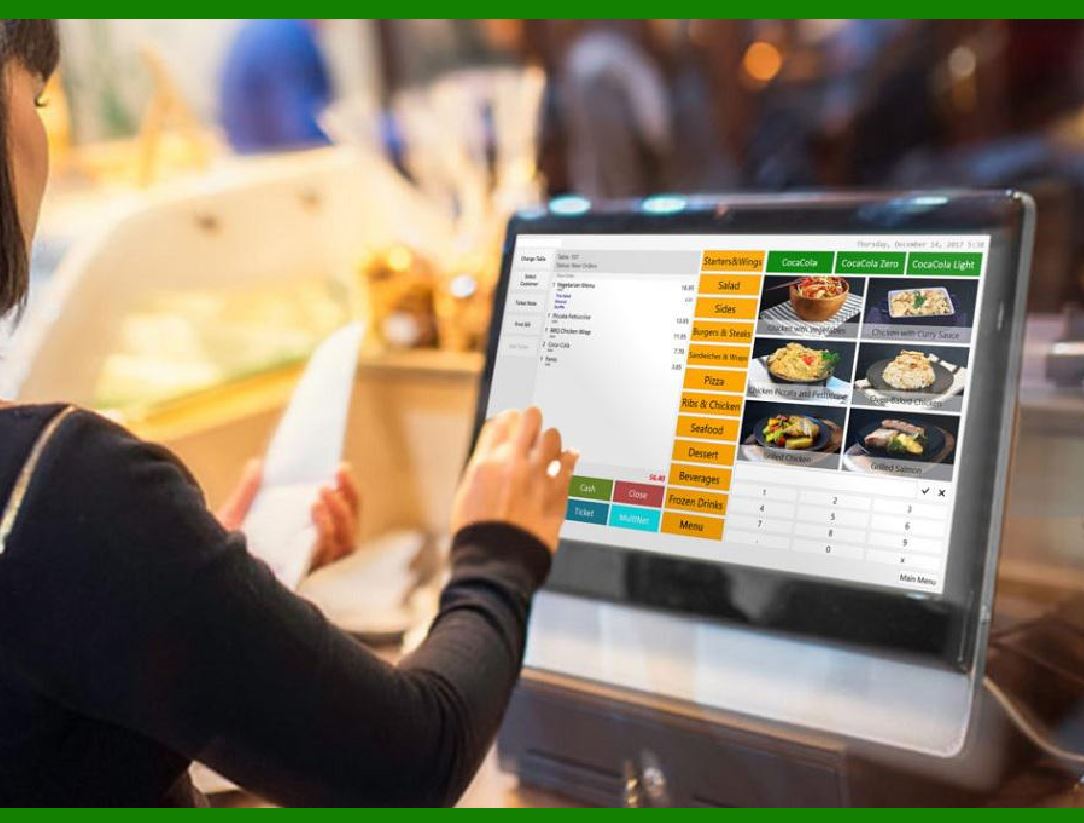
1. Infrastructure and Hardware Compatibility: Existing point-of-sale (POS) systems and barcode scanners are often designed for one-dimensional (1D) barcodes (like EAN/UPC). Upgrading or replacing hardware to support 2D barcodes requires investment and coordination across various stakeholders. |
Solution: IT companies need to develop 2D barcode scanning systems that seamlessly integrate with existing infrastructure. |
|
2. Data Capacity and Encoding: 2D barcodes can store significantly more data than 1D barcodes. Choosing the right encoding format (such as QR codes or Data Matrix) and ensuring data accuracy are critical. |
Solution: IT experts must understand the data requirements, choose appropriate formats, and validate encoded information. |
3. Standardization and Compliance: GS1 standards provide guidelines for 2D barcode implementation, but variations exist. Ensuring compliance with industry standards is essential for interoperability. |
Solution: Collaborate with GS1 and industry partners to adhere to best practices and ensure consistent implementation. |
4. Integration with Systems and Processes: Integrating 2D barcode data into supply chain management, inventory, and product information systems can be complex. Legacy systems may not natively support 2D data. |
Solution: Develop middleware or APIs to bridge the gap between 2D barcode scanners and existing systems. |

|
5. Consumer Education and Adoption: Consumers need to understand how to scan 2D barcodes and access relevant information. Adoption rates depend on consumer awareness and ease of use. |
Solution: Create user-friendly mobile apps or web interfaces that educate consumers and provide value-added content. |
6. Security and Authentication: 2D barcodes can be vulnerable to counterfeiting or tampering. Ensuring product authenticity and preventing unauthorized modifications are critical. |
Solution: Implement secure encryption, digital signatures, and validation mechanisms. |
|
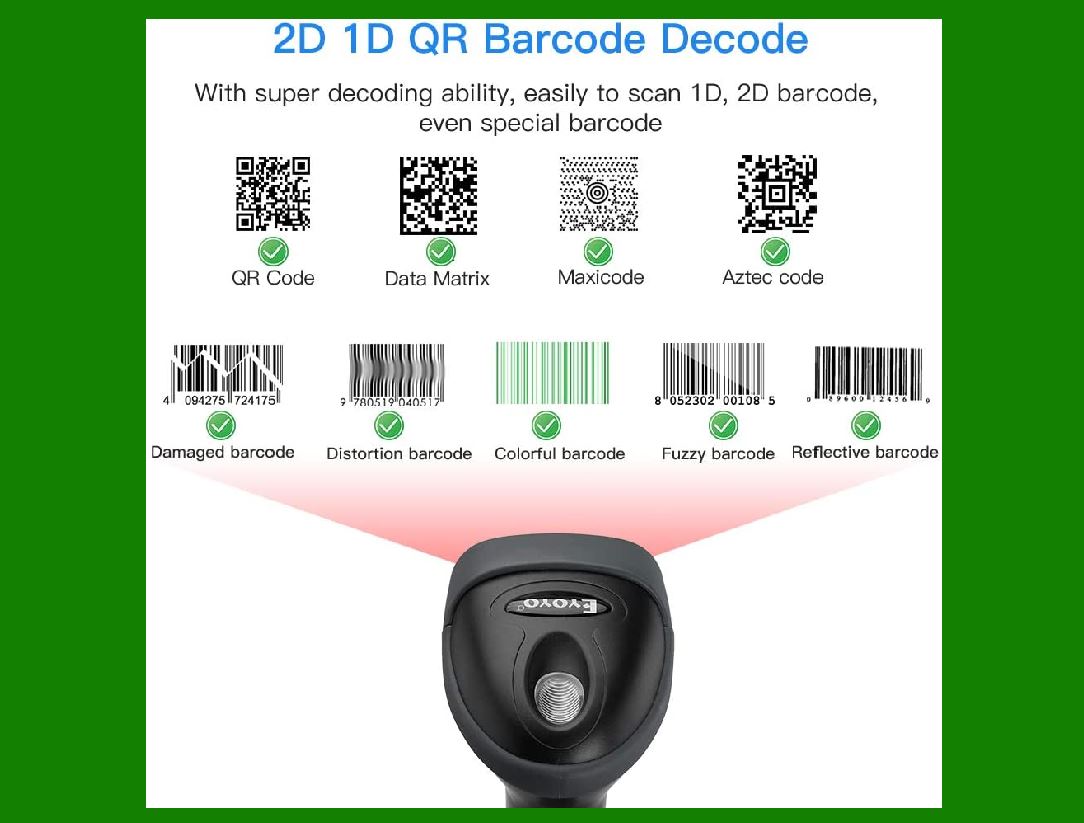
7. Print Quality and Durability: Poor print quality can lead to unreadable or misinterpreted 2D barcodes. Durability (resistance to wear, water, and UV exposure) is crucial for long-lasting readability. |
Solution: Set printing standards, use high-quality materials, and conduct regular checks. |
8. Scanning Speed and Accuracy: Scanning 2D barcodes should be fast and accurate, especially in high-traffic environments. |
Solution: Optimize scanning algorithms and hardware for efficiency without compromising accuracy. |

|
9. Global Adoption and Interoperability: 2D barcodes are gaining traction globally, but regional variations persist. Ensuring cross-border compatibility is essential for supply chain efficiency. |
Solution: Collaborate with international partners and align with global standards. |
10. Cost Considerations: Implementing 2D barcodes involves costs related to hardware, software development, training, and maintenance. Balancing benefits with expenses is crucial. |
Solution: Evaluate the return on investment (ROI) and choose cost-effective solutions. |
|
In summary, IT companies must address these challenges by combining technical expertise, collaboration, and a customer-centric approach to successfully implement 2D barcodes in the supply chain. |
 cs@easiersoft.com