Chapter 1: The Orchestra Conductor - What is ERP |
1.1 The Picture of Chaos |
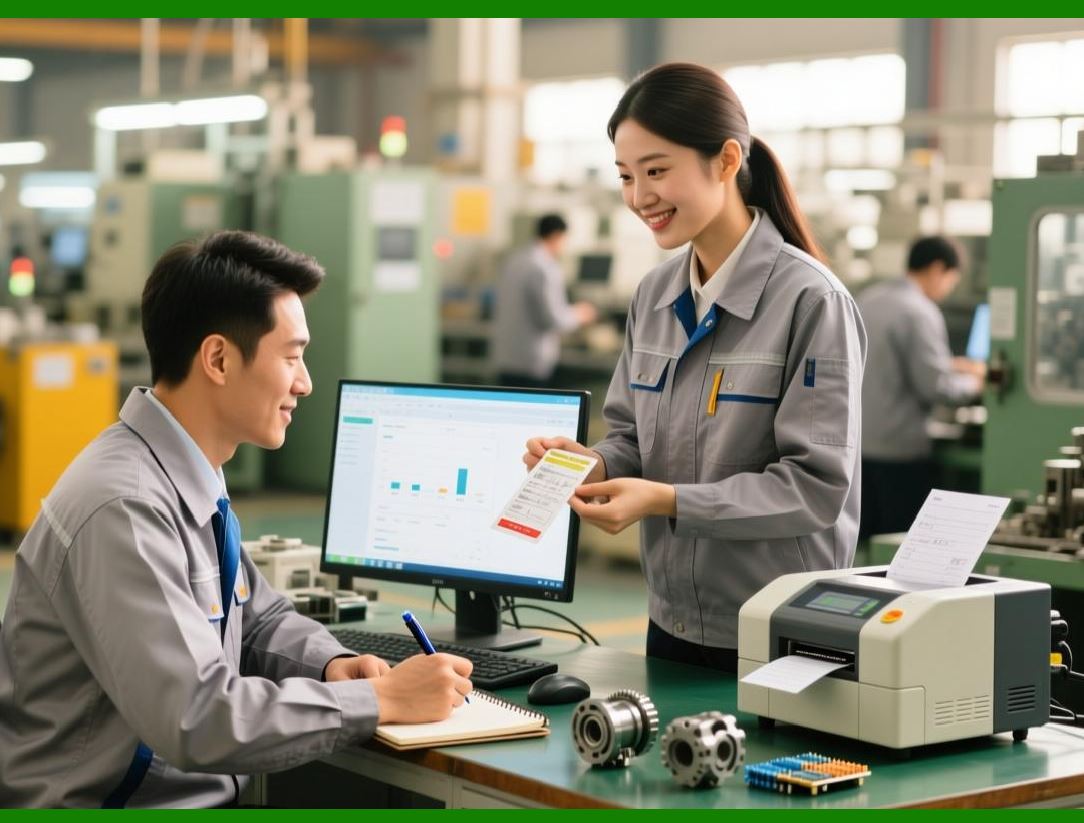
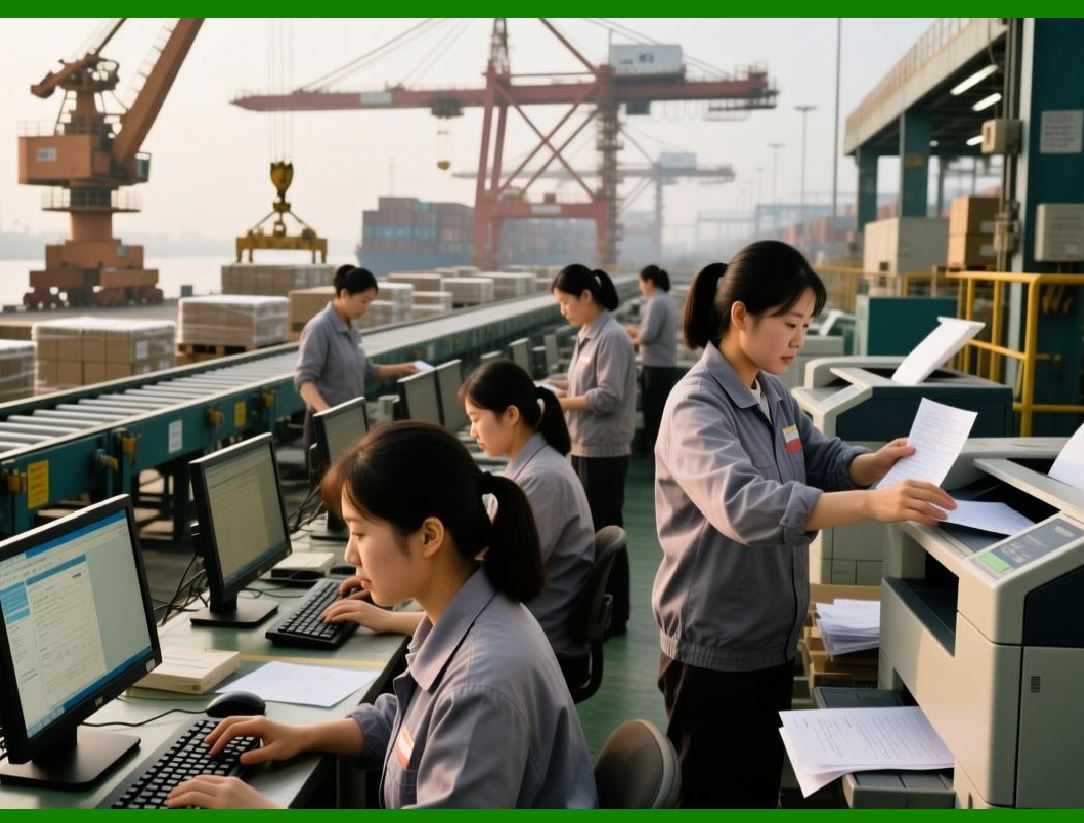
Imagine walking into a mediumsized mechanical manufacturing factory on a Monday morning. On one side, the saw cutting area receives a rush order for 200 steel blanks. In the next aisle, a CNC lathe operator realizes he is out of coolant and stops production to fetch a new barrel. Upstairs, the purchasing manager just learned that the promised delivery of bearing housings will be two weeks late - but the assembly line needs them this Friday. Meanwhile, the sales director has just promised a customer a shipment date without checking whether the plating subcontractor has any free capacity. In the finance office, someone is manually keying inventory counts into a spreadsheet that was last updated three weeks ago. |
This is not a badly run factory. This is a typical factory *without* an integrated information system. Each department makes locally smart decisions that, when combined, create global chaos. The waste appears as idle machines, unnecessary overtime, missed deadlines, excess inventory, and frustrated customers. |
The solution to this universal problem is an Enterprise Resource Planning (ERP) system. But to understand what ERP truly is, it helps to think of an orchestra. |
|
1.2 The Orchestra Analogy |
A symphony orchestra has more than seventy musicians. Each plays a different instrument - violins, cellos, flutes, trumpets, timpani. If every musician played as loudly and as fast as they personally wanted, the result would be noise, not music. Yet under a skilled conductor, the same seventy musicians produce a coherent, moving performance. |
The conductor does not tell the flutist *how* to finger each note - the musician already knows that. The conductor does not tune the strings - that is the violinist's job. What the conductor provides is time, coordination, and shared intent. The conductor's score shows the entire piece from beginning to end. A wave of the baton tells the brass section when to enter, how loudly to play, and when to stop. Every musician sees the same score, follows the same tempo, and adjusts based on the same cues. |
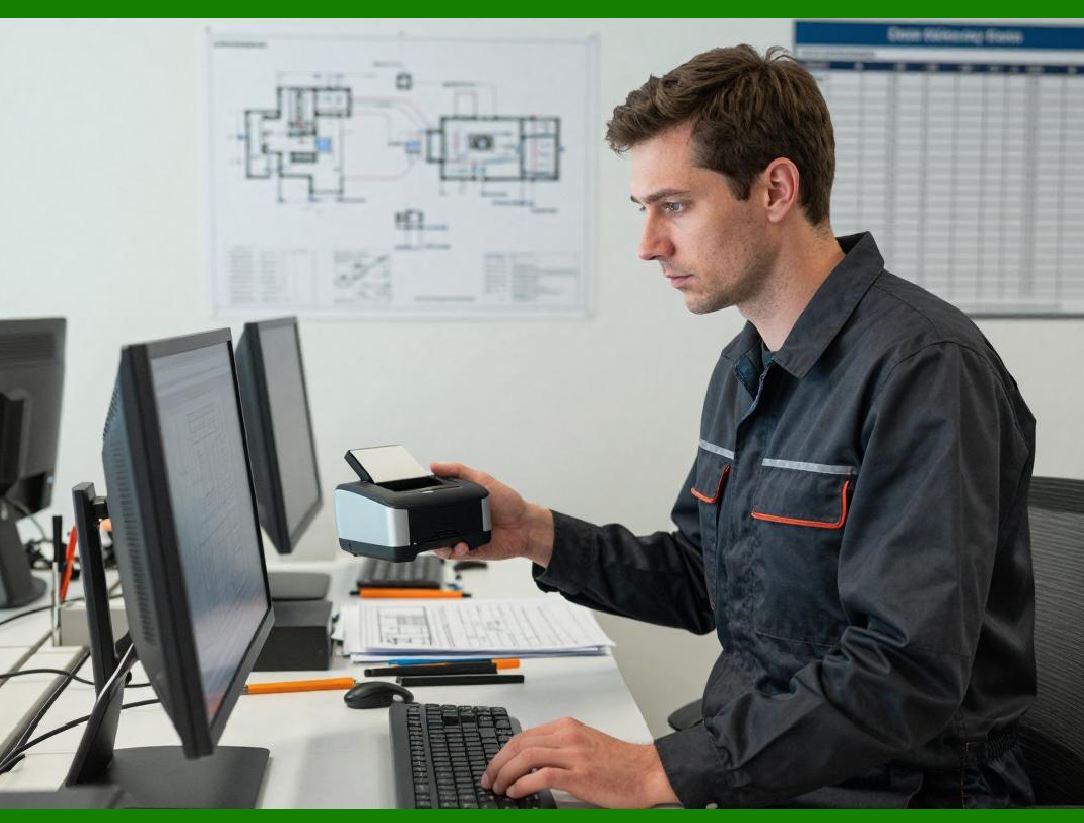
An ERP system is exactly that conductor, but for a mechanical factory. It does not replace the skilled machinist, the experienced planner, or the sharp purchasing agent. Instead, it gives every department a single shared score - a realtime, consistent view of what the factory is doing, what it has, and what it needs to do next. |
|
1.3 Breaking Down the Acronym: Enterprise, Resources, Planning |
The term 'ERP' sounds abstract, but each word carries specific meaning for mechanical manufacturing. |
Enterprise - This means the entire organization, not just production. The enterprise includes sales, engineering, purchasing, inventory, shop floor control, quality, maintenance, human resources, and finance. In a nonERP environment, these functions operate in silos. ERP forcibly connects them. When production completes a job, finance automatically sees the cost. When purchasing receives a shipment, inventory automatically increases. |
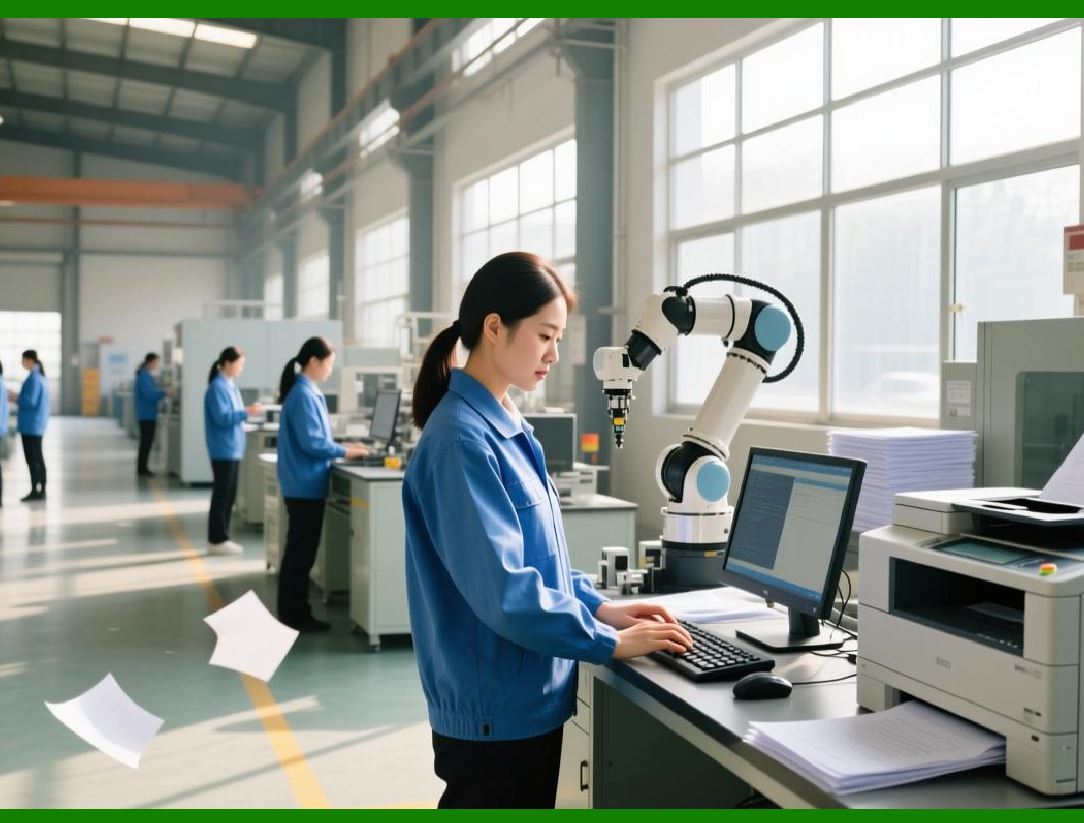
Resources - For a mechanical factory, resources are not just raw materials like steel bars, aluminum plates, or copper wire. Resources include machines (lathes, mills, grinders, presses), tools (fixtures, cutters, gauges), labor (skilled machinists, inspectors, setters), and capacity (hours per shift). Even less obvious resources matter: floor space, energy, and the attention of your planners. ERP tracks all of them as constrained assets. |
Planning - Planning is what separates a reactive factory from a proactive one. Planning answers: How many of each part should we make next weekWhen should we order more castingsWhich machine will become overloaded in three weeks, and what do we do about it todayERP does not guess; it calculates based on known data: existing orders, forecasts, inventory on hand, lead times, and capacity limits. |
|
1.4 The Single Database - More Than a File Cabinet |
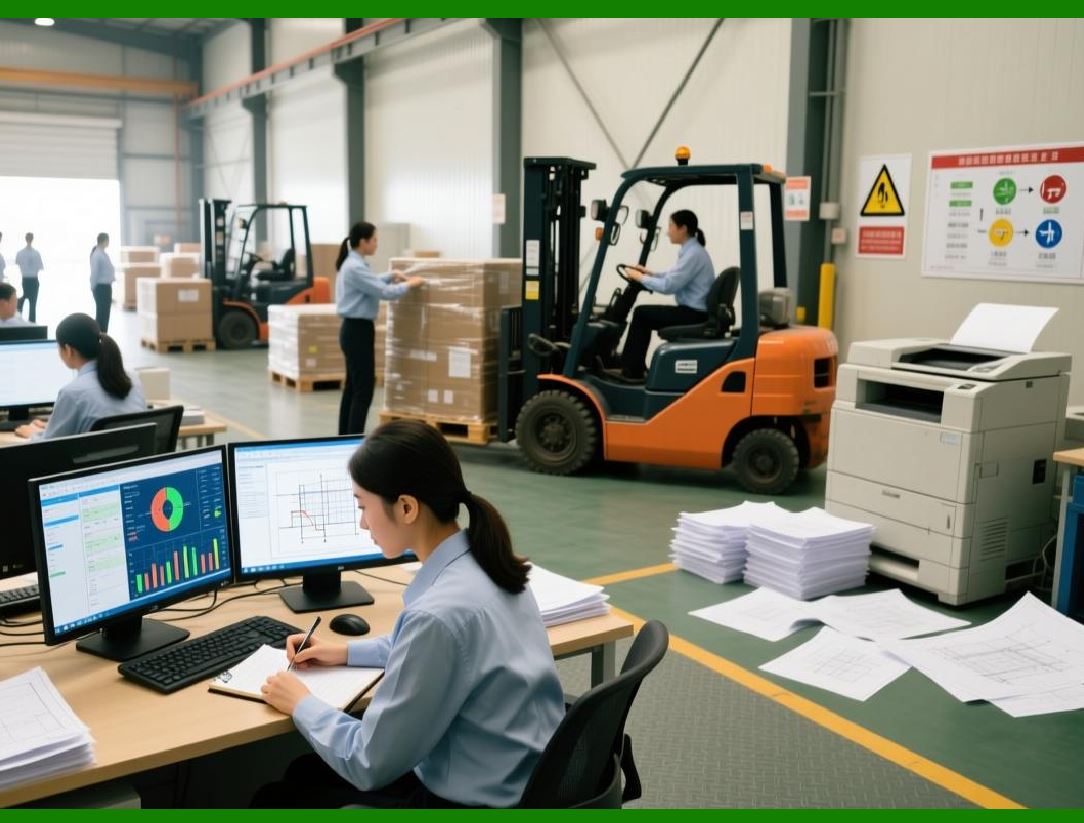
At the heart of every ERP system lies a single, shared database. This is not a collection of spreadsheets emailed back and forth, nor a set of disconnected files on different computers. It is one logical repository where all data lives in one place, with welldefined rules about who can read, write, or change it. |
Why is a single database so powerful for mechanical manufacturingConsider a simple example: a machinist finishes a part and records that the operation took 32 minutes. In a nonERP system, that number might be written on a paper traveler, later keyed into a production tracking spreadsheet, and eventually (if at all) entered into a cost accounting system. Each rekeying introduces delays and errors. |
In an ERP system, the machinist (or a barcode scan) enters the time once. Instantly: |
- The production order shows that operation as complete. |
- The inventory system increments the quantity of finished parts. |
- The finance module updates the workinprogress (WIP) valuation. |
- The scheduling engine recalculates remaining work and may bring forward the next operation. |
- The manager's dashboard shows updated progress on that order. |
No rekeying. No reconciliation meetings. One truth. |
|
1.5 How ERP Differs from Older Systems |
ERP evolved from earlier software, and understanding that evolution helps clarify what ERP *is*. |
1960s - 1970s: Inventory control systems - Simple systems that tracked how many items were on hand. They could not tell you when to order or how to schedule production. |
1970s - 1980s: MRP (Material Requirements Planning) - A breakthrough. MRP calculated *what* materials were needed, *how many*, and *when*, based on a master production schedule. But MRP ignored machine capacity and did not integrate finance or human resources. |
1980s - 1990s: MRP II (Manufacturing Resource Planning) - Added capacity planning, shop floor control, and basic finance links. Still focused primarily on manufacturing. |
1990s - today: ERP - Integrated everything: sales, engineering, purchasing, inventory, production, quality, maintenance, HR, finance, and increasingly customer relationship management (CRM) and supply chain management (SCM). For mechanical manufacturing, modern ERP also connects to CAD (for product structure) and to machine controllers (for realtime production data). |
Thus, an ERP system is not 'just a bigger inventory system.' It is a fundamentally different architecture where every function shares a single source of truth. |
|
1.6 What ERP Does for Mechanical Manufacturing - A Concrete Walkthrough |
Let us make the concept concrete by following a single order through a mechanical factory with and without ERP. |
Without ERP (typical scenario): |
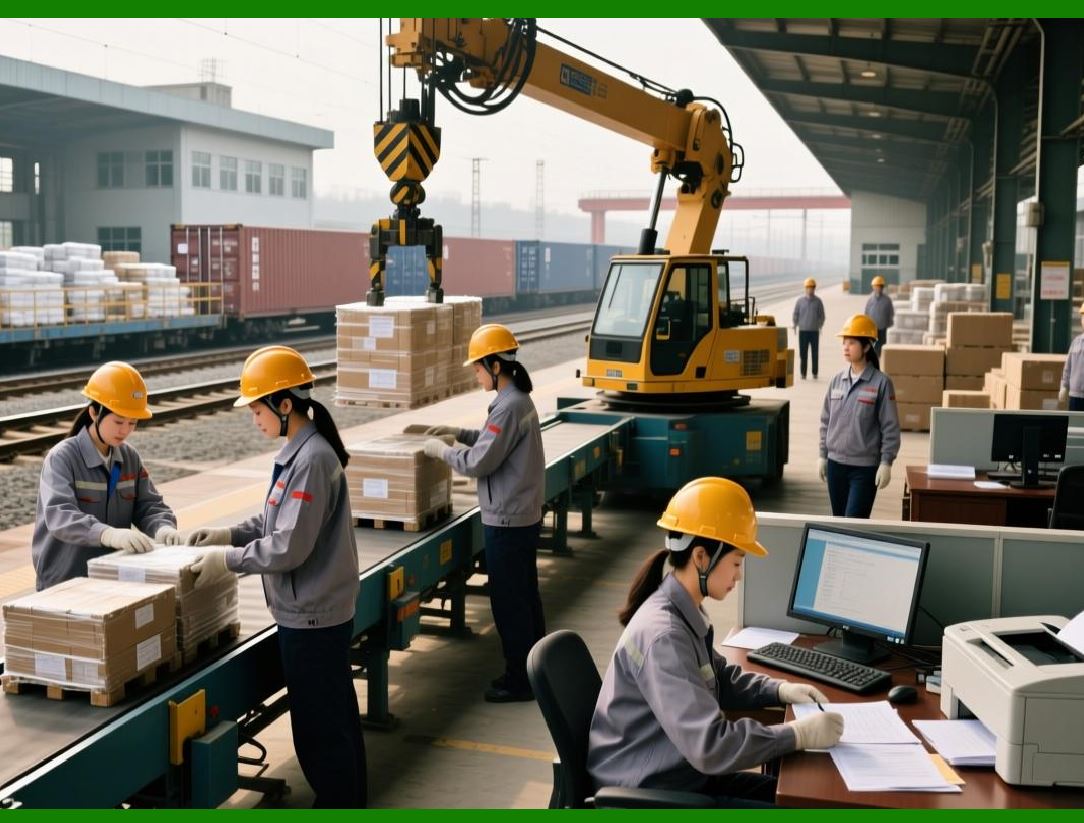
1. Sales receives a customer purchase order for 500 customized shafts. The salesperson calls the planner: 'Can we do it in 10 days' The planner guesses 'probably' based on memory. Sales promises 10 days. |
2. Engineering updates the drawing. A printed copy is placed in a physical folder. |
3. Purchasing sees the paper folder and orders raw 4140 steel. Because no system tracks lead time, they order from a usual supplier expecting 5 days. |
4. The steel arrives late because the supplier had a backlog - but no one knows until the receiving clerk sees an empty truck. |
5. Production starts late. The CNC lathe is already overloaded with another order, but no one sees this conflict because schedules are on a whiteboard. |
6. The order finishes in 18 days. The customer is unhappy. Finance invoices based on a manual calculation, missing some overtime costs, so the job actually loses money. |
|
With ERP (integrated scenario): |
1. Sales enters the customer order into the ERP. The system checks realtime data: available inventory of 4140 steel, current load on CNC lathes, and standard lead times. It returns an AvailabletoPromise (ATP) date of 16 days. Sales either promises 16 days or negotiates a premium for expediting. |
2. Engineering creates the drawing and enters the Bill of Materials (BOM) and routing (sequence of operations). The ERP locks the old BOM version automatically. |
3. As soon as the BOM is approved, the system generates planned purchase orders for raw steel, based on supplier lead times stored in the vendor master data. |
4. Purchasing simply reviews and releases the automatically generated purchase orders. No forgotten items. |
5. The ERP tracks the purchase order. If the supplier misses the confirmed ship date, the system alerts the planner immediately - not at the loading dock. |
6. The shop floor receives digital work instructions. The lathe operator sees the job on his terminal, starts it, pauses for quality checks mandated by the system, and completes it. Each step updates the order status. |
7. The order finishes on day 16. Finance automatically captures actual material, labor, and machine costs and generates an accurate invoice. |
The difference is not magic - it is information. |

|
1.7 The Human Side: Role Changes, Not Replacement |
Workers new to ERP sometimes fear that the system will replace their judgment. In reality, ERP changes *which* decisions people make, not that they make decisions. |
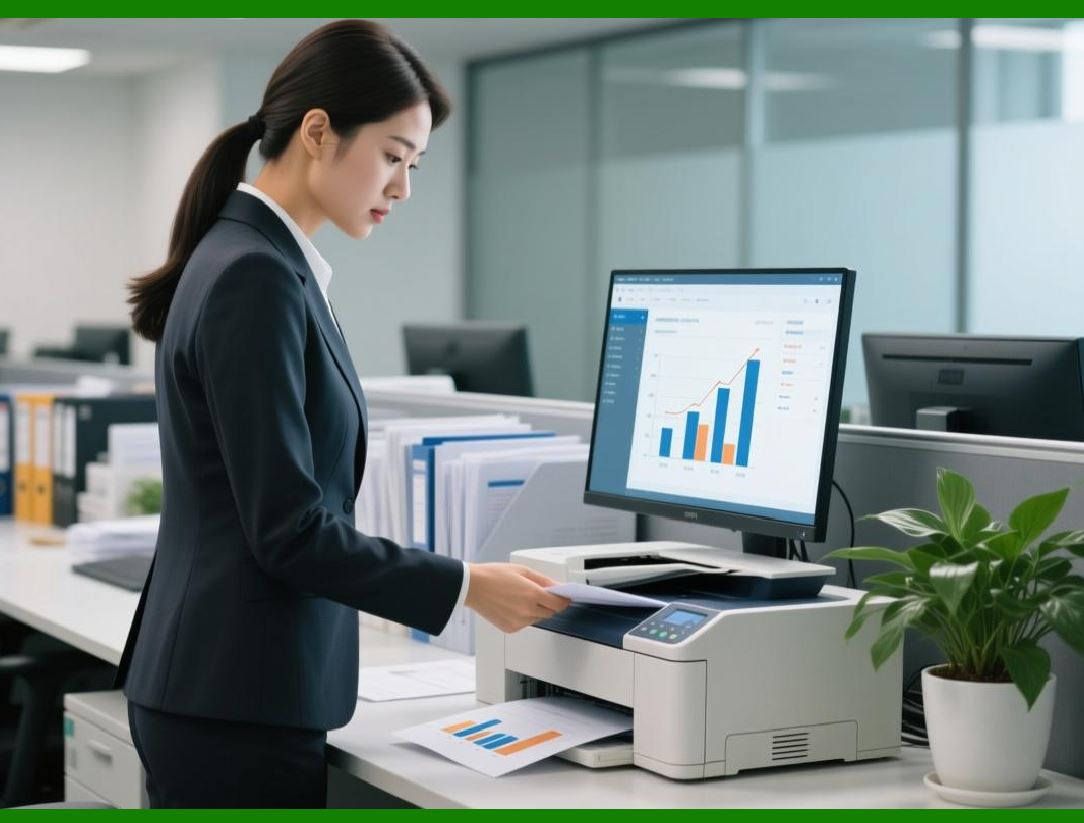
Before ERP: A planner spends 70% of time chasing data - calling suppliers to check delivery status, walking the floor to find workinprogress, reconciling conflicting spreadsheets. Only 30% is actual planning. |
After ERP: The planner spends 10% of time retrieving data (the system provides it instantly) and 90% of time *planning* - analyzing scenarios, negotiating with customers, improving processes. |
The machinist no longer needs to remember which program to load for which part; the ERP sends the correct program to the CNC controller. The purchasing agent no longer searches for what to buy; the ERP presents a list of actionrequired purchase requisitions. The ERP handles the transaction processing; humans handle the valueadded judgment. |
|
1.8 Common Misconceptions - What ERP Is Not |
To fully understand ERP, it is equally important to know what it is *not*. |
ERP is not a silver bullet - If your factory has poor processes (e.g., no standard work, no preventive maintenance), ERP will expose those problems faster, not solve them. It is an enabler, not a fix. |
ERP is not just software - Successful ERP use requires clean data, trained users, and management discipline. Many implementations fail because the organization ignores these nonsoftware factors. |
ERP does not need to be expensive or slow - Today, cloud ERP systems can be deployed in small job shops within weeks, for a few thousand dollars per month. The old myth of 'ERP equals a milliondollar project' is outdated. |
ERP is not only for large factories - A 10person machine shop often needs ERP *more* than a giant factory does, because every missed deadline hurts more. |

|
1.9 The Bottom Line: From Noise to Music |
Let us return to the orchestra. When the conductor raises the baton, seventy musicians play together because they share the same score, the same tempo, and the same understanding of when to enter and when to rest. No one plays a solo without cue. No one stops unexpectedly. |
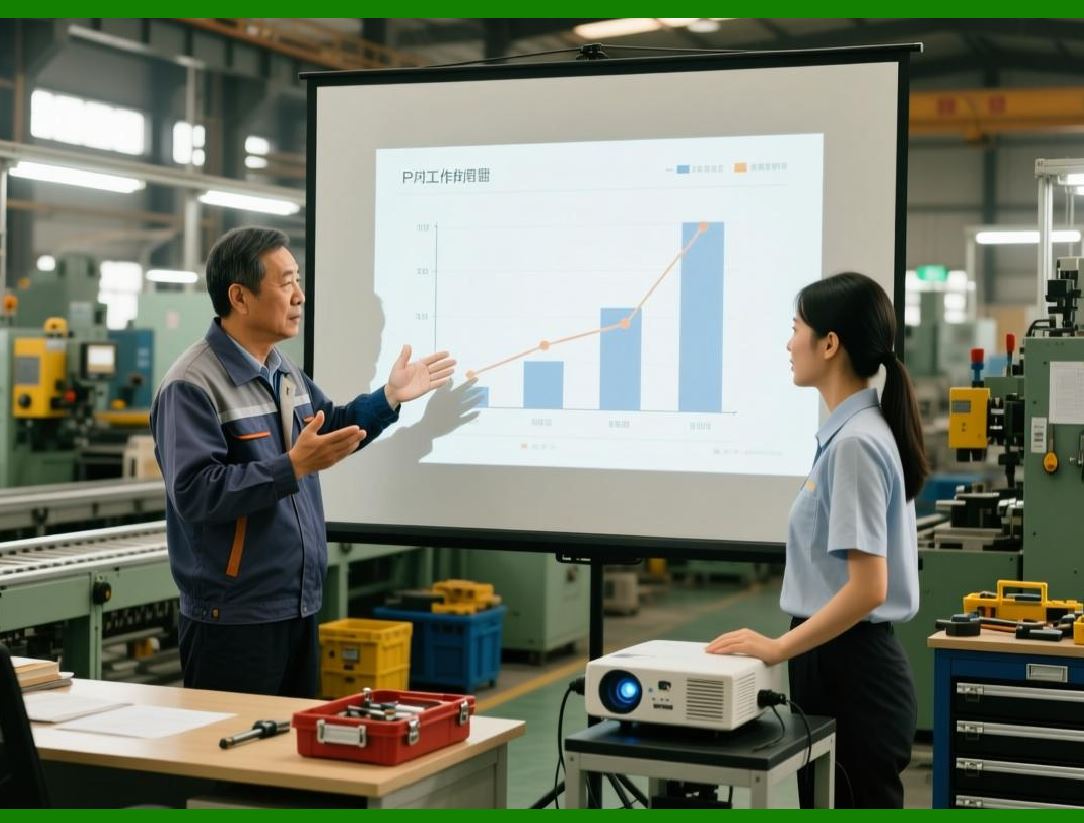
An ERP system creates that same shared understanding in a mechanical factory. Sales knows what production can actually deliver. Purchasing knows what the shop floor will need three weeks from now. The planner sees the load on every machine, in every shift. The quality manager traces every part to its raw material batch. And the finance controller values inventory without leaving the desk. |
Does an ERP system turn a mediocre factory into a great one overnightNo. But it does something more important: it replaces guessing with visibility, firefighting with planning, and local optimization with global coordination. In a world where mechanical manufacturers compete on delivery precision, cost control, and quality, the ERP system is not a luxury - it is the conductor without whom the orchestra cannot play in harmony. |
In the next chapters, we will explore each section of that orchestra: how the ERP manages inventory (Chapter 3), how it creates feasible production schedules (Chapter 4), how it controls the shop floor in real time (Chapter 7), and much more. But always remember the foundation: a single, shared database that lets every part of the enterprise play from the same musical score. |
That is what ERP is. That is why it matters in mechanical manufacturing. |
|
Key takeaways from Chapter 1 (expanded): |
1. ERP solves the 'local decisions, global chaos' problem in factories. |
2. It acts as an orchestra conductor - coordinating without micromanaging. |
3. The single shared database is the technical heart of ERP. |
4. ERP evolved from inventory control --> MRP --> MRP II --> modern integrated ERP. |
5. The human role shifts from datachasing to valueadding judgment. |
6. ERP is not a silver bullet but an essential coordination tool for any mechanical manufacturer. |
 cs@easiersoft.com