Chapter 20: The Future - AI and Predictive ERP |
20.1 Beyond Recording - The Era of Prediction |
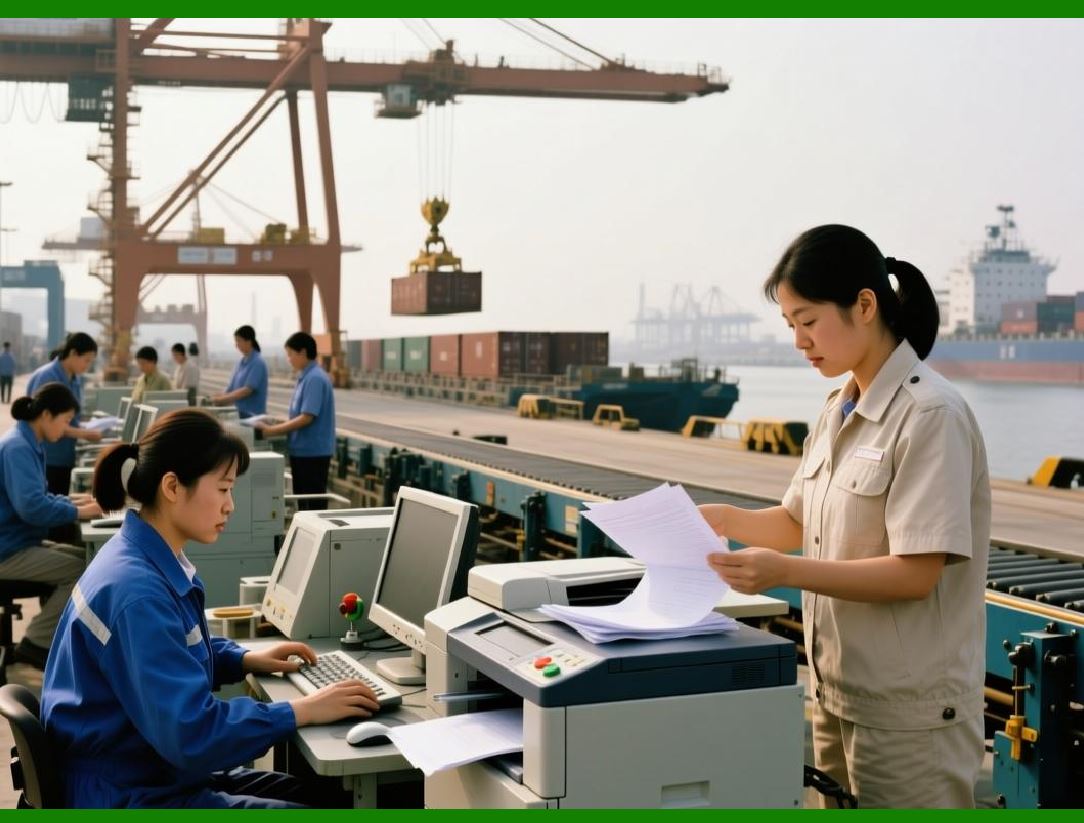
For decades, ERP systems have been backward-looking. They record what happened. They track materials issued, labor hours logged, parts produced, and shipments sent. They generate reports that tell you what you did yesterday, last week, or last month. This information is valuable. But it is always about the past. |
The future of ERP is different. It is forward-looking. It is predictive. It uses artificial intelligence to anticipate what will happen, not just record what did happen. It does not just tell you that a machine broke yesterday. It tells you that a machine is likely to break next week, and here is what you can do to prevent it. It does not just tell you that a shipment was late. It tells you that a shipment is likely to be late based on current conditions, and here is how to adjust to avoid it. |
This is the era of predictive ERP. It is not science fiction. It is already beginning to appear in leading ERP systems, and it will be standard within a decade. This chapter explores what predictive ERP means for mechanical manufacturing, how AI enables it, and what factories need to do to prepare. |
|
20.2 The Limits of Traditional ERP |
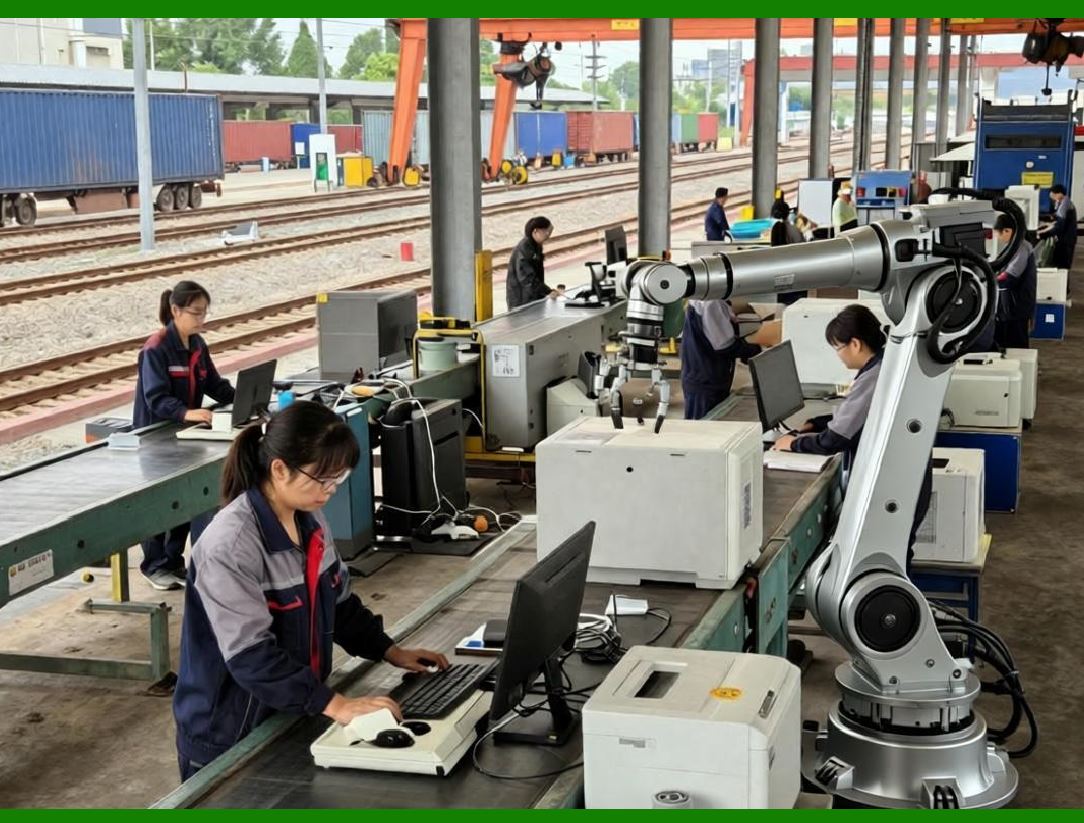
Traditional ERP is reactive. It processes transactions. It generates alerts when inventory falls below a reorder point. It creates action messages when a purchase order is late. It reports variances after they have occurred. The pattern is always the same: something happens, the system records it, and then people react. |
This reactive model has served manufacturing well. But it has fundamental limits. By the time the system alerts you to a problem, the problem has already occurred. The machine has already broken. The shipment is already late. The quality defect has already been produced. You can respond, but you cannot prevent. |
Predictive ERP changes this. Instead of reacting to problems, it anticipates them. It uses historical data to build models of how the factory behaves. It monitors current data in real time. When the current data deviates from the model in a way that historically precedes a problem, the system predicts that the problem is coming. It alerts you before the problem occurs, giving you time to prevent it. |
The difference is between a fire alarm that sounds when the fire starts and a smoke detector that alerts you to the first wisps of smoke. Both are valuable. But the smoke detector gives you time to put out the fire before it spreads. |
|
20.3 What AI Brings to ERP |
Artificial intelligence is the engine of predictive ERP. Traditional ERP uses deterministic rules: if inventory is less than reorder point, create a purchase requisition. These rules are simple and reliable, but they cannot capture complex patterns. AI can. |
Machine learning is a type of AI that learns patterns from data without being explicitly programmed. A machine learning model is trained on historical data. It looks for relationships between inputs and outputs. For example, given historical data on machine vibration, temperature, power consumption, and breakdowns, a machine learning model can learn which patterns of vibration and temperature precede a breakdown. Once trained, the model can examine current data and predict whether a breakdown is likely. |
Natural language processing is another type of AI that understands human language. It can read customer emails, supplier communications, and quality reports. It can extract key information - a customer complaining about late delivery, a supplier announcing a price increase, a quality inspector noting a recurring defect - and bring it to the attention of the right person. |
Computer vision uses cameras and AI to see and understand images. It can inspect parts for defects faster and more consistently than humans. It can read analog gauges and dials. It can monitor workers for safety violations. |
Generative AI can create new content. It can generate work instructions from a CAD model. It can write a quality report from inspection data. It can suggest a corrective action plan based on the root cause of a defect. |
These AI technologies are not theoretical. They are available today, though they are not yet fully integrated into most ERP systems. That integration is coming. Within a few years, AI will be as standard in ERP as MRP is today. |

|
20.4 Predictive Maintenance - The Killer App |
The most mature application of AI in mechanical manufacturing is predictive maintenance. We discussed condition-based maintenance in Chapter 9, where simple thresholds trigger alerts. Predictive maintenance goes further. It uses machine learning to detect subtle patterns that simple thresholds miss. |
Consider a CNC spindle. A simple threshold system might alert when vibration exceeds 5 millimeters per second. But the spindle might fail at 4.5 millimeters per second if the vibration is accompanied by a specific temperature pattern. Or it might run safely at 6 millimeters per second if the vibration is steady and the power consumption is normal. A machine learning model can learn these complex relationships. |
The model is trained on historical data from many spindles. It knows which patterns preceded a failure and which patterns did not. When it sees a pattern that matches the pre-failure pattern, it issues a prediction: this spindle has an eighty percent probability of failing within the next two weeks. The maintenance planner can schedule a replacement during a planned downtime. The failure is prevented. |
The benefits are substantial. Unplanned downtime is reduced. Maintenance is performed only when needed, not on a fixed schedule that may be too frequent or too infrequent. Spindle life is extended because bearings are replaced before they cause catastrophic damage. The cost savings can be dramatic. |
Predictive maintenance requires sensors and data collection. Vibration sensors, temperature sensors, and power monitors must be installed on critical machines. The data must be fed into the ERP in real time. This requires investment, but the return on investment is high for critical, expensive machines. |

|
20.5 Predictive Quality - Stopping Defects Before They Start |
Quality is another area where prediction is powerful. Traditional quality management detects defects after they occur. Predictive quality detects the conditions that lead to defects before the defects are produced. |
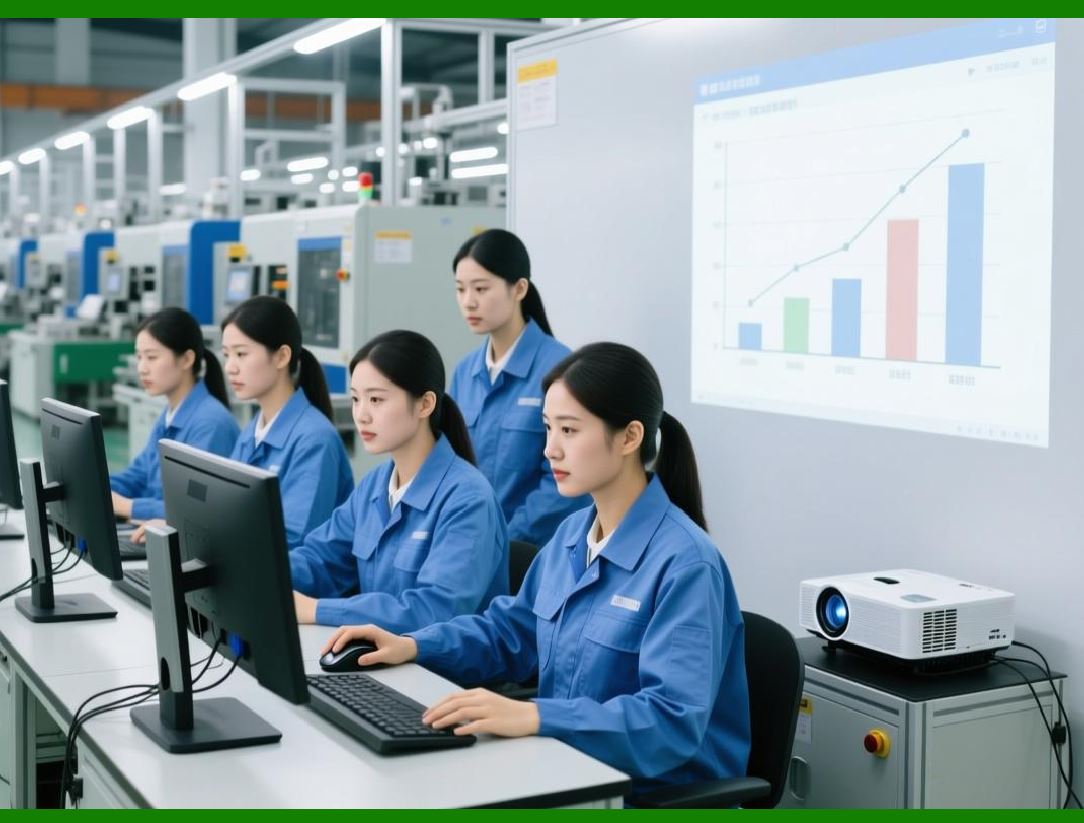
A machine learning model can be trained on historical production data: machine parameters (speeds, feeds, temperatures), material properties (hardness, composition), operator identity, and the resulting quality outcomes. The model learns which combinations of parameters tend to produce defects. For example, it might learn that when the material hardness is above a certain level and the feed rate is above a certain level, the defect rate increases dramatically. |
When the model sees these conditions in current production, it issues an alert. The operator can adjust the feed rate or change the tool before any defects are produced. The process is adjusted proactively, not reactively. |
Predictive quality can also be used for virtual inspection. Instead of measuring every part, the model predicts the quality based on machine parameters. If the model predicts that the part is good with high confidence, it is accepted without measurement. If the model predicts that the part may be bad, it is measured. This reduces inspection time while maintaining quality. |
The same approach can be used for supplier quality. A model can predict, based on supplier, material lot, and shipping conditions, whether a shipment is likely to pass incoming inspection. Shipments that are predicted to pass can be fast-tracked. Shipments that are predicted to fail can be inspected more thoroughly or rejected at the dock. |
|
20.6 Predictive Planning - From Reactive to Proactive Scheduling |
Traditional MRP and capacity planning are deterministic. They assume that the future will match the plan. But the future never matches the plan. Machines break. Suppliers are late. Customers change their minds. The plan is always wrong. |
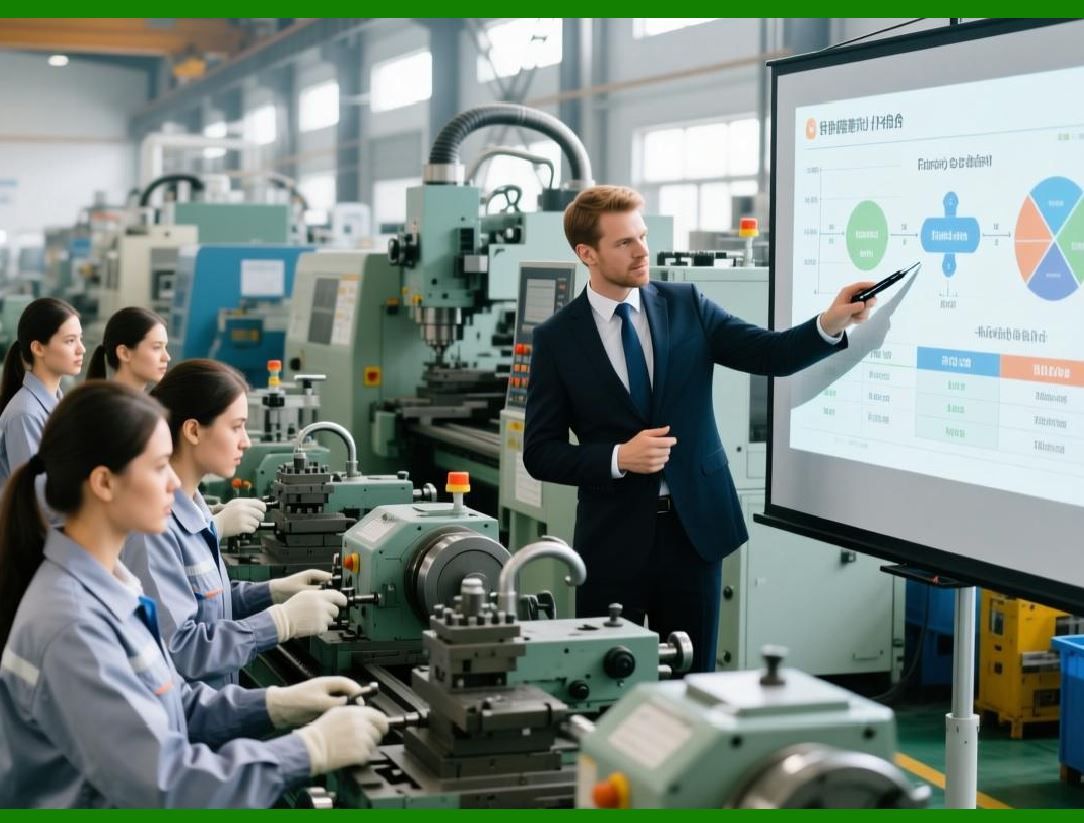
Predictive planning uses AI to create plans that are robust to uncertainty. Instead of a single deterministic plan, the system generates a range of possible outcomes and their probabilities. It answers questions like: What is the probability that we will finish order 12345 by the due dateWhat is the expected delay if the heat treatment furnace failsWhat is the best set of orders to accept given the current uncertainty |
The system can also generate proactive recommendations. Instead of waiting for a problem to occur, it suggests actions to prevent problems. For example: 'The probability of missing the due date for order 12345 is currently thirty percent. To reduce it to ten percent, start the machining operation two days earlier, or expedite the casting supplier, or authorize overtime on the grinding machine.' |
These recommendations are not commands. The planner still decides. But the AI provides decision support that is far more sophisticated than a simple alert. |
Predictive planning also enables dynamic lead times. Traditional ERP uses fixed lead times for purchased items. But lead times vary. A supplier might be fast in the summer and slow in the winter. A shipping carrier might be reliable on some routes and unreliable on others. AI can learn these patterns and adjust lead times dynamically. When the system knows that a supplier is currently experiencing delays, it automatically increases the lead time for purchase orders from that supplier. |
|
20.7 The Self-Optimizing Factory |
The ultimate vision of predictive ERP is the self-optimizing factory. In this vision, the ERP continuously monitors the factory, predicts future states, and automatically adjusts to optimize performance. Human intervention is needed only for exceptions and strategic decisions. |
Consider a simple example. The ERP detects that a particular CNC machine is running slower than its standard rate. It checks the tool wear data and predicts that the tool is nearing the end of its life. It automatically schedules a tool change during the next planned break. It adjusts the production schedule to account for the slower speed. It recalculates the estimated completion time for affected orders and updates customer promise dates if necessary. All of this happens without a human planner touching the system. |
Consider a more complex example. The ERP notices that a customer has been ordering a particular part in increasing quantities. It predicts that the customer will place a large order next week. It checks inventory and sees that the part is running low. It automatically creates a purchase order for raw material, releases a work order for production, and reserves capacity on the bottleneck machine. When the customer order arrives, the part is already in production. The customer is delighted with the short lead time. |
This self-optimizing factory is not yet a reality. But the building blocks exist. Machine learning models can predict tool wear. Optimization algorithms can schedule production. Integration allows automatic order creation. The remaining challenge is trust. Will factory managers trust an AI to make decisions automaticallyThat trust will be earned slowly, starting with low-risk decisions and expanding as the AI proves itself. |
|
20.8 Digital Twins - The Virtual Factory |
A digital twin is a virtual replica of the physical factory. It mirrors the real factory in real time. Sensors on the physical machines send data to the digital twin, which updates its state. The digital twin can be used for simulation, prediction, and optimization. |
The digital twin is the foundation of predictive ERP. Before the AI makes a decision in the physical factory, it tests the decision in the digital twin. It simulates the outcome. If the outcome is good, the decision is implemented in the physical factory. If the outcome is bad, the AI tries a different decision. This simulation-based approach is much safer than learning by trial and error. |
For example, the AI might want to change the production schedule to accommodate a new urgent order. It creates a proposed schedule and simulates it in the digital twin. It sees that the new schedule would delay another important order. It adjusts the proposal and simulates again. After several iterations, it finds a schedule that accommodates the urgent order without delaying anything else. It then implements that schedule in the physical factory. |
The digital twin can also be used for what-if analysis by humans. A planner can ask: What if we add a second shift on the grinding machineWhat if we move the heat treatment operation to an outside vendorWhat if we change the batch size for this partThe digital twin simulates the answer, providing data for the decision. |
Building a digital twin requires significant investment in sensors, data integration, and modeling. For small shops, the investment may not be justified. For large factories with complex operations, the digital twin is becoming essential. |
|
20.9 Generative AI for Work Instructions and Documentation |
Generative AI, the technology behind tools like , has powerful applications in mechanical manufacturing. One of the most promising is the automatic generation of work instructions. |
Traditionally, creating a work instruction is a manual process. A manufacturing engineer takes the CAD model, the routing, and the quality plan, and writes a document that explains to the machinist how to set up and run the job. This is time-consuming and error-prone. Generative AI can automate it. |
The AI is given the CAD model, the routing, and the quality plan. It generates a draft work instruction in natural language, with step-by-step instructions, annotated drawings, and safety warnings. The manufacturing engineer reviews and approves the draft. The AI learns from the engineer's corrections, improving over time. |
The same AI can generate setup sheets, inspection plans, and even training materials. It can translate work instructions into different languages for a multilingual workforce. It can generate voice instructions for hands-free operation. |
Generative AI can also help with root cause analysis. When a defect occurs, the quality engineer describes the defect to the AI. The AI searches through historical data - machine parameters, material lots, operator records, environmental conditions - and identifies patterns that correlate with the defect. It suggests possible root causes and corrective actions. The engineer investigates the most likely causes, saving time and effort. |
|
20.10 The Human-AI Partnership |
The future of ERP is not about replacing humans with AI. It is about augmenting humans with AI. The AI handles routine decisions, complex calculations, and pattern recognition. The human handles judgment, creativity, and exceptions. Together, they are more effective than either alone. |
The machinist is not replaced by a robot. The machinist is given an AI assistant that predicts tool wear, suggests optimal speeds and feeds, and alerts to potential quality problems. The machinist focuses on the skilled work of machining, while the AI handles the data. |
The planner is not replaced by an algorithm. The planner is given an AI that generates schedule proposals, predicts outcomes, and recommends actions. The planner focuses on strategic decisions, customer relationships, and unusual situations. The AI handles the routine. |
The quality manager is not replaced by a camera. The quality manager is given an AI that inspects parts, analyzes defect patterns, and suggests root causes. The quality manager focuses on process improvement, supplier development, and customer satisfaction. The AI handles the inspection. |
This human-AI partnership requires new skills. Workers need to understand what the AI can and cannot do. They need to know when to trust the AI and when to question it. They need to be able to interpret the AI's outputs. Training programs must evolve to include these skills. |
|
20.11 Data - The Fuel of AI |
AI is worthless without data. The quality of the AI's predictions is directly limited by the quality and quantity of the data it is trained on. A factory that wants to benefit from predictive ERP must first become excellent at collecting and managing data. |
This means accurate, timely, and complete data. Every transaction must be recorded. Every measurement must be captured. Every machine must be monitored. The data must be clean - no missing values, no duplicates, no errors. The data must be structured - organized in a way that the AI can use. |
The factories that succeed with predictive ERP will be the ones that already have disciplined data practices from their traditional ERP. They have accurate BOMs. They have complete routing data. They have reliable inventory records. They have detailed quality history. They have comprehensive maintenance logs. This data is the fuel for the AI engine. |
Factories that do not have disciplined data practices will struggle. Garbage in, garbage out applies to AI as much as to traditional ERP. An AI trained on bad data will make bad predictions. The factory must first master the basics before moving to predictive. |
|
20.12 Ethical and Practical Challenges |
Predictive ERP raises ethical and practical challenges that must be addressed. One challenge is bias. An AI trained on historical data may learn historical biases. If the historical data shows that certain operators had higher defect rates, the AI might predict that those operators will continue to have higher defect rates. But the higher defect rates might have been due to a faulty machine that has since been repaired. The AI perpetuates a bias that is no longer true. Careful validation is required. |
Another challenge is transparency. Traditional ERP systems are transparent. You can see the rules. You can trace the logic. AI models, especially deep learning models, are often black boxes. They make predictions, but it is not clear why. This lack of transparency can be a problem for regulatory compliance and for building trust. Explainable AI - AI that can explain its reasoning - is an active area of research. |
Another challenge is over-reliance. Humans may trust the AI too much. They may stop thinking critically. They may accept the AI's recommendations without question. This is dangerous. The AI is not perfect. It will make mistakes. Humans must maintain a healthy skepticism and override the AI when appropriate. |
Another challenge is job displacement. Some workers may fear that AI will replace them. This fear is understandable, but it is largely misplaced. AI will automate tasks, not jobs. The machinist who used to spend ten minutes per hour on data entry will spend that time on machining. The planner who used to spend hours on manual calculations will spend that time on strategic analysis. Jobs will change, but they will not disappear. |

|
20.13 Getting Ready for Predictive ERP |
What can a mechanical factory do today to prepare for predictive ERPSeveral steps are valuable regardless of when the AI capabilities arrive. |
First, get the basics right. Implement a traditional ERP system with clean data, disciplined processes, and high user adoption. Without this foundation, predictive ERP will fail. |
Second, invest in sensors and data collection. Install vibration sensors on critical machines. Monitor power consumption. Track temperature. Collect data on every machine, every part, every operation. The more data you have, the better your AI will perform. |
Third, build a culture of data-driven decision making. Encourage employees to trust data over intuition. Use the data you already have to drive improvements. This culture will be essential when AI predictions become available. |
Fourth, experiment with AI tools. Start small. Use AI for predictive maintenance on a single critical machine. Use AI for quality prediction on a single product line. Learn what works and what does not. Build expertise incrementally. |
Fifth, partner with vendors who are investing in AI. When selecting an ERP vendor, ask about their AI roadmap. Choose a vendor that is committed to predictive capabilities. The vendor's AI will be trained on data from many factories, which is more powerful than what any single factory can develop alone. |
|
20.14 Real-World Example: The Bearing Manufacturer's AI Pilot |
Consider a bearing manufacturer that produces millions of small bearings per year. They implemented a predictive maintenance pilot on a critical grinder. Vibration sensors were installed. Data was collected for six months. During that time, the grinder failed twice, causing significant downtime. |
An AI model was trained on the vibration data from before the failures. The model learned that a specific pattern of high-frequency vibration, combined with a gradual increase in low-frequency vibration, preceded each failure by about ten days. The pattern was not visible to the human operators. Simple threshold alerts would not have caught it. |
The model was deployed in real time. Three months later, it detected the pattern. It issued an alert: probability of failure within ten days is ninety percent. The maintenance team inspected the grinder and found a worn bearing in the spindle. They replaced the bearing during a scheduled weekend shutdown. The failure was prevented. The grinder ran without interruption. |
The pilot was expanded to ten critical machines. The company estimated that predictive maintenance reduced unplanned downtime by sixty percent and saved over five hundred thousand dollars per year. The AI paid for itself in the first year. |
The company is now exploring predictive quality. They are collecting data on grinding parameters and finished bearing dimensions. They hope to predict which bearings will be out of tolerance before they are measured, allowing real-time adjustment of the grinding process. |
|
20.15 Summary: The Journey Has Just Begun |
The ERP systems of today are powerful. They integrate finance and operations. They plan materials and capacity. They track quality and maintenance. They provide visibility and control. But they are just the beginning. |
The ERP systems of tomorrow will be predictive. They will anticipate problems before they occur. They will recommend actions to prevent defects, breakdowns, and delays. They will optimize production in real time. They will learn from every transaction, every measurement, every outcome. They will become smarter over time. |
This future is not decades away. It is arriving now. The leading ERP vendors are embedding AI into their products. Early adopters are seeing real benefits. The technology is mature enough for production use in many applications. |
The journey to predictive ERP starts with the basics. Clean data. Disciplined processes. A culture of continuous improvement. These are the prerequisites for AI. The factory that masters these basics today will be ready for the AI revolution tomorrow. |
For the mechanical manufacturer, the message is clear. The future is not about working harder. It is about working smarter, with systems that see around corners, predict the future, and guide you to better outcomes. The ERP system that was once a record-keeper is becoming a co-pilot. And the factories that embrace this co-pilot will lead their industries. |
|
Key takeaways from Chapter 20: |
1. Traditional ERP is backward-looking and reactive - predictive ERP is forward-looking and proactive, anticipating problems before they occur. |
2. AI brings machine learning, natural language processing, computer vision, and generative AI to ERP, enabling capabilities that deterministic rules cannot achieve. |
3. Predictive maintenance uses machine learning to detect subtle patterns that precede breakdowns, enabling intervention before failure. |
4. Predictive quality detects conditions that lead to defects before the defects are produced, enabling real-time process adjustment. |
5. Predictive planning creates robust schedules that account for uncertainty, and generates proactive recommendations to prevent problems. |
6. The self-optimizing factory automatically adjusts to changing conditions, with human intervention only for exceptions and strategy. |
7. Digital twins are virtual replicas of the physical factory, enabling safe simulation and what-if analysis before implementing changes. |
8. Generative AI can automatically create work instructions, setup sheets, inspection plans, and training materials from CAD models and routings. |
9. The human-AI partnership augments workers, not replaces them - AI handles routine decisions and pattern recognition; humans handle judgment and creativity. |
10. Data is the fuel of AI - factories must master basic data discipline before they can benefit from predictive capabilities. |
11. Ethical and practical challenges include bias, transparency, over-reliance, and job displacement - these must be addressed thoughtfully. |
12. Preparation for predictive ERP includes getting the basics right, investing in sensors, building a data-driven culture, experimenting with AI tools, and partnering with forward-looking vendors. |
13. Real-world examples show that predictive maintenance can reduce unplanned downtime by sixty percent and pay for itself in the first year. |
14. The journey has just begun - predictive ERP is arriving now, and early adopters are gaining competitive advantages that will be hard to replicate. |
 cs@easiersoft.com