Part 18 |
Apparel ERP Applications in Fast Fashion Enterprises |
1. Introduction to Fast Fashion ERP Operations |
1.1 Understanding the Fast Fashion Business Model |
1.1.1 |
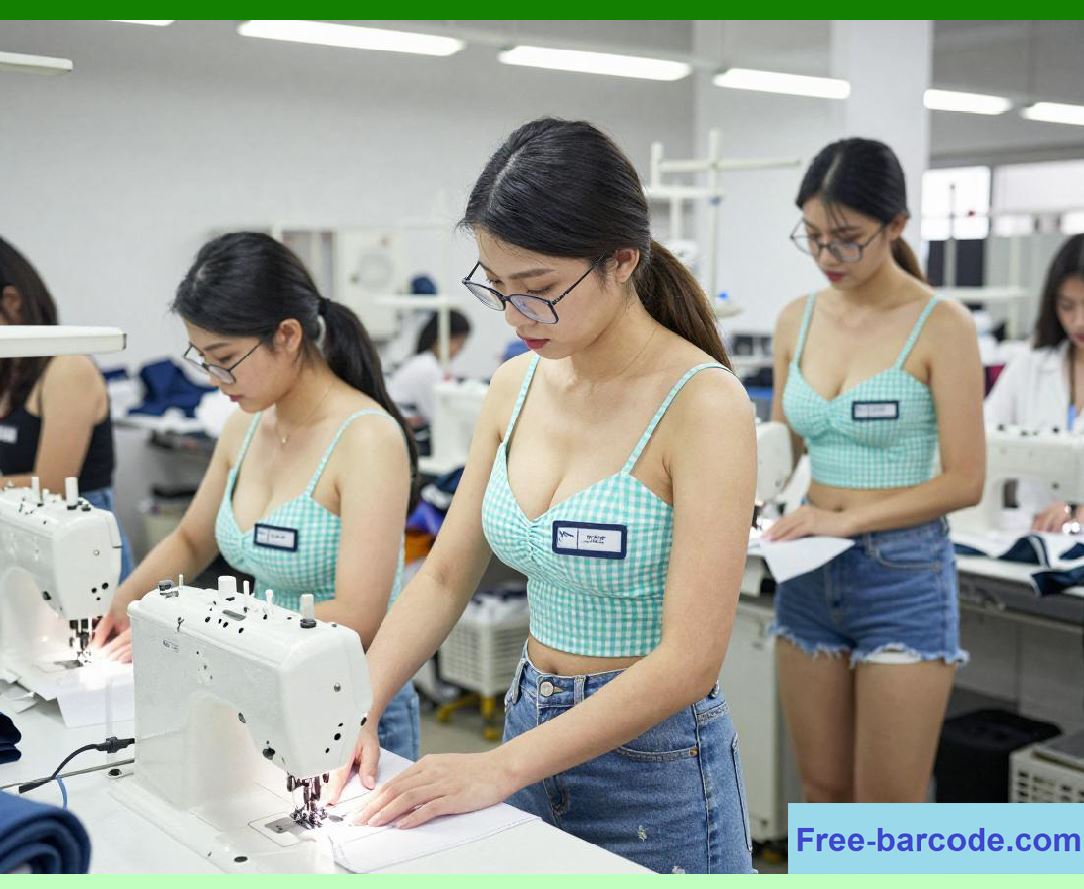
Fast fashion is one of the most operationally demanding sectors within the apparel industry. Unlike traditional apparel brands that release seasonal collections several times per year, fast fashion companies continuously launch new products at extremely high speed. |
1.1.2 |
The fast fashion business model emphasizes: |
* Rapid trend response |
* Short product development cycles |
* Frequent inventory turnover |
* Agile manufacturing |
* Continuous assortment updates |
* Data-driven merchandising |

|
1.1.3 |
Fast fashion enterprises attempt to transform emerging consumer trends into commercially available products within days or weeks. |
1.1.4 |
This operational model requires highly integrated ERP systems capable of coordinating: |
* Product development |
* Procurement |
* Production scheduling |
* Inventory allocation |
* Retail replenishment |
* E-commerce synchronization |
1.1.5 |
Without advanced ERP systems, fast fashion enterprises cannot effectively manage the speed and complexity of modern fashion cycles. |
1.1.6 |
ERP platforms therefore function as the operational nervous system of fast fashion organizations. |
|
2. Characteristics of Fast Fashion Operations |
2.1 Extremely Short Product Lifecycles |
2.1.1 |
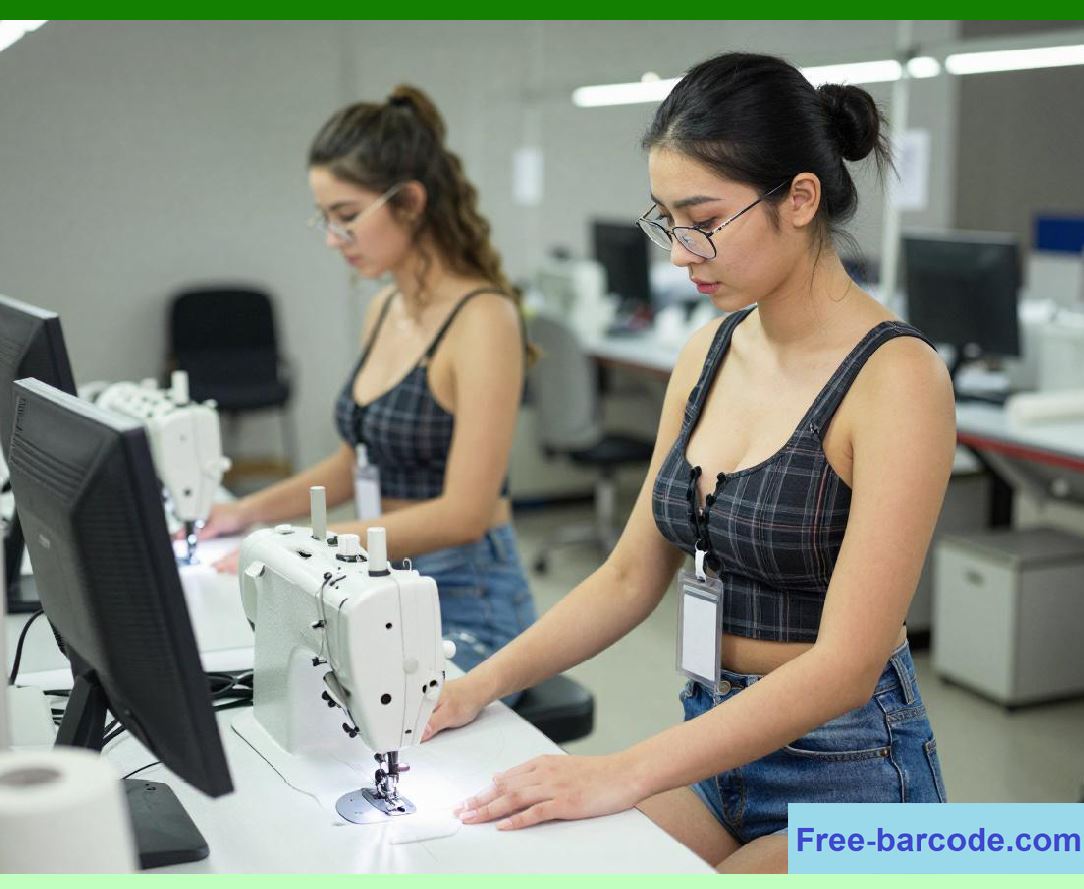
Fast fashion products typically have very short market lifecycles. |
2.1.2 |
Products may remain in stores for only a few weeks before being replaced by new collections. |
2.1.3 |
Rapid product turnover requires: |
* Fast product development |
* Agile production planning |
* Accelerated logistics coordination |
2.1.4 |
ERP systems support continuous operational synchronization across the entire supply chain. |
|
2.2 Continuous New Product Introduction |
2.2.1 |
Fast fashion enterprises continuously introduce new SKUs. |
2.2.2 |
Some companies launch: |
* Hundreds of new products weekly |
* Thousands of new styles monthly |
2.2.3 |
ERP systems must manage extremely large and rapidly changing product databases. |
2.2.4 |
Efficient SKU management becomes essential for operational scalability. |
|
3. Trend-Driven Product Development |
3.1 Rapid Trend Analysis |
3.1.1 |
Fast fashion enterprises rely heavily on rapid trend monitoring. |
3.1.2 |
Trend sources may include: |
* Social media |
* Fashion influencers |
* Celebrity appearances |
* Street fashion |
* Consumer behavior analytics |
3.1.3 |
ERP-integrated analytics systems help enterprises identify emerging trends quickly. |
|
3.2 Accelerated Design Workflows |
3.2.1 |
Fast fashion design cycles are significantly shorter than traditional apparel development processes. |
3.2.2 |
ERP-integrated PLM systems streamline: |
* Design approvals |
* Material selection |
* Sample coordination |
* Cost estimation |
3.2.3 |
Workflow acceleration improves speed-to-market capabilities. |
|
4. Agile Procurement Management |
4.1 Flexible Material Sourcing |
4.1.1 |
Fast fashion enterprises require highly flexible procurement operations. |
4.1.2 |
Material sourcing strategies often prioritize: |
* Short lead times |
* Supplier responsiveness |
* Production flexibility |
4.1.3 |
ERP systems monitor supplier performance in real time. |

|
4.2 Dynamic Procurement Planning |
4.2.1 |
Fast fashion demand is highly unpredictable. |
4.2.2 |
ERP systems continuously adjust procurement plans according to: |
* Sales performance |
* Inventory levels |
* Trend shifts |
4.2.3 |
Dynamic procurement improves responsiveness while reducing excess inventory risks. |

|
5. Fast Fashion Production Scheduling |
5.1 Ultra-Fast Manufacturing Coordination |
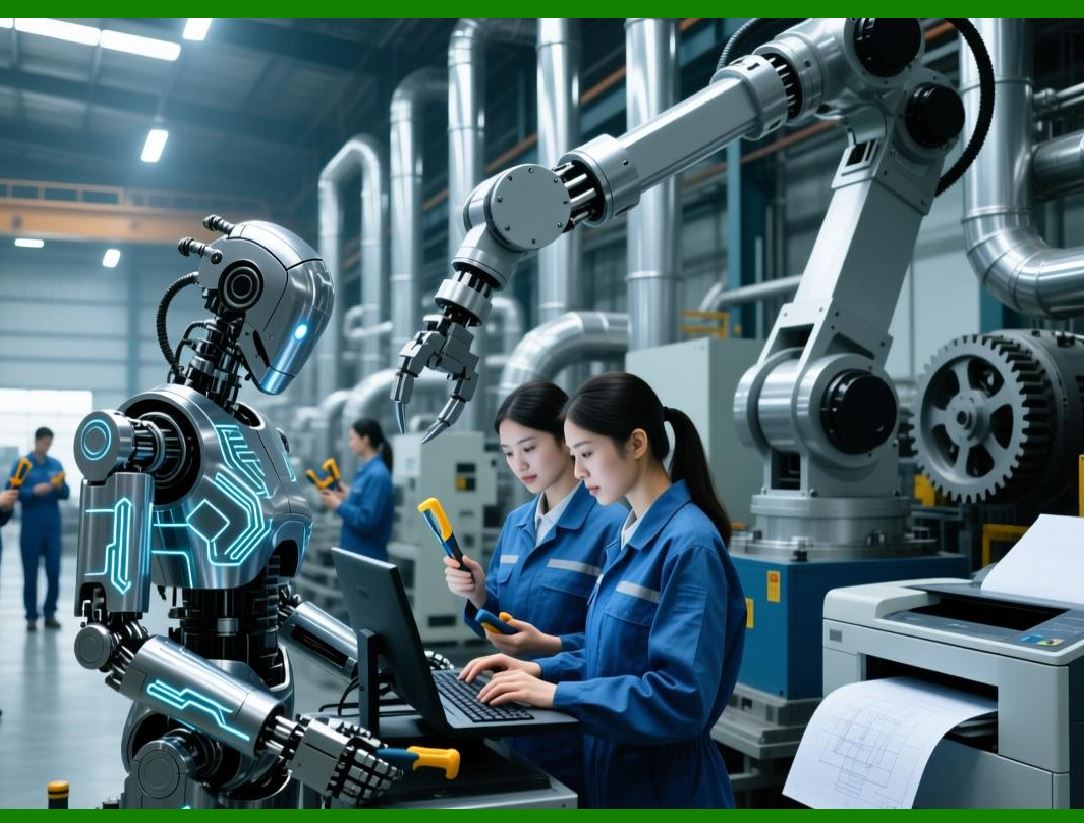
5.1.1 |
Fast fashion manufacturing requires highly compressed production timelines. |
5.1.2 |
ERP systems coordinate: |
* Rapid work order generation |
* Capacity allocation |
* Material readiness |
* Factory scheduling |
5.1.3 |
Production speed is a core competitive advantage in fast fashion operations. |
|
5.2 Small-Batch Production Models |
5.2.1 |
Many fast fashion companies initially produce small quantities to test market demand. |
5.2.2 |
ERP systems support: |
* Small-batch scheduling |
* Rapid replenishment workflows |
* Agile production adjustments |
5.2.3 |
Small-batch models reduce inventory risks and improve trend responsiveness. |
|
6. Real-Time Sales and Demand Analysis |
6.1 Continuous Sales Monitoring |
6.1.1 |
Fast fashion enterprises closely monitor sales performance in real time. |
6.1.2 |
ERP systems analyze: |
* Daily sales velocity |
* Regional demand patterns |
* Product sell-through rates |
6.1.3 |
Real-time analytics support rapid merchandising decisions. |
|
6.2 Automated Replenishment Triggers |
6.2.1 |
ERP systems automatically identify fast-selling products. |
6.2.2 |
Successful styles may trigger: |
* Replenishment production orders |
* Inventory redistribution |
* Expanded marketing campaigns |
6.2.3 |
Rapid replenishment maximizes sales opportunities. |

|
7. Inventory Management in Fast Fashion ERP |
7.1 Minimizing Excess Inventory |
7.1.1 |
Excess inventory represents one of the largest financial risks in fast fashion. |
7.1.2 |
Fashion trends change rapidly, causing unsold products to lose value quickly. |
7.1.3 |
ERP systems optimize inventory turnover through: |
* Dynamic allocation |
* Real-time forecasting |
* Markdown management |

|
7.2 Fast Inventory Rotation |
7.2.1 |
Fast fashion enterprises aim for extremely high inventory turnover rates. |
7.2.2 |
ERP systems support rapid: |
* Product movement |
* Replenishment cycles |
* Seasonal transitions |
7.2.3 |
Efficient inventory rotation improves cash flow and profitability. |

|
8. Omni-Channel Fast Fashion Operations |
8.1 Integrated Online and Offline Retail |
8.1.1 |
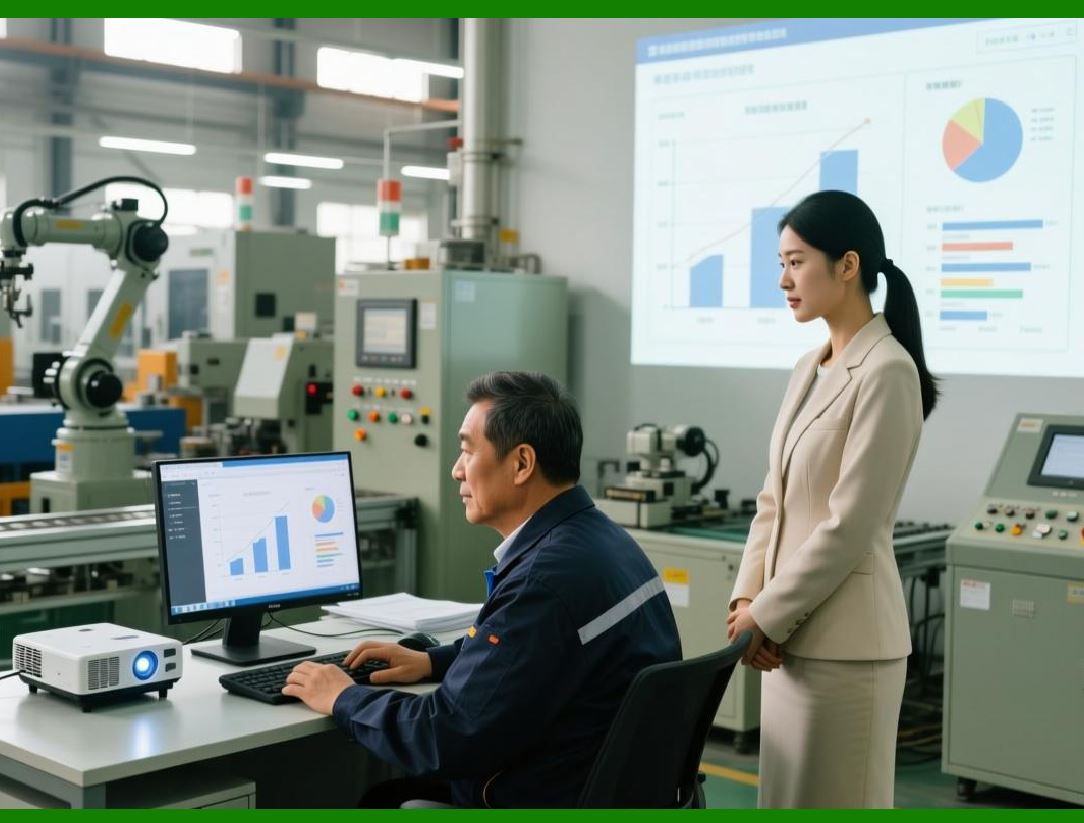
Fast fashion enterprises increasingly operate integrated omni-channel ecosystems. |
8.1.2 |
ERP systems synchronize: |
* Store inventory |
* E-commerce availability |
* Fulfillment coordination |
* Pricing updates |
8.1.3 |
Unified operations improve customer experience consistency. |
|
8.2 Social Commerce Integration |
8.2.1 |
Fast fashion brands rely heavily on social commerce and influencer marketing. |
8.2.2 |
ERP systems support integration with: |
* Social shopping platforms |
* Livestream commerce |
* Influencer-driven campaigns |
8.2.3 |
Real-time inventory synchronization is essential during viral product surges. |

|
9. Logistics and Distribution in Fast Fashion |
9.1 High-Speed Distribution Networks |
9.1.1 |
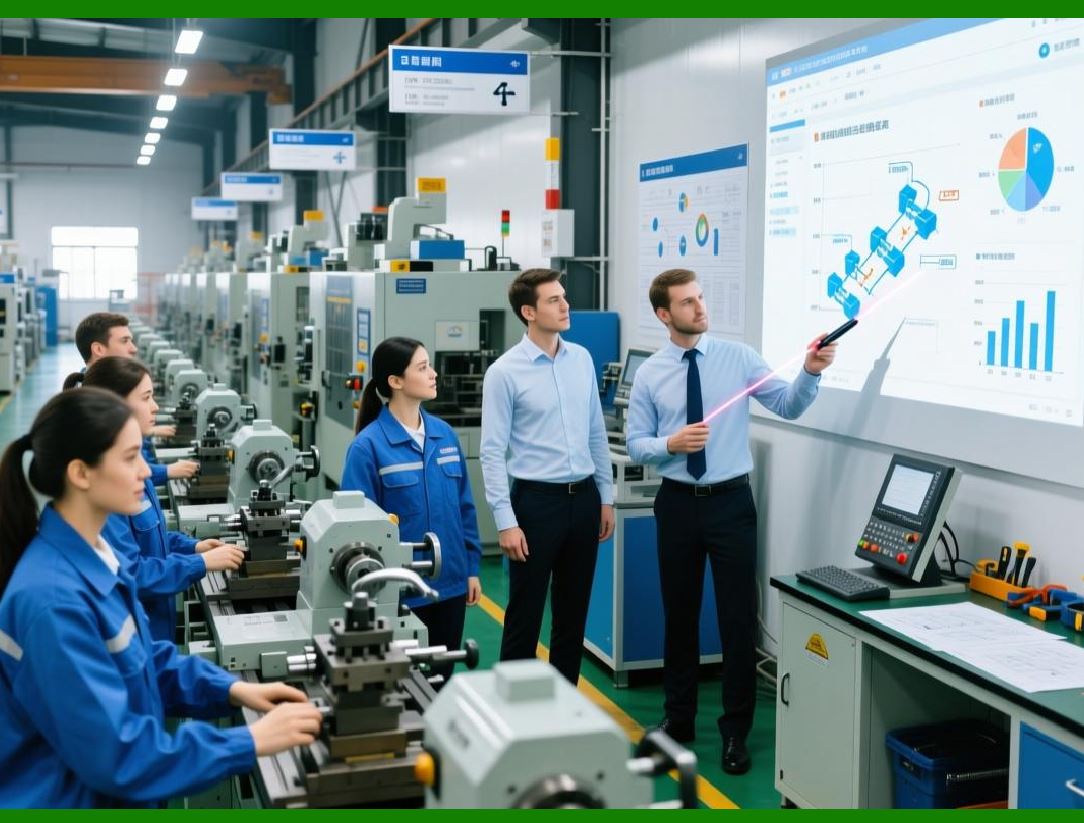
Fast fashion requires extremely efficient logistics systems. |
9.1.2 |
ERP systems coordinate: |
* Rapid warehouse fulfillment |
* Cross-docking operations |
* Global shipment tracking |
9.1.3 |
Distribution speed directly affects market responsiveness. |
|
9.2 Frequent Store Replenishment |
9.2.1 |
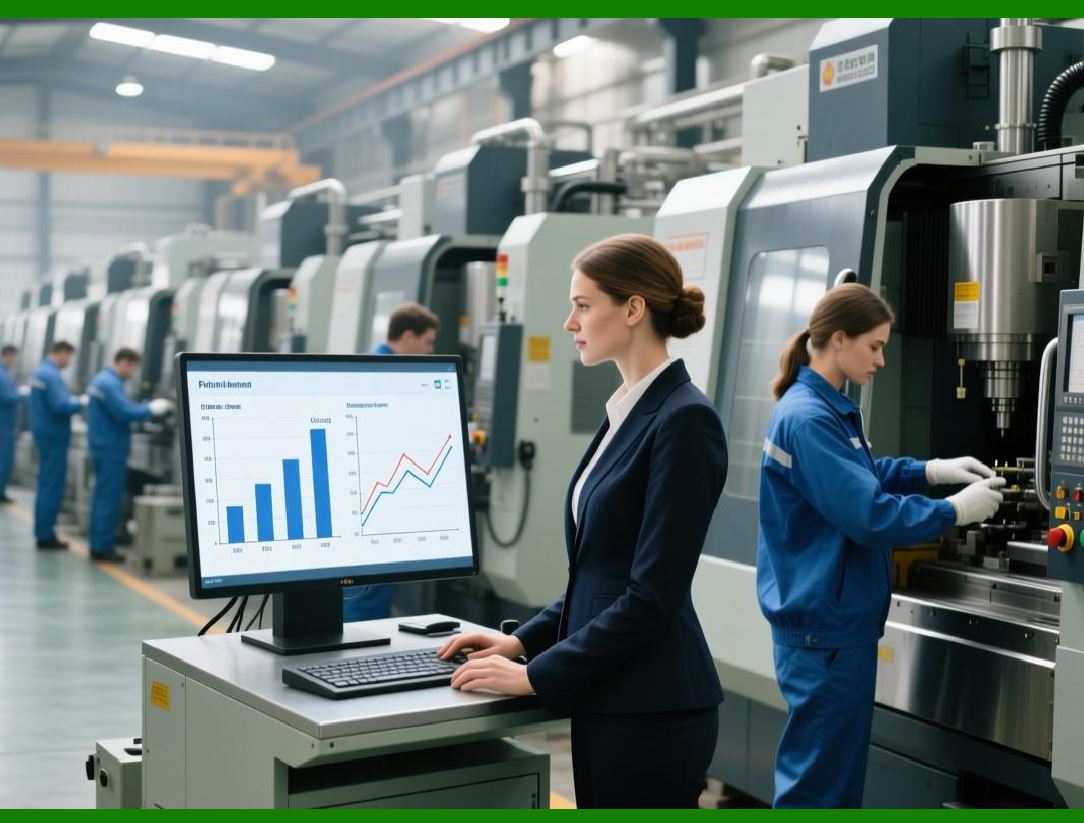
Fast fashion stores often receive new products several times per week. |
9.2.2 |
ERP systems optimize: |
* Shipment scheduling |
* Inventory balancing |
* Transportation coordination |
9.2.3 |
Frequent replenishment increases customer engagement and store traffic. |
|
10. Data-Driven Merchandising |
10.1 Real-Time Product Performance Analytics |
10.1.1 |
Fast fashion merchandising decisions are highly data-driven. |
10.1.2 |
ERP systems analyze: |
* Product sell-through |
* Regional preferences |
* Customer buying behavior |
* Seasonal trends |
10.1.3 |
Analytics improve assortment planning and product lifecycle management. |
|
10.2 Dynamic Pricing and Markdown Optimization |
10.2.1 |
Fast fashion enterprises frequently adjust pricing according to demand conditions. |
10.2.2 |
ERP systems support: |
* Dynamic pricing |
* Automated markdown planning |
* Promotion optimization |
10.2.3 |
Pricing flexibility improves inventory turnover and profitability. |
|
11. Supplier Collaboration in Fast Fashion |
11.1 Strategic Supplier Networks |
11.1.1 |
Fast fashion enterprises require highly responsive supplier ecosystems. |
11.1.2 |
ERP systems coordinate supplier collaboration involving: |
* Production scheduling |
* Material sourcing |
* Delivery tracking |
11.1.3 |
Strong supplier coordination improves operational agility. |
|
11.2 Nearshore and Regional Sourcing |
11.2.1 |
Some fast fashion companies increasingly use nearshore sourcing strategies to reduce lead times. |
11.2.2 |
ERP systems support multi-region sourcing coordination. |
11.2.3 |
Regional sourcing improves production responsiveness. |
|
12. Sustainability Challenges in Fast Fashion ERP |
12.1 Environmental Pressure on Fast Fashion |
12.1.1 |
Fast fashion faces increasing criticism regarding: |
* Waste generation |
* Overproduction |
* Environmental impact |
12.1.2 |
ERP systems increasingly track sustainability metrics involving: |
* Material utilization |
* Production waste |
* Carbon emissions |
12.1.3 |
Sustainability tracking supports more responsible operational strategies. |

|
12.2 Circular Fashion Integration |
12.2.1 |
Some fast fashion enterprises are exploring circular fashion initiatives involving: |
* Recycling programs |
* Resale platforms |
* Sustainable material sourcing |
12.2.2 |
ERP systems help manage circular supply chain workflows. |
|
13. AI and Automation in Fast Fashion ERP |
13.1 AI-Based Trend Prediction |
13.1.1 |
AI technologies increasingly support fast fashion trend forecasting. |
13.1.2 |
AI systems analyze: |
* Social media trends |
* Consumer search patterns |
* Retail sales data |
13.1.3 |
Predictive analytics improve demand responsiveness. |

|
13.2 Automated Demand Forecasting |
13.2.1 |
ERP systems increasingly use AI-driven demand forecasting models. |
13.2.2 |
Forecasting algorithms continuously adjust production and inventory plans. |
13.2.3 |
Improved forecasting reduces stockouts and excess inventory. |
|
14. Risks and Operational Challenges in Fast Fashion ERP |
14.1 Overproduction Risks |
14.1.1 |
Fast fashion enterprises face constant pressure to launch new products quickly. |
14.1.2 |
Forecasting errors may lead to: |
* Excess inventory |
* Heavy markdowns |
* Financial losses |
14.1.3 |
ERP analytics improve inventory risk management. |
|
14.2 Supply Chain Disruption Risks |
14.2.1 |
Fast fashion supply chains are highly sensitive to: |
* Transportation delays |
* Material shortages |
* Geopolitical instability |
* Labor disruptions |
14.2.2 |
ERP systems improve operational visibility and contingency planning. |
|
15. Future Development of Fast Fashion ERP Systems |
15.1 Intelligent Agile Supply Chains |
15.1.1 |
Future fast fashion ERP systems will increasingly support: |
* Real-time autonomous planning |
* AI-driven inventory balancing |
* Predictive logistics coordination |
15.1.2 |
Intelligent supply chains will improve operational agility and responsiveness. |
|
15.2 Hyper-Personalized Fast Fashion |
15.2.1 |
Future ERP systems may support hyper-personalized fashion production models involving: |
* Consumer-specific recommendations |
* Small-batch customization |
* AI-generated style forecasting |
15.2.2 |
These capabilities may reshape future fast fashion business models. |
|
Technical Content Summary of Part 18 |
This part explored ERP applications within fast fashion enterprises. It explained how fast fashion business models rely on extremely rapid product development cycles, agile supply chains, continuous assortment updates, and highly responsive operational coordination. |
The discussion covered trend-driven product development, agile procurement, ultra-fast production scheduling, small-batch manufacturing, real-time sales analytics, inventory optimization, omni-channel integration, rapid logistics coordination, data-driven merchandising, supplier collaboration, sustainability challenges, AI-based trend forecasting, automated demand planning, and intelligent agile supply chain development. |
These ERP capabilities are essential for enabling the speed, flexibility, scalability, and operational responsiveness required in modern fast fashion environments. |
|
URLs for reference: |
* [https://www.sap.com/](https://www.sap.com/) |
* [https://www.oracle.com/](https://www.oracle.com/) |
* [https://www.infor.com/](https://www.infor.com/) |
* [https://www.mckinsey.com/](https://www.mckinsey.com/) |
* [https://www.businessoffashion.com/](https://www.businessoffashion.com/) |
 cs@easiersoft.com