Part 19 |
ERP Applications in Children Wear Enterprises |
1. Introduction to Children Wear ERP Management |
1.1 Characteristics of the Children Wear Industry |
1.1.1 |
The children wear sector is one of the most specialized segments within the apparel industry. Although it shares many operational similarities with general apparel manufacturing and retail, children wear enterprises face unique challenges involving: |
* Rapid size progression |
* High safety requirements |
* Frequent purchasing cycles |
* Seasonal demand volatility |
* Strong parental purchasing influence |
1.1.2 |
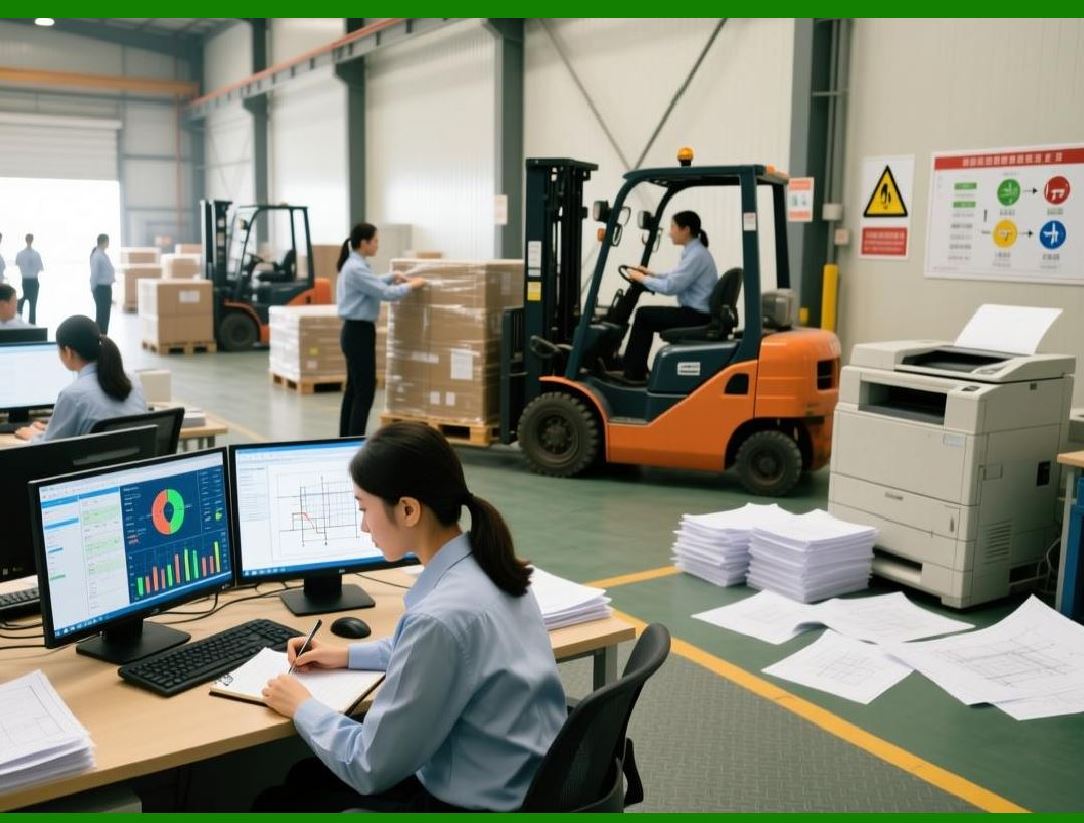
Children grow quickly, causing product lifecycles to be shorter than many adult apparel categories. |
|
1.1.3 |
Parents frequently purchase: |
* Replacement garments |
* Seasonal apparel |
* School clothing |
* Occasion wear |
* Infant products |
1.1.4 |
Children wear companies must therefore maintain highly responsive supply chains and accurate inventory management systems. |
|
1.1.5 |
ERP systems help children wear enterprises coordinate: |
* Product development |
* Safety compliance |
* Size management |
* Production scheduling |
* Retail operations |
* E-commerce fulfillment |
1.1.6 |
Without ERP integration, children wear businesses often struggle with: |
* Inventory imbalance |
* Size allocation problems |
* Safety compliance risks |
* Demand forecasting inaccuracies |
* Rapid product obsolescence |
|
2. Product Characteristics of Children Wear |
2.1 Rapid Size Evolution |
2.1.1 |
One of the most unique characteristics of children wear is rapid size evolution. |
2.1.2 |
Children grow continuously, requiring: |
* Frequent size updates |
* Accurate grading systems |
* Dynamic inventory planning |
2.1.3 |
ERP systems manage highly detailed size matrices for: |
* Infants |
* Toddlers |
* Preschool children |
* School-age children |
* Teenagers |
2.1.4 |
Accurate size management improves inventory efficiency and customer satisfaction. |
|
2.2 High SKU Complexity |
2.2.1 |
Children wear products generate extremely large SKU counts. |
2.2.2 |
SKU complexity results from combinations involving: |
* Age groups |
* Height ranges |
* Weight ranges |
* Gender categories |
* Seasonal variations |
2.2.3 |
ERP systems help enterprises maintain structured SKU management and inventory visibility. |
|
3. Product Development in Children Wear ERP |
3.1 Safety-Oriented Product Design |
3.1.1 |
Children apparel requires strict safety-focused product development. |
3.1.2 |
Design considerations may involve: |
* Small-part safety |
* Fabric safety |
* Drawstring restrictions |
* Flammability standards |
3.1.3 |
ERP-integrated PLM systems track compliance requirements during product development. |
|
3.2 Comfort and Durability Considerations |
3.2.1 |
Children garments must balance: |
* Comfort |
* Durability |
* Wash resistance |
* Skin sensitivity requirements |
3.2.2 |
ERP systems help coordinate material specifications and testing requirements. |
3.2.3 |
Centralized quality standards improve product consistency. |
|
4. Material Procurement in Children Wear |
4.1 Child-Safe Material Sourcing |
4.1.1 |
Children wear enterprises must carefully control material sourcing. |
4.1.2 |
ERP systems track: |
* Fabric certifications |
* Chemical compliance |
* Organic material standards |
* Supplier testing records |
4.1.3 |
Material traceability is especially important for infant and toddler products. |
|
4.2 Seasonal Procurement Planning |
4.2.1 |
Children apparel demand often changes rapidly according to: |
* School seasons |
* Weather conditions |
* Holiday periods |
4.2.2 |
ERP systems support seasonal procurement forecasting and inventory balancing. |
|
5. Production Scheduling for Children Wear |
5.1 Multi-Size Production Complexity |
5.1.1 |
Children wear production involves highly complex size grading structures. |
5.1.2 |
ERP systems coordinate: |
* Multi-size cutting plans |
* Fabric allocation |
* Production scheduling |
5.1.3 |
Efficient size coordination improves production efficiency and reduces material waste. |

|
5.2 Frequent Collection Updates |
5.2.1 |
Children wear brands often introduce frequent seasonal collections. |
5.2.2 |
ERP systems support agile production planning and rapid style transitions. |
5.2.3 |
Flexible scheduling improves responsiveness to changing consumer demand. |
|
6. Inventory Management Challenges in Children Wear |
6.1 Size Imbalance Risks |
6.1.1 |
Children wear inventory management is highly sensitive to size imbalance problems. |
6.1.2 |
Some sizes may sell out rapidly while others remain unsold. |
6.1.3 |
ERP systems analyze size-level sales performance to improve allocation accuracy. |

|
6.2 Rapid Inventory Obsolescence |
6.2.1 |
Children fashion trends and size needs change rapidly. |
6.2.2 |
Unsold inventory may quickly lose value due to: |
* Seasonal expiration |
* Character licensing changes |
* Growth-related demand shifts |
6.2.3 |
ERP systems optimize replenishment and markdown strategies. |
|
7. Safety Compliance Management |
7.1 Regulatory Compliance Requirements |
7.1.1 |
Children apparel faces strict regulatory oversight in many countries. |
7.1.2 |
Compliance requirements may involve: |
* Flammability testing |
* Chemical restrictions |
* Choking hazard prevention |
* Labeling regulations |
7.1.3 |
ERP systems maintain centralized compliance documentation and testing records. |
|
7.2 Product Traceability |
7.2.1 |
Children product safety incidents may require rapid product tracing. |
7.2.2 |
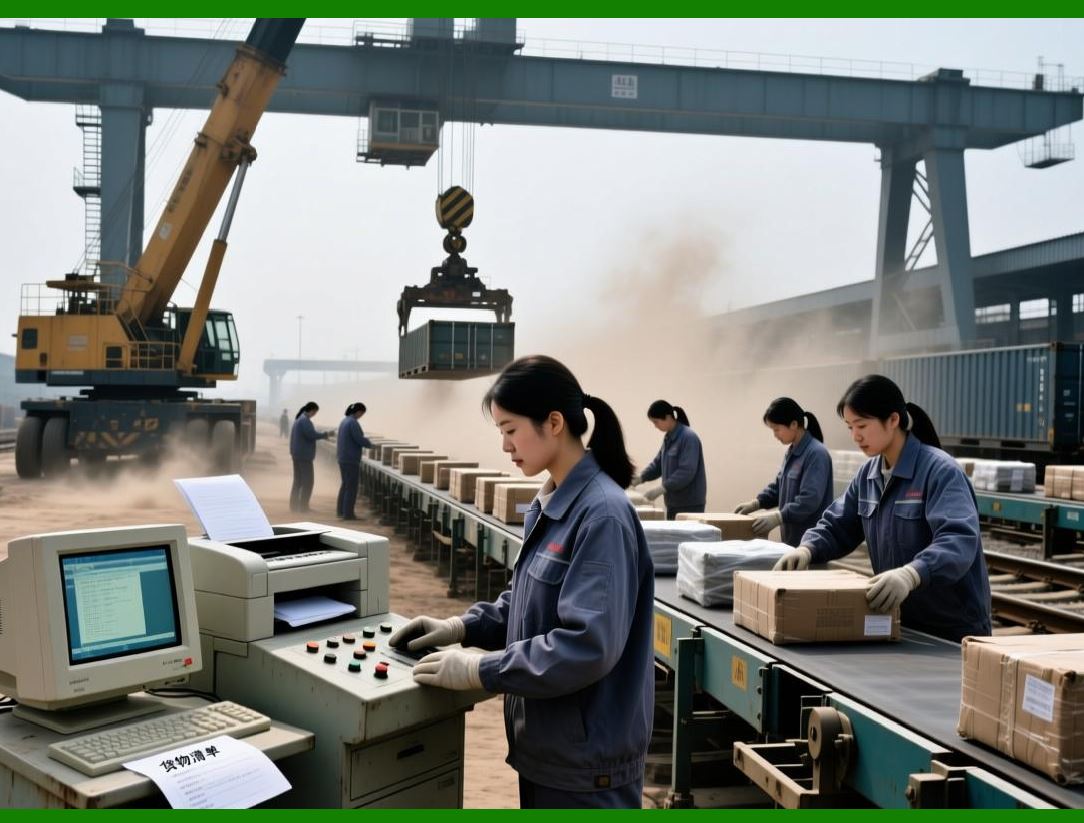
ERP systems provide traceability involving: |
* Material batches |
* Supplier records |
* Production lots |
* Shipment history |
7.2.3 |
Traceability improves recall management capabilities. |
|
8. Retail Operations in Children Wear ERP |
8.1 Seasonal Retail Demand Patterns |
8.1.1 |
Children wear retail demand is highly seasonal. |
8.1.2 |
Major demand peaks may occur during: |
* Back-to-school seasons |
* Holidays |
* Weather transitions |
8.1.3 |
ERP systems support seasonal inventory planning and replenishment coordination. |
|
8.2 Parent-Centered Consumer Behavior Analysis |
8.2.1 |
Children wear purchasing decisions are usually made by parents. |
8.2.2 |
ERP systems analyze: |
* Parent shopping behavior |
* Brand loyalty patterns |
* Price sensitivity |
* Product preference trends |
8.2.3 |
Consumer analytics improve merchandising and marketing strategies. |

|
9. E-Commerce in Children Wear |
9.1 Online Size Recommendation Challenges |
9.1.1 |
Sizing accuracy is especially important in online children wear sales. |
9.1.2 |
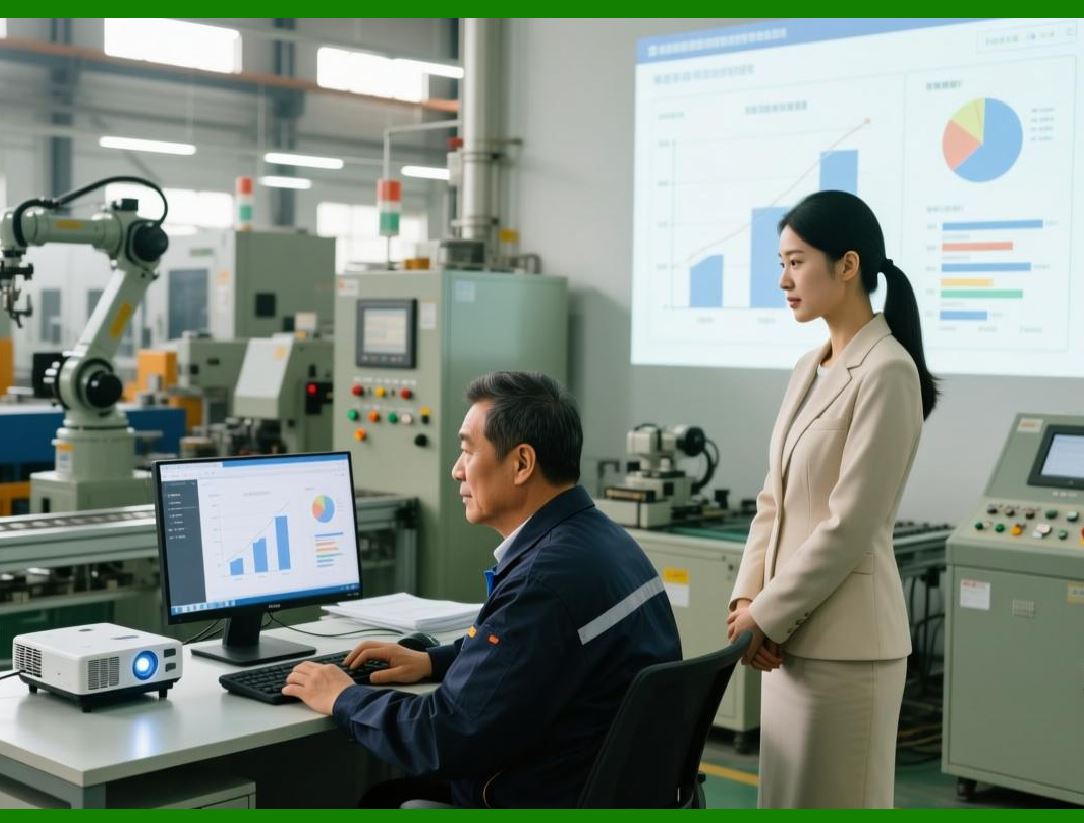
ERP systems may integrate: |
* Size recommendation tools |
* Age-to-size conversion systems |
* Measurement guidance features |
9.1.3 |
Improved sizing accuracy reduces return rates. |
|
9.2 Personalized Product Recommendations |
9.2.1 |
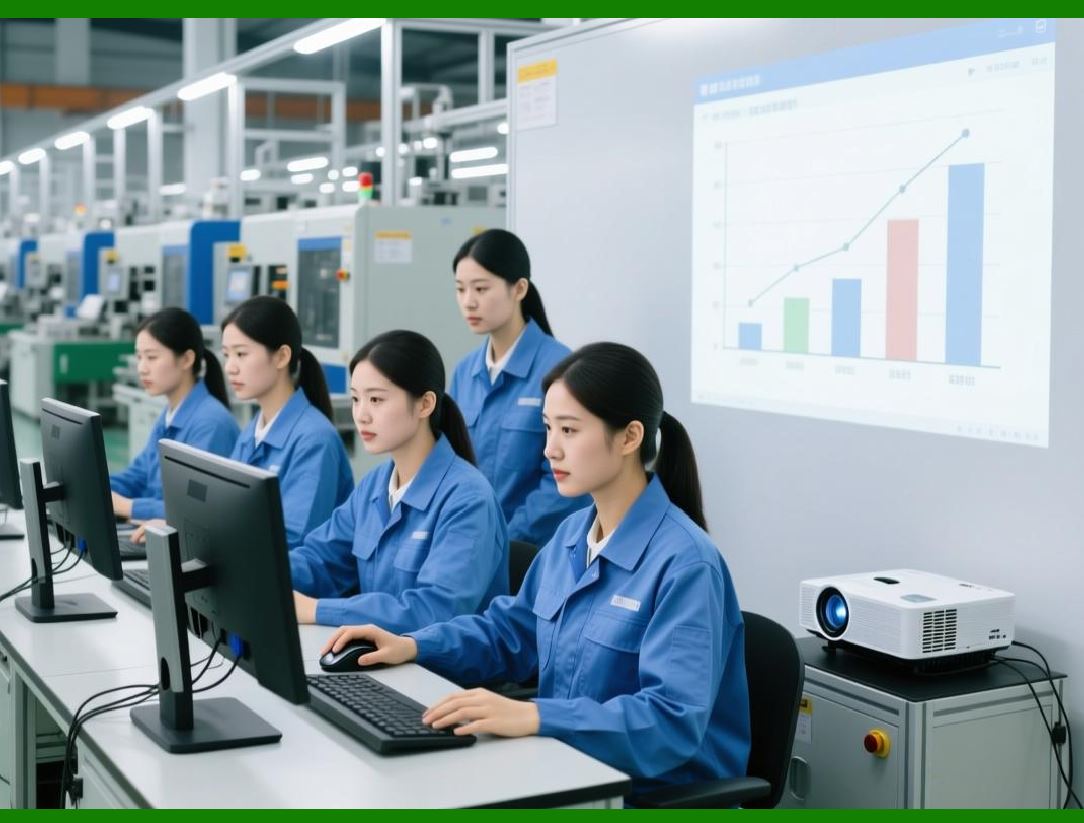
ERP-integrated analytics may recommend products according to: |
* Child age groups |
* Purchase history |
* Seasonal needs |
* Growth progression |
9.2.2 |
Personalized shopping experiences improve customer engagement. |
|
10. Licensing and Brand Collaboration Management |
10.1 Character Licensing Complexity |
10.1.1 |
Many children wear products involve licensed characters and entertainment brands. |
10.1.2 |
ERP systems track: |
* Licensing agreements |
* Royalty calculations |
* Approved artwork usage |
* Contract expiration dates |
10.1.3 |
Accurate licensing management reduces legal and operational risks. |
|
10.2 Promotional Coordination |
10.2.1 |
Licensed products often require coordinated promotional activities. |
10.2.2 |
ERP systems synchronize: |
* Marketing campaigns |
* Product launches |
* Inventory preparation |
10.2.3 |
Integrated coordination improves promotional execution. |
|
11. Logistics and Distribution in Children Wear |
11.1 Multi-Channel Distribution |
11.1.1 |
Children wear products are distributed through: |
* Department stores |
* Specialty retailers |
* E-commerce platforms |
* Brand-owned stores |
11.1.2 |
ERP systems coordinate multi-channel inventory allocation and fulfillment. |

|
11.2 Packaging and Product Protection |
11.2.1 |
Children apparel packaging often requires additional considerations involving: |
* Product safety |
* Hygiene |
* Gift presentation |
11.2.2 |
ERP systems coordinate packaging specifications and logistics requirements. |
|
12. Sustainability in Children Wear ERP |
12.1 Eco-Friendly Material Management |
12.1.1 |
Parents increasingly prefer environmentally friendly children products. |
12.1.2 |
ERP systems track: |
* Organic cotton sourcing |
* Sustainable fabrics |
* Environmental certifications |
12.1.3 |
Sustainability tracking improves brand trust and compliance visibility. |
|
12.2 Circular Economy Initiatives |
12.2.1 |
Children quickly outgrow garments, creating opportunities for: |
* Recycling programs |
* Resale platforms |
* Donation initiatives |
12.2.2 |
ERP systems may support circular apparel business models. |
|
13. AI Applications in Children Wear ERP |
13.1 AI-Based Demand Forecasting |
13.1.1 |
AI technologies improve forecasting accuracy for children apparel demand. |
13.1.2 |
AI models analyze: |
* Seasonal purchasing trends |
* Regional demographics |
* Consumer behavior changes |
13.1.3 |
Improved forecasting reduces inventory imbalance risks. |
|
13.2 Growth Prediction Analytics |
13.2.1 |
Future ERP systems may analyze child growth patterns to improve: |
* Size planning |
* Personalized recommendations |
* Replenishment timing |
13.2.2 |
Predictive analytics may improve customer retention and inventory efficiency. |
|
14. Operational Challenges in Children Wear ERP |
14.1 Managing Rapid Demand Changes |
14.1.1 |
Children wear demand may shift rapidly according to: |
* Growth cycles |
* Seasonal trends |
* School requirements |
14.1.2 |
ERP systems improve operational agility and replenishment responsiveness. |
|
14.2 Maintaining Safety Compliance Across Global Markets |
14.2.1 |
Different countries impose different safety regulations for children products. |
14.2.2 |
ERP systems centralize compliance management across international operations. |
14.2.3 |
Global compliance coordination reduces legal and reputational risks. |
|
15. Future Development of Children Wear ERP Systems |
15.1 Smart Personalized Retail Ecosystems |
15.1.1 |
Future children wear ERP systems may support: |
* Personalized size recommendations |
* AI-driven growth prediction |
* Smart wardrobe management |
15.1.2 |
Personalized retail ecosystems may improve customer loyalty and shopping convenience. |
|
15.2 Intelligent Safety Monitoring |
15.2.1 |
Future ERP systems may integrate advanced compliance technologies involving: |
* Automated certification tracking |
* AI-driven safety analysis |
* Real-time supplier compliance monitoring |
15.2.2 |
Intelligent safety management will become increasingly important in global children apparel operations. |
|
Technical Content Summary of Part 19 |
This part explored ERP applications within children wear enterprises. It explained the unique operational characteristics of the children apparel sector involving rapid size evolution, high safety requirements, seasonal demand fluctuations, and parent-centered purchasing behavior. |
The discussion covered size management complexity, safety-oriented product development, child-safe material sourcing, production scheduling, inventory balancing, regulatory compliance management, retail demand analysis, e-commerce size recommendation systems, licensing coordination, logistics management, sustainability initiatives, AI-driven forecasting, and intelligent safety monitoring technologies. |
These ERP capabilities are essential for improving operational efficiency, inventory accuracy, product safety compliance, customer satisfaction, and supply chain responsiveness within the children wear industry. |
|
URLs for reference: |
* [https://www.sap.com/](https://www.sap.com/) |
* [https://www.oracle.com/](https://www.oracle.com/) |
* [https://www.cpsc.gov/](https://www.cpsc.gov/) |
* [https://www.aap.org/](https://www.aap.org/) |
* [https://www.infor.com/](https://www.infor.com/) |
 cs@easiersoft.com