Part 24 |
Production Planning and Scheduling in Apparel ERP Systems |
1. Introduction to Apparel Production Planning |
1.1 Importance of Production Planning in Apparel Manufacturing |
1.1.1 |
Production planning and scheduling are among the most important operational functions within apparel manufacturing enterprises. The apparel industry operates under conditions involving: |
* Rapid market changes |
* Seasonal demand fluctuations |
* High SKU complexity |
* Short product lifecycles |
* Tight delivery deadlines |

|
1.1.2 |
Production planning directly affects: |
* Manufacturing efficiency |
* Delivery reliability |
* Inventory levels |
* Labor utilization |
* Customer satisfaction |
* Enterprise profitability |
1.1.3 |
ERP systems coordinate production planning activities across: |
* Sales forecasting |
* Material procurement |
* Capacity allocation |
* Shop floor scheduling |
* Outsourcing coordination |
* Logistics execution |
|
1.1.4 |
Without ERP-based planning systems, apparel manufacturers often encounter: |
* Production bottlenecks |
* Material shortages |
* Delivery delays |
* Excess inventory |
* Capacity imbalance |
1.1.5 |
Modern apparel ERP systems therefore function as intelligent production coordination platforms. |
|
2. Characteristics of Apparel Production Environments |
2.1 High Style and SKU Complexity |
2.1.1 |
Apparel manufacturing involves extremely large SKU variations. |
2.1.2 |
Each product may contain multiple combinations involving: |
* Sizes |
* Colors |
* Fits |
* Fabrics |
* Seasonal variations |
2.1.3 |
Production planning systems must coordinate thousands or millions of SKU combinations simultaneously. |
2.1.4 |
ERP systems provide structured production data management and scheduling visibility. |

|
2.2 Short Production Cycles |
2.2.1 |
Many apparel enterprises operate under short production cycles. |
2.2.2 |
Fast fashion and trend-sensitive brands require rapid: |
* Design-to-production transitions |
* Manufacturing adjustments |
* Delivery execution |
2.2.3 |
ERP systems improve production responsiveness and workflow synchronization. |
|
3. Demand Forecasting and Production Planning |
3.1 Sales Forecast Integration |
3.1.1 |
Production planning begins with demand forecasting. |
3.1.2 |
ERP systems integrate: |
* Historical sales data |
* Seasonal trends |
* Retail demand analysis |
* Promotional forecasts |
3.1.3 |
Integrated forecasting improves production accuracy and inventory control. |
|
3.2 Forecast-Driven Production Allocation |
3.2.1 |
ERP systems convert demand forecasts into production plans. |
3.2.2 |
Planning calculations may involve: |
* Production quantities |
* Material requirements |
* Capacity allocation |
* Delivery schedules |
3.2.3 |
Forecast-driven planning improves operational coordination. |
|
4. Master Production Scheduling (MPS) |
4.1 Role of the Master Production Schedule |
4.1.1 |
The master production schedule coordinates manufacturing activities across the enterprise. |
4.1.2 |
MPS planning defines: |
* Production timing |
* Factory workloads |
* Material readiness |
* Delivery commitments |
4.1.3 |
ERP systems maintain centralized scheduling visibility across all production operations. |
|
4.2 Dynamic Schedule Adjustment |
4.2.1 |
Apparel production environments frequently require schedule modifications due to: |
* Order changes |
* Material shortages |
* Capacity disruptions |
* Demand fluctuations |
4.2.2 |
ERP systems support real-time schedule adjustment and rescheduling. |
4.2.3 |
Dynamic scheduling improves operational agility. |
|
5. Material Requirements Planning (MRP) |
5.1 Material Planning Coordination |
5.1.1 |
MRP is one of the most important ERP functions in apparel manufacturing. |
5.1.2 |
MRP systems calculate: |
* Fabric requirements |
* Trim requirements |
* Packaging materials |
* Accessory consumption |
5.1.3 |
Material planning ensures production continuity. |

|
5.2 Multi-Level BOM Explosion |
5.2.1 |
Apparel ERP systems use BOM structures to calculate material demand. |
5.2.2 |
MRP calculations analyze: |
* Style BOMs |
* Size consumption ratios |
* Color-specific requirements |
5.2.3 |
Accurate BOM management improves procurement and production planning accuracy. |

|
6. Capacity Planning in Apparel Manufacturing |
6.1 Production Line Capacity Analysis |
6.1.1 |
Capacity planning ensures factories can meet production demand. |
6.1.2 |
ERP systems analyze: |
* Sewing line capacity |
* Cutting capacity |
* Finishing operations |
* Labor availability |
6.1.3 |
Capacity visibility improves production balancing. |

|
6.2 Bottleneck Identification |
6.2.1 |
Production bottlenecks may occur in: |
* Cutting rooms |
* Sewing operations |
* Washing facilities |
* Quality inspection areas |
6.2.2 |
ERP systems identify bottlenecks and support workload redistribution. |
6.2.3 |
Bottleneck management improves production flow efficiency. |

|
7. Shop Floor Scheduling |
7.1 Detailed Work Order Scheduling |
7.1.1 |
ERP systems generate detailed production work orders involving: |
* Style specifications |
* Quantity requirements |
* Production deadlines |
* Routing instructions |
7.1.2 |
Work order scheduling coordinates shop floor activities efficiently. |

|
7.2 Operation Sequencing |
7.2.1 |
Apparel production involves sequential manufacturing stages such as: |
* Fabric spreading |
* Cutting |
* Sewing |
* Finishing |
* Packing |
7.2.2 |
ERP systems coordinate operation sequencing and workflow synchronization. |
7.2.3 |
Sequencing optimization improves production throughput. |
|
8. Cutting Room Planning |
8.1 Fabric Utilization Optimization |
8.1.1 |
Fabric costs represent a major component of apparel manufacturing expenses. |
8.1.2 |
ERP-integrated CAD systems optimize: |
* Marker planning |
* Fabric spreading |
* Cutting efficiency |
8.1.3 |
Fabric optimization reduces material waste. |

|
8.2 Cutting Schedule Coordination |
8.2.1 |
Cutting room operations must synchronize with sewing schedules. |
8.2.2 |
ERP systems coordinate: |
* Fabric availability |
* Cutting priorities |
* Bundle preparation |
8.2.3 |
Cutting coordination improves production continuity. |

|
9. Sewing Line Balancing |
9.1 Production Line Efficiency Management |
9.1.1 |
Sewing operations are highly labor-intensive. |
9.1.2 |
ERP systems analyze: |
* Operation times |
* Labor efficiency |
* Line balancing performance |
9.1.3 |
Balanced production lines improve productivity and throughput. |

|
9.2 Workforce Allocation Optimization |
9.2.1 |
ERP systems support labor allocation involving: |
* Skill matching |
* Workstation assignments |
* Overtime planning |
9.2.2 |
Labor optimization improves manufacturing efficiency. |

|
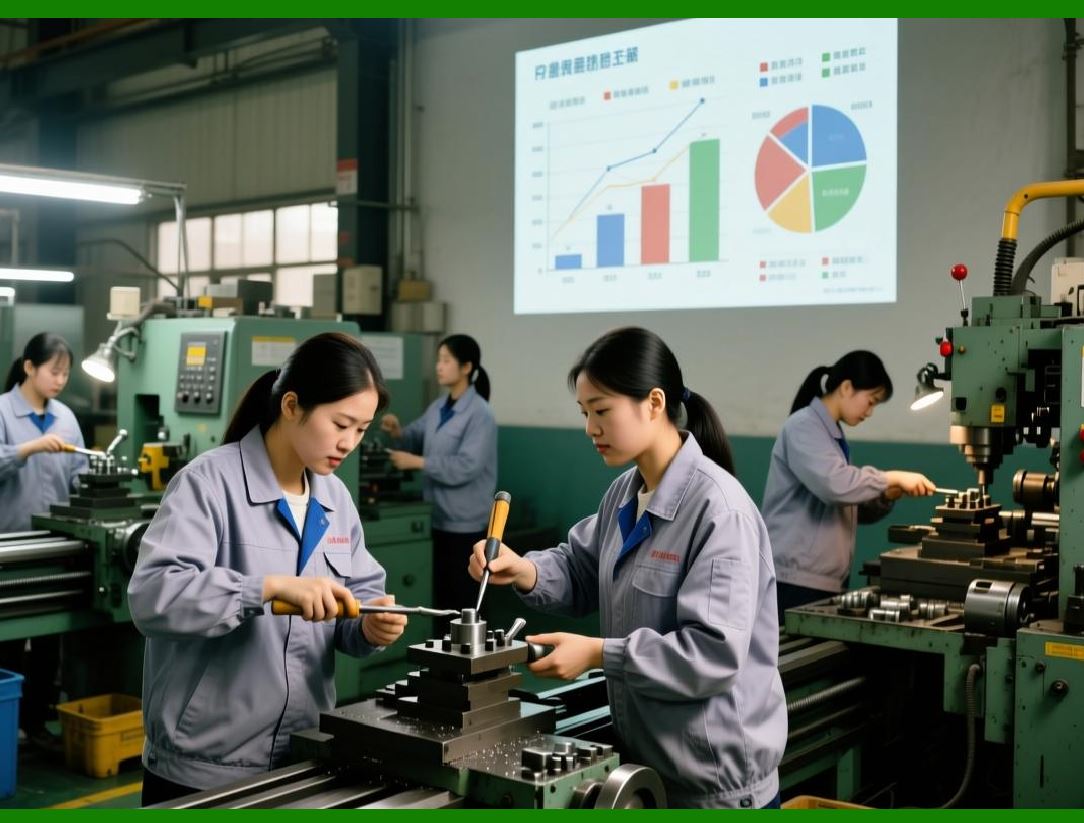
10. Outsourcing and Subcontracting Coordination |
10.1 External Production Management |
10.1.1 |
Many apparel enterprises outsource portions of production operations. |
10.1.2 |
ERP systems coordinate: |
* Subcontractor scheduling |
* Material issuance |
* Production tracking |
* Delivery monitoring |
10.1.3 |
Outsourcing visibility improves supply chain coordination. |
|
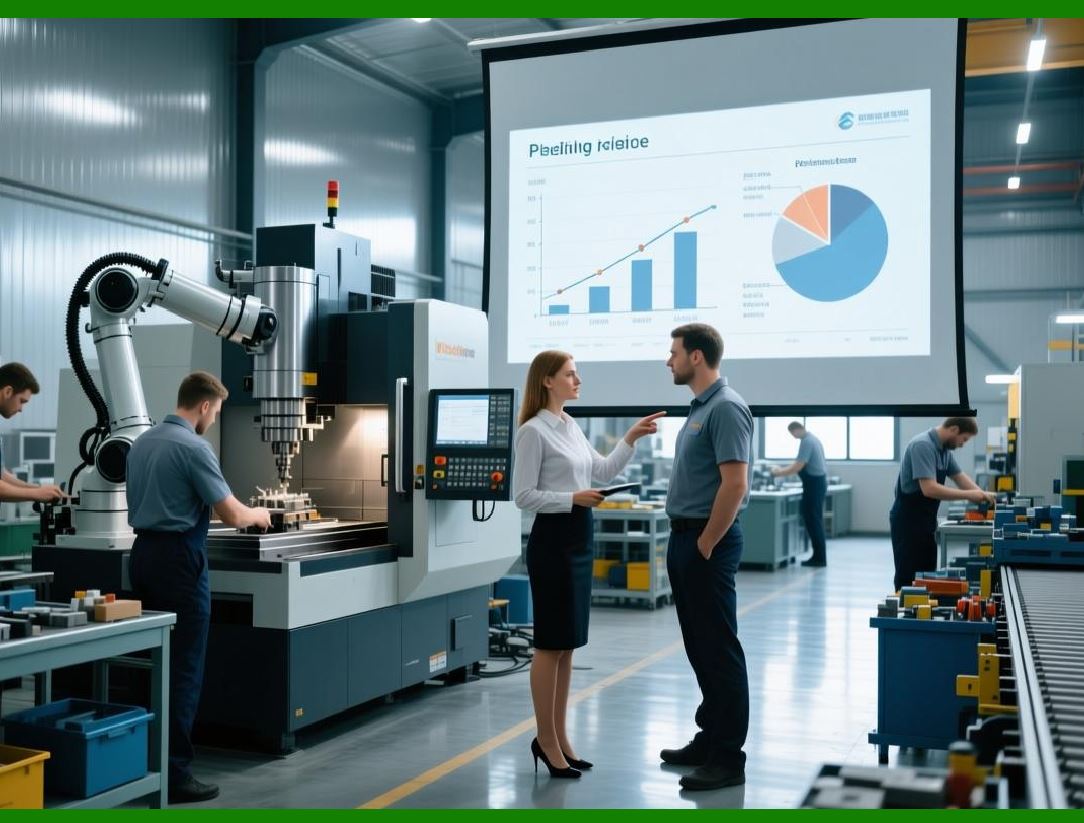
10.2 Vendor Capacity Monitoring |
10.2.1 |
ERP systems monitor: |
* Supplier capacity |
* Delivery reliability |
* Production quality |
10.2.2 |
Vendor performance visibility improves sourcing decisions. |
|
11. Production Monitoring and Real-Time Visibility |
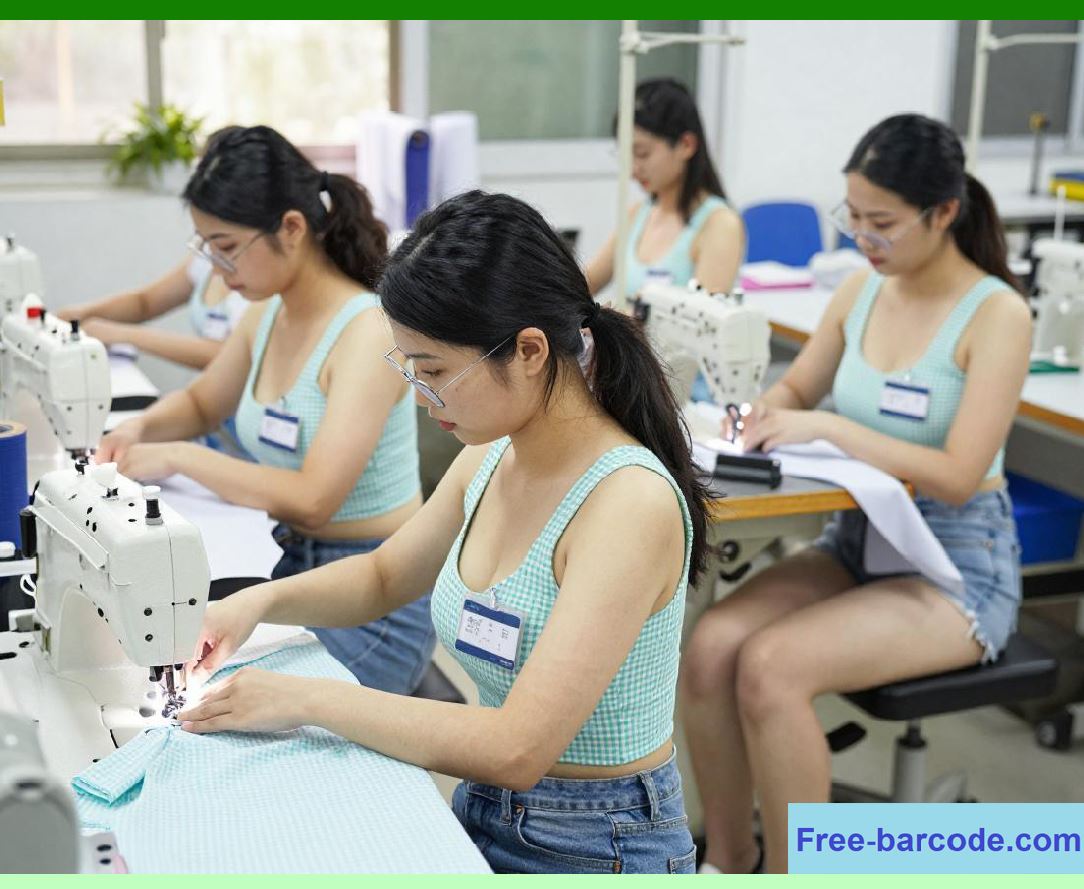
11.1 Shop Floor Data Collection |
11.1.1 |
Modern apparel ERP systems increasingly support real-time production tracking. |
11.1.2 |
Data collection may involve: |
* Barcode scanning |
* RFID tracking |
* IoT sensors |
* Mobile production terminals |
11.1.3 |
Real-time visibility improves operational control. |
|
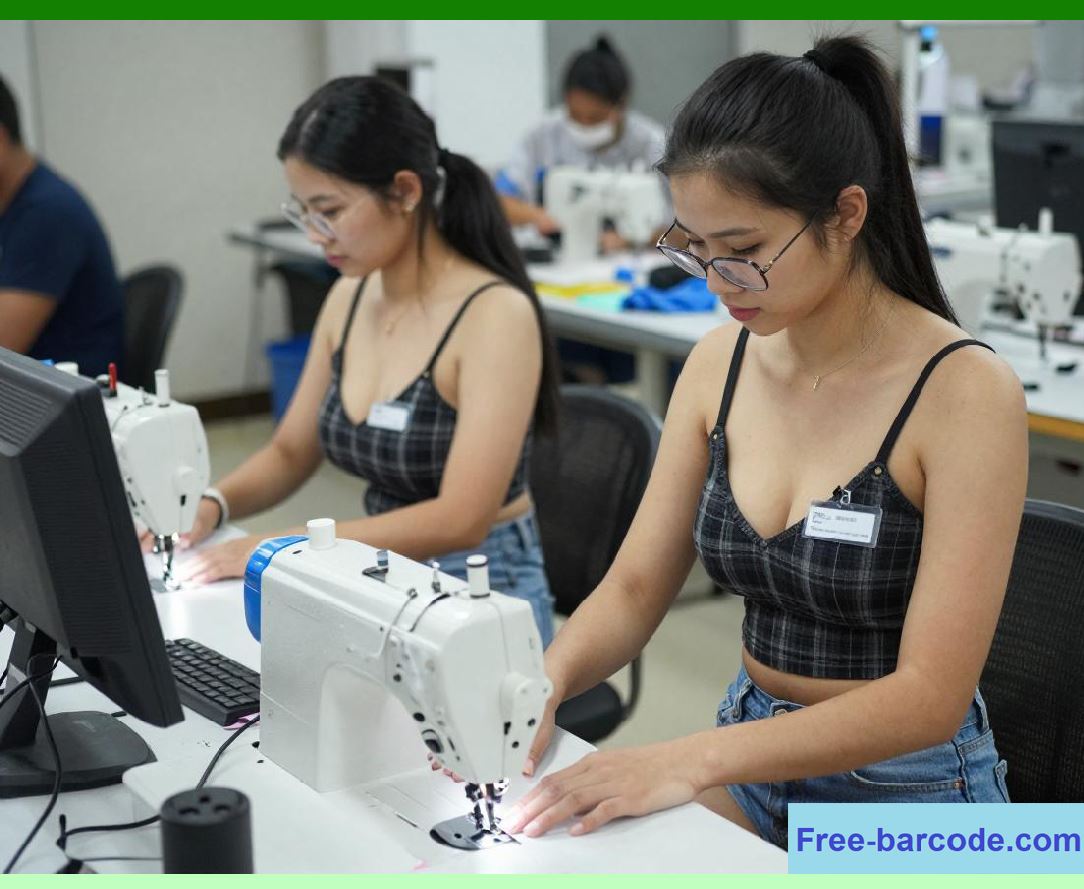
11.2 Production Progress Monitoring |
11.2.1 |
ERP systems track: |
* Work-in-progress inventory |
* Production completion rates |
* Delay risks |
* Efficiency metrics |
11.2.2 |
Production monitoring improves schedule reliability. |
|
12. Quality Coordination within Production Scheduling |
12.1 Inline Quality Control Integration |
12.1.1 |
Quality management must integrate closely with production scheduling. |
12.1.2 |
ERP systems coordinate: |
* Inline inspections |
* Defect tracking |
* Rework scheduling |
12.1.3 |
Integrated quality control reduces production disruptions. |
|
12.2 Corrective Production Adjustments |
12.2.1 |
Quality issues may require: |
* Rework operations |
* Schedule changes |
* Capacity adjustments |
12.2.2 |
ERP systems support corrective scheduling coordination. |
|
13. Fast Fashion Production Scheduling |
13.1 Ultra-Fast Production Cycles |
13.1.1 |
Fast fashion enterprises require extremely rapid production scheduling capabilities. |
13.1.2 |
ERP systems support: |
* Small-batch scheduling |
* Rapid replenishment production |
* Agile manufacturing adjustments |
13.1.3 |
Fast scheduling improves market responsiveness. |
|
13.2 Dynamic Replenishment Planning |
13.2.1 |
ERP systems analyze real-time sales data to trigger replenishment production. |
13.2.2 |
Dynamic planning improves inventory turnover and reduces excess stock risks. |
|
14. AI and Intelligent Scheduling Technologies |
14.1 AI-Based Production Optimization |
14.1.1 |
AI technologies increasingly support apparel production planning. |
14.1.2 |
AI systems may optimize: |
* Capacity allocation |
* Scheduling sequences |
* Labor utilization |
* Production priorities |
14.1.3 |
AI-driven optimization improves manufacturing efficiency. |
|
14.2 Predictive Production Risk Analysis |
14.2.1 |
ERP systems increasingly use predictive analytics to identify: |
* Delay risks |
* Material shortages |
* Capacity conflicts |
* Supplier disruptions |
14.2.2 |
Predictive intelligence improves operational resilience. |
|
15. Future Development of Apparel Production ERP Systems |
15.1 Intelligent Autonomous Production Planning |
15.1.1 |
Future ERP systems may automatically coordinate: |
* Real-time scheduling |
* Capacity balancing |
* Material allocation |
* Logistics synchronization |
15.1.2 |
Autonomous planning systems will improve operational responsiveness. |
|
15.2 Smart Factory Integration |
15.2.1 |
Future apparel factories may integrate: |
* IoT-enabled production equipment |
* Automated cutting systems |
* Robotic sewing technologies |
* Real-time AI monitoring |
15.2.2 |
ERP systems will function as central coordination platforms for intelligent apparel manufacturing ecosystems. |
|
Technical Content Summary of Part 24 |
This part explored production planning and scheduling within apparel ERP systems. It explained the operational complexity of apparel manufacturing environments involving high SKU complexity, short production cycles, dynamic demand fluctuations, and multi-stage manufacturing workflows. |
The discussion covered demand forecasting, master production scheduling, material requirements planning, capacity analysis, bottleneck management, shop floor scheduling, cutting room coordination, sewing line balancing, subcontractor management, real-time production monitoring, integrated quality coordination, fast fashion scheduling, AI-based optimization, and future smart factory integration. |
These ERP capabilities are essential for improving manufacturing efficiency, production visibility, schedule reliability, capacity utilization, inventory control, and supply chain responsiveness within apparel enterprises. |
|
URLs for reference: |
* [https://www.sap.com/](https://www.sap.com/) |
* [https://www.oracle.com/](https://www.oracle.com/) |
* [https://www.lectra.com/](https://www.lectra.com/) |
* [https://www.gerbertechnology.com/](https://www.gerbertechnology.com/) |
* [https://www.infor.com/](https://www.infor.com/) |
 cs@easiersoft.com