Part 25 |
Quality Management and Compliance Control in Apparel ERP Systems |
1. Introduction to Quality Management in the Apparel Industry |
1.1 Importance of Quality Control in Apparel Enterprises |
1.1.1 |
Quality management is one of the most important operational functions within the apparel industry. Product quality directly affects: |
* Brand reputation |
* Customer satisfaction |
* Return rates |
* Regulatory compliance |
* Enterprise profitability |

|
1.1.2 |
Apparel quality management is highly complex because garment quality depends on multiple interconnected factors involving: |
* Fabric quality |
* Sewing precision |
* Fit consistency |
* Dye stability |
* Finishing standards |
* Packaging quality |
1.1.3 |
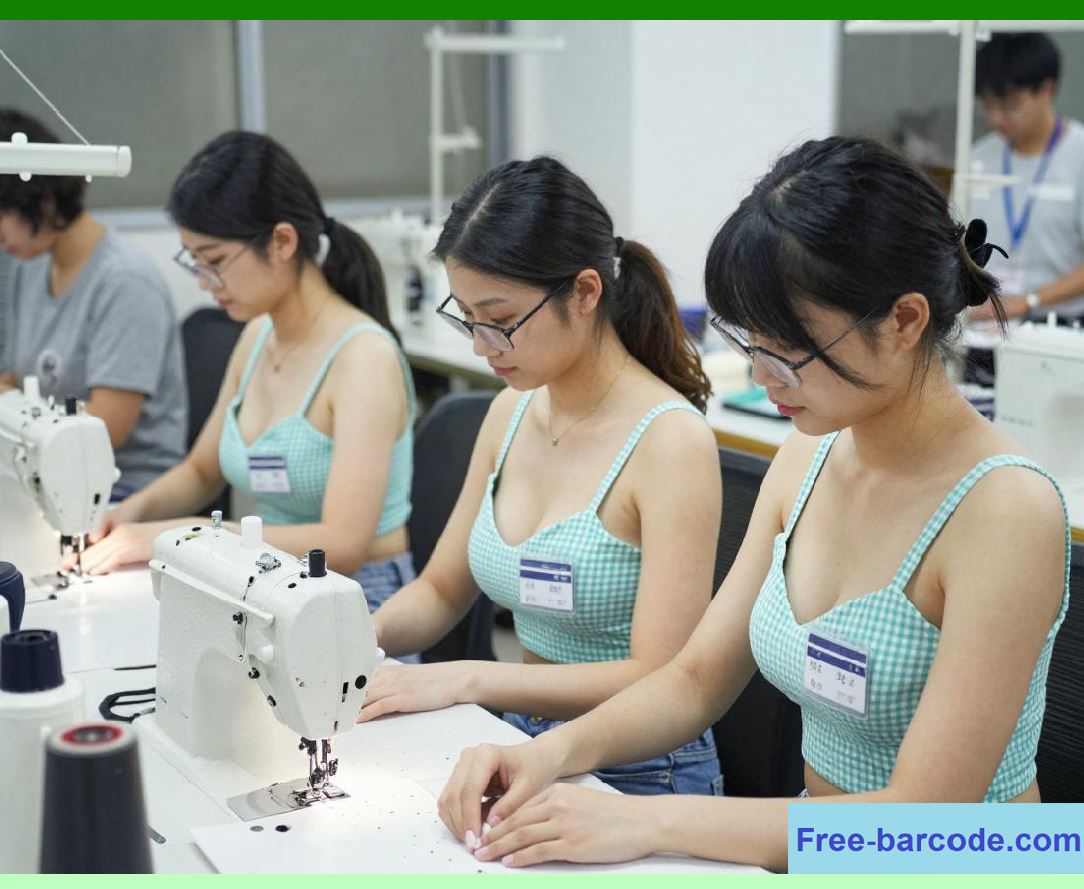
ERP systems integrate quality management throughout the entire apparel supply chain, including: |
* Supplier quality control |
* Incoming material inspection |
* Production quality monitoring |
* Final product inspection |
* Retail quality feedback |
* Customer complaint management |
|
1.1.4 |
Without ERP-based quality coordination, apparel enterprises frequently encounter: |
* High defect rates |
* Inconsistent product quality |
* Customer complaints |
* Regulatory violations |
* Increased operational costs |
1.1.5 |
Modern ERP systems therefore function as centralized quality governance platforms. |

|
2. Characteristics of Apparel Quality Management |
2.1 Multi-Stage Quality Control Complexity |
2.1.1 |
Apparel manufacturing involves numerous production stages where quality issues may occur. |
2.1.2 |
Quality risks may emerge during: |
* Fabric production |
* Dyeing operations |
* Cutting processes |
* Sewing operations |
* Finishing procedures |
* Packaging activities |
2.1.3 |
ERP systems coordinate quality monitoring throughout the full production lifecycle. |

|
2.2 High Customer Sensitivity to Product Quality |
2.2.1 |
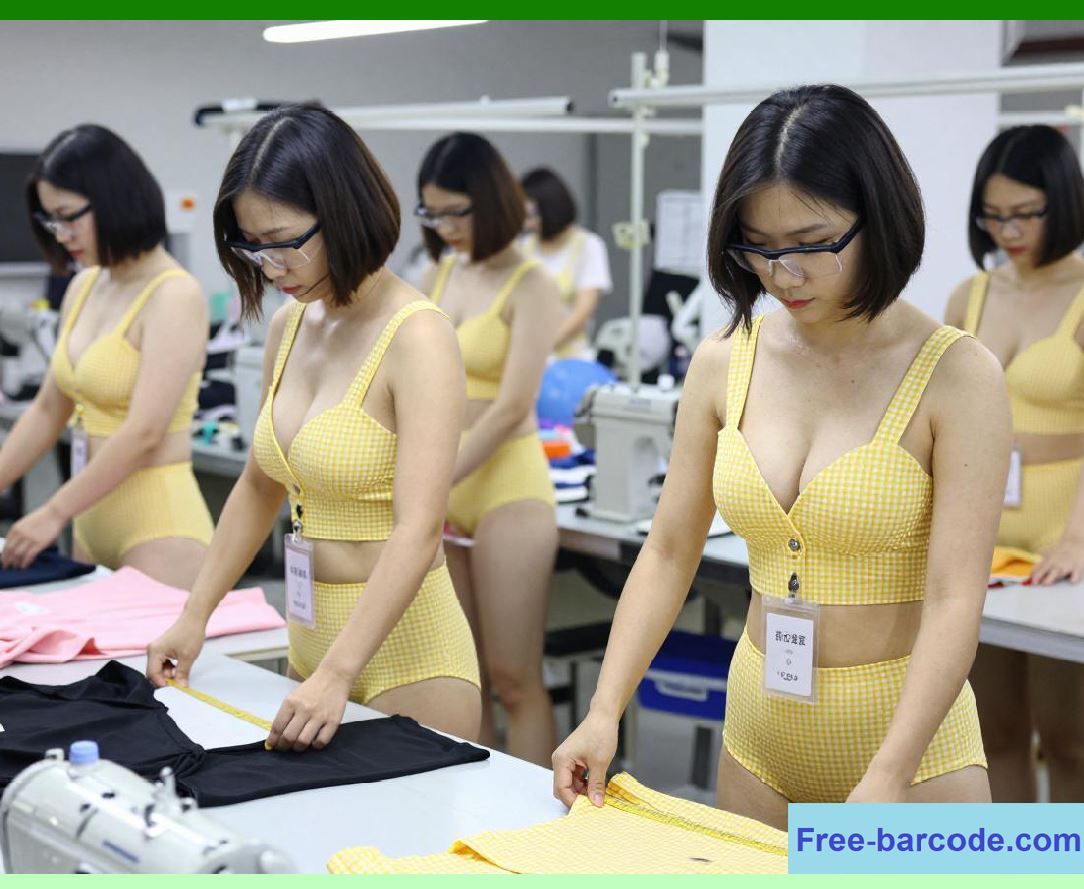
Consumers are highly sensitive to apparel quality issues. |
2.2.2 |
Even small defects may lead to: |
* Product returns |
* Negative reviews |
* Brand reputation damage |
2.2.3 |
ERP systems improve defect prevention and quality consistency. |
|
3. Supplier Quality Management |
3.1 Supplier Qualification and Evaluation |
3.1.1 |
Supplier quality directly affects final garment quality. |
3.1.2 |
ERP systems maintain supplier performance records involving: |
* Material quality history |
* Delivery reliability |
* Compliance certifications |
* Defect rates |
3.1.3 |
Supplier analytics improve sourcing decisions and quality risk control. |

|
3.2 Incoming Material Inspection |
3.2.1 |
Raw material inspection is critically important in apparel manufacturing. |
3.2.2 |
ERP systems coordinate inspection procedures involving: |
* Fabric quality testing |
* Color consistency checks |
* Trim verification |
* Chemical compliance testing |
3.2.3 |
Incoming inspection reduces downstream production problems. |

|
4. Fabric Quality Management |
4.1 Fabric Defect Detection |
4.1.1 |
Fabric defects may significantly affect garment quality. |
4.1.2 |
Common defects include: |
* Holes |
* Stains |
* Weaving irregularities |
* Dye inconsistencies |
4.1.3 |
ERP systems record defect classifications and quality inspection results. |

|
4.2 Fabric Testing and Certification |
4.2.1 |
Many apparel products require laboratory testing involving: |
* Shrinkage resistance |
* Colorfastness |
* Tensile strength |
* Chemical safety |
4.2.2 |
ERP systems maintain testing records and certification documentation. |
4.2.3 |
Testing visibility improves regulatory compliance management. |

|
5. Production Quality Control |
5.1 Inline Quality Inspection |
5.1.1 |
Inline inspections occur during active production operations. |
5.1.2 |
ERP systems coordinate: |
* Sewing inspections |
* Measurement verification |
* Defect recording |
* Corrective actions |
5.1.3 |
Inline quality control reduces large-scale defect propagation. |

|
5.2 End-of-Line Inspection |
5.2.1 |
Finished garments undergo final quality evaluation before shipment. |
5.2.2 |
ERP systems track: |
* Visual inspections |
* Measurement checks |
* Packaging verification |
* Label compliance |
5.2.3 |
Final inspection improves shipment quality consistency. |

|
6. Measurement and Fit Quality Control |
6.1 Garment Measurement Verification |
6.1.1 |
Accurate garment sizing is critically important in apparel quality management. |
6.1.2 |
ERP systems track: |
* Measurement tolerances |
* Size specifications |
* Sampling inspection results |
6.1.3 |
Measurement control reduces sizing complaints and product returns. |

|
6.2 Fit Consistency Management |
6.2.1 |
Fit consistency strongly affects customer satisfaction. |
6.2.2 |
ERP systems maintain standardized: |
* Measurement charts |
* Grading rules |
* Fit specifications |
6.2.3 |
Consistent fit management improves brand reliability. |

|
7. Defect Management and Corrective Actions |
7.1 Defect Classification Systems |
7.1.1 |
ERP systems classify apparel defects according to: |
* Severity |
* Production stage |
* Root causes |
* Financial impact |
7.1.2 |
Defect classification improves corrective action prioritization. |

|
7.2 Root Cause Analysis |
7.2.1 |
Quality management requires identifying underlying defect causes. |
7.2.2 |
ERP systems support root cause analysis involving: |
* Material issues |
* Machine problems |
* Labor errors |
* Process deviations |
7.2.3 |
Root cause visibility improves continuous improvement initiatives. |

|
8. Compliance and Regulatory Management |
8.1 International Apparel Compliance Requirements |
8.1.1 |
Global apparel enterprises must comply with various regulations involving: |
* Textile safety |
* Chemical restrictions |
* Labeling standards |
* Labor compliance |
8.1.2 |
ERP systems centralize compliance documentation and monitoring. |

|
8.2 Chemical and Environmental Compliance |
8.2.1 |
Many countries regulate chemicals used in apparel manufacturing. |
8.2.2 |
ERP systems track: |
* Restricted substance lists |
* Chemical testing results |
* Supplier certifications |
8.2.3 |
Compliance tracking reduces regulatory risks. |

|
9. Social Compliance and Ethical Manufacturing |
9.1 Labor Compliance Monitoring |
9.1.1 |
Consumers increasingly expect ethical manufacturing practices. |
9.1.2 |
ERP systems may track: |
* Factory audit records |
* Working condition compliance |
* Labor certification programs |
9.1.3 |
Social compliance improves brand reputation and supply chain transparency. |

|
9.2 Sustainability Compliance Tracking |
9.2.1 |
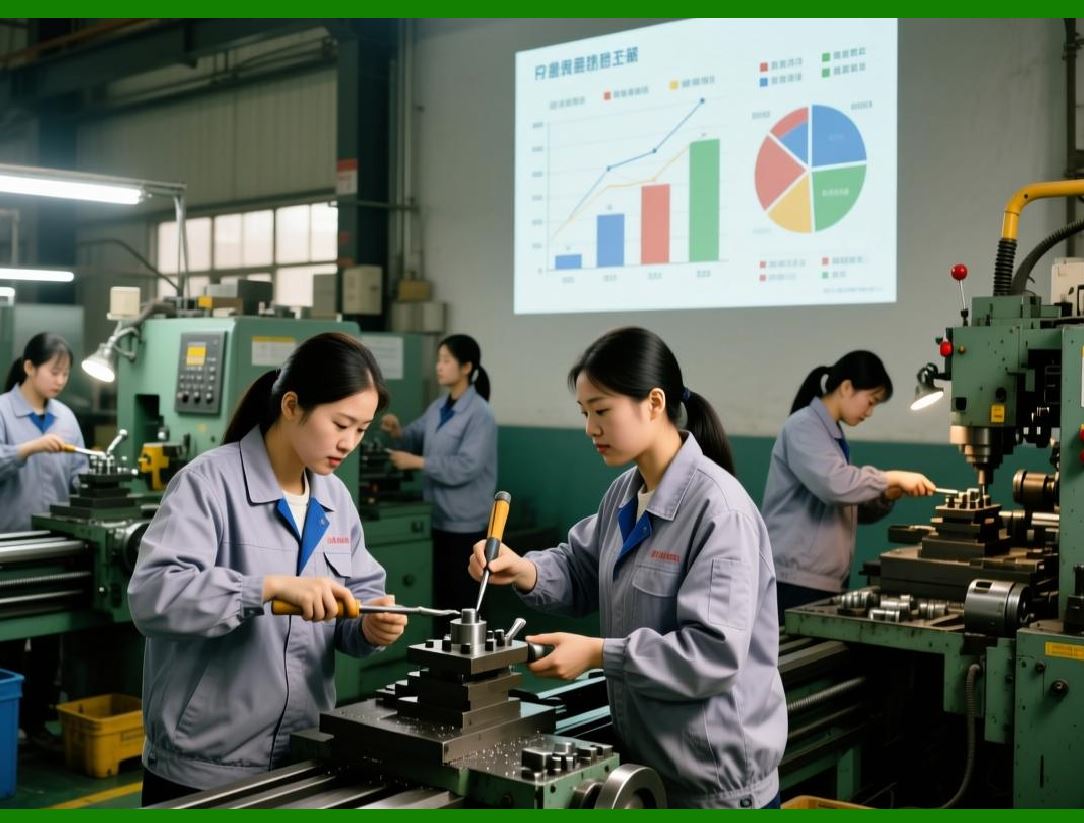
Sustainability standards are becoming increasingly important in the apparel industry. |
9.2.2 |
ERP systems monitor: |
* Environmental certifications |
* Sustainable material sourcing |
* Carbon reduction initiatives |
9.2.3 |
Sustainability visibility supports ESG reporting requirements. |
|
10. Statistical Quality Control and Analytics |
10.1 Quality Performance Metrics |
10.1.1 |
ERP systems analyze quality metrics involving: |
* Defect rates |
* Rework frequency |
* Inspection pass rates |
* Supplier performance |
10.1.2 |
Quality analytics improve operational visibility. |

|
10.2 Statistical Process Control |
10.2.1 |
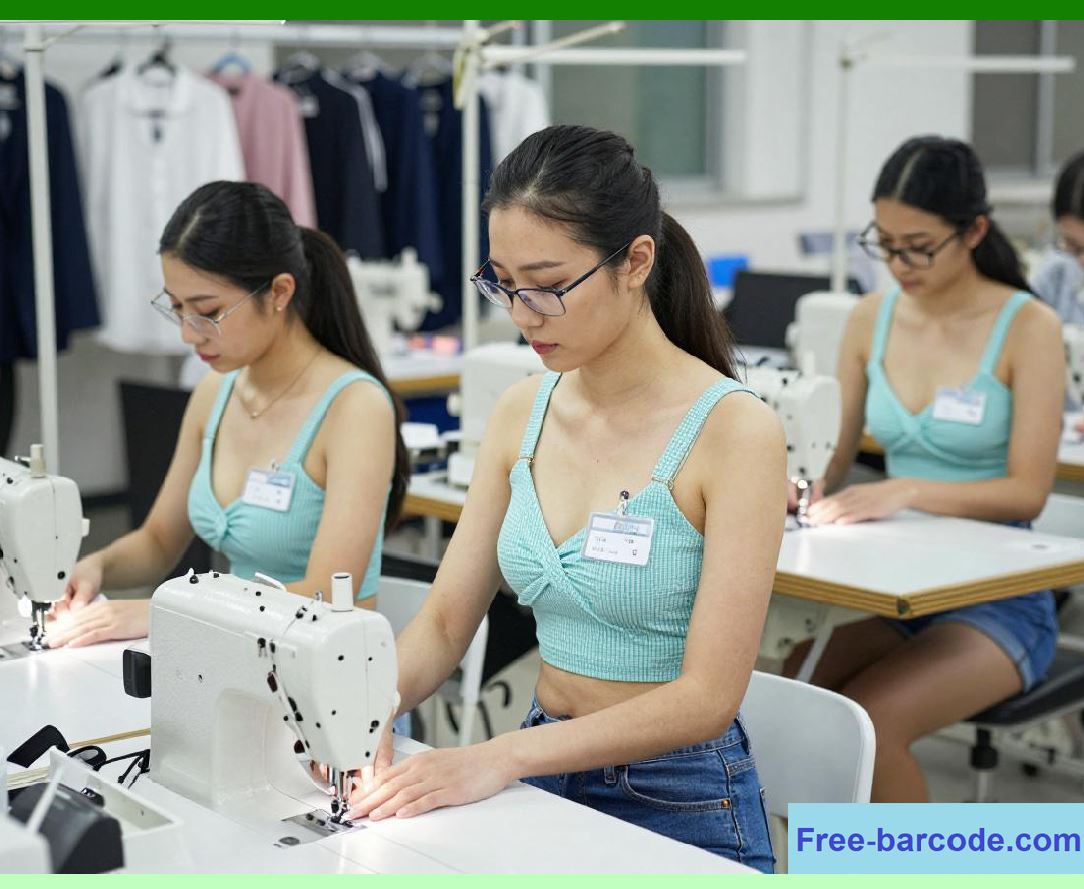
ERP systems increasingly support statistical process monitoring. |
10.2.2 |
Analytics may identify: |
* Process instability |
* Quality trend deviations |
* Production risk patterns |
10.2.3 |
Statistical control improves manufacturing consistency. |
|
11. RFID, Barcode, and Traceability Systems |
11.1 Product Traceability Management |
11.1.1 |
Traceability is increasingly important in apparel quality management. |
11.1.2 |
ERP systems track: |
* Material batches |
* Production lots |
* Shipment history |
* Retail distribution |
11.1.3 |
Traceability improves recall management and compliance visibility. |
|
11.2 RFID and Barcode-Based Quality Tracking |
11.2.1 |
Barcode and RFID technologies improve inspection efficiency and data accuracy. |
11.2.2 |
ERP systems integrate automated identification technologies throughout production workflows. |
11.2.3 |
Automation improves quality monitoring scalability. |

|
12. Customer Complaint and Return Quality Analysis |
12.1 Complaint Management Systems |
12.1.1 |
Customer complaints provide valuable quality improvement information. |
12.1.2 |
ERP systems track: |
* Complaint categories |
* Product defect trends |
* Regional quality patterns |
12.1.3 |
Complaint analytics improve corrective action management. |

|
12.2 Return-Based Quality Analytics |
12.2.1 |
Returned products often reveal hidden quality issues. |
12.2.2 |
ERP systems analyze: |
* Return reasons |
* Product failure patterns |
* Size-related issues |
* Durability complaints |
12.2.3 |
Return analytics improve product development and manufacturing quality. |

|
13. AI and Intelligent Quality Management |
13.1 AI-Based Defect Detection |
13.1.1 |
AI technologies increasingly support automated quality inspection. |
13.1.2 |
AI systems may analyze: |
* Fabric defects |
* Sewing quality |
* Color consistency |
* Pattern alignment |
13.1.3 |
Automated inspection improves speed and consistency. |
|
13.2 Predictive Quality Analytics |
13.2.1 |
ERP systems increasingly use predictive analytics to identify: |
* Potential production defects |
* Supplier quality risks |
* Process instability |
13.2.2 |
Predictive intelligence improves proactive quality management. |
|
14. Challenges in Apparel Quality ERP Implementation |
14.1 Maintaining Quality Across Global Supply Chains |
14.1.1 |
Global apparel supply chains involve multiple suppliers, factories, and logistics providers. |
14.1.2 |
ERP systems improve centralized quality coordination and visibility. |
14.1.3 |
Global consistency remains a major operational challenge. |
|
14.2 Balancing Speed and Quality |
14.2.1 |
Fast fashion and rapid production cycles may increase quality risks. |
14.2.2 |
ERP systems help balance: |
* Production speed |
* Inspection requirements |
* Delivery deadlines |
14.2.3 |
Integrated planning improves operational stability. |
|
15. Future Development of Apparel Quality ERP Systems |
15.1 Intelligent Autonomous Quality Control |
15.1.1 |
Future ERP systems may support: |
* Automated visual inspection |
* Real-time defect prediction |
* AI-driven corrective action recommendations |
15.1.2 |
Autonomous quality management will improve operational consistency and scalability. |
|
15.2 Fully Transparent Digital Supply Chains |
15.2.1 |
Future apparel ERP ecosystems may provide: |
* End-to-end traceability |
* Real-time supplier monitoring |
* Consumer-accessible product histories |
15.2.2 |
Digital transparency will become increasingly important for brand trust and regulatory compliance. |
|
Technical Content Summary of Part 25 |
This part explored quality management and compliance control within apparel ERP systems. It explained the complexity of apparel quality management involving supplier quality control, material inspection, production quality monitoring, fit consistency management, and global compliance coordination. |
The discussion covered supplier evaluation, fabric testing, inline inspections, end-of-line quality control, defect classification, root cause analysis, regulatory compliance, sustainability tracking, statistical quality analytics, RFID-based traceability, customer complaint analysis, AI-driven defect detection, and intelligent quality management systems. |
These ERP capabilities are essential for improving product consistency, regulatory compliance, customer satisfaction, defect prevention, supply chain transparency, and operational quality control within apparel enterprises. |
|
URLs for reference: |
* [https://www.sap.com/](https://www.sap.com/) |
* [https://www.oracle.com/](https://www.oracle.com/) |
* [https://www.iso.org/](https://www.iso.org/) |
* [https://www.infor.com/](https://www.infor.com/) |
* [https://www.zebra.com/](https://www.zebra.com/) |
 cs@easiersoft.com