Part 26 |
Supply Chain Management and Supplier Collaboration in Apparel ERP Systems |
1. Introduction to Apparel Supply Chain Management |
1.1 Importance of Supply Chain Coordination in the Apparel Industry |
1.1.1 |
The apparel industry operates through highly complex global supply chains involving: |
* Raw material suppliers |
* Fabric mills |
* Trim vendors |
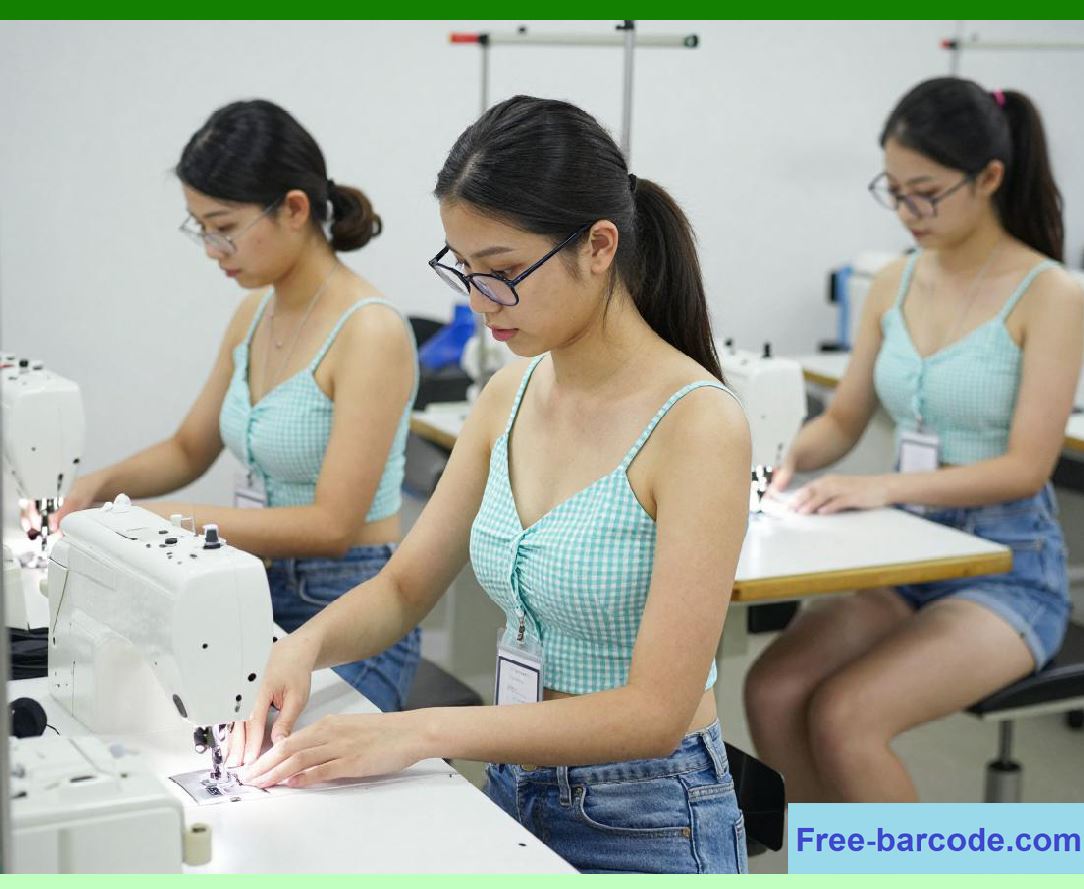
* Manufacturing factories |
* Logistics providers |
* Distribution centers |
* Retail channels |
|
1.1.2 |
Apparel supply chains must respond rapidly to: |
* Fashion trend changes |
* Seasonal demand fluctuations |
* Short product lifecycles |
* E-commerce growth |
* Fast fashion production cycles |
1.1.3 |
ERP systems function as centralized coordination platforms integrating: |
* Procurement |
* Production planning |
* Supplier management |
* Logistics execution |
* Inventory visibility |
* Financial coordination |

|
1.1.4 |
Without ERP integration, apparel enterprises frequently experience: |
* Supply delays |
* Material shortages |
* Inventory imbalances |
* Production disruptions |
* Poor supplier visibility |
1.1.5 |
Modern ERP systems therefore play a critical role in improving supply chain agility, transparency, and operational efficiency. |

|
2. Characteristics of Apparel Supply Chains |
2.1 Globalized Supply Networks |
2.1.1 |
Most apparel enterprises operate international supply chains. |
2.1.2 |
Different supply chain stages may occur in different countries involving: |
* Fiber production |
* Fabric manufacturing |
* Dyeing operations |
* Garment assembly |
* Distribution |
2.1.3 |
ERP systems coordinate multi-country operations and supply chain visibility. |

|
2.2 High Demand Volatility |
2.2.1 |
Apparel demand changes rapidly due to: |
* Fashion trends |
* Weather conditions |
* Promotional campaigns |
* Social media influence |
2.2.2 |
ERP systems improve forecasting accuracy and supply chain responsiveness. |

|
3. Supplier Management in Apparel ERP Systems |
3.1 Supplier Qualification and Selection |
3.1.1 |
Supplier selection significantly affects apparel operational performance. |
3.1.2 |
ERP systems maintain supplier databases containing: |
* Production capabilities |
* Quality performance |
* Compliance certifications |
* Delivery reliability |
3.1.3 |
Supplier analytics improve sourcing decisions and risk management. |

|
3.2 Strategic Supplier Segmentation |
3.2.1 |
Not all suppliers have equal strategic importance. |
3.2.2 |
ERP systems may classify suppliers according to: |
* Material criticality |
* Production capacity |
* Innovation capabilities |
* Geographic location |
3.2.3 |
Supplier segmentation improves procurement strategy development. |

|
4. Procurement and Material Planning |
4.1 ERP-Based Procurement Coordination |
4.1.1 |
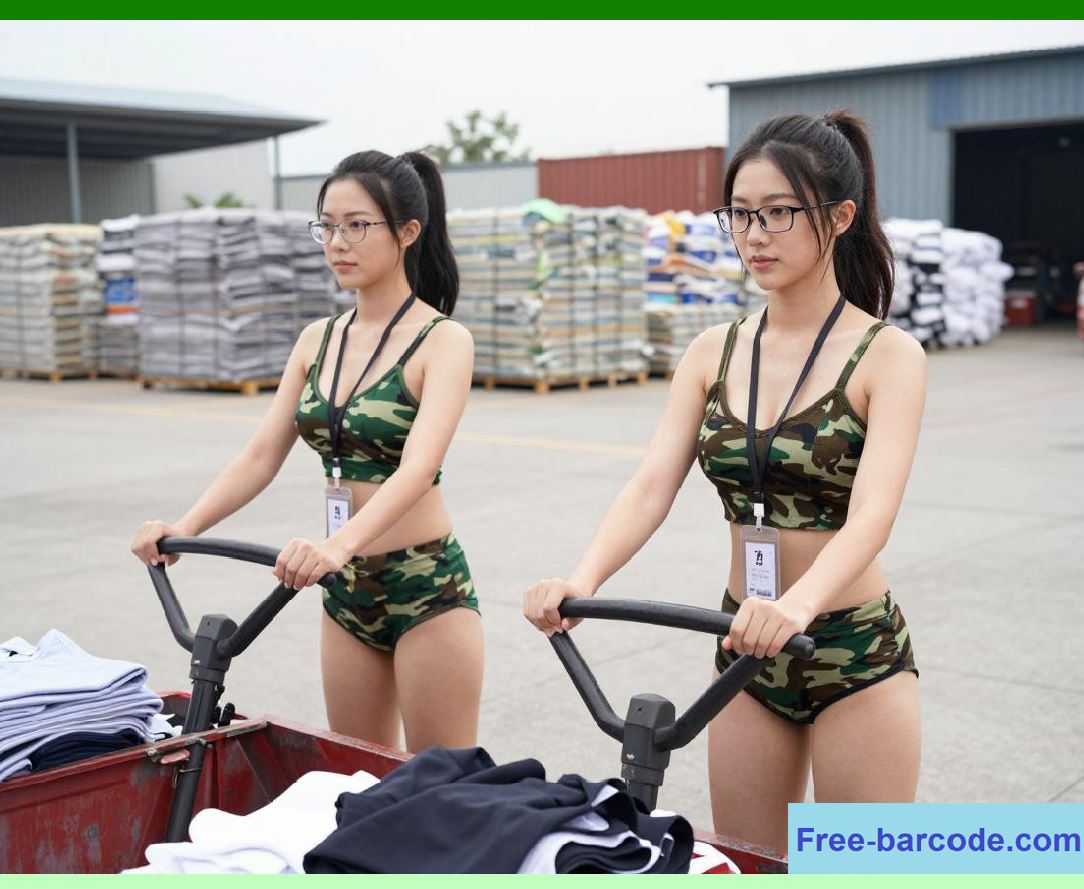
ERP systems automate procurement workflows involving: |
* Purchase requisitions |
* Supplier quotations |
* Purchase order generation |
* Delivery tracking |
4.1.2 |
Automation improves procurement efficiency and operational visibility. |
|
4.2 Material Requirements Synchronization |
4.2.1 |
Material planning must align closely with production schedules. |
4.2.2 |
ERP systems synchronize: |
* MRP calculations |
* Supplier lead times |
* Inventory levels |
* Production demand |
4.2.3 |
Integrated planning reduces material shortage risks. |

|
5. Fabric and Trim Supply Chain Coordination |
5.1 Fabric Supply Chain Complexity |
5.1.1 |
Fabric sourcing is one of the most critical components of apparel supply chains. |
5.1.2 |
Fabric procurement involves: |
* Color consistency management |
* Dye lot coordination |
* Quality testing |
* Lead time management |
5.1.3 |
ERP systems improve fabric visibility and supplier coordination. |

|
5.2 Trim and Accessory Management |
5.2.1 |
Apparel products often require numerous trims and accessories including: |
* Buttons |
* Zippers |
* Labels |
* Packaging materials |
5.2.2 |
ERP systems coordinate trim procurement and inventory tracking. |
5.2.3 |
Accessory synchronization improves production continuity. |

|
6. Supplier Collaboration Platforms |
6.1 ERP Supplier Portals |
6.1.1 |
Modern ERP systems increasingly provide supplier collaboration portals. |
6.1.2 |
Supplier portals may support: |
* Purchase order visibility |
* Shipment tracking |
* Capacity reporting |
* Quality communication |
6.1.3 |
Digital collaboration improves supply chain transparency. |

|
6.2 Real-Time Communication and Data Sharing |
6.2.1 |
Supply chain responsiveness requires real-time information exchange. |
6.2.2 |
ERP systems support: |
* Delivery updates |
* Production status sharing |
* Inventory visibility |
* Forecast communication |
6.2.3 |
Information sharing improves coordination efficiency. |

|
7. Production Outsourcing and Vendor Coordination |
7.1 Global Manufacturing Networks |
7.1.1 |
Many apparel enterprises outsource production to external factories. |
7.1.2 |
ERP systems coordinate: |
* Production orders |
* Material issuance |
* Delivery schedules |
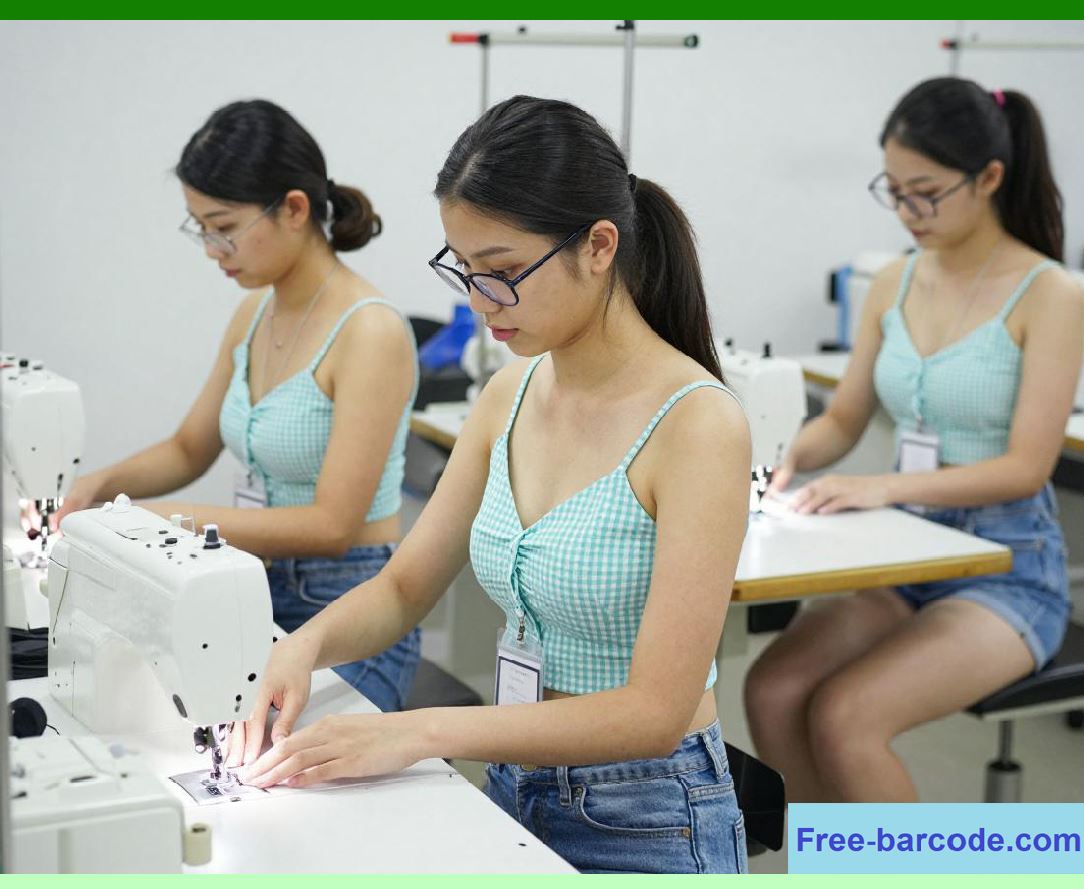
* Quality inspections |
7.1.3 |
Vendor visibility improves production reliability. |

|
7.2 Multi-Vendor Capacity Allocation |
7.2.1 |
Production may be distributed across multiple factories according to: |
* Capacity availability |
* Cost structures |
* Geographic advantages |
* Product specialization |
7.2.2 |
ERP systems optimize vendor allocation decisions. |

|
8. Inventory Visibility Across the Supply Chain |
8.1 End-to-End Inventory Transparency |
8.1.1 |
ERP systems provide visibility involving: |
* Raw materials |
* Work-in-progress inventory |
* Finished goods |
* In-transit inventory |
8.1.2 |
Comprehensive inventory visibility improves supply chain planning accuracy. |

|
8.2 Safety Stock Optimization |
8.2.1 |
Inventory buffers help reduce disruption risks. |
8.2.2 |
ERP systems optimize safety stock according to: |
* Demand variability |
* Supplier lead times |
* Service level targets |
8.2.3 |
Inventory optimization balances service reliability and inventory costs. |

|
9. Logistics Coordination in Apparel Supply Chains |
9.1 Transportation Planning |
9.1.1 |
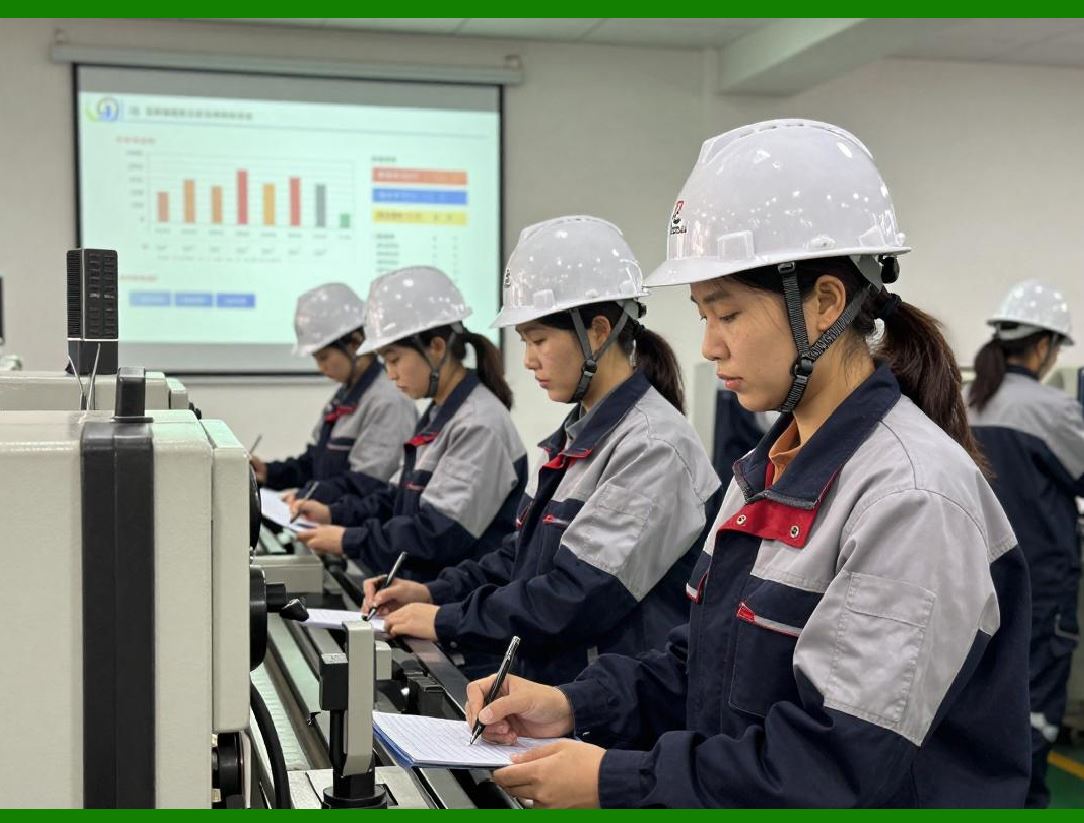
Apparel supply chains rely heavily on efficient transportation coordination. |
9.1.2 |
ERP systems optimize: |
* Shipment consolidation |
* Carrier selection |
* Delivery scheduling |
* Freight cost management |
9.1.3 |
Transportation optimization improves supply chain efficiency. |
|
9.2 International Trade Coordination |
9.2.1 |
Global apparel operations involve complex international trade processes. |
9.2.2 |
ERP systems coordinate: |
* Customs documentation |
* Import/export compliance |
* Duty calculations |
* Cross-border logistics |
9.2.3 |
Trade coordination improves global operational stability. |

|
10. Supply Chain Risk Management |
10.1 Supplier Risk Monitoring |
10.1.1 |
Apparel supply chains face various supplier-related risks involving: |
* Capacity shortages |
* Financial instability |
* Political disruptions |
* Compliance failures |
10.1.2 |
ERP systems monitor supplier risk indicators and operational performance. |
10.1.3 |
Risk visibility improves contingency planning. |
|
10.2 Supply Chain Disruption Response |
10.2.1 |
Supply chain disruptions may result from: |
* Natural disasters |
* Transportation delays |
* Material shortages |
* Labor disputes |
10.2.2 |
ERP systems support alternative sourcing and dynamic rescheduling. |
10.2.3 |
Operational agility improves resilience. |

|
11. Sustainability and Ethical Supply Chains |
11.1 Sustainable Material Sourcing |
11.1.1 |
Consumers increasingly expect environmentally responsible apparel production. |
11.1.2 |
ERP systems track: |
* Organic materials |
* Recycled fibers |
* Sustainable certifications |
11.1.3 |
Sustainability tracking improves ESG reporting and brand trust. |

|
11.2 Ethical Manufacturing Monitoring |
11.2.1 |
Social compliance is becoming increasingly important in apparel supply chains. |
11.2.2 |
ERP systems monitor: |
* Factory audit results |
* Labor certifications |
* Working condition compliance |
11.2.3 |
Ethical monitoring improves supply chain transparency. |

|
12. RFID, IoT, and Digital Supply Chain Technologies |
12.1 RFID-Based Supply Chain Visibility |
12.1.1 |
RFID technology improves real-time inventory and shipment tracking. |
12.1.2 |
ERP systems integrate RFID workflows involving: |
* Warehouse operations |
* Shipment verification |
* Retail replenishment |
12.1.3 |
RFID improves inventory accuracy and logistics efficiency. |

|
12.2 IoT-Enabled Supply Chain Monitoring |
12.2.1 |
IoT devices increasingly support supply chain monitoring involving: |
* Shipment tracking |
* Environmental monitoring |
* Equipment status visibility |
12.2.2 |
ERP systems centralize IoT-generated operational data. |
12.2.3 |
Real-time monitoring improves operational control. |

|
13. AI and Predictive Supply Chain Analytics |
13.1 AI-Based Demand Forecasting |
13.1.1 |
AI technologies improve forecasting accuracy for apparel demand planning. |
13.1.2 |
AI systems analyze: |
* Consumer trends |
* Historical sales |
* Weather patterns |
* Market behavior |
13.1.3 |
Improved forecasting strengthens supply chain coordination. |
|
13.2 Predictive Supplier Performance Analysis |
13.2.1 |
ERP systems increasingly use predictive analytics to evaluate: |
* Supplier reliability |
* Delivery risks |
* Capacity limitations |
13.2.2 |
Predictive intelligence improves sourcing strategy decisions. |
|
14. Challenges in Apparel Supply Chain ERP Implementation |
14.1 Coordinating Global Multi-Tier Supply Chains |
14.1.1 |
Apparel supply chains often involve multiple supplier tiers. |
14.1.2 |
Visibility may become limited beyond direct suppliers. |
14.1.3 |
ERP systems improve multi-tier supply chain transparency and coordination. |
|
14.2 Balancing Speed, Cost, and Flexibility |
14.2.1 |
Apparel enterprises must continuously balance: |
* Production speed |
* Supply chain costs |
* Operational flexibility |
14.2.2 |
ERP systems support data-driven optimization and strategic planning. |
|
15. Future Development of Apparel Supply Chain ERP Systems |
15.1 Intelligent Autonomous Supply Chains |
15.1.1 |
Future ERP systems may support: |
* Autonomous procurement decisions |
* AI-driven supplier allocation |
* Real-time logistics optimization |
15.1.2 |
Intelligent automation will improve supply chain agility and resilience. |
|
15.2 Fully Transparent Digital Supply Networks |
15.2.1 |
Future apparel supply chains may provide: |
* End-to-end traceability |
* Blockchain-based verification |
* Consumer-accessible sourcing histories |
15.2.2 |
Digital transparency will become increasingly important for sustainability and regulatory compliance. |
|
Technical Content Summary of Part 26 |
This part explored supply chain management and supplier collaboration within apparel ERP systems. It explained the operational complexity of global apparel supply chains involving international sourcing, outsourcing coordination, demand volatility, and multi-tier supplier ecosystems. |
The discussion covered supplier qualification, procurement coordination, fabric and trim sourcing, supplier collaboration portals, outsourcing management, inventory visibility, logistics coordination, risk management, sustainability tracking, RFID and IoT technologies, predictive supply chain analytics, and future intelligent supply network development. |
These ERP capabilities are essential for improving supply chain visibility, procurement efficiency, operational resilience, supplier collaboration, logistics coordination, sustainability management, and overall supply chain responsiveness within apparel enterprises. |
|
URLs for reference: |
* [https://www.sap.com/](https://www.sap.com/) |
* [https://www.oracle.com/](https://www.oracle.com/) |
* [https://www.infor.com/](https://www.infor.com/) |
* [https://www.ibm.com/](https://www.ibm.com/) |
* [https://www.gs1.org/](https://www.gs1.org/) |
 cs@easiersoft.com