Part 31 |
E-Commerce Order Integration and Digital Commerce Coordination in Apparel ERP Systems |
1. Introduction to Apparel E-Commerce Integration |
1.1 The Digital Transformation of Apparel Commerce |
1.1.1 |
The apparel industry has experienced a major transformation due to the rapid expansion of digital commerce. Consumers increasingly purchase apparel products through: |
* Brand-owned online stores |
* Online marketplaces |
* Mobile commerce applications |
* Social commerce platforms |
* Livestream shopping channels |
1.1.2 |
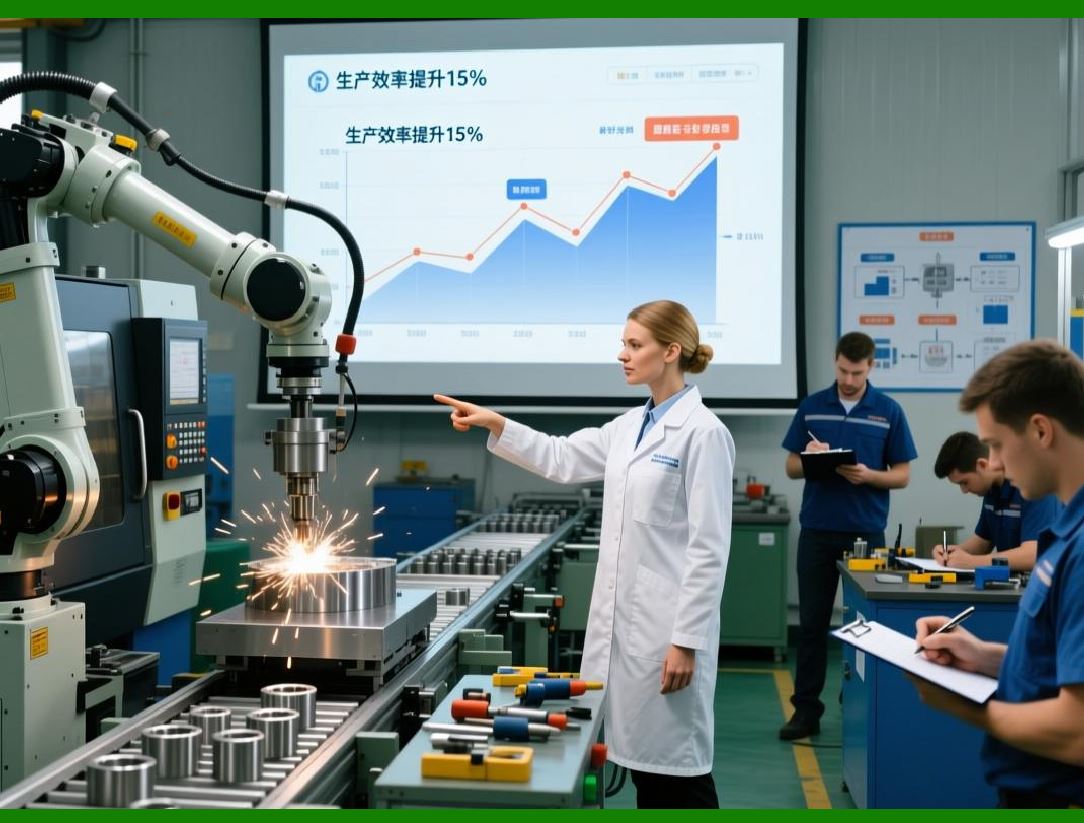
Unlike traditional retail environments, digital commerce creates highly dynamic operational conditions involving: |
* High order volumes |
* Frequent inventory changes |
* Multi-channel synchronization |
* Real-time customer expectations |
* Rapid fulfillment requirements |
|
1.1.3 |
ERP systems serve as centralized digital commerce coordination platforms integrating: |
* Online order management |
* Inventory synchronization |
* Customer data management |
* Fulfillment coordination |
* Payment processing |
* Return management |
1.1.4 |
Without ERP integration, apparel enterprises frequently experience: |
* Overselling problems |
* Inventory inconsistencies |
* Delayed order fulfillment |
* Customer dissatisfaction |
* Poor channel coordination |
1.1.5 |
Modern ERP systems therefore play a critical role in enabling scalable digital commerce operations. |

|
2. Characteristics of Apparel E-Commerce Operations |
2.1 High SKU Complexity in Online Apparel Sales |
2.1.1 |
Apparel e-commerce involves extremely large SKU structures due to: |
* Multiple sizes |
* Color variations |
* Style options |
* Seasonal collections |
2.1.2 |
ERP systems maintain centralized product data and inventory visibility. |
2.1.3 |
SKU synchronization is essential for accurate digital commerce operations. |

|
2.2 Rapid Demand Fluctuations |
2.2.1 |
Online apparel demand may change rapidly due to: |
* Promotional campaigns |
* Social media influence |
* Livestream sales |
* Viral fashion trends |
2.2.2 |
ERP systems improve operational responsiveness and inventory coordination. |

|
3. Centralized Order Management Systems |
3.1 Multi-Channel Order Aggregation |
3.1.1 |
Apparel enterprises often receive orders from multiple digital channels simultaneously. |
3.1.2 |
ERP systems aggregate orders from: |
* Brand websites |
* Marketplace platforms |
* Mobile apps |
* Social commerce systems |
3.1.3 |
Centralized order management improves operational visibility and workflow coordination. |

|
3.2 Real-Time Order Synchronization |
3.2.1 |
ERP systems synchronize: |
* Order status |
* Inventory availability |
* Shipment updates |
* Customer notifications |
3.2.2 |
Real-time synchronization improves customer experience consistency. |

|
4. Marketplace Platform Integration |
4.1 Third-Party Marketplace Coordination |
4.1.1 |
Many apparel enterprises sell products through online marketplaces. |
4.1.2 |
ERP systems integrate with: |
* Marketplace APIs |
* Product listing systems |
* Order synchronization workflows |
4.1.3 |
Marketplace integration improves operational scalability. |
|
4.2 Centralized Product Information Management |
4.2.1 |
ERP systems maintain centralized product information involving: |
* Product descriptions |
* Images |
* Pricing |
* Size charts |
* Inventory availability |
4.2.2 |
Consistent product data improves brand presentation and customer trust. |
|
5. Inventory Synchronization Across Digital Channels |
5.1 Real-Time Inventory Visibility |
5.1.1 |
Accurate inventory visibility is critically important in apparel e-commerce. |
5.1.2 |
ERP systems synchronize inventory across: |
* Warehouses |
* Retail stores |
* Marketplace channels |
* E-commerce websites |
5.1.3 |
Real-time synchronization reduces overselling risks. |

|
5.2 Inventory Reservation Mechanisms |
5.2.1 |
ERP systems reserve inventory during: |
* Checkout processes |
* Flash sales |
* Livestream events |
5.2.2 |
Reservation logic improves inventory accuracy during high-volume transactions. |

|
6. E-Commerce Fulfillment Coordination |
6.1 Automated Order Routing |
6.1.1 |
ERP systems automatically route orders according to: |
* Inventory availability |
* Customer location |
* Warehouse capacity |
* Delivery speed requirements |
6.1.2 |
Automated routing improves fulfillment efficiency. |

|
6.2 Warehouse and Logistics Integration |
6.2.1 |
ERP systems integrate with: |
* Warehouse management systems |
* Shipping carriers |
* Logistics providers |
6.2.2 |
Integration improves: |
* Picking efficiency |
* Packing accuracy |
* Shipment tracking |
6.2.3 |
Logistics coordination improves customer delivery experiences. |

|
7. Flash Sales and High-Volume Event Management |
7.1 High-Concurrency Transaction Handling |
7.1.1 |
Apparel e-commerce platforms often experience traffic spikes during: |
* Flash sales |
* Promotional events |
* Holiday campaigns |
* Livestream shopping |
7.1.2 |
ERP systems must support: |
* High transaction concurrency |
* Real-time inventory updates |
* Scalable order processing |
7.1.3 |
Operational scalability is essential for digital commerce reliability. |

|
7.2 Dynamic Inventory Allocation During Promotions |
7.2.1 |
ERP systems dynamically allocate inventory according to: |
* Sales velocity |
* Regional demand |
* Channel priorities |
7.2.2 |
Dynamic allocation improves sales efficiency and inventory utilization. |

|
8. Apparel Return and Reverse Logistics Management |
8.1 High Return Rates in Apparel E-Commerce |
8.1.1 |
Apparel e-commerce has relatively high return rates due to: |
* Size mismatch |
* Style dissatisfaction |
* Fit issues |
* Color expectations |
8.1.2 |
ERP systems coordinate: |
* Return authorization |
* Reverse logistics |
* Refund processing |
* Inventory reintegration |
8.1.3 |
Efficient return management improves customer satisfaction. |
|
8.2 Return Analytics and Operational Improvement |
8.2.1 |
ERP systems analyze: |
* Return reasons |
* Size-related return patterns |
* Product quality issues |
8.2.2 |
Return analytics improve product development and inventory planning. |
|
9. Customer Experience Management |
9.1 Unified Customer Profiles |
9.1.1 |
ERP-integrated CRM systems centralize customer information involving: |
* Purchase history |
* Product preferences |
* Browsing behavior |
* Return history |
9.1.2 |
Unified profiles improve personalization and customer service quality. |

|
9.2 Personalized Shopping Experiences |
9.2.1 |
ERP systems increasingly support: |
* Product recommendations |
* Personalized promotions |
* Dynamic marketing campaigns |
9.2.2 |
Personalization improves conversion rates and customer loyalty. |

|
10. Payment and Financial Integration |
10.1 Multi-Payment Method Coordination |
10.1.1 |
Apparel e-commerce platforms support various payment methods involving: |
* Credit cards |
* Digital wallets |
* Installment payments |
* International payment systems |
10.1.2 |
ERP systems synchronize payment verification and financial reconciliation. |
10.1.3 |
Payment integration improves operational efficiency. |

|
10.2 Financial Reconciliation and Revenue Tracking |
10.2.1 |
ERP systems coordinate: |
* Sales revenue tracking |
* Tax calculations |
* Marketplace commissions |
* Refund accounting |
10.2.2 |
Financial visibility improves profitability analysis and compliance management. |

|
11. Social Commerce and Livestream Integration |
11.1 Social Commerce Operations |
11.1.1 |
Social commerce has become increasingly important in apparel retail. |
11.1.2 |
ERP systems integrate: |
* Social media product listings |
* Influencer campaigns |
* Direct social purchases |
11.1.3 |
Social integration improves digital commerce scalability. |

|
11.2 Livestream Shopping Coordination |
11.2.1 |
Livestream shopping events may generate extremely high order volumes within short timeframes. |
11.2.2 |
ERP systems support: |
* Real-time inventory updates |
* Instant order processing |
* Promotional synchronization |
11.2.3 |
Operational responsiveness improves livestream commerce efficiency. |

|
12. AI and Data Analytics in Apparel E-Commerce ERP |
12.1 AI-Based Demand Prediction |
12.1.1 |
AI technologies improve forecasting accuracy for digital commerce operations. |
12.1.2 |
ERP systems analyze: |
* Consumer browsing behavior |
* Conversion rates |
* Regional demand patterns |
* Seasonal trends |
12.1.3 |
Predictive analytics improve inventory planning and marketing effectiveness. |

|
12.2 Intelligent Recommendation Systems |
12.2.1 |
ERP-integrated AI systems recommend: |
* Related products |
* Outfit combinations |
* Personalized styles |
12.2.2 |
Recommendation engines improve customer engagement and sales performance. |
|
13. Security and Fraud Prevention |
13.1 Transaction Security Management |
13.1.1 |
Digital commerce operations require strong security protections involving: |
* Payment security |
* Customer data protection |
* Fraud detection |
13.1.2 |
ERP systems support centralized security monitoring and compliance management. |

|
13.2 Fraud Detection and Risk Analysis |
13.2.1 |
ERP systems increasingly use AI technologies to identify: |
* Suspicious transactions |
* Account abuse |
* Payment fraud risks |
13.2.2 |
Fraud prevention improves operational security and financial stability. |
|
14. Challenges in Apparel E-Commerce ERP Integration |
14.1 Maintaining Real-Time Synchronization |
14.1.1 |
E-commerce operations require near-instant synchronization involving: |
* Inventory updates |
* Order processing |
* Pricing adjustments |
14.1.2 |
ERP systems must support highly scalable real-time architectures. |
|
14.2 Balancing Speed, Accuracy, and Customer Experience |
14.2.1 |
Apparel enterprises must balance: |
* Fast fulfillment |
* Inventory accuracy |
* Customer satisfaction |
* Operational costs |
14.2.2 |
ERP systems support data-driven operational optimization. |
|
15. Future Development of Apparel E-Commerce ERP Systems |
15.1 Autonomous Commerce Coordination |
15.1.1 |
Future ERP systems may autonomously manage: |
* Inventory allocation |
* Dynamic pricing |
* Fulfillment routing |
* Marketing optimization |
15.1.2 |
Autonomous coordination will improve scalability and operational responsiveness. |
|
15.2 Fully Intelligent Digital Commerce Ecosystems |
15.2.1 |
Future apparel ERP ecosystems may integrate: |
* AI-driven personalization |
* Virtual shopping assistants |
* Real-time consumer analytics |
* Automated logistics coordination |
15.2.2 |
Intelligent digital commerce platforms will redefine apparel retail operations. |
|
Technical Content Summary of Part 31 |
This part explored e-commerce order integration and digital commerce coordination within apparel ERP systems. It explained the complexity of modern apparel digital commerce environments involving multi-channel order processing, real-time inventory synchronization, high-volume promotional events, and omni-channel fulfillment coordination. |
The discussion covered centralized order management, marketplace integration, inventory synchronization, automated fulfillment routing, flash sale management, return logistics coordination, CRM integration, payment synchronization, social commerce operations, AI-driven personalization, fraud prevention, and future autonomous commerce ecosystems. |
These ERP capabilities are essential for improving inventory accuracy, fulfillment efficiency, digital commerce scalability, customer experience consistency, operational responsiveness, and overall e-commerce competitiveness within apparel enterprises. |
|
URLs for reference: |
* [https://www.sap.com/](https://www.sap.com/) |
* [https://www.oracle.com/](https://www.oracle.com/) |
* [https://www.shopify.com/](https://www.shopify.com/) |
* [https://www.salesforce.com/](https://www.salesforce.com/) |
* [https://www.netsuite.com/](https://www.netsuite.com/) |
 cs@easiersoft.com