Part 32 |
Warehouse Management and Logistics Coordination in Apparel ERP Systems |
1. Introduction to Apparel Warehouse and Logistics Management |
1.1 Importance of Logistics Coordination in the Apparel Industry |
1.1.1 |
Warehouse management and logistics coordination are critically important operational functions within the apparel industry. Apparel enterprises must manage: |
* Massive SKU quantities |
* High inventory turnover |
* Seasonal inventory fluctuations |
* Omni-channel fulfillment |
* Frequent returns |
* Rapid replenishment requirements |
1.1.2 |
Unlike many other industries, apparel logistics operations involve highly complex inventory structures due to: |
* Multiple sizes |
* Color variations |
* Seasonal collections |
* Fashion lifecycle changes |

|
1.1.3 |
ERP systems function as centralized coordination platforms integrating: |
* Warehouse management |
* Inventory tracking |
* Distribution planning |
* Transportation management |
* Retail replenishment |
* Reverse logistics |
1.1.4 |
Without ERP coordination, apparel enterprises frequently encounter: |
* Inventory inaccuracies |
* Fulfillment delays |
* Picking errors |
* Overstocking |
* High logistics costs |
1.1.5 |
Modern ERP systems therefore play a central role in enabling agile and efficient apparel logistics ecosystems. |

|
2. Characteristics of Apparel Warehouse Operations |
2.1 Extremely High SKU Complexity |
2.1.1 |
Apparel warehouses manage highly complex inventory structures. |
2.1.2 |
A single apparel style may contain: |
* Multiple sizes |
* Color combinations |
* Seasonal variations |
* Regional assortments |
2.1.3 |
ERP systems provide centralized SKU classification and inventory visibility. |

|
2.2 High Inventory Turnover Requirements |
2.2.1 |
Apparel inventory lifecycles are often short due to: |
* Fashion trends |
* Seasonal demand |
* Fast fashion operations |
2.2.2 |
ERP systems support rapid inventory movement and replenishment coordination. |

|
3. Warehouse Management System (WMS) Integration |
3.1 ERP and WMS Coordination |
3.1.1 |
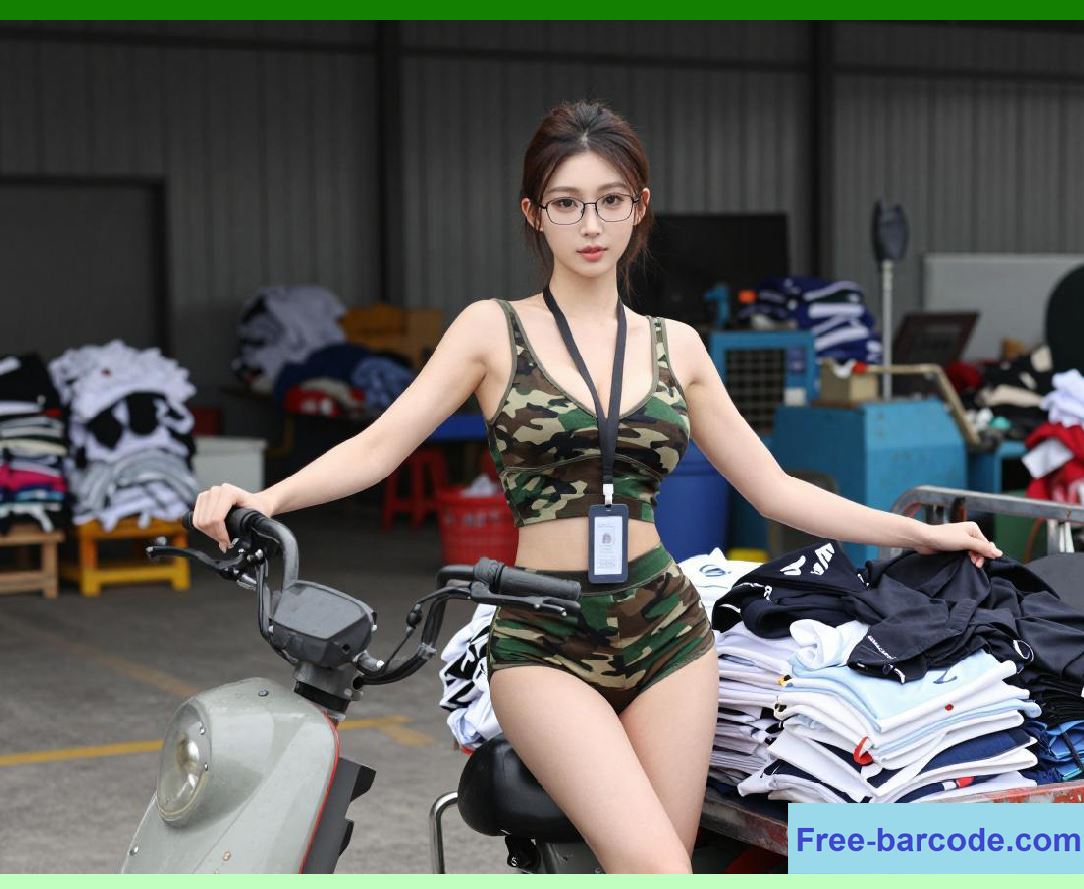
Modern apparel ERP systems frequently integrate with specialized WMS platforms. |
3.1.2 |
Integration supports: |
* Inventory tracking |
* Picking coordination |
* Shipment management |
* Real-time warehouse visibility |
3.1.3 |
WMS integration improves warehouse efficiency and operational accuracy. |
|
3.2 Real-Time Inventory Synchronization |
3.2.1 |
ERP systems synchronize inventory movements involving: |
* Receiving operations |
* Picking activities |
* Packing workflows |
* Shipping transactions |
3.2.2 |
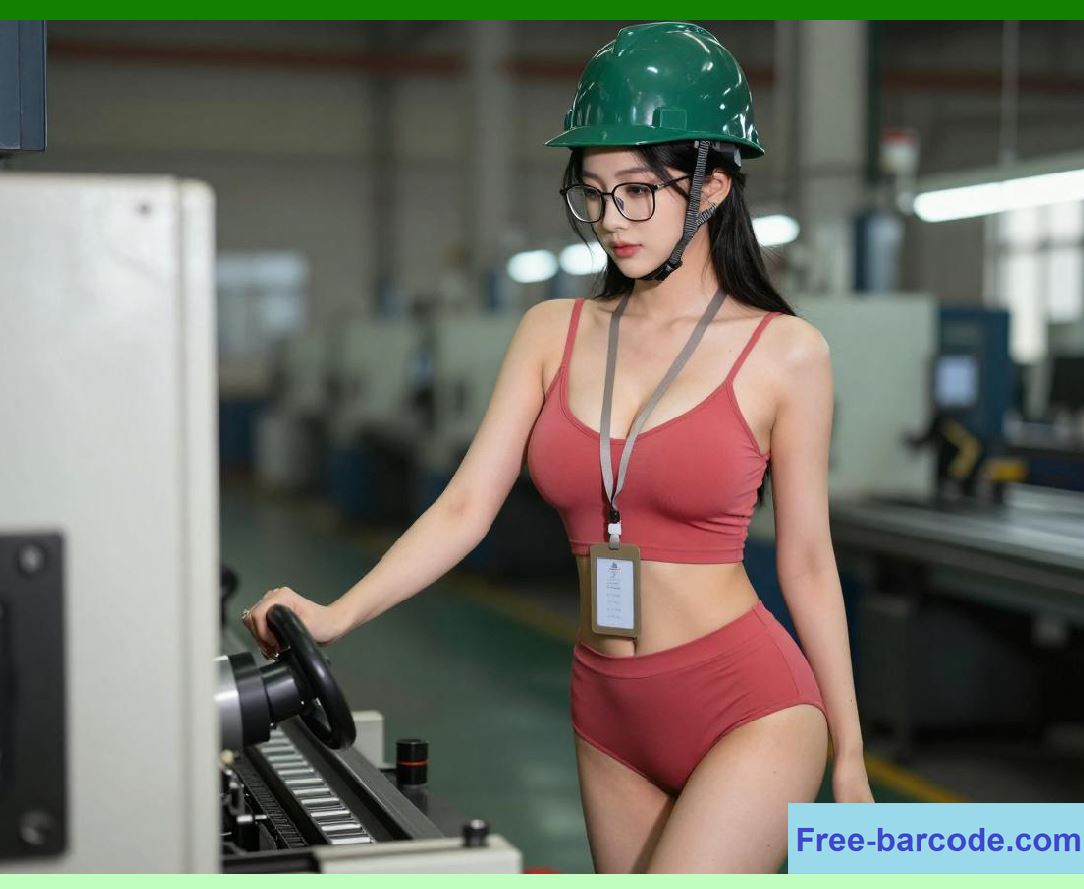
Real-time synchronization improves inventory accuracy across all channels. |
|
4. Receiving and Inbound Logistics |
4.1 Incoming Material Verification |
4.1.1 |
Warehouse receiving operations involve: |
* Purchase order verification |
* Quantity inspection |
* Quality confirmation |
* Barcode or RFID registration |
4.1.2 |
ERP systems automate inbound inventory recording and discrepancy management. |
4.1.3 |
Receiving accuracy improves downstream operational efficiency. |

|
4.2 ASN (Advanced Shipping Notice) Coordination |
4.2.1 |
Suppliers increasingly provide electronic shipping notifications before deliveries arrive. |
4.2.2 |
ERP systems process: |
* Shipment information |
* Container details |
* Expected inventory receipts |
4.2.3 |
ASN integration improves warehouse planning and labor allocation. |

|
5. Inventory Storage and Location Management |
5.1 Dynamic Storage Allocation |
5.1.1 |
Apparel warehouses often use dynamic storage strategies due to changing inventory volumes. |
5.1.2 |
ERP systems optimize: |
* Storage locations |
* Bin assignments |
* Space utilization |
5.1.3 |
Storage optimization improves warehouse efficiency. |

|
5.2 Size and Color Segmentation Management |
5.2.1 |
Apparel inventory organization requires careful management of: |
* Size groupings |
* Color classifications |
* Seasonal assortments |
5.2.2 |
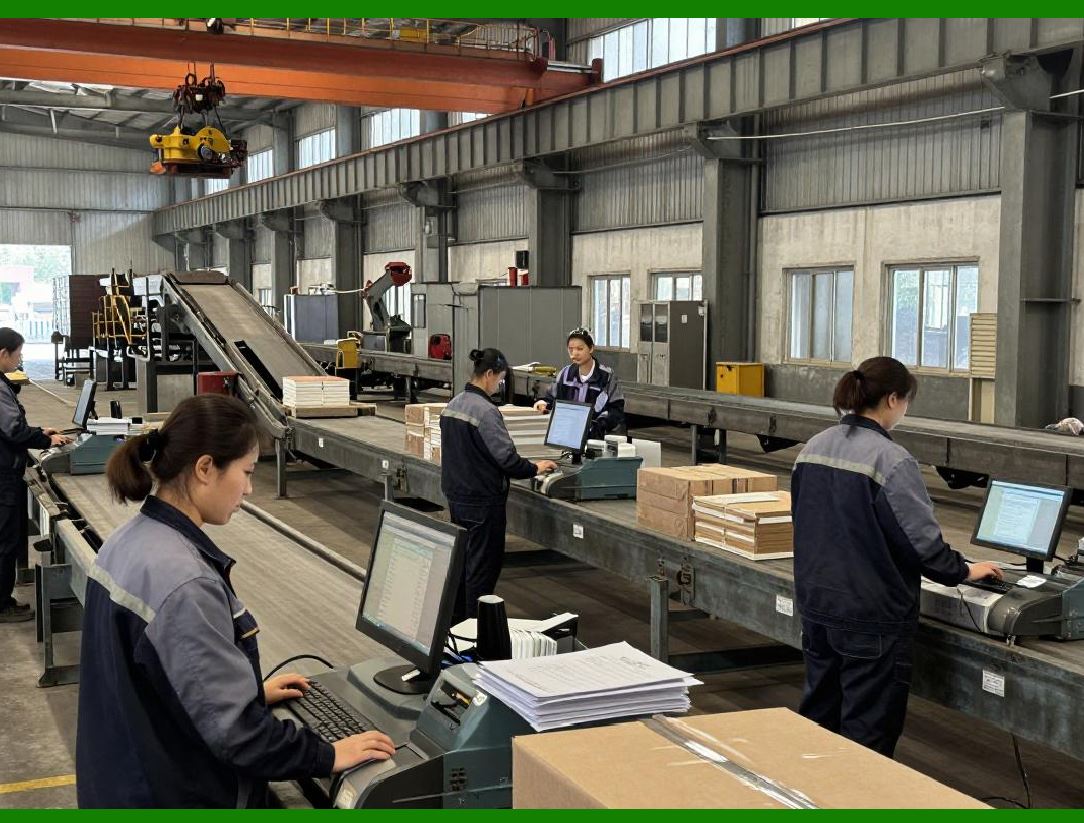
ERP systems maintain precise location visibility for each SKU variation. |
5.2.3 |
Inventory precision improves picking accuracy. |
|
6. Picking and Packing Operations |
6.1 Order Picking Optimization |
6.1.1 |
Apparel order fulfillment often involves large quantities of small-item picking activities. |
6.1.2 |
ERP systems optimize: |
* Picking routes |
* Batch picking |
* Zone picking |
* Wave picking |
6.1.3 |
Picking optimization improves fulfillment speed and labor efficiency. |

|
6.2 Packing Verification and Shipment Preparation |
6.2.1 |
ERP systems coordinate: |
* Packing verification |
* Label generation |
* Shipment documentation |
* Carrier assignment |
6.2.2 |
Packing accuracy improves customer satisfaction and reduces return risks. |

|
7. RFID and Barcode Technologies in Apparel Warehousing |
7.1 Barcode-Based Inventory Tracking |
7.1.1 |
Barcode systems are widely used in apparel warehouse operations. |
7.1.2 |
ERP systems integrate barcode workflows involving: |
* Receiving |
* Picking |
* Cycle counting |
* Shipment verification |
7.1.3 |
Barcode automation improves operational efficiency and accuracy. |

|
7.2 RFID-Enabled Warehouse Visibility |
7.2.1 |
RFID technology increasingly supports real-time apparel inventory tracking. |
7.2.2 |
ERP systems integrate RFID for: |
* Bulk inventory scanning |
* Automated inventory counts |
* Shipment verification |
7.2.3 |
RFID improves inventory accuracy and warehouse productivity. |

|
8. Omni-Channel Fulfillment Coordination |
8.1 Multi-Channel Order Fulfillment |
8.1.1 |
Apparel enterprises fulfill orders from: |
* Retail stores |
* E-commerce platforms |
* Marketplaces |
* Social commerce channels |
8.1.2 |
ERP systems coordinate inventory allocation and shipment execution across all channels. |
8.1.3 |
Unified fulfillment improves customer experience consistency. |

|
8.2 Ship-from-Store and Distributed Fulfillment |
8.2.1 |
Retail stores increasingly function as local fulfillment centers. |
8.2.2 |
ERP systems optimize: |
* Local inventory usage |
* Delivery speed |
* Fulfillment routing |
8.2.3 |
Distributed fulfillment improves logistics flexibility. |

|
9. Transportation Management |
9.1 Carrier Coordination and Shipment Planning |
9.1.1 |
ERP systems coordinate transportation involving: |
* Carrier selection |
* Shipment scheduling |
* Freight optimization |
9.1.2 |
Transportation coordination improves delivery efficiency and cost control. |

|
9.2 International Logistics Management |
9.2.1 |
Global apparel supply chains require international logistics coordination involving: |
* Customs documentation |
* Cross-border shipping |
* Import/export compliance |
9.2.2 |
ERP systems centralize international shipment visibility. |
9.2.3 |
Global logistics coordination improves operational stability. |

|
10. Reverse Logistics and Return Management |
10.1 High Apparel Return Volumes |
10.1.1 |
Apparel businesses frequently experience high product return rates due to: |
* Size mismatch |
* Fit dissatisfaction |
* Style preferences |
10.1.2 |
ERP systems coordinate: |
* Return authorization |
* Inspection workflows |
* Inventory reintegration |
10.1.3 |
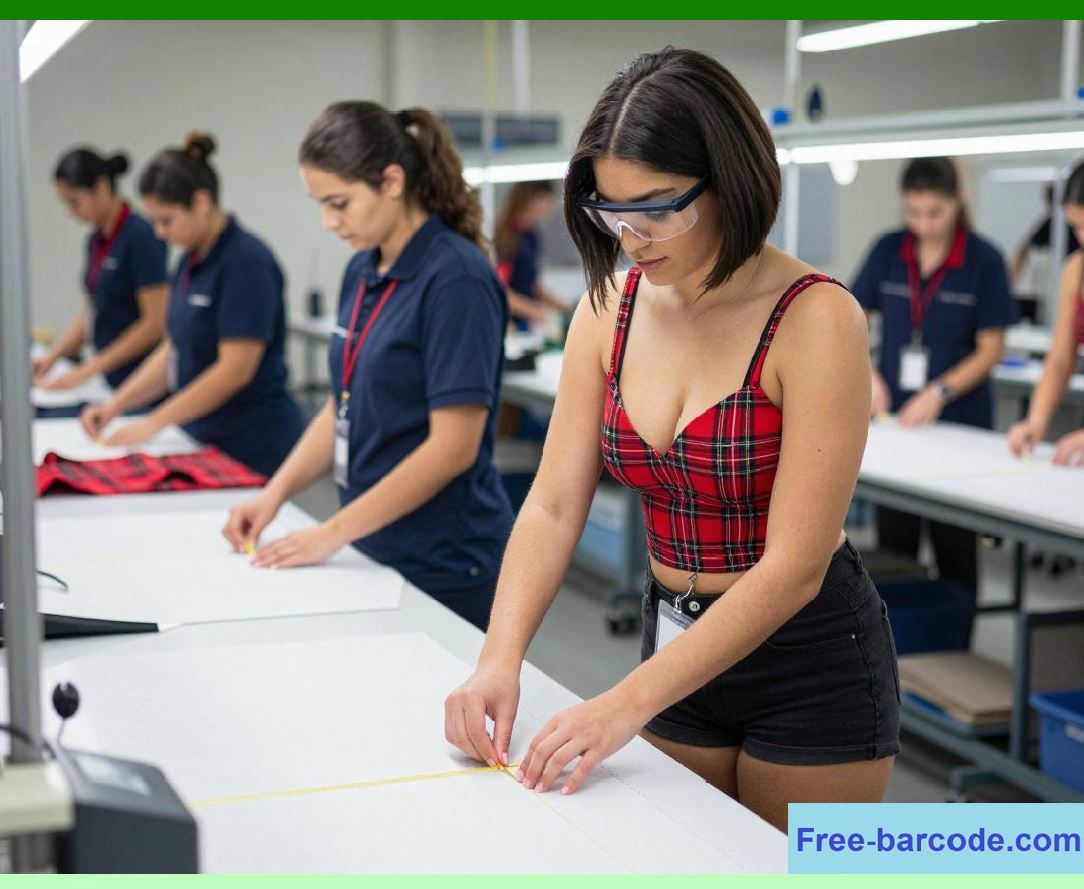
Efficient reverse logistics improves inventory recovery. |
|
10.2 Returned Product Classification |
10.2.1 |
Returned garments may require: |
* Restocking |
* Refurbishment |
* Discount resale |
* Disposal |
10.2.2 |
ERP systems classify returned inventory according to product condition. |
10.2.3 |
Classification improves inventory recovery strategies. |

|
11. Warehouse Labor and Productivity Management |
11.1 Workforce Scheduling and Labor Allocation |
11.1.1 |
Warehouse labor demand fluctuates significantly during: |
* Seasonal peaks |
* Promotional events |
* Holiday campaigns |
11.1.2 |
ERP systems optimize: |
* Labor scheduling |
* Shift planning |
* Productivity monitoring |
11.1.3 |
Labor optimization improves warehouse efficiency. |

|
11.2 Productivity Analytics |
11.2.1 |
ERP systems analyze: |
* Picking productivity |
* Packing efficiency |
* Shipment accuracy |
* Labor performance |
11.2.2 |
Operational analytics improve warehouse management decisions. |
|
12. AI and Automation in Apparel Logistics ERP |
12.1 AI-Based Inventory Optimization |
12.1.1 |
AI technologies increasingly support apparel logistics planning. |
12.1.2 |
ERP systems analyze: |
* Demand trends |
* Replenishment timing |
* Inventory movement patterns |
12.1.3 |
AI optimization improves inventory utilization and service levels. |

|
12.2 Robotics and Automated Warehousing |
12.2.1 |
Modern apparel warehouses increasingly use: |
* Automated sorting systems |
* Robotic picking technologies |
* Conveyor automation |
12.2.2 |
ERP systems coordinate automated warehouse operations. |
12.2.3 |
Automation improves operational scalability and efficiency. |

|
13. Sustainability in Apparel Logistics |
13.1 Sustainable Packaging Coordination |
13.1.1 |
Apparel enterprises increasingly adopt environmentally friendly packaging strategies. |
13.1.2 |
ERP systems track: |
* Packaging material usage |
* Recyclable packaging programs |
* Packaging cost optimization |
13.1.3 |
Sustainability tracking improves ESG performance. |

|
13.2 Carbon Emission Monitoring |
13.2.1 |
Logistics operations contribute significantly to apparel industry carbon emissions. |
13.2.2 |
ERP systems increasingly monitor: |
* Transportation emissions |
* Delivery route efficiency |
* Sustainable logistics metrics |
13.2.3 |
Emission visibility supports sustainability initiatives. |
|
14. Challenges in Apparel Warehouse ERP Implementation |
14.1 Managing Real-Time Inventory Accuracy |
14.1.1 |
Apparel warehouses process large transaction volumes continuously. |
14.1.2 |
Maintaining accurate real-time inventory visibility remains a major operational challenge. |
14.1.3 |
ERP systems require strong integration with warehouse technologies and operational discipline. |
|
14.2 Balancing Speed and Operational Accuracy |
14.2.1 |
Apparel enterprises must balance: |
* Fast fulfillment |
* Picking accuracy |
* Labor efficiency |
* Customer satisfaction |
14.2.2 |
ERP systems support operational optimization and workflow standardization. |
|
15. Future Development of Apparel Warehouse ERP Systems |
15.1 Autonomous Smart Warehouses |
15.1.1 |
Future apparel warehouses may operate through: |
* AI-driven inventory optimization |
* Autonomous mobile robots |
* Automated fulfillment systems |
15.1.2 |
ERP systems will function as centralized orchestration platforms for intelligent logistics ecosystems. |
|
15.2 Fully Connected Real-Time Supply Chains |
15.2.1 |
Future ERP systems may provide: |
* End-to-end inventory visibility |
* Predictive logistics coordination |
* Autonomous transportation optimization |
15.2.2 |
Real-time digital supply chains will significantly improve apparel operational responsiveness. |
|
Technical Content Summary of Part 32 |
This part explored warehouse management and logistics coordination within apparel ERP systems. It explained the complexity of apparel logistics operations involving massive SKU structures, omni-channel fulfillment, rapid inventory turnover, and high return volumes. |
The discussion covered WMS integration, inbound logistics, dynamic storage management, picking optimization, RFID and barcode tracking, omni-channel fulfillment, transportation management, reverse logistics, warehouse labor optimization, AI-driven inventory planning, warehouse automation, sustainability coordination, and future autonomous logistics ecosystems. |
These ERP capabilities are essential for improving inventory accuracy, fulfillment efficiency, warehouse productivity, logistics responsiveness, operational scalability, and customer satisfaction within apparel enterprises. |
|
URLs for reference: |
* [https://www.sap.com/](https://www.sap.com/) |
* [https://www.oracle.com/](https://www.oracle.com/) |
* [https://www.zebra.com/](https://www.zebra.com/) |
* [https://www.manh.com/](https://www.manh.com/) |
* [https://www.infor.com/](https://www.infor.com/) |
 cs@easiersoft.com