Part 34 |
Human Resource Management and Workforce Coordination in Apparel ERP Systems |
1. Introduction to Workforce Management in the Apparel Industry |
1.1 Importance of Human Resource Management in Apparel Enterprises |
1.1.1 |
The apparel industry is one of the most labor-intensive industries in the world. Even with increasing automation, apparel enterprises still rely heavily on: |
* Sewing operators |
* Pattern makers |
* Cutting workers |
* Designers |
* Quality inspectors |
* Warehouse personnel |
* Retail staff |
1.1.2 |
Apparel enterprises often operate through: |
* Large manufacturing facilities |
* Multi-country sourcing networks |
* Seasonal labor arrangements |
* Retail store chains |
* E-commerce fulfillment centers |

|
1.1.3 |
ERP systems function as centralized workforce coordination platforms integrating: |
* Employee records |
* Labor scheduling |
* Payroll processing |
* Performance management |
* Compliance monitoring |
* Workforce analytics |
1.1.4 |
Without ERP-driven workforce coordination, apparel enterprises frequently experience: |
* Labor inefficiencies |
* Payroll inaccuracies |
* Production bottlenecks |
* Compliance violations |
* High employee turnover |
1.1.5 |
Modern ERP systems therefore play a critical role in improving workforce productivity, labor visibility, and operational stability. |

|
2. Characteristics of Apparel Workforce Operations |
2.1 Labor-Intensive Manufacturing Environments |
2.1.1 |
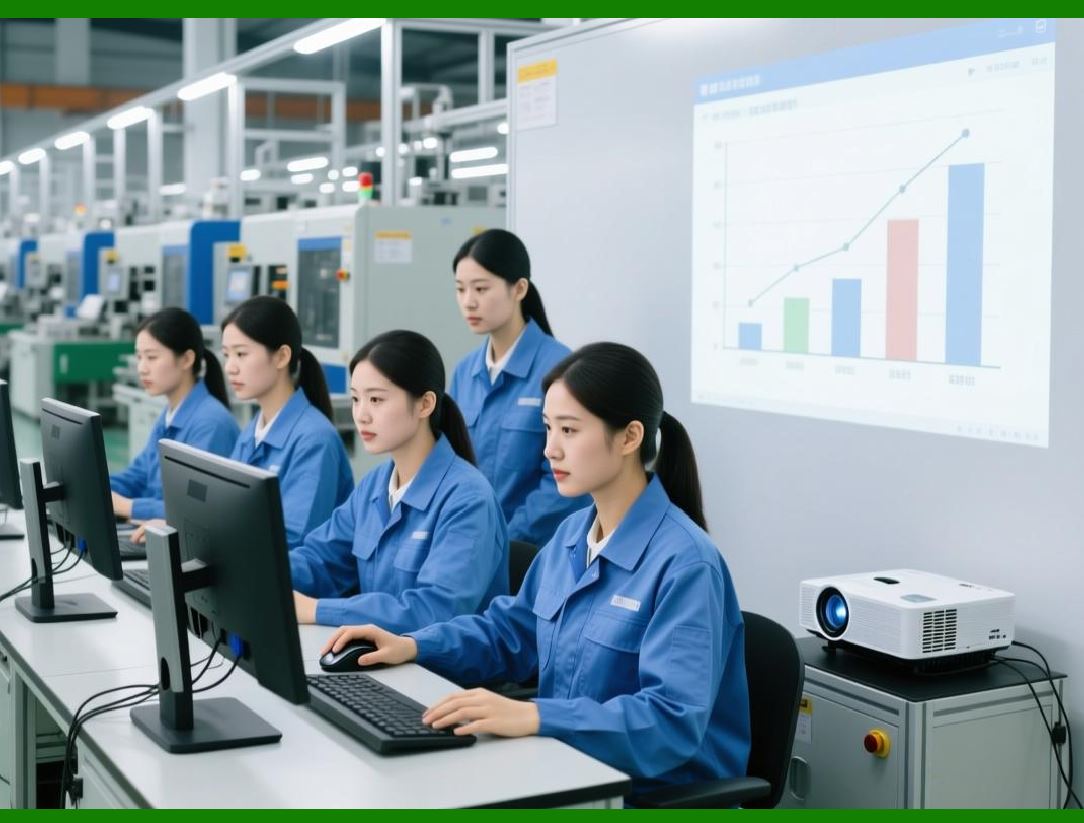
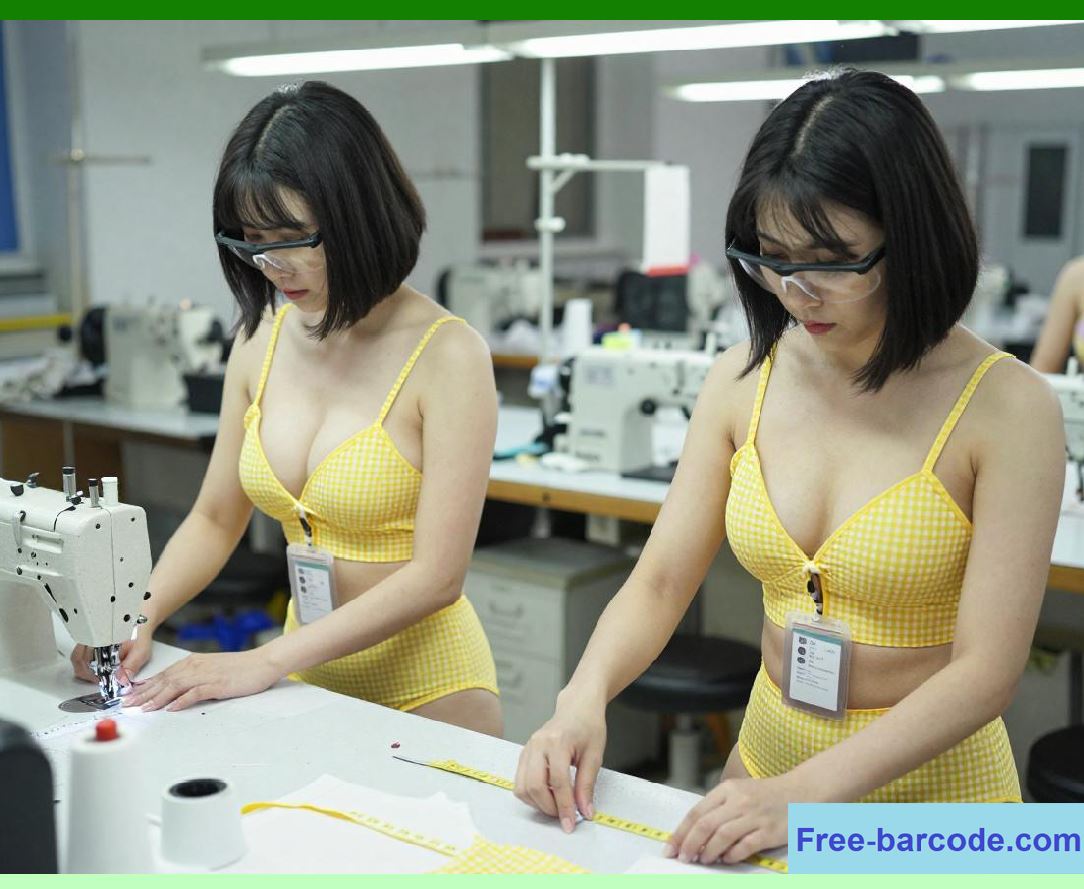
Apparel manufacturing operations require large labor forces across: |
* Cutting departments |
* Sewing lines |
* Finishing operations |
* Quality inspection units |
2.1.2 |
ERP systems coordinate workforce allocation according to: |
* Production schedules |
* Skill requirements |
* Capacity planning |
2.1.3 |
Efficient workforce management improves production efficiency. |
|
2.2 Seasonal Labor Fluctuations |
2.2.1 |
Apparel businesses often experience strong seasonal labor demand changes due to: |
* Fashion seasons |
* Holiday sales |
* Promotional campaigns |
2.2.2 |
ERP systems support flexible workforce planning and seasonal labor coordination. |

|
3. Employee Information Management |
3.1 Centralized Employee Records |
3.1.1 |
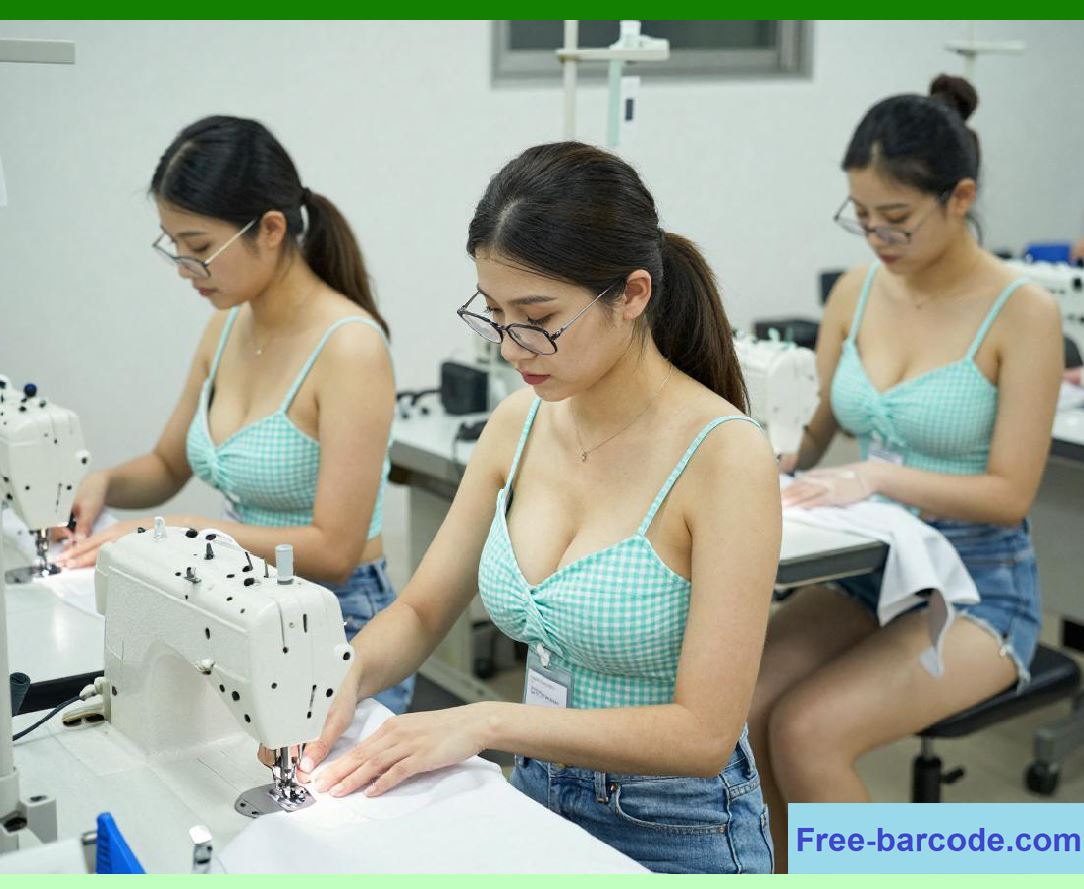
ERP systems maintain centralized employee databases involving: |
* Personal information |
* Employment history |
* Skill profiles |
* Training records |
* Attendance history |
3.1.2 |
Centralized records improve administrative efficiency and workforce visibility. |
|
3.2 Multi-Location Workforce Coordination |
3.2.1 |
Apparel enterprises often operate across multiple: |
* Factories |
* Warehouses |
* Retail stores |
* International offices |
3.2.2 |
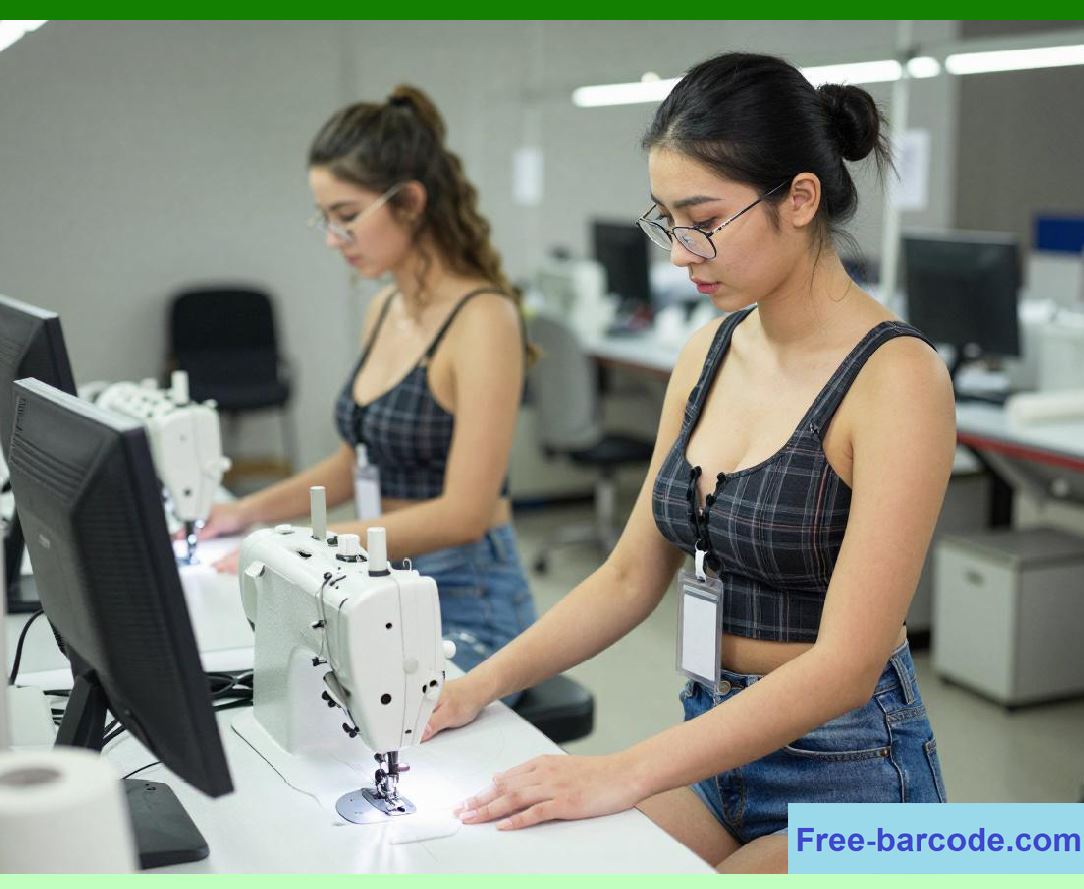
ERP systems provide unified workforce management across all operational locations. |
3.2.3 |
Centralized coordination improves organizational consistency. |
|
4. Labor Planning and Workforce Scheduling |
4.1 Production Workforce Scheduling |
4.1.1 |
ERP systems coordinate labor allocation according to: |
* Production orders |
* Sewing line capacity |
* Shift schedules |
* Operational priorities |
4.1.2 |
Scheduling optimization improves manufacturing productivity. |

|
4.2 Retail Workforce Management |
4.2.1 |
Retail apparel operations require workforce scheduling according to: |
* Store traffic |
* Seasonal demand |
* Promotional campaigns |
4.2.2 |
ERP systems optimize: |
* Shift assignments |
* Staff availability |
* Labor cost control |
4.2.3 |
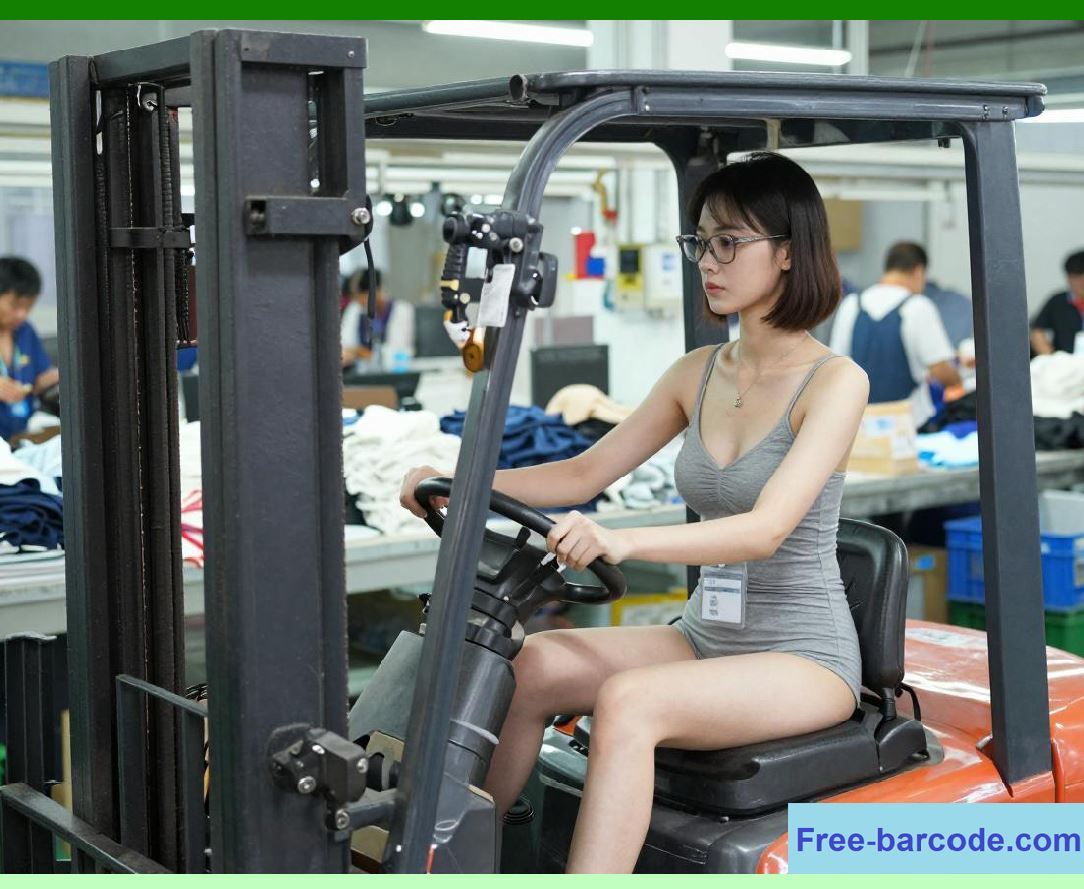
Retail workforce optimization improves customer service quality. |
|
5. Skill Management and Workforce Training |
5.1 Skill Matrix Management |
5.1.1 |
Apparel production involves specialized operational skills such as: |
* Sewing techniques |
* Pattern development |
* Fabric handling |
* Quality inspection |
5.1.2 |
ERP systems maintain skill matrices for workforce planning and training coordination. |
5.1.3 |
Skill visibility improves labor allocation efficiency. |
|
5.2 Employee Training Coordination |
5.2.1 |
ERP systems coordinate: |
* Technical training programs |
* Compliance education |
* Safety instruction |
* Equipment operation training |
5.2.2 |
Training management improves workforce competency and operational consistency. |
|
6. Payroll and Compensation Management |
6.1 Complex Payroll Structures |
6.1.1 |
Apparel payroll systems may involve: |
* Hourly wages |
* Piece-rate compensation |
* Overtime calculations |
* Incentive bonuses |
6.1.2 |
ERP systems automate payroll calculations and financial integration. |
6.1.3 |
Payroll automation improves accuracy and administrative efficiency. |

|
6.2 Production Incentive Management |
6.2.1 |
Many apparel factories use performance-based compensation systems. |
6.2.2 |
ERP systems calculate: |
* Productivity bonuses |
* Efficiency incentives |
* Attendance rewards |
6.2.3 |
Incentive visibility improves workforce motivation and productivity. |

|
7. Attendance and Time Tracking |
7.1 Attendance Monitoring Systems |
7.1.1 |
ERP systems integrate attendance tracking technologies involving: |
* Biometric systems |
* RFID badges |
* Mobile attendance applications |
7.1.2 |
Attendance visibility improves workforce accountability. |

|
7.2 Overtime and Labor Compliance Monitoring |
7.2.1 |
Apparel manufacturing often involves overtime operations during peak seasons. |
7.2.2 |
ERP systems monitor: |
* Working hours |
* Overtime limits |
* Labor law compliance |
7.2.3 |
Compliance visibility reduces legal and operational risks. |

|
8. Workforce Productivity and Performance Analytics |
8.1 Sewing Line Productivity Analysis |
8.1.1 |
ERP systems analyze: |
* Operator efficiency |
* Production output |
* Line balancing performance |
* Defect rates |
8.1.2 |
Productivity analytics improve operational optimization. |

|
8.2 Retail Employee Performance Tracking |
8.2.1 |
ERP systems evaluate retail workforce performance according to: |
* Sales results |
* Customer service metrics |
* Attendance reliability |
8.2.2 |
Performance visibility improves retail management effectiveness. |

|
9. Compliance and Ethical Labor Management |
9.1 Labor Law Compliance Coordination |
9.1.1 |
Global apparel enterprises must comply with: |
* Working hour regulations |
* Wage laws |
* Employment documentation requirements |
9.1.2 |
ERP systems centralize labor compliance monitoring and reporting. |
9.1.3 |
Compliance coordination reduces regulatory risks. |

|
9.2 Ethical Labor and ESG Monitoring |
9.2.1 |
The apparel industry faces increasing scrutiny regarding: |
* Worker welfare |
* Ethical sourcing |
* Factory labor conditions |
9.2.2 |
ERP systems track: |
* Social compliance audits |
* Worker certifications |
* Supplier labor standards |
9.2.3 |
Ethical labor visibility improves ESG performance and brand reputation. |

|
10. Workforce Coordination in Global Apparel Supply Chains |
10.1 Multi-Country Workforce Management |
10.1.1 |
Global apparel enterprises often operate manufacturing networks across multiple countries. |
10.1.2 |
ERP systems coordinate: |
* Regional labor regulations |
* Multi-language HR management |
* Cross-border payroll operations |
10.1.3 |
Global workforce visibility improves operational coordination. |

|
10.2 Outsourced Workforce and Contractor Management |
10.2.1 |
Apparel enterprises frequently use: |
* Contract factories |
* Temporary labor |
* Third-party logistics providers |
10.2.2 |
ERP systems track outsourced workforce performance and compliance status. |
10.2.3 |
External workforce visibility improves operational control. |
|
11. AI and Automation in Apparel HR ERP Systems |
11.1 AI-Based Workforce Planning |
11.1.1 |
AI technologies increasingly support: |
* Labor demand forecasting |
* Workforce scheduling |
* Productivity optimization |
11.1.2 |
ERP systems analyze: |
* Seasonal production trends |
* Retail traffic patterns |
* Operational workloads |
11.1.3 |
Predictive workforce planning improves operational efficiency. |
|
11.2 Intelligent Employee Performance Analytics |
11.2.1 |
ERP systems increasingly use AI to identify: |
* Productivity trends |
* Skill gaps |
* Training requirements |
11.2.2 |
AI analytics improve workforce development strategies. |
|
12. Health, Safety, and Workplace Risk Management |
12.1 Workplace Safety Monitoring |
12.1.1 |
Apparel manufacturing involves workplace risks related to: |
* Machinery operations |
* Chemical handling |
* Repetitive labor activities |
12.1.2 |
ERP systems track: |
* Safety training |
* Incident reporting |
* Equipment certification |
12.1.3 |
Safety management improves operational stability and employee welfare. |

|
12.2 Employee Wellness and Retention Management |
12.2.1 |
High employee turnover can significantly impact apparel operations. |
12.2.2 |
ERP systems analyze: |
* Retention trends |
* Workforce satisfaction |
* Absenteeism patterns |
12.2.3 |
Retention visibility improves workforce stability. |

|
13. Challenges in Apparel HR ERP Implementation |
13.1 Managing Large Distributed Workforces |
13.1.1 |
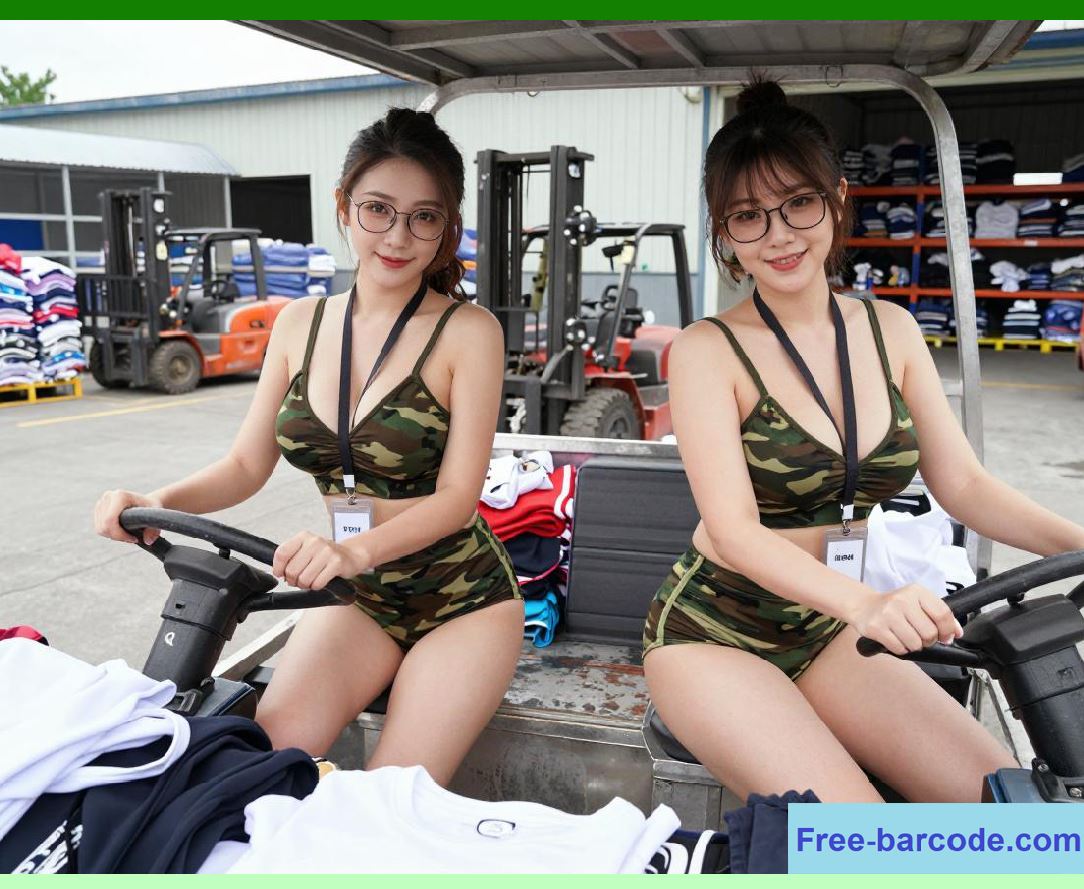
Apparel enterprises may employ thousands of workers across global operations. |
13.1.2 |
ERP systems must support: |
* Large-scale workforce databases |
* Real-time coordination |
* Regional compliance requirements |
13.1.3 |
Scalable HR architectures are essential for operational efficiency. |
|
13.2 Balancing Productivity and Worker Welfare |
13.2.1 |
Apparel enterprises must balance: |
* Production efficiency |
* Labor costs |
* Worker satisfaction |
* Compliance obligations |
13.2.2 |
ERP systems support data-driven workforce management and ethical operations. |
|
14. Future Development of HR ERP Systems in Apparel |
14.1 Intelligent Workforce Ecosystems |
14.1.1 |
Future ERP systems may autonomously optimize: |
* Workforce scheduling |
* Productivity balancing |
* Skill allocation |
* Labor forecasting |
14.1.2 |
AI-driven workforce coordination will improve operational agility. |
|
14.2 Digital Human Capital Platforms |
14.2.1 |
Future HR ERP systems may integrate: |
* Real-time employee analytics |
* Wearable workforce technologies |
* AI-based training systems |
* Digital labor compliance management |
14.2.2 |
Digital workforce ecosystems will strengthen operational efficiency and employee engagement. |
|
Technical Content Summary of Part 34 |
This part explored human resource management and workforce coordination within apparel ERP systems. It explained the labor-intensive nature of apparel operations involving large manufacturing workforces, retail staffing, seasonal labor fluctuations, and global labor coordination requirements. |
The discussion covered employee information management, workforce scheduling, skill matrix coordination, payroll processing, attendance monitoring, productivity analytics, labor compliance management, ethical sourcing oversight, AI-driven workforce planning, workplace safety management, and future intelligent workforce ecosystems. |
These ERP capabilities are essential for improving workforce productivity, labor visibility, compliance management, employee retention, operational efficiency, and ethical labor coordination within apparel enterprises. |
|
URLs for reference: |
* [https://www.sap.com/](https://www.sap.com/) |
* [https://www.oracle.com/](https://www.oracle.com/) |
* [https://www.workday.com/](https://www.workday.com/) |
* [https://www.infor.com/](https://www.infor.com/) |
* [https://www.ilo.org/](https://www.ilo.org/) |
 cs@easiersoft.com