Part 35 |
Quality Management and Product Traceability in Apparel ERP Systems |
1. Introduction to Quality Management in the Apparel Industry |
1.1 Importance of Quality Control in Apparel Enterprises |
1.1.1 |
Quality management is one of the most important operational functions within the apparel industry. Apparel products directly influence: |
* Consumer satisfaction |
* Brand reputation |
* Return rates |
* Regulatory compliance |
* Retail competitiveness |
1.1.2 |
Unlike many industrial products, apparel quality involves both: |
* Functional performance |
* Aesthetic presentation |

|
1.1.3 |
Consumers evaluate apparel quality according to: |
* Fabric feel |
* Fit accuracy |
* Stitching quality |
* Color consistency |
* Durability |
* Comfort |
* Design appearance |
1.1.4 |
ERP systems function as centralized quality coordination platforms integrating: |
* Material inspection |
* Production quality control |
* Supplier quality management |
* Defect tracking |
* Product traceability |
* Compliance monitoring |

|
1.1.5 |
Without ERP-driven quality management, apparel enterprises frequently experience: |
* High defect rates |
* Product recalls |
* Customer complaints |
* Increased returns |
* Brand reputation damage |
1.1.6 |
Modern ERP systems therefore play a critical role in maintaining product consistency, operational reliability, and customer trust. |

|
2. Characteristics of Apparel Quality Management |
2.1 Multi-Stage Quality Control Requirements |
2.1.1 |
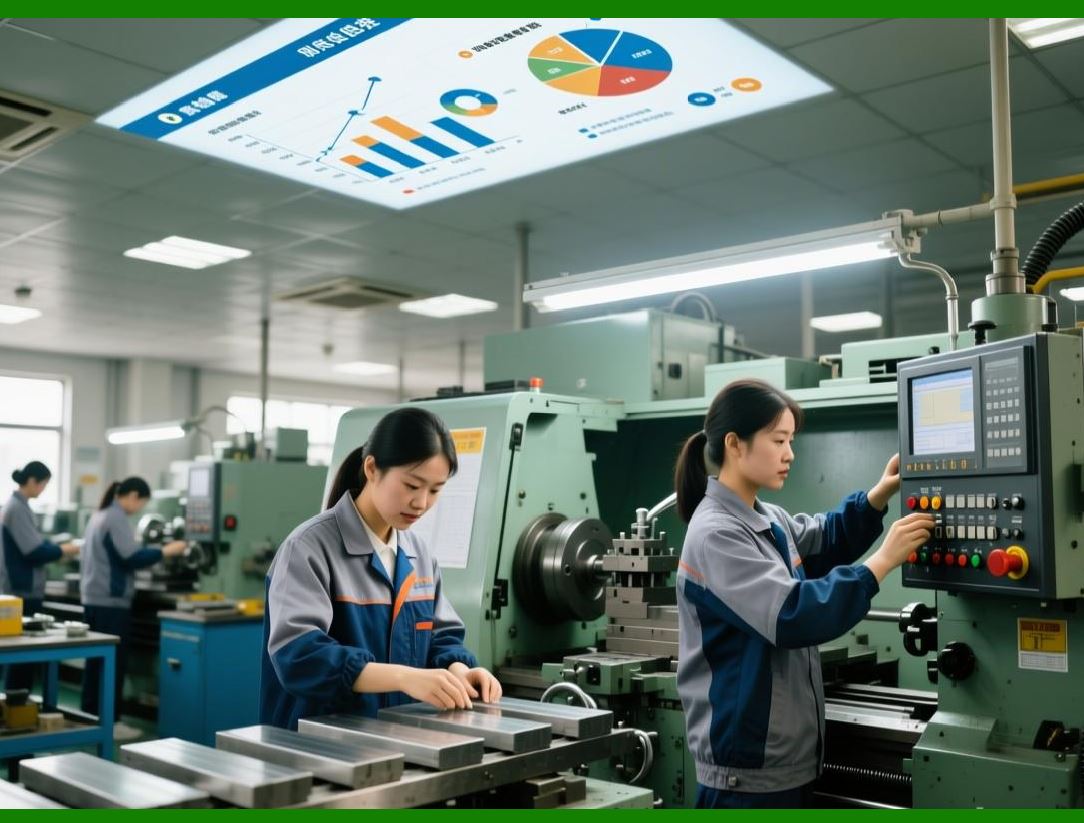
Apparel quality management spans multiple operational stages involving: |
* Fabric sourcing |
* Cutting operations |
* Sewing processes |
* Finishing activities |
* Packaging |
* Distribution |
2.1.2 |
ERP systems coordinate quality inspections throughout the entire product lifecycle. |
2.1.3 |
End-to-end quality visibility improves defect prevention and operational consistency. |
|
2.2 High Variability in Apparel Production |
2.2.1 |
Apparel production involves significant operational variability due to: |
* Manual sewing operations |
* Fabric characteristics |
* Pattern complexity |
* Human craftsmanship |
2.2.2 |
ERP systems standardize quality procedures and inspection workflows. |
2.2.3 |
Standardization improves product consistency across large-scale operations. |

|
3. Supplier Quality Management |
3.1 Material Supplier Evaluation |
3.1.1 |
Apparel product quality begins with material quality management. |
3.1.2 |
ERP systems evaluate suppliers according to: |
* Fabric consistency |
* Color accuracy |
* Delivery reliability |
* Compliance certifications |
3.1.3 |
Supplier quality visibility improves procurement decisions and production stability. |

|
3.2 Incoming Material Inspection |
3.2.1 |
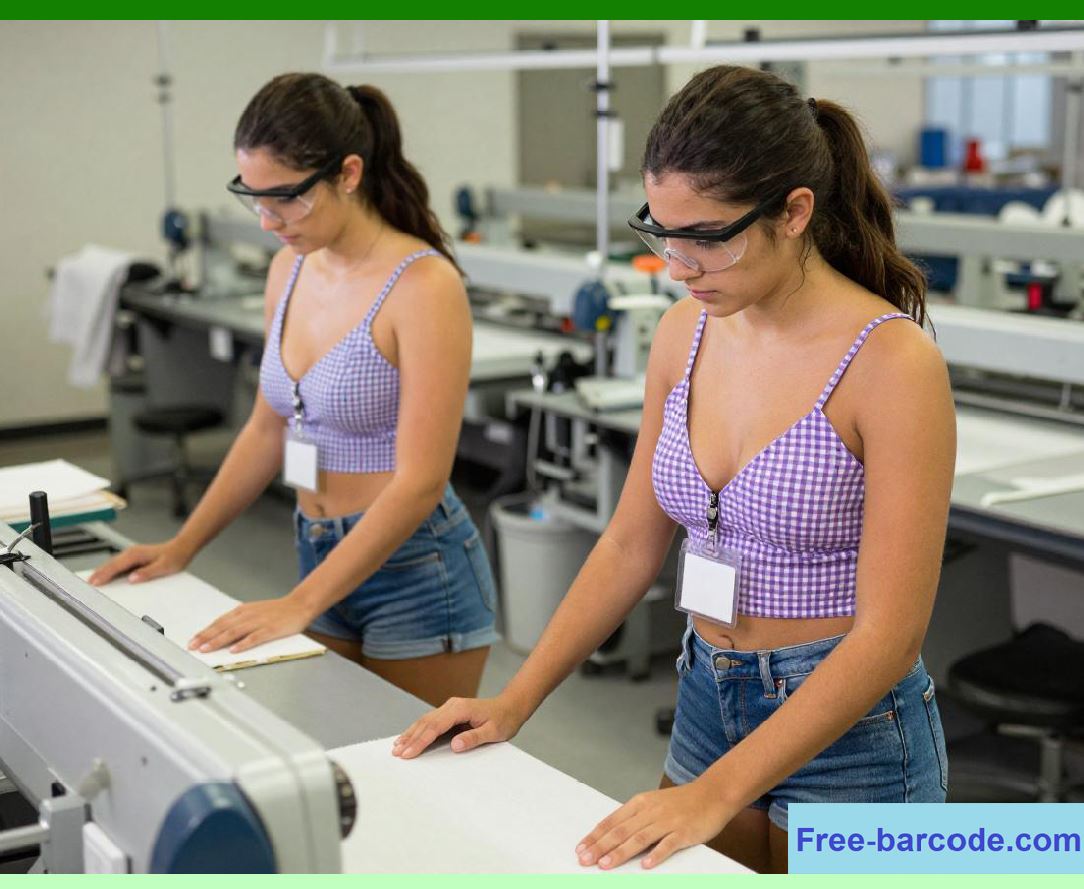
ERP systems coordinate inspection processes involving: |
* Fabric defects |
* Weight measurements |
* Color verification |
* Shrinkage testing |
3.2.2 |
Material inspection reduces downstream production risks. |
3.2.3 |
Early defect detection improves operational efficiency. |
|
4. Fabric Quality Management |
4.1 Fabric Defect Detection |
4.1.1 |
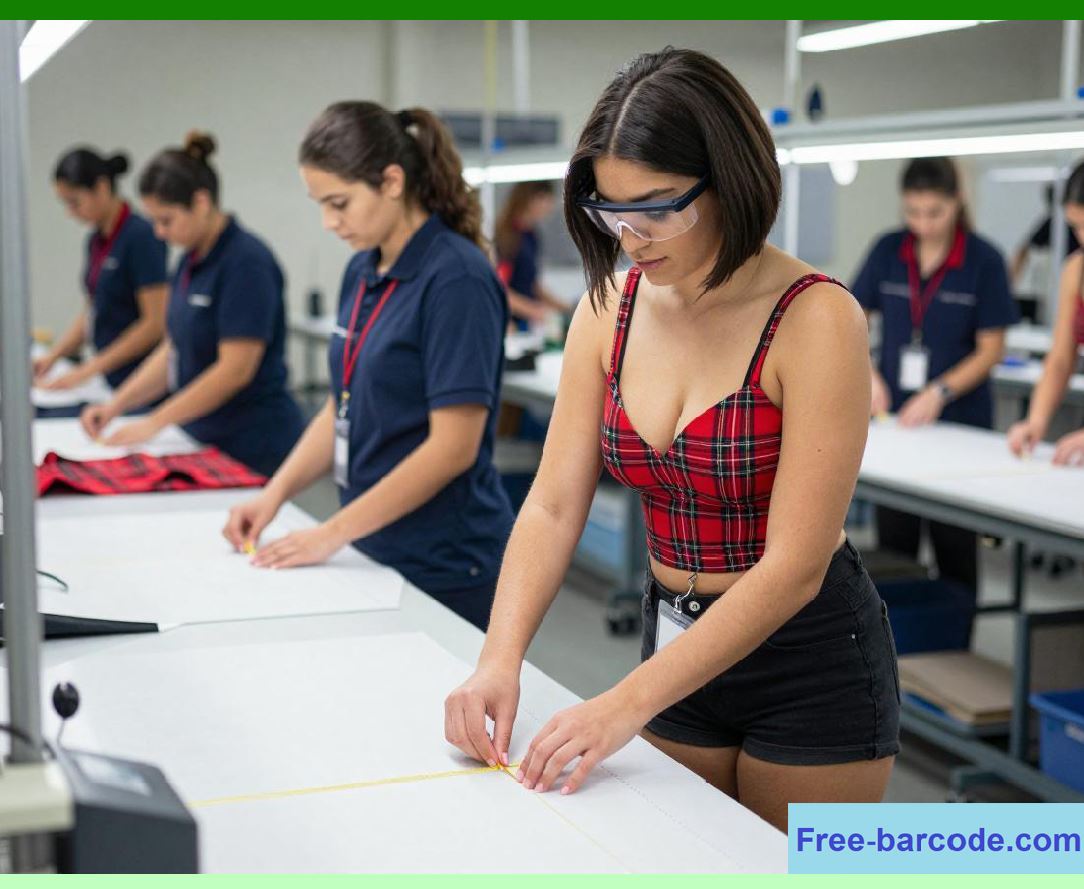
Fabric defects may include: |
* Holes |
* Stains |
* Weaving inconsistencies |
* Dyeing problems |
4.1.2 |
ERP systems record: |
* Inspection results |
* Defect classifications |
* Supplier performance data |
4.1.3 |
Fabric quality visibility improves product reliability. |
|
4.2 Color Consistency Management |
4.2.1 |
Color consistency is critically important in apparel manufacturing. |
4.2.2 |
ERP systems track: |
* Dye lots |
* Color measurements |
* Shade variations |
4.2.3 |
Color control improves product consistency and customer satisfaction. |

|
5. Production Quality Control |
5.1 Cutting Quality Management |
5.1.1 |
ERP systems monitor cutting operations involving: |
* Pattern alignment |
* Fabric utilization |
* Cutting accuracy |
5.1.2 |
Cutting precision directly influences garment quality and production efficiency. |

|
5.2 Sewing Quality Control |
5.2.1 |
Sewing quality inspections involve: |
* Seam strength |
* Stitch density |
* Assembly accuracy |
* Thread consistency |
5.2.2 |
ERP systems record production defects and corrective actions. |
5.2.3 |
Sewing quality visibility improves manufacturing consistency. |

|
6. In-Line and End-of-Line Inspection Systems |
6.1 In-Line Quality Inspection |
6.1.1 |
In-line inspections occur during production to identify problems early. |
6.1.2 |
ERP systems coordinate: |
* Inspection checkpoints |
* Defect reporting |
* Corrective workflows |
6.1.3 |
Early detection reduces rework and production waste. |

|
6.2 Final Product Inspection |
6.2.1 |
Finished garments undergo final inspections involving: |
* Appearance evaluation |
* Measurement verification |
* Packaging checks |
6.2.2 |
ERP systems maintain final inspection records and shipment approvals. |
6.2.3 |
Final inspection improves shipment quality reliability. |

|
7. Measurement and Fit Quality Management |
7.1 Garment Measurement Verification |
7.1.1 |
Apparel sizing accuracy is essential for customer satisfaction. |
7.1.2 |
ERP systems track: |
* Size specifications |
* Tolerance ranges |
* Measurement deviations |
7.1.3 |
Measurement control improves fit consistency. |

|
7.2 Fit Sample Management |
7.2.1 |
ERP systems coordinate: |
* Fit sample approvals |
* Pattern revisions |
* Measurement adjustments |
7.2.2 |
Fit management improves product standardization and retail performance. |

|
8. Defect Tracking and Corrective Action Management |
8.1 Defect Classification Systems |
8.1.1 |
ERP systems classify defects according to: |
* Severity |
* Production stage |
* Root cause |
* Supplier responsibility |
8.1.2 |
Structured defect analysis improves quality improvement initiatives. |

|
8.2 Corrective and Preventive Action (CAPA) Management |
8.2.1 |
ERP systems coordinate: |
* Root cause analysis |
* Corrective action planning |
* Preventive quality programs |
8.2.2 |
CAPA workflows improve long-term operational quality. |
8.2.3 |
Continuous improvement strengthens product reliability. |

|
9. Product Traceability Systems |
9.1 Batch and Production Tracking |
9.1.1 |
ERP systems maintain traceability involving: |
* Fabric batches |
* Production lines |
* Sewing operators |
* Inspection records |
9.1.2 |
Traceability improves operational transparency and recall management. |

|
9.2 RFID and Barcode Traceability |
9.2.1 |
ERP systems increasingly integrate: |
* Barcode systems |
* RFID technologies |
* Digital product identifiers |
9.2.2 |
Digital traceability improves inventory visibility and product authentication. |
9.2.3 |
Technology integration strengthens supply chain transparency. |

|
10. Compliance and Regulatory Quality Management |
10.1 Product Safety Compliance |
10.1.1 |
Apparel enterprises must comply with various product safety regulations involving: |
* Chemical restrictions |
* Flammability standards |
* Labeling requirements |
10.1.2 |
ERP systems maintain compliance documentation and testing records. |
10.1.3 |
Compliance visibility reduces legal and operational risks. |

|
10.2 Sustainability and Ethical Compliance Tracking |
10.2.1 |
Consumers increasingly demand: |
* Sustainable production |
* Ethical sourcing |
* Environmentally responsible products |
10.2.2 |
ERP systems track: |
* Sustainability certifications |
* Factory audits |
* Environmental compliance |
10.2.3 |
Compliance transparency improves ESG performance. |

|
11. Customer Complaint and Return Quality Analysis |
11.1 Customer Feedback Integration |
11.1.1 |
ERP systems integrate customer feedback involving: |
* Product complaints |
* Return reasons |
* Fit dissatisfaction |
* Quality concerns |
11.1.2 |
Customer feedback improves quality improvement initiatives. |

|
11.2 Return Defect Analytics |
11.2.1 |
ERP systems analyze: |
* Return trends |
* Product defect patterns |
* Supplier-related issues |
11.2.2 |
Analytics improve operational decision-making and product reliability. |

|
12. AI and Automation in Apparel Quality ERP Systems |
12.1 AI-Based Defect Detection |
12.1.1 |
AI technologies increasingly support automated defect identification involving: |
* Fabric scanning |
* Seam inspection |
* Pattern recognition |
12.1.2 |
ERP systems integrate AI-generated inspection data into quality workflows. |
12.1.3 |
Automation improves inspection speed and accuracy. |

|
12.2 Predictive Quality Analytics |
12.2.1 |
ERP systems increasingly analyze: |
* Historical defect patterns |
* Production performance trends |
* Supplier quality risks |
12.2.2 |
Predictive analytics improve preventive quality management. |

|
13. Quality Analytics and Business Intelligence |
13.1 Real-Time Quality Dashboards |
13.1.1 |
ERP systems provide dashboards involving: |
* Defect rates |
* Inspection results |
* Supplier quality performance |
* Return statistics |
13.1.2 |
Real-time visibility improves management responsiveness. |
|
13.2 Continuous Quality Improvement Analytics |
13.2.1 |
ERP systems support: |
* Trend analysis |
* Root cause monitoring |
* Quality benchmarking |
13.2.2 |
Analytics improve operational optimization and product consistency. |
|
14. Challenges in Apparel Quality ERP Implementation |
14.1 Managing Quality Across Global Supply Chains |
14.1.1 |
Global apparel enterprises often operate through complex supplier networks. |
14.1.2 |
Maintaining consistent quality standards across multiple factories remains a major challenge. |
14.1.3 |
ERP systems support centralized quality coordination and compliance monitoring. |
|
14.2 Balancing Speed, Cost, and Quality |
14.2.1 |
Apparel enterprises must balance: |
* Rapid production |
* Cost efficiency |
* Product quality |
* Customer expectations |
14.2.2 |
ERP systems support data-driven operational optimization and quality management. |
|
15. Future Development of Apparel Quality ERP Systems |
15.1 Intelligent Autonomous Quality Systems |
15.1.1 |
Future ERP systems may autonomously coordinate: |
* Automated inspections |
* Real-time defect detection |
* Predictive quality analysis |
15.1.2 |
AI-driven quality ecosystems will improve operational precision and efficiency. |
|
15.2 Fully Transparent Digital Product Traceability |
15.2.1 |
Future ERP systems may provide: |
* End-to-end product traceability |
* Consumer-facing digital product passports |
* Blockchain-based authenticity verification |
15.1.2 |
Digital transparency will strengthen customer trust and regulatory compliance. |
|
Technical Content Summary of Part 35 |
This part explored quality management and product traceability within apparel ERP systems. It explained the complexity of apparel quality operations involving multi-stage inspections, supplier quality management, sewing precision control, measurement verification, defect tracking, and regulatory compliance coordination. |
The discussion covered fabric quality management, in-line inspections, final product inspections, fit control, CAPA workflows, RFID and barcode traceability, customer complaint analysis, AI-driven defect detection, sustainability compliance tracking, predictive quality analytics, and future intelligent traceability ecosystems. |
These ERP capabilities are essential for improving product consistency, operational reliability, regulatory compliance, supply chain transparency, customer satisfaction, and brand reputation within apparel enterprises. |
|
URLs for reference: |
* [https://www.sap.com/](https://www.sap.com/) |
* [https://www.oracle.com/](https://www.oracle.com/) |
* [https://www.gs1.org/](https://www.gs1.org/) |
* [https://www.zebra.com/](https://www.zebra.com/) |
* [https://www.iso.org/](https://www.iso.org/) |
 cs@easiersoft.com