Part 36 |
Supply Chain Management and Global Sourcing Coordination in Apparel ERP Systems |
1. Introduction to Apparel Supply Chain Management |
1.1 Importance of Supply Chain Coordination in the Apparel Industry |
1.1.1 |
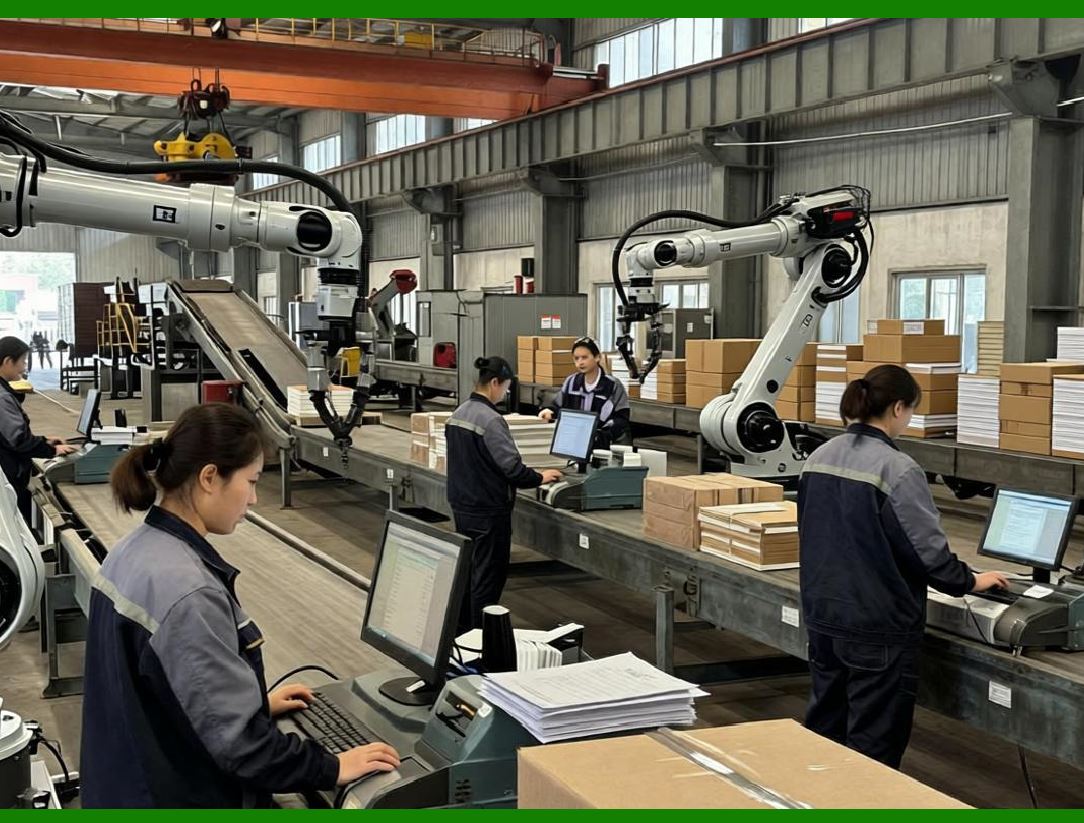
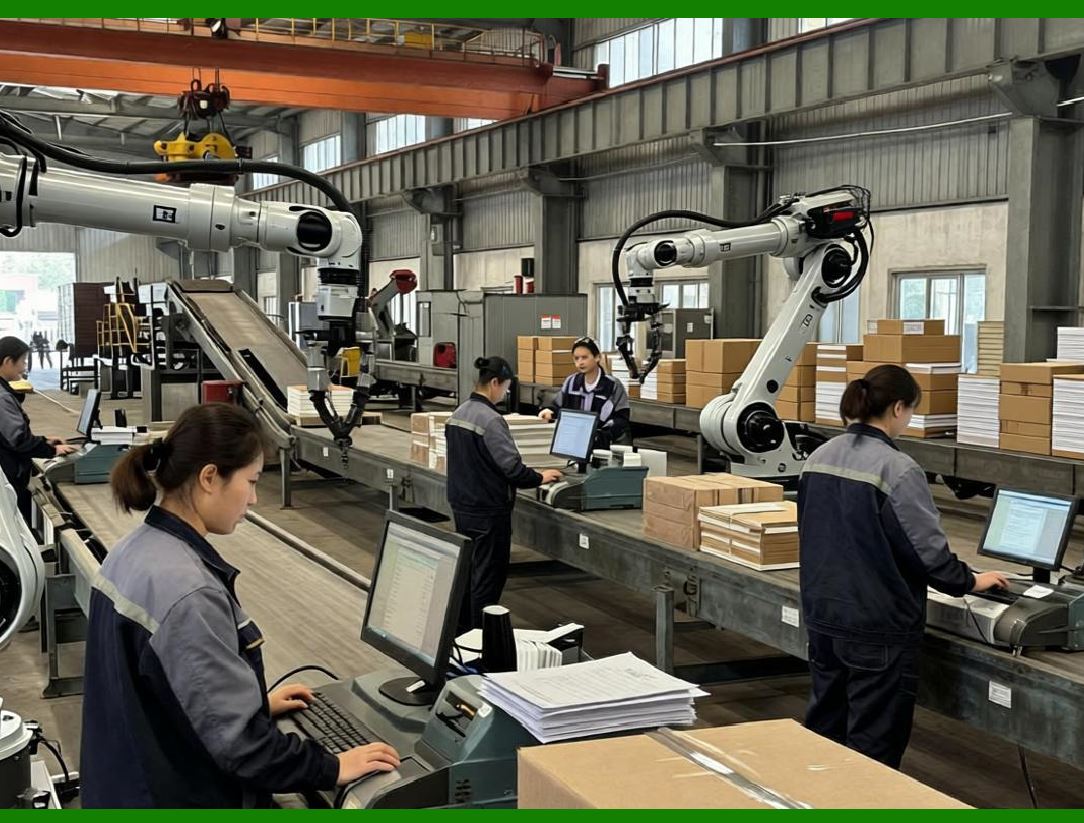
The apparel industry operates through highly complex global supply chain networks involving: |
* Raw material suppliers |
* Fabric mills |
* Dyeing facilities |
* Contract manufacturers |
* Logistics providers |
* Distribution centers |
* Retail channels |
1.1.2 |
Unlike many industries, apparel supply chains must respond rapidly to: |
* Fashion trends |
* Seasonal demand fluctuations |
* Consumer preference changes |
* Short product lifecycles |
|
1.1.3 |
ERP systems function as centralized supply chain coordination platforms integrating: |
* Procurement management |
* Supplier collaboration |
* Production planning |
* Logistics coordination |
* Inventory visibility |
* Demand forecasting |
1.1.4 |
Without ERP-driven supply chain management, apparel enterprises frequently experience: |
* Material shortages |
* Production delays |
* Inventory imbalances |
* Logistics inefficiencies |
* Poor supplier visibility |
1.1.5 |
Modern ERP systems therefore play a critical role in improving supply chain agility, operational transparency, and global coordination. |

|
2. Characteristics of Apparel Supply Chains |
2.1 Globalized Production Networks |
2.1.1 |
Apparel production often involves international supply chain structures spanning multiple countries. |
2.1.2 |
A single garment may involve: |
* Cotton sourced from one region |
* Fabric manufacturing in another country |
* Garment assembly elsewhere |
* Distribution to global retail markets |
2.1.3 |
ERP systems centralize supply chain visibility across geographically distributed operations. |

|
2.2 High Demand Volatility |
2.2.1 |
Fashion demand changes rapidly due to: |
* Seasonal trends |
* Social media influence |
* Consumer behavior shifts |
2.2.2 |
ERP systems improve demand forecasting and operational responsiveness. |

|
3. Supplier Management and Collaboration |
3.1 Supplier Database Management |
3.1.1 |
ERP systems maintain centralized supplier information involving: |
* Supplier capabilities |
* Production capacity |
* Compliance certifications |
* Historical performance |
3.1.2 |
Supplier visibility improves sourcing decisions and operational planning. |

|
3.2 Supplier Performance Evaluation |
3.2.1 |
ERP systems evaluate suppliers according to: |
* Delivery reliability |
* Product quality |
* Pricing stability |
* Compliance performance |
3.2.2 |
Supplier analytics improve procurement optimization and risk management. |

|
4. Raw Material Procurement Management |
4.1 Fabric and Trim Procurement Coordination |
4.1.1 |
Apparel production requires coordinated procurement involving: |
* Fabrics |
* Buttons |
* Zippers |
* Labels |
* Packaging materials |
4.1.2 |
ERP systems automate: |
* Purchase requisitions |
* Supplier quotations |
* Procurement approvals |
4.1.3 |
Procurement automation improves operational efficiency. |

|
4.2 Procurement Lead Time Management |
4.2.1 |
Material lead times significantly influence apparel production schedules. |
4.2.2 |
ERP systems monitor: |
* Supplier delivery timelines |
* Procurement risks |
* Material availability |
4.2.3 |
Lead time visibility improves production planning accuracy. |

|
5. Demand Forecasting and Supply Planning |
5.1 Demand-Driven Supply Chain Coordination |
5.1.1 |
ERP systems analyze: |
* Historical sales |
* Market trends |
* Seasonal demand |
* Promotional campaigns |
5.1.2 |
Demand forecasting improves: |
* Procurement planning |
* Production scheduling |
* Inventory balancing |
5.1.3 |
Forecast accuracy improves supply chain responsiveness. |

|
5.2 AI-Based Supply Chain Forecasting |
5.2.1 |
AI technologies increasingly support predictive supply planning. |
5.2.2 |
ERP systems analyze: |
* Real-time sales data |
* Consumer behavior |
* External market indicators |
5.2.3 |
AI forecasting improves operational agility and inventory optimization. |

|
6. Production Coordination Across Supply Networks |
6.1 Multi-Factory Production Planning |
6.1.1 |
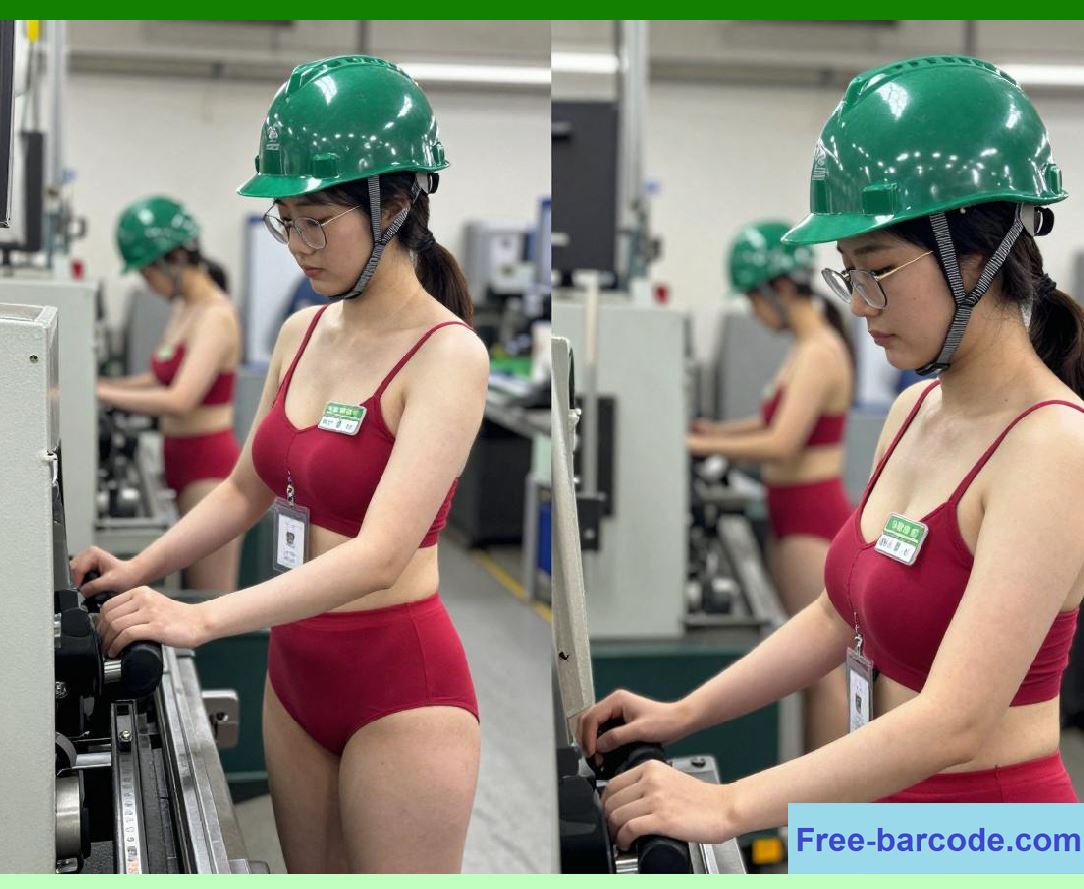
Apparel enterprises frequently distribute production across multiple factories. |
6.1.2 |
ERP systems coordinate: |
* Factory capacity allocation |
* Production scheduling |
* Order prioritization |
6.1.3 |
Centralized coordination improves operational efficiency. |
|
6.2 Contract Manufacturing Management |
6.2.1 |
Many apparel enterprises outsource production to contract manufacturers. |
6.2.2 |
ERP systems manage: |
* Production orders |
* Vendor communication |
* Quality tracking |
* Shipment coordination |
6.2.3 |
Outsourcing visibility improves supply chain control. |

|
7. Inventory Coordination Across the Supply Chain |
7.1 Multi-Location Inventory Visibility |
7.1.1 |
ERP systems provide centralized inventory visibility across: |
* Suppliers |
* Factories |
* Warehouses |
* Retail stores |
7.1.2 |
Real-time visibility improves replenishment coordination and inventory balancing. |
7.2 Safety Stock and Buffer Inventory Management |
7.2.1 |
ERP systems calculate: |
* Safety stock levels |
* Buffer inventory requirements |
* Reorder points |
7.2.2 |
Inventory optimization reduces stockout risks while controlling inventory costs. |

|
8. Logistics and Transportation Coordination |
8.1 Global Transportation Planning |
8.1.1 |
Apparel supply chains require coordinated transportation involving: |
* Ocean freight |
* Air shipments |
* Rail logistics |
* Truck transportation |
8.1.2 |
ERP systems optimize: |
* Shipment scheduling |
* Freight costs |
* Delivery timelines |
8.1.3 |
Transportation optimization improves operational efficiency. |
8.2 Shipment Tracking and Visibility |
8.2.1 |
ERP systems provide real-time shipment tracking involving: |
* Container locations |
* Customs status |
* Delivery progress |
8.2.2 |
Shipment visibility improves supply chain responsiveness and customer communication. |

|
9. Risk Management in Apparel Supply Chains |
9.1 Supply Chain Disruption Management |
9.1.1 |
Apparel supply chains may face disruptions involving: |
* Political instability |
* Natural disasters |
* Transportation delays |
* Supplier failures |
9.1.2 |
ERP systems support: |
* Risk monitoring |
* Alternative supplier planning |
* Contingency coordination |
9.1.3 |
Risk visibility improves operational resilience. |
9.2 Multi-Sourcing Strategies |
9.2.1 |
ERP systems support diversified sourcing strategies to reduce dependency risks. |
9.2.2 |
Multi-sourcing improves: |
* Supply continuity |
* Pricing flexibility |
* Operational stability |
9.2.3 |
Supplier diversification strengthens supply chain resilience. |
|
10. Sustainability and Ethical Sourcing Management |
10.1 Sustainable Material Sourcing |
10.1.1 |
Consumers increasingly demand sustainable apparel products. |
10.1.2 |
ERP systems track: |
* Organic materials |
* Recycled fabrics |
* Sustainable supplier certifications |
10.1.3 |
Sustainability visibility improves ESG performance. |
10.2 Ethical Supply Chain Compliance |
10.2.1 |
Global apparel enterprises must monitor: |
* Labor standards |
* Environmental compliance |
* Supplier working conditions |
10.2.2 |
ERP systems coordinate: |
* Supplier audits |
* Compliance documentation |
* Risk assessments |
10.2.3 |
Ethical visibility improves brand reputation and regulatory compliance. |

|
11. Digital Collaboration in Apparel Supply Chains |
11.1 Supplier Portal Integration |
11.1.1 |
ERP systems increasingly provide supplier collaboration portals involving: |
* Order tracking |
* Document sharing |
* Production updates |
11.1.2 |
Digital collaboration improves communication efficiency and operational transparency. |
11.2 Real-Time Data Sharing Ecosystems |
11.2.1 |
ERP systems synchronize real-time operational data involving: |
* Production progress |
* Inventory levels |
* Shipment updates |
11.2.2 |
Connected ecosystems improve supply chain responsiveness and coordination accuracy. |

|
12. AI and Automation in Supply Chain ERP Systems |
12.1 AI-Based Supply Chain Optimization |
12.1.1 |
AI technologies increasingly optimize: |
* Inventory planning |
* Transportation routing |
* Supplier selection |
* Production balancing |
12.1.2 |
ERP systems use predictive analytics to improve operational efficiency. |
12.2 Autonomous Supply Chain Coordination |
12.2.1 |
Future ERP systems may autonomously coordinate: |
* Procurement execution |
* Inventory allocation |
* Logistics planning |
12.2.2 |
Autonomous supply chains will improve scalability and responsiveness. |

|
13. Financial Coordination Within Supply Chains |
13.1 Procurement Cost Visibility |
13.1.1 |
ERP systems track: |
* Material costs |
* Transportation expenses |
* Supplier pricing changes |
13.1.2 |
Financial visibility improves sourcing optimization and profitability management. |
13.2 Supply Chain Cash Flow Coordination |
13.2.1 |
ERP systems manage: |
* Supplier payment schedules |
* Inventory investments |
* Logistics expenditures |
13.2.2 |
Cash flow coordination improves financial stability and operational planning. |

|
14. Challenges in Apparel Supply Chain ERP Implementation |
14.1 Managing Global Operational Complexity |
14.1.1 |
Apparel supply chains involve: |
* Multiple countries |
* Diverse suppliers |
* Different regulatory environments |
14.1.2 |
ERP systems must support highly scalable and flexible operational coordination. |
14.2 Balancing Speed, Cost, and Sustainability |
14.2.1 |
Apparel enterprises must balance: |
* Rapid product delivery |
* Cost efficiency |
* Ethical sourcing |
* Sustainability goals |
14.2.2 |
ERP systems support data-driven supply chain optimization. |

|
15. Future Development of Apparel Supply Chain ERP Systems |
15.1 Intelligent Real-Time Supply Networks |
15.1.1 |
Future ERP systems may provide: |
* Real-time global inventory visibility |
* AI-driven sourcing optimization |
* Predictive logistics management |
15.1.2 |
Intelligent supply networks will improve operational agility and resilience. |
15.2 Blockchain and Digital Traceability Ecosystems |
15.2.1 |
Future ERP systems may integrate: |
* Blockchain traceability |
* Digital product passports |
* Smart supplier contracts |
15.2.2 |
Digital transparency will improve compliance, authenticity verification, and consumer trust. |

|
Technical Content Summary of Part 36 |
This part explored supply chain management and global sourcing coordination within apparel ERP systems. It explained the complexity of global apparel supply chains involving multi-country sourcing, volatile demand patterns, supplier collaboration, logistics coordination, and sustainability management. |
The discussion covered supplier management, procurement coordination, AI-driven forecasting, multi-factory production planning, inventory visibility, transportation management, risk mitigation strategies, sustainable sourcing, digital collaboration platforms, autonomous supply chain optimization, and future blockchain-enabled traceability ecosystems. |
These ERP capabilities are essential for improving supply chain visibility, sourcing efficiency, logistics coordination, operational resilience, sustainability performance, and global operational scalability within apparel enterprises. |

|
URLs for reference: |
* [https://www.sap.com/](https://www.sap.com/) |
* [https://www.oracle.com/](https://www.oracle.com/) |
* [https://www.infor.com/](https://www.infor.com/) |
* [https://www.gs1.org/](https://www.gs1.org/) |
* [https://www.iso.org/](https://www.iso.org/) |
 cs@easiersoft.com