Part 39 |
Production Scheduling and Manufacturing Execution in Apparel ERP Systems |
1. Introduction to Apparel Production Scheduling |
1.1 Importance of Production Scheduling in Apparel Manufacturing |
1.1.1 |
Production scheduling is one of the most critical operational functions within the apparel industry. Apparel manufacturing environments are characterized by: |
* Short product lifecycles |
* High SKU complexity |
* Frequent style changes |
* Seasonal production peaks |
* Tight delivery deadlines |
* Labor-intensive production processes |

|
1.1.2 |
Apparel enterprises must coordinate: |
* Material availability |
* Sewing line capacity |
* Workforce allocation |
* Equipment utilization |
* Outsourced production |
* Shipment deadlines |
1.1.3 |
ERP systems function as centralized production scheduling platforms integrating: |
* Demand forecasting |
* Material planning |
* Capacity management |
* Manufacturing execution |
* Quality monitoring |
* Logistics coordination |

|
1.1.4 |
Without ERP-driven production scheduling, apparel enterprises frequently encounter: |
* Production bottlenecks |
* Delivery delays |
* Excess overtime |
* Inventory imbalances |
* Low manufacturing efficiency |
1.1.5 |
Modern ERP systems therefore play a critical role in improving manufacturing responsiveness, production visibility, and operational efficiency. |

|
2. Characteristics of Apparel Manufacturing Operations |
2.1 High Product Variety and Frequent Style Changes |
2.1.1 |
Apparel factories produce large numbers of styles involving: |
* Different sizes |
* Color variations |
* Seasonal collections |
* Fashion-driven updates |
2.1.2 |
Frequent style changes increase: |
* Production complexity |
* Setup requirements |
* Scheduling challenges |
2.1.3 |
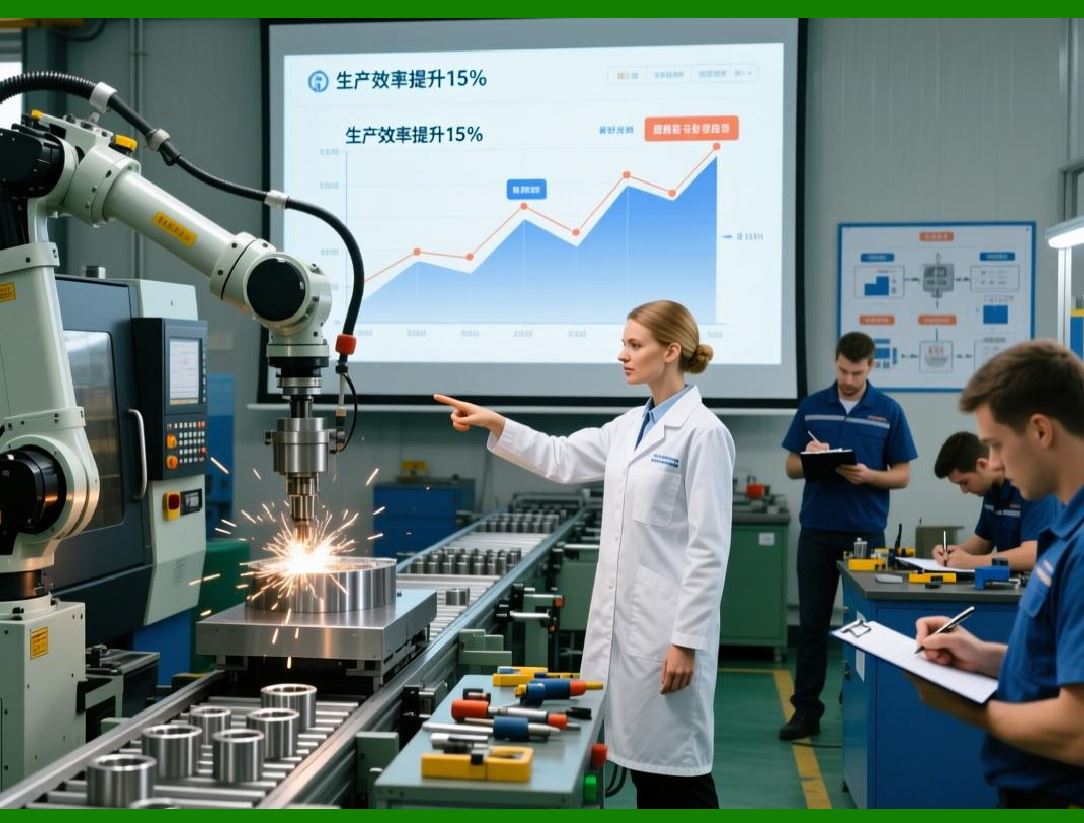
ERP systems improve operational coordination and scheduling precision. |
|
2.2 Labor-Intensive Production Environments |
2.2.1 |
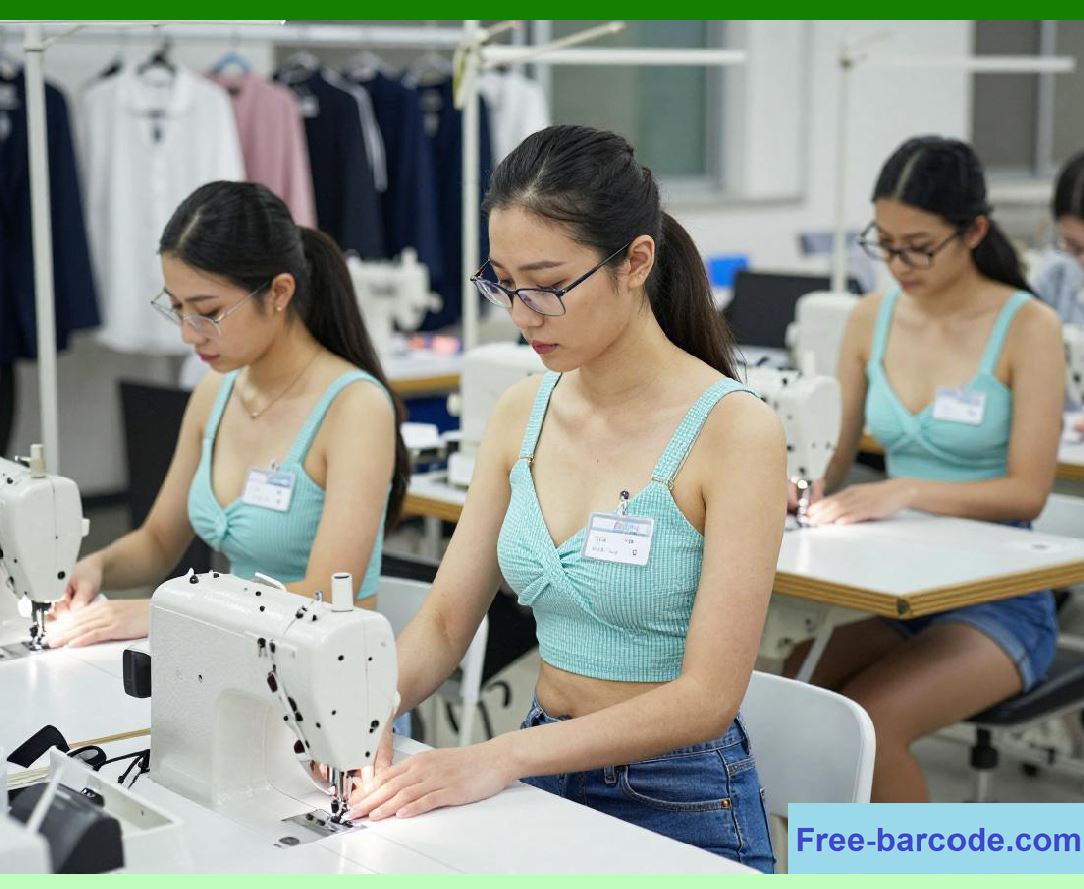
Many apparel manufacturing operations still rely heavily on manual labor involving: |
* Sewing |
* Finishing |
* Inspection |
* Packaging |
2.2.2 |
ERP systems coordinate workforce allocation and line balancing. |
2.2.3 |
Labor visibility improves production efficiency and operational control. |

|
3. Production Planning in Apparel ERP Systems |
3.1 Master Production Scheduling (MPS) |
3.1.1 |
ERP systems generate master production schedules according to: |
* Sales forecasts |
* Customer orders |
* Seasonal demand |
* Inventory availability |
3.1.2 |
MPS coordination improves: |
* Capacity utilization |
* Material planning |
* Delivery reliability |
3.1.3 |
Production planning improves operational stability and responsiveness. |
|
3.2 Material Requirements Planning (MRP) |
3.2.1 |
ERP systems calculate material requirements involving: |
* Fabrics |
* Trims |
* Packaging materials |
* Accessories |
3.2.2 |
MRP coordination reduces: |
* Material shortages |
* Excess inventory |
* Production delays |
3.2.3 |
Material visibility improves manufacturing continuity. |

|
4. Capacity Planning and Line Balancing |
4.1 Sewing Line Capacity Management |
4.1.1 |
ERP systems analyze: |
* Line efficiency |
* Operator productivity |
* Equipment availability |
* Style complexity |
4.1.2 |
Capacity planning improves production scheduling accuracy. |
4.2 Production Line Balancing |
4.2.1 |
Apparel manufacturing efficiency depends heavily on balanced sewing operations. |
4.2.2 |
ERP systems optimize: |
* Workstation allocation |
* Operator assignments |
* Operation sequencing |
4.2.3 |
Line balancing improves productivity and reduces bottlenecks. |
|
5. Detailed Production Scheduling |
5.1 Short-Term Production Scheduling |
5.1.1 |
ERP systems generate detailed production schedules involving: |
* Daily production plans |
* Shift assignments |
* Work order sequencing |
5.1.2 |
Detailed scheduling improves operational coordination and delivery performance. |
5.2 Dynamic Schedule Adjustments |
5.2.1 |
Apparel manufacturing environments frequently experience: |
* Rush orders |
* Material shortages |
* Equipment breakdowns |
* Workforce fluctuations |
5.2.2 |
ERP systems support real-time schedule adjustments. |
5.2.3 |
Dynamic scheduling improves operational agility. |

|
6. Manufacturing Execution Systems (MES) Integration |
6.1 ERP and MES Coordination |
6.1.1 |
ERP systems increasingly integrate with Manufacturing Execution Systems. |
6.1.2 |
MES integration provides: |
* Real-time production monitoring |
* Operator tracking |
* Defect reporting |
* Machine performance visibility |
6.1.3 |
Integrated execution improves production transparency. |
6.2 Real-Time Shop Floor Data Collection |
6.2.1 |
ERP systems collect production data involving: |
* Output quantities |
* Defect rates |
* Labor productivity |
* Downtime incidents |
6.2.2 |
Real-time visibility improves manufacturing decision-making. |

|
7. Cutting Room and Fabric Coordination |
7.1 Fabric Allocation and Spreading Planning |
7.1.1 |
ERP systems coordinate: |
* Fabric allocation |
* Marker planning |
* Spreading schedules |
7.1.2 |
Fabric coordination improves material utilization and cutting efficiency. |
7.2 Cutting Order Optimization |
7.2.1 |
ERP systems optimize: |
* Cutting batches |
* Production priorities |
* Fabric consumption |
7.2.2 |
Optimization reduces material waste and improves production flow. |
|
8. Sewing Operations Management |
8.1 Operation Breakdown and Routing |
8.1.1 |
ERP systems define: |
* Sewing operations |
* Standard operation times |
* Production routing sequences |
8.1.2 |
Routing visibility improves production planning and workforce coordination. |
8.2 Real-Time Sewing Line Monitoring |
8.2.1 |
ERP systems monitor: |
* Production progress |
* Operator output |
* Defect occurrence |
* Line efficiency |
8.2.2 |
Real-time visibility improves operational responsiveness and productivity management. |

|
9. Quality Coordination in Manufacturing Execution |
9.1 In-Line Quality Monitoring |
9.1.1 |
ERP systems integrate quality inspections directly into production workflows. |
9.1.2 |
In-line quality control improves: |
* Defect detection speed |
* Rework reduction |
* Production consistency |
9.2 Production Traceability |
9.2.1 |
ERP systems track: |
* Production batches |
* Operator activities |
* Machine utilization |
* Inspection records |
9.2.2 |
Traceability improves accountability and quality management. |

|
10. Outsourced Production Coordination |
10.1 Contract Manufacturing Management |
10.1.1 |
Many apparel enterprises outsource production to external factories. |
10.1.2 |
ERP systems coordinate: |
* Production orders |
* Vendor scheduling |
* Material allocation |
* Delivery tracking |
10.1.3 |
Outsourcing visibility improves supply chain coordination. |
10.2 Multi-Factory Scheduling Coordination |
10.2.1 |
ERP systems optimize production allocation across: |
* Internal factories |
* Contract manufacturers |
* Regional production centers |
10.2.2 |
Multi-factory coordination improves production flexibility and delivery reliability. |

|
11. AI and Automation in Production Scheduling |
11.1 AI-Based Production Optimization |
11.1.1 |
AI technologies increasingly support: |
* Capacity forecasting |
* Bottleneck prediction |
* Production balancing |
* Delivery optimization |
11.1.2 |
ERP systems analyze: |
* Historical production performance |
* Demand fluctuations |
* Workforce efficiency |
11.1.3 |
Predictive optimization improves manufacturing responsiveness. |
11.2 Smart Factory and Automation Integration |
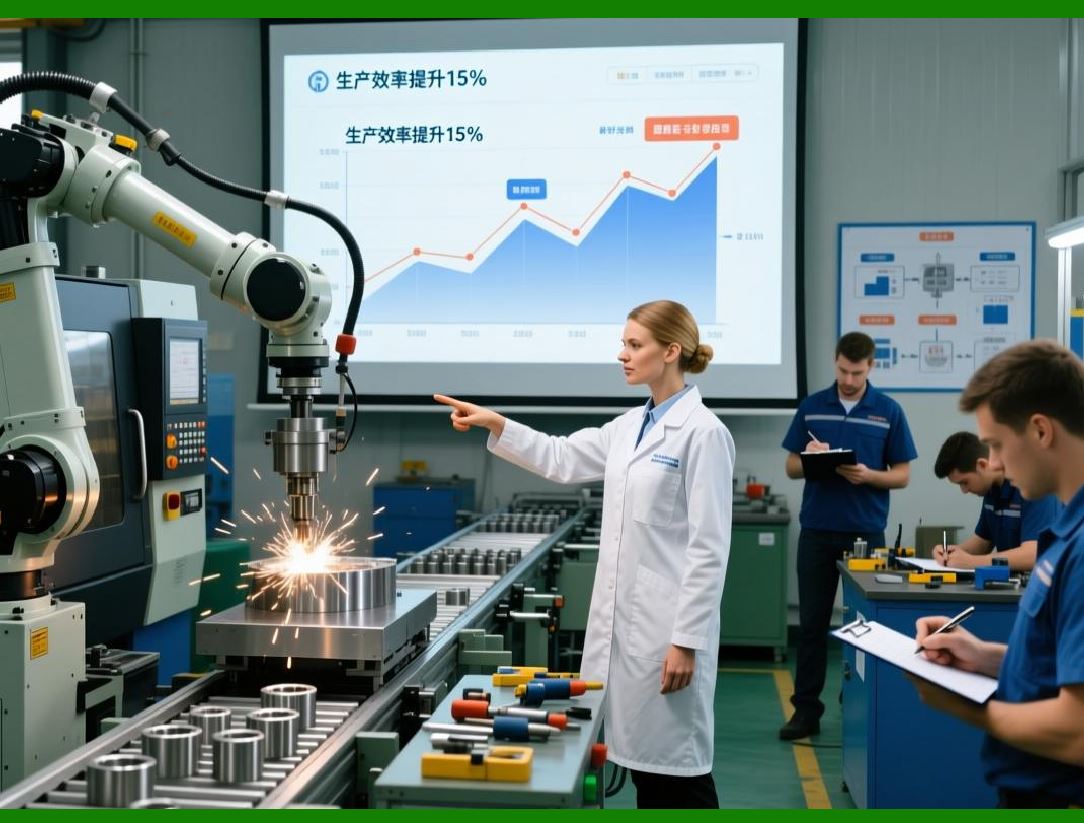
11.2.1 |
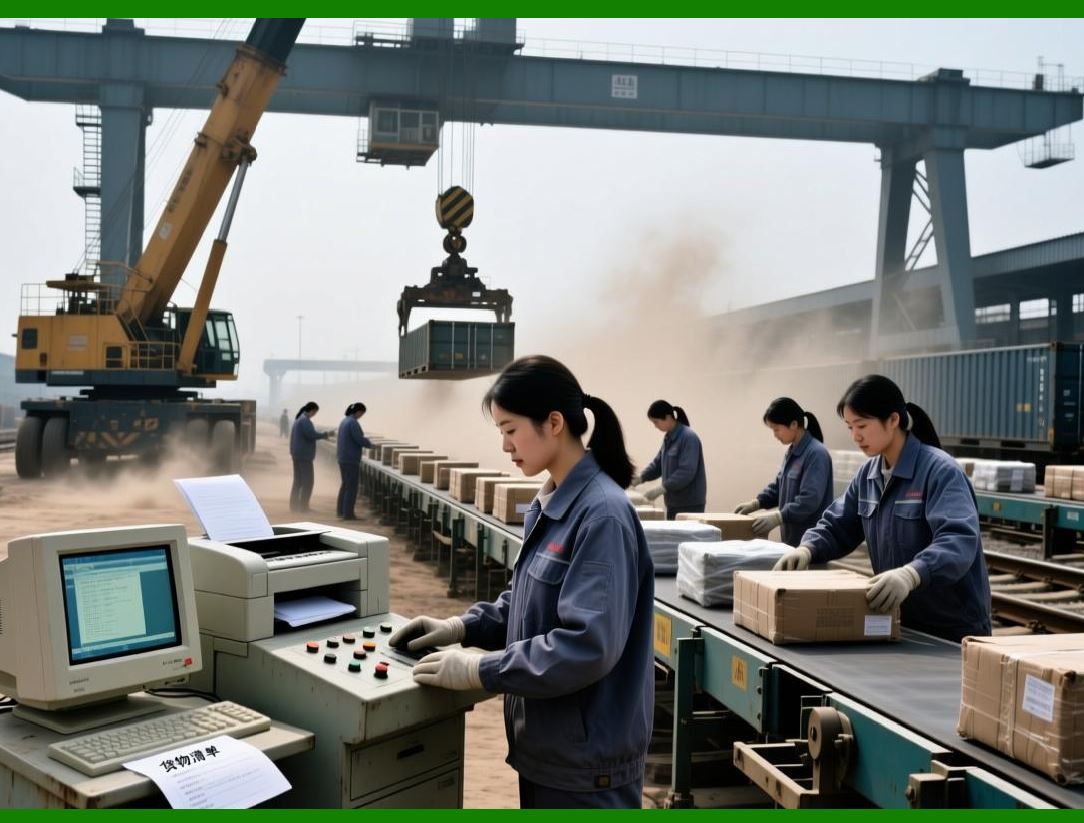
Modern apparel factories increasingly use: |
* Automated cutting systems |
* Digital sewing equipment |
* Robotics |
* IoT-enabled machines |
11.2.2 |
ERP systems coordinate automated manufacturing ecosystems. |
11.2.3 |
Automation improves scalability and production precision. |
|
12. Apparel Manufacturing Performance Analytics |
12.1 Production KPI Monitoring |
12.1.1 |
ERP systems track manufacturing KPIs involving: |
* Line efficiency |
* Output performance |
* Defect rates |
* Delivery accuracy |
12.1.2 |
KPI visibility improves operational optimization and accountability. |
12.2 Predictive Manufacturing Analytics |
12.2.1 |
ERP systems increasingly analyze: |
* Production trends |
* Machine performance |
* Labor productivity |
* Delay risks |
12.2.2 |
Predictive analytics improve operational planning and risk mitigation. |

|
13. Sustainability in Apparel Manufacturing ERP Systems |
13.1 Resource Consumption Monitoring |
13.1.1 |
ERP systems track: |
* Fabric utilization |
* Energy consumption |
* Water usage |
* Production waste |
13.1.2 |
Resource visibility improves sustainability management and operational efficiency. |
13.2 Sustainable Manufacturing Coordination |
13.2.1 |
Apparel enterprises increasingly adopt: |
* Lean manufacturing |
* Waste reduction programs |
* Ethical production standards |
13.2.2 |
ERP systems support sustainability tracking and compliance monitoring. |
13.2.3 |
Sustainability integration improves ESG performance and brand reputation. |

|
14. Challenges in Apparel Production ERP Implementation |
14.1 Managing Frequent Operational Changes |
14.1.1 |
Apparel manufacturing environments experience: |
* Rapid style updates |
* Seasonal production shifts |
* Dynamic order changes |
14.1.2 |
ERP systems must support highly flexible scheduling and production coordination. |
14.2 Balancing Speed, Cost, and Quality |
14.2.1 |
Apparel enterprises must balance: |
* Fast production cycles |
* Labor efficiency |
* Product quality |
* Delivery reliability |
14.2.2 |
ERP systems support data-driven manufacturing optimization. |

|
15. Future Development of Apparel Production ERP Systems |
15.1 Autonomous Intelligent Manufacturing Systems |
15.1.1 |
Future ERP systems may autonomously coordinate: |
* Production scheduling |
* Capacity balancing |
* Material allocation |
* Quality adjustments |
15.1.2 |
Autonomous manufacturing ecosystems will improve operational responsiveness and scalability. |
15.2 Fully Connected Smart Apparel Factories |
15.2.1 |
Future ERP systems may integrate: |
* Real-time IoT monitoring |
* AI-driven production optimization |
* Digital twin technologies |
* Self-adjusting production lines |
15.2.2 |
Smart factories will redefine apparel manufacturing efficiency and agility. |
|
Technical Content Summary of Part 39 |
This part explored production scheduling and manufacturing execution within apparel ERP systems. It explained the complexity of apparel manufacturing operations involving short product lifecycles, high SKU variability, labor-intensive production environments, and dynamic scheduling requirements. |
The discussion covered master production scheduling, MRP coordination, capacity planning, sewing line balancing, MES integration, cutting room management, sewing operation monitoring, outsourced production coordination, AI-driven production optimization, smart factory integration, manufacturing analytics, sustainability monitoring, and future autonomous manufacturing ecosystems. |
These ERP capabilities are essential for improving production efficiency, manufacturing visibility, delivery reliability, labor utilization, operational agility, and scalability within apparel enterprises. |
|
URLs for reference: |
* [https://www.sap.com/](https://www.sap.com/) |
* [https://www.oracle.com/](https://www.oracle.com/) |
* [https://www.infor.com/](https://www.infor.com/) |
* [https://www.rockwellautomation.com/](https://www.rockwellautomation.com/) |
* [https://www.siemens.com/](https://www.siemens.com/) |
 cs@easiersoft.com