Part 41 |
ERP Applications in the Fast Fashion Industry |
1. Introduction to the Fast Fashion Industry |
1.1 Characteristics of Fast Fashion Business Models |
1.1.1 |
The fast fashion industry represents one of the most operationally demanding sectors within the global apparel market. Fast fashion enterprises focus on: |
* Rapid product development |
* High-frequency product launches |
* Trend-driven manufacturing |
* Short product lifecycles |
* Quick inventory turnover |
* Affordable pricing strategies |

|
1.1.2 |
Fast fashion brands continuously respond to: |
* Social media trends |
* Celebrity influence |
* Consumer behavior shifts |
* Seasonal fashion changes |
* Viral product demand |
1.1.3 |
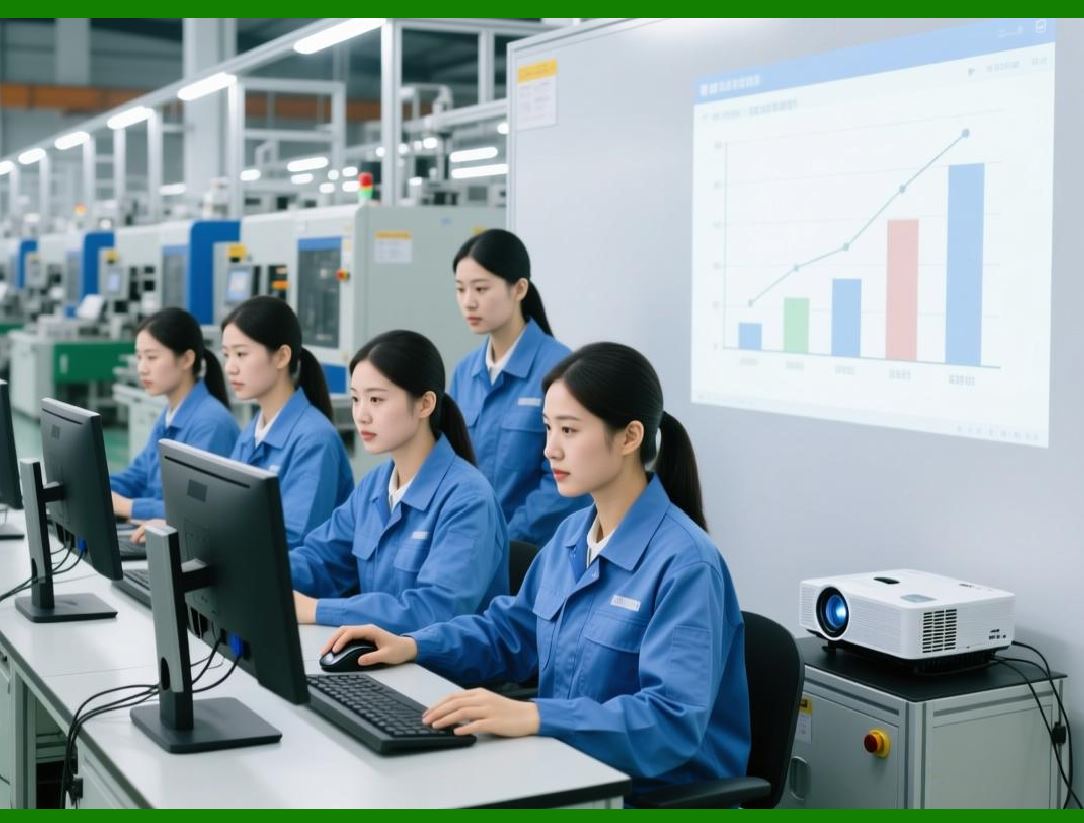
ERP systems function as centralized operational coordination platforms integrating: |
* Trend analysis |
* Product development |
* Supply chain coordination |
* Production scheduling |
* Inventory management |
* Retail synchronization |

|
1.1.4 |
Without ERP systems, fast fashion enterprises frequently encounter: |
* Delayed product launches |
* Inventory overstock |
* Stockout situations |
* Supply chain inefficiencies |
* Poor trend responsiveness |
1.1.5 |
Modern ERP systems therefore play a critical role in enabling speed, agility, scalability, and operational coordination within fast fashion ecosystems. |
|
2. Core Operational Characteristics of Fast Fashion Enterprises |
2.1 Extremely Short Product Lifecycles |
2.1.1 |
Fast fashion products often remain in the market for only a short period before replacement. |
2.1.2 |
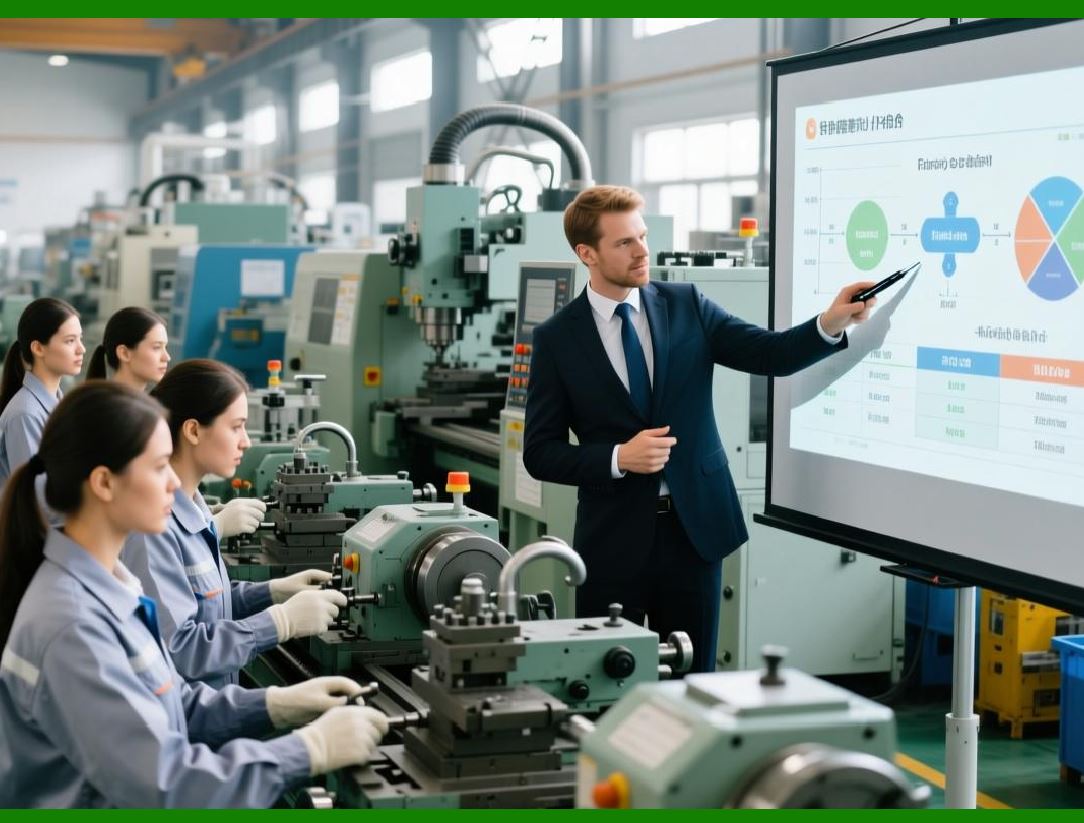
Rapid product turnover requires: |
* Accelerated design cycles |
* Fast production execution |
* Agile logistics coordination |
* Real-time inventory visibility |
2.1.3 |
ERP systems support highly responsive operational workflows. |
|
2.2 Continuous Style Introduction |
2.2.1 |
Fast fashion enterprises continuously release: |
* New collections |
* Seasonal updates |
* Limited editions |
* Trend-based capsule products |
2.2.2 |
ERP systems manage: |
* Product master data |
* SKU generation |
* Product lifecycle coordination |
2.2.3 |
Continuous product innovation improves market competitiveness. |
|
3. Trend-Driven Product Development |
3.1 Rapid Design-to-Production Coordination |
3.1.1 |
Fast fashion enterprises must rapidly convert trends into commercial products. |
3.1.2 |
ERP systems coordinate: |
* Design approvals |
* Sample management |
* Material sourcing |
* Production scheduling |
3.1.3 |
Operational integration reduces product launch cycles. |
3.2 AI-Based Trend Analysis |
3.2.1 |
ERP systems increasingly analyze: |
* Social media trends |
* Consumer behavior |
* Online search patterns |
* Influencer activity |
3.2.2 |
AI-driven analytics improve product planning and merchandising decisions. |
|
4. Agile Supply Chain Management |
4.1 Flexible Supplier Coordination |
4.1.1 |
Fast fashion supply chains require: |
* Rapid material procurement |
* Flexible production capacity |
* Fast logistics responsiveness |
4.1.2 |
ERP systems coordinate: |
* Supplier communication |
* Material planning |
* Capacity allocation |
4.1.3 |
Supply chain agility improves speed-to-market performance. |
4.2 Multi-Sourcing Strategies |
4.2.1 |
Fast fashion enterprises frequently use diversified sourcing strategies involving: |
* Multiple suppliers |
* Regional manufacturing hubs |
* Flexible outsourcing networks |
4.2.2 |
ERP systems support supplier balancing and risk management. |
4.2.3 |
Supplier diversification improves operational resilience. |
|
5. Fast Fashion Inventory Management |
5.1 Rapid Inventory Turnover Coordination |
5.1.1 |
Fast fashion enterprises prioritize: |
* Low inventory holding periods |
* High sell-through rates |
* Fast replenishment cycles |
5.1.2 |
ERP systems optimize: |
* Inventory allocation |
* Replenishment planning |
* Markdown management |
5.1.3 |
Inventory agility improves profitability and operational efficiency. |
5.2 Small-Batch Production and Replenishment |
5.2.1 |
Fast fashion enterprises increasingly use: |
* Small production batches |
* Rapid replenishment strategies |
* Demand-driven manufacturing |
5.2.2 |
ERP systems analyze: |
* Real-time sales data |
* Regional demand |
* Product performance |
5.2.3 |
Data-driven replenishment reduces inventory risks. |
|
6. Production Scheduling in Fast Fashion ERP Systems |
6.1 Accelerated Production Scheduling |
6.1.1 |
Fast fashion manufacturing environments require: |
* Rapid production planning |
* Dynamic scheduling |
* Short lead times |
6.1.2 |
ERP systems coordinate: |
* Sewing line allocation |
* Material availability |
* Production priorities |
6.1.3 |
Scheduling responsiveness improves delivery performance. |
6.2 Real-Time Manufacturing Visibility |
6.2.1 |
ERP systems monitor: |
* Production progress |
* Output efficiency |
* Delay risks |
* Quality performance |
6.2.2 |
Real-time visibility improves operational responsiveness and schedule accuracy. |
|
7. Omni-Channel Retail Coordination |
7.1 Real-Time Inventory Synchronization |
7.1.1 |
Fast fashion enterprises sell through: |
* Retail stores |
* E-commerce websites |
* Marketplaces |
* Social commerce platforms |
7.1.2 |
ERP systems synchronize: |
* Inventory levels |
* Product availability |
* Pricing updates |
7.1.3 |
Real-time coordination improves customer experience and sales performance. |
7.2 Dynamic Merchandising Coordination |
7.2.1 |
ERP systems support: |
* Regional product allocation |
* Store-specific assortments |
* Trend-responsive merchandising |
7.2.2 |
Dynamic merchandising improves market responsiveness and sell-through performance. |

|
8. E-Commerce Integration in Fast Fashion Operations |
8.1 High-Volume Digital Order Management |
8.1.1 |
Fast fashion brands often process extremely large online order volumes. |
8.1.2 |
ERP systems coordinate: |
* Order aggregation |
* Fulfillment routing |
* Shipment tracking |
* Return processing |
8.1.3 |
Digital coordination improves operational scalability. |
8.2 Social Commerce and Livestream Integration |
8.2.1 |
Fast fashion brands increasingly rely on: |
* Influencer marketing |
* Social shopping |
* Livestream sales events |
8.2.2 |
ERP systems synchronize: |
* Inventory availability |
* Promotional campaigns |
* Real-time order processing |
8.2.3 |
Social commerce integration improves sales responsiveness. |
|
9. Pricing and Markdown Management |
9.1 Dynamic Pricing Coordination |
9.1.1 |
Fast fashion enterprises frequently adjust pricing according to: |
* Demand trends |
* Inventory levels |
* Seasonal timing |
* Competitive activity |
9.1.2 |
ERP systems automate pricing synchronization across channels. |
9.1.3 |
Pricing agility improves inventory turnover and profitability. |
9.2 Markdown Optimization |
9.2.1 |
ERP systems analyze: |
* Product aging |
* Sell-through performance |
* Inventory accumulation |
9.2.2 |
Markdown optimization reduces excess inventory and financial losses. |
|
10. AI and Data Analytics in Fast Fashion ERP Systems |
10.1 Predictive Demand Forecasting |
10.1.1 |
ERP systems increasingly use AI to forecast: |
* Emerging trends |
* Consumer demand |
* Product popularity |
10.1.2 |
Predictive forecasting improves inventory allocation and production planning. |
10.2 Consumer Behavior Analytics |
10.2.1 |
ERP systems analyze: |
* Shopping patterns |
* Social engagement |
* Purchase frequency |
* Regional preferences |
10.2.2 |
Behavioral analytics improve merchandising and marketing strategies. |

|
11. Sustainability Challenges in Fast Fashion ERP Systems |
11.1 Environmental Pressure on Fast Fashion Enterprises |
11.1.1 |
Fast fashion enterprises face increasing criticism involving: |
* Textile waste |
* Overproduction |
* Resource consumption |
* Environmental pollution |
11.1.2 |
ERP systems increasingly support: |
* Waste monitoring |
* Sustainable sourcing |
* Inventory optimization |
11.1.3 |
Operational visibility improves sustainability coordination. |
11.2 Circular Fashion and Recycling Coordination |
11.2.1 |
Many fast fashion enterprises increasingly support: |
* Product recycling |
* Resale programs |
* Circular inventory management |
11.2.2 |
ERP systems coordinate reverse logistics and sustainability reporting. |
11.2.3 |
Circular fashion improves ESG performance and operational efficiency. |

|
12. Logistics and Distribution Coordination |
12.1 Rapid Distribution Network Management |
12.1.1 |
Fast fashion enterprises require: |
* Fast warehouse operations |
* Rapid retail replenishment |
* Efficient transportation coordination |
12.1.2 |
ERP systems optimize: |
* Shipment routing |
* Distribution scheduling |
* Warehouse allocation |
12.1.3 |
Logistics efficiency improves speed-to-market performance. |
12.2 Cross-Border Commerce Coordination |
12.2.1 |
Fast fashion enterprises increasingly operate globally through: |
* International e-commerce |
* Regional warehouses |
* Cross-border logistics |
12.2.2 |
ERP systems coordinate: |
* Customs documentation |
* International inventory visibility |
* Tax compliance |
12.2.3 |
Global coordination improves operational scalability. |

|
13. Challenges in ERP Implementation for Fast Fashion Enterprises |
13.1 Managing Extreme Operational Speed |
13.1.1 |
Fast fashion enterprises require: |
* Real-time data synchronization |
* Rapid production adjustments |
* Agile inventory allocation |
13.1.2 |
ERP systems must support highly scalable and responsive operational architectures. |
13.2 Balancing Speed, Cost, and Sustainability |
13.2.1 |
Fast fashion enterprises must balance: |
* Fast product launches |
* Affordable pricing |
* Inventory efficiency |
* Sustainability expectations |
13.2.2 |
ERP systems support integrated operational optimization and ESG coordination. |
|
14. Future Development of Fast Fashion ERP Systems |
14.1 AI-Driven Autonomous Fashion Ecosystems |
14.1.1 |
Future ERP systems may autonomously coordinate: |
* Trend forecasting |
* Product development |
* Inventory allocation |
* Dynamic pricing |
14.1.2 |
Autonomous fashion ecosystems will improve market responsiveness and operational scalability. |
14.2 Hyper-Responsive Real-Time Fashion Networks |
14.2.1 |
Future ERP systems may integrate: |
* Real-time social trend analysis |
* Instant production coordination |
* Predictive merchandising |
* Intelligent fulfillment systems |
14.2.2 |
Hyper-responsive networks will redefine fast fashion operational models. |

|
Technical Content Summary of Part 41 |
This part explored ERP applications within the fast fashion industry. It explained the operational characteristics of fast fashion enterprises involving rapid product lifecycles, continuous trend-driven product launches, agile supply chain coordination, and high-speed retail operations. |
The discussion covered rapid product development, AI-driven trend analysis, flexible sourcing, dynamic inventory management, accelerated production scheduling, omni-channel retail coordination, e-commerce integration, markdown optimization, sustainability challenges, logistics coordination, and future autonomous fashion ecosystems. |
These ERP capabilities are essential for improving speed-to-market performance, inventory turnover, trend responsiveness, supply chain agility, operational scalability, and sustainability management within fast fashion enterprises. |

|
URLs for reference: |
* [https://www.sap.com/](https://www.sap.com/) |
* [https://www.oracle.com/](https://www.oracle.com/) |
* [https://www.infor.com/](https://www.infor.com/) |
* [https://www.shopify.com/](https://www.shopify.com/) |
* [https://www.netsuite.com/](https://www.netsuite.com/) |
 cs@easiersoft.com