Part 42 |
ERP Applications in High-End Custom Apparel and Luxury Fashion Enterprises |
1. Introduction to High-End Custom Apparel and Luxury Fashion |
1.1 Characteristics of High-End and Custom Apparel Enterprises |
1.1.1 |
High-end custom apparel and luxury fashion enterprises operate differently from mass-market apparel manufacturers. These businesses focus heavily on: |
* Product exclusivity |
* Personalized customer experience |
* Premium craftsmanship |
* Brand heritage |
* Material quality |
* Precise customization |

|
1.1.2 |
Luxury and custom apparel enterprises frequently provide: |
* Made-to-measure services |
* Bespoke tailoring |
* Small-batch production |
* Personalized design options |
* Limited edition collections |
1.1.3 |
ERP systems function as centralized coordination platforms integrating: |
* Customer management |
* Product customization |
* Material sourcing |
* Artisan production scheduling |
* Inventory control |
* Global retail operations |

|
1.1.4 |
Without ERP systems, high-end apparel enterprises frequently experience: |
* Customization errors |
* Production delays |
* Material traceability problems |
* Inconsistent customer experiences |
* Limited operational visibility |
1.1.5 |
Modern ERP systems therefore play a critical role in improving customization precision, operational coordination, and luxury customer experience management. |

|
2. Core Operational Characteristics of Luxury and Custom Apparel Enterprises |
2.1 Low-Volume High-Value Production |
2.1.1 |
Luxury apparel enterprises often produce: |
* Small quantities |
* High-margin products |
* Exclusive collections |
2.1.2 |
Production priorities focus on: |
* Craftsmanship quality |
* Personalization accuracy |
* Brand consistency |
2.1.3 |
ERP systems support detailed operational coordination and premium quality management. |
2.2 Highly Personalized Customer Requirements |
2.2.1 |
Custom apparel customers may request: |
* Personalized measurements |
* Unique fabrics |
* Special embroidery |
* Customized styling details |
2.2.2 |
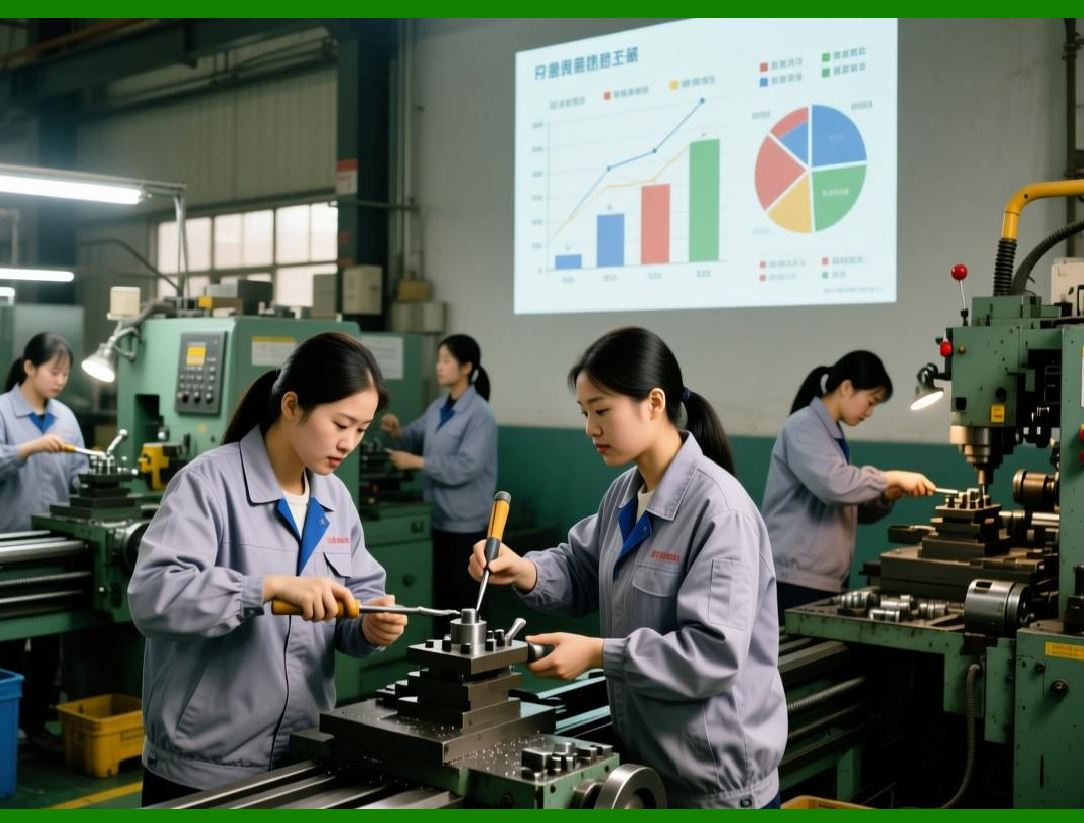
ERP systems maintain detailed customer profiles and customization records. |
2.2.3 |
Customer visibility improves personalization consistency and service quality. |
|
3. Customer Relationship Management in Luxury ERP Systems |
3.1 VIP Customer Profile Management |
3.1.1 |
Luxury ERP systems maintain comprehensive customer profiles involving: |
* Measurement history |
* Purchase preferences |
* Style interests |
* Event purchasing patterns |
3.1.2 |
Customer insights improve personalized service and retention. |
3.2 Clienteling and Personalized Service Coordination |
3.2.1 |
Luxury fashion enterprises emphasize: |
* Personalized communication |
* Dedicated sales advisors |
* Exclusive customer experiences |
3.2.2 |
ERP-integrated CRM systems support: |
* Appointment scheduling |
* Personalized recommendations |
* VIP relationship management |
3.2.3 |
Clienteling improves customer loyalty and brand engagement. |

|
4. Product Development and Customization Management |
4.1 Bespoke Product Configuration |
4.1.1 |
ERP systems coordinate custom apparel configuration involving: |
* Fabric selection |
* Style customization |
* Measurement input |
* Accessory selection |
4.1.2 |
Configuration management improves order accuracy and operational consistency. |
4.2 Sample and Prototype Coordination |
4.2.1 |
Luxury apparel development often requires: |
* Sample approvals |
* Prototype revisions |
* Artisan craftsmanship coordination |
4.2.2 |
ERP systems manage: |
* Development timelines |
* Revision tracking |
* Material allocation |
4.2.3 |
Development coordination improves product quality and launch efficiency. |
|
5. Material Sourcing and Traceability |
5.1 Premium Material Procurement |
5.1.1 |
Luxury apparel enterprises source: |
* Premium fabrics |
* Rare materials |
* High-end accessories |
5.1.2 |
ERP systems maintain: |
* Supplier certifications |
* Material traceability |
* Procurement coordination |
5.1.3 |
Material visibility improves quality control and brand authenticity. |
5.2 Sustainability and Ethical Sourcing |
5.2.1 |
Luxury consumers increasingly expect: |
* Sustainable sourcing |
* Ethical manufacturing |
* Environmental responsibility |
5.2.2 |
ERP systems track: |
* Sustainability certifications |
* Supplier audits |
* Environmental compliance |
5.2.3 |
Sustainability visibility improves ESG performance and brand reputation. |

|
6. Production Scheduling in Custom Apparel Manufacturing |
6.1 Artisan Workforce Coordination |
6.1.1 |
Luxury apparel production often relies heavily on skilled artisans involving: |
* Tailors |
* Embroiderers |
* Pattern specialists |
* Hand-finishing experts |
6.1.2 |
ERP systems coordinate: |
* Production assignments |
* Skill-based scheduling |
* Workflow prioritization |
6.1.3 |
Artisan coordination improves production quality and delivery accuracy. |
6.2 Made-to-Order Production Management |
6.2.1 |
Custom apparel production is typically order-driven rather than inventory-driven. |
6.2.2 |
ERP systems coordinate: |
* Customer measurements |
* Material reservations |
* Production milestones |
* Delivery scheduling |
6.2.3 |
Order-driven coordination improves customization accuracy and operational efficiency. |
|
7. Quality Management in Luxury ERP Systems |
7.1 Multi-Stage Quality Inspection |
7.1.1 |
Luxury apparel products require strict quality control involving: |
* Fabric inspections |
* Craftsmanship evaluation |
* Fit verification |
* Final presentation checks |
7.1.2 |
ERP systems record: |
* Inspection results |
* Defect tracking |
* Corrective actions |
7.1.3 |
Quality visibility improves product consistency and customer satisfaction. |
7.2 Product Authentication and Traceability |
7.2.1 |
Luxury brands face risks involving: |
* Counterfeit products |
* Unauthorized distribution |
* Brand dilution |
7.2.2 |
ERP systems increasingly support: |
* Digital authentication |
* Serial number tracking |
* Blockchain traceability |
7.2.3 |
Traceability improves product authenticity and brand protection. |

|
8. Inventory Management in Luxury Apparel ERP Systems |
8.1 Limited Edition Inventory Coordination |
8.1.1 |
Luxury brands frequently manage: |
* Exclusive collections |
* Limited production quantities |
* Seasonal capsule products |
8.1.2 |
ERP systems optimize: |
* Inventory allocation |
* Boutique replenishment |
* Product exclusivity management |
8.1.3 |
Inventory visibility improves operational control and brand positioning. |
8.2 High-Value Inventory Security |
8.2.1 |
Luxury products often involve extremely high inventory value. |
8.2.2 |
ERP systems support: |
* Secure inventory tracking |
* Access control |
* Real-time stock visibility |
8.2.3 |
Security coordination reduces inventory risks and financial losses. |

|
9. Retail and Omni-Channel Luxury Operations |
9.1 Global Boutique Coordination |
9.1.1 |
Luxury fashion enterprises often operate: |
* Flagship boutiques |
* Premium department store partnerships |
* Exclusive retail locations |
9.1.2 |
ERP systems synchronize: |
* Product availability |
* Inventory visibility |
* Pricing consistency |
9.1.3 |
Global coordination improves operational efficiency and customer experience. |
9.2 Digital Luxury Commerce Integration |
9.2.1 |
Luxury brands increasingly expand into: |
* Online retail |
* Virtual consultations |
* Digital fashion experiences |
9.2.2 |
ERP systems integrate: |
* E-commerce operations |
* CRM systems |
* Personalized digital marketing |
9.2.3 |
Digital integration improves customer engagement and global accessibility. |
|
10. AI and Analytics in Luxury ERP Systems |
10.1 Personalized Recommendation Systems |
10.1.1 |
ERP-integrated AI systems analyze: |
* Customer preferences |
* Purchase history |
* Style behavior |
* Seasonal interests |
10.1.2 |
AI personalization improves luxury customer experience and loyalty. |
10.2 Predictive Demand and Collection Planning |
10.2.1 |
ERP systems increasingly analyze: |
* Regional demand |
* VIP purchasing behavior |
* Fashion trend data |
10.2.2 |
Predictive analytics improve collection planning and inventory allocation. |
|
11. Financial Management in Luxury Fashion ERP Systems |
11.1 Margin and Profitability Analysis |
11.1.1 |
Luxury fashion enterprises require detailed profitability analysis involving: |
* Material costs |
* Artisan labor |
* Boutique performance |
* Regional sales |
11.1.2 |
ERP systems provide: |
* Margin analysis |
* Product profitability tracking |
* Financial forecasting |
11.1.3 |
Financial visibility improves strategic decision-making. |
11.2 Global Currency and Tax Coordination |
11.2.1 |
Luxury brands frequently operate internationally across multiple currencies and tax environments. |
11.2.2 |
ERP systems support: |
* Currency conversion |
* International tax compliance |
* Financial consolidation |
11.2.3 |
Global financial coordination improves operational stability and compliance accuracy. |

|
12. Sustainability and Circular Luxury Fashion |
12.1 Sustainable Luxury Production |
12.1.1 |
Luxury consumers increasingly value: |
* Sustainable craftsmanship |
* Ethical sourcing |
* Long-lasting products |
12.1.2 |
ERP systems track: |
* Environmental metrics |
* Supplier sustainability |
* Resource utilization |
12.1.3 |
Sustainability coordination improves ESG performance and brand image. |
12.2 Luxury Resale and Circular Fashion |
12.2.1 |
Luxury resale markets continue to expand globally. |
12.2.2 |
ERP systems increasingly support: |
* Product authentication |
* Ownership traceability |
* Circular inventory management |
12.2.3 |
Circular luxury ecosystems improve sustainability and long-term brand value. |

|
13. Challenges in ERP Implementation for Luxury Apparel Enterprises |
13.1 Balancing Craftsmanship and Automation |
13.1.1 |
Luxury enterprises must balance: |
* Traditional craftsmanship |
* Operational scalability |
* Digital transformation |
* Personalized service |
13.1.2 |
ERP systems must support flexible workflows while preserving brand identity. |
13.2 Managing Highly Personalized Operations |
13.2.1 |
Custom apparel enterprises require: |
* Detailed customer data management |
* Complex production coordination |
* High service precision |
13.2.2 |
ERP systems must provide highly configurable operational architectures. |

|
14. Future Development of Luxury Apparel ERP Systems |
14.1 AI-Driven Personalized Luxury Ecosystems |
14.1.1 |
Future ERP systems may provide: |
* AI styling advisors |
* Personalized wardrobe planning |
* Predictive luxury recommendations |
14.1.2 |
Intelligent personalization will redefine luxury customer engagement. |
14.2 Fully Transparent Digital Luxury Platforms |
14.2.1 |
Future ERP systems may integrate: |
* Blockchain authentication |
* Digital product passports |
* Virtual ownership records |
* Immersive digital commerce environments |
14.2.2 |
Digital transparency will strengthen authenticity verification and customer trust. |
|
Technical Content Summary of Part 42 |
This part explored ERP applications within high-end custom apparel and luxury fashion enterprises. It explained the operational characteristics of luxury businesses involving low-volume high-value production, bespoke customization, artisan manufacturing, and premium customer experience management. |
The discussion covered VIP customer management, personalized service coordination, bespoke product configuration, premium material sourcing, artisan production scheduling, luxury quality management, digital authentication systems, omni-channel luxury retail coordination, AI-driven personalization, sustainability initiatives, and future intelligent luxury ecosystems. |
These ERP capabilities are essential for improving customization precision, operational coordination, product authenticity, customer loyalty, sustainability management, and global luxury retail scalability within high-end apparel enterprises. |

|
URLs for reference: |
* [https://www.sap.com/](https://www.sap.com/) |
* [https://www.oracle.com/](https://www.oracle.com/) |
* [https://www.infor.com/](https://www.infor.com/) |
* [https://www.gs1.org/](https://www.gs1.org/) |
* [https://www.ibm.com/blockchain/](https://www.ibm.com/blockchain/) |
 cs@easiersoft.com