Part 44 |
Human Resource Management and Workforce Coordination in Apparel ERP Systems |
1. Introduction to Human Resource Management in the Apparel Industry |
1.1 Importance of Workforce Management in Apparel Enterprises |
1.1.1 |
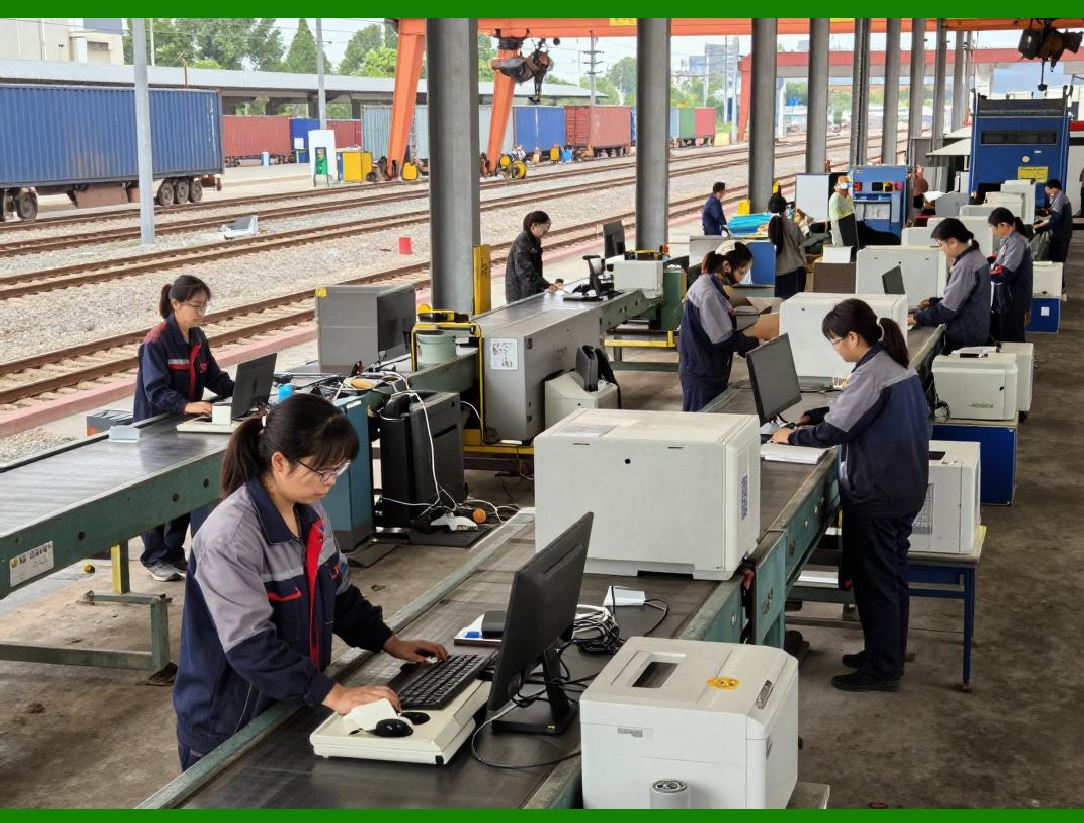
The apparel industry is one of the most labor-intensive industries in the global manufacturing sector. Apparel enterprises rely heavily on: |
* Sewing operators |
* Pattern makers |
* Designers |
* Quality inspectors |
* Warehouse workers |
* Retail employees |
* Logistics coordinators |
|
1.1.2 |
Human resource management in apparel enterprises involves highly complex coordination due to: |
* Seasonal labor demand |
* Multi-shift production |
* Skilled labor requirements |
* High employee turnover |
* Global workforce distribution |
1.1.3 |
ERP systems function as centralized workforce coordination platforms integrating: |
* Recruitment management |
* Attendance tracking |
* Payroll processing |
* Workforce scheduling |
* Performance evaluation |
* Training coordination |

|
1.1.4 |
Without ERP systems, apparel enterprises frequently encounter: |
* Labor inefficiencies |
* Scheduling conflicts |
* Payroll inaccuracies |
* Productivity visibility problems |
* Workforce compliance risks |
1.1.5 |
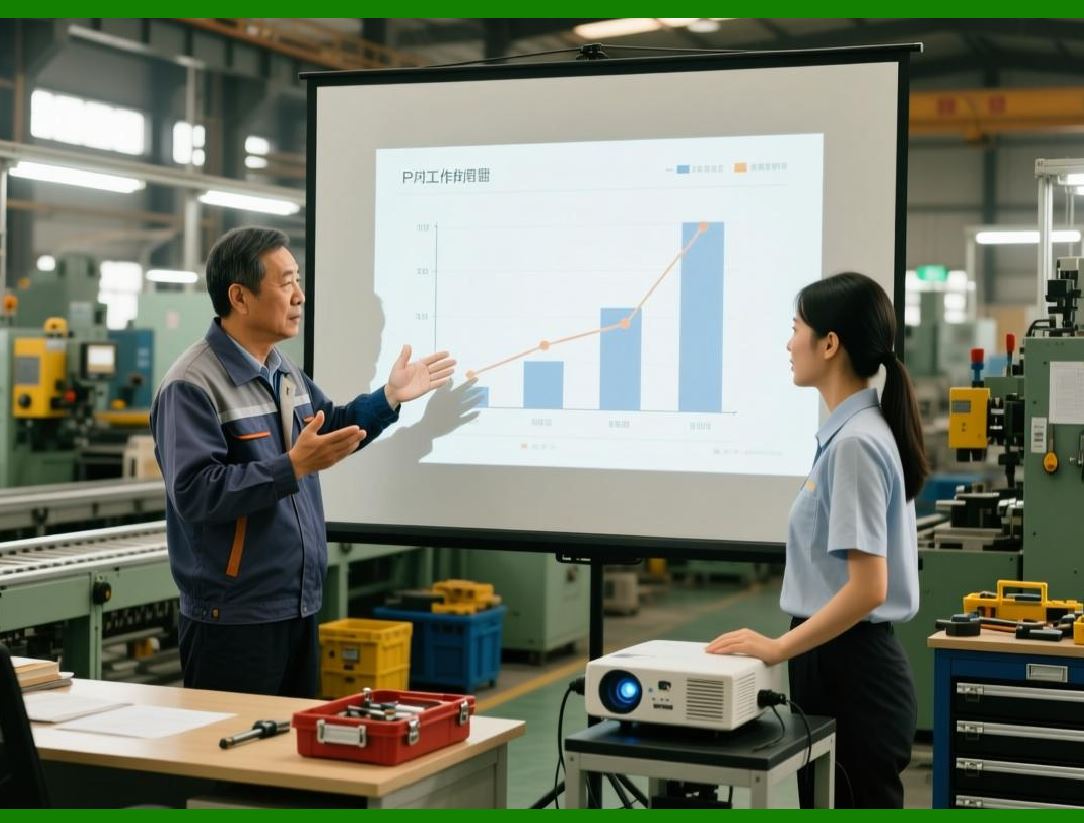
Modern ERP systems therefore play a critical role in improving workforce efficiency, operational coordination, and labor management transparency. |
|
2. Characteristics of Apparel Workforce Operations |
2.1 Labor-Intensive Manufacturing Environments |
2.1.1 |
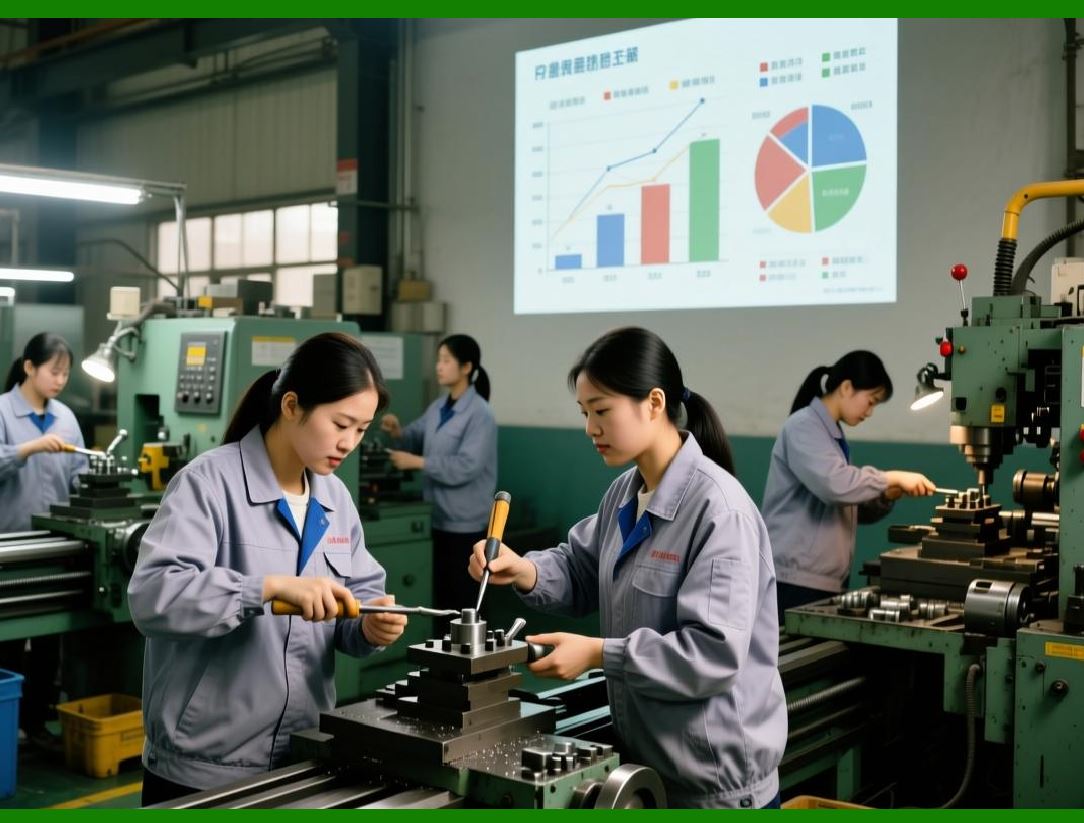
Many apparel manufacturing processes continue to rely heavily on manual operations involving: |
* Sewing |
* Embroidery |
* Finishing |
* Inspection |
* Packaging |
2.1.2 |
ERP systems coordinate workforce allocation and productivity monitoring. |
2.1.3 |
Labor visibility improves operational efficiency and production planning. |
2.2 Seasonal Workforce Fluctuations |
2.2.1 |
Apparel enterprises often experience seasonal labor demand changes due to: |
* Holiday sales periods |
* Back-to-school demand |
* Seasonal collections |
* Promotional events |
2.2.2 |
ERP systems support: |
* Temporary workforce planning |
* Seasonal recruitment coordination |
* Shift optimization |
2.2.3 |
Workforce flexibility improves operational responsiveness. |
|
3. Recruitment and Workforce Planning |
3.1 Recruitment Coordination |
3.1.1 |
ERP systems manage: |
* Job postings |
* Candidate databases |
* Interview scheduling |
* Hiring approvals |
3.1.2 |
Recruitment visibility improves workforce planning efficiency. |
3.2 Workforce Capacity Planning |
3.2.1 |
ERP systems analyze: |
* Production schedules |
* Retail staffing needs |
* Warehouse labor demand |
* Seasonal workforce requirements |
3.2.2 |
Capacity planning improves labor utilization and operational coordination. |

|
4. Employee Master Data Management |
4.1 Centralized Employee Information |
4.1.1 |
ERP systems maintain employee records involving: |
* Personal information |
* Job positions |
* Department assignments |
* Skill certifications |
* Employment history |
4.1.2 |
Centralized visibility improves HR coordination and compliance management. |
4.2 Skill Matrix and Competency Management |
4.2.1 |
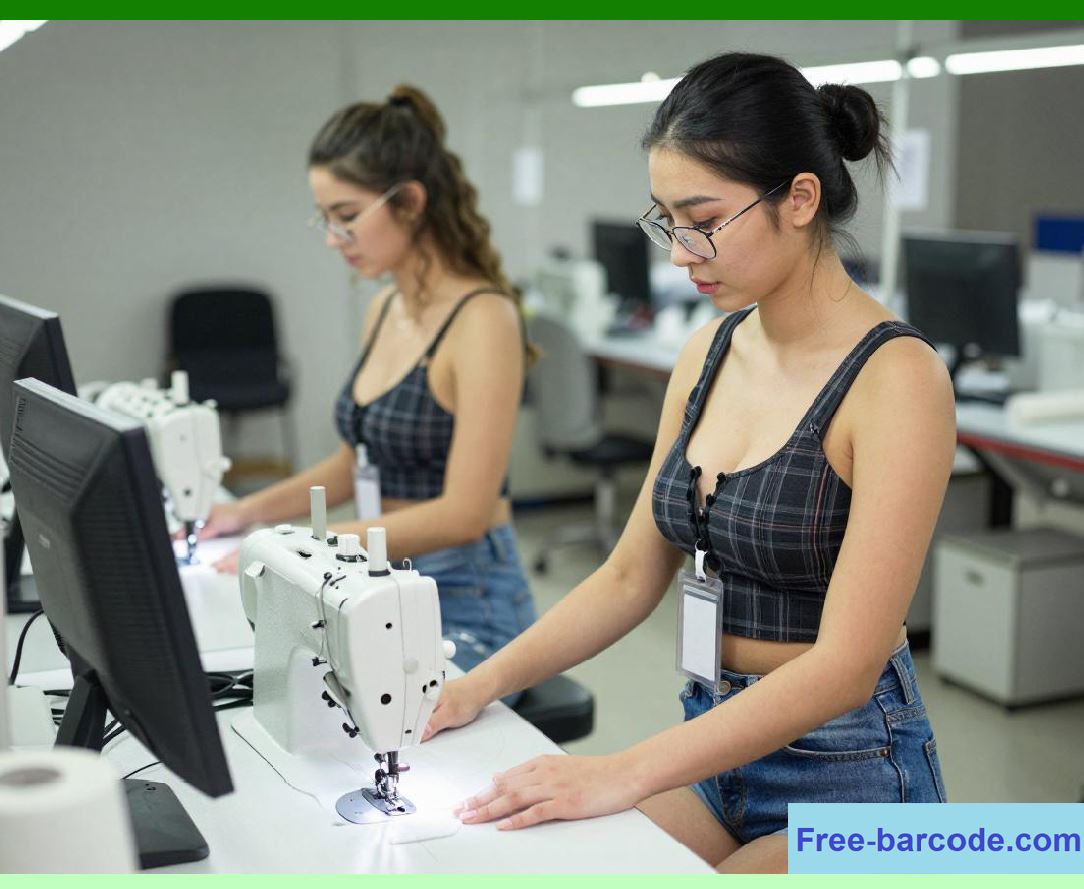
Apparel enterprises often require specialized workforce skills involving: |
* Sewing operations |
* Pattern development |
* Quality inspection |
* Machine operation |
4.2.2 |
ERP systems track: |
* Skill levels |
* Certification status |
* Training completion |
4.2.3 |
Skill visibility improves workforce allocation and production quality. |
|
5. Attendance and Shift Management |
5.1 Time and Attendance Tracking |
5.1.1 |
ERP systems monitor: |
* Employee attendance |
* Shift participation |
* Overtime hours |
* Leave management |
5.1.2 |
Automated attendance tracking improves payroll accuracy and workforce transparency. |
5.2 Multi-Shift Production Coordination |
5.2.1 |
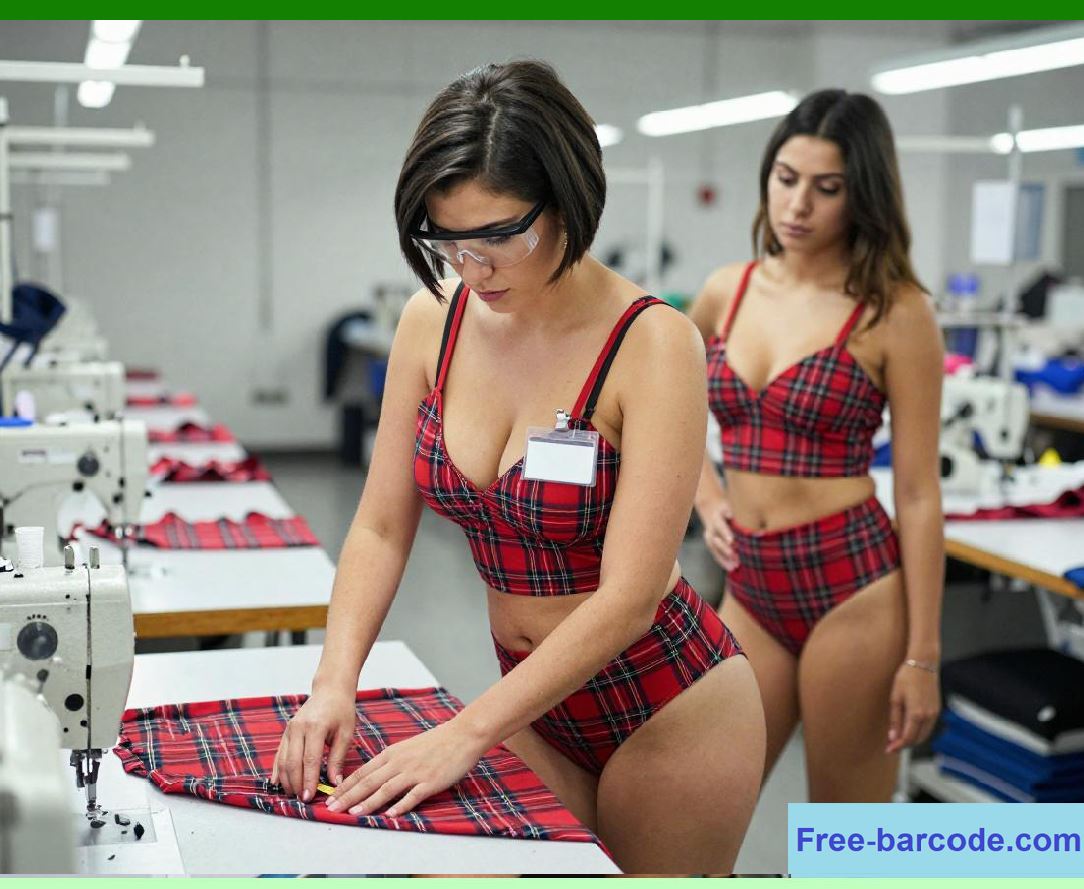
Many apparel factories operate multiple production shifts. |
5.2.2 |
ERP systems coordinate: |
* Shift scheduling |
* Workforce balancing |
* Labor availability |
5.2.3 |
Shift optimization improves manufacturing productivity and operational continuity. |
|
6. Payroll and Compensation Management |
6.1 Payroll Processing Automation |
6.1.1 |
ERP systems automate payroll calculations involving: |
* Base salaries |
* Overtime compensation |
* Incentive payments |
* Attendance deductions |
6.1.2 |
Payroll automation improves financial accuracy and operational efficiency. |
6.2 Performance-Based Incentive Systems |
6.2.1 |
Apparel enterprises frequently use productivity-based compensation involving: |
* Piece-rate wages |
* Sewing efficiency incentives |
* Sales commissions |
* Performance bonuses |
6.2.2 |
ERP systems calculate and manage performance-based compensation structures. |
6.2.3 |
Compensation transparency improves workforce motivation and accountability. |
|
7. Workforce Scheduling in Apparel Manufacturing |
7.1 Sewing Line Workforce Allocation |
7.1.1 |
ERP systems coordinate: |
* Operator assignments |
* Production line balancing |
* Skill-based workforce allocation |
7.1.2 |
Efficient workforce scheduling improves production efficiency and quality consistency. |
7.2 Retail Staff Scheduling |
7.2.1 |
ERP systems optimize retail workforce planning according to: |
* Customer traffic |
* Promotional activities |
* Seasonal sales patterns |
7.2.2 |
Scheduling optimization improves customer service and labor efficiency. |

|
8. Training and Workforce Development |
8.1 Employee Training Coordination |
8.1.1 |
ERP systems manage: |
* Training schedules |
* Certification tracking |
* Skill development programs |
8.1.2 |
Training coordination improves workforce capability and operational consistency. |
8.2 Cross-Functional Workforce Development |
8.2.1 |
Apparel enterprises increasingly encourage: |
* Multi-skill training |
* Cross-functional knowledge |
* Flexible workforce structures |
8.2.2 |
ERP systems track competency development and workforce flexibility. |
8.2.3 |
Cross-functional visibility improves operational resilience. |
|
9. Performance Evaluation and Productivity Analytics |
9.1 Manufacturing Productivity Monitoring |
9.1.1 |
ERP systems analyze: |
* Operator efficiency |
* Production output |
* Defect rates |
* Attendance performance |
9.1.2 |
Productivity analytics improve workforce optimization and operational efficiency. |
9.2 Retail Employee Performance Analysis |
9.2.1 |
ERP systems track: |
* Sales conversion rates |
* Customer service performance |
* Loyalty program participation |
* Revenue generation |
9.2.2 |
Retail analytics improve workforce management and customer experience. |

|
10. Compliance and Workforce Governance |
10.1 Labor Law Compliance Management |
10.1.1 |
Apparel enterprises must comply with: |
* Labor regulations |
* Overtime rules |
* Minimum wage requirements |
* Occupational safety standards |
10.1.2 |
ERP systems support compliance monitoring and reporting. |
10.1.3 |
Compliance visibility reduces legal and operational risks. |
10.2 Ethical Workforce Monitoring |
10.2.1 |
Global apparel brands increasingly monitor: |
* Factory working conditions |
* Ethical labor practices |
* Supplier workforce standards |
10.2.2 |
ERP systems coordinate: |
* Workforce audits |
* Compliance documentation |
* Ethical certification tracking |
10.2.3 |
Ethical visibility improves ESG performance and brand reputation. |

|
11. AI and Automation in HR ERP Systems |
11.1 AI-Based Workforce Forecasting |
11.1.1 |
ERP systems increasingly use AI to forecast: |
* Labor demand |
* Workforce shortages |
* Seasonal staffing requirements |
11.1.2 |
Predictive analytics improve workforce planning and recruitment coordination. |
11.2 Intelligent Workforce Optimization |
11.2.1 |
ERP systems increasingly optimize: |
* Shift scheduling |
* Productivity balancing |
* Workforce allocation |
* Training recommendations |
11.2.2 |
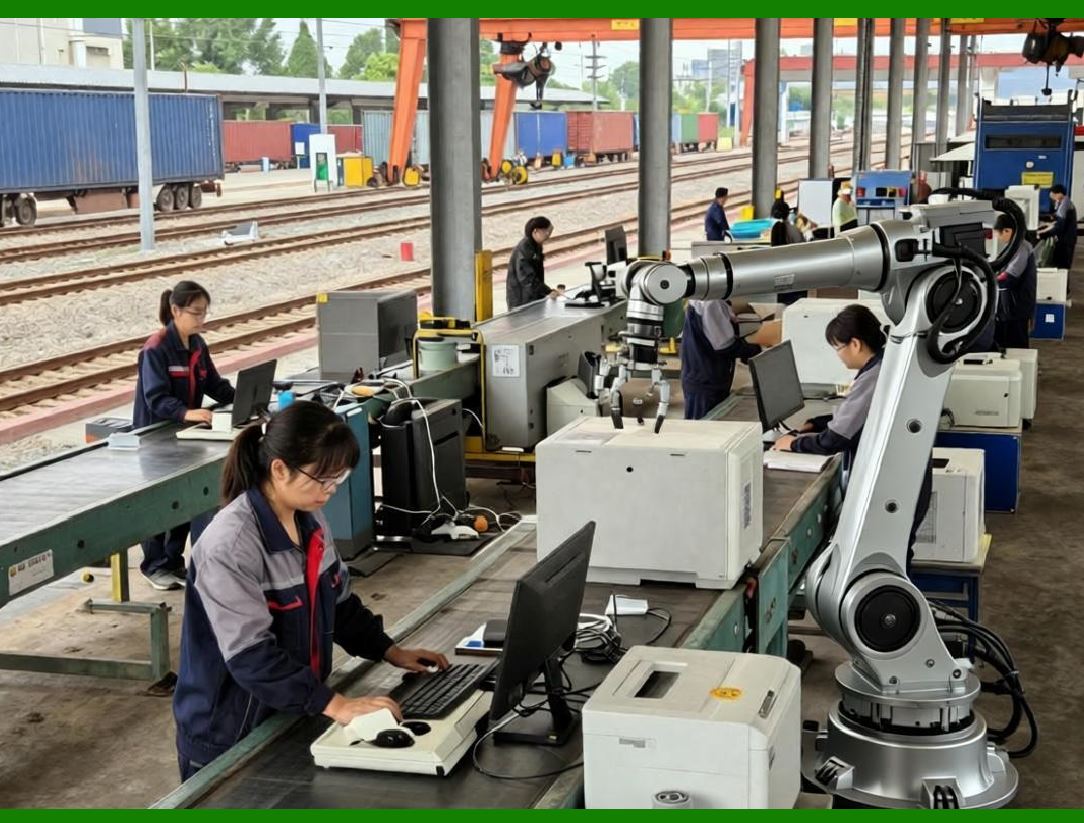
AI-driven workforce management improves operational efficiency and labor utilization. |
|
12. Workforce Management in Global Apparel Enterprises |
12.1 Multi-Country Workforce Coordination |
12.1.1 |
Global apparel enterprises often manage: |
* International factories |
* Regional retail teams |
* Cross-border operational staff |
12.1.2 |
ERP systems support: |
* Multi-language operations |
* Regional payroll compliance |
* International HR reporting |
12.1.3 |
Global coordination improves operational scalability. |
12.2 Outsourced Workforce Visibility |
12.2.1 |
Apparel enterprises frequently outsource: |
* Manufacturing operations |
* Logistics activities |
* Customer service functions |
12.2.2 |
ERP systems provide outsourced workforce visibility and performance monitoring. |
12.2.3 |
Operational transparency improves supplier coordination and workforce governance. |

|
13. Sustainability and Employee Well-Being |
13.1 Workforce Sustainability Programs |
13.1.1 |
Modern apparel enterprises increasingly prioritize: |
* Employee well-being |
* Safe working environments |
* Workforce retention |
* Career development |
13.1.2 |
ERP systems support workforce engagement tracking and HR analytics. |
13.1.3 |
Employee satisfaction improves operational stability and productivity. |
13.2 Diversity and Inclusion Monitoring |
13.2.1 |
Global apparel enterprises increasingly emphasize: |
* Workforce diversity |
* Inclusive employment practices |
* Equal opportunity programs |
13.2.2 |
ERP systems support HR reporting and diversity analytics. |
13.2.3 |
Inclusive workforce strategies improve corporate governance and ESG performance. |

|
14. Challenges in HR ERP Implementation for Apparel Enterprises |
14.1 Managing Large and Diverse Workforces |
14.1.1 |
Apparel enterprises frequently manage: |
* Large factory workforces |
* Retail employee networks |
* Seasonal labor fluctuations |
14.1.2 |
ERP systems must support scalable workforce coordination and real-time visibility. |
14.2 Balancing Productivity and Workforce Satisfaction |
14.2.1 |
Apparel enterprises must balance: |
* Production efficiency |
* Labor cost control |
* Employee well-being |
* Workforce retention |
14.2.2 |
ERP systems support integrated workforce optimization and operational coordination. |
|
15. Future Development of HR ERP Systems in Apparel Enterprises |
15.1 Intelligent Workforce Ecosystems |
15.1.1 |
Future ERP systems may autonomously coordinate: |
* Workforce scheduling |
* Skill allocation |
* Productivity optimization |
* Training recommendations |
15.1.2 |
Intelligent workforce ecosystems will improve operational agility and labor efficiency. |
15.2 Human-Centered Digital Workforce Platforms |
15.2.1 |
Future ERP systems may integrate: |
* AI career development systems |
* Employee wellness analytics |
* Digital collaboration platforms |
* Real-time workforce engagement monitoring |
15.2.2 |
Human-centered HR ecosystems will redefine workforce management in apparel enterprises. |

|
Technical Content Summary of Part 44 |
This part explored human resource management and workforce coordination within apparel ERP systems. It explained the labor-intensive nature of apparel enterprises involving factory workers, retail staff, seasonal labor demand, and global workforce coordination. |
The discussion covered recruitment management, workforce planning, employee master data management, attendance tracking, payroll automation, sewing line scheduling, retail workforce coordination, training management, productivity analytics, labor compliance monitoring, AI-driven workforce forecasting, sustainability initiatives, and future intelligent HR ecosystems. |
These ERP capabilities are essential for improving workforce efficiency, labor transparency, productivity management, compliance coordination, employee engagement, and operational scalability within apparel enterprises. |

|
URLs for reference: |
* [https://www.sap.com/](https://www.sap.com/) |
* [https://www.oracle.com/](https://www.oracle.com/) |
* [https://www.workday.com/](https://www.workday.com/) |
* [https://www.adp.com/](https://www.adp.com/) |
* [https://www.iso.org/](https://www.iso.org/) |
 cs@easiersoft.com